博客

  • Mexican fans blast horns outside Ecuador’s hotel, fueling a sleepless World Cup eve

    Mexican fans blast horns outside Ecuador’s hotel, fueling a sleepless World Cup eve

    MEXICO CITY — In a well-documented yet controversial display of pre-match psychological warfare, Mexican football fans launched an overnight disruption campaign targeting the Ecuador national squad ahead of their high-stakes World Cup round-of-32 matchup at Mexico City’s iconic stadium. Dozens of supporters assembled outside the Ecuadorian team’s accommodation at the Westin Hotel in Santa Fe, an upscale suburban district of the Mexican capital, starting at midnight and continuing into the early morning hours. They used blaring loudspeakers, honking car horns, and revving motorcycle engines to prevent visiting players from getting any meaningful rest before their crucial match.

    This kind of pre-match hotel protest, often nicknamed a “serenade” by local fans, is a deeply ingrained but fiercely divisive tradition across Latin American football. What started decades ago as a spontaneous, passionate expression of support for the home side has gradually morphed into a calculated tactic, intended to unsettle opponents and sabotage their on-field performance by depriving them of critical sleep ahead of kickoff. The disruption was coordinated entirely through social media platforms, amplifying its reach and turnout among local fans.

    The late-night ambush capped off a string of misfortunes that plagued Ecuador from the moment they began their journey to the Mexican capital. The squad had intentionally planned a last-minute arrival on Monday night, a strategic choice designed to minimize the physical impact of Mexico City’s high altitude. Sitting 2,200 meters (7,300 feet) above sea level, the thin mountain air can cause acute fatigue, shortness of breath, and reduced athletic performance in unacclimatized players.

    Sports scientists currently endorse two primary strategies to handle high-altitude matchups: one requires an extended acclimatization period of at least two weeks, allowing the body to adjust gradually to lower oxygen levels. The alternative is the so-called “fly-in, fly-out” approach, where teams arrive as close to kickoff as possible, before acute altitude symptoms can develop. This is the standard strategy used by most major North American professional sports teams when traveling to play matches in Mexico City, and Ecuador opted to follow this same approach.

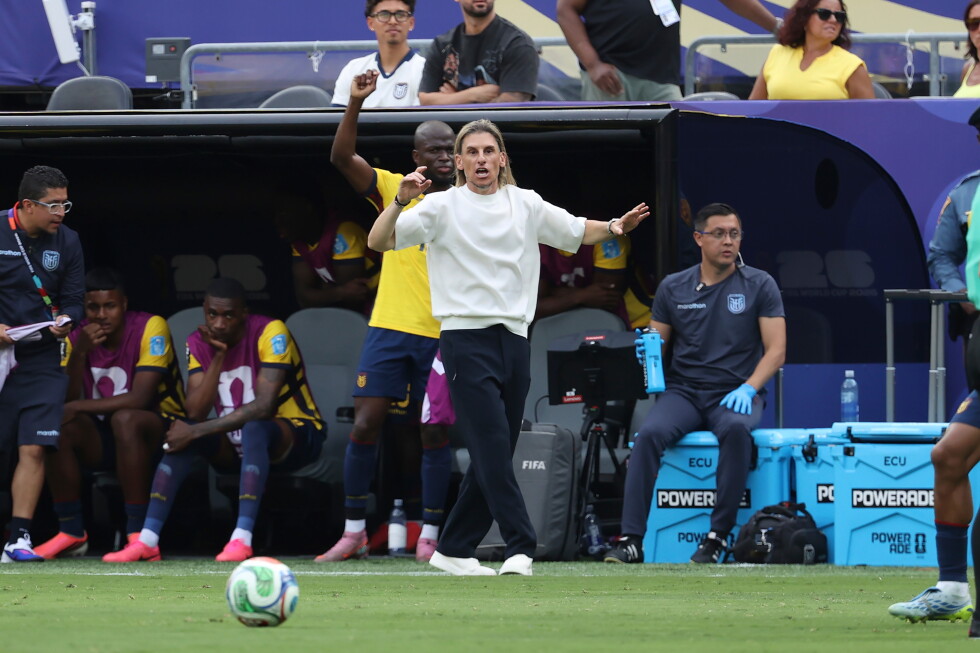
    But even the best-laid plans unraveled quickly for the South American side. Their journey from Columbus, Ohio was derailed by delays from the start. Head coach Sebastián Beccacece confirmed that the team’s flight was held up for more than three hours, though he did not clarify whether he had accounted for the two-hour time difference between the departure city and Mexico City. “It turned into a nine-hour trip from when we left to when we arrived at the hotel, three hours longer than our original schedule,” Beccacece told reporters. “That said, the squad is in good spirits and ready for the match — we know we’re facing a strong opponent that put up great results in the group stage.”

    Problems only compounded after the team landed. They touched down at Felipe Ángeles International Airport (AIFA), which sits roughly 65 kilometers (41 miles) outside the city center, far from their Santa Fe hotel. The squad then had to endure a grueling trek through Mexico City’s famously congested rush-hour traffic, which was made even worse by a heavy downpour that hit on Monday night, slowing travel to a crawl. The overnight fan disruption was the final unwanted challenge for the Ecuador squad ahead of their make-or-break World Cup clash.
  • Roof of tutoring center collapses in eastern Pakistan, killing at least 14 children

    Roof of tutoring center collapses in eastern Pakistan, killing at least 14 children

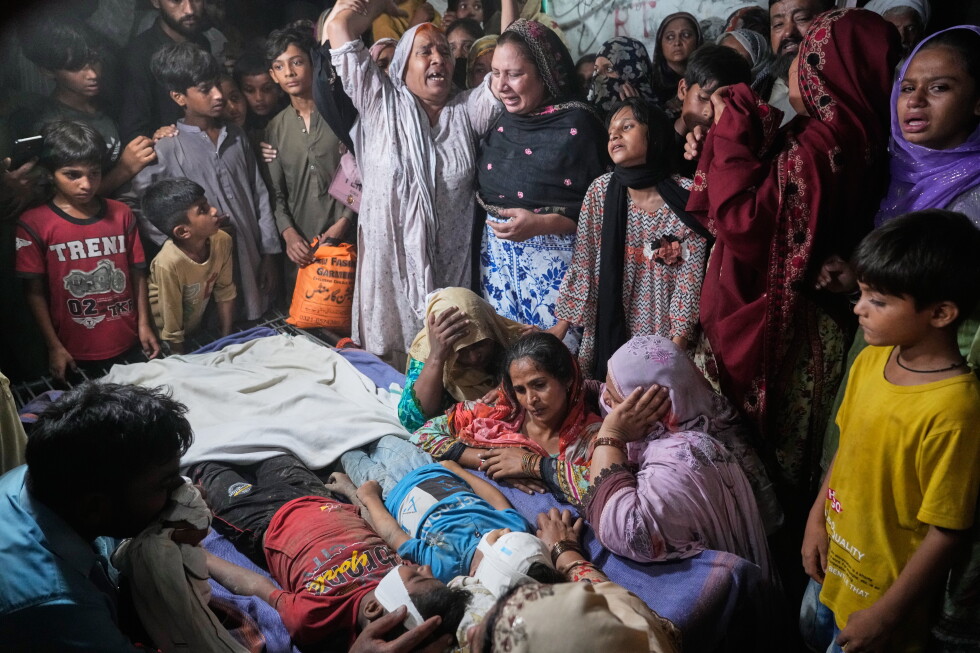
    On Tuesday, a tragic structural failure struck an under-construction tutoring center in Lahore, one of Pakistan’s largest eastern cities, leaving at least 14 schoolchildren dead and eight more injured, according to confirmation from local police and rescue authorities.

    Senior police officer Faisal Kamran shared that the eight injured children are currently receiving medical care at a local hospital, and law enforcement has already taken two people into custody: the owner of the tutoring center and a second individual linked to the project.

    Kamran added that rescue teams remain on site, working methodically to clear rubble amid reports that additional children may still be trapped beneath the collapsed debris. Initial investigations point to shoddy construction practices as the root cause of the disaster: the tutoring center operated out of an aging existing structure, and the roof of its unfinished second floor buckled under substandard building work.

    Pakistan’s President Asif Ali Zardari quickly issued an official statement expressing profound sorrow over the incident at the evening tutoring facility. He extended his deepest condolences to the families who lost loved ones, offered prayers for a full and rapid recovery for the injured children, and emphasized that robust, enforced safety protocols are critical to stopping comparable tragedies from occurring in the future.

    This disaster highlights a longstanding systemic issue across Pakistan: structural collapses are far too common in the country, thanks to chronically weak enforcement of construction codes. To cut construction costs, developers frequently cut corners, using low-grade building materials and disregarding mandatory safety regulations at alarming rates.

  • Denmark urges IOC to recognize Greenland and Faroe Islands as independent Olympic teams

    Denmark urges IOC to recognize Greenland and Faroe Islands as independent Olympic teams

    Nearly two decades after Denmark first floated the idea, a fresh push to grant the semi-autonomous territories of Greenland and the Faroe Islands the right to compete at the Olympic Games under their own national flags is gaining new political momentum. Denmark’s national parliament announced Tuesday that it has formally sent a letter to the International Olympic Committee (IOC) urging the global governing body to grant full recognition to independent national Olympic committees for both Arctic territories, a move that would allow their athletes to compete separately from Denmark at future Games.

    This revived request comes just weeks after Danish Prime Minister Mette Frederiksen formed a new left-leaning coalition government, which has made supporting the political autonomy of Greenland and the Faroe Islands a core policy priority. Notably, Frederiksen has previously stood firm against former U.S. President Donald Trump’s controversial 2019 proposal to purchase Greenland from Denmark, framing the island’s right to self-determination as a non-negotiable principle. The June 18 letter from parliament’s presidium, which was made public this week, is intended to codify the current Danish government’s clear political commitment to advancing more equal and expanded international participation for both territories, according to a statement from the Danish parliament.

    The proposal already has a precedent in other international sports: the Faroe Islands has been eligible to compete in FIFA qualifying tournaments for the European Championship and men’s World Cup since 1992, building a decades-long track record of independent international competition. Even within the Olympic movement, a small number of Greenlandic athletes have already competed at the Games, albeit under the Danish flag. Most recently, two Greenlandic biathletes represented Denmark at the 2026 Milan Cortina Winter Olympics in February.

    Despite this new push, the odds of the IOC approving Denmark’s request appear extremely low. Currently, the IOC recognizes 206 national Olympic committees around the world — 13 more than the number of member states recognized by the United Nations. However, the organization’s formal policy, established in 1996, restricts new recognition exclusively to fully independent sovereign states recognized by the broader international community. This rule is written directly into the Olympic Charter, which defines an eligible competing “country” as an independent state acknowledged by the global community. The IOC has followed this policy consistently in recent decades: it accepted Kosovo as a new member in 2014, and added South Sudan the following year, both of which are recognized independent UN member states. The policy shift in 1996 closed the door to recognition for non-sovereign territories, putting the current request on a direct collision course with the IOC’s longstanding rules.

  • 9 children killed as tricycle plunges into a canal in Egypt

    9 children killed as tricycle plunges into a canal in Egypt

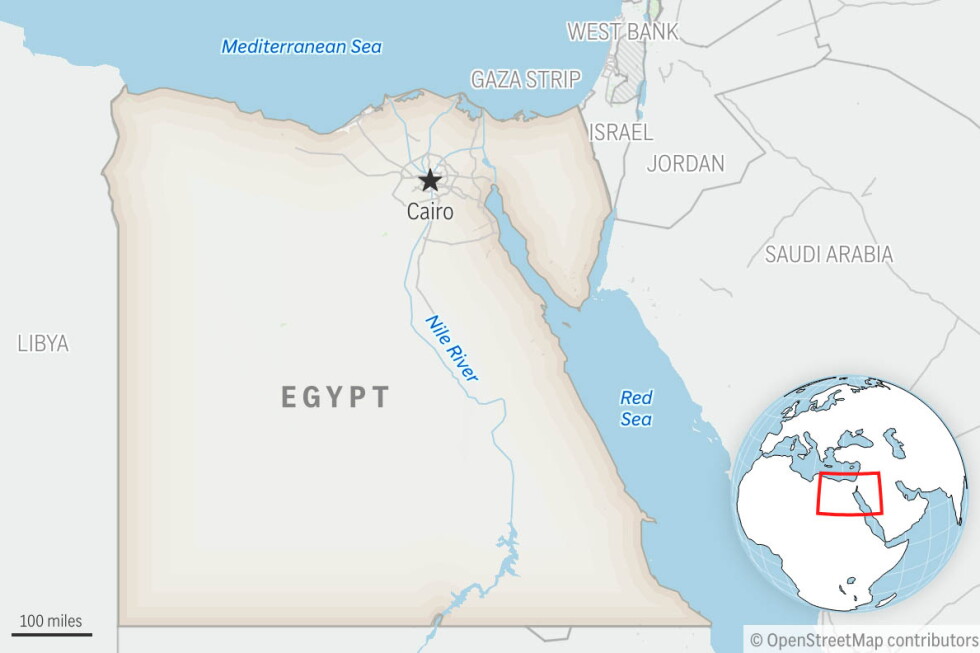
    CAIRO — A devastating traffic accident in southern Egypt has left nine children dead and two more injured after their motorized tricycle careened into a local canal on Tuesday, regional authorities confirmed. The incident unfolded in the Abu Tig district of Assiut, a southern Upper Egyptian province located roughly 320 kilometers south of Cairo, best known for its collection of ancient historic landmarks. The governor’s office publicly confirmed the details of the crash in an official statement shared via its Facebook page.

    Preliminary local media investigations point to a steering system failure as the root cause of the crash, which occurred while the vehicle was transporting a group of children home after they finished work on nearby agricultural farms. As of the latest update, the health status of the two injured children has not been released to the public. All recovered bodies of the deceased have been transported to Abu Tig Hospital for processing and identification, per the governor’s office.

    Local Egyptian news outlet Cairo 24 reports that the ages of the children killed in the accident fall between 10 and 17 years old. Images published by the governor’s office show large crowds of local residents gathered along the banks of the canal, while certified divers conducted search and recovery operations in the water.

    Following the tragedy, Assiut Governor Mohamed Elwan has issued an official order mandating that regional authorities roll out new safety protocols to prevent similar future incidents. Key measures include the installation of reinforced concrete safety barriers along the full length of high-risk canal banks in the district.

    This fatal incident is just the latest in a long pattern of deadly road accidents that kill thousands of Egyptians annually. The country has long struggled with a poor national transportation safety record, with systemic issues including widespread speeding, poorly maintained road infrastructure, and lax enforcement of existing traffic regulations cited as the leading contributing factors to frequent fatal crashes. Earlier in 2024, a high-speed collision between a cargo truck and a pickup truck on an Egyptian highway left 18 people dead, according to official government statements.

  • Aid workers warn of infectious diseases, overwhelmed hospitals after Venezuela quakes

    Aid workers warn of infectious diseases, overwhelmed hospitals after Venezuela quakes

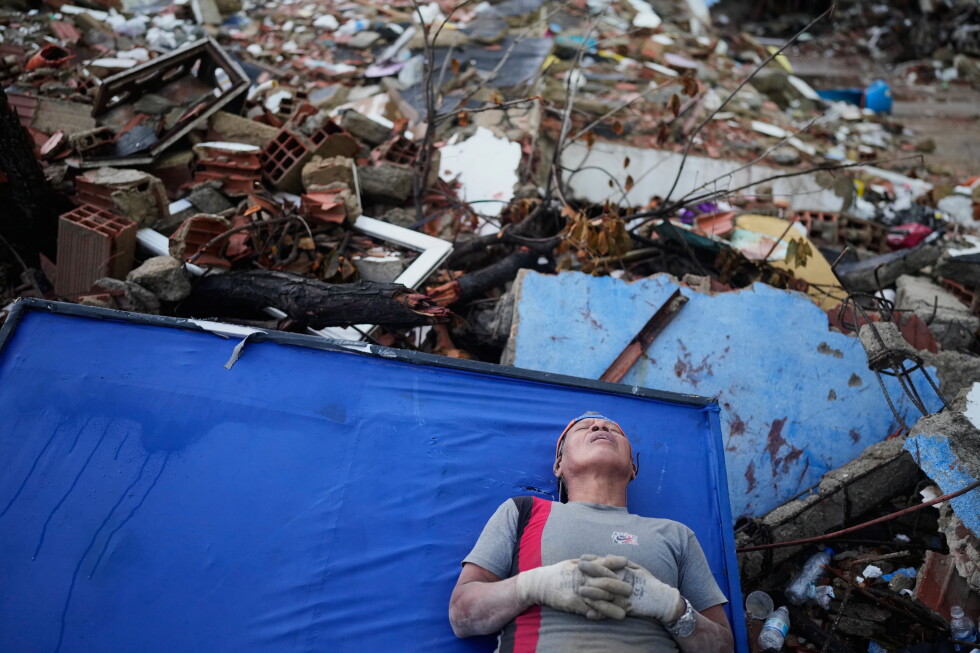
    Nearly seven days after a pair of powerful earthquakes struck Venezuela, international and local aid organizations are sounding the alarm that the country’s already crumbling public health system has been pushed past its breaking point. Damaged, understaffed medical centers are overwhelmed by a surge of injured survivors, while rapidly deteriorating sanitation conditions across disaster zones have created the perfect conditions for infectious disease outbreaks to take hold.

    Rescue and recovery operations led by dozens of international and domestic search teams continue to comb through collapsed infrastructure, pulling additional bodies from rubble each day as the official government death toll has climbed past 1,700. While search operations remain focused on locating any remaining trapped survivors, aid leaders warn a full-blown humanitarian emergency is already developing among the thousands of Venezuelans who survived the quakes but lost their homes.

    United Nations agencies have highlighted the growing public health risks facing displaced populations, who have spent days sleeping in open-air spaces or overcrowded, unsanitary emergency shelters. Carlotta Wolf, spokesperson for the UN refugee agency, confirmed Tuesday that official Venezuelan government figures put the number of displaced people affected by the quakes at more than 15,800, a number Wolf says will continue to climb as assessments progress. Thousands of suddenly homeless residents are now sheltering in vehicles, public parks, and other unregulated spaces, with no adequate emergency housing infrastructure available to accommodate them. Widespread food shortages are also plaguing residents in La Guaira, the hardest-hit state, Wolf added.

    Speaking at a press briefing in Geneva on Tuesday, World Health Organization spokesperson Christian Lindmeier explained that low pre-existing vaccination coverage across Venezuela leaves displaced populations uniquely vulnerable to outbreaks of vaccine-preventable illnesses such as measles. The post-quake disruption to sanitation and water systems has also sparked a resurgence of mosquito-borne and waterborne diseases including dengue, yellow fever, and malaria.

    Venezuela’s national healthcare system was already strained by decades of chronic underfunding and years of deep economic crisis before the earthquakes struck, and it is now operating far beyond its capacity to handle the sudden surge of traumatic injury cases, Lindmeier said. Official government data shows 38 hospitals across the country suffered major damage or were rendered unsafe by the quakes. WHO teams have completed assessments of 21 of those facilities so far, finding three are completely non-operational, six sustained significant structural damage, and the remainder are buckling under the unprecedented volume of patients.

    The crisis is compounded by the loss of critical medical personnel: many specialist doctors, including senior maternity care staff in La Guaira, remain trapped or missing under collapsed buildings. “Our assessments found chaotic care delivery and patient flow, marked by extreme overcrowding, growing backlogs for urgent surgical procedures, and a complete breakdown of basic biosafety protocols,” Lindmeier said. The chaos has also led to the collapse of forensic and morgue services, leaving authorities unable to properly document and store recovered remains.

    Venezuelan authorities have released daily updates on the human toll, reporting a confirmed count of 1,719 dead and more than 5,000 injured as of Monday. But independent experts warn the official count is almost certainly a significant undercount, as thousands of people remain unaccounted for, and hopes of finding additional survivors fade with each passing day. The government has not released an official count of missing people, and widespread damage to cellular communications and other critical infrastructure has made it extremely difficult to track how many people remain buried under rubble. One independent non-governmental digital tracking platform has listed more than 50,000 people as missing, though it remains unclear how many of those listings correspond to people who have not yet been accounted for by official teams.

    This report was compiled by DeBre from Buenos Aires, Argentina, with additional reporting from the Associated Press. Follow AP’s full coverage of Latin America and the Caribbean at apnews.com/hub/latin-america.

  • Supreme Court’s birthright ruling is major blow to Trump

    Supreme Court’s birthright ruling is major blow to Trump

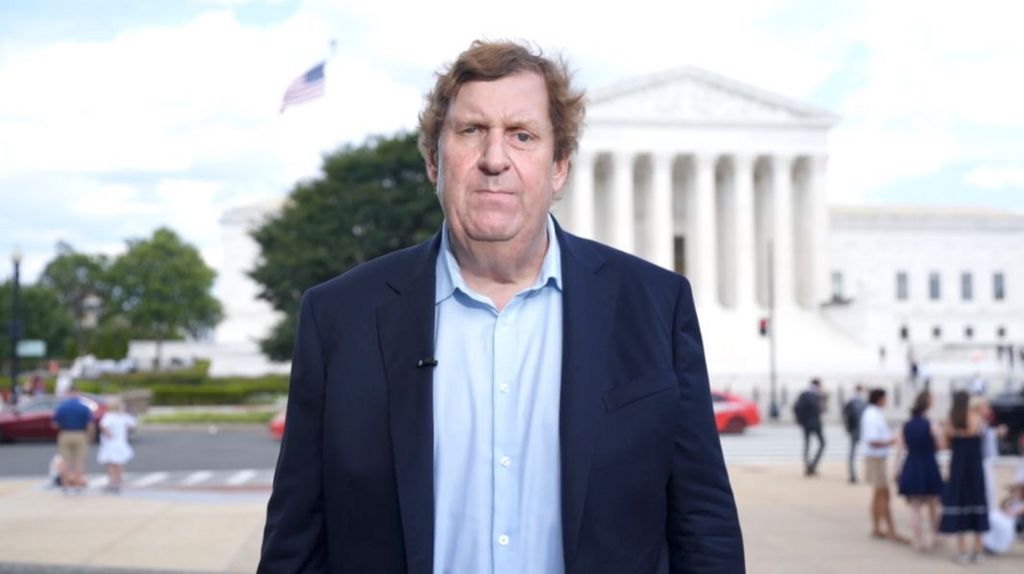
    A recent landmark ruling on birthright citizenship issued by the U.S. Supreme Court has delivered a major political and legal setback to former President Donald Trump, according to analysis from BBC senior White House correspondent Gary O’Donoghue. For years, Trump has pushed for controversial changes to the long-standing interpretation of the 14th Amendment of the U.S. Constitution, which has granted automatic citizenship to nearly all people born on U.S. soil since the Reconstruction era. Trump and his supporters have repeatedly argued that the clause does not extend automatic citizenship to children of non-citizens and undocumented immigrants, a position that became a core part of his restrictive immigration policy agenda during his presidency and remained a key policy priority in post-presidency political activity. The Supreme Court’s ruling explicitly upheld the traditional interpretation of the 14th Amendment’s Citizenship Clause, rejecting the legal challenge that aligned with Trump’s long-held policy stance. O’Donoghue breaks down the far-reaching implications of this decision for American immigration policy, the future of Trump’s political agenda, and the broader national debate over citizenship and immigration. The ruling not only blocks one of Trump’s most high-profile policy goals but also sets a firm legal precedent that will make it far harder to enact changes to birthright citizenship through the courts for years to come. It also reshapes the ongoing political conversation around immigration, a defining issue for American national politics heading into upcoming election cycles, strengthening the position of advocates who support inclusive citizenship policies while dealing a blow to hardline immigration reform efforts long championed by Trump and his allies.

  • Senegalese MPs move to clip presidential powers as tensions mount

    Senegalese MPs move to clip presidential powers as tensions mount

    A bitter power struggle between Senegal’s top two political leaders boiled over this week as lawmakers approved a controversial package of constitutional changes that shift executive authority to the legislative branch, triggering street clashes outside the National Assembly and throwing the West African nation into renewed political uncertainty.

    The amendments, which passed by an overwhelming majority following hours of heated, tense debate in the chamber, mark the latest escalation in a public feud between President Bassirou Diomaye Faye and parliamentary Speaker Ousmane Sonko — once close allies who swept to power together in 2024 on a platform of transformative systemic change, before their alliance collapsed into open rivalry earlier this year. Tensions between the pair had been simmering for months over disagreements about how to manage Senegal’s mounting debt crisis, with Sonko, who previously served as Faye’s prime minister, openly lambasting the president’s policy approach. The split reached a breaking point in May, when Faye dismissed Sonko from his cabinet. Sonko, however, retained overwhelming support from his Pastef party, which holds a supermajority of 130 out of 165 seats in the National Assembly, and was quickly elected speaker by legislative allies just weeks later.

    The reform package, put forward by Pastef lawmakers, includes multiple key changes designed to expand parliamentary authority at the expense of the presidency. Provisions include broadening lawmakers’ investigative powers to strengthen legislative oversight of the executive branch, requiring full public disclosure of all natural resource contracts to parliament, and expanding the scope of authority held by permanent parliamentary committees. The reforms would also restructure the country’s top constitutional body, replacing the existing Constitutional Council with a new nine-member Constitutional Court, up from the current seven members. Another contested provision bars a sitting president from holding leadership position within a political party — a change widely viewed as targeted at Faye, who remains a dues-paying Pastef member despite stepping back from official party roles. If enacted, analysts say the rule could block Faye from launching his own independent political party ahead of the next national election. A final provision prohibits a sitting president from signing new legislation into law during the transition period between a presidential election and the inauguration of the president-elect.

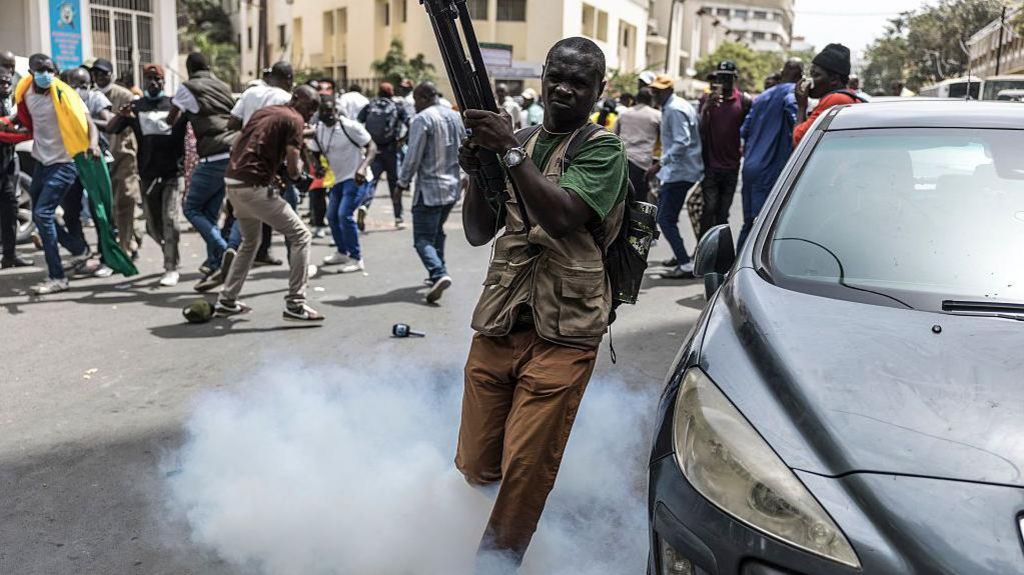
    Even as debate unfolded inside parliament on Monday, unrest broke out outside, where security forces were forced to deploy tear gas to disperse crowds of demonstrators who had gathered to oppose the reforms. Inside the chamber, opposition lawmakers walked out of the vote en masse to protest what they decried as an undemocratic power grab. Pastef leaders have defended the changes, framing them as a critical step to reinforce the separation of powers between Senegal’s executive, legislative, and judicial branches, and deliver on the 2024 campaign promise of deeper democratic reform. But critics across the political spectrum and civil society say the initiative is nothing more than a naked power grab by Sonko, who retains near-total control over the legislative majority and is seeking to weaken his former ally ahead of upcoming political contests.

    In a surprise announcement during Monday’s debate, Justice Minister Moussa Sarr confirmed that President Faye intends to put the constitutional amendments to a national referendum, a step required for constitutional changes under current law, though no timeline for the public vote has yet been announced. The announcement immediately sparked pushback from Sonko, who questioned whether the president had the legal authority to call a public referendum after the reforms had already been approved by a legislative majority. Opposition parties and dozens of civil society organizations have already called for the full bill to be withdrawn immediately, warning that the power shift will erode democratic checks and balances and deepen political gridlock in the country. Protesters have repeatedly accused the ruling Pastef party of using the reforms to redirect executive authority away from the presidency and into the hands of the legislative branch controlled by Sonko.

    The ongoing rift within what was once a united reform movement has plunged Senegal into a period of heightened political uncertainty just two years after the coalition won power on a pledge to clean up corruption and revitalize the country’s economy. With both sides digging in on their positions, the upcoming referendum process is expected to further polarize the West African nation.

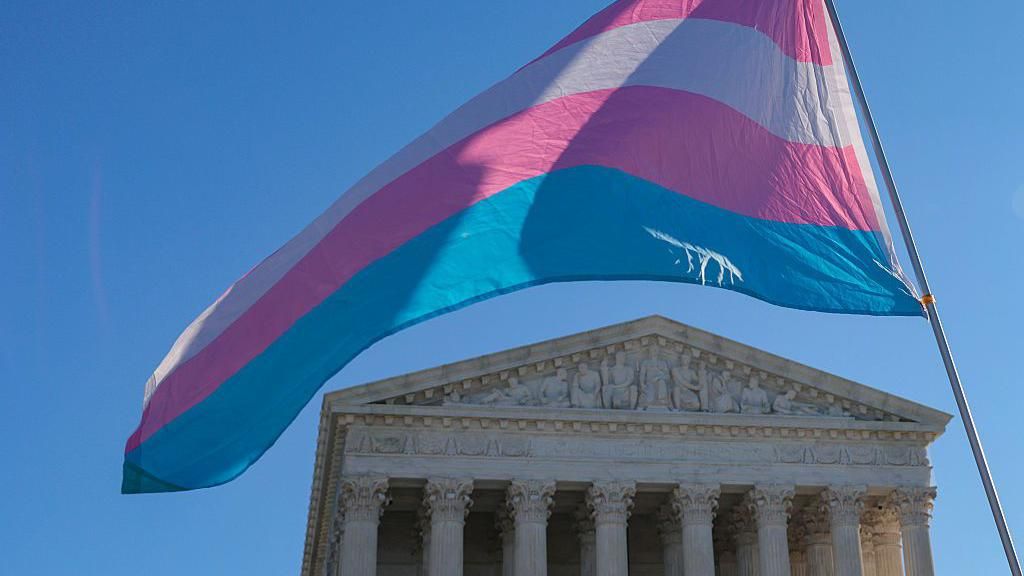
  • US Supreme Court upholds bans on transgender women in female school and college sports

    US Supreme Court upholds bans on transgender women in female school and college sports

    In a landmark decision that has reshaped the landscape of youth and collegiate athletics policy in the United States, the US Supreme Court has upheld the right of individual states to implement bans barring transgender women from competing on female sports teams at public K-12 schools and colleges. The ruling stems from two separate legal challenges brought against participation bans passed in the states of Idaho and West Virginia, both of which require athlete eligibility for public school and college sports to be determined based on an individual’s sex assigned at birth. The challengers argued that the restrictions violate core US legal protections: one claimed the ban runs afoul of equal rights guarantees enshrined in the US Constitution, while the other asserted it conflicts with federal civil rights legislation. Idaho pioneered this policy shift when it passed the first such ban in 2020, and in the years since, more than 25 other states have followed suit with similar legislation. Under these rules, transgender women – individuals who were assigned male at birth but identify as women – are completely excluded from competing in women’s and girls’ athletic programs at public educational institutions. Long-distance runner Lindsay Hecox was one of the first to mount a legal challenge to Idaho’s law, filing suit almost immediately after the legislation was signed into action. Lower courts sided with Hecox, granting her a preliminary injunction that blocked enforcement of the ban while the case worked its way through the judicial system. A three-judge panel on the appeals court even went a step further, ruling that the Idaho law violated constitutional equal protection rights. The panel noted that state officials had failed to present concrete evidence proving the ban was necessary to preserve competitive fairness and athletic opportunity for cisgender female athletes. Barbara Ehardt, the Idaho state lawmaker who originally sponsored the legislation, defended the ban at the time of its passage, arguing that excluding transgender women from female sports was necessary to prevent cisgender girls and women from being displaced from competition and to maintain a level playing field. The issue of transgender athlete eligibility has become a flashpoint in partisan US politics over the past several years, and it featured prominently in former President Donald Trump’s 2024 presidential election campaign. After taking office earlier this year, Trump signed an executive order mandating a federal ban on transgender women competing in female sports. In the wake of that executive action, the National Collegiate Athletic Association (NCAA), the governing body that oversees intercollegiate athletics across the United States, updated its own policies to implement a nationwide ban on transgender women’s participation in women’s college sports. The Supreme Court’s latest decision clears the way for existing state bans to go into full effect, and is expected to encourage more states to adopt similar restrictions in the coming months, deepening the national debate over transgender rights, athletic equity, and state versus federal authority over education policy.

  • Can the World Cup’s viral stars turn social media fame into fortunes?

    Can the World Cup’s viral stars turn social media fame into fortunes?

    The 2026 World Cup has produced more than just iconic on-pitch moments—it has sparked a new phenomenon where underrated, little-known athletes achieve overnight global fame through viral social media attention, reshaping how modern sports stardom is built. Two standout cases from the group stage illustrate just how dramatically social media can rewrite an athlete’s profile in a matter of days, even when that fame comes from very different origins.

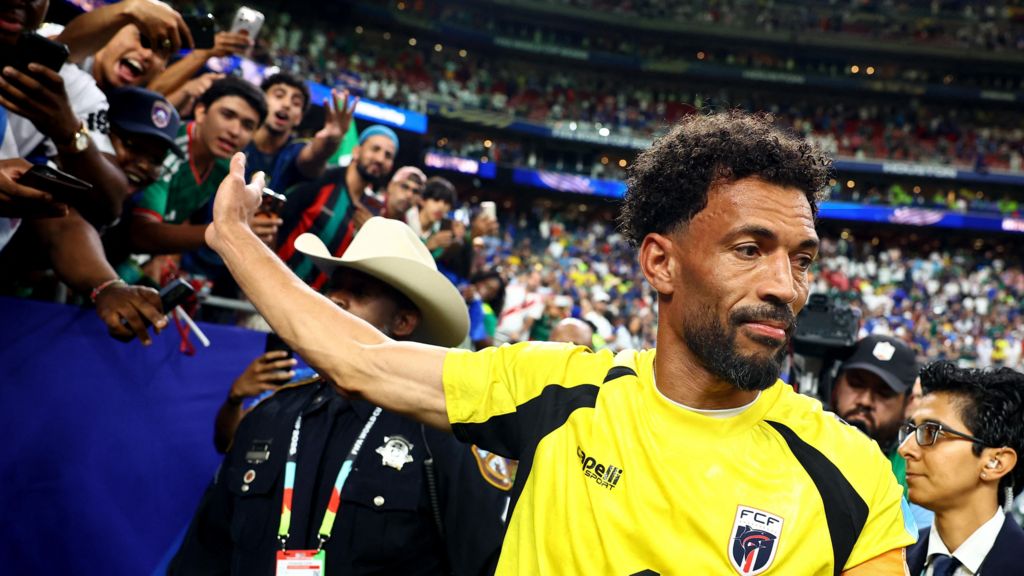
    For 40-year-old Cape Verde goalkeeper Vozinha, viral stardom was the product of a once-in-a-lifetime on-pitch performance. His 90-minute masterclass in goal against tournament favorite Spain secured a shock 0-0 draw for his underdog side, turning the previously little-known keeper into a global sensation overnight. In the days following the match, Vozinha’s Instagram follower count skyrocketed from just 50,000 to more than 17.4 million—surpassing the 15.5 million followers of NFL legend Tom Brady, one of the most famous athletes on the planet.

    Half a world away, New Zealand defender Tim Payne earned his viral fame through a very different route. Ahead of the tournament, an Argentine influencer with the online handle ‘elscarso’ dubbed Payne the ‘least-known player at the World Cup’ in a viral video, and called on his hundreds of thousands of followers to help boost the defender’s profile. Payne embraced the unexpected moment of attention, leaning into the trend by posting more content and engaging with the influencer who launched his rise. In just a few days, his follower count jumped from roughly 5,000 to nearly 6 million—enough to surpass the entire population of his home country, which sits just above 5.3 million. Unlike Vozinha, Payne’s new fame did not stem from a standout match performance, but from a spontaneous social media trend.

    Industry experts say these two cases are part of a larger shift in the sports world that has accelerated over the past decade. Mike Serazio, a Boston College professor who studies the intersection of media and sport, explained that unlike decades past, when athletes needed elite, long-term on-pitch success to land major commercial opportunities, social media has opened the door for any athlete to gain a following and strike lucrative brand deals. ‘You simply don’t need the mass media in the way that you did previously and athletes understand this,’ Serazio said. ‘Athletes have been taking to social media and using it ambitiously to cultivate followings, to strike brand deals, to make money, to leverage their popularity.’

    Serazio noted that today, viral moments carry more cultural and financial weight than consistent performance over an entire career or tournament. ‘Your performance across the whole arc of the game doesn’t matter as much as having a signature moment that’ll play well, that’ll reverberate in the viral confines of social media,’ he said. ‘The viral moment has greater currency, it’s the thing that matters more than the game itself.’

    While viral fame can open the door to six-figure payouts and brand partnerships—Brooke Duffy, a digital media scholar at Cornell University, confirmed that creators with millions of followers can regularly command payments exceeding $100,000 for sponsored content—experts warn that this fame is often fleeting. Serazio points out that viral stardom rises as quickly as it fades, questioning whether one-hit viral stars will be able to maintain their popularity and commercial opportunities long after the World Cup ends. ‘You have a window there of attention,’ Serazio said. ‘Nobody knew who the Cape Verde goalie was… and I don’t know that they’ll know who he is after the World Cup ends.’

    Unlike established global superstars such as Lionel Messi, Cristiano Ronaldo, or Kylian Mbappé, who will retain commercial clout long after they retire, there are far fewer examples of athletes who turned one viral moment into a sustainable long-term career off the pitch. One rare success story is U.S. rugby player Ilona Maher, who saw her popularity explode during the 2024 Paris Olympics and has since leveraged her following into a podcast, multiple brand ambassador roles, a modeling feature in Sports Illustrated, a runner-up finish on *Dancing with the Stars*, and a 2025 ESPY Award for Best Breakthrough Athlete.

    Duffy added that while long-term opportunities do exist for viral sports stars, the digital media economy remains unstandardized and unpredictable, with no set rates for sponsored content and few safeguards to guarantee a stable income. ‘These are individuals whose careers so far have been hitched to soccer. So thinking about how they navigate the variability of a kind of shadowy ecosystem of the digital media economy is curious,’ she noted.

    Right now, the cultural and financial value of these viral World Cup stars is at its peak. What becomes of their newfound fame, and whether it will translate to long-term professional and financial success, will ultimately depend on their ability to hold the attention of their new millions of followers long after the final whistle of the tournament.

  • Congo bans gatherings in areas far from Ebola outbreak. Some say it limits dissent

    Congo bans gatherings in areas far from Ebola outbreak. Some say it limits dissent

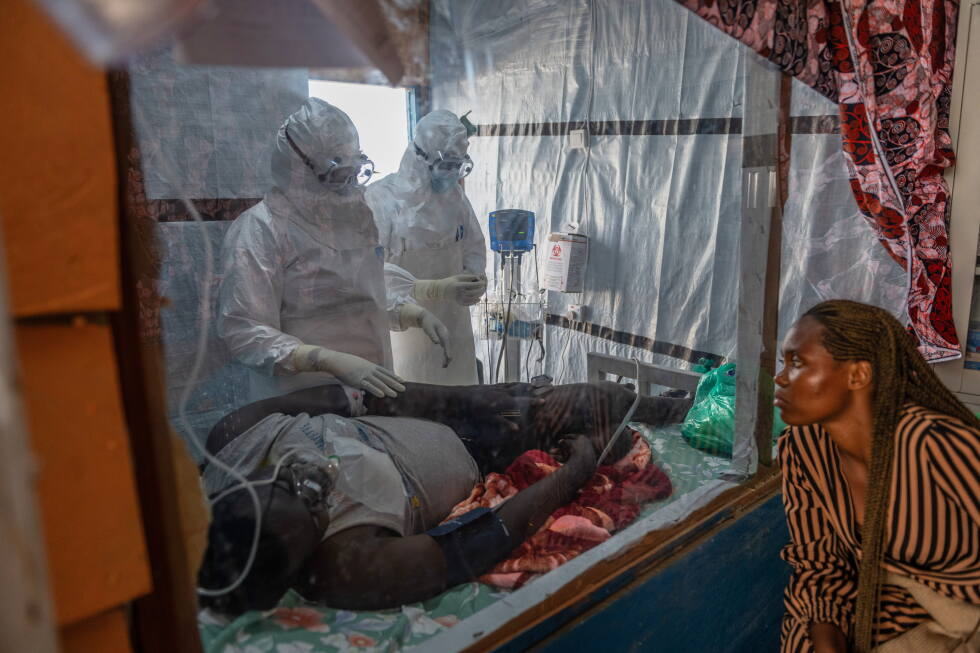
    KINSHASA, DRC – A new government ban on public demonstrations and large-scale gatherings across four provinces of the Democratic Republic of Congo – none of which have recorded confirmed Ebola cases – has triggered fierce backlash from opposition politicians and civil society groups, who claim the public health measure is a thinly veiled attempt to stifle political dissent ahead of a planned anti-government protest.