Nearly two decades after Denmark first floated the idea, a fresh push to grant the semi-autonomous territories of Greenland and the Faroe Islands the right to compete at the Olympic Games under their own national flags is gaining new political momentum. Denmark’s national parliament announced Tuesday that it has formally sent a letter to the International Olympic Committee (IOC) urging the global governing body to grant full recognition to independent national Olympic committees for both Arctic territories, a move that would allow their athletes to compete separately from Denmark at future Games.
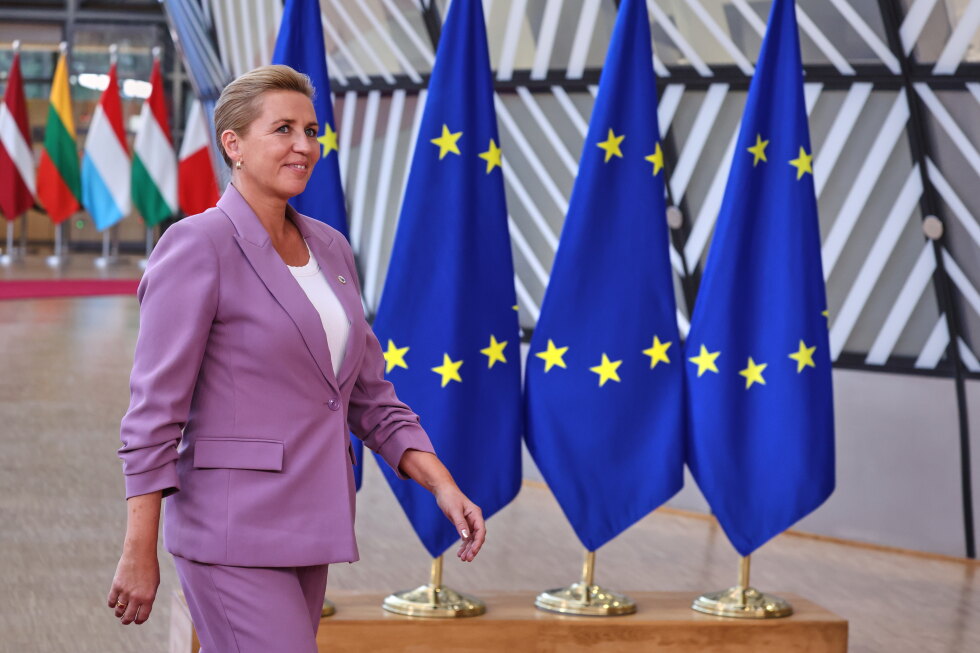
This revived request comes just weeks after Danish Prime Minister Mette Frederiksen formed a new left-leaning coalition government, which has made supporting the political autonomy of Greenland and the Faroe Islands a core policy priority. Notably, Frederiksen has previously stood firm against former U.S. President Donald Trump’s controversial 2019 proposal to purchase Greenland from Denmark, framing the island’s right to self-determination as a non-negotiable principle. The June 18 letter from parliament’s presidium, which was made public this week, is intended to codify the current Danish government’s clear political commitment to advancing more equal and expanded international participation for both territories, according to a statement from the Danish parliament.
The proposal already has a precedent in other international sports: the Faroe Islands has been eligible to compete in FIFA qualifying tournaments for the European Championship and men’s World Cup since 1992, building a decades-long track record of independent international competition. Even within the Olympic movement, a small number of Greenlandic athletes have already competed at the Games, albeit under the Danish flag. Most recently, two Greenlandic biathletes represented Denmark at the 2026 Milan Cortina Winter Olympics in February.
Despite this new push, the odds of the IOC approving Denmark’s request appear extremely low. Currently, the IOC recognizes 206 national Olympic committees around the world — 13 more than the number of member states recognized by the United Nations. However, the organization’s formal policy, established in 1996, restricts new recognition exclusively to fully independent sovereign states recognized by the broader international community. This rule is written directly into the Olympic Charter, which defines an eligible competing “country” as an independent state acknowledged by the global community. The IOC has followed this policy consistently in recent decades: it accepted Kosovo as a new member in 2014, and added South Sudan the following year, both of which are recognized independent UN member states. The policy shift in 1996 closed the door to recognition for non-sovereign territories, putting the current request on a direct collision course with the IOC’s longstanding rules.