博客

  • Former South Korea President Yoon gets five-year sentence for obstruction

    Former South Korea President Yoon gets five-year sentence for obstruction

    In a landmark judicial ruling with profound political implications, the Seoul Central District Court has convicted former South Korean President Yoon Suk Yeol on multiple felony charges, resulting in a five-year prison sentence. The verdict, delivered on Friday, January 16, 2026, marks a significant moment in the nation’s contemporary political history.

    The court found Yoon guilty of three primary offenses: obstruction of justice by deliberately impeding law enforcement’s execution of an arrest warrant; systematic fabrication of official government documents; and failure to adhere to mandatory legal procedures required for declaring martial law. These charges stem from his controversial and ultimately unsuccessful attempt to impose martial law in December 2024, an event that triggered a constitutional crisis.

    The ruling represents the first judicial conclusion among several criminal cases brought against the former president following the botched martial law declaration. The court’s decision underscores the judiciary’s role in checking executive power, particularly regarding actions perceived as undermining democratic institutions. Legal experts highlight that the conviction for document fabrication specifically relates to creating false justifications for the martial law implementation.

    While this verdict carries immediate legal consequences, the court acknowledged Yoon’s right to appeal the decision through higher judicial channels. The sentencing reflects South Korea’s continued commitment to judicial independence and accountability, even for the highest-ranking officials. This case joins other historic presidential prosecutions in South Korea, demonstrating the nation’s robust legal mechanisms for addressing alleged abuses of power at the highest levels of government.


  • BBC to make tailored shows for YouTube in content deal, FT reports

    BBC to make tailored shows for YouTube in content deal, FT reports

    The British Broadcasting Corporation (BBC) is embarking on a strategic pivot by entering into its first-ever content creation partnership with Google’s YouTube platform. According to a Financial Times report, this groundbreaking agreement will see the BBC develop tailored programming specifically for YouTube’s global audience.

    The collaboration represents a significant departure from the BBC’s traditional funding model, which relies on license fees from British television households. Under the new arrangement, programs initially produced for YouTube will subsequently appear on the BBC’s domestic platforms, including iPlayer and Sounds. The partnership primarily targets younger demographics who increasingly consume content through digital streaming services rather than traditional broadcast channels.

    Financial terms remain undisclosed, but the arrangement enables the BBC to generate advertising revenue when these specially created programs are viewed outside the United Kingdom. The agreement will formalize existing relationships between YouTube and both the BBC’s domestic public service arm and its commercial division, BBC Studios.

    This strategic move comes amid one of the most challenging periods in the BBC’s history. The organization recently faced leadership upheaval following the resignations of its two most senior executives. This management crisis emerged after former U.S. President Donald Trump filed a $10 billion lawsuit against the broadcaster. The legal action alleges that edited clips of a presidential speech misleadingly suggested Trump directed supporters to storm the U.S. Capitol on January 6, 2021.

    The YouTube partnership reflects the shifting media consumption landscape in Britain. Recent data from Barb Audiences reveals that YouTube reached 51.9 million British viewers in December, slightly surpassing the BBC’s audience of 50.8 million. This milestone underscores the platform’s growing dominance in the UK media market and highlights the imperative for traditional broadcasters to adapt to evolving viewer preferences.

  • Divalicious returns to Dubai with a curated fashion trunk show

    Divalicious returns to Dubai with a curated fashion trunk show

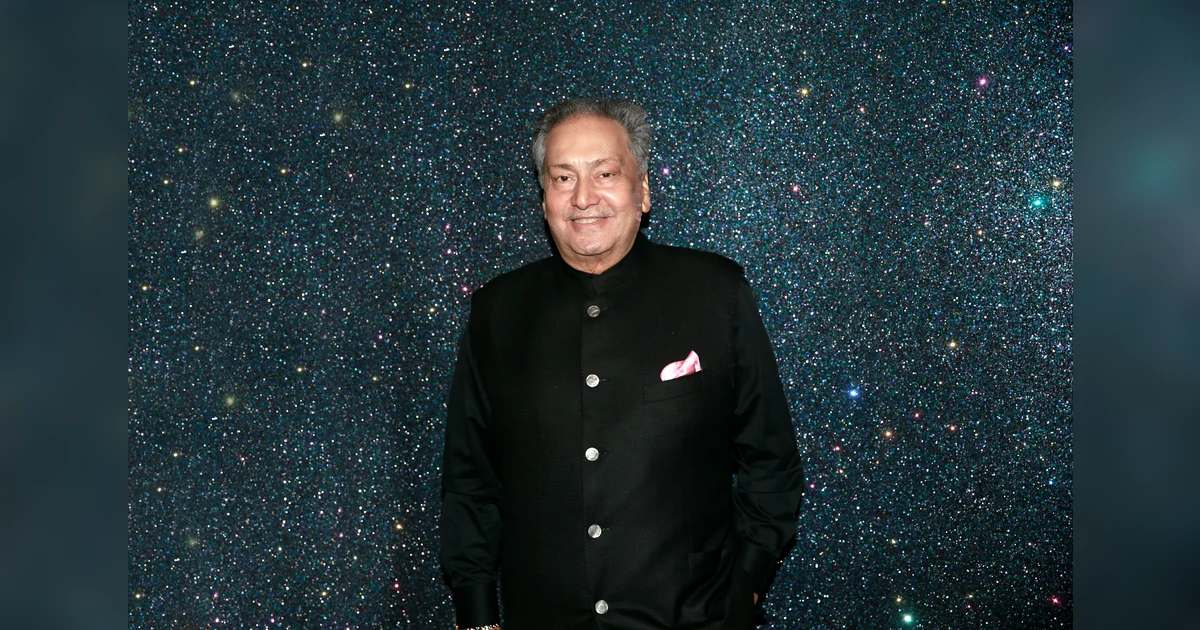
    Dubai’s fashion calendar welcomes the return of the prestigious Divalicious Curated Fashion Trunk Show on January 16-17, 2026, at Taj Business Bay. This sophisticated two-day exhibition assembles a meticulously selected array of designers and luxury labels within an elegant venue, creating an immersive shopping destination for discerning fashion enthusiasts.

    The event is strategically organized into distinct fashion categories to cater to the contemporary woman’s diverse needs. Luxe Prêt offers ready-to-wear luxury, couture presents exquisite craftsmanship, and high-street western fashion provides accessible style. The exhibition seamlessly bridges everyday sophistication with exceptional statement pieces, featuring everything from versatile wardrobe essentials to special occasion ensembles.

    Beyond apparel, the trunk show presents an exclusive collection of fine jewelry and fashion accessories, establishing itself as a comprehensive seasonal wardrobe refresh destination. Vanitaa Bhatia, founder of Divalicious, emphasized the event’s philosophy: “Divalicious is about thoughtful curation — fashion that feels relevant, versatile, and beautifully wearable for today’s social and professional lifestyles.”

    The brand has cultivated a distinguished reputation for merging sophisticated style with discovery and vibrant social interaction. Visitors can anticipate an engaging shopping experience that transcends traditional retail environments. The event opens daily at 10:00 AM, offering ample opportunity for fashion connoisseurs to explore the curated collections.

  • Al Maya Group ushers in a new era of global food excellence at Gulfood 2026

    Al Maya Group ushers in a new era of global food excellence at Gulfood 2026

    Dubai prepares to host an unprecedented convergence of food industry leaders as Gulfood 2026 expands into a dual-venue spectacle at the Dubai World Trade Centre and Dubai Exhibition Centre from January 26-30, 2026. This milestone 31st edition, operating under the theme ‘The Global Food Reset,’ will establish new benchmarks as the most comprehensive marketplace in food trade history, featuring thousands of exhibitors from nearly 200 countries and hundreds of thousands of products across 12 sector verticals.

    At the forefront of this transformation stands Al Maya Group, leveraging its four-decade legacy since its 1982 founding to drive evolution in FMCG sourcing, distribution, and retail excellence. The Group’s expansive distribution network across GCC nations and beyond positions it as a pivotal force in reshaping regional food systems.

    The event will debut groundbreaking elements including the Gulfood World Economy Summit and Future Food500 forum, assembling global leaders, policymakers, and technologists to address critical challenges in food security, climate-resilient value chains, and sustainable growth pathways.

    Kamal Vachani, Deputy CEO and Group Director, emphasized the event’s significance: ‘Gulfood 2026 represents the nerve center of food trade innovation and strategic alliances. We’re demonstrating how digital intelligence, sustainability, and future-focused supply chain platforms are fundamentally transforming regional food distribution.’

    Al Maya Group’s technological advancements form a cornerstone of this transformation, featuring sophisticated Warehouse Management Systems, automated order fulfillment, mobile sales force automation, and business intelligence tools that ensure supply chain transparency, product freshness, and timely delivery across its operations in UAE, Oman, Kuwait, Qatar, and Bahrain.

    The Group’s exhibition presence will serve as a strategic hub for forging new partnerships, exploring co-creation opportunities, and developing scalable distribution models that enhance competitiveness within the global food economy, while showcasing its curated portfolio of international and regional brands.

  • Experts: Regulations on AI smartphones needed to protect consumers

    Experts: Regulations on AI smartphones needed to protect consumers

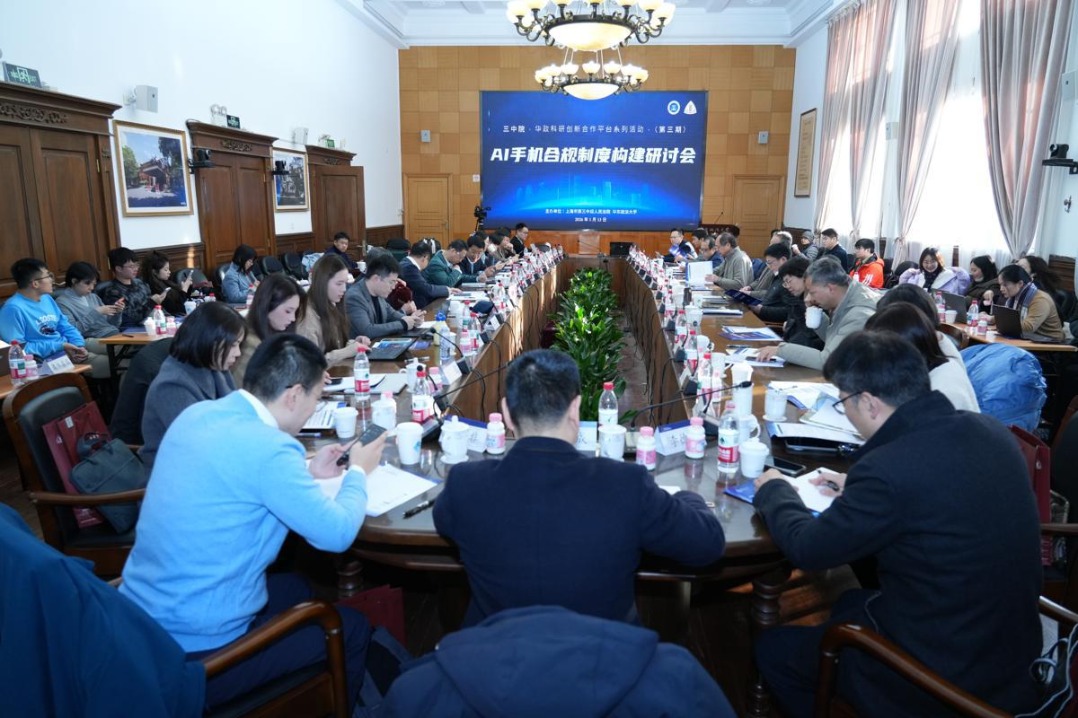
    Legal scholars and technology experts are advocating for the immediate development of comprehensive regulatory frameworks specifically designed for artificial intelligence-powered smartphones. The urgent call emerged from a specialized conference convened at East China University of Political Science and Law this Tuesday, where leading authorities addressed the growing legal and ethical challenges posed by AI-enabled mobile devices.

    Professor Li Mingde from the Chinese Academy of Social Sciences emphasized the critical need to balance technological innovation with market competition safeguards. “Current legal systems, compliance frameworks, and liability structures must evolve to address the unique challenges presented by AI smartphones,” he stated during the proceedings.

    Han Qiang, Deputy Party Secretary of the host institution, highlighted that these concerns transcend technical considerations, representing complex intersections of technological logic, legal frameworks, and ethical standards. The multidimensional nature of these issues underscores the pressing requirement for establishing clear compliance parameters.

    Professor Gao Fuping, Dean of the Internet Law Institute, presented a detailed analysis of how AI smartphones fundamentally challenge existing data protection paradigms. “The continuous sensing capabilities, cross-device data reading, and intelligent inference mechanisms inherent in AI devices are disrupting personal information protection systems built on ‘informed consent’ principles,” he explained. Traditional compliance approaches centered on purpose limitation and data minimization face significant adaptation challenges when confronted with AI’s high-frequency, multi-layered data processing methodologies.

    The conference produced several key recommendations for regulatory development:

    1. Establishing clear compliance boundaries to ensure AI agent permissions remain controllable and traceable
    2. Implementing substantive informed consent mechanisms that genuinely guarantee users’ rights to refuse, revoke, and delete data
    3. Maintaining comprehensive logs of AI agent processes to document critical operations
    4. Developing collaborative governance models involving judicial, administrative regulatory, and industry self-regulatory bodies

    Given the inherent limitations of administrative and judicial oversight in rapidly evolving technological landscapes, participants also explored the potential establishment of an independent supervisory entity. Professor Guo He from Renmin University of China stressed that ensuring meaningful user consent remains central to compliance, advocating against vague notifications and promoting user autonomy at critical decision points.

    While recognizing the need for regulation, arbitrator Chen Jinchuan from the World Intellectual Property Organization cautioned against premature legislative finalization, suggesting that market competition should be allowed appropriate adjustment room.

    In concluding remarks, Liu Junhua, Vice-President of the Shanghai Intellectual Property Court, emphasized the importance of comprehensive impact assessment and measured response. “We must calmly identify genuine problems and determine optimal timing and methods for legal intervention in this new technological revolution,” he summarized.

  • Zelensky hopes for security guarantees plan in looming US talks

    Zelensky hopes for security guarantees plan in looming US talks

    Ukrainian President Volodymyr Zelensky has expressed cautious optimism regarding potential security agreements with the United States, anticipated to be finalized during upcoming World Economic Forum negotiations in Davos. The Ukrainian leader revealed that diplomatic teams are en route to Washington for conclusive talks, stating that while Kyiv considers its preparatory work complete, American consensus remains essential for ratification.

    The proposed security framework represents a cornerstone of Ukraine’s strategic defense architecture against future Russian aggression. Zelensky emphasized that such guarantees are indispensable for deterring Moscow from repeating invasion attempts. These developments occur amid mounting tensions with former U.S. President Donald Trump, who has advocated for peace terms that Ukrainian officials equate to capitulation.

    Concurrently, Ukraine faces critical ammunition shortages in its air defense systems during a devastating Russian campaign against energy infrastructure. Zelensky disclosed that several air defense units had completely exhausted their missile inventories, though a newly delivered supply package has temporarily alleviated the crisis. The president acknowledged the tremendous human cost underlying each military shipment, noting that assistance arrives ‘through effort, blood, and people’s lives.’

    Russia’s intensified bombardment has created a humanitarian emergency, with over 15,000 energy workers battling sub-zero temperatures to restore demolished power facilities. Millions of citizens endure prolonged electricity and heating outages as temperatures plunge to -20°C in affected regions. Kyiv has responded by easing wartime curfews to facilitate access to emergency shelters and authorizing increased electricity imports from European neighbors.

    On the battlefield, Russian forces continue making incremental territorial gains, recently capturing villages in Donetsk and Zaporizhzhia regions while maintaining constant artillery pressure across the frontline. The Kremlin persists in claiming its strikes exclusively target military infrastructure, despite overwhelming evidence of civilian infrastructure destruction.

    Ukrainian Energy Minister Denys Shmygal characterized Russia’s strategy as ‘energy terror,’ while Prime Minister Yulia Svyrydenko confirmed the government maintains 20 days of fuel reserves. The convergence of diplomatic negotiations, military challenges, and humanitarian crisis creates a pivotal moment in the nearly two-year conflict, with Ukraine’s resilience facing its most severe test during winter warfare conditions.

  • S. Korea’s ex-president Yoon sentenced to 5 years in prison on arrest obstruction charges

    S. Korea’s ex-president Yoon sentenced to 5 years in prison on arrest obstruction charges

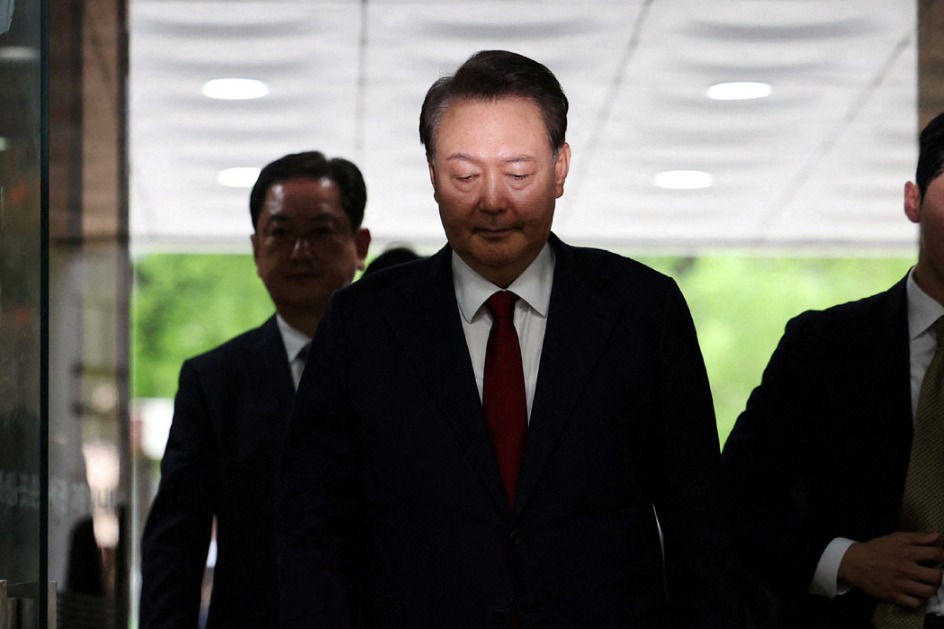
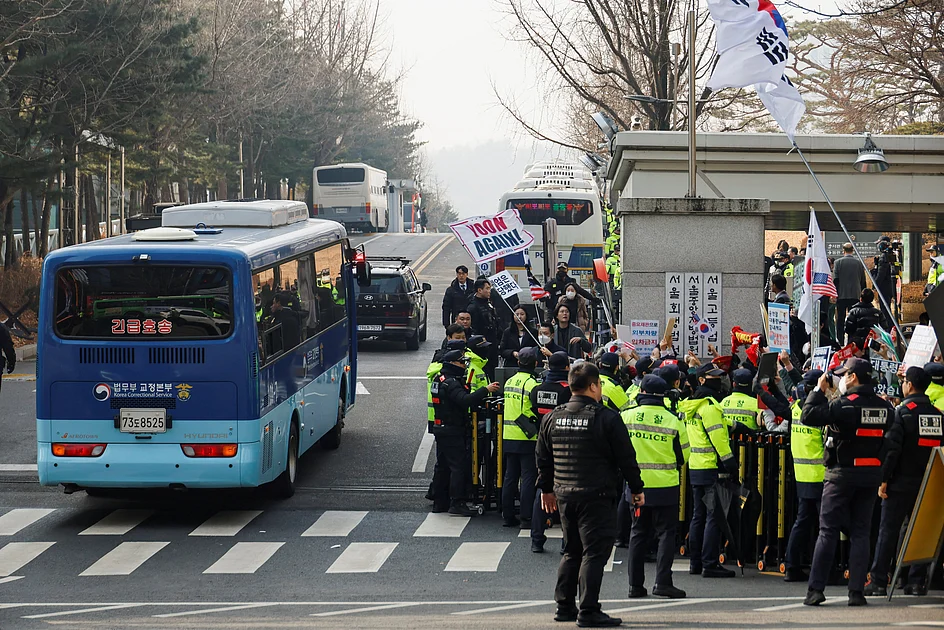
    In a landmark judicial ruling that has captured national attention, former South Korean President Yoon Suk-yeol was convicted and sentenced to five years imprisonment on charges of obstructing the execution of an arrest warrant. The verdict, delivered on Friday, represents the initial judicial outcome in a series of legal proceedings stemming from allegations related to his purported involvement in martial law preparations during his presidency.

    The Seoul Central District Court presided over the high-profile case, which centered on accusations that Yoon deliberately impeded law enforcement officials attempting to serve an arrest warrant connected to the broader investigation into his administration’s activities. The court determined that the evidence substantiated the prosecution’s claims of deliberate obstruction of justice.

    This conviction marks a significant development in South Korea’s political landscape, where former presidents have frequently faced legal scrutiny after leaving office. The case has reignited discussions about presidential accountability and the delicate balance between executive power and judicial oversight in one of Asia’s most vibrant democracies.

    The sentencing follows months of judicial proceedings that examined detailed evidence regarding the former president’s conduct during the final months of his administration. Legal experts note that this verdict could establish important precedents for future cases involving allegations of executive overreach and obstruction of justice.

    Yoon’s defense team had vigorously contested the charges, maintaining that their client’s actions constituted legitimate political maneuvers rather than criminal obstruction. The court, however, found these arguments unpersuasive in light of the documented evidence presented during the trial.

    The case has drawn extensive media coverage both domestically and internationally, reflecting ongoing global interest in South Korea’s political evolution and its continued efforts to address historical patterns of corruption and power abuse among its highest-ranking officials.

  • Cold wave expected to sweep across China

    Cold wave expected to sweep across China

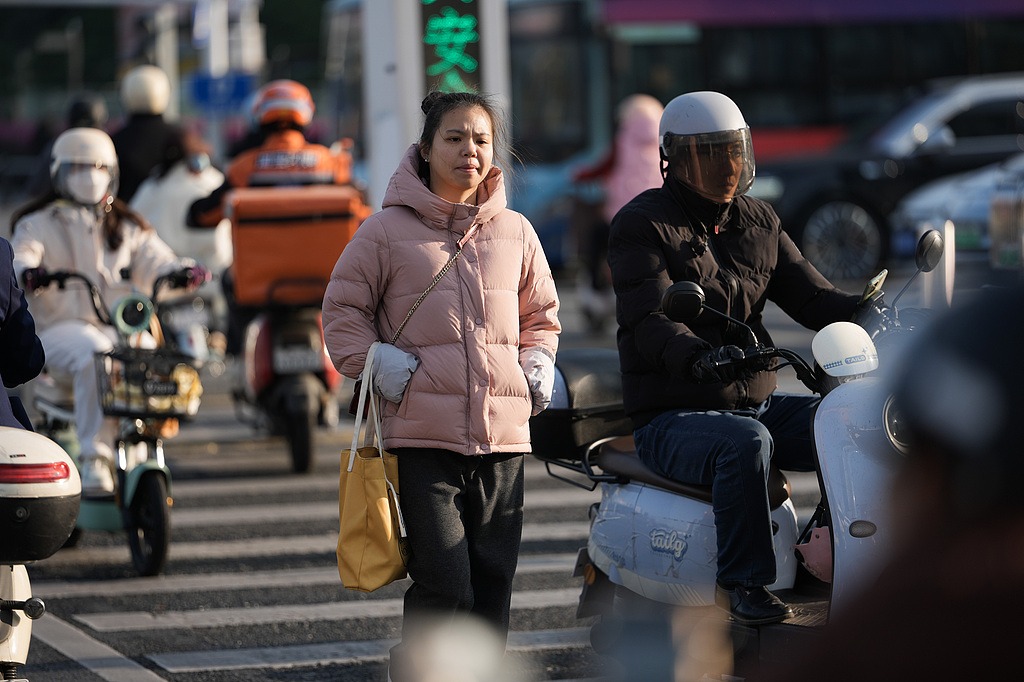
    Meteorological authorities have issued warnings as China prepares for its inaugural cold wave of 2026, set to impact the nation from Saturday through Wednesday. The National Meteorological Center forecasts this extensive weather system will deliver substantial precipitation and freezing conditions across multiple regions, with southern areas expected to experience the most severe effects.

    Chief Forecaster Zhang Tao indicated central and eastern China will encounter their most significant winter conditions to date, with temperature reductions ranging from 6°C to 10°C throughout most affected areas. Certain localized regions may experience dramatic drops exceeding 12°C, creating potentially hazardous circumstances.

    Provincial authorities in Shaanxi, Shanxi, Henan, Shandong, Hubei, Hunan, and Anhui have been placed on high alert due to anticipated heavy snowfall and low-temperature freezing hazards. Meteorological models suggest these regions will face moderate to heavy snow accumulation, with select areas confronting medium-to-high risk scenarios for freezing rain and ice formation.

    Between Monday and Wednesday, meteorological experts project possible freezing rain events in portions of Henan, Hubei, Hunan, Chongqing, and Guizhou. While northeastern territories are expected to experience comparatively milder conditions, southern China—particularly the middle and lower Yangtze River basins—will endure the most pronounced temperature decreases. Recent warming trends in these areas could amplify the thermal shock, with some locations potentially facing declines up to 16°C.

    The precipitation system is forecast to cover extensive geographical areas and maintain persistence as it gradually progresses southward alongside advancing cold air masses. Although overall precipitation intensity isn’t predicted to reach extreme levels, numerous regions will likely experience consecutive days of precipitation.

    Forecasters specifically highlight concerns regarding complex and rapidly transitioning precipitation types, with many areas expected to undergo successive changes from rain to sleet, freezing rain, ice pellets, and eventually snow. Transportation networks, power infrastructure, and public safety systems face particular challenges from the anticipated freezing rain, which authorities consider more threatening than heavy snowfall in terms of potential disruption.

  • US congress members visit Denmark to support Greenland

    US congress members visit Denmark to support Greenland

    A high-level bipartisan delegation from the United States Congress commenced a diplomatic visit to Copenhagen on Friday, demonstrating support for Denmark and its autonomous territory Greenland following President Donald Trump’s controversial statements regarding potential acquisition of the Arctic island.

    The congressional group, comprising eleven representatives from both major political parties, engaged in strategic discussions with Danish Prime Minister Mette Frederiksen and Greenlandic Premier Jens-Frederik Nielsen. The visit coincided with enhanced European military reconnaissance activities in Greenland, signaling regional solidarity.

    Democratic Senator Dick Durbin emphasized the delegation’s purpose: “We are showing bipartisan solidarity with the people of this country and with Greenland. They’ve been our friends and allies for decades. We want them to know we appreciate that very much. And the statements being made by the president do not reflect what the American people feel.”

    The diplomatic mission follows Wednesday’s meeting in Washington where Danish representatives acknowledged “fundamental disagreement” between Copenhagen and the White House regarding Greenland’s future. The territory’s strategic significance has drawn increased attention due to its mineral resources and Arctic positioning.

    European nations including Britain, France, Germany, and Scandinavian countries have announced military deployments to the region. French Armed Forces Minister Alice Rufo characterized these movements as demonstrating European determination to “defend sovereignty” in the Arctic.

    Greenlandic residents expressed appreciation for the congressional show of support. One Nuuk resident, a 39-year-old union representative speaking anonymously, stated: “Congress would never approve military action in Greenland. It’s just one idiot speaking. If he does it, he’ll get impeached or kicked out.”

    The delegation included Democratic Senators Chris Coons, Jeanne Shaheen, and Peter Welch, alongside Republicans Lisa Murkowski and Thom Tillis. House Representatives Madeleine Dean, Steny Hoyer, Sara Jacobs, Sarah McBride, and Gregory Meeks completed the bipartisan contingent.

    Large-scale demonstrations are planned across Denmark and Greenland on Saturday, organized by Greenlandic associations to protest Trump’s territorial statements. Thousands have indicated participation through social media platforms.

  • Xi calls for advancing building of China-Canada new strategic partnership

    Xi calls for advancing building of China-Canada new strategic partnership

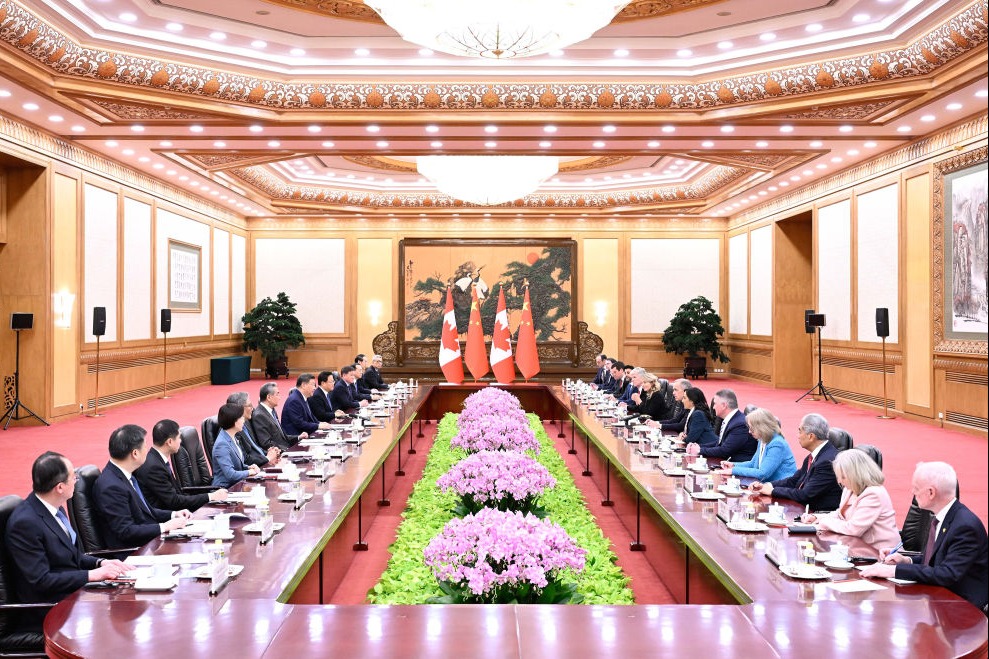
    BEIJING – Chinese President Xi Jinping articulated a compelling vision for the future of Sino-Canadian relations during his Friday meeting with Canadian Prime Minister Mark Carney in the Chinese capital. The high-level diplomatic engagement marked a significant moment for bilateral ties between the Pacific powers.

    President Xi emphasized the necessity of establishing a new strategic partnership framework guided by profound historical responsibility, commitment to citizen welfare, and global accountability. The Chinese leader articulated that both nations should collaboratively steer their relationship toward a trajectory characterized by robust health, consistent stability, and long-term sustainability.

    ‘The development of China-Canada relations must ultimately serve the fundamental interests of both peoples,’ President Xi stated during the diplomatic exchange. The meeting represented a substantial step in reinforcing diplomatic channels between Ottawa and Beijing amid evolving global geopolitical dynamics.

    This diplomatic engagement occurs as both countries navigate complex international landscapes and seek to identify mutually beneficial cooperation areas. The proposed strategic partnership framework suggests a comprehensive approach to bilateral relations that extends beyond traditional diplomatic exchanges to encompass economic, technological, and global governance collaboration.

    The Beijing meeting produced a shared commitment to advancing relations through structured dialogue and confidence-building measures, potentially setting the stage for enhanced cooperation in trade, climate action, and multilateral initiatives.