博客

  • Board of Peace for Gaza is forming with ambitions for a wider mandate of other conflicts

    Board of Peace for Gaza is forming with ambitions for a wider mandate of other conflicts

    The Trump administration is developing its proposed ‘Board of Peace’ into an institution with significantly broader ambitions than initially conceived, potentially positioning it as an alternative to the United Nations framework that has governed international relations since World War II. According to invitation letters dispatched to various world leaders on Friday and subsequently shared on official social media accounts, the board would ’embark on a bold new approach to resolving global conflict’ extending well beyond its original focus on mediating the Israel-Hamas war in Gaza.

    Argentine President Javier Milei and Paraguay’s leader Santiago Peña were among those receiving invitations to become ‘founding members’ of this new international organization. The correspondence highlighted that Trump’s 20-point Gaza ceasefire plan, which incorporates the Board of Peace concept, had already gained endorsement from the U.N. Security Council. ‘Now it is time to turn all of these dreams into reality,’ Trump wrote, describing the initiative as ‘the most impressive and consequential board ever assembled.’

    The administration’s aspirations for this body to evolve into a substantial international institution are certain to generate controversy. Both China and Russia, as permanent Security Council members with veto power, are expected to oppose any radical transformation of the existing world order. Smaller nations may also express reservations, as the UN system has historically provided them with representation in global decision-making processes.

    A senior U.S. official, speaking anonymously to discuss internal deliberations, characterized the expanded vision as ‘aspirational’ but noted that Trump and his advisers believe it achievable given widespread frustrations with the United Nations and its affiliated agencies. The administration has frequently criticized the world body for perceived inefficiencies, redundant structures, and what it describes as ‘woke’ ideology, while simultaneously reducing funding to international organizations.

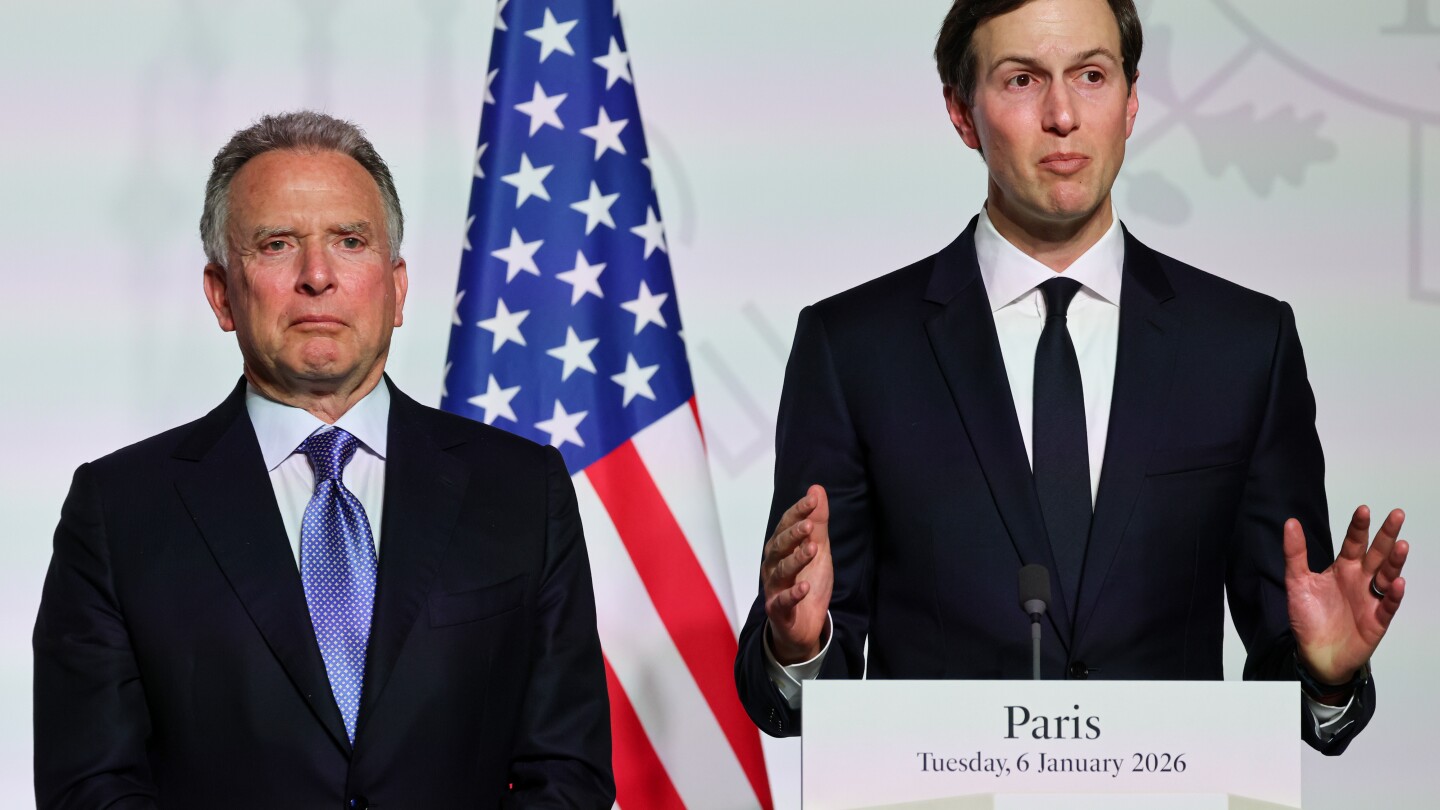
    The formal announcement of board membership is anticipated during the upcoming World Economic Forum in Davos, Switzerland. Meanwhile, Israel’s government has already voiced objections to aspects of the plan, stating that certain elements were ‘not coordinated with Israel and is contrary to its policy.’ The proposed executive committee includes Secretary of State Marco Rubio, envoy Steve Witkoff, business leaders such as Apollo Global Management CEO Marc Rowan, and international figures including former British Prime Minister Tony Blair and World Bank President Ajay Banga.
  • Man freed after Minneapolis immigration raid says he now fears leaving home

    Man freed after Minneapolis immigration raid says he now fears leaving home

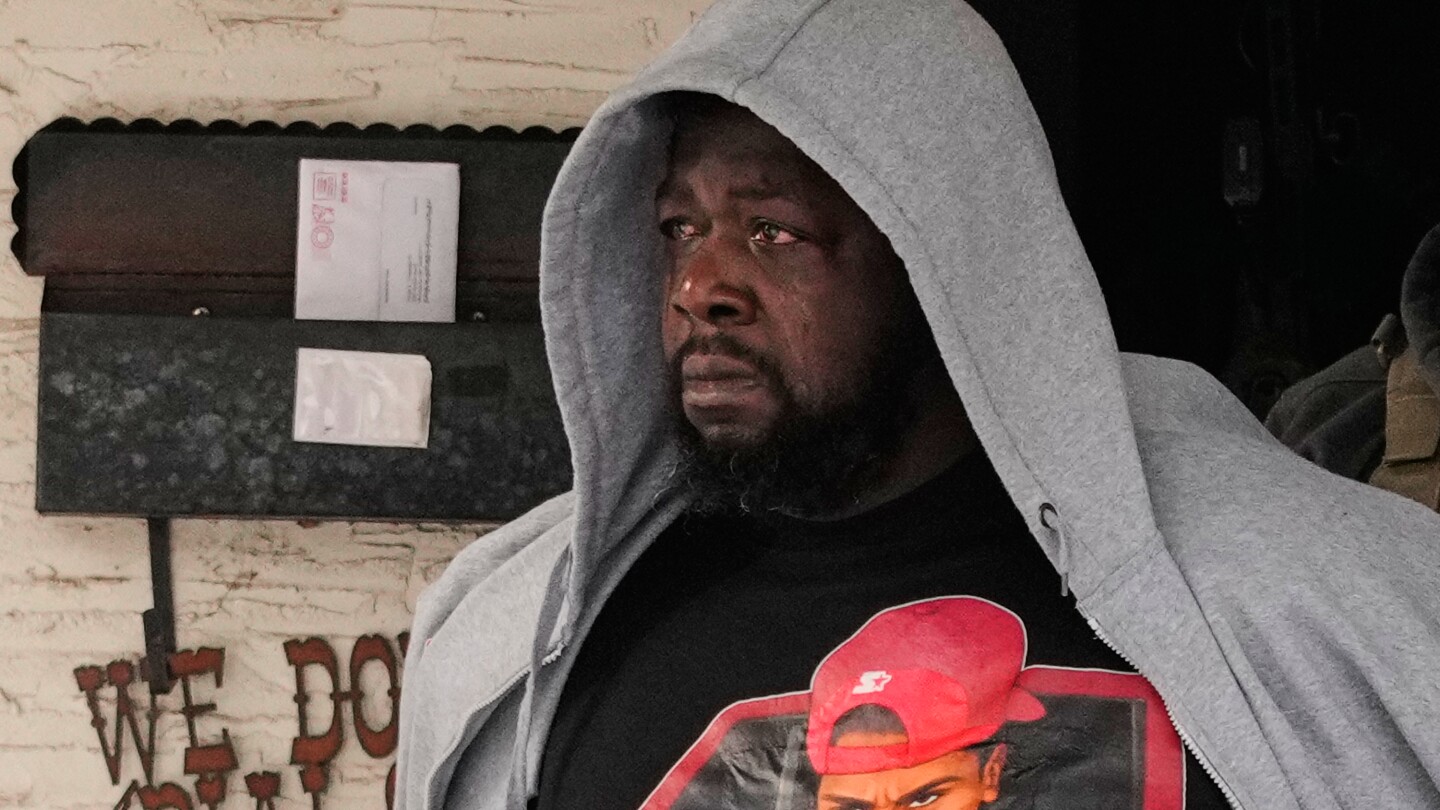
    MINNEAPOLIS — The Trump administration’s intensified immigration enforcement in Minnesota has ignited widespread protests and legal confrontations following the controversial detention of Garrison Gibson, a Liberian refugee. Gibson, who fled civil war as a child, was arrested twice within days despite having legal authorization to remain in the country under an order of supervision.

    The escalation began on January 11 when federal officers used a battering ram to break down Gibson’s front door during an early morning operation. Video footage of the aggressive arrest quickly became a rallying point for protesters opposing immigration tactics in the Minneapolis-St. Paul area. Gibson, 38, faced deportation based on a 2008 drug conviction that had been previously dismissed.

    In a dramatic legal turnaround, a judge ruled that immigration officials failed to provide adequate notice before revoking Gibson’s supervision status, leading to his temporary release. However, Gibson was taken back into custody during a routine check-in with immigration officials on Friday. His family alleged that White House Deputy Chief of Staff Stephen Miller personally ordered the re-arrest, a claim the White House vehemently denied.

    Following another judicial intervention, Gibson was released but remains traumatized, stating he now fears leaving his home. His family spent $700 repairing the door damaged during the initial arrest, using a dumbbell to secure it against subfreezing temperatures in the interim.

    The Department of Homeland Security defended its actions, with Assistant Secretary Tricia McLaughlin stating they would ‘continue to fight for the arrest, detention, and removal of aliens who have no right to be in this country.’ The agency labeled the reviewing judge an ‘activist judge’ attempting to obstruct deportation efforts.

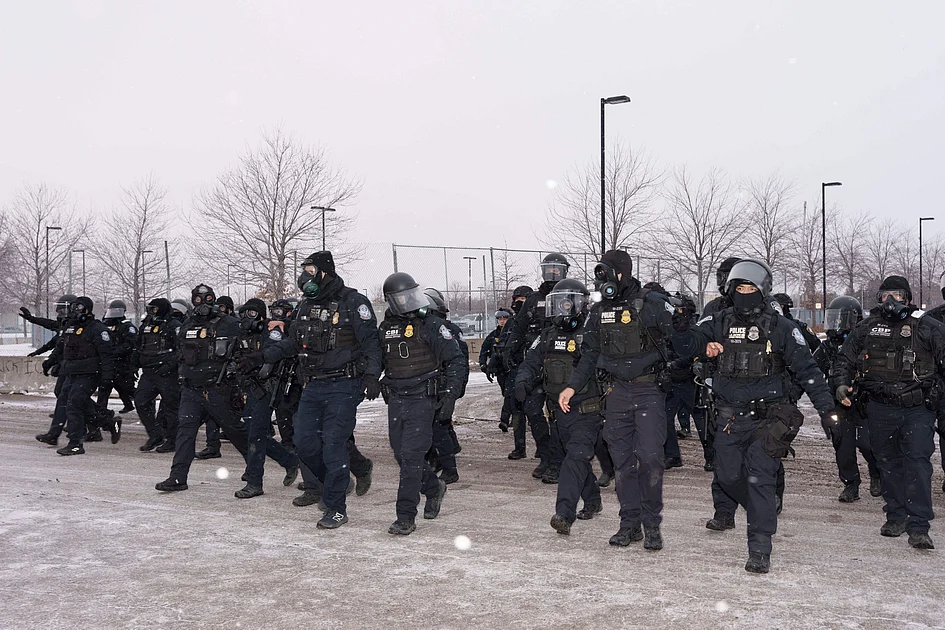
    Minnesota’s operation represents the administration’s largest immigration crackdown to date, involving over 2,000 federal officers and resulting in more than 2,500 arrests. The tactics have sparked daily protests in the liberal Twin Cities region, where officers have been documented pulling people from homes and vehicles while employing aggressive measures against demonstrators.

    The tension intensified after immigration officers fatally shot Renee Good, a U.S. citizen and mother of three, during a January 7 confrontation. In response, a federal judge issued a Friday ruling prohibiting immigration officers from detaining or using tear gas against peaceful protesters who aren’t obstructing authorities, including those merely observing enforcement actions.

  • PLA monitors US naval vessels transiting the Taiwan Strait

    PLA monitors US naval vessels transiting the Taiwan Strait

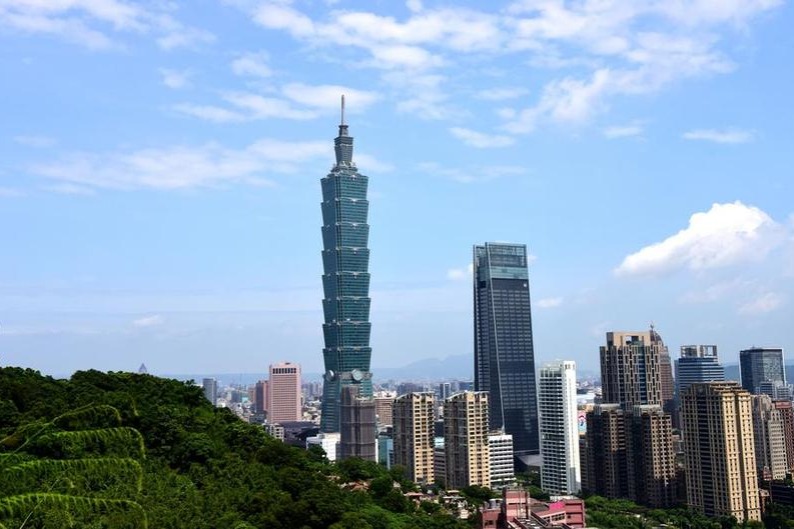
    The People’s Liberation Army Eastern Theater Command has confirmed comprehensive surveillance operations targeting two United States naval vessels during their recent transit through the Taiwan Strait. The movement occurred between Friday and Saturday, involving the guided-missile destroyer USS Finn and oceanographic survey ship USNS Mary Sears.

    Senior Colonel Xu Chenghua, official spokesperson for the PLA Eastern Theater Command, issued a formal statement detailing the military response. According to Colonel Xu, Chinese naval and air forces maintained continuous monitoring throughout the strait passage, implementing appropriate measures to manage the situation effectively.

    The spokesperson emphasized the command’s persistent state of high alertness, stating that PLA troops remain prepared to defend national sovereignty and security interests. The statement further underscored China’s commitment to preserving regional peace and stability, characterizing the military response as both measured and resolute.

    This latest incident represents another chapter in the ongoing strategic interactions between Chinese and American forces in the Taiwan Strait, a waterway that China considers part of its territorial sovereignty despite international navigation claims. The PLA’s public disclosure of its monitoring operations follows established patterns of transparency regarding foreign military activities near Chinese territory.

  • Thousands march in Greenland to support Arctic island in the face of Trump’s threats to take it over

    Thousands march in Greenland to support Arctic island in the face of Trump’s threats to take it over

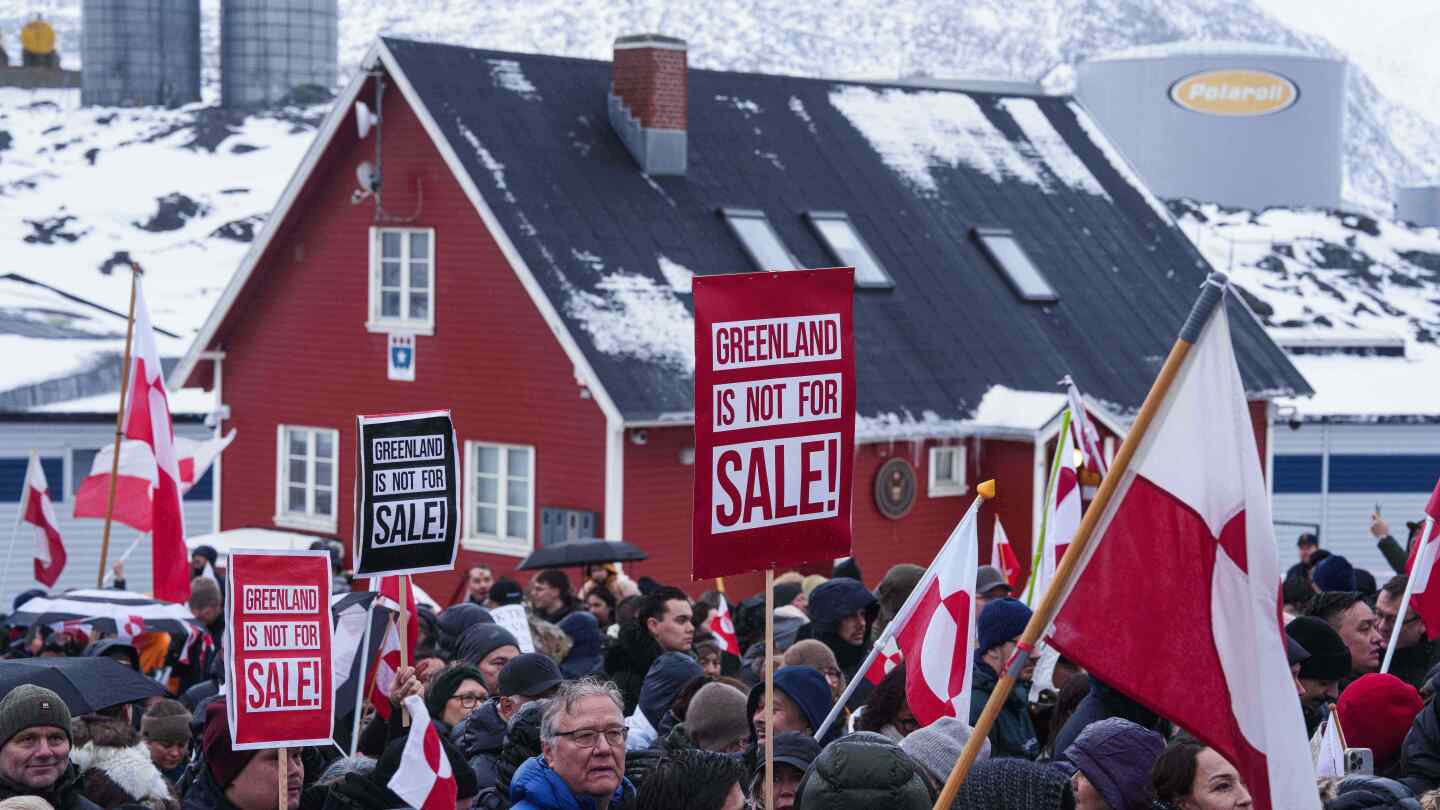
    In an unprecedented display of national unity, thousands of Greenlanders braved near-freezing temperatures and rain to march through their capital city of Nuuk on Saturday. The massive demonstration, representing nearly a quarter of Nuuk’s population, culminated at the U.S. Consulate where protesters brandished signs declaring “Greenland is not for sale” and chanted in defense of their self-governance.

    The protest movement emerged in response to President Donald Trump’s persistent assertions that the United States should acquire the strategically positioned and resource-rich island territory. Tensions escalated dramatically when Trump announced, concurrently with the Nuuk demonstration, the imposition of a 10% import tariff on eight European countries effective February, explicitly citing their opposition to U.S. control of Greenland.

    Greenland Prime Minister Jens-Frederik Nielsen joined the historic gathering, which police described as the largest protest ever witnessed in Nuuk. The movement extended beyond Greenland’s borders with solidarity rallies occurring across the Danish realm, including Copenhagen, and even reaching Canada’s Inuit-governed territory of Nunavut.

    Marie Pedersen, a 47-year-old participant, emphasized the importance of bringing her children to the rally, stating, “We want to keep our own country and our own culture, and our family safe.” Her 9-year-old daughter Alaska crafted her own protest sign, reflecting how the territorial dispute has entered classroom discussions, with teachers addressing how to respond to “bullying by another country.”

    Former Greenland parliament member Tillie Martinussen characterized the situation as “a fight for freedom” that transcends economic concerns, emphasizing the broader implications for NATO and Western Hemisphere values. Meanwhile, 40-year-old nurse Louise Lennert Olsen directed her message to the American people rather than their president, expressing hope that U.S. citizens would “stand against their own president” in support of Greenland’s autonomy.

    The demonstration represents a critical juncture in Arctic geopolitics, highlighting growing resistance to what participants perceive as neo-colonial ambitions and economic coercion from the Trump administration.

  • Inside the studio without a photographer: How Dubai’s AI portraits work

    Inside the studio without a photographer: How Dubai’s AI portraits work

    Dubai has introduced a groundbreaking approach to professional photography through self.space, an innovative studio that eliminates the need for human photographers. This technology-driven concept utilizes artificial intelligence to capture and enhance high-quality portraits while guaranteeing absolute privacy for clients.

    The studio features three meticulously designed rooms that function as personal sanctuaries rather than conventional photography spaces. Each room is equipped with professional makeup stations, clothing racks for outfit changes, and various props to inspire creative expression. The core technological innovation lies in a sophisticated rectangular mirror that completely conceals the camera system, allowing users to see only their reflection during sessions.

    Clients control the entire experience through a simple remote mechanism, triggering captures without external intervention. This design philosophy, conceived by founders Mitia Muravev and Peter Bondarenko, centers on creating environments where individuals feel secure and autonomous. The absence of human observation enables genuine relaxation and authentic self-expression, particularly significant in GCC cultures where privacy considerations often deter participation in traditional photoshoots.

    Following each session, AI algorithms automatically process images, refining skin tones and textures while preserving natural authenticity. The studio’s operational framework ensures that no team members ever access or view client photographs, embedding privacy protection into the fundamental architecture of the system.

    Positioned as a technology company rather than merely a photography service, self.space represents an emerging category blending AI capabilities with luxury hospitality standards. With planned expansion throughout the GCC region and eventual global deployment, this innovation challenges conventional photography paradigms by replacing performance pressure with creative liberation.

  • US judge restricts federal agents over Minnesota protests

    US judge restricts federal agents over Minnesota protests

    A federal judge has imposed significant restrictions on immigration enforcement operations during protests in Minnesota, marking a judicial rebuke of aggressive tactics employed by federal agents. U.S. District Judge Katherine Menendez issued an 83-page order on Friday compelling the Department of Homeland Security to overhaul its approach within 72 hours.

    The ruling specifically prohibits the detention or arrest of peaceful protesters and their drivers while banning the use of pepper spray against demonstrators. This judicial intervention follows two separate incidents where federal agents discharged their weapons, resulting in one fatality and one injury within a single week.

    The case emerges amid escalating tensions between the Trump administration and Minnesota officials. In a parallel development, CBS News reported that the Justice Department has launched investigations into Minnesota Governor Tim Walz and Minneapolis Mayor Jacob Frey for allegedly obstructing federal officers. Both officials have advocated for peaceful demonstrations against immigration enforcement actions.

    President Trump acknowledged the possibility of invoking the Insurrection Act, which would authorize military deployment for domestic policing, but stated he currently sees ‘no reason’ to implement this extreme measure. The 1807 statute allows presidents to bypass the Posse Comitatus Act when confronting ‘armed rebellion’ or ‘domestic violence.’

    The protests intensified dramatically following the January 7th fatal shooting of 37-year-old Renee Good by an Immigration and Customs Enforcement officer. Good’s family has retained legal representation to investigate the killing and potentially pursue action against the officer and government.

    In a related development, Homeland Security confirmed that Heber Sanchez Dominguez, a 34-year-old Mexican national, died while in ICE custody on Wednesday. Agency data indicates at least four fatalities have occurred in immigration detention facilities this year.

  • Avalanches kill five off-piste skiers in Austrian Alps

    Avalanches kill five off-piste skiers in Austrian Alps

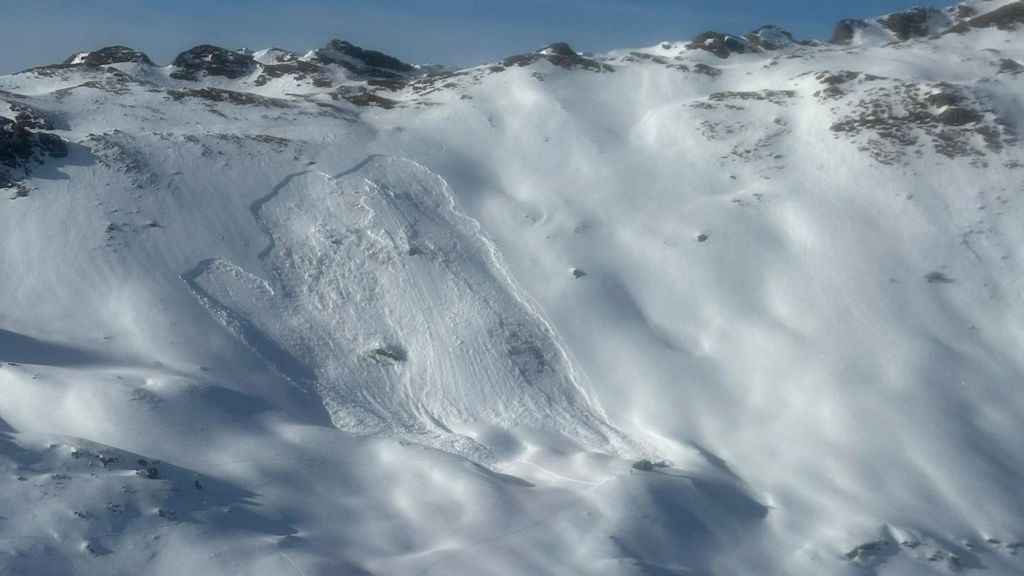
    A series of devastating avalanches in Austria’s Alpine region has resulted in five fatalities, highlighting the extreme dangers of current mountain conditions. The tragedies occurred in the Pongau area near Salzburg, where heavy snowfall has created precarious avalanche conditions throughout the region.

    On Saturday, mountain rescue services responded to multiple incidents beginning around 14:00 local time. The most severe avalanche engulfed a group of seven off-piste skiers, claiming four lives and leaving one with serious injuries. Approximately ninety minutes earlier, another avalanche had buried a female skier in open alpine terrain near the same location.

    Gerhard Kremser, district head of the Pongau mountain rescue service, expressed profound sympathy for the victims’ families, stating: ‘This tragedy painfully demonstrates how serious the current avalanche situation is.’

    The recent incidents form part of a disturbing pattern of avalanche-related deaths across the Alpine region. Earlier in the week, a 13-year-old Czech boy perished in an avalanche at the Bad Gastein resort on Tuesday. Last Sunday, a 58-year-old skier died in the Tyrolean resort of Weerberg in western Austria.

    The dangerous conditions extend beyond Austria’s borders. In neighboring Switzerland, a German national was killed and four others injured during cross-country skiing on Friday. Last weekend, France reported six skiers killed in avalanches across various Alpine resorts.

    While additional avalanches were recorded in the Pongau region around midday, no further injuries were reported. Mountain safety officials continue to warn skiers about the critically dangerous avalanche conditions persisting throughout the Alpine region.

  • ‘My nightmare’: Iranians recount crackdown under internet blackout

    ‘My nightmare’: Iranians recount crackdown under internet blackout

    Survivors of Iran’s violent suppression of nationwide protests have begun sharing harrowing accounts of state-sponsored brutality, describing scenes resembling war zones amid a complete information blackout imposed by authorities. The testimonies emerge as international organizations struggle to document the full extent of casualties, with estimates ranging from several thousand to potentially tens of thousands dead.

    Kiarash, a 44-year-old witness who spoke from Germany after visiting Tehran, described experiencing near-fatal encounters with government forces. ‘One move in the wrong direction and I would have been dead,’ he recounted, detailing how a shooter concealed in traditional chador garments opened fire on crowds in northern Tehran on January 10. The streets, he testified, ran with blood as multiple protesters collapsed simultaneously under gunfire.

    The violence followed economic protests that dramatically escalated on January 8, prompting authorities to implement a comprehensive internet shutdown that continues to hamper independent verification of events. Norway-based Iran Human Rights (IHR) has verified 3,428 protestor deaths but warns the actual toll could be substantially higher, with some sources suggesting numbers reaching 20,000.

    Eyewitness accounts describe horrific scenes at medical and burial facilities. Kiarash reported visiting Behesht-e Zahrah cemetery where warehouses overflowed with black body bags stacked two or three high, estimating between 1,500 to 2,500 casualties in a single facility. Grieving families struggled to identify loved ones, with one theater actor reportedly identified only through his tattoos after being shot in the head.

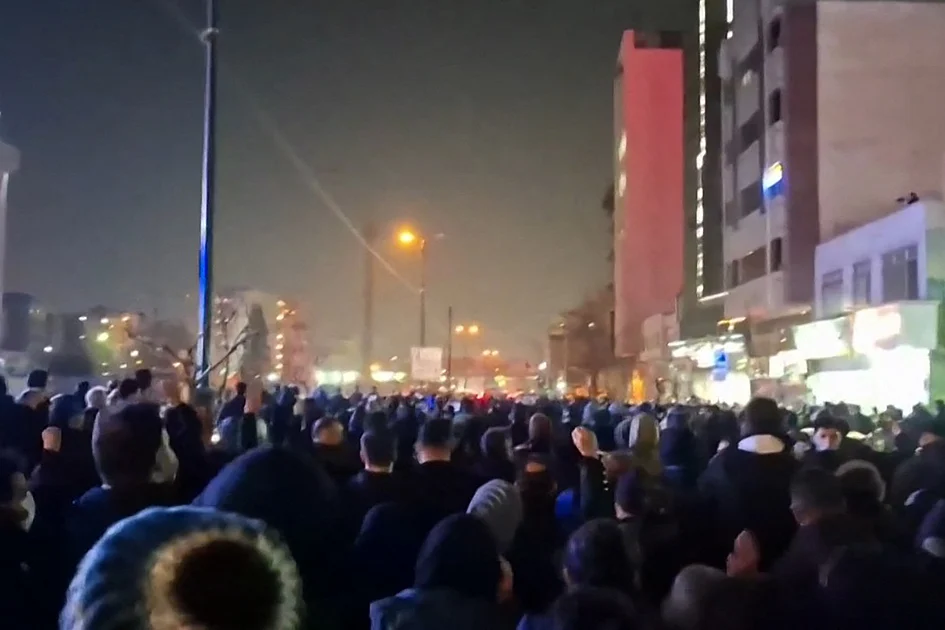
    Despite the communication blackout, videos have emerged showing extensive demonstrations with participants chanting against Supreme Leader Ayatollah Ali Khamenei and calling for monarchy restoration. The footage, geolocated to various cities including Kermanshah, captures what appears to be automatic weapon fire and shows police vehicles and mosques in flames.

    International response has intensified with the United States expressing support for ‘the brave people of Iran’ while Canada confirmed a citizen killed and France reported a French-Iranian woman injured. Iranian authorities maintain they confronted ‘riots’ and ‘terrorist operations’ fueled by the United States and Israel, claiming only ‘hundreds’ died while showcasing pro-government demonstrations on state media.

    For those who witnessed the violence, the psychological impact remains profound. ‘This is my nightmare right now,’ Kiarash stated, capturing the trauma experienced by countless Iranians who now navigate a transformed reality where normalcy has been irrevocably shattered.

  • Iran’s Khamenei calls Trump ‘criminal’ for causing casualties, damage on Iranians

    Iran’s Khamenei calls Trump ‘criminal’ for causing casualties, damage on Iranians

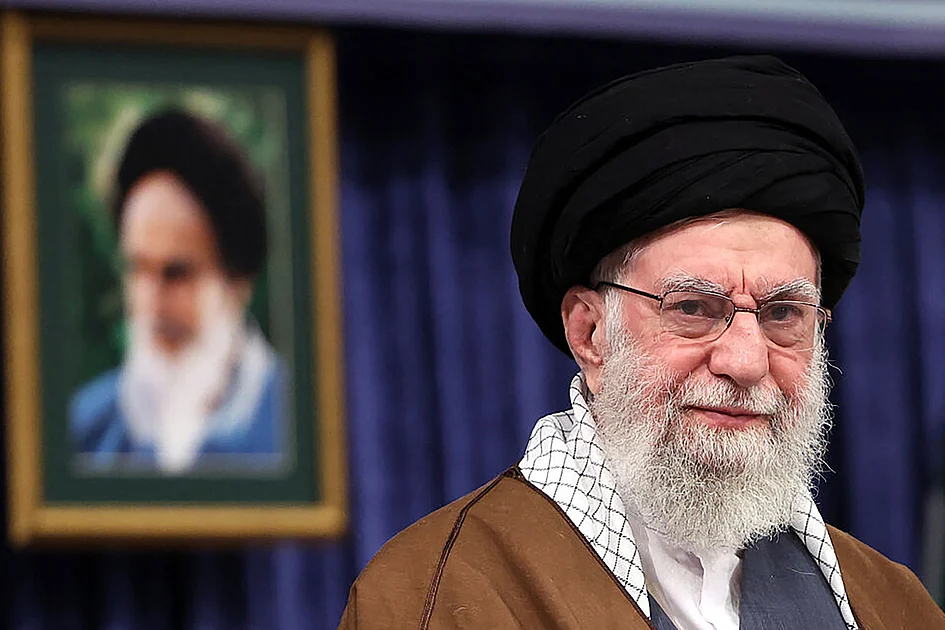
    In a significant escalation of diplomatic tensions, Iran’s Supreme Leader Ayatollah Ali Khamenei has formally characterized U.S. President Donald Trump as a ‘criminal’ for his administration’s handling of recent Iranian protests. The religious leader’s statements, disseminated through state media on Saturday, January 17, 2026, accused the American president of directly contributing to Iranian casualties, substantial material damage, and engaging in systematic slander against the nation.

    Khamenei emphasized the unprecedented nature of recent events, noting that ‘the latest anti-Iran sedition was particularly distinguished by the U.S. President’s personal involvement.’ This represents a notable intensification from previous rhetoric, where Khamenei had previously described Trump merely as ‘arrogant’ and suggested he focus on domestic American challenges rather than Iranian affairs.

    The Supreme Leader further drew historical parallels, suggesting Trump faced potential overthrow similar to Iran’s pre-1979 imperial dynasty. These comments emerge amidst ongoing regional tensions, with Trump having previously issued multiple military threats against Iran should authorities harm protesters. The son of Iran’s deposed Shah, Reza Pahlavi, has concurrently advocated for stronger U.S. intervention.

    Despite Trump’s assurances that ‘help was on the way’ to the Iranian people, concrete action has remained absent. Recent diplomatic efforts led by Saudi Arabia, Qatar, and Oman reportedly sought to persuade the U.S. administration to allow Iran opportunity to demonstrate peaceful intentions. Trump subsequently claimed to have ‘convinced himself’ against military strikes, attributing this decision to Iran’s cancellation of 800 scheduled executions.

  • China’s condom tax no way to pump up low birth rates

    China’s condom tax no way to pump up low birth rates

    China has initiated a novel fiscal approach to combat its deepening demographic crisis by imposing a 13% value-added tax on contraceptives effective January 1, 2026. This policy shift emerges as the nation grapples with a critically low fertility rate of 1.0 children per woman—far beneath the 2.1 replacement threshold necessary for population stability.

    The contraceptive taxation strategy complements existing pronatalist measures, including last year’s allocation of 90 billion yuan ($12.7 billion) for a national childcare program providing approximately 3,600 yuan ($500) per child under three years old. Despite these substantial investments, demographic experts remain skeptical about their potential efficacy.

    Professor Dudley L. Poston Jr., a veteran China demography scholar with nearly four decades of research experience, asserts that these interventions are unlikely to significantly alter fertility trajectories. The symbolic contraceptive tax—adding mere dollars to annual contraceptive expenses—pales against the staggering 538,000 yuan ($77,000) average cost of raising a child to adulthood in urban China.

    China’s demographic challenges reflect broader regional patterns, with Singapore maintaining a 1.2 fertility rate despite decades of incentives and South Korea recording the world’s lowest at 0.7 despite investing over $200 billion in birth rate programs since 2006. These Asian nations demonstrate how modernization, rising educational opportunities for women, and substantial child-rearing expenses create structural barriers that policy interventions struggle to overcome.

    The current fertility crisis partly stems from China’s own historical policies. The notorious one-child policy successfully drove fertility from over 7.0 in the 1960s to 1.5 by 2015. Subsequent shifts to two-child (2015) and three-child (2021) policies failed to produce anticipated baby booms, with fertility rates continuing their decline to the current historic low.

    Demographers reference the ‘low-fertility trap’ theory suggesting that once rates fall below 1.4-1.5, increases of 0.3 or more become extraordinarily difficult due to entrenched socioeconomic factors. With urbanization, female empowerment, and exorbitant education costs reshaping reproductive decisions, China’s contraceptive tax appears more symbolic than substantively impactful in addressing its demographic challenges.