博客

  • Taiwanese reporter accused of bribing military officers to leak information to China

    Taiwanese reporter accused of bribing military officers to leak information to China

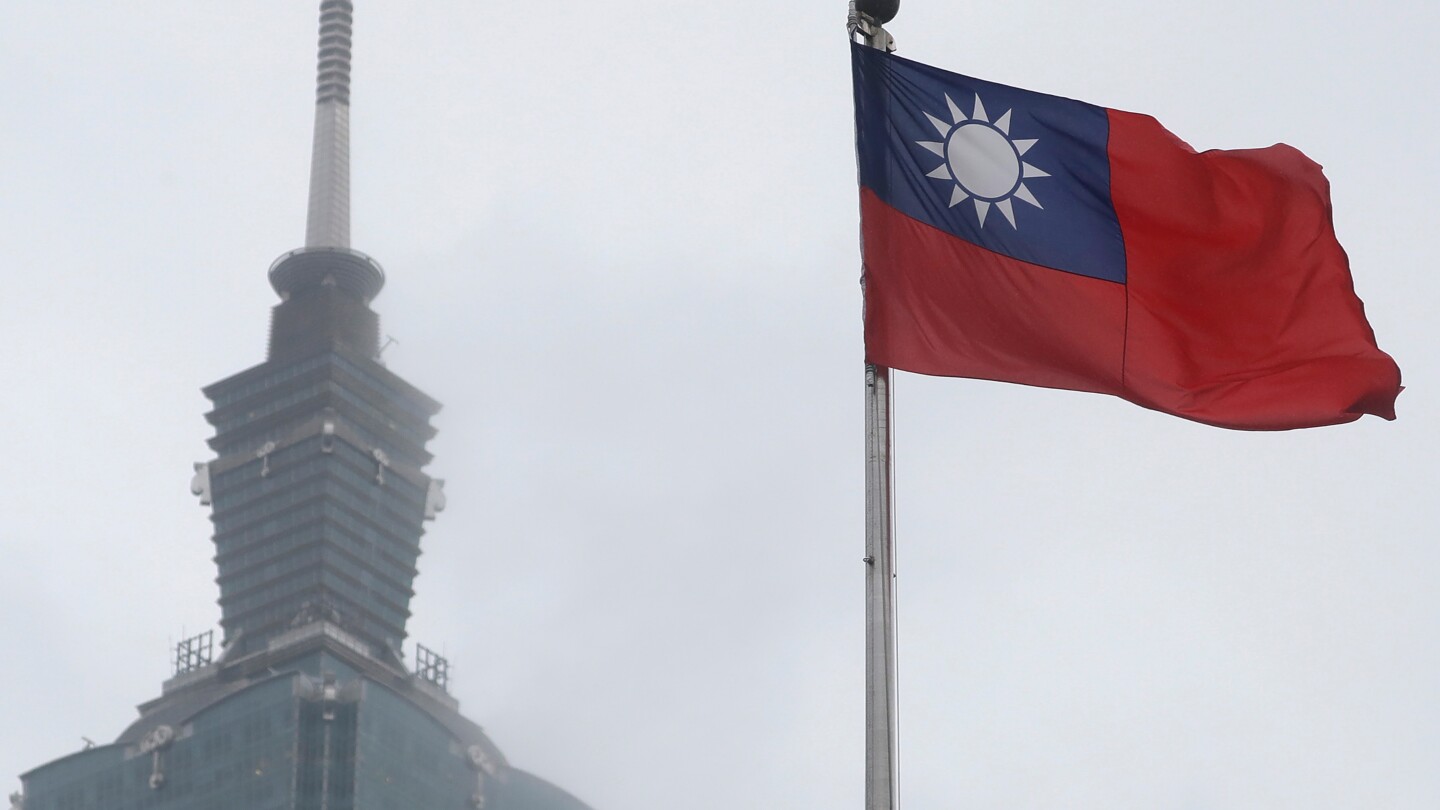
    TAIPEI, Taiwan — Taiwanese authorities have taken decisive action against an alleged espionage operation, detaining a television journalist alongside five current and former military officers on Saturday. The case centers on accusations that the journalist bribed military personnel to obtain sensitive defense information for individuals from mainland China.

    The Qiaotou District Prosecutors Office confirmed that a district court ordered the detention of the individuals, identifying the journalist only by the surname Lin. CTi TV, the employer of reporter Lin Chen-you, acknowledged his detention while emphasizing their lack of case details and calling for a fair judicial process. The news organization concluded its statement with the phrase “God bless Taiwan.

    This development occurs amid heightened tensions between Taiwan and China. Beijing consistently claims Taiwan as part of its territory and has intensified military activities around the island. Last month, China conducted large-scale military exercises following Washington’s announcement of significant arms sales to Taiwan.

    According to prosecutors, Lin allegedly provided payments ranging from several thousand to tens of thousands of Taiwan dollars (equivalent to tens to hundreds of U.S. dollars) to active military personnel in exchange for sensitive information. The prosecution did not specify whether the Chinese recipients had direct ties to the Chinese government.

    Authorities executed raids on Friday targeting the journalist’s premises and nine current and retired military personnel as part of an investigation into potential violations of national security laws, anti-corruption statutes, and the unauthorized disclosure of classified information. CTi TV confirmed that their corporate offices were not subject to these raids.

    Lin’s professional background, as indicated on his Facebook profile, includes serving as a political reporter and anchor covering Taiwan’s legislative affairs.

    The case represents an unusual intersection of journalism and national security concerns in Taiwan, where espionage investigations typically focus on government and military personnel rather than media representatives. CTi News has operated as an online news outlet since 2020, when Taiwan’s National Communications Commission declined to review its cable television license due to repeated violations and increasing complaints. Although a court later overturned this decision, the legal dispute continues through the appeals process.
  • New York pension fund may invest in Israel despite Gaza genocide, defying Mamdani

    New York pension fund may invest in Israel despite Gaza genocide, defying Mamdani

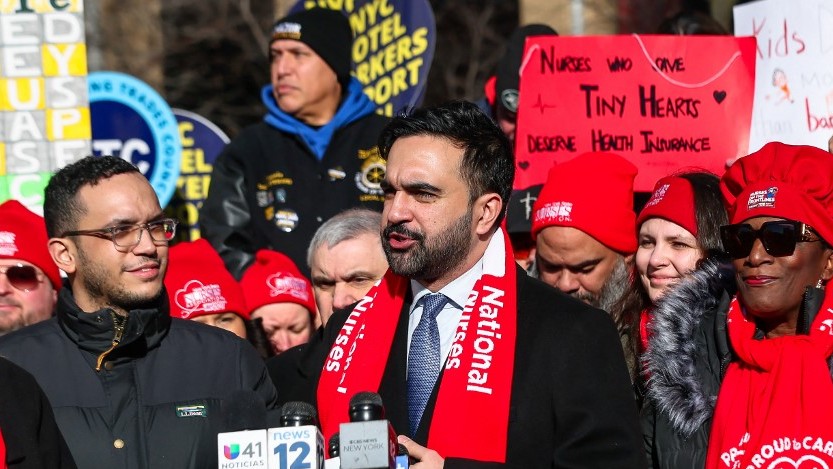
    New York City’s pension system is contemplating a controversial return to investing in Israeli government bonds, potentially reversing a recent divestment policy despite ongoing international condemnation of Israel’s military operations in Gaza. This financial deliberation pits fiduciary responsibilities against ethical considerations in a heated municipal debate.

    The Financial Times reported that city officials are evaluating reinvestment options even as Mayor Zohran Mamdani maintains public support for divesting from Israel due to its conduct in Palestinian territories. The discussion highlights the complex intersection of municipal finance and international human rights concerns.

    City Comptroller Mark Levine emphasized his fiduciary obligation to pension beneficiaries, noting to the FT that “Israel bonds have performed very well and they continue to be investment grade rated.” Israeli bonds function as direct loans to the state treasury, providing investors with consistent interest payments while funding government operations.

    Opponents argue that such investments effectively subsidize Israel’s settlement expansion in occupied territories, displacement of Palestinian communities, and civilian casualties in Gaza. The potential policy reversal has intensified tensions within City Hall since Mamdani took office on January 1 and immediately revoked an executive order that had prohibited city agencies from boycotting or divesting from Israel.

    The mayor, a longstanding critic of Israel’s military campaigns, previously stated that New York “should not have a fund that is invested in the violation of international law.” Comptroller Levine, while acknowledging personal ties to Israel through family and cultural connections, maintains that investment decisions should prioritize financial metrics over political considerations.

    This reevaluation occurs despite warnings from credit rating agencies like Moody’s that categorize Israeli bonds as “increasingly risky investments.” The debate marks a significant departure from decades of routine pension investments in Israeli debt, a practice that ended in 2023 when the city allowed its $39 million bond holdings to mature without reinvestment.

    Former Comptroller Brad Lander, who initiated the divestment, framed the 2023 decision as part of a broader strategy to avoid foreign sovereign debt rather than singling out Israel for special treatment. The current reconsideration revives fundamental questions about whether public pension funds should finance governments accused of violating international law.

  • Mercosur, EU sign free trade agreement in Asuncion

    Mercosur, EU sign free trade agreement in Asuncion

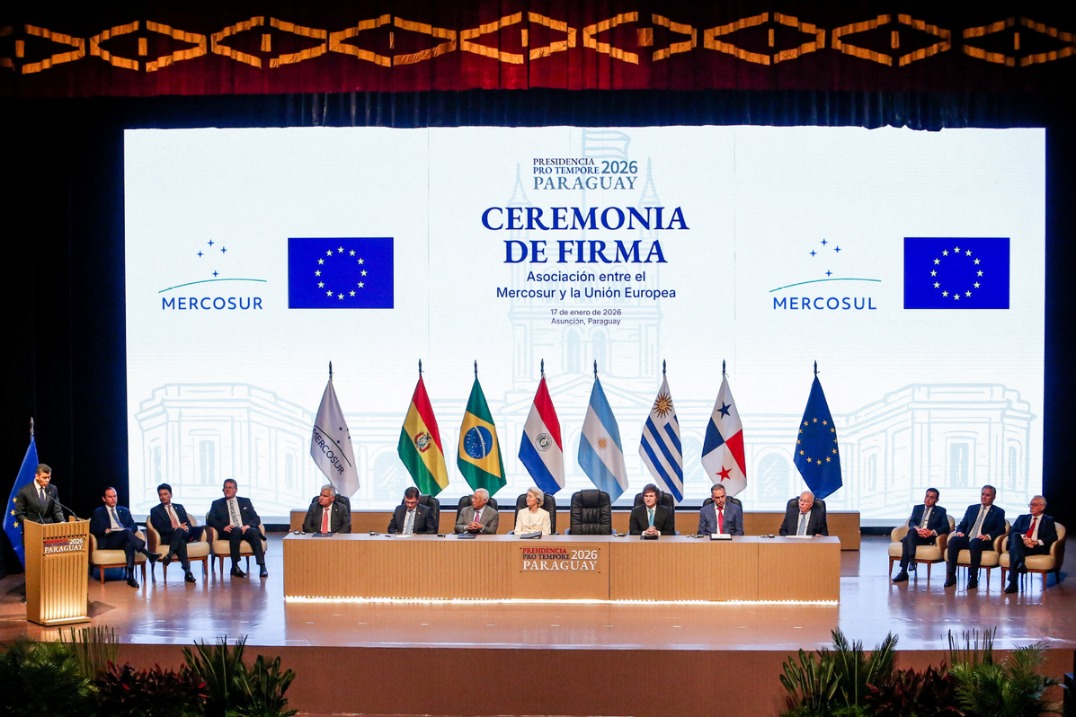
    In a landmark ceremony held in Asunción on January 17, 2026, the European Union and the Southern Common Market (Mercosur) formally signed one of the world’s most comprehensive free trade agreements, culminating negotiations that spanned more than two decades. The signing event brought together top leadership from both blocs, including European Commission President Ursula von der Leyen, European Council President Antonio Costa, and representatives from Mercosur’s core member states.

    The agreement establishes a transformative economic framework between the two regions, which together represent a market of over 700 million people. The pact will progressively eliminate tariffs on numerous goods, with the European Commission projecting annual duty savings exceeding €4 billion on EU exports alone. Key EU exports to Mercosur include machinery, chemical products, and transport equipment, while South American exports predominantly feature agricultural commodities, minerals, and forestry products.

    The negotiation journey, which began in the late 1990s, encountered multiple obstacles including political shifts in South American governments, environmental protection concerns, and resistance from European agricultural sectors. The final agreement includes provisions addressing sustainable development and environmental standards, reflecting contemporary trade priorities.

    The pact now advances to the ratification phase, requiring approval from the European Parliament and the national legislatures of Mercosur’s member countries: Argentina, Brazil, Paraguay, and Uruguay.

  • Trump says US to impose tariffs on 8 European nations over Greenland

    Trump says US to impose tariffs on 8 European nations over Greenland

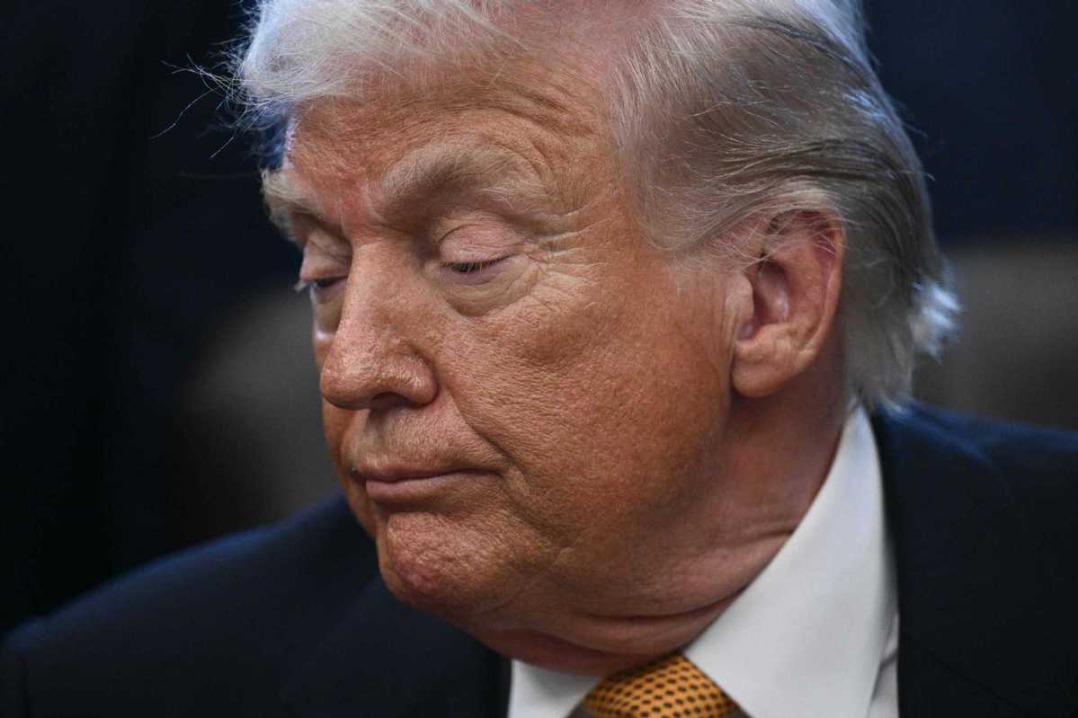
    In a significant escalation of diplomatic tensions, former U.S. President Donald Trump declared on Saturday that the United States would implement sweeping tariffs against eight European nations in retaliation for their opposition to American ambitions regarding Greenland. The targeted countries include Denmark, Norway, Sweden, France, Germany, Britain, the Netherlands, and Finland.

    According to Trump’s social media announcement, a 10% tariff on all goods from these nations will take effect on February 1, 2026. These levies are scheduled to increase dramatically to 25% by June 1 unless an agreement is reached for the United States to acquire the Arctic territory of Greenland.

    The tariff threat follows reports that several NATO members, including Britain, France, and Germany, deployed military assets and diplomatic personnel to Greenland this week in apparent opposition to U.S. territorial aspirations. Trump framed these actions as a ‘very dangerous game’ that created an unacceptable level of risk.

    ‘Therefore, it is imperative that, in order to protect Global Peace and Security, strong measures be taken so that this potentially perilous situation ends quickly, and without question,’ Trump stated in his post.

    The former president justified the proposed acquisition on national security grounds, asserting that American control of Greenland is necessary to protect U.S. interests. He simultaneously offered negotiations with Denmark ‘and/or any of these Countries that have put so much at risk, despite all that we have done for them.’

    Greenland, while self-governing, remains part of the Kingdom of Denmark, which maintains authority over its defense and foreign policy. The United States already operates a strategic military base on the island. Since returning to office in 2025, Trump has repeatedly expressed interest in obtaining Greenland, recently intensifying his rhetoric.

    The announcement sparked immediate public backlash, with thousands of protesters gathering in Copenhagen on Saturday chanting slogans such as ‘Greenland is not for sale,’ demonstrating widespread European opposition to the proposition.

  • Syrian army extends control over northern part of country as Kurds report clashes

    Syrian army extends control over northern part of country as Kurds report clashes

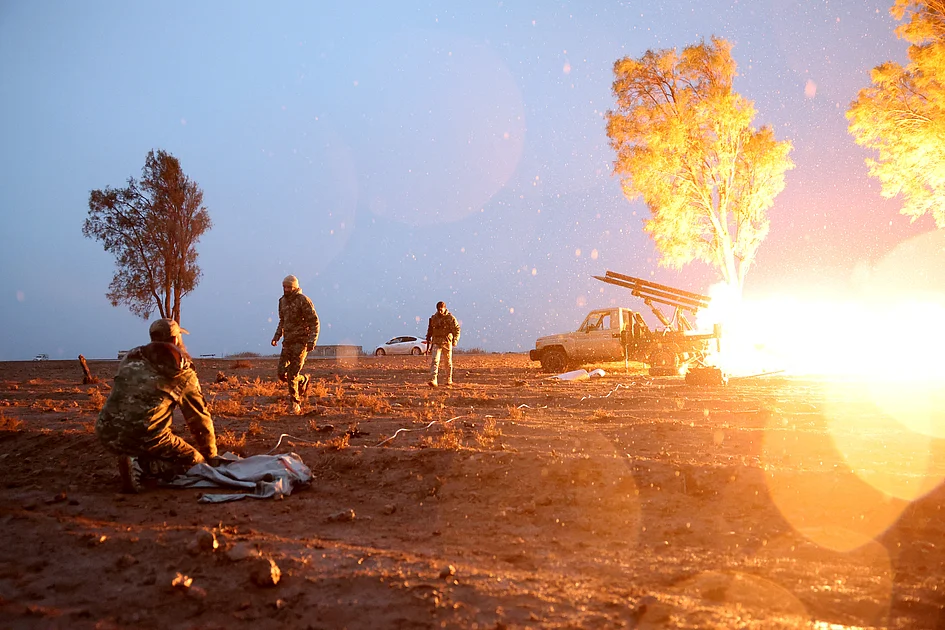
    The Syrian military has significantly expanded its territorial control across northern regions following the withdrawal of Kurdish forces from strategic positions. This development comes precisely one day after President Ahmed al-Sharaa issued a landmark decree granting official recognition to the Kurdish language and minority status.

    Military advancements saw government forces assume control of two Aleppo neighborhoods previously held by Kurdish units, with additional territorial gains east of the city completed on January 17th. The implementation of a March integration agreement, designed to incorporate Kurdish fighters into state forces, has subsequently stalled amid renewed hostilities.

    Authorities confirmed the seizure of critical oil fields near Tabqa in Raqa province, while designating areas southwest of the Euphrates River as restricted military zones. Both Syrian army and Kurdish forces reported combat casualties, exchanging accusations of violating withdrawal agreements.

    The geopolitical landscape intensified as U.S. Envoy Tom Barrack conducted emergency meetings with Syrian Kurdish leader Mazloum Abdi in Erbil. The United States Central Command publicly urged Syrian forces to cease offensive operations between Aleppo and al-Tabqa, reflecting international concern over escalating tensions.

    President Sharaa’s unprecedented decree represents the first formal recognition of Kurdish rights since Syria’s 1946 independence, granting nationality to previously stateless Kurds and establishing Kurdish as a national language. However, Kurdish authorities characterized these concessions as insufficient, demanding constitutional guarantees rather than temporary provisions.

    Analyst Nanar Hawach of the International Crisis Group observed that Damascus appears to be offering cultural concessions while simultaneously consolidating military control, effectively driving wedges between Kurdish civilians and their governing armed forces.

  • UAE welcomes phase two of Gaza peace plan, formation of National Committee

    UAE welcomes phase two of Gaza peace plan, formation of National Committee

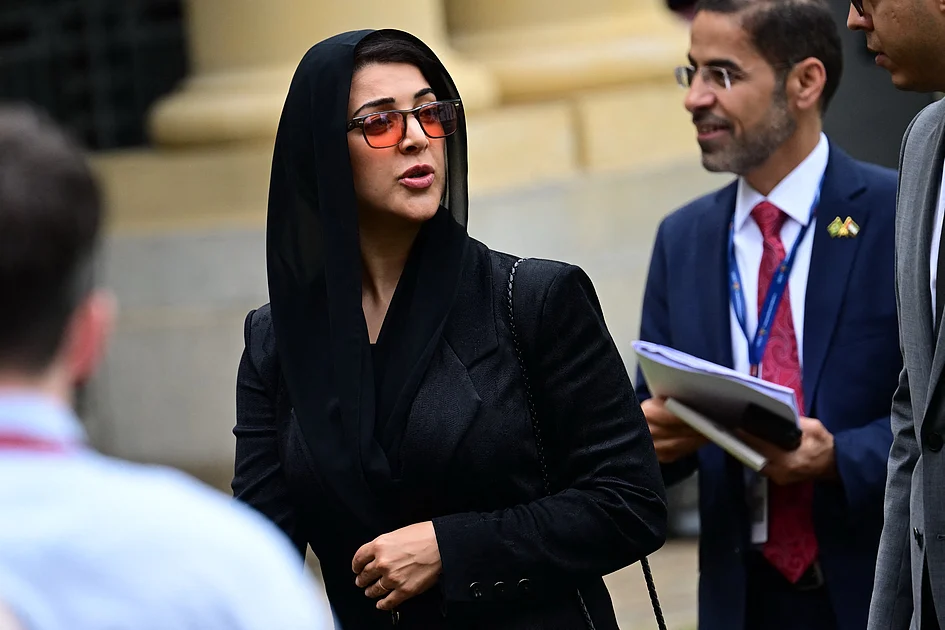
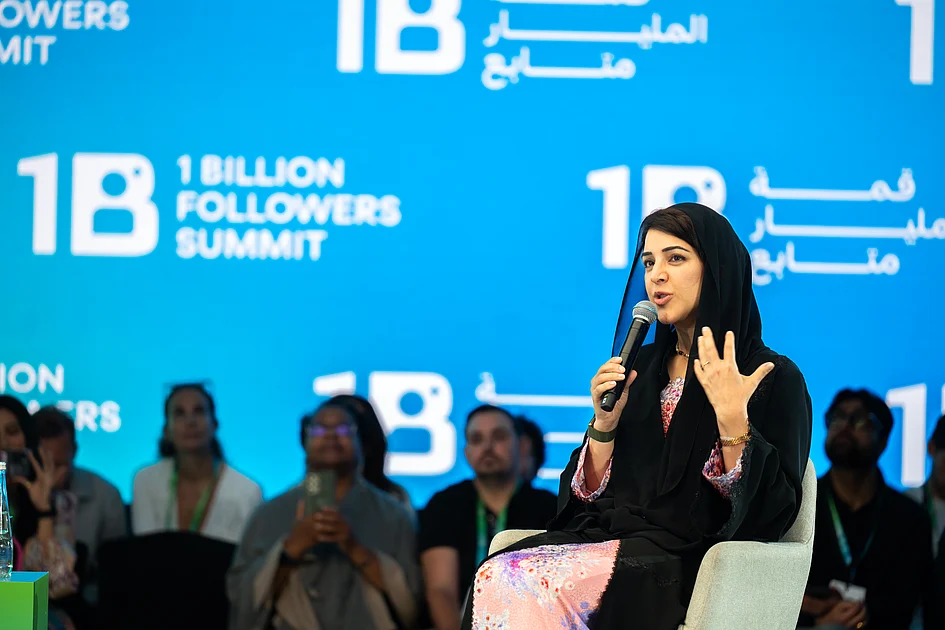
    The United Arab Emirates has formally endorsed the commencement of Phase Two of the comprehensive Gaza peace proposal and the establishment of the National Committee for the Administration of Gaza (NCAG), a transitional governance body. Reem bint Ebrahim Al Hashimy, Minister of State for International Cooperation, expressed strong support for these developments while also acknowledging the creation of the ‘Board of Peace’ framework announced by US President Donald Trump.

    In her official statement, Minister Al Hashimy praised the diplomatic leadership demonstrated by President Trump and recognized the sustained efforts of Qatar, Egypt, and Türkiye in advancing regional stability. She characterized these multilateral initiatives as crucial frameworks for consolidating security measures and revitalizing the political negotiation process.

    Minister Al Hashimy expressed particular honor regarding her appointment to the Gaza Executive Board, interpreting this designation as international recognition of the UAE’s constructive role in conflict resolution. She emphasized that the UAE remains committed to transforming humanitarian challenges into sustainable opportunities for the Palestinian population and broader Middle Eastern communities.

    The Minister articulated the UAE’s firm conviction that achieving durable peace necessitates coordinated international collaboration and effective administrative governance in Gaza. Such governance must guarantee the legitimate rights and aspirations of the Palestinian people while contributing to regional stability and fostering prosperous development.

    Al Hashimy further stressed the critical importance of building upon existing progress within the peace framework. She advocated for diligent efforts to reinstate a comprehensive political process oriented toward a two-state solution, ultimately aiming for an equitable and permanent resolution to the conflict.

  • Abu Dhabi ranked world’s safest city for 10 consecutive years

    Abu Dhabi ranked world’s safest city for 10 consecutive years

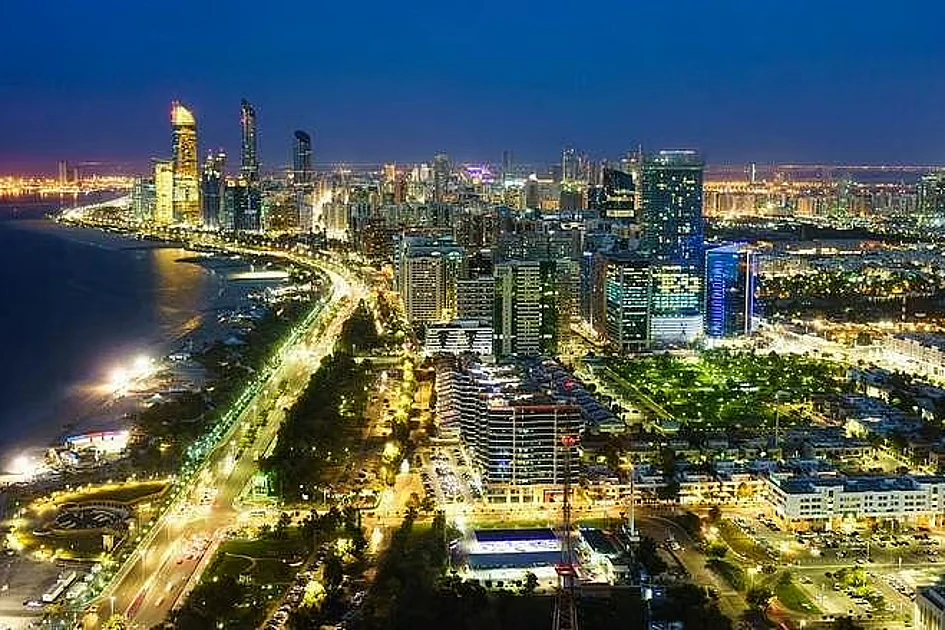
    Abu Dhabi has achieved an unprecedented milestone by securing its position as the world’s safest urban center for the tenth consecutive year, according to an official announcement from the Abu Dhabi Media Office on January 17, 2026. This remarkable decade-long recognition, spanning from 2017 through 2026, establishes a new global benchmark in urban security excellence.

    The designation originates from Numbeo, the world’s largest crowd-sourced database tracking urban living conditions across 382 global cities. The emirate’s consistent top ranking reflects its sustained commitment to implementing comprehensive safety measures and maintaining exceptional quality of life standards.

    This achievement aligns with the United Arab Emirates’ growing appeal among international residents. Recent demographic studies reveal that approximately 19% of expatriates express intentions to establish permanent residence in the UAE. The Expat Insider 2025 survey, published by InterNations on September 2, 2025, further substantiates this trend, indicating that 18% of foreign residents plan to remain indefinitely, while 39% are considering extended stays.

    Major General Ahmed Saif bin Zaitoun Al Muhairi, Commander-in-Chief of Abu Dhabi Police, attributed this success to the visionary leadership of UAE President Sheikh Mohammed bin Zayed Al Nahyan. He elaborated on Abu Dhabi’s innovative security framework that integrates continuous surveillance operations, predictive policing strategies, artificial intelligence implementation, and community partnership programs.

    The comprehensive security model employs a multi-faceted approach focusing on personnel development, institutional collaboration, and technological advancement. This includes substantial investments in smart systems that enhance real-time decision-making capabilities and reinforce public confidence through transparent security operations.

    Complementing this perspective, Major General Sheikh Mohammed bin Tahnoun Al Nahyan, Director General of Abu Dhabi Police, emphasized that urban safety represents a fundamental component of sustainable development strategy. The achievement has positioned Abu Dhabi as an international hub for living standards, business investment, and workforce development, establishing a replicable model for global cities pursuing comprehensive security solutions.

  • Watch: Timelapse shows Nasa rocket’s 12-hour journey to launch pad

    Watch: Timelapse shows Nasa rocket’s 12-hour journey to launch pad

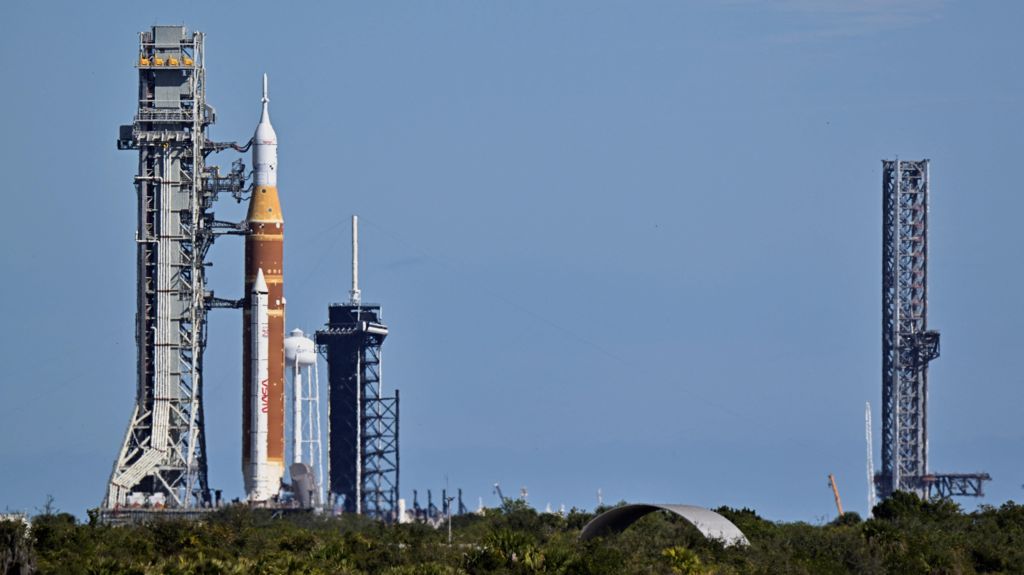
    In a meticulously choreographed ballet of engineering, NASA’s colossal Space Launch System (SLS) rocket has completed its monumental journey to Launch Complex 39B at Kennedy Space Center. Captured in a mesmerizing timelapse, the 12-hour transit unveiled the sheer scale of pre-launch operations for the Artemis I mission.

    The 322-foot-tall (98-meter) deep-space rocket, mounted atop NASA’s robust Crawler-Transporter 2, embarked on a 4.2-mile (6.8-kilometer) voyage from the Vehicle Assembly Building. Progressing at a deliberate maximum speed of just 0.82 miles per hour (1.3 km/h), the procession emphasized the careful precision required to move the 3.5-million-pound structure without compromising its delicate systems.

    This journey, known as the ‘rollout,’ represents a critical milestone in NASA’s preparations for returning humans to the lunar surface. The SLS rocket—the most powerful ever built by the agency—will serve as the cornerstone for the Artemis program, which aims to establish sustainable lunar exploration while paving the way for future Mars missions.

    The timelapse footage compresses hours of painstaking progress into minutes, showcasing how engineering marvels overcome terrestrial challenges before ever reaching the stars. With the rocket now positioned at the launch pad, teams will conduct final tests and rehearsals leading to the historic uncrewed flight around the Moon.

  • Iraq takes full control of air base after US withdrawal, defence ministry says

    Iraq takes full control of air base after US withdrawal, defence ministry says

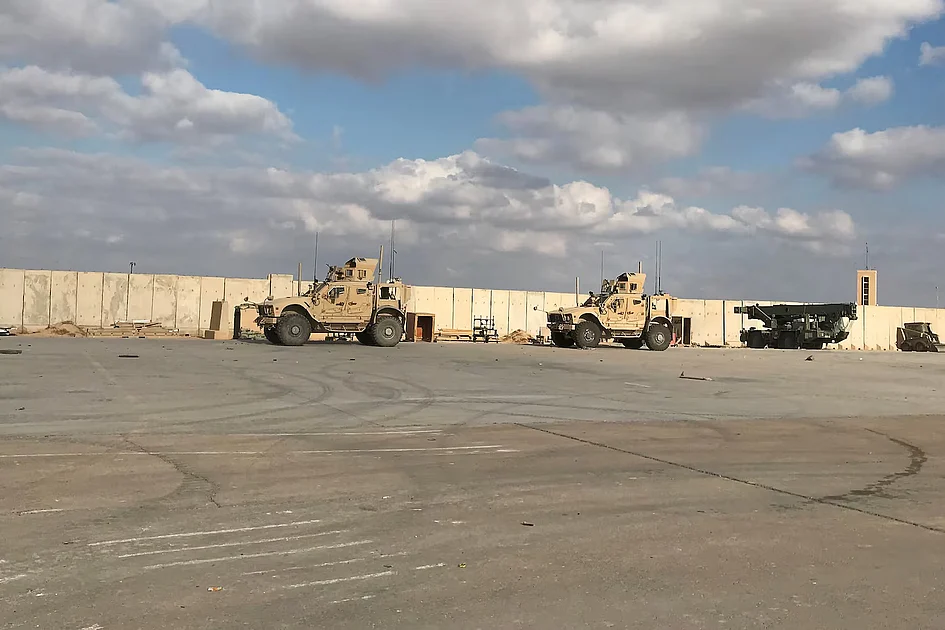
    The Iraqi Ministry of Defense confirmed on Saturday that the nation’s armed forces have officially assumed full operational control of the Ain al-Asad Airbase, following the complete withdrawal of United States-led coalition personnel. This strategic transfer of authority marks a pivotal moment in the ongoing reconfiguration of Iraq’s sovereign defense capabilities and its military relationship with international partners.

    The handover process stems from a bilateral understanding initially reached in 2024 between the governments in Washington and Baghdad. This agreement outlined a structured roadmap for the departure of all coalition forces operating under US command within Iraqi territory. Located in the western Anbar province, the Ain al-Asad Airbase has been a significant strategic asset, housing a substantial portion of the international coalition’s troops and equipment for years.

    This development is widely interpreted as a concrete step toward fulfilling the long-term strategic objective of the Iraqi government: asserting complete sovereign control over its national security infrastructure. The smooth transition of this key military installation is being presented by Iraqi authorities as a testament to the growing operational readiness and self-sufficiency of the Iraqi military and security forces. The event signifies a new chapter in the US-Iraq security relationship, likely shifting toward a model based more on advisory roles and arms-length support rather than the permanent, large-scale presence of foreign combat troops.

  • UAE minister Reem Al Hashimy appointed to White House’s Gaza Executive Board

    UAE minister Reem Al Hashimy appointed to White House’s Gaza Executive Board

    In a significant diplomatic development, the White House has established a National Committee for the Administration of Gaza (NCAG) as part of implementing phase two of President Donald Trump’s ‘Comprehensive Plan to End the Gaza Conflict.’ This 20-point roadmap aims to establish lasting peace, stability, reconstruction, and prosperity in the region.

    The newly formed Gaza Executive Board will operate in support of the Office of the High Representative and the NCAG. The Board’s primary mission involves supporting effective governance and delivering superior services that advance peace, stability, and prosperity for Gaza’s population.

    Notable appointments include UAE Minister of State for International Cooperation Reem Al Hashimy, who joins the Executive Board. Simultaneously, Nikolay Mladenov, Director General of the Anwar Gargash Diplomatic Academy in Abu Dhabi, assumes the critical role of High Representative for Gaza. Mladenov will serve as the essential on-the-ground liaison between the Board of Peace and the NCAG, supporting oversight of Gaza’s governance, reconstruction, and development while ensuring coordination across civilian and security sectors.

    This executive board formation coincides with the creation of a ‘Board of Peace’ to supervise Gaza’s temporary governance. The territory has maintained a fragile ceasefire since October. The supervisory board includes prominent figures such as US Secretary of State Marco Rubio, President Trump’s special envoy Steve Witkoff, former British Prime Minister Tony Blair, and Trump’s son-in-law Jared Kushner, with President Trump serving as chair.