博客

  • Israel strikes Tehran, Beirut as Trump mulls ‘winding down’ war

    Israel strikes Tehran, Beirut as Trump mulls ‘winding down’ war

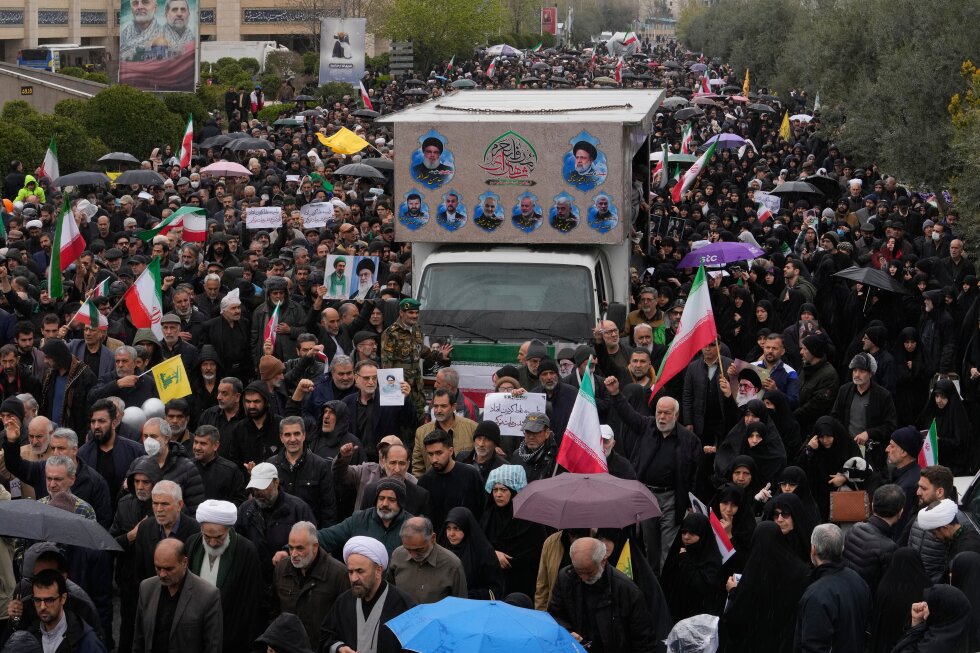
    The Middle East conflict entered a dangerous new phase this weekend as Israeli forces conducted fresh strikes against targets in Tehran and Beirut. These developments occurred alongside significant policy shifts from the United States administration regarding its military objectives in the region.

    Israeli military officials confirmed operations against what they described as ‘regime targets’ in Iran’s capital, extending their campaign that began following the initial US-Israeli offensive on February 28. Simultaneously, Israel intensified its operations in Lebanon, specifically targeting Hezbollah strongholds in Beirut’s southern suburbs and border regions near Khiam.

    The military escalation coincided with President Donald Trump’s announcement that Washington was considering ‘winding down’ its military efforts in the Middle East. Through social media, Trump stated the US was ‘very close to meeting our objectives,’ though White House Press Secretary Karoline Leavitt clarified the administration had initially projected a 4-6 week mission timeline.

    Contradicting the de-escalation rhetoric, reports emerged of thousands of US Marines being deployed to the region, potentially signaling preparation for ground operations. Trump maintained aggressive rhetoric toward Iran, claiming Washington was ‘obliterating’ the country while denying seeking a truce.

    The humanitarian situation continued deteriorating across multiple fronts. Lebanon’s health ministry reported over 1,000 fatalities and more than one million displaced persons. Muslim communities celebrated Eid al-Fitr under the shadow of conflict, with particular tension surrounding Israel’s closure of access to Jerusalem’s Al-Aqsa mosque and other holy sites.

    In a significant economic move, the US Treasury Department temporarily lifted sanctions on Iranian oil already loaded onto vessels before March 20. Treasury Secretary Scott Bessent estimated this would bring approximately 140 million barrels of oil to global markets through April 19, attempting to alleviate supply fears that had driven Brent crude prices above $112 per barrel.

    The geopolitical standoff extended to critical maritime channels, with Trump accusing NATO allies of being ‘cowards’ and demanding they secure the Strait of Hormuz. Iran confirmed restricting vessels from countries involved in attacks against them while offering assistance to others. When questioned about potential operations against Iran’s Kharg Island oil hub, Trump remained deliberately ambiguous, stating only that he ‘may have a plan or I may not.’

  • Russia thwarts protests over the blocking of a popular messaging app, but frustration persists

    Russia thwarts protests over the blocking of a popular messaging app, but frustration persists

    Russian authorities across nearly a dozen regions have deployed increasingly inventive pretexts to suppress demonstrations against internet censorship, with officials citing everything from “tree inspections” to snow removal difficulties and supposedly non-existent protest reasons. This systematic obstruction targets growing dissent against the blocking of Telegram, Russia’s second-most popular messaging application with 76% population penetration.

    The crackdown represents Moscow’s latest move in its decade-long campaign to establish absolute cyber sovereignty, having already blocked thousands of websites and VPN services. Paradoxically, Telegram remains widely utilized by government agencies for official communications and pro-Kremlin military bloggers with massive followings.

    What distinguishes this protest movement is its unusual political diversity. Ultranationalist war supporters, Communist Party branches, and ordinary citizens have found common cause in opposing the restrictions. In Moscow, pro-war activists from the “Other Russia” group physically blockaded the offices of state internet regulator Roskomnadzor, while Communist organizers across Siberia attempted authorized rallies only to be rejected with claims that internet clampdowns were “at odds with reality.”

    The suppression tactics have grown increasingly sophisticated. In Perm, authorities canceled a pre-approved demonstration just two hours beforehand citing a “potential emergency situation.” Novosibirsk activists arrived at their planned protest location to find the area cordoned off for purported “tree inspections,” resulting in 16 detentions.

    Despite these obstacles, resistance persists through legal challenges and smaller-scale protests. Over 100 plaintiffs from across Russia have filed lawsuits arguing that messaging app restrictions violate constitutional rights to free speech and privacy, though courts have consistently sided with authorities.

    Political analyst Abbas Gallyamov notes these protests primarily serve as indicators of accumulating social dissatisfaction rather than direct challenges to the regime. Yet they represent “another crack in the foundation” of Putin’s rule, fueled by frustrations over everything from high utility costs to animal cruelty policies—issues that authorities occasionally permit as pressure-release valves.

    As one detained octogenarian protester’s banner proclaimed: “Vladimir Putin! I demand that you bring back freedom of thought and speech—the internet!” This sentiment, however cautiously expressed, reveals the persistent undercurrent of discontent flowing beneath Russia’s controlled political surface.

  • Models with Down syndrome in Romania strike a pose for World Down Syndrome Day

    Models with Down syndrome in Romania strike a pose for World Down Syndrome Day

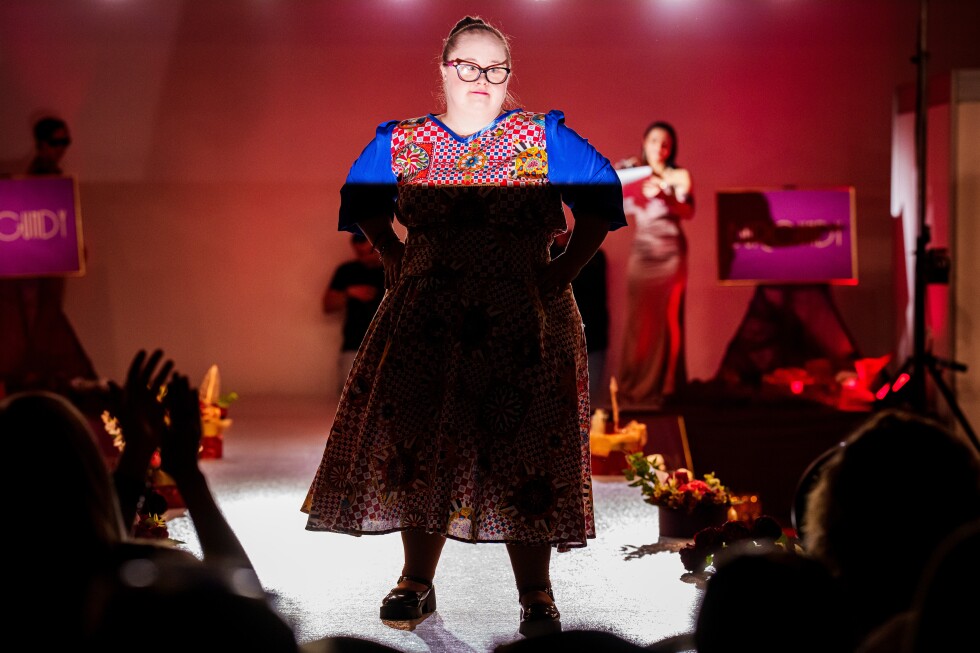
    BUCHAREST, Romania — In a vibrant celebration of diversity and inclusion, Bucharest transformed into a runway of extraordinary beauty as dozens of models with Down syndrome showcased designer creations at the SEEN Anonymous Seamstresses Gala. The event, held at the Romexpo center, marked World Down Syndrome Day with a powerful statement about fashion’s role in promoting social acceptance.

    Organized by the Down Plus Association Bucharest, the gala featured an innovative concept: 50 seamstresses from across Romania designed custom garments for young people with intellectual disabilities they had never met. The creations were crafted without fittings, relying solely on measurements and imagination.

    Georgeta Bucur, president of the organizing association, emphasized the emotional significance of the gathering. ‘The costumes were created without anyone trying them on,’ she noted. ‘But the most important thing is that people gathered together again. This event is really special—it’s the most beautiful thing that could happen.’

    For participants like 19-year-old Antonia Voicu, who graced the runway in a puffy green netted dress with a crown of red roses, the experience represented a dream realized. ‘I feel like I’m always fashionable, and I like to strike a pose,’ she expressed before her debut. Her caretaker, Diana Negres, described the event as ‘a big step’ for Antonia, who had always envisioned ‘being a star’ on stage.

    The inspiration behind the fashion show came from organizer Cristina Bucur, who has a child with disabilities. ‘I wanted other children to experience wearing a costume during a fashion show, to know what it’s like to be cheered on stage,’ she explained. ‘They enjoy it enormously because they see that someone looks at them, that someone does something for them.’

    According to the Romania Down Syndrome Federation, approximately 12,000 people in Romania and over 6 million worldwide live with Down syndrome. In 2022, the country reported one Down syndrome birth per 847 births.

    Nine-year-old Marusika Burlaca, who modeled a pearl-studded pink dress, captured the spirit of the event: ‘On stage, us children go on a parade, and today I’m dressed in a nice dress and try to do some modeling.’

    The event aligned with this year’s World Down Syndrome Day theme of combating loneliness, which disproportionately affects individuals with intellectual disabilities. The United Nations General Assembly officially declared March 21 as World Down Syndrome Day in 2011 to promote equal freedoms and opportunities while raising global awareness.

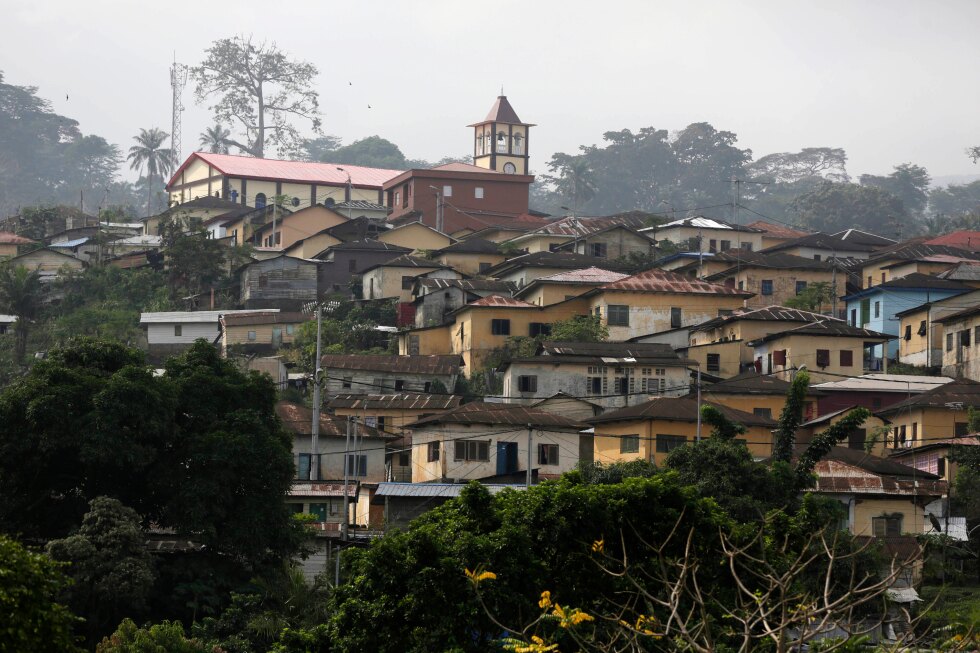
  • Secretive deal leaves deportees from the US stuck in Equatorial Guinea with ‘no more hope’

    Secretive deal leaves deportees from the US stuck in Equatorial Guinea with ‘no more hope’

    In a controversial immigration enforcement practice, the United States has been deporting migrants with legal protection status to third countries through clandestine agreements with authoritarian regimes. A 28-year-old East African refugee experienced this firsthand when, despite a U.S. immigration judge granting him protection under the Convention Against Torture, he was forcibly transferred to Equatorial Guinea—a West African petrostate with no asylum system.

    The refugee, who fled ethnic persecution in his home country, spent 13 months in U.S. detention centers before being handcuffed and placed on a charter flight operated by Omni Air International. He is among 29 individuals from nine African nations currently detained in Malabo, Equatorial Guinea, where they face inadequate medical care, poor sanitation, and pressure to return to the dangerous countries they originally fled.

    This practice stems from secretive agreements between the Trump administration and at least seven African nations, including Equatorial Guinea, which received $7.5 million according to Senator Jeanne Shaheen, the top Democrat on the Senate Foreign Relations Committee. A February report revealed the U.S. has spent approximately $40 million to deport about 300 migrants to third countries—a legal maneuver that immigration experts describe as circumventing U.S. and international laws protecting refugees from being returned to life-threatening situations.

    Meredyth Yoon, litigation director of Asian Americans Advancing Justice, stated: ‘The U.S. is deporting people to third countries to circumvent laws that forbid sending a person to a country where their life or freedom would be threatened. Once deported, these individuals face impossible alternatives: indefinite detention without access to counsel, or forced deportation to the very countries they fled from.’

    The Department of Homeland Security defended the actions, stating all deportees ‘received due process and had a final order of removal,’ while denying allegations of coercion or physical abuse by ICE officers. Meanwhile, UNHCR reports it is assisting Equatorial Guinea in developing an asylum system, though currently no protection framework exists for those stranded in what refugees describe as a hopeless limbo.

  • Israel threatens a surge in attacks on Iran as Britain condemns Tehran targeting a US-UK air base

    Israel threatens a surge in attacks on Iran as Britain condemns Tehran targeting a US-UK air base

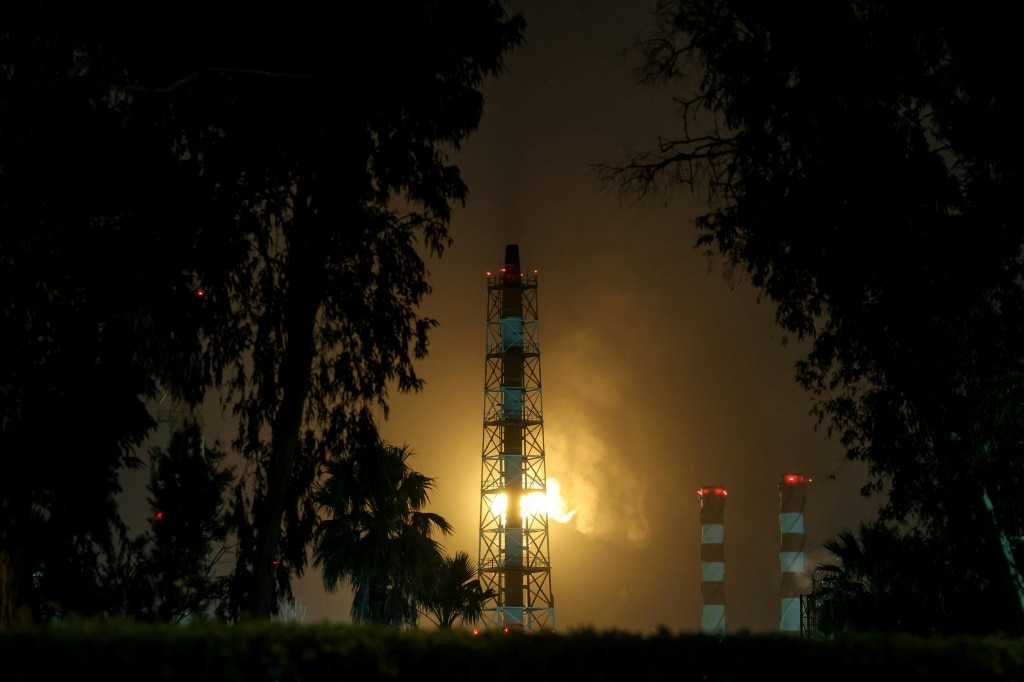
    The Middle East conflict entered its fourth week with significant escalations as Iran demonstrated unprecedented missile capabilities while Israel pledged to intensify military operations. Iranian forces targeted the Diego Garcia air base in the Indian Ocean—a joint U.K.-U.S. facility located approximately 4,000 kilometers from Iranian territory—revealing Tehran’s possession of long-range missiles exceeding previously acknowledged ranges.

    Israeli Defense Minister Israel Katz announced in a video statement that coordinated attacks with the United States against Iran’s leadership would ‘increase significantly’ in the coming week. This declaration followed an Iranian missile strike that damaged an empty kindergarten near Tel Aviv, though no casualties were reported.

    The conflict expanded across multiple fronts overnight. Tehran experienced heavy airstrikes, while in Iraq, a drone attack on Baghdad’s intelligence headquarters killed one officer. Saudi Arabia reported intercepting twenty drones in its eastern oil-producing region within hours.

    Iran’s nuclear program faced renewed pressure as the Natanz enrichment facility was struck in an airstrike. Iranian news agency Mizan confirmed no radiation leakage occurred. The International Atomic Energy Agency acknowledged monitoring the situation and investigating the incident.

    Diplomatic tensions intensified as Britain condemned Iran’s attempted strike on Diego Garcia, with the U.K. Ministry of Defense characterizing Tehran’s actions as ‘lashing out across the region’ that threatened British interests and allies. Meanwhile, Iranian Foreign Minister Abbas Araghchi expressed Tehran’s desire for ‘a complete, comprehensive and lasting end to the war’ rather than a ceasefire.

    The United States presented conflicting signals as President Trump announced consideration of ‘winding down’ military operations while simultaneously deploying three amphibious assault ships with approximately 2,500 Marines to the region. This deployment followed the recent redirection of another Marine contingent from the Pacific, bringing total U.S. troop presence in the Middle East to over 50,000.

    Iran escalated its rhetoric with military spokesperson General Abolfazl Shekarchi warning that ‘parks, recreational areas and tourist destinations worldwide’ would not be safe for Iran’s enemies. Supreme Leader Ayatollah Mojtaba Khamenei, who has not appeared publicly since the conflict began, praised Iranian resilience in a written New Year’s message.

    Regional clashes continued as Israeli forces engaged Hezbollah militants in southern Lebanon’s Khiam village, resulting in at least four militant casualties. Lebanese authorities report over 1,000 deaths and one million displacements from Israeli strikes, while Iranian casualties exceeded 1,300 with 15 killed in Israel and 13 U.S. military personnel fatalities.

  • Buffy the Vampire Slayer actor Nicholas Brendon dies aged 54

    Buffy the Vampire Slayer actor Nicholas Brendon dies aged 54

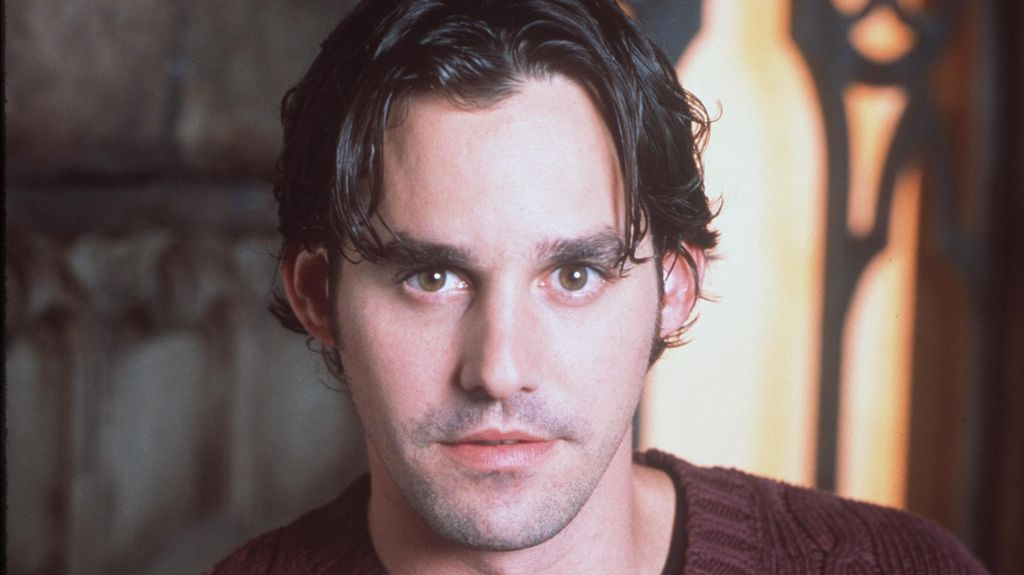
    The entertainment world mourns the loss of Nicholas Brendon, the acclaimed actor best known for his iconic portrayal of Xander Harris in the seminal television series Buffy the Vampire Slayer, who passed away peacefully in his sleep at age 54. His family confirmed the tragic news through an official social media statement, attributing his death to natural causes.\n\nBrendon’s family memorialized him as \”passionate, sensitive, and endlessly driven to create,\” noting that his artistic endeavors represented \”one of the purest reflections of who he was.\” While millions recognized him for his acting career, the statement highlighted his recent creative passion for painting and visual arts.\n\nThe Los Angeles-native actor achieved television immortality through his seven-season arc (1997-2003) as the quick-witted and loyal best friend to Sarah Michelle Gellar’s vampire slayer. His performance earned three Emmy nominations—two for Outstanding Television Actor and one for Outstanding Supporting Actor. Brendon’s twin brother, Kelly Donovan Schultz, occasionally served as his body double during the series’ production.\n\nFellow cast members including Alyson Hannigan, who played his on-screen love interest Willow Rosenberg, shared heartfelt tributes. Hannigan’s Instagram post remembered \”years of laughter, love and Dodgers,\\” adding she would cherish his memory \”every time I see a rocking chair.\”\n\nPost-Buffy, Brendon maintained an active television career with appearances in Criminal Minds, Private Practice, and Kitchen Confidential, alongside film roles in Psycho Beach Party and Big Gay Love.\n\nThe actor courageously navigated multiple health challenges throughout his life, including two spinal surgeries for cauda equina syndrome, a heart attack, and a persistent stutter that led him to become a spokesperson for the Stuttering Foundation of America. He also openly discussed his battles with substance addiction, alcoholism, and mental health issues.\n\nHis family emphasized to Hollywood Reporter that despite past struggles, Brendon was actively managing his conditions through medication and treatment, maintaining optimism about his future at the time of his passing.

  • US military readies plan for ground troops in Iran: Report

    US military readies plan for ground troops in Iran: Report

    The U.S. Department of Defense has formulated comprehensive military strategies that include potential ground troop deployments in the ongoing Iran conflict, according to a CBS News report published Friday. The disclosure, attributed to anonymous government officials, reveals that operational blueprints encompass various combat scenarios including prisoner detention protocols and engagement procedures against paramilitary forces.

    White House Press Secretary Karoline Leavitt characterized the planning as standard procedural preparedness, emphasizing that the Pentagon’s development of multiple options doesn’t indicate presidential commitment to any specific military action. ‘It’s normal procedure for the Pentagon to ensure President Donald Trump has several options at his disposal,’ Leavitt stated, adding that such planning ‘does not mean the president has made a decision’ to deploy military personnel.

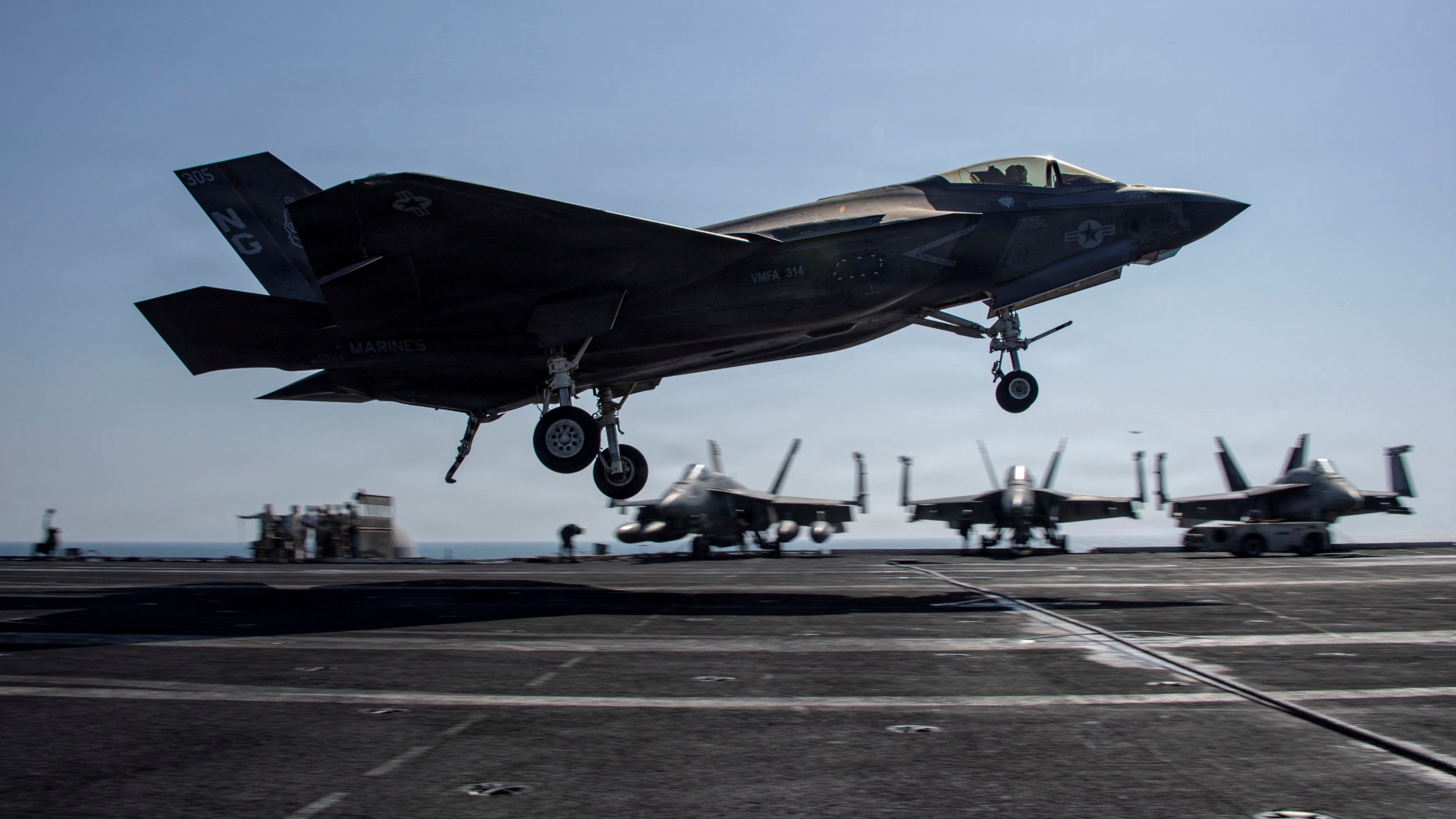
    The military buildup continues with four warships and approximately 4,000 U.S. Marines receiving deployment orders to the Middle East theater. The initial naval contingent is scheduled to arrive from Pacific Command jurisdictions within approximately seven days, signaling sustained operational tempo.

    President Trump offered contradictory perspectives during Thursday’s remarks, initially denying imminent troop deployments with characteristic bluntness: ‘I’m not putting troops anywhere. If I were, I certainly wouldn’t tell you, but I’m not putting troops.’ He subsequently characterized military operations as a temporary ‘excursion’ that would conclude rapidly, while simultaneously justifying the campaign as necessary for global security. ‘I hate to make this excursion, but we have to do it,’ Trump asserted, claiming Israeli Prime Minister Benjamin Netanyahu endorsed his approach.

    New polling data from Reuters/Ipsos reveals significant public skepticism regarding administration assurances. Nearly 65% of American respondents believe the President will ultimately authorize large-scale ground operations in Iran, though only 7% of citizens support such military escalation. Paradoxically, the survey indicates Trump’s approval rating increased marginally to 40% since conflict initiation on February 28th, rising from previous 39% baseline measurements.

  • Watch: Thick smoke billows from South Korea car parts plant in deadly fire

    Watch: Thick smoke billows from South Korea car parts plant in deadly fire

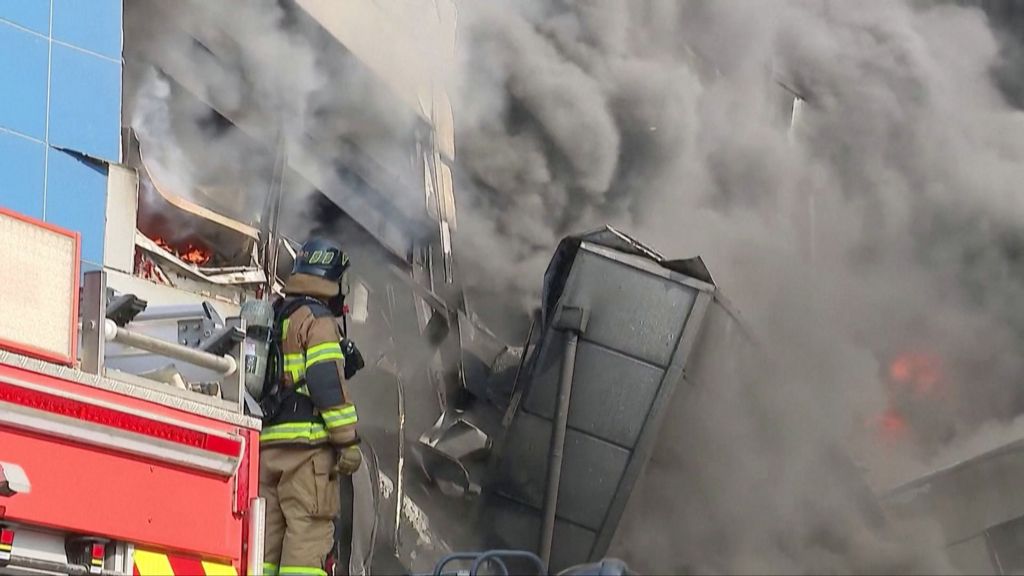
    A catastrophic industrial fire tore through a major automotive components manufacturing facility in Daejeon, South Korea, on Wednesday, resulting in a devastating loss of life and numerous casualties. Emergency responders confirmed at least 10 fatalities with dozens more sustaining injuries as thick, black smoke billowed from the rapidly spreading blaze.

    The fire erupted without warning at the industrial complex specializing in automobile part production, quickly consuming large sections of the manufacturing plant. Dramatic footage captured by witnesses showed massive plumes of toxic smoke rising hundreds of feet into the air, visible from across the metropolitan area of Daejeon, South Korea’s fifth-largest city.

    Firefighting units from multiple districts rushed to the scene, encountering intense heat and challenging conditions that hampered rescue operations. The facility’s structural integrity became an immediate concern as flames spread through sections containing flammable materials used in automotive manufacturing.

    Survivors described chaotic scenes as workers attempted to evacuate through smoke-filled corridors. Emergency medical teams established triage areas near the site to treat those suffering from smoke inhalation and burn injuries, with numerous ambulances transporting the wounded to regional hospitals.

    South Korean President Yoon Suk Yeol issued an immediate directive for all available resources to be deployed, emphasizing the priority of rescue operations and promising a thorough investigation into the fire’s origins. The Ministry of Employment and Labor simultaneously announced plans for comprehensive safety inspections at similar industrial facilities nationwide.

    The tragedy represents one of South Korea’s deadliest industrial accidents in recent years, raising serious questions about workplace safety protocols in the country’s manufacturing sector, which supplies components to major global automakers.

  • Record-breaking heat wave grips western US

    Record-breaking heat wave grips western US

    An extraordinary early-season heatwave has engulfed the western United States, shattering historical temperature records and prompting climate scientists to declare the event a clear manifestation of human-induced climate change. The phenomenon, described as a one-in-500-year occurrence for this time of year, has transformed the region’s weather patterns with alarming intensity.

    Meteorological history was rewritten on Friday when four locations along the California-Arizona border registered a staggering 44.4°C (112°F), establishing a new national heat record for March. The affected areas included regions near Yuma and Martinez Lake in Arizona, alongside Winterhaven and Ogilby in California. According to Weather.com, an unprecedented 65 cities across multiple western states have already documented new March temperature highs.

    The heatwave’s reach has been both extensive and peculiar. Death Valley experienced scorching 40°C temperatures on Thursday, while typically cool San Francisco matched its historic March record at 29°C. Even winter sports enthusiasts in Colorado found themselves skiing shirtless under the unusual thermal conditions.

    The National Weather Service responded by issuing extreme heat warnings across much of the southwest, encompassing major metropolitan areas from Los Angeles to Las Vegas. Authorities simultaneously issued urgent warnings against leaving children or pets in vehicles, highlighting the immediate dangers posed by the extreme temperatures.

    Climate scientists from the World Weather Attribution network presented compelling evidence linking this event directly to anthropogenic climate change. Their research concluded that such a heatwave would be “virtually impossible” during this season without human influence on the climate system. Professor Friederike Otto of Imperial College London emphasized the severity of the situation, stating: “The seasons that people and nature were used to for centuries are disappearing, putting many, including outdoor workers and those without air conditioning, in danger.”

    The ecological consequences are already emerging across the region. Vegetation growth has accelerated dramatically, fueled by earlier heavy rains in December and January, while many plants and trees have begun blooming prematurely. This disruption to natural cycles demonstrates how climate change is fundamentally altering environmental patterns.

    As the northern hemisphere transitioned into astronomical spring on Friday, the record-breaking temperatures served as a stark reminder that climate impacts are not distant threats but present realities requiring immediate policy responses and adaptation strategies.

  • A drug transformed my life. Now it’s derailed my Australian dream

    A drug transformed my life. Now it’s derailed my Australian dream

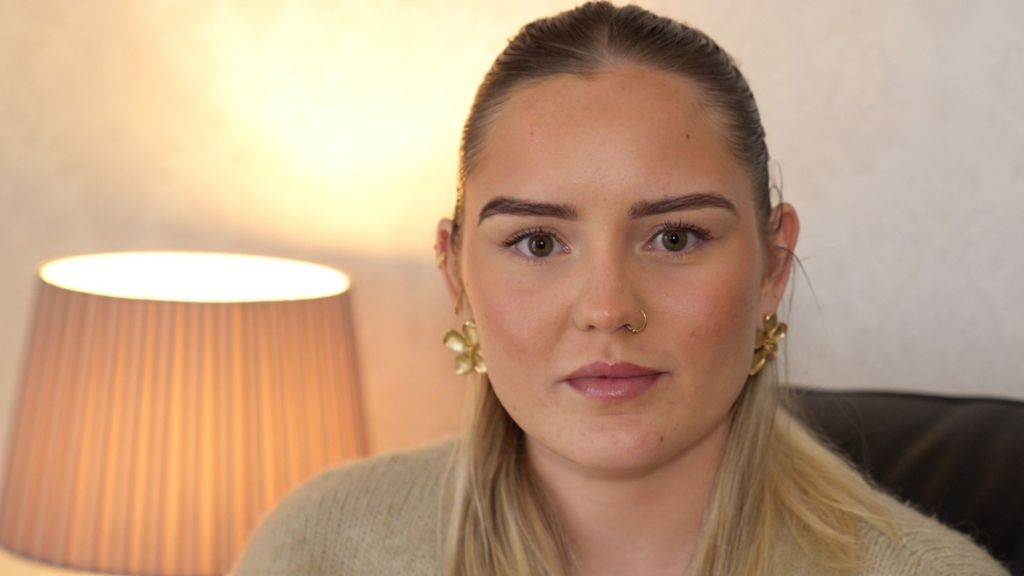
    A groundbreaking medical treatment has created an unexpected immigration dilemma for a young British woman with cystic fibrosis. Regan Sparks, 23, from Benfleet, Essex, has seen her health transformed by the drug Trikafta (also known as Kaftrio) since it became available through the NHS in 2020. The medication has enabled her to pursue activities previously unimaginable for someone with her condition—securing employment, establishing relationships, and even training for marathons.

    However, when Sparks applied for an Australian working holiday visa in 2023, her medical success story became an administrative obstacle. Australia’s immigration health requirements impose a cost threshold of A$86,000 (£45,700) for potential medical expenses during a visa period. With Trikafta costing A$250,000 (£133,000) annually, her application was denied despite her improved health status and ability to function normally.

    The rejection came as a profound disappointment to Sparks, who had previously completed a three-month solo backpacking trip through Southeast Asia without visa complications. ‘I’ve never let my CF stop me from doing anything,’ she stated. ‘The fact that just on paper you’re denying me for something completely out of my control feels like a kick in the teeth.’

    Sparks has proposed that Australia implement alternative measures for such cases, including allowing applicants to sign health waivers or fully fund their own treatment. The Australian Department of Home Affairs maintains that all applications are assessed individually, with health conditions not automatically leading to rejection. The department is currently reviewing its migration health requirements, including the significant cost threshold, with findings to be published later.