博客

  • Passenger ‘nearly sucked out of window mid-air’ on Ryanair plane

    Passenger ‘nearly sucked out of window mid-air’ on Ryanair plane

    A shocking mid-flight incident on a Ryanair Group flight left aviation authorities and passengers shaken Friday, after a passenger came perilously close to being sucked out of a broken cabin window shortly after takeoff from northern Greece. The affected flight, operated by Ryanair’s subsidiary Malta Air, was traveling from Thessaloniki to Memmingen, Germany, carrying dozens of passengers when the emergency unfolded. According to witness accounts shared with local media, the passenger — a 66-year-old Serbian national — ended up hanging head-first out of the broken window, with only his lower body remaining inside the cabin for several minutes, before other travelers on board pulled him back to safety.

    In an official statement released shortly after the incident, Ryanair confirmed that the flight was forced to turn around and return to Thessaloniki Airport immediately after departure, when a passenger window became dislodged during the climb to cruising altitude. The budget carrier confirmed that the aircraft landed without further incident, and all passengers were able to exit safely to the terminal. The 60-year-old passenger affected by the incident requested on-site medical assistance, which was provided to him on the ground in Thessaloniki. To minimize disruption to the remaining passengers’ travel plans, Ryanair arranged a replacement aircraft that completed the journey to Memmingen several hours after the original incident.

    Multiple passenger accounts shared with Greek and German media outlets have offered more detailed accounts of the chaotic emergency. Passengers reported that moments after the Boeing 737-800 lifted off from Thessaloniki, a loud bang echoed through the cabin before the window shattered, triggering the aircraft’s emergency oxygen mask deployment. Witnesses have hypothesized that the window was broken by flying debris from one of the jet’s engines, though Ryanair has not yet issued any comment confirming or denying this account of the cause.

    Christina, one of the passengers on board the flight, spoke with local outlet Radio Thessaloniki about the terrifying moments immediately after the window failed. “We immediately realized there had been a decompression. There were screams… for a moment I thought someone had accidentally opened the emergency door,” she recalled. “The masks dropped and there was a strong smell [of jet fuel]. The head and shoulders of one passenger were outside the window. Fortunately, he hadn’t taken off his seat belt.” That seat belt, multiple witnesses noted, is what prevented the man from being fully pulled out of the aircraft into the thin, high-speed outside air.

    The aircraft involved in the incident is reported to be 18 years old, a detail that may draw additional scrutiny during the official investigation. The Irish Aviation Authority (IAA) confirmed to the BBC that it had been notified of the incident, which occurred on an aircraft registered and operated by Malta Air, a fully-owned subsidiary of the Irish Ryanair Group. “The IAA will provide any requested assistance to the aviation safety investigation authority in Greece and the Maltese Civil Aviation Directorate, to aid their investigation,” the authority said in a statement.

    This incident is not the first of its kind in recent aviation history. In 2018, a fatal accident on a U.S.-based Southwest Airlines flight saw a passenger die after engine debris shattered a cabin window, leading to the passenger being partially sucked out of the opening. That incident prompted widespread reviews of engine safety protocols and aircraft maintenance schedules across the global aviation industry. Investigators from Greek and Maltese aviation authorities are expected to release a full report once they complete their examination of the aircraft and interviews with crew and passengers.

  • ‘What old-timers can do’ – the evolution of Belgium’s golden generation

    ‘What old-timers can do’ – the evolution of Belgium’s golden generation

    When the 2026 FIFA World Cup kicked off 30 days ago, barely any football pundits or fans counted Belgium among the tournament’s potential contenders. Many of the star names that anchored the Red Devils’ campaigns in past iterations of the competition had retired or moved on from international football, and few expected the current squad to advance deep into the knockout stage. That scepticism only grew deeper when Belgium found themselves trailing Senegal 2-0 with just five minutes of regulation time left to play in their Round of 32 clash. What has followed since that dire opening, however, has been one of the most remarkable turnaround stories of this World Cup: a legendary comeback to eliminate Senegal, followed by a dominant 4-1 victory over the United States on American soil that has carried Belgium into the tournament’s quarter-finals.

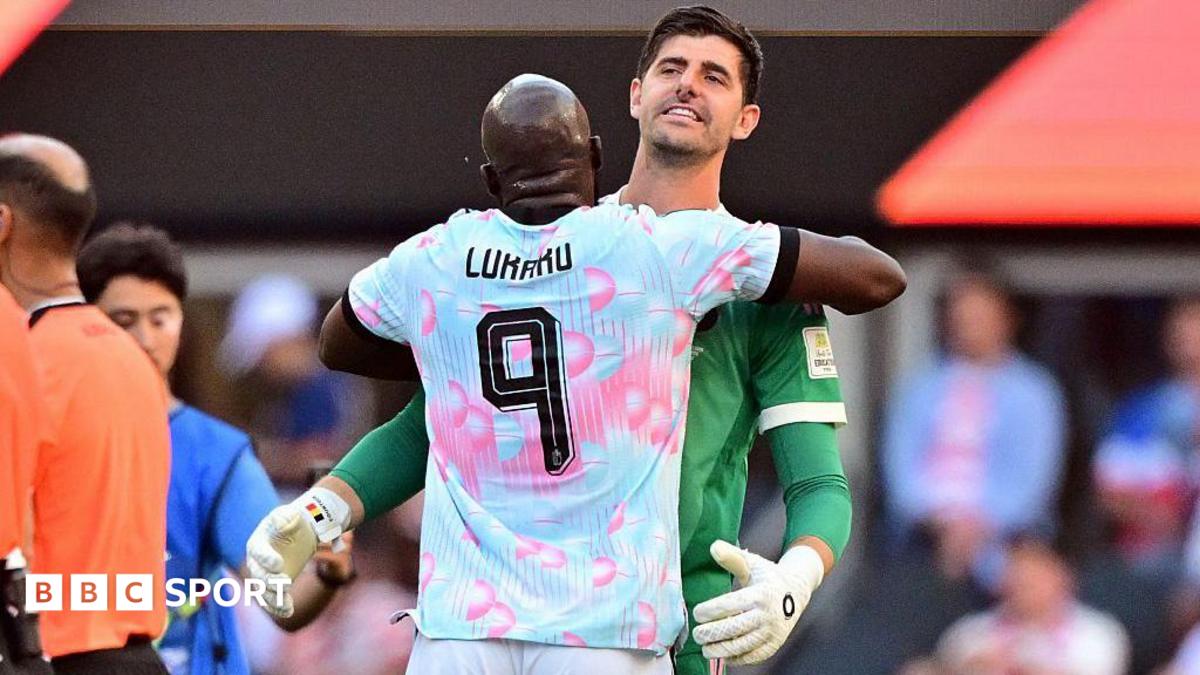
    Gone are iconic Belgian figures like Eden Hazard, Mousa Dembele, Marouane Fellaini, and Vincent Kompany, who led the side to quarter-final finishes in 2014 and a historic semi-final run at the 2018 Russia World Cup – widely considered the peak of the country’s so-called golden generation. After a dismal 2022 Qatar World Cup campaign that saw Belgium crash out in the group stage, many wrote this veteran core off entirely. But the remaining veterans of that golden era – goalkeeper Thibaut Courtois, forward Romelu Lukaku, midfielder Kevin de Bruyne, and midfielder Axel Witsel – have helped transform a shaky start into a legitimate shot at World Cup glory. Now, as Belgium prepares to face Spain for a semi-final spot on Friday at 20:00 BST, the question looms: was the Belgian golden generation written off too soon, or has manager Rudi Garcia unlocked a new way to harness their veteran experience alongside emerging young talent?

    Courtois, the Real Madrid shot-stopper competing in his fourth World Cup, framed this squad as a new chapter for Belgian football ahead of the USA match. “It is true that there are some players from the golden era, but the World Cup in Qatar for us was not that good,” he explained. “Now we have another generation with younger people, new people, willing to do great things and writing in the history pages for Belgium.”

    Courtois’ assessment holds up under scrutiny. Of the four remaining veterans from the 2014 and 2018 squads, only 34-year-old Courtois has played every minute of the 2026 tournament. De Bruyne, 35, suffered an injury early in the Senegal clash, while 37-year-old Witsel has seen limited minutes off the bench. Thirty-three-year-old Lukaku has racked up an impressive three goals, but has played fewer than 50% of the team’s total minutes, mostly coming off the bench to exploit tired defences stretched thin by the high pressing of 25-year-old Atalanta forward Charles de Ketelaere. Full-back Thomas Meunier, another 2018 World Cup veteran, has also seen his playing time decrease as the tournament has progressed.

    This does not mean the veteran core has not been integral to Belgium’s run. Courtois remains one of the top goalkeepers in the world, Lukaku’s clutch goals have swung critical matches, and De Bruyne delivered some of the squad’s best performances before his injury. But their role has shifted: rather than carrying the full weight of the team’s performance over 90 minutes, they now step up to make the difference in high-stakes key moments. So far, Garcia and Belgium have navigated this generational transition far more smoothly than most international sides manage when their golden generation begins to age.

    For Garcia, the constant focus on the veterans’ age misses the point entirely, and downplays the quality he has in his squad. “I really can’t stand it when my four leaders are called ‘veterans’,” he said earlier in the tournament. “It is ugly. It is awful. If you are lucky enough as a country to have players of this calibre, then encourage them. This is what Belgium’s ‘old-timers’ can do.”

    The veterans’ leadership has been complemented by standout performances from a new cohort of players who did not experience the pressure of the 2014 and 2018 runs, but already hold extensive experience at top European clubs. Arsenal winger Leandro Trossard has been particularly outstanding: he has created more chances (17) than any other player in the tournament so far, and notched two goals and two assists to put him 15th in the tournament for total goal contributions. De Ketelaere, while not a prolific goalscorer, has contributed two goals and one assist while creating critical space for wide attackers to operate inside the penalty area. Club Brugge midfielder Hans Vanaken, 33, who has spent his entire domestic career in Belgium, has added one goal and two assists, while captain Youri Tielemans scored both the equalizer and match-winner to pull off the incredible comeback against Senegal.

    Of the 13 squad members aged 25 or younger, only Manchester City winger Jeremy Doku is already considered an elite talent at this stage, though fellow wingers Diego Moreira and Matias Fernandez-Pardo have shown clear potential, and Aston Villa midfielder Amadou Onana turned in strong performances before suffering an ACL injury against the USA.

    The squad was further galvanized by controversy surrounding FIFA’s last-minute decision to uphold a one-match suspension for USA striker Folarin Balogun ahead of the Round of 16 clash. In a show of unity and defiance, Belgian players mocked former US President Donald Trump by mimicking his signature campaign trail dance on the pitch after scoring. After the match, Garcia praised the squad’s tight chemistry: “The group is very mature. We have leaders to help us.”

    Beyond on-pitch chemistry, Belgium’s dressing room has a unique quirk that has shaped its leadership dynamic: linguistic diversity rooted in the country’s history and position at the heart of the European Union. The Belgian squad includes players with heritage from across the globe, including DR Congo, Ghana, Guinea-Bissau, Senegal, France, Italy, Portugal, and Spain. Lukaku alone speaks six languages fluently. With native Dutch speakers from northern Flanders and native French speakers from southern Wallonia, the team has intentionally adopted English as its primary shared language to avoid the political and identity tensions that can surround language use in Belgian public life.

    “It’s a very strategic thing to do,” explained Dr. Jim Ureel, senior lecturer in applied linguistics at the University of Antwerp. “Language is a very sensitive topic in Belgium – it’s heavily linked to identity and politics. Dutch-speaking people don’t necessarily want to adapt for the French, and vice-versa. If the players were choosing one or the other, it could become a problem. English therefore becomes very useful – you can avoid those issues and it all becomes neutral, especially because young footballers almost always speak good English and lots play in English-speaking countries. When things become more personal, in smaller groups, they might switch into what they’re most comfortable with. I think it’s very clever how they do it.”

    As Belgium prepares for their quarter-final showdown with Spain, the team’s veteran leaders will need to draw on all their experience to inspire the young squad to another upset. This run is not just the last hurrah for Belgium’s golden generation; it is a transition: a core of seasoned veterans stepping into new leadership roles, guiding the young players who will soon take over the future of Belgian football.

  • Wildfires across Europe have killed hundreds over the last decade

    Wildfires across Europe have killed hundreds over the last decade

    Across the European continent, decades of rising temperatures tied to climate change have turned wildfires into a growing public health and humanitarian catastrophe, leaving a staggering trail of fatalities over the past 10 years — and scientists warn the death toll will climb even higher in the years ahead if current warming trends continue.

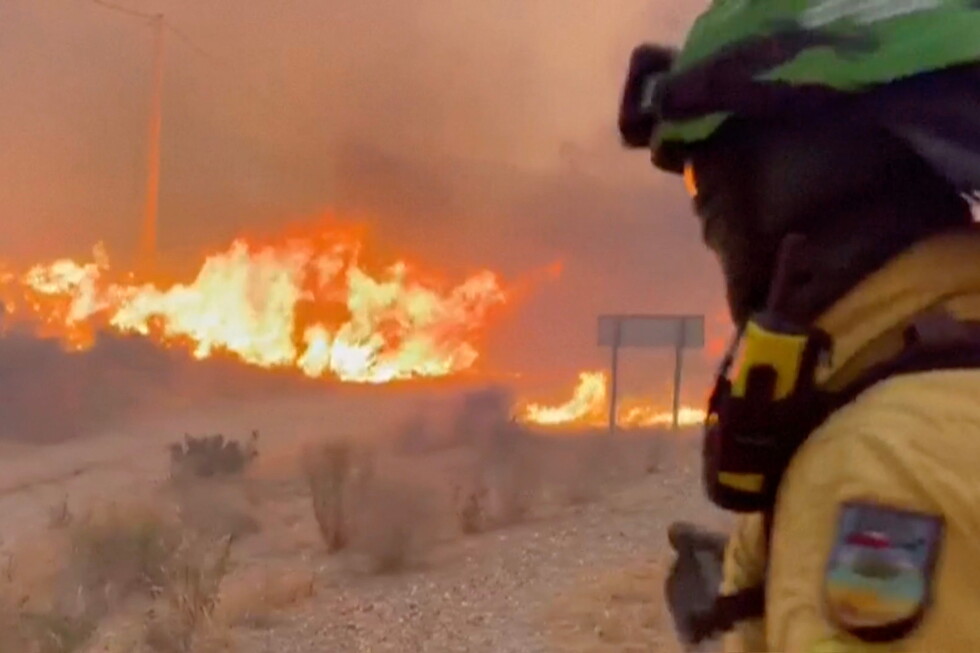
    The most recent deadly incident unfolded overnight into Friday, when an intense wildfire tore through southern Spain amid a countrywide heatwave, killing at least 11 people. Separate updates later confirmed the death toll had risen to at least 12, with another 23 residents still unaccounted for, marking this blaze as one of the deadliest wildfire events in Spain’s modern recorded history.

    Data from the European Union’s Copernicus Climate Change Service confirms Europe is warming faster than any other continent on the planet. Since the 1980s, regional temperatures have risen twice as quickly as the global average, and 2025 ranks as the third hottest year ever recorded globally, bringing a string of severe, prolonged heatwaves that gripped much of Europe. Climate scientists agree that human-caused warming, driven largely by the combustion of fossil fuels including gasoline, oil, and coal, has worsened extreme heat and drought conditions across the continent. These shifts have dramatically increased both the frequency and intensity of wildfires, leaving many populated and forested regions far more vulnerable to catastrophic blazes.

    To understand the scale of the threat, a look back at the deadliest European wildfires of the past decade reveals the consistent human cost of this growing crisis:

    In 2018, Greece suffered its deadliest wildfire event on record, when a massive blaze swept through Mati, a popular seaside town just east of Athens. The fire spread so rapidly that it trapped residents and visitors as they tried to escape, leaving more than 100 people dead. Some of those victims drowned while attempting to swim away from the advancing flames. Just five years later, in 2023, another season of extreme wildfires across Greece killed more than 20 people. Among the dead were 18 migrants trapped by what became the largest single wildfire ever recorded in Europe, as they crossed a forested area in northeastern Greece. Last week, the country recorded another fatal loss: a 12-year-old boy and his father were killed by a fast-moving wildfire in northern Greece.

    In northwestern Turkey, 10 firefighters and rescue workers lost their lives last July while battling a major wildfire in the forested landscapes of Eskisehir province. The victims included both professional forestry workers and volunteers from the AKUT search and rescue organization. Forestry Minister Ibrahim Yumakli explained at the time that sudden, unexpected shifts in wind direction pushed flames to rapidly surround the team, cutting off their escape route. One of the fallen workers was a 28-year-old man who had returned to his post just two days after returning from his honeymoon, and one AKUT volunteer had spent a full month leading rescue efforts after the catastrophic February 2023 southern Turkey earthquake just months earlier.

    Portugal’s deadliest wildfire disaster struck in 2017, when a blaze near Pedrogao Grande, 120 miles northeast of Lisbon, killed 66 people. Most of those victims died trapped in their cars on a single road as they tried to outrun the fast-spreading flames. By the end of that devastating fire season, additional late-year blazes pushed Portugal’s total annual wildfire death toll to more than 120, making 2017 the deadliest year for wildfires in the country’s history. Victims included a one-month-old infant and the baby’s parents. In response to the catastrophe, the Portuguese government implemented sweeping reforms to improve wildfire prevention and response: public education campaigns targeting accidental fire ignition, a new rapid-response firefighting task force, thousands of kilometers of fuel-reducing firebreaks, and expanded access to firefighting equipment and resources across high-risk regions.

    On the Mediterranean island nation of Cyprus, officials have directly linked growing wildfire severity to long-term climate change, with at least six people killed in extreme blazes over the past five years. In July 2021, the most destructive wildfire in Cyprus’ modern history swept through mountain villages, leaving the charred remains of four Egyptian laborers found outside a burned-out community. Last July, another major blaze killed an elderly couple, whose bodies were found inside their gutted car on the side of a mountain road. That blaze burned roughly 50 square miles of forested hillside in just hours, a speed of spread that led President Nikos Christodoulides to note there had never been a wildfire of that scale or ferocity in the country’s recorded history. The blaze was fueled by a perfect combination of extreme conditions: strong gusty winds, record high temperatures, and extremely parched vegetation after three consecutive winters of far-below-average rainfall.

    Last August, a major analysis by international climate research initiative World Weather Attribution confirmed the link between human-caused climate change and extreme Mediterranean wildfire severity. The study found that warming-driven temperature increases and reduced rainfall made massive 2023 wildfires across Turkey, Greece, and Cyprus burn far more intensely than they would have in a pre-warming climate.

  • Bayeux Tapestry arrives in London after epic journey from France

    Bayeux Tapestry arrives in London after epic journey from France

    In an unprecedented, high-security overnight operation that capped 12 months of meticulous technical planning, the 11th-century Bayeux Tapestry completed its cross-Channel journey from its permanent home in northern France to London’s British Museum in the early hours of Friday, marking the first time the iconic medieval artifact has left France in nearly a millennium.

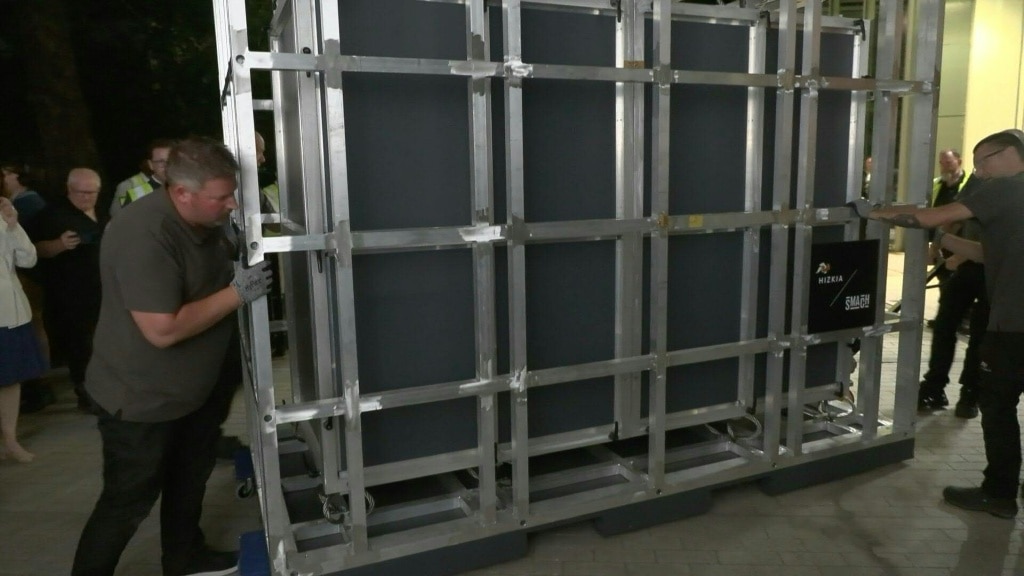
    AFP reporters on site witnessed the fragile embroidered work, held in a custom-engineered shock-proof metal case, being unloaded from a specially adapted transport truck that carried it across the English Channel. The entire operation was kept strictly confidential until the tapestry departed France late Thursday, with the cross-country leg to the British Museum conducted under police escort in the dead of night to avoid disruptions and mitigate risk.

    British Museum director Nicholas Cullinan called the landmark arrival a one-of-a-kind historical moment, the result of years of collaborative work between French and British cultural institutions. “It’s been very special to have witnessed the arrival of the Bayeux Tapestry, and especially for it to be back on these shores for the first time in probably a thousand years,” Cullinan told reporters shortly after the tapestry arrived at 3:00 am GMT.

    While the exact origins of the 68-meter tapestry remain a topic of scholarly debate, it vividly depicts the 1066 Norman invasion of England led by William the Conqueror and the pivotal Battle of Hastings. Many leading historians now believe the work was originally created in southern England by English artisans around 1077, commissioned by William’s half-brother Bishop Odo of Bayeux, before being transported to Normandy to decorate Bayeux Cathedral. This historic loan marks the first time the tapestry has left France since that transfer, and the first time it has been moved across international borders in more than 40 years.

    The landmark loan was first announced by French President Emmanuel Macron last year, framed as a powerful celebration of long-standing Franco-British friendship. “It is a tangible expression of long-standing friendship and a sign of our shared desire to see France and the United Kingdom build their future together,” Macron wrote in a guest op-ed for The Times ahead of the tapestry’s arrival. French ambassador to the UK Helene Duchene called the transfer “a very moving moment” for bilateral cultural ties during an on-site press briefing at the British Museum.

    Plans to bring the tapestry to London were first considered twice in the 20th century — once for Queen Elizabeth II’s 1953 coronation, and again for the 900th anniversary of the Battle of Hastings in 1966 — but both proposals were abandoned out of concerns for the artifact’s stability. The 950-year-old work is already physically compromised, with documented 30 tears and nearly 10,000 holes that left some conservation experts warning that transport could cause irreversible damage. A 2021 analysis by French restoration experts specifically flagged “additional risks” for any journey exceeding two hours.

    To address these concerns, cultural teams on both sides conducted more than a year of technical testing, including two full test journeys using a life-size replica of the tapestry to refine transport conditions and risk protocols. Cullinan emphasized that an unprecedented level of care and planning has been invested in protecting the artifact throughout the move. Following arrival, the tapestry will remain sealed in its custom case for several days to acclimatize to London’s temperature and humidity conditions, after which a full conservation assessment will be conducted before it goes on display.

    The British government has underwritten the loan with a £800 million (more than $1 billion) insurance policy to cover the event of catastrophic damage, a figure that Peter Ricketts, former UK ambassador to France who coordinated the transfer project, says underscores Britain’s commitment to returning the tapestry undamaged. Ricketts confirmed the artifact will be returned to France “safe and sound” at the conclusion of the exhibition, which runs from September 10, 2023 through July 11, 2027. Already, 100,000 tickets have been sold to the public for the exhibition’s first four months, reflecting extraordinary public interest in the unique cultural event.

    Project curator Millie Horton-Insch noted that the tapestry offers an unusually intimate window into medieval life, featuring 627 human figures and 737 animals ranging from horses to hunting dogs. Only six women appear in the entire work, their stories capturing the violence and upheaval of the 1066 invasion. Echoing the shared historical narrative the tapestry represents, Macron framed the loan as an opportunity to write a new chapter of Franco-British cooperation: “The Bayeux Tapestry is an unfinished story. Its conclusion eludes us. It is our job to write the next chapter, in a spirit of respect, trust and renewed alliance.”

  • Cold Chisel rocked by death of long-serving member

    Cold Chisel rocked by death of long-serving member

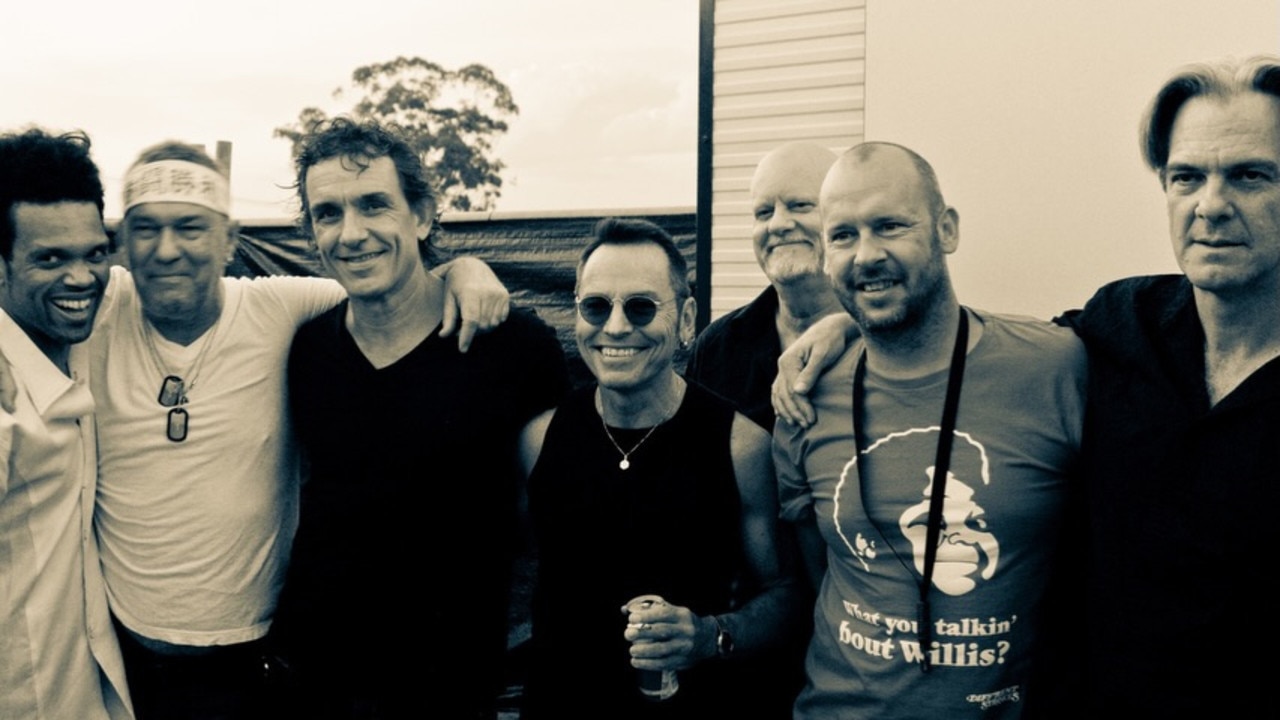
    The Australian rock community is mourning the loss of one of its most beloved touring members, Andy Bickers, the longtime saxophonist for iconic Aussie pub rock band Cold Chisel, who passed away on Friday morning after a prolonged, courageous battle with cancer. The Adelaide-founded band confirmed the news in a heartfelt, emotional announcement shared to their official Instagram page, honoring the musician who had been a core part of their on-stage lineup for more than 30 years.

    In the post, the band reflected on Bickers’ decades of contribution, describing him as not just a bandmate but a beloved brother, an exceptionally gifted musician, and a wonderful companion for years on touring roads and off-stage moments alike. “Andy was our brother; an incredible musician and a great person to be out on the road or out on the town with. His valuable contribution onstage to songs like *Rising Sun*, *Saturday Night* and *My Baby* will be sorely missed,” the statement read. The band also extended their deepest sympathies to Bickers’ surviving family, his wife Lisa and son Rudy, saying their hearts were broken by the loss.

    Born and raised in Wellington, New Zealand, Bickers first fell in love with Australian rock music after encountering it on music videos, prompting him to relocate across the Tasman Sea to pursue his career in music. He quickly built a reputation on the vibrant live music circuits of Melbourne and Sydney, catching the attention of industry peers that would open the door to his long-standing role with Cold Chisel. His early work touring with lead singer Jim Barnes’ solo project eventually led to a permanent invitation to join Cold Chisel, where he remained a fixture for more than three decades.

    Beyond his decades of work with Cold Chisel, Bickers also shared stages and toured with a slate of other major international and Australian music acts, including iconic groups The Eagles, Midnight Oil and Diesel. News of his passing quickly sparked an outpouring of tributes from fans, fellow musicians and public figures on the band’s Instagram post. Among those paying respects was former Australian breakfast television host Michael Rowland, who wrote: “RIP Andy. Condolences to his family. Thanks for the music,” alongside a broken heart emoji. The rock community continues to mourn the loss of a musician who left an indelible mark on Australian pub rock and decades of memorable live performances.

  • Volkswagen sales plunge as German automaker lays out plan to slash number of brands

    Volkswagen sales plunge as German automaker lays out plan to slash number of brands

    BERLIN — Global automotive giant Volkswagen has disclosed steep second-quarter sales declines, headlined by a dramatic 30%-plus drop in its largest single market, China, just one day after announcing sweeping restructuring plans that could cut its model lineup by nearly half to counter slumping demand. Headquartered in Wolfsburg, Germany, the company reported Friday that total group deliveries fell 8.6% year-over-year in the three months ending June, reaching just under 2.1 million vehicles. Most of its major premium and mass-market brands recorded double-digit or notable single-digit declines: the core Volkswagen brand saw deliveries drop 14% to just over 1 million units, Audi slipped 8%, and Porsche fell 18%. Outliers included its supercar brand Lamborghini, Czech automaker Skoda, and its commercial trucks division, which all posted modest delivery gains. Regionally, sales also grew across the Americas and Europe, but these gains were not enough to offset the collapse in Chinese demand.

    The restructuring announcement came Thursday following a meeting of Volkswagen’s board of directors, marking the next stage of a three-year company-wide “fundamental realignment” designed to adapt to a rapidly shifting global auto market. CEO Oliver Blume outlined that the overhaul will focus on cutting operational complexity, concentrating investment on core automotive technologies, aligning product strategies more closely to regional market needs, and trimming excess production capacity. Blume framed the changes as a necessary response to what he called an “increasingly demanding environment” for global automakers.

    Volkswagen specifically called out a series of interconnected industry pressures that have built up over the past 12 months: escalating geopolitical tensions, rising input and operational costs driven largely by new tariffs, stricter emissions and regulatory requirements around the world, and intensifying competition from both established and new market players. As recently as last December, the company was making large, high-stakes investments in China to grow its market share, but local electric vehicle manufacturers have rapidly captured growing market share, leaving Volkswagen scrambling to catch up amid cutthroat competition.

    Industry analysts have reacted with skepticism to the company’s restructuring claims. Research firm BernsteinSG noted in a client note published after Thursday’s announcement that Volkswagen’s claim to be extending its technology leadership is likely to draw doubt, given the far faster pace of innovation from the Chinese EV manufacturers that are displacing it in its once-secure Chinese market.

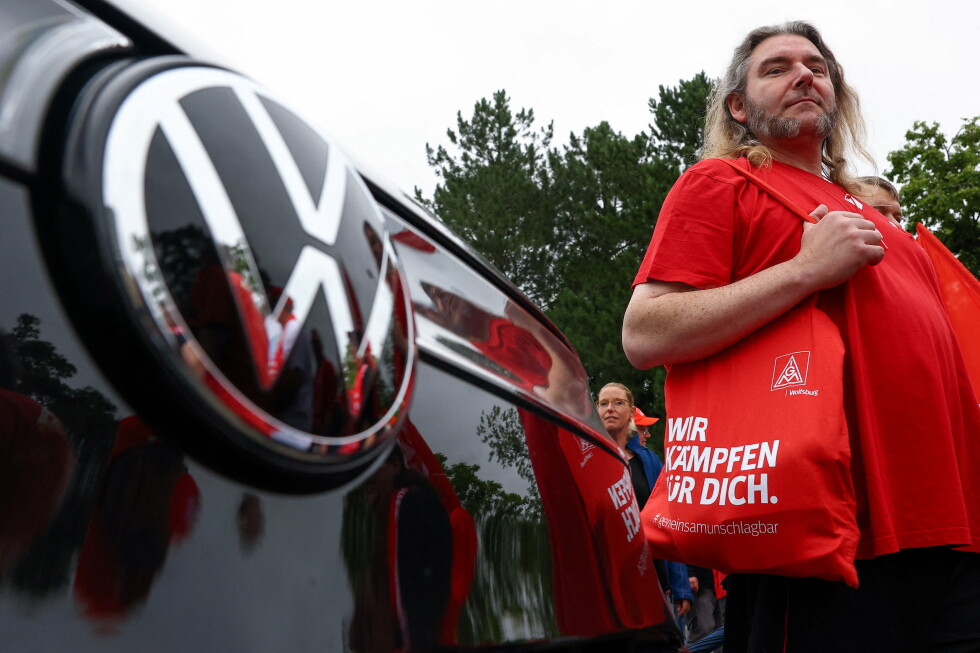
    The restructuring plans have also sparked pushback from Volkswagen’s workforce. Hundreds of employees gathered outside the company’s EV-only plant in Zwickau on Thursday to protest the proposed changes, demanding formal job protections and opposing rumored plans to shut down the facility.

  • Melody from the depths strikes global chord

    Melody from the depths strikes global chord

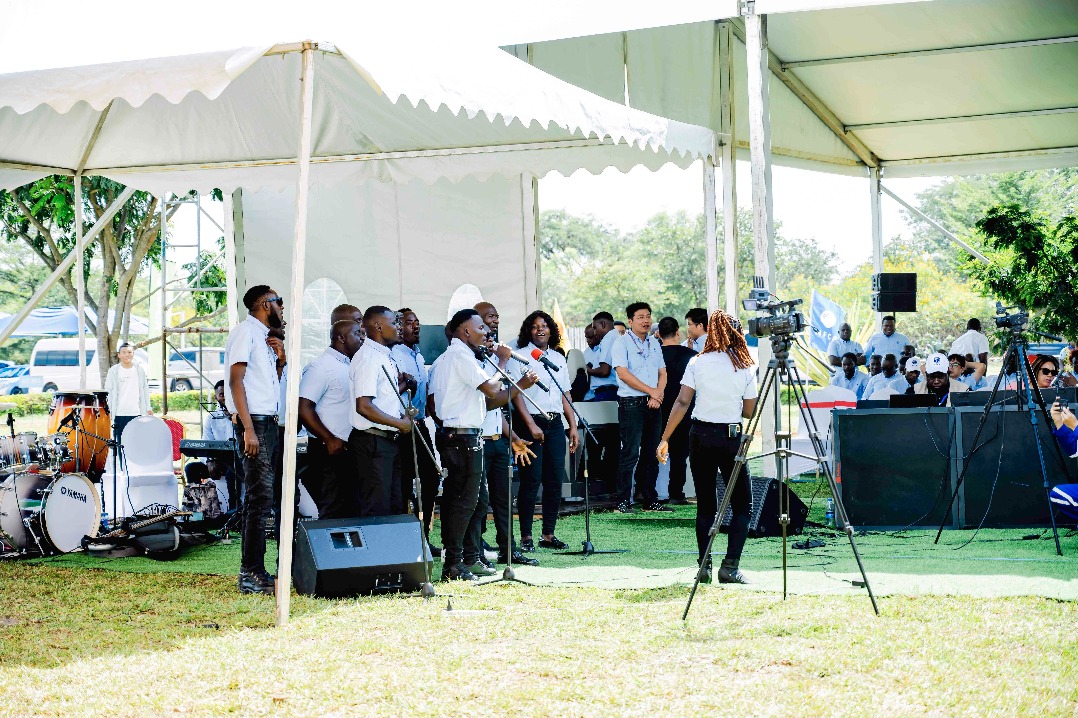
    In mid-May, when 43-year-old Nkhoma Blessings, a cost control officer at Zambia’s Chambishi Copper Mine, opened his Google browser, a recommended World Cup-style music video immediately caught his eye. Curious, he clicked the link — only to sit back in stunned delight: the upbeat, stadium-filling anthem blasting from his speakers was created by his own colleagues, performed by a band of fellow mine employees.

    Blessings was far from the only person caught off guard by the song’s sudden viral success. Katongo Chipasha, a logistics worker at the mine and the track’s lead vocalist, received an ecstatic phone call from her brother, who had stumbled across the video on YouTube and could barely contain his excitement. “That was an amazing feeling. I am doing something that brings people together,” Chipasha said of the moment.

    Released in early May at a company ceremony marking the launch of a new tunnel boring machine (TBM), the self-titled *Chambishi Copper Mine* anthem quickly spread across global social media platforms, racking up hundreds of thousands of likes from listeners drawn to its infectious, high-energy rhythm. Online fans even rebranded it as a playful unofficial World Cup anthem, reworking its chorus to the catchy line “Championship Will Be Mine”.

    At the heart of this online sensation is the NFCA Band, a 20-member group made up entirely of non-professional musicians who work across every department of the mine, from heavy-duty underground miners to office-based administrative staff. NFCA, short for NFC Africa Mining Plc, is a China-Zambia joint venture that operates the Chambishi site, founded in 1998 as China Nonferrous Metal Mining Group’s first overseas nonferrous metal investment. The band was formed in 2025, with the company covering all costs for instruments including bass guitars, keyboards and drums to support workers’ shared passion for music.

    The idea for the anthem came to NFCA Deputy Manager Xu Laixiang, a self-described lifelong music fan, while he was in his staff dormitory on site. “I looked at the long history of this mine and thought, ‘Why not write our own anthem?’” Xu recalled. With assistance from an AI tool for lyric drafting and arrangement, he composed the track on his office desk, blending the mine’s decades-long legacy with traditional African rhythmic motifs to create a sound that felt both personal and broadly resonant. Originally created only for the TBM commissioning ceremony, the track’s explosive viral success was entirely unanticipated.

    The song’s popularity extends far beyond social media, earning acclaim as a powerful grassroots symbol of China-Zambia cooperation. Zambia’s Ambassador to China Ivan Zyuulu praised the track at a recent cultural event, calling it “danceable and engaging” and a powerful testament to collaborative mining partnership and people-to-people exchange between the two nations. “Chinese and Zambian workers worked together to produce the song, which is very informative and encouraging, reflecting the spirit of people-to-people exchanges between China and Africa,” he said.

    The anthem’s lyrics carry deep meaning rooted in the mine’s own journey from abandonment to revival: “Chambishi Copper Mine, rise again, rise again; Chambishi Copper Mine, we build, we bend, we mend. Chambishi Copper Mine, from the dark to the shine …” For Stephen Ndegwa, executive director of African think tank South-South Dialogues, these lines strike a profound emotional chord that reflects lived experience, not just rhetoric.

    “When Zambian workers sing about rising again, they are singing their own history. These are the lived experiences of workers who have watched a dormant mine come back to life through their own sweat and cooperation,” Ndegwa explained.

    Chambishi’s story is one of dramatic transformation. First discovered in the late 19th century, the mine was abandoned by Western operators decades ago, after they pulled out due to insurmountable technical challenges and financial struggles. In the years that followed, equipment rusted away, thousands of local miners lost their jobs, and hope faded across surrounding communities.

    The turning point came in 1998, when China Nonferrous Metal Mining Group acquired the idle site. After five years of rehabilitation work, the silent tunnels roared back to life in 2003, when the mine produced its first batch of copper concentrate following its restart. Today, Chambishi is a global leader in innovative mining, and the recent launch of Africa’s first ultra-small turning-radius TBM for underground mining marked a major milestone for Zambia’s entire mining sector.

    Zambian Minister of Mines and Minerals Development Paul Kabuswe noted at the TBM launch ceremony that the new technology represents a critical step forward for Zambia’s goal of building an “intelligent and green” mining industry. The advanced equipment, custom-built for Chambishi’s geological conditions, has an excavation diameter of 5.63 meters and a minimum turning radius of 50 meters, operating three times more efficiently than traditional drill-and-blast excavation methods. The technology is core to Zambia’s national target of producing 3 million metric tons of copper by 2031, while also improving local livelihoods and driving broad economic growth.

    Chambishi is now the site of Africa’s first fully digital intelligent mine, developed through China-Zambia collaboration. Remote control systems, real-time smart monitoring, and automated safety warning technologies have been fully deployed, cutting down on high-intensity, high-risk manual labor and revolutionizing traditional mining operations through Chinese technical expertise.

    For local workers, the mine’s revival has transformed personal as well as economic prospects. More than 6,000 jobs have been created at Chambishi, with over 90 percent of the workforce drawn from local Zambian communities. Runny Kaunda, a 30-something housekeeper who has worked at NFCA for two years and is one of the band’s lead vocalists, says the mine pulled her out of hardship. “There is a line in the lyrics that encourages me — ‘there are some scars that turn into sweets’. Before I joined NFCA, my life was difficult. After joining NFCA, my life has improved,” she said.

    Daniel Mukulumoya, a 38-year-old materials coordinator with seven years at the company, says the line “we build, we bend, we mend” echoes both his professional work and personal journey. The song, he argues, is far more than a mining anthem: “It shows how NFCA’s copper production has transformed lives, not just inside the mine, but also in surrounding communities.”

    That community impact extends well beyond job creation. NFCA has invested heavily in local social infrastructure, supporting local schools with supplies, assisting orphanages and medical facilities, and upgrading public services. In late May, new sanitation facilities donated by the company were commissioned for the Fitanda community, and recent corporate social responsibility projects include a new girls’ dormitory for a local boarding school, new classrooms for a primary school, and a new water well for a secondary school. Local community representative Bertha Mulenga noted that the company has built housing, churches, schools and clinics across the region, and addressed chronic local water shortages by drilling new wells, installing pumping infrastructure, and providing fuel to guarantee consistent daily water access.

    The Chambishi investment has also catalyzed broader regional development: it helped lay the foundation for the Zambia-China Economic and Trade Cooperation Zone, China’s first overseas economic and cooperation zone in Africa. According to Zambia’s *Daily Nation*, by 2025 the zone had attracted more than $2.7 billion in total investment, hosted nearly 100 enterprises, and created more than 10,000 local jobs. Ndegwa notes that the “anchor investment” model pioneered at Chambishi has been replicated across the African continent, from Kenya’s Standard Gauge Railway, which revolutionized freight logistics and created thousands of engineering jobs, to Nigeria’s Lekki Deep Sea Port, which is reshaping regional trade routes.

    Ndegwa pushed back against Western narratives that frame Chinese investment in Africa as a form of neocolonialism, arguing that the colonial model was defined by extractivism and inequality, where foreign powers pulled resources out while leaving local communities marginalized and excluded. “The viral song performed by proud, joyful Zambian workers is human testimony that carries a different kind of persuasive force,” he said.

    For Xu, the most meaningful moment of the entire experience was watching Zambian workers dance and sing along to the anthem he composed. It was, he said, the most profound experience he has had of the shared future that binds China and Africa together, rooted in daily grassroots cooperation rather than formal diplomacy. Local worker Blessings Kamanga, a 30-year-old mechanical fitter and amateur singer, says he feels lucky to work at a mine that supports workers’ creative passions — even singing verses of the anthem during underground breaks, where the tunnel’s natural acoustics create the perfect backing echo.

    “Development that does not produce human connection remains fragile. Cooperation that produces a band of miners singing proudly about their workplace is cooperation with roots. It cannot easily be disrupted by geopolitical winds or hostile media narratives, because it lives in people’s memories and identities,” Ndegwa said.

    2026 marks a landmark year for China-Africa relations: it is the China-Africa Year of People-to-People Exchanges, and the 70th anniversary of formal China-Africa diplomatic relations. Over seven decades, formal diplomatic ties have built the framework for cooperation, investment and infrastructure development across the continent. For the NFCA Band, the viral success of their anthem has brought an exciting new opportunity: the group has been invited to perform on a Chinese television program later this year, with many members set to visit China for the first time.

    Ndegwa summed up the deeper meaning of the Chambishi story: “The Chambishi song reveals that beneath that scaffolding, something more intimate has been quietly growing — a genuine mutual curiosity and respect between ordinary people on both sides, and a durable bond built not only in conference rooms, but also in shared daily experience. That is the lesson Chambishi offers at 70 years.”

  • AFL star Josh Worrell involved in accidental collision with pedestrian

    AFL star Josh Worrell involved in accidental collision with pedestrian

    A top-ranked Australian Football League (AFL) player has been confirmed involved in an accidental collision between his vehicle and a pedestrian, an incident that unfolded just one day before his team’s critical upcoming match. Josh Worrell, a key defender for the Adelaide Crows, voluntarily reported to a local police station Friday following the crash on Port Road in the suburban Adelaide area of Woodville. According to local reports, the accident occurred as Worrell was making his daily commute to team training, ahead of Saturday’s highly anticipated match against Gold Coast at the Adelaide Oval.

    Multiple official sources have confirmed that the collision was accidental, with no immediate indication of foul play or dangerous driving on the part of the player. South Australia Police (SA Police) launched an official investigation into the incident shortly after it was reported. In an official statement to media outlets, SA Police confirmed: “Police can confirm they are investigating a collision involving a car and pedestrian on Port Road, Woodville, this morning. Both parties attended police stations this afternoon to report the collision. Police did not attend the scene and are investigating.”

    The Adelaide Football Club also publicly acknowledged the incident in a statement posted to its official website, noting that it would not release further details while the police probe is ongoing. “The Adelaide Football Club can confirm one of its players was in a vehicle accident involving a pedestrian this morning,” the club’s statement reads. “The matter has been reported to South Australia Police and at this stage, the club is not in a position to provide any further comment.”

    As a result of the incident and subsequent reporting requirements, Worrell missed his scheduled training session on Friday. Despite the disruption, club insiders confirm he remains on track to suit up for the Crows in their Saturday clash at Adelaide Oval. The male pedestrian who was involved in the collision has declined all requests for comment from local media, including *The Advertiser*, which first broke details of the incident. To date, no charges have been filed against any party connected to the collision, and the investigation remains in its early stages.

  • East Asia braces for destructive typhoon as landslides kill 15 in Philippines

    East Asia braces for destructive typhoon as landslides kill 15 in Philippines

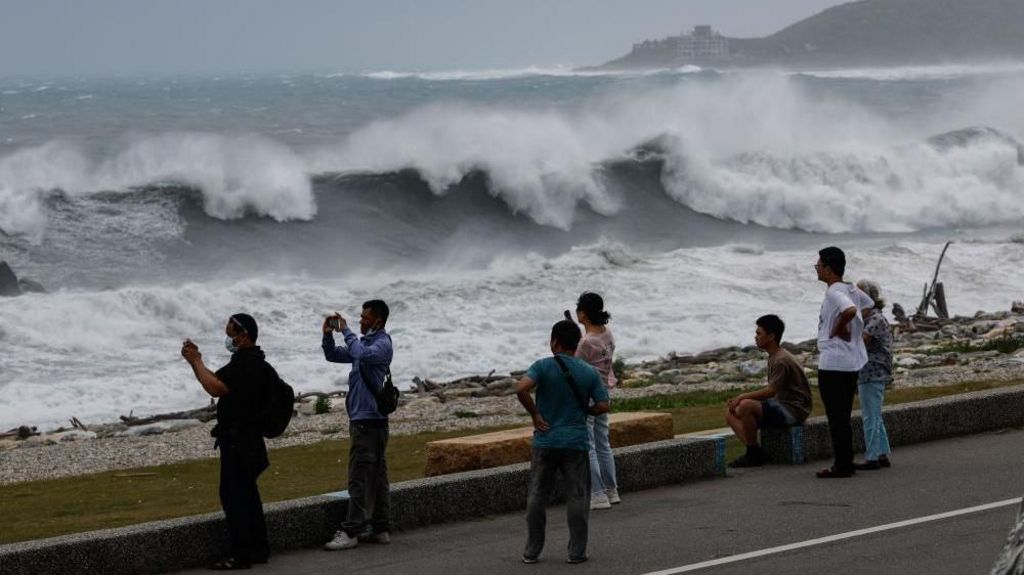
    One of the most powerful tropical cyclones to form in the western Pacific in decades has already left a trail of fatal devastation in the southern Philippines, and is now barreling toward multiple East Asian regions, prompting widespread emergency preparations. With a maximum diameter of 1,000 kilometers – nearly equal to the entire width of mainland France – Typhoon Bavi is currently tracking across open Pacific waters, with its projected path taking it directly toward Taiwan before a forecasted landfall in southeastern China this weekend.

    The storm’s first major impact hit the southern Philippines earlier this week, where intense rainfall from Bavi’s outer bands triggered catastrophic landslides on the island of Mindanao. The overnight mudslides buried residential areas, killing at least 15 people and leaving an unknown number of residents still unaccounted for, as rescue teams work around the clock to reach trapped and missing survivors. Philippine weather officials have cautioned that moderate to heavy downpours will continue to pelt multiple regions of the country through the end of the weekend, raising the risk of additional flood and landslide events.

    As Bavi advances, authorities across East Asia have activated full emergency response protocols to mitigate potential damage. For Taiwan, the typhoon is on track to become the largest storm to hit the island since 1987, according to the Central Weather Administration, with forecasts predicting up to one full meter of rainfall in northern and eastern coastal areas. The island’s defense ministry has placed 29,000 military personnel on standby to support emergency relief and rescue operations, while local governments have distributed thousands of sandbags to vulnerable, flood-prone neighborhoods. Earlier Friday, farmers hurried to harvest mature crops and secure their fields ahead of the storm’s arrival, while fishermen across the island’s harbors reinforced moorings for their vessels. “Don’t be fooled by the nice and calm weather now. A storm like this could be the most terrifying,” 60-year-old fisherman Chen Ming-hui told reporters, echoing official warnings for residents to take the threat seriously.

    Commercial air travel across the region has already been severely disrupted, with dozens of flights to and from Taiwan canceled, and major Japanese carriers scrapping more than 260 flights through Sunday across the country. The remote Sakishima Islands, which lie directly in Bavi’s projected path, have been placed on high alert, with local residents seen reinforcing home and shop windows with tape and protective wind netting. Japan Airlines has canceled over 100 flights for Friday and Saturday, disrupting travel plans for nearly 20,000 passengers, while All Nippon Airways has axed more than 160 flights through Sunday, affecting a similar number of travelers. Both Thai Airways and Malaysia Airlines have also suspended all flights to and from Taipei ahead of the storm. Schools across at-risk areas of Taiwan and Japan have already suspended classes, and grocery store shelves have been cleared out as local residents stock up on emergency water, food and supplies.

    Across the Taiwan Strait, Chinese authorities are bracing for what they warn could be a “significant impact” from Bavi, which is forecast to make landfall in Fujian Province before moving northward. Experts warn that the storm’s unusually large size and high residual energy means its rain bands will reach far inland, reaching as far north as the Bohai Sea region after passing through eastern Jiangsu and Anhui provinces. Ma Jun, director of China’s Institute of Public and Environmental Affairs, noted that northern provinces, which have far less experience dealing with full-scale typhoons than their southern counterparts, must prioritize stepped-up preparedness measures. Some forecasting models even predict Bavi could make two separate landfalls across southern China.

    The approaching storm comes as parts of southern China are still recovering from the deadly devastation of Typhoon Maysak, which hit the region earlier this week. Maysak has already killed at least 39 people, with rescue crews still searching rubble for missing residents, and forced the evacuation of more than 130,000 people, most in Guangxi Zhuang Autonomous Region. The earlier storm wiped out large numbers of livestock, caused hundreds of millions of dollars in agricultural damage, and even sparked two rare tornadoes in central China’s Hubei Province, compounding the challenge for disaster response teams now preparing for Bavi. Climate scientists have noted that increasing ocean temperatures driven by climate change are leading to more intense and larger tropical cyclones across the western Pacific, raising the risk of extreme storm events in the region.

  • How football has helped immigrants make a home in the US

    How football has helped immigrants make a home in the US

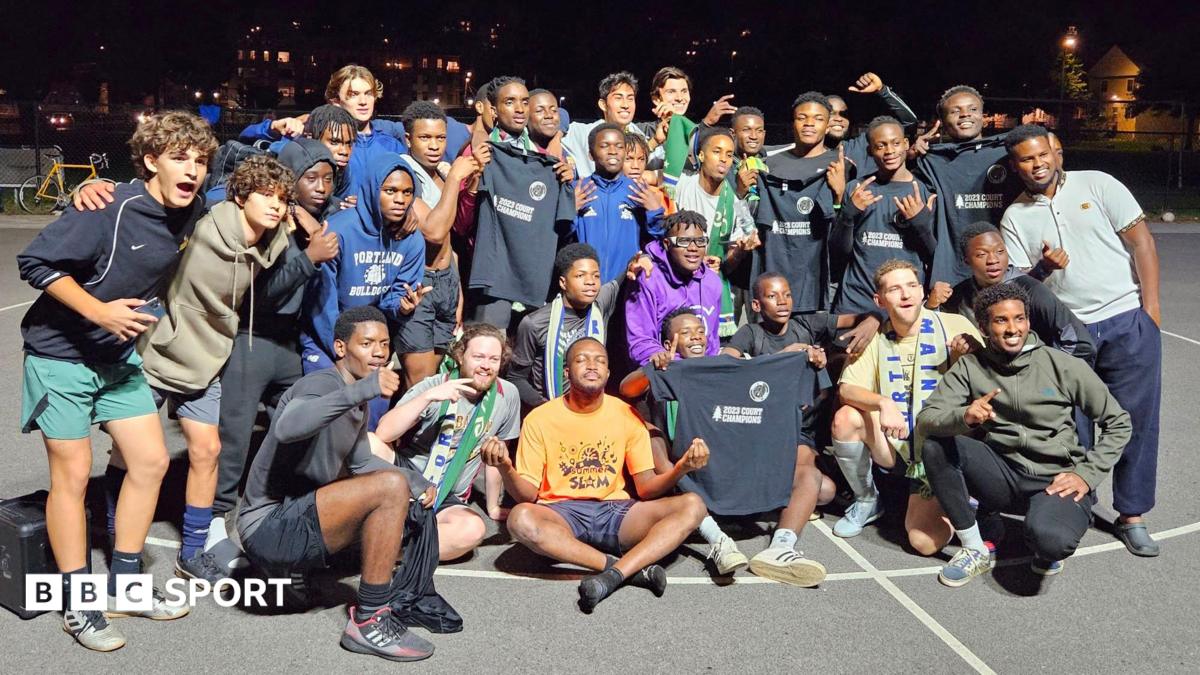
    Far from the packed stadiums and global spotlight of the 2026 FIFA World Cup being hosted across North America, a rough asphalt pitch in Portland, Maine’s Kennedy Park is demonstrating just how transformative football’s unifying power can be for vulnerable communities. For hundreds of immigrants and refugees who gather here for informal pick-up matches, the beautiful game has become far more than a pastime: it is a lifeline, a common language, and the foundation of a tight-knit support network that has sustained its members through one of the strictest immigration crackdowns in recent U.S. history.

    What began as a casual weekly gathering in 2021 has grown into a diverse community connecting players from more than 40 countries, all bound by their shared love of football and experiences of building new lives in a foreign country. For teenagers like George Lusolo, who arrived in the U.S. from the Democratic Republic of Congo in 2018 with his mother to seek asylum, the Kennedy Park pitch offered a sense of belonging when everything else felt unfamiliar. After being held in immigration detention in Texas and staying at a New York shelter before resettling in Portland, Lusolo stumbled on a social media post about the pick-up games and immediately found his people.

    “I really didn’t know the language. I didn’t know anyone here,” Lusolo, now 19, recalled. “Everything was so hard for me and my mom when we first arrived. But when I got to the pitch, I saw people who had gone through the same struggles as me. Soccer has always been my therapy – I’ve played since I was a little kid growing up in Kinshasa. Playing alongside people who understand what you’ve been through? It feels like home.”

    Fellow Congolese immigrant Deji Kuribanza, who resettled in the U.S. after passing through Angola, echoed that sentiment, noting that football acts as a universal bridge that eliminates language barriers. “You don’t need to speak the same language to play,” the 18-year-old explained. “Just point to your feet, gesture for the ball, and you’re connected. It’s such a simple, beautiful thing.”

    That tight bond has been put to the test in recent months, as the second Trump administration has ramped up enforcement actions by U.S. Immigration and Customs Enforcement (ICE). The independent Migration Policy Institute estimates that ICE has arrested at least 400,000 people nationwide since January 2025. While the federal government maintains that only people who threaten public safety and national security are targeted, and says legal residents face no risk, immigrant communities across Maine have been thrown into panic by widespread raids that rights groups say have swept up dozens of innocent people with no criminal records.

    For the Kennedy Park community, the fear hit close to home last year, when 17-year-old regular player Joel Andre and his entire family were detained by ICE. After their initial asylum application from DR Congo was denied, the family tried to cross into Canada to file a new claim, unaware of a bilateral agreement that forces asylum seekers to file their claim in the first safe country they enter. That technicality led to their detention when they returned to the U.S.

    In the wake of the raids, many players and their families were too afraid to leave their homes, with several immigrant students missing weeks of school, said Anthony Fiori, the local photographer and community organizer who coordinates the Kennedy Park pick-up games. But rather than fracture the community, the crisis brought its members closer together. Organizers arranged more than 70 grocery deliveries to housebound families, and the entire community rallied behind a public campaign to secure Andre’s release from detention. After four months of advocacy, they won the teenager’s release, though he still carries lasting psychological trauma from his time in custody.

    “The conditions in those detention facilities are terrible – the food is inadequate, and some holding cells are kept freezing,” said Todd Pomerleau, the attorney who represented Andre’s family. “Joel is a talented young footballer, a bright kid with so much going for him. But this experience changed him. Anyone who goes through that never comes out the same – he and his family need ongoing support to heal.” Andre and his family are now continuing to fight their asylum case in U.S. federal court.

    Despite the fear and uncertainty that hang over the community, many players see their regular matches on the Kennedy Park asphalt as a way to challenge negative stereotypes about immigrants and build acceptance in their new home. “A lot of people here only see immigrants as stereotypes, that we come here and take things and don’t contribute,” Kuribanza said. “But when locals walk past the park and see us laughing, playing, enjoying the game together, it changes how they see us. It shows we’re just people who want the same things everyone else wants.”

    Fiori, whose own family has lived in Maine for nine generations, notes that the community fills a unique gap in a state that remains one of the least demographically diverse in the country. “To have a space where people from every background, every country, every generation can come together, play, and become friends? That’s really special,” he said.

    With the 2026 FIFA World Cup taking place just a few states away, the community has been swept up in tournament excitement, especially after DR Congo – the home country of many Kennedy Park players – reached the last 16 of the competition, its first World Cup knockout stage appearance in more than 50 years. For many of the young players, the tournament has stoked big dreams for their own futures. Kuribanza says he harbors a dream of one day playing on the World Cup stage himself, while Lusolo hopes to turn his love of football into a professional career representing DR Congo internationally.

    Whether they make it to the global stage or not, the players of Kennedy Park already embody the core message of the World Cup: football transcends borders, backgrounds, and hardship to bring people together. For these immigrants and refugees, a simple asphalt pitch in a small Maine park has become a place to call home.