博客

  • Steve Smith hasn’t won over the Twenty20 selectors despite his blistering Big Bash League form

    Steve Smith hasn’t won over the Twenty20 selectors despite his blistering Big Bash League form

    In a surprising selection move, Australian cricket chiefs have unveiled their squad for the upcoming three-match T20 series against Pakistan, conspicuously excluding two of the nation’s most prominent cricketing figures. Despite delivering exceptional performances in the Big Bash League, veteran batsman Steve Smith and all-rounder Glenn Maxwell have both been omitted from the touring party that will prepare for next month’s World Cup in India and Sri Lanka.

    Chief selector George Bailey provided insight into the controversial decisions, acknowledging Smith’s dominant BBL form while explaining the competitive landscape at the top of the batting order. “When he goes back to the Big Bash he’s a level above,” Bailey stated, emphasizing that Smith faces stiff competition from Mitch Marsh and Travis Head for opening positions. The selector noted that while Smith has demonstrated adaptability throughout the order, his recent international opportunities have primarily come at the top.

    Bailey also addressed the unique challenges of evaluating BBL performances, pointing to rule variations like the Power Surge and four-over powerplay that differentiate the domestic competition from international standards. Despite these contextual factors, Bailey affirmed that Smith undoubtedly possesses the capability to excel at the highest level.

    The squad features several emerging talents, including young pace bowler Mahli Beardman, whom Bailey praised for his “air speed” and versatile skill set. Jack Edwards, who previously joined the white-ball squad during the India series, also receives another opportunity to showcase his abilities on the international stage.

    Mitchell Marsh will captain a blend of established players and promising newcomers, with the selection panel clearly balancing immediate World Cup preparation with long-term development objectives. The team composition suggests strategic planning for both the upcoming Pakistan tour and future international commitments, with Bailey emphasizing Beardman’s inclusion as “an eye to the future.”

    The absence of both Smith and Maxwell, despite their recent domestic successes, indicates a deliberate approach to squad rotation and specialization ahead of the global tournament, raising questions about Australia’s final World Cup lineup and strategic direction.
  • Gauff through, Auger-Aliassime retires as Djokovic begins record quest

    Gauff through, Auger-Aliassime retires as Djokovic begins record quest

    The Australian Open’s second day delivered a mix of predictable victories and stunning early exits as Novak Djokovic commenced his unprecedented pursuit of a 25th Grand Slam title at Melbourne Park.

    Serbian legend Djokovic, aged 38, prepared to face Spain’s 71st-ranked Pedro Martinez in the evening session on Rod Laver Arena. The current world number four, who holds a record 10 Australian Open championships, stands tied with Australia’s Margaret Court at 24 major titles. Despite recent dominance from younger rivals Carlos Alcaraz and Jannik Sinner, Djokovic remained confident, stating: “I know that when I’m healthy and able to put all the pieces of the puzzle together on a given day, I feel like I can beat anybody.”

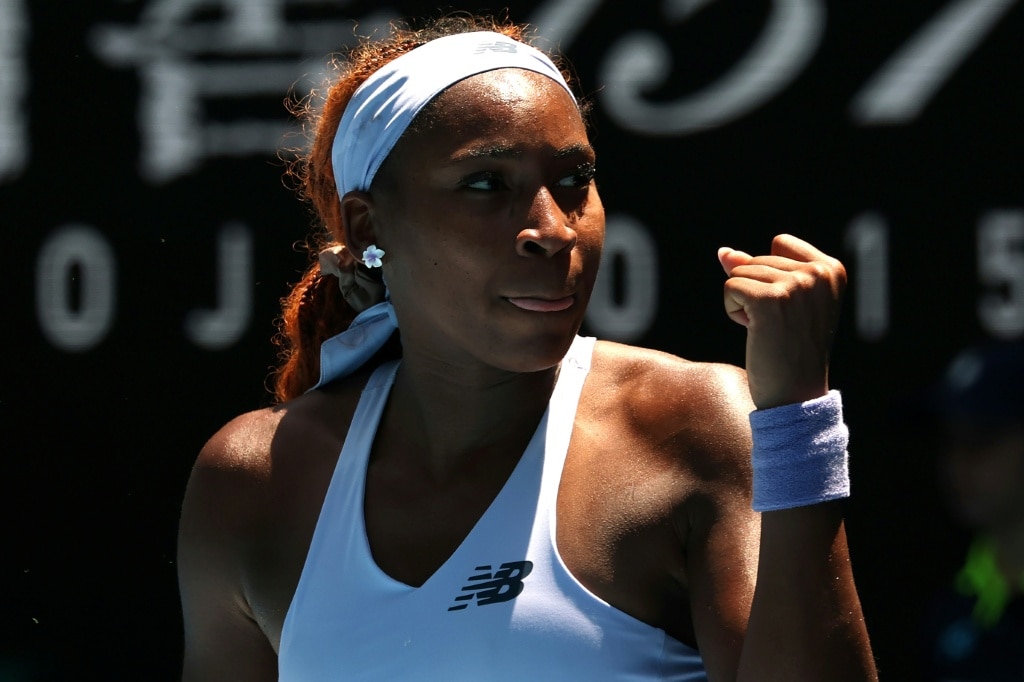
    Earlier matches saw mixed fortunes for top contenders. American sensation Coco Gauff advanced to the second round with a 6-2, 6-3 victory over Uzbekistan’s Kamilla Rakhimova, though her performance included seven double faults and 31 unforced errors. “I tried not to put too much pressure on myself,” Gauff commented. “I am only satisfied if I win, but I am proud of myself regardless of how I get on.” She now faces Olga Danilovic, who defeated Venus Williams.

    The tournament concluded abruptly for seventh seed Felix Auger-Aliassime, who retired from his opening match against Portugal’s Nuno Borges while trailing 3-6, 6-4, 6-4, requiring treatment to his left leg. Similarly, 2020 champion Sofia Kenin suffered a straight-sets defeat (6-3, 6-2) to fellow American Peyton Stearns amid soaring temperatures nearing 30°C.

    Other notable contenders prepared for their opening matches, including six-time major winner Iga Swiatek, who has never progressed beyond the semi-finals in Melbourne. The Polish second seed faces Chinese qualifier Yuan Yue as she pursues a career Grand Slam. Russia’s Daniil Medvedev, a three-time Australian Open finalist, enters the tournament fresh from his Brisbane victory and meets Jesper de Jong of the Netherlands.

    Home favorite Alex de Minaur, seeded sixth, attracted significant local support against American Mackenzie McDonald, while American fourth seed Amanda Anisimova faced Switzerland’s Simona Waltert. The day’s schedule also featured emerging Russian talent Mirra Andreeva, aged 18 and fresh from winning her fourth title, against Croatia’s Donna Vekic, plus 2014 champion Stan Wawrinka playing his final Australian Open before retirement at age 40.

  • India’s thriving online delivery platforms face a year of reckoning

    India’s thriving online delivery platforms face a year of reckoning

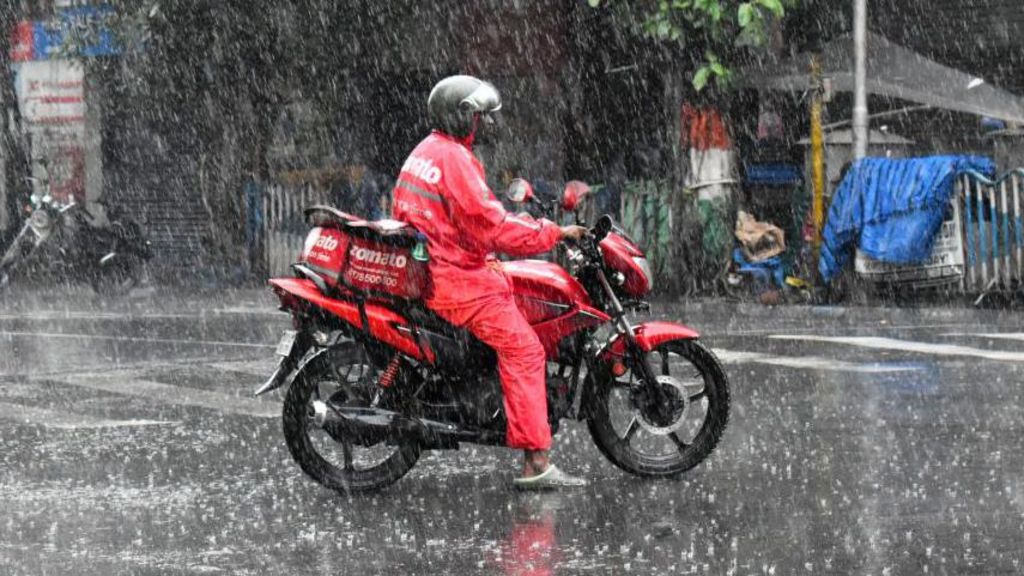
    India’s rapidly expanding gig economy faces unprecedented regulatory challenges as the government implements a ban on ultra-fast 10-minute delivery services. This decisive action follows massive New Year’s Eve strikes involving approximately 200,000 delivery workers who demanded improved working conditions, transparent wage structures, and an end to algorithmic control systems that govern their employment.

    The controversial 10-minute delivery model, pioneered by startups like Zomato, Swiggy, Blinkit, and Instamart, had become synonymous with urban convenience in major Indian cities. These platforms transformed consumer expectations during the pandemic, creating an entire ecosystem of instant gratification for groceries, food, and various services.

    Worker grievances extend beyond delivery time pressures to fundamental issues of fair compensation and job security. Striking employees specifically challenged what they describe as arbitrary algorithmic management of performance ratings and contract terminations, seeking greater transparency in how their earnings are calculated.

    The government’s intervention coincides with impending labor reforms that will extend social security protections to gig workers for the first time. New regulations requiring platforms to provide insurance coverage and benefits for workers completing 90 days of service annually represent a seismic shift in India’s labor landscape.

    Platform executives have mounted vigorous defenses of their business models. Deepinder Goyal, CEO of Eternal (parent company of Zomato and Blinkit), asserted that the 10-minute delivery framework operates safely through strategic dark store placement rather than rider speeding. He presented data showing 75 million orders delivered to 63 million customers on New Year’s Eve despite strike actions, which he attributed to “miscreants.”

    Goyal emphasized the voluntary nature of gig work, noting that delivery personnel typically work limited hours and days monthly. He contended that full-time workers can earn approximately 21,000 rupees monthly (£173, $232), surpassing compensation in India’s informal blue-collar sector.

    However, critics argue these figures obscure hidden costs borne by workers, including onboarding expenses, vehicle maintenance, fuel, and uniform purchases. Research from Primus Partners indicates that 61% of gig workers consider themselves full-time employees, with only 25% receiving insurance or pension benefits.

    The financial implications for platforms are substantial. Companies already operating on thin margins (2.5-4.5% for food delivery, negative returns on groceries) face increased operational costs from compliance with new welfare requirements. Stock prices have reflected these concerns, with Swiggy declining approximately 15% recently.

    This confrontation mirrors global trends where jurisdictions from London to Singapore have strengthened gig worker protections. The outcome will shape not only working conditions for India’s 12 million gig workers (projected to reach 24 million by 2030) but potentially increase consumer costs for delivery services as platforms adjust to regulatory changes.

  • GCC tourism revenues hit $120b as UAE spurs travel boom

    GCC tourism revenues hit $120b as UAE spurs travel boom

    The Gulf Cooperation Council (GCC) has achieved unprecedented growth in its tourism sector, with revenues surging to $120.2 billion in 2024, substantially exceeding pre-pandemic performance levels. This remarkable recovery, representing a 39.6% increase over 2019 figures and an 8.9% year-on-year rise, underscores the region’s successful economic diversification efforts, with the United Arab Emirates acting as the primary catalyst for expansion.

    According to data released by the Statistical Centre for the Cooperation Council for the Arab States of the Gulf (Gulf-Stat), international tourist arrivals reached 72.2 million in 2024, marking a dramatic 51.5% increase compared to pre-crisis levels and elevating the GCC’s share of global tourism to 5.2%. This robust growth trajectory has been driven by strategic investments in aviation infrastructure, liberalized visa policies, and the development of diverse tourism offerings spanning luxury hospitality, cultural experiences, and eco-tourism.

    The UAE has positioned itself at the forefront of this transformation, leveraging its status as a global aviation hub while aggressively expanding into new tourism segments. Dubai and Abu Dhabi continue to break visitor records, supported by increased airline capacity, major international events, and continuous investment in hospitality infrastructure. The World Travel & Tourism Council projects the UAE’s sector will continue outperforming regional averages in coming years.

    Regional travel within the GCC bloc has emerged as a significant growth driver, accounting for 41.3% of total international tourist flows. This intra-regional mobility has grown at an average annual rate of 51.2% between 2019 and 2024, facilitated by joint tourism initiatives and cross-border events. International source markets remain diversified, with the Middle East contributing 18.8% of inbound tourists, followed by Europe (14.6%) and Asia-Pacific (14.5%).

    The tourism boom has triggered substantial infrastructure development across the region. Hotel establishments have expanded to 11,200 properties offering approximately 711,500 rooms, while tourism-related employment has grown to 1.7 million workers in 2024—a 33% increase from 2020. This expansion highlights the sector’s growing importance as a major employer and catalyst for ancillary industries including transportation, retail, and food services.

    Tourism’s direct economic contribution has reached $93.5 billion, representing 4.3% of total regional GDP and achieving 64.1% of the GCC’s Tourism Strategy 2030 targets. The sector has become instrumental in reducing hydrocarbon dependence and building more resilient, service-oriented economies.

    Key performance indicators demonstrate strengthening sector fundamentals, with average tourist stays reaching 8.4 nights and spending per visit averaging $674.60. Gulf-Stat reports the GCC has achieved between 56% and 78% of its 2030 benchmarks across cultural tourism, eco-tourism, and business travel categories.

    The outlook for 2026 remains optimistic, with the IMF and global travel organizations predicting Middle East tourism will continue expanding faster than the global average. This growth is expected to be sustained by rising middle-class travel demand, expanding airline networks, and continued government investment in mega tourism projects, particularly in the UAE where developments in sustainable travel infrastructure are cementing its position as the region’s dominant tourism hub.

  • Momentum in the UAE’s real estate likely to continue this year

    Momentum in the UAE’s real estate likely to continue this year

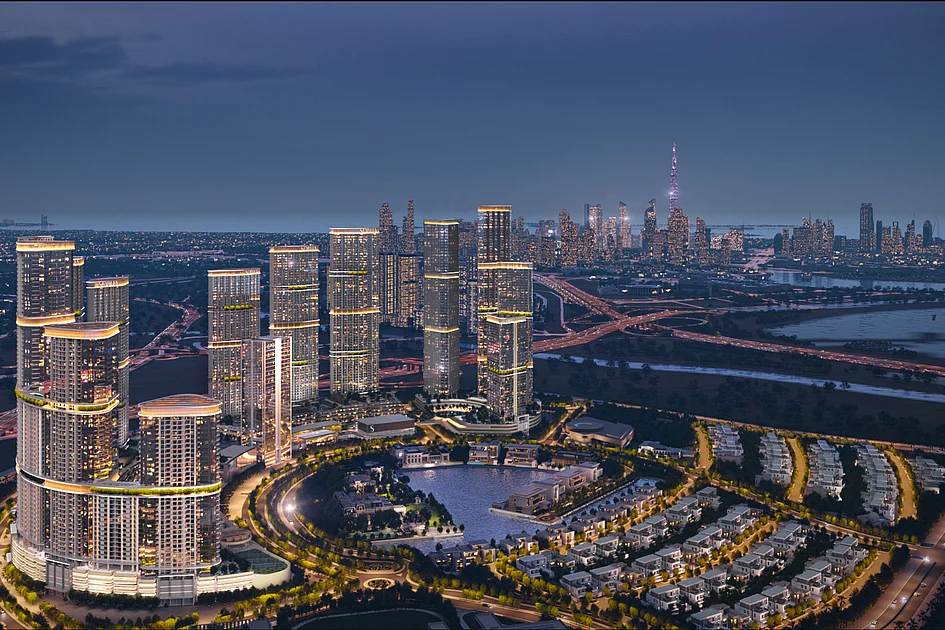
    The United Arab Emirates’ property sector concludes 2025 with remarkable resilience, positioning itself as one of the world’s most stable real estate markets despite ongoing global economic volatility and geopolitical challenges. According to Francis Alfred, Managing Director of Sobha Realty, this sustained momentum stems from fundamental strengths including robust population expansion, continuous inflow of international expertise, regulatory consistency, and strategic national development frameworks.

    Market maturity emerged as the defining characteristic of the past year, with buyers demonstrating increased discernment regarding construction quality, delivery assurance, and developer credibility. Contrary to anticipations of hesitant purchasing behavior, investors displayed decisive action when presented with well-defined propositions. This shift toward value-driven decision making has fundamentally altered investment patterns across the sector.

    Emerging destinations including Umm Al Quwain have gained unexpected traction, attracting both end-users and first-time buyers seeking long-term value and lifestyle-oriented environments. European investors, particularly from the UK and France, constituted approximately 42% of Sobha’s sales value in UAQ, followed by Indian buyers at 13%, with the 35-60 age demographic representing 72% of investments.

    The pandemic has permanently redefined housing preferences, elevating wellness-focused design, access to green spaces, natural illumination, and health-conscious environments from desirable amenities to essential criteria. The concept of location has similarly evolved, with buyers prioritizing integrated, mixed-use communities that combine residential, commercial, retail, and recreational facilities within walkable parameters.

    This transformation explains why certain developments achieve immediate success while others stagnate, even at comparable price points. Projects offering coherent master planning, execution excellence, and modern layouts consistently outperform competitors. Large-scale integrated communities are simultaneously redefining both residential living and investment parameters, shifting focus from short-term yields to planning depth and delivery certainty.

    International investors occasionally misinterpret the UAE market by applying domestic assumptions, mistakenly viewing it as purely speculative while overlooking its substantial end-user demand and regulatory stability. Price comparisons without considering location quality, planning sophistication, and construction standards often lead to inaccurate valuations.

    Sobha Realty’s strategic outlook remains guided by real-time indicators reflecting actual buyer behavior rather than sentiment alone. These metrics have demonstrated remarkable resilience despite external uncertainties, supporting continued expansion and new launch decisions. Looking forward, mega-developments are expected to shape urban evolution through integrated infrastructure, adaptive mobility solutions, and future-ready amenities that enhance quality of life while supporting balanced urban growth.

  • Chinese steel factory officials detained after explosion that leaves 2 dead, 8 missing

    Chinese steel factory officials detained after explosion that leaves 2 dead, 8 missing

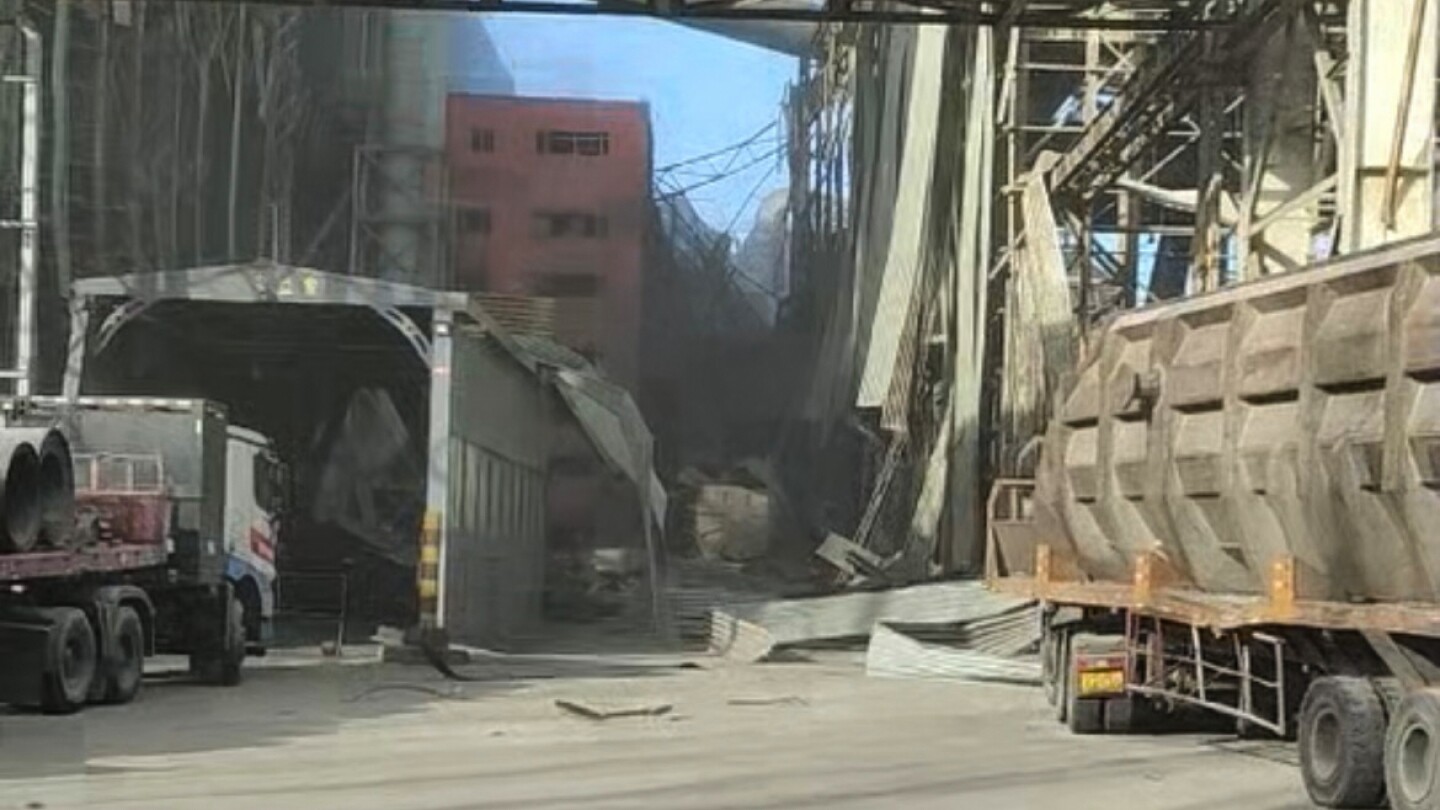
    Authorities in China’s Inner Mongolia Autonomous Region have launched a comprehensive investigation following a catastrophic industrial explosion at a state-owned steel facility that resulted in multiple casualties. The incident occurred at approximately 3:00 PM local time on Sunday at the Baogang United Steel plant in Baotou City, where a high-pressure storage vessel containing steam and superheated water ruptured with tremendous force.

    The detonation produced seismic-like tremors throughout the surrounding industrial zone and emitted an enormous plume of white vapor into the atmosphere. Emergency response teams immediately initiated rescue operations at the scene of the devastation.

    Official statements from the Baotou Municipal Information Office confirmed the tragic human toll: two workers sustained fatal injuries while eighty-four others required urgent medical treatment for various trauma and burn injuries. Search and rescue specialists continue to comb through the wreckage for eight missing individuals whose whereabouts remain unknown.

    In response to the industrial catastrophe, law enforcement agencies have taken the unprecedented step of detaining the facility’s management personnel pending a full safety review. The dramatic regulatory action underscores the seriousness with which Chinese authorities are treating the incident at this major state-operated industrial complex.

    The Baogang United Steel facility represents a significant component of China’s state-owned industrial infrastructure, making this incident particularly noteworthy within the nation’s industrial safety landscape. The investigation will likely examine maintenance protocols, safety compliance measures, and operational procedures at the plant.

  • Harry set for final courtroom battle against UK media

    Harry set for final courtroom battle against UK media

    Prince Harry, the Duke of Sussex, is poised for a landmark legal confrontation as he returns to London’s High Court this week for what represents the culmination of his extensive campaign against British media intrusion. The trial, scheduled to commence on Monday, is expected to unfold over a nine-week period and stands as the third and final legal action initiated by the royal against newspaper groups.

    This high-profile case unites Prince Harry with six other prominent figures—including music legend Elton John, his husband David Furnish, and actor Elizabeth Hurley—in a collective lawsuit targeting Associated Newspapers, publisher of the Daily Mail and Mail on Sunday. The plaintiffs allege systematic unlawful information gathering practices spanning decades, encompassing the deployment of private investigators to plant listening devices in vehicles, impersonation tactics to acquire confidential medical records (a practice known as ‘blagging’), and unauthorized access to private telephone communications.

    The defendant media group has vigorously denied these allegations, dismissing them as both ‘lurid’ and ‘preposterous’ in their entirety.

    Court documents indicate Prince Harry will personally provide testimony during the trial’s opening week, marking his second appearance as a witness in legal proceedings against media organizations. His previous court appearance in 2023 broke a century-long precedent, making him the first senior royal to testify in court since the Edwardian era.

    This UK visit represents a rare return for the Duke, who relocated to California with his wife Meghan following their 2020 withdrawal from royal duties. While his September 2023 visit included a meeting with King Charles III aimed at reconciling familial tensions, reports indicate no planned audience with the monarch during this legal journey.

    The current trial follows Prince Harry’s successful settlements with two other media conglomerates. In January 2025, Rupert Murdoch’s News Group Newspapers agreed to pay ‘substantial damages’ while issuing a ‘full and unequivocal apology’ for intrusions into both his and Princess Diana’s private lives. Similarly, a December 2023 ruling against Mirror Group Newspapers resulted in a £140,600 damages award for phone hacking violations.

    Legal experts suggest this final case transcends individual grievances, potentially establishing broader precedents for media accountability. Noted media lawyer Mark Stephens observed that while press freedom remains essential, so does ‘freedom from being illegally spied upon.’ He characterized the proceedings as less concerned with ‘yesterday’s gossip’ and more focused on ‘tomorrow’s accountability for the media more generally.’

    The outcome of this watershed case may redefine the boundaries between press freedom and personal privacy in Britain’s evolving media landscape.

  • Why India’s approach makes sense in the Gulf today

    Why India’s approach makes sense in the Gulf today

    In the volatile landscape of West Asian geopolitics, India has cultivated a distinctive diplomatic approach characterized by strategic patience and principled engagement. Rather than resorting to public posturing or reactive measures, New Delhi’s foreign policy operates on the foundational belief that sustainable peace represents a collective responsibility rather than a concession between powers.

    This philosophy finds expression in India’s consistent advocacy for dialogue and de-escalation during regional tensions. Recent developments involving Iran have demonstrated the practical application of this methodology, with India prioritizing measured communication over condemnation and maintaining open channels across political divides. Prime Minister Narendra Modi’s explicit statement that “this is not the time for war” encapsulates this consistent warning against escalation in an interconnected world where conflicts rapidly transcend local boundaries.

    India’s credibility in advocating restraint stems from its demonstrated refusal to advance interests through proxy relationships or zero-sum diplomacy. The nation has maintained multifaceted ties with key regional players including the United Arab Emirates and Saudi Arabia, with partnerships spanning energy security, trade networks, defense cooperation, and technological exchange. These relationships are strengthened by substantial people-to-connections, with millions of Indian expatriates contributing to Gulf economies while Gulf investments fuel India’s own growth trajectory.

    The conceptual framework of Vasudeva Kutumbakam—the ancient Indian principle envisioning the world as one family—informs this diplomatic paradigm. Far from abstract idealism, this worldview promotes practical bridge-building where others establish hardened camps. India’s conflict resolution approach emphasizes inclusion over humiliation, believing sustainable peace emerges when local stakeholders claim ownership of solutions rather than having outcomes externally imposed.

    While some critics misinterpret this consistent posture as ambiguity, it actually reflects strategic clarity refined through historical experience. India’s role may not generate sensational headlines, but its steady emphasis on dialogue, sovereignty respect, and shared prosperity provides stabilizing reassurance during periods of uncertainty. In an increasingly transactional global environment, India’s commitment to diplomacy rooted in mutual respect and long-term vision offers a compelling alternative model for international engagement.

  • CATL showcases advanced energy storage solutions at WFES 2026

    CATL showcases advanced energy storage solutions at WFES 2026

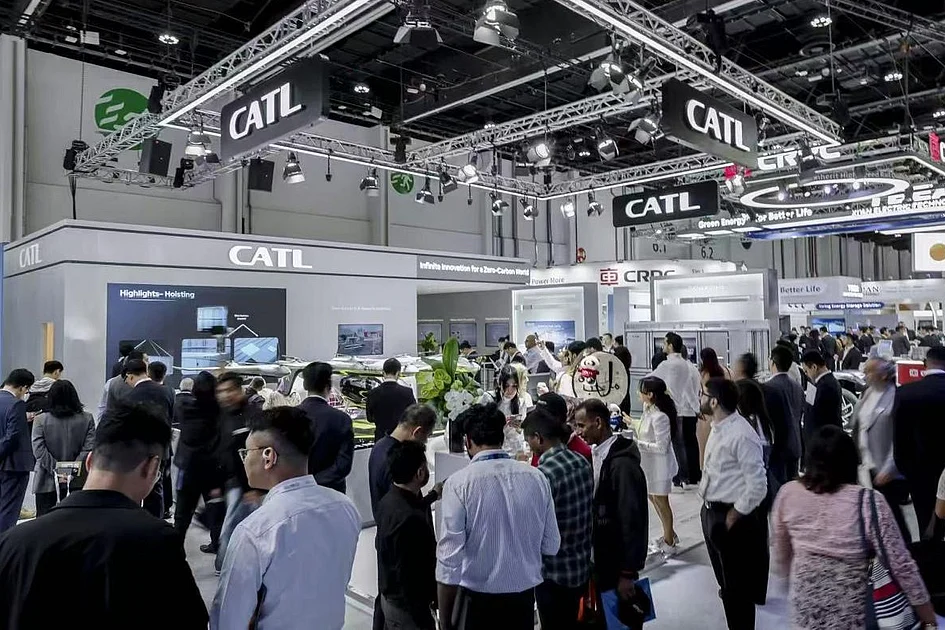
    At the prestigious 2026 World Future Energy Summit (WFES), Contemporary Amperex Technology Co. Limited (CATL) unveiled its cutting-edge energy storage solutions, positioning energy storage technology as the critical backbone for the Middle East’s accelerating clean energy transformation. The exhibition comes as regional governments and industries substantially increase investments in renewable energy infrastructure, electric mobility, and comprehensive electrification initiatives.

    Kui Weng, CATL ESS Middle East CEO, addressed summit attendees, emphasizing that while renewable generation capacity continues its rapid expansion across the region, the readiness of supporting infrastructure remains a significant challenge. “The deployment of renewable energy is accelerating across the Middle East, but the capability to efficiently store and manage this energy is becoming equally crucial as generation itself,” Weng stated. “Energy storage systems ensure reliability, stability, and flexibility as power networks evolve.”

    Among the technological highlights presented was CATL’s Tener Stack energy storage solution, engineered specifically for large-scale applications and demanding operational environments. This advanced system addresses critical challenges including renewable intermittency, peak demand management, and grid stability enhancement.

    The company detailed how energy storage facilitates optimal integration of solar and other renewable sources, particularly during high-demand periods. “Storage technology enables the capture of surplus renewable energy for subsequent release during peak requirements, effectively reducing grid pressure and enhancing overall system efficiency,” Weng explained.

    CATL further demonstrated the integral role of energy storage in supporting the expanding electric vehicle charging ecosystem. As commercial fleets electrify and public charging networks multiply, charging stations increasingly strain power systems. The integration of energy storage with charging infrastructure ensures stable power delivery and enhanced charging performance.

    “High-power charging facilities, particularly those serving commercial vehicles, demand reliable and predictable energy supply,” Weng noted. “Energy storage solutions effectively smooth demand curves and support consistent charging operations without overwhelming local grid infrastructure.”

    Beyond transportation applications, CATL emphasized the technology’s significance for industrial and commercial sectors, including ports, logistics centers, and manufacturing facilities. These environments increasingly depend on electrified equipment and automated systems requiring uninterrupted power supply.

    The summit served as a platform for CATL to engage with regional stakeholders regarding the long-term development of sustainable energy infrastructure. Weng highlighted that the Middle East’s distinctive climate conditions and massive scale necessitate solutions prioritizing safety, durability, and long-term operational performance.

    “Regional operating conditions demand rigorous attention to safety protocols and lifecycle performance,” he asserted. “Energy storage is evolving into permanent infrastructure, and must be engineered accordingly.”

    CATL concluded that continued collaboration with regional partners will be essential as energy storage deployment expands, ultimately supporting renewable integration, widespread electrification, and the region’s comprehensive sustainability objectives.

  • China’s economy grows 5% in 2025, buoyed by strong exports despite Trump’s tariffs

    China’s economy grows 5% in 2025, buoyed by strong exports despite Trump’s tariffs

    China’s economy achieved a 5% annual growth rate in 2025, meeting the government’s official target despite facing significant headwinds from a slowing property market and persistent consumer spending weaknesses. The expansion was primarily driven by robust export performance, which generated a record $1.2 trillion trade surplus and helped offset domestic economic vulnerabilities.

    The year-end figures revealed a concerning trend, however, with fourth-quarter growth decelerating to 4.5% – the slowest quarterly pace since China began easing its stringent COVID-19 restrictions in late 2022. This represents a noticeable drop from the previous quarter’s 4.8% growth rate, indicating mounting economic pressures.

    Export resilience emerged as the economy’s primary growth engine, though economists question its sustainability. Lynn Song, ING’s chief economist for Greater China, noted: “The key question is how long this engine of growth can remain the primary driver.” While Chinese exports to the U.S. declined following President Trump’s return to office and imposition of new tariffs, increased shipments to other global markets compensated for these losses.

    The government’s efforts to stimulate domestic demand through various initiatives, including trade-in programs for vehicles and home appliances, have yielded limited success. These programs have been losing momentum in recent months, failing to significantly boost consumer confidence or spending.

    Chi Lo, senior market strategist at BNP Paribas Asset Management, emphasized that “stabilization, not necessarily recovery, of the domestic property market is key to revive public confidence and household consumption.” Many small businesses and ordinary citizens continue facing economic hardships, with restaurant owner Liu Fengyun from Guizhou province reporting that customers increasingly cite financial constraints: “Money is hard to earn now” and “making breakfast at home is cheaper.”

    Looking ahead, economists project further moderation in growth, with Deutsche Bank forecasting approximately 4.5% expansion for 2026. This slowdown aligns with China’s broader economic transition as it prioritizes technological self-reliance through investments in artificial intelligence and advanced technologies while navigating complex global trade dynamics and domestic structural challenges.