博客

  • UAE issues alert for fog as visibility drops on Monday, Tuesday morning

    UAE issues alert for fog as visibility drops on Monday, Tuesday morning

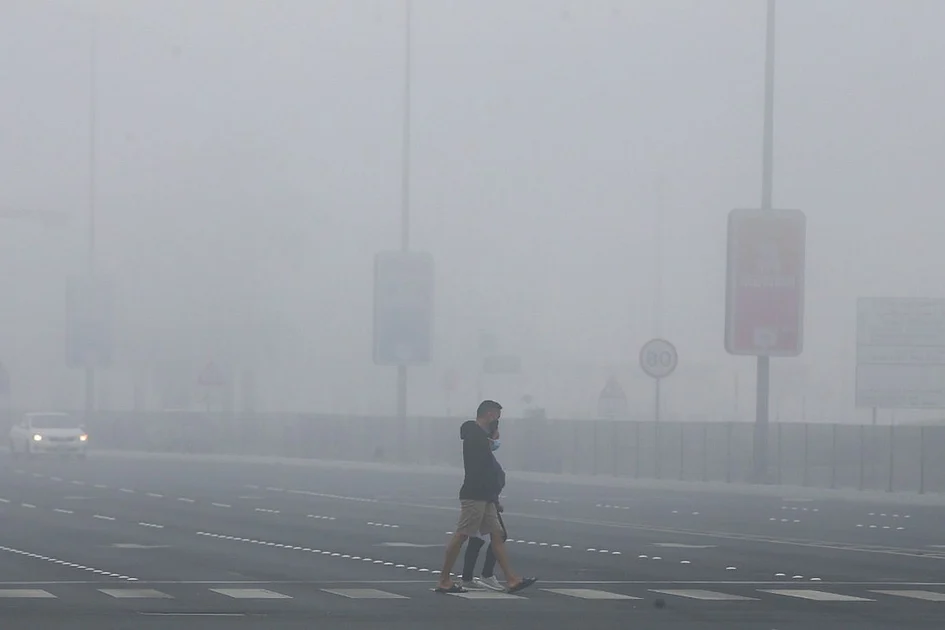
    The United Arab Emirates’ National Centre of Meteorology (NCM) has activated a yellow alert for dense fog formation across multiple emirates, with hazardous conditions expected to persist from Monday evening through Tuesday morning. The meteorological warning specifically targets reduced visibility periods between 10:00 PM Monday and 10:00 AM Tuesday, affecting transportation networks nationwide.

    Meteorological projections indicate extensive fog coverage along the western coastal regions, stretching from Abu Dhabi in the southern sector through Dubai and Sharjah, reaching northern territories including Ras Al Khaimah. The NCM advisory also notes potential fog development in selected interior zones, with possible escalation to red alert status if visibility deteriorates beyond current forecasts.

    Transportation authorities have issued urgent safety directives to motorists navigating the persistently foggy conditions that have complicated commutes throughout the past week. Abu Dhabi Police emphasized critical safety protocols including reduced speed limits of 80 km/h during low visibility episodes, increased following distances between vehicles, and strict avoidance of mobile device usage while driving.

    Optimal vehicle lighting procedures have been specifically addressed, with authorities recommending against high-beam usage due to light reflection effects that can further impair visibility. The comprehensive safety guidelines aim to minimize accident risks during weather conditions that significantly compromise road safety.

    The NCM continues to monitor atmospheric developments closely, with real-time updates available through official communication channels. Residents are advised to remain informed about evolving weather patterns and adhere strictly to all official safety recommendations during this period of meteorological uncertainty.
  • US orders non-essential staff at Beirut embassy to leave

    US orders non-essential staff at Beirut embassy to leave

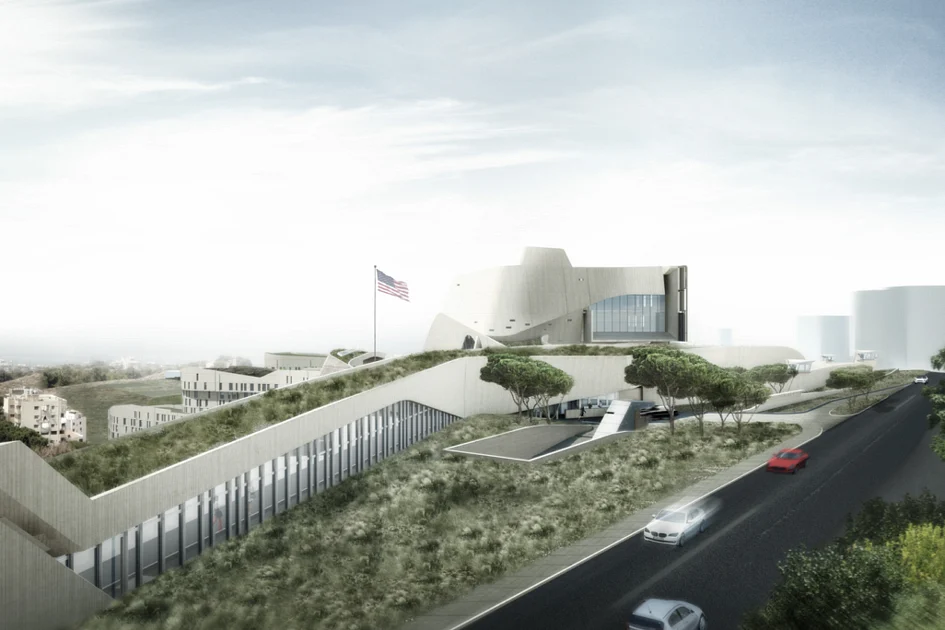
    In a significant security development, the United States Department of State has mandated the departure of non-emergency personnel and family members from its embassy in Beirut, Lebanon. The directive was confirmed by a senior official on Monday, February 23, 2026, signaling heightened concerns over the stability of the region.

    The evacuation order comes amidst a complex geopolitical backdrop. While Secretary of State Marco Rubio currently maintains plans for an official visit to Israel, a State Department spokesperson indicated this itinerary remains fluid and subject to alteration based on evolving security assessments. This cautious approach reflects the administration’s prioritization of diplomatic security.

    This decision aligns with a pattern of heightened security protocols across U.S. diplomatic missions in the Middle East. Recent advisories, including an ‘increased caution’ alert for personnel in Saudi Arabia and Qatar’s announcement of implementing its own precautionary measures, suggest a coordinated response to broader regional instability. The move is often interpreted by analysts as a precautionary measure against potential retaliatory actions or escalating violence that could threaten American interests abroad.

    The State Department’s decision underscores the volatile climate in the region, potentially linked to recent military engagements and political friction between neighboring states, though the official statement did not cite a specific immediate threat. The safety of U.S. government employees and their families remains the paramount concern, guiding such proactive security determinations.

  • Penrith Panthers star Nathan Cleary cleared to play after successful judiciary fight

    Penrith Panthers star Nathan Cleary cleared to play after successful judiciary fight

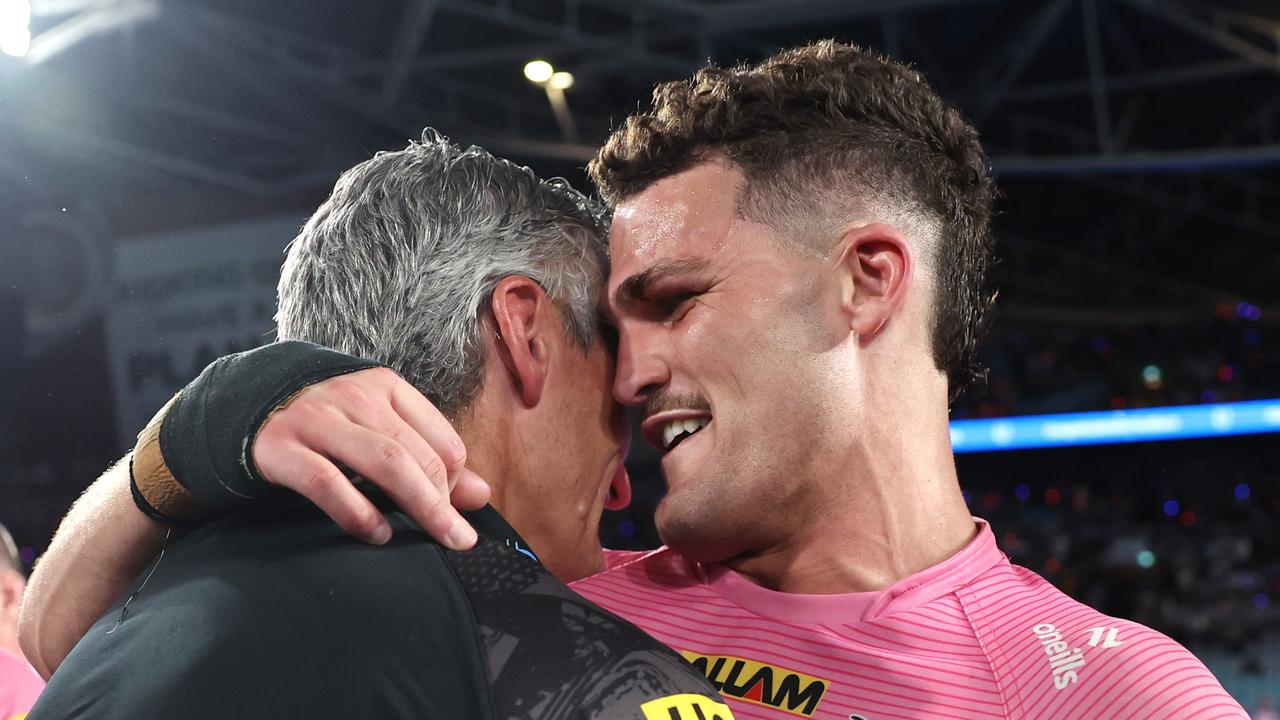
    In a significant development for the Penrith Panthers’ NRL campaign, star halfback Nathan Cleary has successfully avoided a three-match suspension following a compelling defense presented by his father and coach, Ivan Cleary, at the NRL judiciary on Monday night. The hearing resulted in Cleary’s grade two charge for a high tackle on Wests Tigers rookie Heamasi Makasini being downgraded, reducing his penalty to an $1800 fine instead of a lengthy sideline absence.

    The judiciary panel, consisting of Greg McCallum and Ryan James, was convinced by Ivan Cleary’s arguments in one of the shortest hearings on record. This legal victory arrives alongside news that the Panthers will be without key forward Liam Henry during the opening rounds due to a knee injury sustained approximately six weeks ago, though the prop has resumed training and isn’t expected to be sidelined extensively.

    Panthers legend Greg Alexander emphasized the importance of the outcome, noting on SEN radio: “For a club that started the season so poorly last year, they didn’t want to get off on the wrong foot this year. Three games without Nathan would have put a lot of pressure on the team.”

    The decision ensures Cleary’s availability for the highly anticipated round one clash against premiers Brisbane Broncos next week. The Panthers are determined to avoid repeating last year’s sluggish start that saw them occupying last place on the ladder after 12 rounds, despite their remarkable recovery that nearly saw them defeat the Broncos in the preliminary final.

    Following the hearing, Nathan Cleary expressed his enthusiasm for the upcoming challenge: “You want to be playing in the big games, and it’s no bigger than round one up in Brisbane. We do have a pretty tough draw to start the year so I wanted to be a part of that. Given last year’s start, you want to correct that as well.”

    The successful defense also marked a personal redemption for coach Ivan Cleary, who had previously experienced unsuccessful judiciary cases, including his 2021 representation of Api Koroisau. Nathan acknowledged his father’s efforts, stating: “I’m grateful for his effort. I had no say in the matter but he was pretty confident. There were mixed thoughts because the last few times he’s been to the judiciary, it hasn’t worked out too well. But I trust him and we thought that we had a pretty good case.”

    With Ivan Cleary’s birthday approaching on Sunday, Nathan now faces the additional challenge of finding an appropriate thank-you gift for his coach, despite being $1800 poorer following the judiciary decision.

  • Scared of tech? UAE students fear false accusations of AI help in university assignments

    Scared of tech? UAE students fear false accusations of AI help in university assignments

    A pervasive climate of apprehension has emerged across UAE universities as students confront an unexpected academic stressor: the looming threat of false accusations of AI-assisted cheating. According to a comprehensive YouGov survey encompassing 10,330 respondents globally, including 527 UAE students, 81% report significant stress about being erroneously flagged by AI detection systems when submitting critical assessments.

    The research, spanning multiple countries including Canada, the United States, the United Kingdom, Australia, and Saudi Arabia, reveals that this anxiety transcends theoretical concern. At institutions like BITS Pilani Dubai Campus, faculty members acknowledge visible student distress. Professor A. Somasundaram, Associate Dean of Academic Undergraduate Studies, notes: “Many genuinely worry about being wrongly flagged despite independent work completion. The opacity surrounding AI detection methodologies generates particular anxiety for high-stakes evaluations.”

    Dr. Zeenath Reza Khan, Computer Science Associate Professor at University of Wollongong in Dubai and Founding President of the Centre for Academic Integrity in the UAE, emphasizes the complex technological landscape exacerbating this issue. “We’ve moved beyond simple chatbot copying,” she explains. “Agentic AI now integrates seamlessly into browsers and productivity platforms, offering real-time suggestions, drafting, and restructuring. The demarcation between human cognition and machine augmentation has become fundamentally blurred.”

    The psychological ramifications extend beyond emotional distress to tangible academic consequences. Dr. Najla Al Futaisi, Assistant Professor of Artificial Intelligence at Canadian University Dubai, warns that anticipation of false misconduct accusations can redirect student focus from intellectual development to defensive writing strategies. This anxiety may paradoxically drive students toward actual AI misuse in attempts to circumvent detection systems, ultimately eroding critical thinking capabilities and original problem-solving skills.

    Economists highlight broader implications for the UAE’s knowledge-driven economy. Dr. Ashraf Mahate, Chief Economist for Trade and Export Market Development at Dubai Department of Economy and Tourism, characterizes the survey as a imperative for systemic action: “This data provides a clear roadmap for governing bodies, university executives, and technology partners to address integrity anxiety and mentorship gaps through refined policies and human-centered approaches.”

    Educational institutions increasingly emphasize empathetic review processes over automated judgments, prioritizing academic dialogue to mitigate unnecessary stress. The emerging consensus suggests that the central question has evolved from mere detection of AI usage to preserving human agency within increasingly AI-augmented learning environments.

  • US ambassador defends travel bans on 3 Chilean officials as a ‘sovereign decision’

    US ambassador defends travel bans on 3 Chilean officials as a ‘sovereign decision’

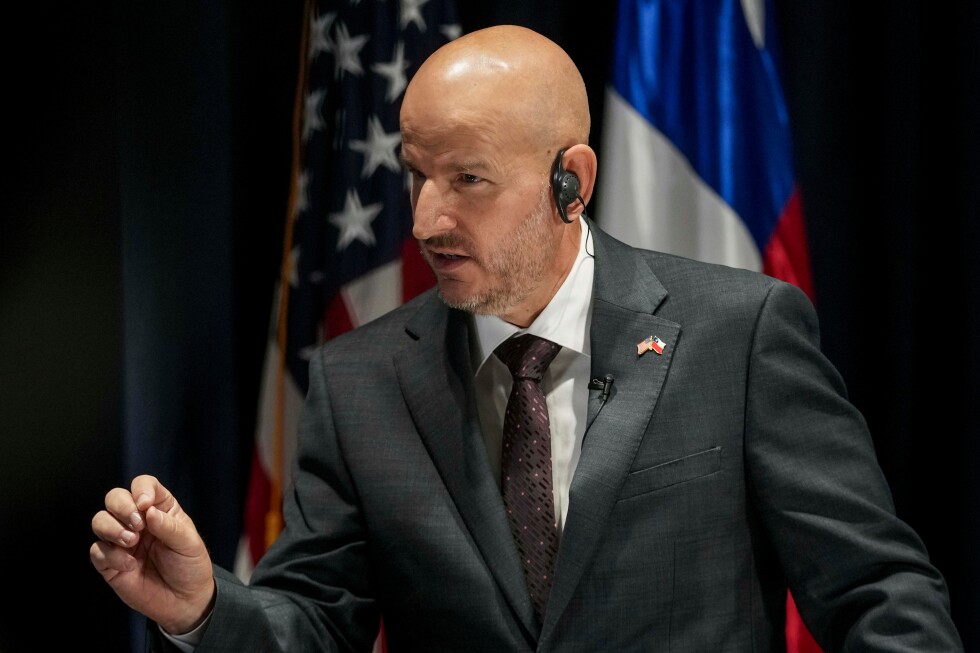
    SANTIAGO, Chile — The United States ambassador to Chile has formally justified recent visa restrictions imposed on three high-ranking Chilean government officials, characterizing the move as a legitimate exercise of sovereign authority. Ambassador Brandon Judd addressed mounting tensions during a Monday press conference in Santiago, asserting America’s prerogative to deny entry when perceived threats to regional security emerge.

    The sanctions, publicly disclosed last Friday by U.S. Secretary of State Marco Rubio, specifically target individuals allegedly engaged in activities that compromise critical telecommunications infrastructure. Although Chilean authorities confirmed Transport and Telecommunications Minister Juan Carlos Muñoz as one affected official, the identities of the remaining two individuals remain undisclosed.

    Central to the diplomatic rift is a proposed submarine fiber optic cable project intended to connect Chile with China. While still in its preliminary evaluation phase, American officials have expressed profound security apprehensions regarding this infrastructure initiative. Ambassador Judd emphasized that exhaustive diplomatic efforts preceded the imposition of sanctions, noting that repeated requests for greater transparency from Chilean counterparts went unheeded.

    The decision has provoked substantial backlash within Chile’s left-leaning administration. Outgoing President Gabriel Boric condemned the American measures as unfounded and infringing upon national sovereignty, denouncing what he termed ‘indeterminate accusations’ and unilateral punitive actions.

    Ambassador Judd refuted allegations of intimidation, stating the U.S. poses ‘no threats’ but remains vigilant against ‘malicious actors’ within the region seeking to harm both Chilean and American interests. The diplomatic friction occurs during a delicate political transition period, with President Boric preparing to transfer power to far-right President-elect José Antonio Kast within two weeks.

    The Trump administration has openly welcomed Kast’s impending presidency following his decisive electoral victory in December, signaling anticipation for improved bilateral cooperation. This episode underscores significantly deteriorated relations between the two nations during the second Trump term, marked by President Boric’s vocal criticisms of American foreign policy approaches.

  • ‘Exciting’ or ‘Frustrating’? – East coast locals and tourists react to record snow

    ‘Exciting’ or ‘Frustrating’? – East coast locals and tourists react to record snow

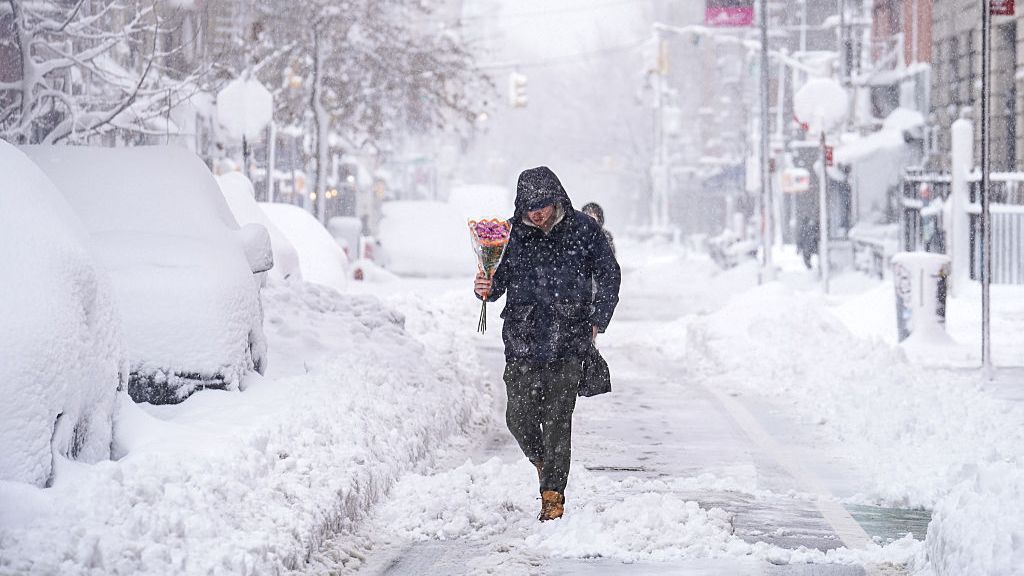
    A massive winter storm of historic proportions has unleashed its fury upon the East Coast, triggering a critical state of emergency for an estimated 40 million residents and visitors now under blizzard warnings. The tempest’s ferocity has resulted in a devastating infrastructural collapse, with power outages crippling over 600,000 homes and businesses, plunging vast regions into darkness and disconnection.

    The monumental weather event has elicited a starkly divided spectrum of reactions from those in its path. For some, the unprecedented snowfall has been a source of exhilaration, transforming urban landscapes into pristine winter wonderlands and offering a rare opportunity for seasonal activities. Conversely, the storm’s severe impact has generated profound frustration and hardship for many others, stranding travelers, halting economic activity, and raising serious concerns over public safety and access to essential services. This duality of experience highlights the complex interplay between natural phenomena and human resilience, framing a narrative of both awe and adversity in the face of a record-breaking climatic event.

  • Saudi Aramco sells first Jafurah condensate cargoes to US firms, India, sources say

    Saudi Aramco sells first Jafurah condensate cargoes to US firms, India, sources say

    In a landmark development for global energy markets, Saudi Aramco has finalized its first international sales of ultra-light crude from the colossal Jafurah gas field. According to industry sources, the state energy giant has allocated initial cargoes to prominent U.S. firms Chevron and ExxonMobil, alongside India’s leading refiner, Indian Oil Corporation (IOC).

    The transactions, structured at premiums of $2 to $3 per barrel above Dubai benchmarks on a free-on-board basis, signify the commercial launch of one of the world’s most ambitious energy ventures. Chevron has secured two shipments for loading in late February and March, with supply chains indicating destinations at its South Korean joint-venture GS Caltex and Thailand’s Star Petroleum Refining facility.

    This export initiative stems from Aramco’s $100 billion Jafurah development, which holds estimated reserves of 229 trillion cubic feet of raw gas and 75 billion barrels of condensate. The project represents a strategic pivot toward gas production expansion and diversification of the kingdom’s light crude offerings.

    Positioned as the largest shale gas undertaking outside the United States, Jafurah is projected to achieve sustainable production capacity of 2 billion cubic feet daily by 2030. Monthly export volumes are anticipated to reach 4-6 cargoes of 500,000 barrels each from Yanbu port on Saudi Arabia’s eastern coast.

    The condensate grade boasts exceptional quality characteristics with 49.7° API gravity and minimal sulfur content (0.17%). Preliminary assays indicate approximately 40% of yield converts to petrochemical feedstock naphtha, predominantly heavier grades, with remaining output comprising gasoil and kerosene.

    Aramco officials confirmed coordination with the Ministry of Energy for production ramp-up aligned with development plans and market requirements, while maintaining corporate policy of not commenting on specific commercial arrangements. Major purchasers have declined or not responded to requests for commentary regarding the transactions.

  • More than 5,000 flights cancelled as US east coast digs out of record snow

    More than 5,000 flights cancelled as US east coast digs out of record snow

    A catastrophic winter storm of historic proportions unleashed its fury upon the US Eastern Seaboard on Monday, establishing unprecedented snowfall records and triggering widespread infrastructural collapse across multiple states. Meteorological data from the National Weather Service confirmed extraordinary accumulations, with Rhode Island and Massachusetts bearing the brunt at nearly 33 inches (83cm), while New York’s Central Park recorded over 19 inches—transforming the densely populated corridor into a landscape of immobilized cities and crippled transportation networks.

    The storm’s severity proved particularly devastating for Rhode Island, where Providence shattered its 1978 single-storm record of 28.6 inches with an astonishing 33-inch accumulation. ‘It completely smashed it,’ stated National Weather Service meteorologist Candice Hrencecin, reflecting the astonishment within scientific circles. ‘We were just as shocked as everyone else.’

    Governmental response escalated rapidly as conditions deteriorated. Rhode Island, Connecticut, and Massachusetts implemented non-essential travel bans, with Massachusetts Governor Maura Healey imposing reduced speed limits on major highways while warning citizens: ‘Whiteout conditions are making travel extremely dangerous. If you get stuck, help will have a hard time reaching you.’

    Critical infrastructure faced severe strain as poweroutage.us reported over 600,000 customers without electricity across the region. Massachusetts experienced particularly severe outages, with Barnstable County—encompassing Cape Cod—suffering 85% customer disruption. Urban centers became logistical nightmares, with Providence officials reporting more than 300 vehicles towed for impeding snow removal operations.

    The aviation sector approached complete shutdown, with FlightAware data revealing 5,675 cancelled flights nationwide. New York’s LaGuardia Airport cancelled 98% of flights, JFK Airport 91%, while Boston’s Logan International and New Jersey’s Newark Liberty airports both reached 92% cancellation rates.

    Meteorologists maintained winter storm warnings from North Carolina through northern Maine into eastern Canada, projecting additional accumulations of 1-2 feet (61cm) along northeastern coastal areas through Tuesday morning. The event represents not merely a weather incident but a systemic stress test for emergency response capabilities across America’s most densely populated corridor.

  • Bank of England’s Taylor says high US tariffs appear to be here to stay

    Bank of England’s Taylor says high US tariffs appear to be here to stay

    Bank of England Monetary Policy Committee member Alan Taylor has declared that elevated U.S. import tariffs represent a permanent structural shift in global trade with consequences that will unfold over ‘many years.’ Speaking at a Deutsche Bank event on Monday, Taylor responded to recent developments including President Donald Trump’s imposition of a 15% global import levy following Supreme Court rulings that voided most of his previous tariff increases.

    Taylor emphasized the profound nature of this trade policy transformation, stating, ‘The fundamental thing to realize is those tariffs are here to stay at some kind of number that is an order of magnitude bigger than it was two years ago.’ He cautioned that the full impact of this ‘meaningful change’ would require extensive time to fully materialize within the global economic system.

    The policymaker, who was among four MPC members advocating for an interest rate reduction to 3.5% this month, identified emerging patterns in trade diversion. He noted preliminary evidence suggesting China is redirecting exports toward East Asian markets and the European Union, potentially creating deflationary pressures across global markets. However, Taylor acknowledged the difficulty in precisely quantifying the ultimate significance of these shifting trade patterns.

    Regarding domestic monetary policy, Taylor maintained that the Bank of England likely has ‘two or three more quarter-point rate cuts’ before requiring a pause, assuming no additional economic shocks emerge. He expressed particular concern about the evolving risk balance in the BoE’s forecasts, which he believes is shifting toward lower inflation expectations and greater economic damage from rising unemployment.

    While noting he wouldn’t be alarmed by January’s isolated services price growth data alone, Taylor indicated he would grow concerned if underlying inflation pressures consistently exceeded expectations ‘over and over again.’ His advocacy for recent rate cuts stemmed partly from concerns that inflation might persistently undershoot the Bank’s 2% target in the coming period.

  • Bitcoin slides toward $65,000 as tariff shock rattles risk appetite

    Bitcoin slides toward $65,000 as tariff shock rattles risk appetite

    Digital asset markets experienced significant turbulence Monday as Bitcoin plunged toward the $65,000 threshold, reflecting heightened investor anxiety following unexpected U.S. trade policy developments. The cryptocurrency’s 5% intraday decline underscores its continued vulnerability to macroeconomic shocks and institutional capital movements.

    The market deterioration follows a dual policy shock: the Supreme Court’s invalidation of previous presidential tariff authorities and the subsequent White House announcement of new 15% global import duties. This policy whiplash has reignited concerns about potential trade conflicts and their implications for global economic growth.

    Financial analysts observe that cryptocurrency assets are facing compounded pressure from multiple fronts. Linh Tran, Senior Market Analyst at XS.com, noted: ‘The earlier recovery from $60,000 levels lacked substantive institutional backing and couldn’t overcome medium-term bearish tendencies. Current market dynamics are being shaped by trade policy ambiguity, diminished institutional participation, persistent high interest rates, and dollar strength.’

    Institutional engagement, previously a cornerstone of crypto market advances, has notably weakened. U.S. spot Bitcoin ETFs have witnessed substantial capital outflows, with over 100,000 Bitcoin withdrawn from fund holdings since October 2025. This reduction brings total ETF reserves to approximately 1.26 million Bitcoin, indicating cautious institutional positioning.

    Jeff Mei, Chief Operating Officer at blockchain firm BTSE, highlighted how escalating trade tensions are prompting portfolio adjustments: ‘The tariff rate increase is triggering crypto asset divestment as investors anticipate broader market deterioration. Geopolitical risks and potential trade flow disruptions are additionally dampening market sentiment.’

    Bitcoin’s current valuation represents a 26% year-to-date decline and a 47% retreat from its October peak above $125,000. This correction magnitude has simultaneously pressured cryptocurrency-equivalent stocks, with major U.S. digital asset firms seeing pre-market share declines.

    Market intelligence from 10x Research suggests the downturn reflects structural vulnerabilities rather than isolated events. Head of Research Markus Thielen observed: ‘This decline aligns with typical bear-market characteristics featuring limited liquidity and weak conviction. Policy uncertainty and global macroeconomic trends continue restraining upward potential.’

    The divergence between cryptocurrency performance and traditional safe havens has become particularly striking. While gold gained over 1% amid the uncertainty, Bitcoin’s correlation with risk assets rather than protective investments has challenged its ‘digital gold’ narrative.

    Despite current pressures, some analysts identify potential support levels around $60,000, citing persistent long-term investor interest and absence of severe liquidity crises. However, sustainable recovery likely requires renewed ETF inflows, Federal Reserve monetary easing signals, and stabilization in global trade relations.

    Near-term trading expectations suggest continued volatility within a broad range, with $65,000 representing crucial support and the $69,000-$70,000 zone constituting significant resistance. Market participants anticipate potential retests of lower support levels should current pressure factors persist.