博客

  • Why investors are backing Karma Developers’ sustainable, future-ready growth model

    Why investors are backing Karma Developers’ sustainable, future-ready growth model

    Karma Developers, a design-focused real estate enterprise with over a decade of industry presence, is gaining significant investor traction through its sustainable, future-ready development approach. The company has successfully delivered more than 2,000 residential units while expanding its footprint beyond Dubai to Cyprus, the UK, Romania, and Australia.

    Under the leadership of founders Capt. Pradeep Singh, Navneet Mandhani, and architect S.N. Saxena—whose combined expertise spans 75 years—the company integrates sustainability as a core principle rather than an afterthought. All projects adhere to LEED-aligned planning standards and incorporate smart-living technologies designed to minimize long-term environmental impact.

    Karma’s Dubai portfolio includes notable developments such as Olivia in Dubai Investment Park, Milos in Dubailand, Trinity in Arjan, and Antalya in Dubai Sports City. The company has also established presence in master communities including Falconcity and Dubai Silicon Oasis through strategic partnerships. Their upcoming pipeline features a green-themed gated community in DIP and commercial development in Liwan, aligning with Dubai’s 2040 urban master plan.

    Captain Singh’s unique multidisciplinary background in maritime sustainability, technology, and real estate has shaped the company’s systematic approach to community development. “Sustainability is embedded from the planning stage,” Singh explains. “We build adaptive communities designed to evolve economically, socially, and environmentally over the long term.”

    The company’s leadership philosophy emphasizes the balance between moral responsibility and economic realism. Singh’s international recognitions, including two Knighthoods and advanced academic training from Harvard and UK institutions, have reinforced the importance of disciplined governance and long-term value creation.

    CEO Navneet Mandhani brings a technology-driven perspective from his previous startup experience, including YourKeys which was acquired by Zoopla. This background informs Karma’s data-informed approach to market selection and product development. “We follow infrastructure, not speculation,” Mandhani states, highlighting their strategy of identifying emerging micro-markets based on connectivity, employment hubs, and master planning fundamentals.

    The company’s conservative financial strategy, characterized by low leverage and disciplined underwriting, has proven resilient through market cycles. This approach has strengthened investor confidence by prioritizing certainty and governance alongside returns, positioning Karma as a trusted partner in sustainable real estate development.
  • China’s job market stable in 2025 with 5.2% surveyed urban unemployment rate

    China’s job market stable in 2025 with 5.2% surveyed urban unemployment rate

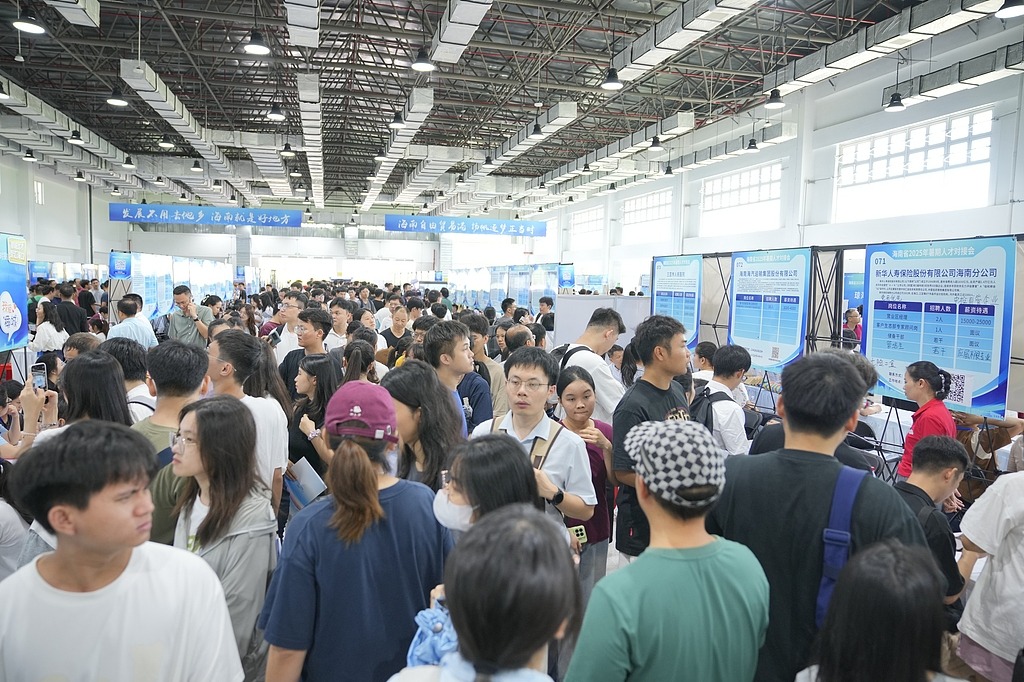
    China’s labor market demonstrated remarkable stability throughout 2025, achieving an annual average urban unemployment rate of 5.2% according to official data released by the National Bureau of Statistics (NBS) on January 19, 2026. The December figures showed further improvement at 5.1%, maintaining consistency across 31 major metropolitan centers including Beijing and Shanghai.

    The migrant workforce, a critical component of China’s economic engine, expanded to approximately 301.15 million workers—marking a modest increase of 1.42 million (0.5%) from 2024 levels. This growth occurred despite global economic headwinds and domestic demographic challenges.

    Labor market analysts attribute this stability to comprehensive government policies targeting employment security, particularly through support for small and medium enterprises and vocational training initiatives. The consistent performance across major urban centers suggests balanced regional development in employment opportunities.

    The NBS report indicates successful navigation of economic transitions while maintaining social stability through employment preservation. The data reflects China’s strategic focus on job creation as a cornerstone of its economic planning, with particular attention to urban employment metrics as key indicators of social and economic health.

  • South African team helps search for politician swept away by Mozambique floodwaters

    South African team helps search for politician swept away by Mozambique floodwaters

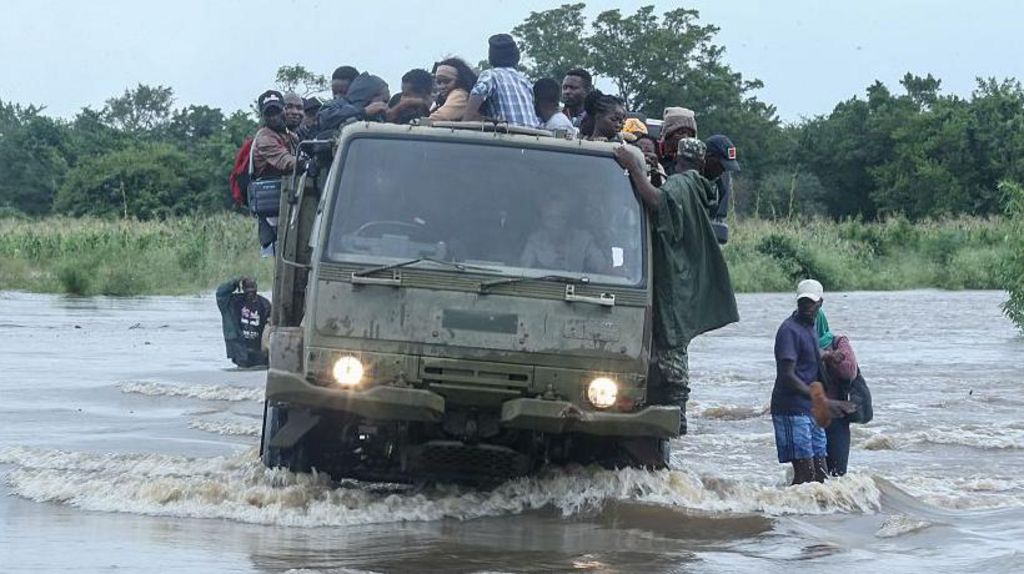
    A severe flooding catastrophe in Mozambique has triggered a cross-border humanitarian response, with South Africa deploying emergency resources to its neighboring nation. The crisis intensified when Andile Mngwevu, an Ekurhuleni municipal councillor, was swept away by raging floodwaters during an official visit to Gaza Province. While Mngwevu has been successfully accounted for, four accompanying individuals remain missing, their status unconfirmed according to municipal authorities.

    The devastating floods have forced Mozambican President Daniel Chapo to cancel his scheduled appearance at the World Economic Forum in Davos, underscoring the severity of the situation. South African President Cyril Ramaphosa confirmed the deployment of two helicopters for multi-day rescue operations in Mozambique, stating they would remain until conditions stabilize.

    The human toll continues to mount with reports indicating over 100 fatalities and significant infrastructure damage following weeks of relentless flooding. Meteorological forecasts predict further precipitation across central and northern regions as the country enters its annual cyclone season, exacerbating an already critical situation. The ongoing rainy season threatens to compound existing challenges, creating a complex emergency scenario requiring sustained international attention and support.

  • EU executive arm, Russia and Thailand asked to join Trump’s Board of Peace for Gaza

    EU executive arm, Russia and Thailand asked to join Trump’s Board of Peace for Gaza

    The United States has extended invitations to multiple nations to participate in President Donald Trump’s newly proposed ‘Board of Peace,’ intended to oversee the implementation of the next phase of the Gaza peace plan. The European Commission, Russia, and Thailand have confirmed receipt of invitations, with each expressing cautious interest while undertaking detailed reviews of the proposal.

    Kremlin spokesman Dmitry Peskov stated that President Vladimir Putin is examining the invitation’s specifics, while Thai authorities similarly acknowledged they are assessing the details. European Commission President Ursula von der Leyen will consult with EU leadership regarding potential participation, though no formal acceptance has been declared.

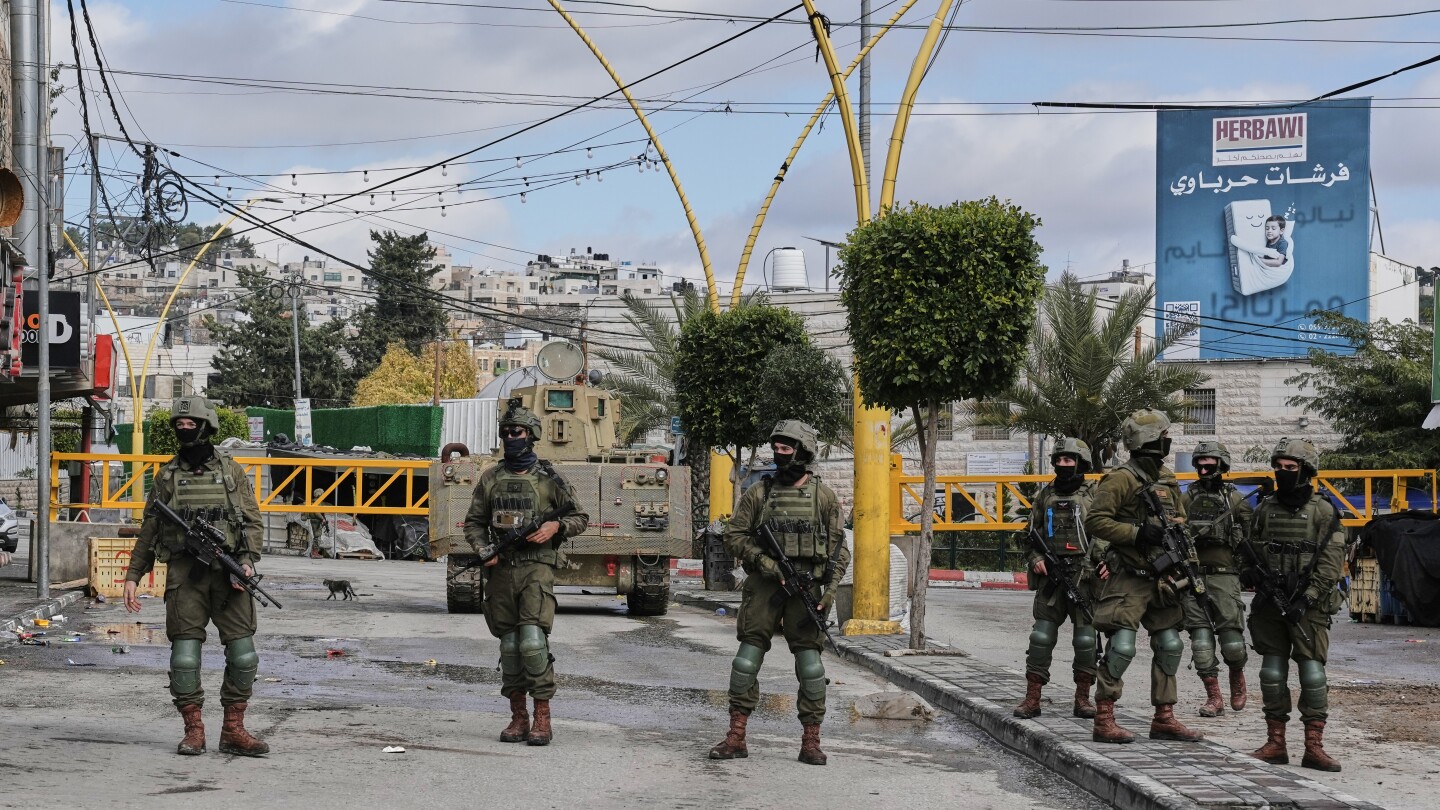
    The initiative faces significant opposition from Israeli officials, with Finance Minister Bezalel Smotrich denouncing the plan as ‘bad for the State of Israel’ and calling for its cancellation. Smotrich asserted Israeli sovereignty over Gaza during a ceremony inaugurating a new West Bank settlement, advocating for military administration rather than international oversight.

    Prime Minister Benjamin Netanyahu’s office previously stated that the board’s formation occurred without Israeli coordination and contradicts official government policy. The United States is expected to announce formal board membership during the upcoming World Economic Forum in Davos.

    According to undisclosed charter details obtained by AP, a $1 billion contribution would secure permanent membership dedicated to Gaza reconstruction efforts, while three-year appointments require no financial commitment. The board’s potential scope suggests it could function as an alternative to established international bodies like the UN Security Council.

    Concurrently, Egypt has expressed support for the newly appointed committee of Palestinian technocrats tasked with managing Gaza’s daily affairs during the peace plan’s implementation. Meanwhile, UN agencies report improved but still fragile humanitarian conditions, with over three-quarters of Gaza’s population experiencing crisis-level food insecurity despite expanded aid operations.

  • World Economic Forum: UAE sends over 100 ministers, private sector leaders to Davos

    World Economic Forum: UAE sends over 100 ministers, private sector leaders to Davos

    The United Arab Emirates has mobilized one of its largest-ever delegations to the 56th Annual Meeting of the World Economic Forum in Davos, Switzerland, demonstrating its growing influence on the global stage. Under the leadership of Sheikha Latifa bint Mohammed bin Rashid Al Maktoum, Chairperson of Dubai Culture and Arts Authority, the delegation comprises over 100 ministers, senior government officials, and prominent private sector executives.

    This substantial presence, ranking as the fifth largest national delegation at the forum, underscores the UAE’s strategic commitment to shaping international discourse across critical sectors. The delegation’s participation aligns with the forum’s 2026 theme, ‘Spirit of Dialogue,’ which resonates with the UAE’s diplomatic approach to international relations and multilateral cooperation.

    The UAE Pavilion, maintaining its ‘Impossible is Impossible’ theme for the fourth consecutive year, serves as a dynamic showcase of the nation’s economic diversity and innovation capabilities. The pavilion program emphasizes the UAE’s pioneering role in energy transition, sustainability initiatives, and climate finance while balancing economic growth and energy security requirements.

    Throughout the forum, UAE representatives are engaging in high-level discussions on artificial intelligence governance, digital transformation, global trade frameworks, and economic governance models. The delegation is also contributing significantly to humanitarian dialogues, addressing pressing global challenges including food security, water scarcity, and public health systems.

    Mohammad bin Abdullah Al Gergawi, Minister of Cabinet Affairs, emphasized that the delegation’s composition reflects the UAE’s focused priorities on future-oriented sectors and enhanced public-private collaboration. The pavilion hosts an extensive schedule of sessions, bilateral meetings, and media engagements featuring government officials, business leaders, and international experts, providing platforms for knowledge exchange and partnership development.

  • Dubai tests pooled SUV school transport: What you need to know

    Dubai tests pooled SUV school transport: What you need to know

    Dubai has embarked on a groundbreaking pilot program that could fundamentally reshape the city’s morning commute. The Roads and Transport Authority (RTA), in collaboration with Yango Group and Urban Express, has launched an innovative school transport pooling system utilizing shared SUV vehicles for students traveling to and from nearby educational institutions.

    The initiative specifically targets high-congestion school clusters, beginning with Al Barsha and surrounding neighborhoods where parking limitations and peak-hour traffic create significant challenges. The program represents a strategic response to extensive RTA research identifying key issues including excessive private vehicle usage, prolonged student travel durations, and morning traffic bottlenecks.

    Participating schools in this initial phase include prominent institutions such as Al Mawakeb School Al Barsha, American School of Dubai, Bloom World Academy, Brighton College Dubai, Dubai Heights Academy, Dubai International Academy, and multiple GEMS Education schools, among others in the area.

    The operational model employs demand-based routing rather than fixed lines for individual schools. After registration, students from similar neighborhoods share SUV vehicles with routes and schedules meticulously planned in advance to align with school timings. Vehicles are assigned to designated parking zones serving several neighboring schools, minimizing unnecessary detours and maintaining journey times within a 60-minute threshold.

    Parents of students at participating schools can register interest through Yango’s online portal or the Urban Express platform. Registrations are processed continuously, with routes activated based on demand feasibility and school coordination. The rollout employs a phased approach to ensure service quality, clear family communication, and smooth school coordination.

    During the pilot phase, the service operates on a monthly subscription model with introductory rates ranging between Dh800 and Dh1,000, payable exclusively online. The current structure prioritizes predictable attendance to maintain pooling efficiency, though term-based plans may be considered as the service evolves.

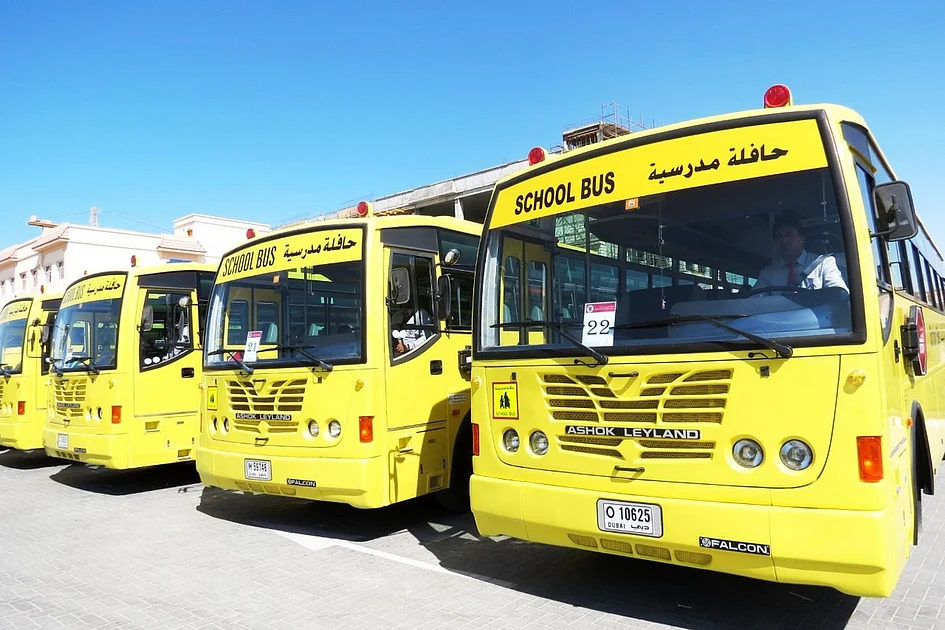
    This initiative supports the RTA’s broader objective to increase shared or school transportation usage among students to 60% within the next three years. Notably, officials emphasize that the system complements rather than replaces existing bus transport infrastructure.

    Expansion into additional communities will occur in phases, contingent on demand patterns, route feasibility, and regulatory approvals. Parents whose schools or residential areas aren’t yet covered can still register interest for future expansion planning.

  • Thirteen schoolchildren killed after bus collides with lorry in South Africa

    Thirteen schoolchildren killed after bus collides with lorry in South Africa

    A devastating road accident in South Africa’s Gauteng province has resulted in the deaths of thirteen schoolchildren after their minibus collided with a heavy goods vehicle. The tragic incident occurred on Monday morning at approximately 07:00 local time near Vanderbijlpark, located south of Johannesburg.

    According to police spokesperson Mavela Masondo, preliminary investigations indicate the minibus driver attempted to overtake two vehicles before crashing into the oncoming lorry. The impact proved immediately fatal, with eleven students pronounced dead at the scene. Two additional children later succumbed to their injuries in medical facilities, while two remain in critical condition fighting for their lives.

    Law enforcement authorities have confirmed the initiation of a culpable homicide case as part of the ongoing investigation. The minibus driver is reportedly receiving hospital treatment, though the condition and whereabouts of the lorry driver remain uncertain according to official statements.

    This tragedy highlights South Africa’s persistent road safety crisis, where factors including excessive speeding, dangerous driving behaviors, and inadequate vehicle maintenance contribute to alarmingly high accident rates. Recent statistics reveal that despite a 6% reduction in road fatalities from the previous year, 11,418 individuals lost their lives in traffic incidents throughout 2025 – averaging 31 daily deaths.

    President Cyril Ramaphosa expressed profound distress regarding the incident, emphasizing that “our children are the nation’s most precious assets.” The president called for comprehensive safety measures encompassing both road regulation compliance and improved standards for scholar transport services.

  • Aussie renters need to find extra $1560 per year as prices hit new high, ‘supply and demand’ imbalance blamed

    Aussie renters need to find extra $1560 per year as prices hit new high, ‘supply and demand’ imbalance blamed

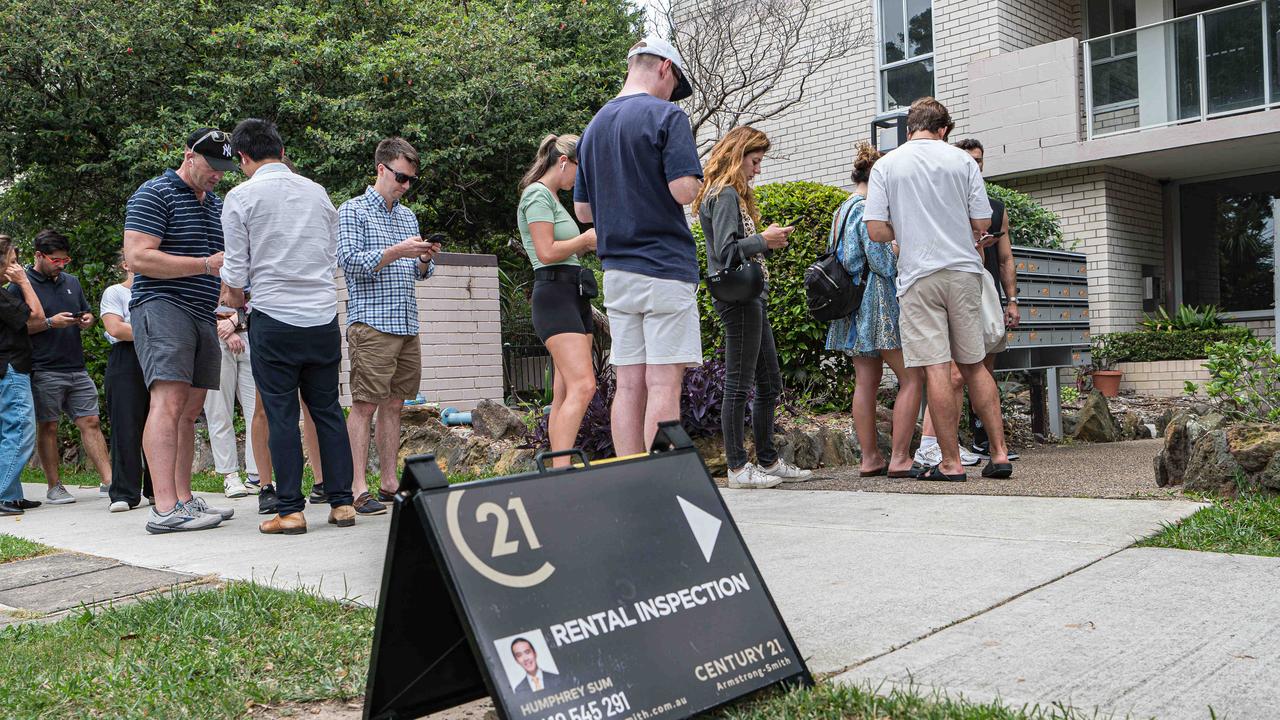
    Australia’s housing sector is confronting a severe rental affordability crisis, with median weekly rents reaching an unprecedented high of $650 nationally. This represents a 1.6% increase in the final quarter of 2025, compelling the average renter to allocate an additional $1,560 annually—a financial burden that shows no signs of abating.

    According to REA Group senior economist Anne Flaherty, the fundamental driver behind this trend is a critical supply-demand imbalance exacerbated by robust population growth, predominantly fueled by overseas migration. “New arrivals to Australia typically enter the rental market first, intensifying demand without corresponding increases in housing supply,” Flaherty explained.

    The situation varies significantly across capital cities. Sydney maintains its position as the most expensive rental market, with combined houses and units averaging $760 per week. Hobart experienced the most dramatic surge, with rents climbing 4.2% in the quarter and 9.1% annually to reach $573 weekly. Perth and Darwin followed with annual increases of 7.7% and 8.3% respectively, though both markets showed signs of cooling in the final quarter.

    Canberra emerged as a rare exception, with modest 1.6% annual growth—the slowest among capitals—due to better alignment between housing supply and population demands. Melbourne presented a mixed picture: while house rents declined by 0.9% annually, unit prices rose 4.5%, maintaining a combined median of $575 weekly.

    Flaherty warned that current affordability pressures will likely persist for years, with rental increases continuing to outpace wage growth. “Housing is a fundamental need, so renters are forced to make difficult compromises—extending family cohabitation, accepting longer commutes, or increasing shared living arrangements,” she noted.

    The political dimension of the crisis has drawn sharp criticism from Greens senator Barbara Pocock, who characterized the situation as “a system stacked against younger generations” and called for government intervention to prioritize housing as a human right rather than investment vehicle.

    With population growth forecasts indicating continued pressure, particularly in Melbourne and Perth, experts agree that without substantial increases in housing construction and policy reforms, Australia’s rental affordability challenge will remain a defining social issue for the foreseeable future.

  • Conversation with Yash Trivedi, Founder & CEO, YOUAE Mortgages

    Conversation with Yash Trivedi, Founder & CEO, YOUAE Mortgages

    The United Arab Emirates has achieved recognition as one of the world’s most sophisticated mortgage markets, according to Yash Trivedi, Founder and CEO of YOUAE Mortgages. In an exclusive interview, Trivedi detailed the remarkable evolution of the country’s lending landscape, highlighting regulatory stability, digital transformation, and shifting consumer behavior as key drivers behind this maturation.

    Trivedi emphasized that technological innovation sits at the forefront of this transformation. “Fintech integration is revolutionizing how we serve clients,” he stated. “From instant eligibility checks to digital document processing, speed and accuracy have improved dramatically.” YOUAE Mortgages is developing advanced AI-powered affordability tools that enable clients to visualize various repayment scenarios in real-time, making mortgage planning significantly more interactive and accessible.

    The CEO distinguished his firm’s approach from traditional brokers by emphasizing their advisory role over sales. “We operate as advisors, not sellers,” Trivedi explained. The company’s methodology begins with comprehensively understanding each client’s financial narrative—including income, lifestyle, and long-term goals—before curating personalized solutions. This client-centric philosophy is built on unwavering transparency regarding fees, options, and potential trade-offs.

    Looking toward 2026 and beyond, Trivedi identified several key trends shaping the market: a surge in long-term residents transitioning from renting to homeownership, sustained international investment in prime communities, and growing demand for sustainability-linked developments. Visa reforms and robust economic confidence are further fueling this activity.

    For first-time buyers who find mortgages complex, Trivedi offered clear guidance: “Start early, plan smart, and don’t rely solely on hearsay.” He stressed the importance of understanding the total cost of ownership beyond just interest rates, including fees and early settlement options. His ultimate advice? “Working with a licensed mortgage advisor ensures you don’t overborrow or miss better products available in the market.”

    As the UAE’s real estate landscape expands in alignment with the 2040 Vision, YOUAE Mortgages continues to champion financial literacy and ethical advisory as cornerstones of sustainable growth, ensuring every mortgage transaction becomes the foundation of a lifelong relationship built on trust.

  • Internet down again in Iran after brief restoration, says monitor

    Internet down again in Iran after brief restoration, says monitor

    Iran has plunged back into digital darkness after experiencing a brief and heavily restricted restoration of internet services, according to monitoring organization Netblocks. The temporary connectivity window—which lasted approximately two hours—allowed limited access to select Google services and messaging platforms before authorities reinstated the comprehensive shutdown.

    The restoration occurred around the 238th hour of the nationwide blackout initially imposed on January 8th amid escalating anti-government demonstrations. During this narrow window, some citizens managed to transmit crucial updates about the severity of the ongoing crisis before communications were severed again.

    Netblocks, an internet monitoring group, reported via social media platform X that traffic levels had dramatically fallen by the 240th hour of the shutdown, indicating the restoration had been terminated. The organization had previously confirmed that data patterns showed a significant return to certain online services, corroborating user reports of partially restored access.

    The initial restoration provided heavily filtered internet access, suggesting authorities implemented sophisticated censorship mechanisms rather than a complete reopening of digital communications. This pattern indicates a strategic approach to information control rather than a technical failure.

    The ongoing internet blackout represents one of the most extensive digital shutdowns in Iran’s history, entering its tenth day as authorities continue to suppress information flow amid widespread civil unrest. The repeated disruption and restoration patterns demonstrate the government’s attempt to balance internal security concerns with economic necessities that require internet connectivity.