博客

  • James Cameron shuts down ‘Titanic’ ending debate

    James Cameron shuts down ‘Titanic’ ending debate

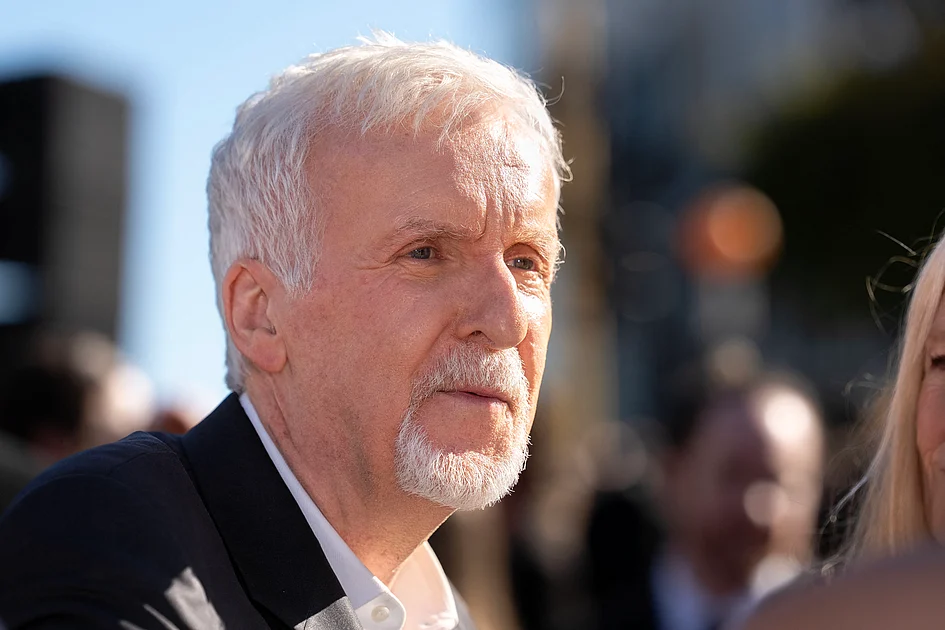
    Legendary filmmaker James Cameron has definitively closed one of cinema’s most enduring debates regarding the fate of Leonardo DiCaprio’s character in Titanic. During an appearance on The Hollywood Reporter’s Awards Chatter podcast, the three-time Academy Award winner expressed exhaustion with persistent questions about whether Jack Dawson could have survived the 1912 shipwreck by sharing the floating door with Rose (Kate Winslet).

    Cameron revealed that extensive scientific testing was conducted to examine this exact scenario. ‘We even went to the lengths of doing an experiment to see if Jack could have in any way survived, or if they could have both survived,’ the director stated, expressing frustration that his previous explanations had been overlooked by dedicated fans.

    The director provided a detailed technical analysis, explaining that survival would have required specific knowledge of hypothermia management that simply didn’t exist in 1912. ‘If Jack somehow was an expert in hypothermia and somehow knew what science now knows back in 1912, it is theoretically possible, with a lot of luck, that he might have survived,’ Cameron conceded before delivering his final verdict: ‘Therefore, the answer is no, he could not have. There’s no way. The conditions were not met.’

    This scientific approach reflects Cameron’s renowned commitment to accuracy and narrative precision, qualities that have contributed to his unprecedented commercial success. The director recently made history as the only filmmaker to deliver four billion-dollar productions, with Titanic and his Avatar franchise demonstrating his unique ability to combine rigorous scientific foundations with blockbuster storytelling.
  • Ankabut and WeVideo partner to advance video-based learning and digital creativity across the GCC

    Ankabut and WeVideo partner to advance video-based learning and digital creativity across the GCC

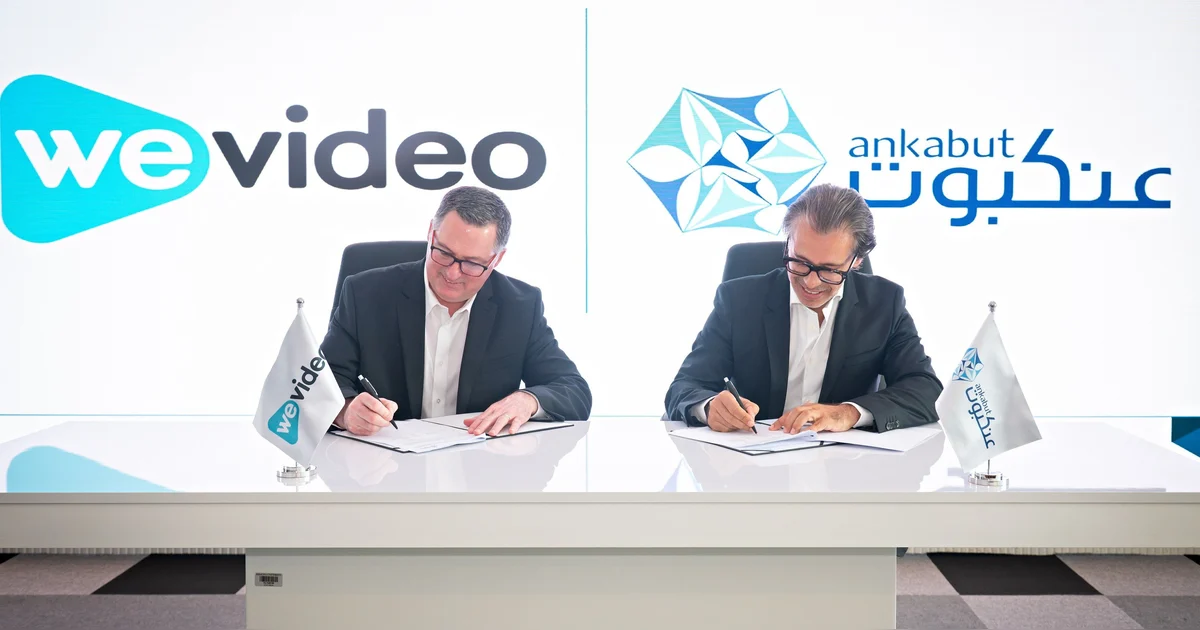
    In a significant move to transform educational technology across the Gulf Cooperation Council, Ankabut, the UAE’s premier provider of advanced technological solutions for education and research, has forged a strategic alliance with WeVideo, a globally recognized cloud-based video learning platform. This partnership marks a pivotal advancement in digital pedagogy, aligning with the UAE’s comprehensive national strategy to embed innovation and digital excellence at the heart of its education system.

    The collaboration will integrate WeVideo’s sophisticated video creation and editing tools into Ankabut’s existing portfolio of educational technologies. This integration is designed to vastly expand accessibility to creative digital resources, supporting the UAE’s broader agenda to cultivate a knowledge-based economy. National initiatives such as the National Strategy for Higher Education 2030 and various digital transformation policies provide the foundational framework for this endeavor.

    Through this enhanced technological capability, the partnership aims to equip universities, K-12 institutions, and professional training organizations with intuitive and powerful tools for creating interactive content, facilitating video-based learning, and enabling seamless digital collaboration. The objective is to empower educators to foster greater student engagement, creativity, and critical 21st-century skills, thereby accelerating the development of a more connected and intelligent educational ecosystem throughout the GCC.

    Tarek Jundi, CEO of Ankabut, emphasized the strategic nature of the initiative, stating, ‘Our dedication lies in delivering cutting-edge solutions that directly support the UAE’s vision for a knowledge-driven economy. The incorporation of WeVideo addresses the escalating demand for dynamic, active learning tools and guarantees that our member institutions maintain a leadership position in global educational innovation.’

    Echoing this sentiment, Kevin Knight, CEO of WeVideo, highlighted the importance of the regional expansion, noting, ‘This partnership with Ankabut is a cornerstone of our global education strategy and our entry into the GCC market. Their unparalleled regional expertise and established relationships are ideal for ensuring the platform’s seamless integration. Together, we will enable countless educators and students to narrate their stories, showcase their learning, and propel the region’s shift toward a more creative and collaborative digital pedagogy.’

    The formal Framework Agreement establishes Ankabut as WeVideo’s primary go-to-market partner across the GCC, tasked with ensuring the smooth implementation of the platform within educational institutions and national digital learning projects. By merging Ankabut’s regional infrastructure and networking prowess with WeVideo’s acclaimed platform, the collaboration is set to deliver more dynamic, engaging, and personalized learning experiences, thereby reinforcing the GCC’s status as a frontrunner in technology-enabled education.

  • The full text of Trump’s ‘Board of Peace’ charter

    The full text of Trump’s ‘Board of Peace’ charter

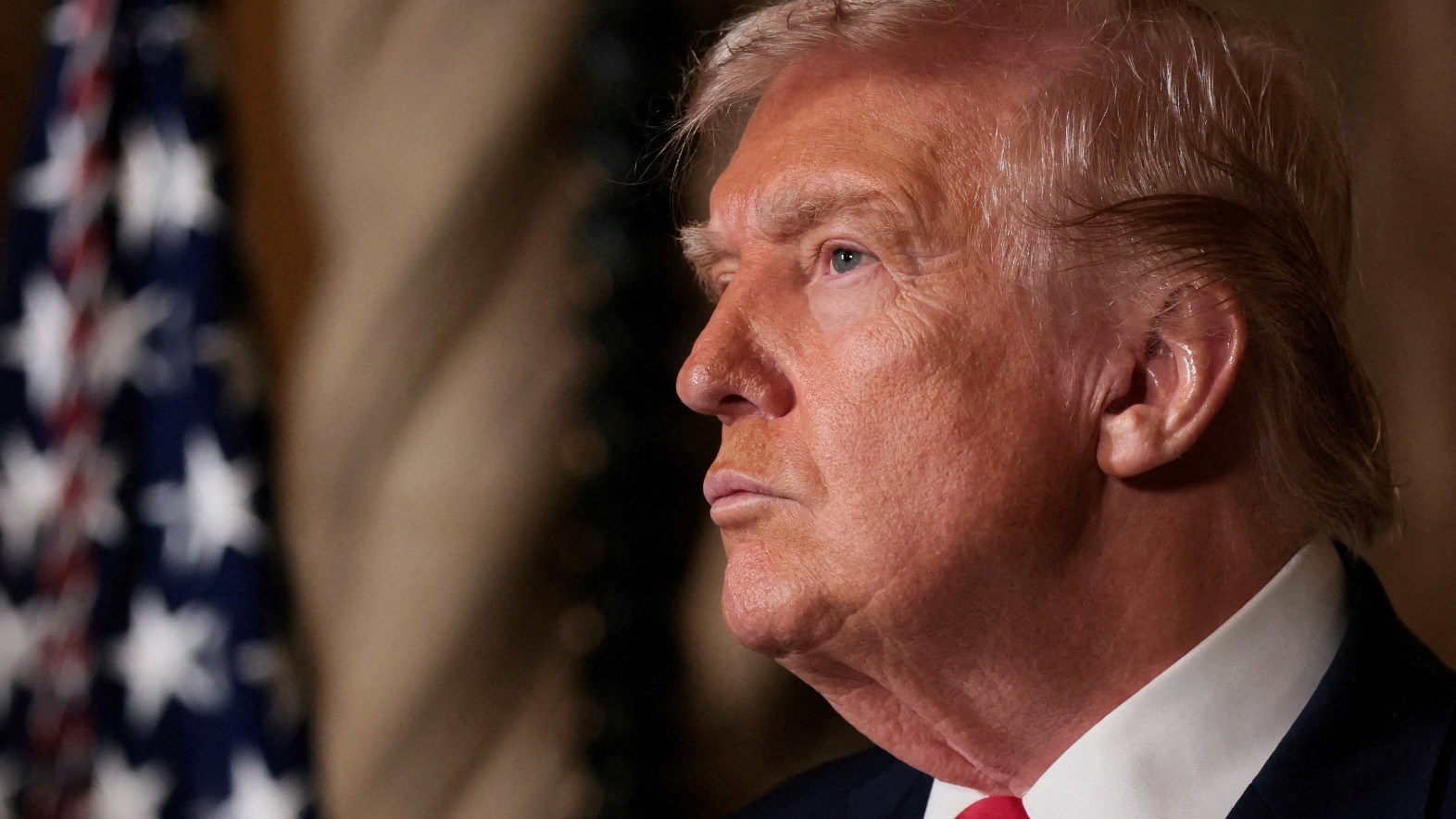
    A newly obtained charter document reveals former US President Donald Trump’s proposed “Board of Peace” represents a direct challenge to established international institutions, particularly the United Nations. Middle East Eye has acquired the comprehensive charter outlining an alternative global governance framework that significantly centralizes power within its leadership structure.

    The initiative, originally conceptualized during Trump’s response to the Gaza conflict, has evolved into a broader institutional framework that pointedly criticizes existing peacebuilding approaches. The charter explicitly states that durable peace requires “the courage to depart from… institutions that have too often failed,” while advocating for a “more nimble and effective international peace-building body.”

    Notably, the charter establishes Donald J. Trump as the inaugural Chairman with extensive authority, treating the position as a personal role rather than one tied to the U.S. presidency. The document specifies that Trump “shall serve as inaugural Chairman” without reference to the presidential office or fixed term limits, while granting him exclusive authority to create, modify, or dissolve subsidiary entities.

    The governance structure establishes a two-tier system: a general assembly of Member States represented by their Heads of State or Government, and an Executive Board selected by the Chairman consisting of “leaders of global stature.” Decision-making power ultimately rests with the Chairman, who maintains veto authority over Executive Board decisions and final interpretation of the charter.

    Membership requires invitation from the Chairman and features unusual provisions, including three-year terms for most states except those contributing over $1 billion within the first year. The Chairman retains authority to remove member states subject to a two-thirds majority veto, while states can withdraw immediately with written notice.

    As of January 19th, dozens of countries including Turkey, Egypt, India, Pakistan, and Saudi Arabia have received invitations, though most governments have responded cautiously. Only Hungarian Prime Minister Viktor Orbán, a known Trump ally, has confirmed acceptance of membership.

    The charter establishes English as the official language and designates the United States as depositary for all official documents. Financial provisions rely on voluntary funding from member states and other sources, while granting the organization international legal personality with capacity to enter contracts, acquire property, and institute legal proceedings.

    The Board of Peace would continue indefinitely unless dissolved by the Chairman, with automatic dissolution at the end of every odd-numbered year unless renewed by November 21st. This structure creates a potentially parallel international system with significantly different governance principles from existing multilateral institutions.

  • Spanish PM vows to find cause of deadly high-speed train crash

    Spanish PM vows to find cause of deadly high-speed train crash

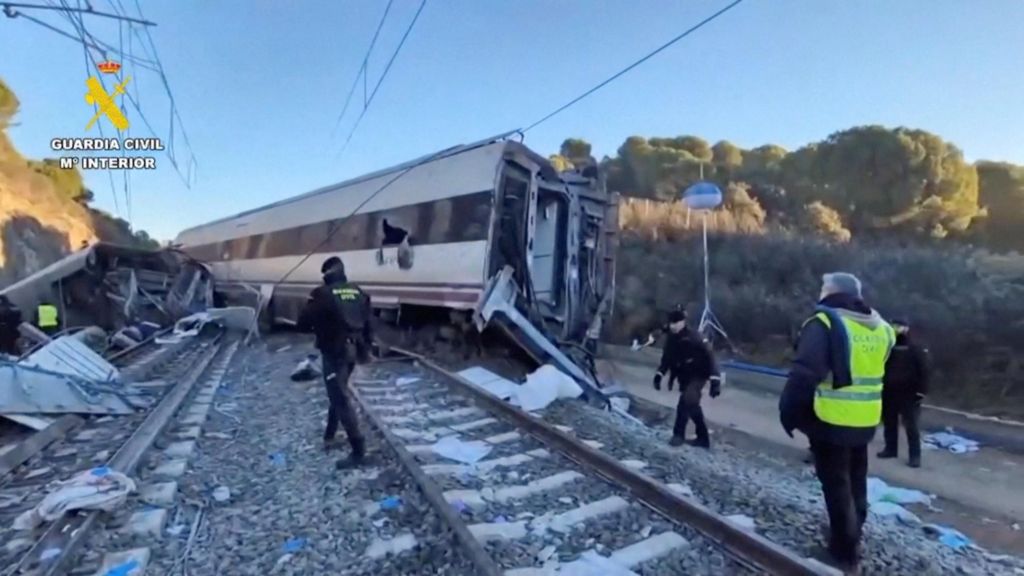
    Spain has been plunged into a state of profound grief following the nation’s most devastating rail catastrophe in over a decade. A catastrophic collision between two high-speed trains in the southern region of Adamuz on Sunday evening has resulted in a confirmed death toll of at least 40 individuals, with over 120 passengers sustaining injuries.

    The tragedy unfolded at approximately 19:45 local time when a northbound train from Málaga to Madrid derailed on a straight section of track near Córdoba. The force of the derailment propelled carriages across the central reservation into the path of an oncoming southbound service traveling from Madrid to Huelva. The impact was so violent that it pushed multiple carriages into a steep embankment, creating a scene of twisted wreckage that has severely hampered rescue operations.

    Spanish Prime Minister Pedro Sánchez, who visited the disaster site with senior officials, announced three days of national mourning and vowed to conduct a transparent investigation into the causes of the tragedy. ‘This is a day of sorrow for all of Spain,’ Sánchez stated solemnly to reporters. ‘We are committed to uncovering the truth with absolute transparency and will publicly share our findings.’

    Transport Minister Óscar Puente characterized the incident as ‘extremely strange,’ noting that the official investigation could require at least one month to complete. Preliminary reports from sources briefed on initial findings suggest investigators have identified a faulty rail joint that may have created a dangerous gap between track sections, though it remains uncertain whether this defect caused the derailment or resulted from it.

    Rescue teams continue to work meticulously at the crash site, where the complex entanglement of train wreckage has made extracting trapped victims exceptionally challenging. The Italian-manufactured Freccia 1000 trains involved in the collision are capable of reaching speeds up to 400 km/h (250 mph), though the actual speed at the time of impact remains under investigation.

    Emergency services have treated 122 injured passengers, with 41 still hospitalized—including 12 in intensive care units. The Spanish Red Cross has deployed crisis support teams to provide counseling for distraught families, many of whom are experiencing severe anxiety amid the chaotic identification process.

    Spain’s extensive high-speed rail network, the second largest globally after China’s, has suspended all services between Madrid and southern cities including Málaga, Córdoba, Sevilla, and Huelva until Friday as the investigation continues.

  • ‘I’m coming after you’ Hanson’s warning to the PM

    ‘I’m coming after you’ Hanson’s warning to the PM

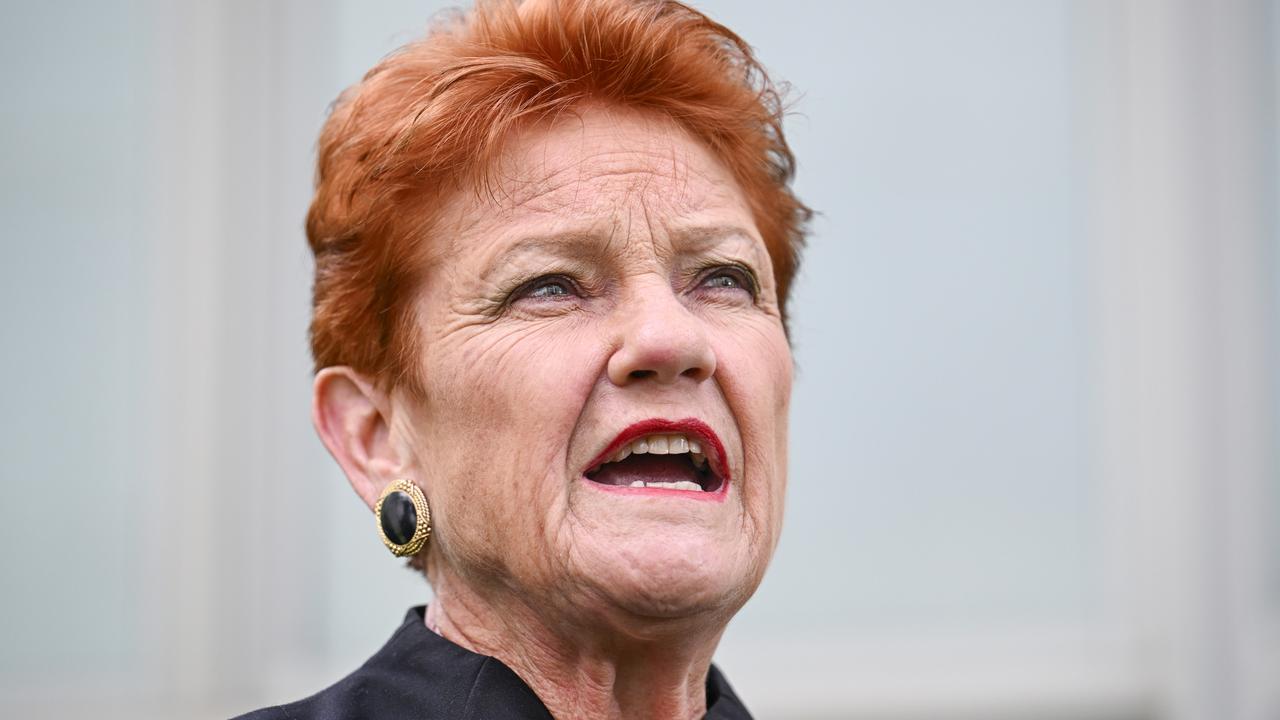
    Australian political discourse has intensified dramatically as One Nation leader Pauline Hanson launched a fierce counterattack against Prime Minister Anthony Albanese, responding to his characterization of her party’s growing influence as concerning. The exchange marks a significant escalation in political rhetoric amid unprecedented polling numbers for the minority party.

    Prime Minister Albanese initially expressed apprehension about One Nation’s surge during a radio interview on KIIS FM’s Kyle and Jackie O show, describing the party as a divisive force capitalizing on public grievances. He specifically highlighted concerns about right-wing populism gaining traction and creating societal divisions.

    The political climate shifted considerably when recent Newspoll data revealed extraordinary developments in voter preferences. One Nation achieved a historic breakthrough, securing 22% of the primary vote according to The Australian’s survey. This remarkable 8-point increase since the May 3 election represents the first instance in Australian political history where a minor party has surpassed a major party in polling, with the Coalition trailing at 21% while Labor maintained 32%.

    Hanson delivered her rebuttal during a Sky News appearance, employing strong language to condemn the Prime Minister. She labeled Albanese the worst prime minister in Australia’s history and accused him of hypocrisy regarding divisive leadership. The One Nation leader specifically referenced the failed Voice to parliament initiative and alleged insufficient action against antisemitism as evidence of Albanese’s own divisive governance.

    The political confrontation concluded with Hanson issuing dual warnings—first directly challenging Albanese’s position by vowing to campaign vigorously for his removal in the next election, and second cautioning Opposition Leader Sussan Ley against collaborating with Labor on proposed hate speech legislation currently before parliament, which Hanson characterized as fundamentally flawed.

  • Cameras in some Sharjah petrol stations to be linked with police systems

    Cameras in some Sharjah petrol stations to be linked with police systems

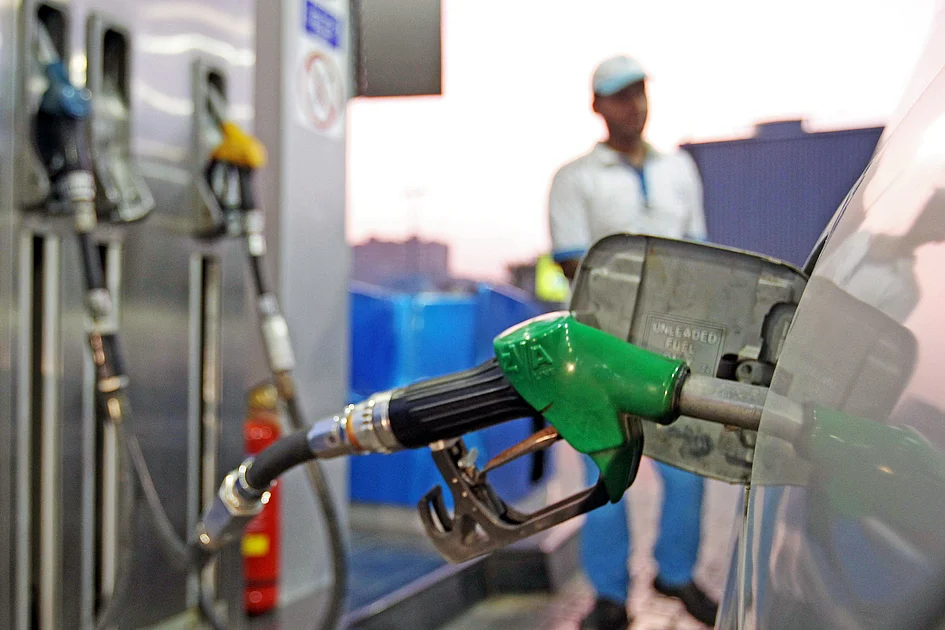
    Sharjah authorities have announced a significant security enhancement initiative that will integrate surveillance systems at ADNOC fuel stations with the emirate’s police operations center. This strategic move aims to substantially improve emergency response capabilities and optimize report-handling efficiency throughout the city’s petroleum distribution network.

    The groundbreaking security collaboration emerged from high-level discussions between Shaikha Al Khouri, Director of Operations Assurance at ADNOC Distribution, and senior Sharjah Police officials. The meeting, attended by numerous representatives from both organizations, focused on strengthening institutional cooperation and developing integrated approaches to public safety initiatives.

    This interagency partnership represents a concerted effort to bolster Sharjah’s comprehensive security infrastructure through technological integration. By establishing direct surveillance links between retail fuel locations and law enforcement command centers, authorities anticipate significantly reduced response times to incidents and enhanced monitoring capabilities across the urban landscape.

    The initiative forms part of broader strategy to implement smart security solutions that leverage existing infrastructure while creating new synergies between private enterprise and public safety organizations. This approach demonstrates Sharjah’s commitment to innovative crime prevention methodologies that prioritize community protection through public-private cooperation.

  • Look: Why everyone’s speculating over Kriti Sanon’s boyfriend

    Look: Why everyone’s speculating over Kriti Sanon’s boyfriend

    Bollywood sensation Kriti Sanon has become the center of intense romantic speculation following recent social media activity from rumored beau Kabir Bahia. The entertainment circles are abuzz after Bahia posted intimate photographs from the lavish Udaipur wedding of Sanon’s sister, Nupur Sanon, who married actor Stebin Ben in a dreamy ceremony.

    The Instagram upload featured several captivating images showing Bahia and Kriti Sanon together at various wedding functions. During the Christian ceremony, the actress dazzled in an elegant turquoise blue gown while Bahia complemented her in a sophisticated white tuxedo. Additional photographs captured the couple during the traditional Haldi ceremony, where they appeared comfortably close and genuinely happy in each other’s company.

    Social media reactions erupted immediately following the post’s publication. Fans flooded the comments section with enthusiastic responses, with one follower exclaiming, ‘Finally Kabir and Kriti in one frame,’ while others expressed admiration for their apparent chemistry. Notably, Sanon herself acknowledged the post with a ‘like,’ though neither party has officially confirmed the nature of their relationship.

    This development follows previous instances that fueled dating rumors. Last November, Sanon shared a beachside selfie with Bahia on her Instagram Stories to celebrate his birthday, accompanied by a heartfelt caption: ‘Happy Birthday to the one I can be stupid with! May this world never change the good heart you have!’

    While the romance speculation continues to dominate entertainment news, Sanon maintains professional momentum with multiple upcoming projects, including the anticipated sequel ‘Cocktail 2’ alongside co-stars Shahid Kapoor and Rashmika Mandanna.

  • Beyond consensus: How valuation, certification, and digitalisation are securing the KP’s future

    Beyond consensus: How valuation, certification, and digitalisation are securing the KP’s future

    The Kimberley Process (KP), the international mechanism governing the diamond trade, has concluded its landmark ‘Year of Best Practice’ following its November 2025 Plenary. Under the custodianship of the United Arab Emirates, the initiative has significantly advanced its operational framework through three core pillars: transparent valuation, global certification standards, and comprehensive digitalization. These measures are designed to combat the flow of conflict diamonds, close systemic loopholes, and ensure mineral wealth benefits producing nations and their local communities.

    A primary defense against illicit trade is robust and impartial diamond valuation. Accurate assessment strengthens the alignment between physical shipments and their accompanying KP certificates, creating a verifiable chain of custody. Conversely, arbitrary or weak valuation immediately creates vulnerabilities for exploitation. Practices like under-invoicing rough diamonds directly deprive producing countries of crucial tax and royalty revenues, undermining governance and perpetuating the very abuses the KP was established to prevent. Effective valuation must encompass full Run-of-Mine production, maintain complete independence from producer bias, and be driven by rigorous, market-based analytics connected to major trading hubs like Dubai. Platforms such as WWW International Diamond Consultants and DCi’s E Valuer provide critical independent benchmarks, while specialists like Mercury Diamond employ Transaction Based Valuation to derive rough prices from polished wholesale data, capturing true market value.

    Operational integrity is now measurable through international standards. The UAE KP office has set a global benchmark by becoming the only participant among the 86 represented countries to achieve and maintain ISO 9001:2015 certification, successfully renewing it three times over six years. This certification translates into tangible accountability, meaning all internal processes—from membership administration to data verification—are continuously managed, externally audited, and aligned with internationally recognized best practices. Achieving this required the documentation of 60 operational procedure manuals, which streamlined workflows and ensured consistent handling of every case, providing a proven model for other participants to strengthen their own governance.

    Digital transformation represents the third pillar of modernization. The development of the KP’s digital certification platform, Verifico, marks a pivotal shift from vulnerable paper-based certificates to secure digital records, potentially reinforced by blockchain or QR code technology. This move drastically reduces the risk of physical certificate fraud and enables faster, more reliable verification between border authorities. Furthermore, digitalization unlocks the potential for artificial intelligence (AI) to conduct real-time analysis of trade flows. AI can detect anomalies in volume, value, and routing, as well as weaknesses in operational controls connected to mining and manufacturing, transforming the KP from a reactive administrative body into a proactive compliance mechanism.

    With its ‘Year of Best Practice’ complete, the KP’s focus on operational excellence provides the essential administrative foundation for its long-term legitimacy and strength. As India assumes the 2026 Chairmanship and Ghana the Vice Chair, the KP is positioned to continue evolving with integrity, ensuring every diamond in the legitimate trade is defined by rigor and an unwavering commitment to a conflict-free future.

  • At the scene of Spain’s worst rail disaster in over a decade

    At the scene of Spain’s worst rail disaster in over a decade

    A substantial security perimeter has been established around the location of Spain’s most severe railway catastrophe in more than ten years. BBC correspondent Guy Hedgecoe provided firsthand observations from the scene, describing a landscape dominated by emergency response protocols and a palpable atmosphere of official inquiry. The incident, which marks the darkest moment for the nation’s rail infrastructure in recent memory, has triggered a comprehensive mobilization of law enforcement and crisis management teams. The cordon signifies the commencement of what is anticipated to be a meticulous and prolonged investigation into the causative factors behind the disaster. The presence of a significant police force underscores the gravity of the situation and the priority placed on securing evidence and managing the aftermath. The site itself has transitioned from a scene of immediate rescue operations to one of forensic examination, as authorities work to determine the sequence of events that led to this tragic outcome.

  • Intercontinental Commodity Exchange 2026 summit to convene global leaders in Dubai

    Intercontinental Commodity Exchange 2026 summit to convene global leaders in Dubai

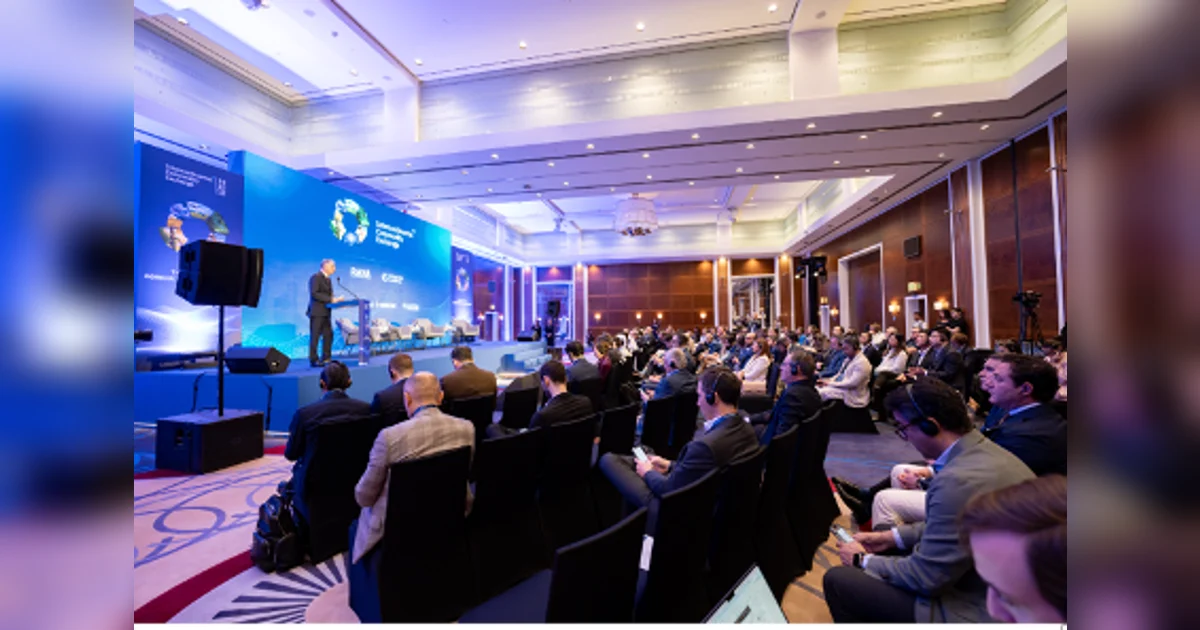
    Dubai is set to host the Intercontinental Commodity Exchange (ICX) 2026 Summit on January 29 at the Museum of the Future, assembling government officials, agricultural exporters, and logistics experts to address critical threats to global food security. The convening occurs during one of the most strained periods for agricultural systems in decades, with particular focus on disruptions across the Black Sea region—a vital export corridor for grains and oilseeds.

    Supply chains to MENA, Africa, and Asia have been severely destabilized, compelling importers to seek alternative sources under conditions of elevated cost, extended transit durations, and heightened operational risk. These challenges are compounded by attacks on export infrastructure, shifting energy dynamics—including Venezuela’s evolving role—and persistent security threats in the Red Sea, a crucial maritime passage.

    Philip Werle, Executive Director of ICX, emphasized the urgency: “The summit was established under the recognition that stable food supply can no longer be assumed. With freight routes imperiled and energy markets in flux, closer collaboration between governments and market participants is essential to preempt systemic crisis.”

    The event will feature high-level participation from key agricultural nations, including Kazakhstan’s Minister of Agriculture Aidarbek Saparov, alongside delegates from Egypt, Brazil, and Argentina. UAE entities such as the Abu Dhabi Agriculture and Food Safety Authority (ADAFSA) and the Arab Authority for Agricultural Investment (AAAID) will also contribute, underscoring the Emirates’ strategic role in food security governance.

    Major market institutions including Al Dahra, Agthia, and Transoil Group are slated to attend, alongside sponsors like FERGUS Kazakhstan and Turkish trading firm MEKE, which operates across Black Sea territories. The dialogue will center on stabilizing trade routes, safeguarding import-dependent regions, and ensuring long-term commodity availability in an increasingly volatile geopolitical landscape.