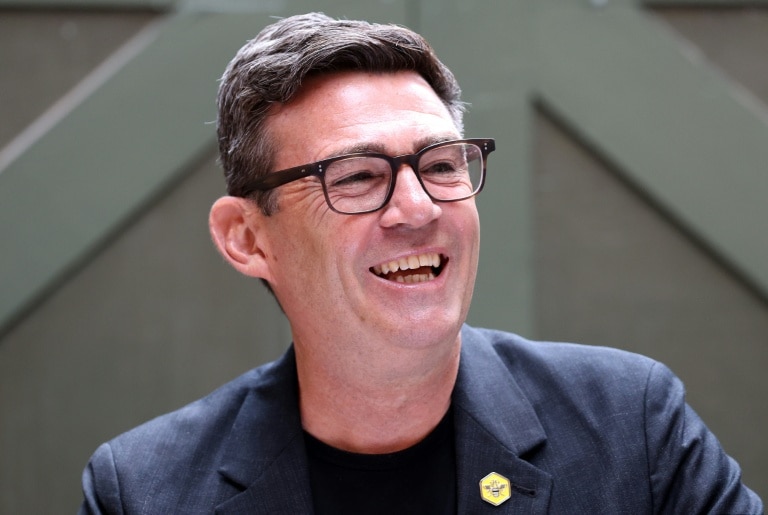
Britain’s ruling Labour Party is preparing to formally name veteran centre-left politician Andy Burnham as its new leader and the United Kingdom’s next prime minister during a special party conference scheduled for Friday. With Labour holding an overwhelming parliamentary majority, the 56-year-old politician will officially move into 10 Downing Street this coming Monday, marking an extraordinary political comeback just four weeks after he won a parliamentary by-election and returned to the House of Commons following a nine-year absence. Once in office, Burnham will become the UK’s seventh prime minister in just 10 years, a statistic that highlights growing parliamentary volatility in British politics, as sitting MPs increasingly withdraw support from their own party leaders when governments face political turbulence. Widely known by his nickname the “King of the North” for three consecutive victories in the Greater Manchester mayoral election, Burnham faced no opponents in the Labour leadership contest. This marks his third bid for the party’s top job, following failed runs in 2010 and 2015 when he lost to Ed Miliband and Jeremy Corbyn respectively. A former Labour MP between 2001 and 2017 and one-time government minister, Burnham has rebranded his public image over the past years, emerging as a populist, relatable figure who blends an approachable, down-to-earth demeanor with polished, engaging social media content. Labour parliamentarians are pinning their hopes on Burnham to outperform his predecessor Keir Starmer in public communication, and to implement a more ambitious agenda to repair Britain’s struggling public services and reignite sluggish economic growth. “We’ve got to give people a lift, haven’t we? We’ve got to give people a stronger sense of hope and a feeling that the country’s on the way back,” Burnham stated in a recent podcast interview with former professional footballer Gary Lineker on Wednesday. The party is gambling that Burnham is its strongest candidate to counter the rise of Nigel Farage’s anti-immigration Reform UK, which current polling predicts is on track to win the next general election scheduled for 2029. Starmer led Labour out of 14 years of opposition to secure a landslide general election victory over the Conservative Party in July 2024, ending a period of Conservative rule that saw four different prime ministers rotate through office in just five years. However, Starmer’s short premiership was quickly marred by a string of domestic policy missteps and damaging controversies, most notably his decision to appoint Peter Mandelson, a former associate of disgraced financier Jeffrey Epstein, as British ambassador to the United States. Disappointing results for Labour in May’s local and regional elections piled overwhelming pressure on Starmer, which became untenable after Burnham won the June 18 by-election that cleared his path to launch a leadership bid. The vast majority of Labour MPs quickly pulled their support for Starmer, forcing him to announce his resignation on June 22. Later that same day, dozens of Labour lawmakers welcomed Burnham during his parliamentary swearing-in ceremony, a clear public signal that the party elite was ready to anoint him as Starmer’s replacement. A member of the party’s soft left faction, Burnham has secured the public backing of 379 out of Labour’s 403 sitting MPs. No other candidate managed to collect the 81 parliamentary nominations required to launch a leadership challenge. Speaking after securing the leadership, Burnham said he was “deeply grateful” for the cross-factional support and trust extended to him by his parliamentary colleagues. “That is the circuit breaker I am offering: power out of Westminster, an economy rewired for ordinary people, and good growth in every postcode,” he said. Burnham’s signature policy proposal is widespread devolution of government power to regional cities, including the creation of a “No. 10 North” headquarters based in Manchester to address longstanding neglect of regions outside of London. Despite the high hopes within Labour for his premiership, Burnham inherits the same daunting set of challenges that brought down Starmer: a stagnant national economy, elevated government borrowing costs, and ongoing small-boat irregular migration that has boosted support for the right-wing Reform UK. External shocks, including volatile energy prices driven by the ongoing US-Iran conflict and the unpredictable trade and foreign policy approach of US President Donald Trump, also pose major risks to his premiership. Before taking office, Burnham will meet with King Charles III, the UK’s head of state, to formalize his appointment. He has pledged to honor Labour’s 2024 general election manifesto commitment not to raise the country’s core taxes. This pledge leaves him needing to find alternative funding sources to fill a £4.7 billion ($6.3 billion) four-year gap in the national defence investment plan, while also navigating the deeply contentious political issue of welfare reform.
博客
-

John Esposito, would-be Catholic priest turned renowned scholar of Islam, dies aged 86
John Esposito, a globally celebrated American scholar, professor and author whose lifelong work upended pervasive Western stereotypes of Islam and Muslims, passed away at 86 on July 15 due to complications from heart surgery. His death was announced this week by colleagues at Georgetown University, his long-time academic home in Washington, D.C.
Born to an Italian Catholic family in Brooklyn, New York, Esposito never set out to become one of the world’s foremost voices on Islamic studies. He initially planned to become a Franciscan priest, but a required year of study in world religions while pursuing a PhD in Catholic theology at Temple University changed the trajectory of his life and career. It was there that he met pioneering Palestinian-American Islamic scholar Ismail al-Faruqi, who took Esposito on as his first doctoral student and encouraged him to study Arabic.
Immersed in a classroom majority made up of Muslim students from across the globe, from Egypt to Malaysia and Indonesia, Esposito quickly developed a deep fascination with Islamic life, religious law and its intersection with global politics that would shape his 50-plus year career. He completed his PhD in 1974, when academic positions and publishing opportunities in Islamic studies were virtually non-existent — a landscape that shifted dramatically after the 1979 Iranian Revolution, a turning point he later joked launched his entire career.
Over decades of work, Esposito wrote, edited and contributed to nearly 55 books on Islam, the vast majority of which pushed back against what he identified as widespread misinformation and manufactured narratives about Muslim communities, particularly in the period following the 9/11 attacks. One of his most influential works, *Who Speaks for Islam? What a Billion Muslims Really Think*, co-authored with American Muslim scholar Dalia Mogahed, drew on years of large-scale global Gallup survey data to deliver a factual counter-narrative to the damaging negative stereotypes that dominated Western media coverage of Muslims at the time.
In 1993, Esposito founded Georgetown’s Prince Alwaleed Center for Muslim-Christian Understanding with a $20 million grant from Saudi royal Alwaleed bin Talal, establishing a permanent institutional home for interfaith dialogue and rigorous Islamic scholarship in the United States. He also played a key role in securing a permanent place for Islamic studies within the American Academy of Religion, a milestone that solidified the field’s standing in mainstream U.S. academia. Beyond his institutional work, he was an unflinching critic of government and societal crackdowns on Muslim groups across the globe, and a vocal advocate for causes including Palestinian rights and the release of imprisoned former Pakistani Prime Minister Imran Khan.
News of Esposito’s death drew an outpouring of tributes from academics, global leaders, and public figures across the world, who hailed his intellectual courage, generous mentorship, and lifelong commitment to bridging divides. Georgetown professor of Islamic civilization Jonathan Brown, who counted Esposito as a mentor, wrote on X that Esposito never wavered from advocating for the right of all people to practice their faith freely, and that he “instinctively knew it was wrong to condemn others just because the mob was shouting for it.”
Nihad Awad, executive director of the Council on American-Islamic Relations, noted that Esposito dedicated his career to advancing accurate understanding of Islam and Muslims at a time when prejudice and misinformation dominated public discourse, educating generations of students, policymakers, journalists and religious leaders globally. Hady Amr, the Biden administration’s former top diplomat for Palestinian affairs, called Esposito a “visionary,” adding that the world is “better off for the contributions of Dr Esposito’s mind, heart and spirit.”
Malaysian Prime Minister Anwar Ibrahim, who knew Esposito since the 1970s and often sought his counsel, praised his personal generosity and intellectual rigor, noting he “stuck with me through thick and thin.” Former Turkish President Abdullah Gül added that Esposito’s introduction of Islam to Western audiences was “beautiful and graceful.”
For his groundbreaking work advancing cross-cultural understanding, Esposito was awarded seven honorary doctorates from academic institutions across the world. He remained an active scholar and contributor to Middle East Eye up until his death, leaving a lasting legacy of intellectual courage and radical empathy that has shaped the study of Islam for decades.
-
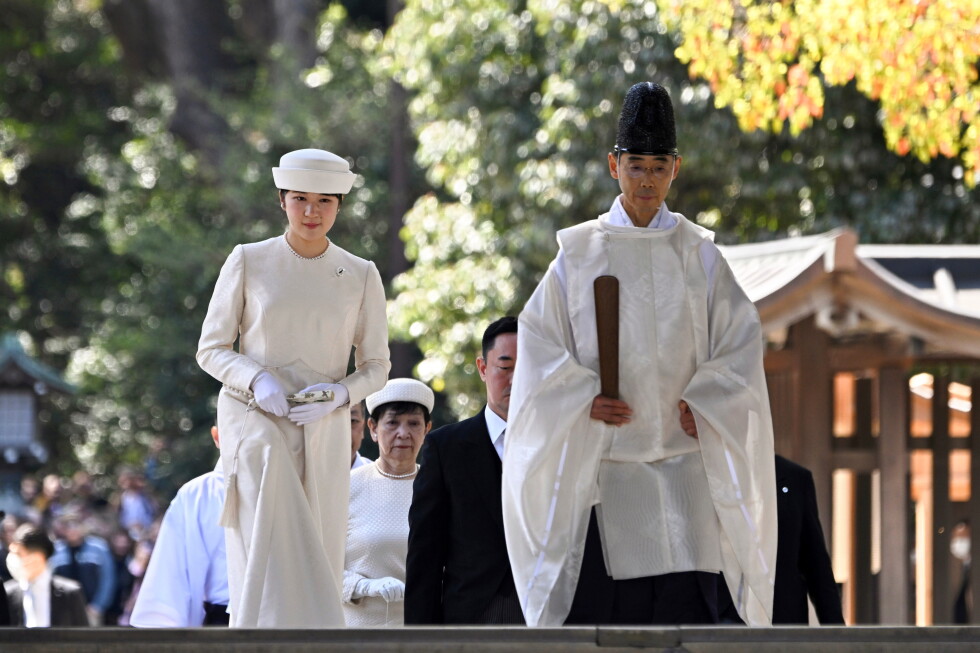
Japan’s imperial family is diminishing. Plan for male-only succession could make it worse
TOKYO — Japan’s parliament is set to approve a controversial revision to the Imperial House Act on Friday, a piece of legislation that critics warn threatens the long-term survival of the country’s 1,500-year-old hereditary monarchy by entrenching a rigid male-only succession rule amid a rapidly shrinking and aging imperial household.
Under the existing law, women born into the imperial family are barred from ascending the Chrysanthemum Throne, even when they are the incumbent emperor’s direct eldest child. This rule blocks 24-year-old Princess Aiko, Emperor Naruhito’s only daughter and one of the most popular members of the royal family, from succeeding her father. Public support for Aiko’s accession remains widespread across Japan, but the law dictates the line of succession will next pass to Naruhito’s 60-year-old younger brother Crown Prince Akishino, followed by Akishino’s 19-year-old son Prince Hisahito — the first male royal child born into the immediate imperial family in four decades. After Hisahito, the next eligible heir is 90-year-old Prince Hitachi, Naruhito’s elderly uncle.
Today, only 5 of the 16 adult members of the imperial family are men, and there are no minor children in the household. This demographic collapse is the core backdrop to the legislative revision, which the government of Prime Minister Sanae Takaichi has framed as necessary to protect the purity of the paternal imperial bloodline, which conservative leaders argue is the only source of the emperor’s symbolic authority and legitimacy. While the current emperor’s mother is a commoner, the Imperial House Law requires all heirs to be born to men of royal descent.
The most contested provision in the revised law would allow the imperial family to adopt unmarried male descendants of distant paternal imperial branches, who gave up their royal status in post-World War II reforms, into the household to sire future heirs. A second, less controversial provision would allow princesses who marry commoners to retain their royal status and official duties, a change from current law that requires them to renounce their titles after marrying outside the imperial family. That change was added to address longstanding criticism of the existing rule that pushed princesses like Mako, Naruhito’s niece, to leave the imperial family entirely after marrying a commoner, a move many observers saw as an escape from the institution’s strict, suffocating constraints.
Scholars and critics have denounced the revision as an explicit move to block female monarchs and entrench patriarchal traditions, rather than a practical solution to the monarchy’s demographic crisis. “It’s a declaration to prevent female monarchs and to defend the male-lineage at all costs,” explained Hideya Kawanishi, a Nagoya University expert on Japanese monarchy. “They cannot say it’s male chauvinism, so they call it tradition.”
Prominent Japanese feminist scholar Chizuko Ueno pointed out the stark irony of the nation’s first female prime minister leading the push for male-only succession. She also criticized the framework’s dehumanizing approach to royal women, noting that it “treat male royals as stallions and put female royals under pressure as ‘childbearing machines’ to produce male offspring.” That pressure already took a documented toll on Empress Masako, a Harvard-educated former diplomat and commoner who developed a stress-related mental health condition after decades of public criticism for failing to produce a male heir following Princess Aiko’s birth.
Even former senior palace officials warn the male-only system leaves the monarchy extremely unstable after Prince Hisahito. “Because of the male-only succession rules and the dismissal of princesses who marry commoners, the monarchy after Hisahito is extremely unstable,” former Imperial Household Agency chief Shingo Haketa told Kyodo News recently.
Historians note the male-only system has not functioned as claimed throughout Japanese history: nearly half of all past emperors were born to concubines, a practice that was abolished 100 years ago under Emperor Taisho, Naruhito’s great-grandfather, eliminating the primary safety net that previously guaranteed male heirs. A 2005 government proposal to reform the law to allow female monarchs was scrapped after Prince Hisahito’s birth, leaving the crisis unaddressed.
Critics also question the practicality of the adoption provision. The distant male relatives eligible for adoption are at least 36 generations removed from Emperor Naruhito, tracing their shared lineage back to a common ancestor 600 years ago, after 51 members of 11 branch imperial families renounced their royal status in 1947 to reduce the postwar financial burden on the monarchy. Many question whether any of these distant relatives would agree to upend their lives to enter the highly restrictive imperial institution, where members have no control over their careers, housing, or personal choices. “Who wants the son of an adoptee who nobody knows to be emperor instead of Aiko?” asked Yoshinori Kobayashi, a cartoonist who has campaigned publicly for Aiko’s succession.
Asahiro Kuni, an 81-year-old former member of a renounced imperial branch who worked as an engineer for a major Japanese corporation, told TBS he would advise his own family to decline any invitation to rejoin the royal household. “It’s cruel to tell 15-year-olds to change the entire course of their life for this,” he said, adding he supports allowing female monarchs to lead the institution.
Polling and public commentary confirm broad public support for Princess Aiko’s accession. “The emperor is a symbolic figure, and I don’t see why women cannot serve in the role,” said Junichiro Tsujimura, 78-year-old founder of a popular sushi chain. Another Tokyo resident, 78-year-old Yoshio Iwase, noted Aiko is the emperor’s direct legitimate heir, adding that “there used to be female emperors in Japan’s history, so why not now?” Japan has had eight female monarchs in its history, with the last being Empress Gosakuramachi who ruled from 1762 to 1770.
Many observers also worry the government’s push to entrench male-only succession runs counter to the legacy of former Emperor Akihito, who abdicated in 2019 after working to modernize the monarchy, connect it closer to the Japanese public, and apologize for Japan’s actions in World War II. Palace watchers widely believe Akihito supports reform to allow female succession, and Emperor Naruhito has also signaled quiet disapproval of the current bill. In a June statement, Naruhito said he hoped discussions on the revision would reach a conclusion “that will gain understanding of the people” — a comment interpreted by observers as a subtle expression of his displeasure with the government’s approach.
-
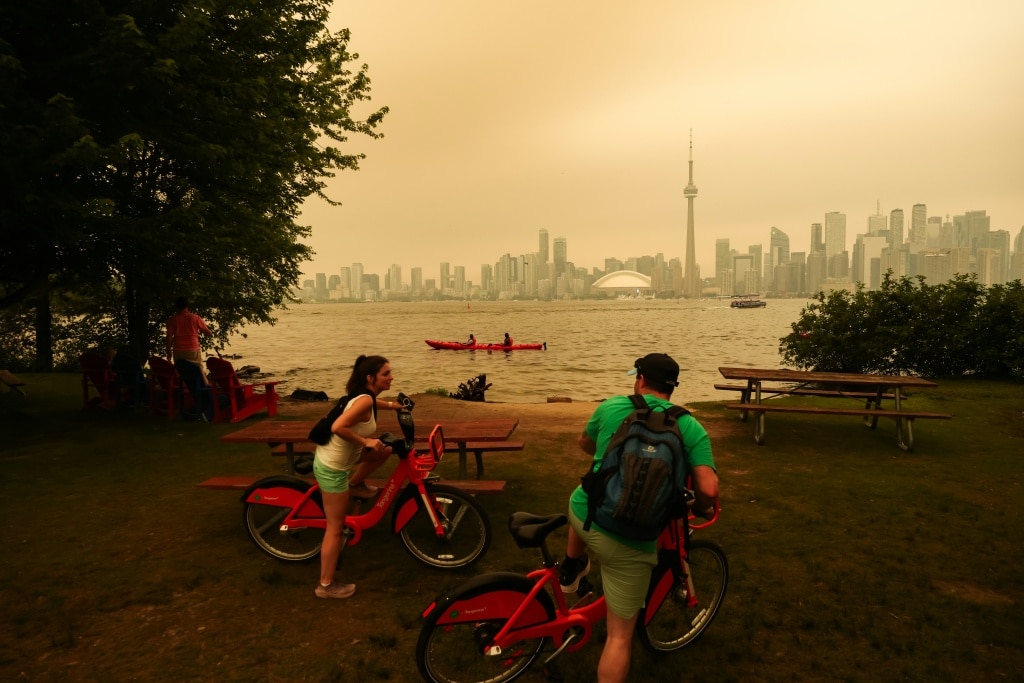
Hazardous Canadian wildfire smoke choking millions in US
Uncontrolled wildfires raging across Canada have sent a thick wave of toxic smoke south into the United States, leaving millions of people across multiple regions grappling with dangerously poor air quality and forcing widespread disruptions to daily life this Thursday. From the iconic Manhattan skyline, which vanished under a dense haze, to the shores of Lake Michigan where Chicago ordered all public beaches closed, the impact of the cross-border smoke has been felt across the Northeast and Upper Midwest. States adjacent to the Canadian border—including Minnesota, Wisconsin, Michigan, and Illinois—have borne the brunt of the pollution, with air quality in major population centers plummeting to unprecedented levels. By Thursday evening, global air quality tracker IQAir ranked Chicago and Detroit as the two most polluted cities on Earth, with New York City trailing just a few spots behind. Across New York’s entire metropolitan region and Long Island, state officials confirmed the smoke carries fine particulate matter that is harmful to all groups, regardless of age or pre-existing health conditions. Conditions are even more severe in central and western parts of the state. Local authorities have urged residents to limit outdoor activity as much as possible, with New York City Mayor Zohran Mamdani warning the combination of extreme heat and toxic air poses a “serious threat” to public health. To support vulnerable communities, the city has opened hundreds of cooling centers for residents without access to home air conditioning, and distributed free masks at public libraries and train stations. New York City’s Department of Emergency Management noted this event could become the most severe smoke incident the city has faced since the record-breaking event of 2023, when city skies turned a surreal orange and the air quality index (AQI) hit a hazardous 465. Officials added they are continuing to monitor conditions closely for any further deterioration. Across the Upper Midwest, air quality readings on Thursday have already far outpaced the 2023 New York peak, according to U.S. Environmental Protection Agency data. By mid-afternoon, Chicago, Toledo, Ohio, and parts of Minnesota close to the Canadian fire lines recorded AQI scores exceeding 700, placing them firmly in the “hazardous” category—the worst possible ranking for air quality. A Major League Soccer fixture in Chicago was postponed, and dozens of local governments across the region have scrapped all scheduled outdoor events to avoid putting attendees at risk. Erin Lucey, a 38-year-old organic vegetable farmer in south-central Wisconsin, told AFP she and her farm crew spent Thursday morning harvesting crops while wearing protective masks to filter out the haze, even in sweltering humid conditions. “Our chests feel tight,” Lucey said, describing the combination of wildfire smoke, recent extreme heat, and drought-parched fields as “eerie.” “We are all thinking of the delicate balance of growing food in this type of future, and remarking how we can’t imagine what it will be like here in 100 years,” she added. “If people were outside like us working and seeing how everything looks, if they didn’t have the convenience of air conditioning, we would be making much faster changes to address the climate crisis.” The Michigan Department of Environment, Great Lakes, and Energy expects hazardous conditions to persist through Friday, noting that official smoke models only produce reliable forecasts 48 hours in advance. “That model is currently showing improvements on Saturday, but it is likely that smoke will linger and recirculate for a while,” the agency stated. On the Canadian side of the border, the situation remains equally critical. Toronto is also struggling with dangerous air quality, and latest official data shows more than 130 active wildfires burning across northwestern Ontario, with at least 60 classified as out of control. Provincial authorities have formally requested additional support from the Canadian federal government, specifically asking for air assets to help evacuate remote, fire-threatened communities. Ontario Provincial Police confirmed that 15 communities and their surrounding areas have already been fully evacuated. “More than 150 fire crews and nearly 50 firefighting aircraft are working around the clock to protect communities from the fires in northern Ontario,” Ontario Premier Doug Ford announced in a post on X. So far in 2026, Canadian wildfires have burned at least 1.9 million hectares (4.7 million acres) of land—an area nearly the size of the European country of Slovenia. While this year’s total burn area remains far below the record set in 2023, when almost 18 million hectares burned across Canada during the nation’s worst wildfire season on record, the cross-border impact of this latest event has already been extreme.
-
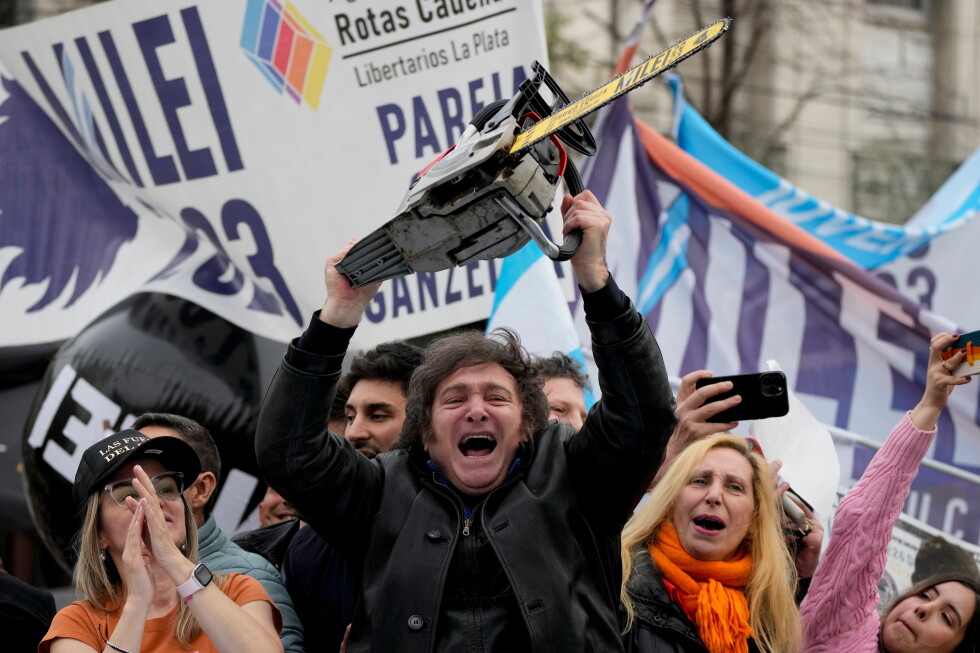
Argentine President Milei won’t attend the World Cup final, citing superstition
As Argentina’s national men’s soccer team prepares to face Spain in the highly anticipated FIFA World Cup final this Sunday, President Javier Milei has made a surprising announcement that highlights the deep cultural connection between sports and ritual in the South American nation: he will not travel to the match venue in New Jersey to attend the game in person, despite widespread expectations that he would join U.S. President Donald Trump and FIFA chief Gianni Infantino for the high-profile showdown. Instead, Milei will stick to the routine that has brought Argentina victory so far in the tournament, watching the match from his official presidential residence in Olivos.
-

Alleged killer cop’s mother makes court appearance
In a rare public appearance that drew fresh attention to one of Australia’s most high-profile pending murder cases, 63-year-old Coleen Lamarre appeared before Sydney’s Downing Centre Local Court on Friday, marking her first court attendance since being released on bail last month over allegations she tampered with a witness in her son’s upcoming double murder trial.
Lamarre, a former officer with the New South Wales Police Force, is the mother of Beau Lamarre-Condon, a disgraced ex-cop accused of murdering 26-year-old Jesse Baird, a popular television presenter for Network 10, and Baird’s partner Luke Davies, a 29-year-old Qantas flight attendant, in an alleged double homicide earlier this year. Lamarre-Condon has been formally charged with two counts of murder and is currently awaiting his trial before the New South Wales Supreme Court, which is scheduled to commence before the end of 2024.
Coleen Lamarre was taken into custody on remand in April after being arrested on a single charge of performing an act intended to pervert the course of justice, related to allegations she attempted to pressure a key witness in her son’s prosecution. She was granted bail and released from Sydney’s Dillwynia Correctional Centre on July 7, and Friday’s hearing was her first public court appearance following her release.
During the hearing, Lamarre’s defense counsel John Walford requested an eight-week extension of his client’s current bail conditions from Judge Greg Grogin. The request was granted by the court, and Lamarre’s next scheduled court appearance has been set for September 11. Authorities have emphasized that Coleen Lamarre is not facing any charges connected to the deaths of Baird and Davies, and is only accused of interfering with the judicial process ahead of her son’s trial.
The case has captured widespread public attention across Australia due to the high-profile backgrounds of both the alleged victims and the accused, who was a serving police officer at the time of his arrest. This ongoing coverage will be updated as additional details of the case and upcoming legal proceedings emerge.
-
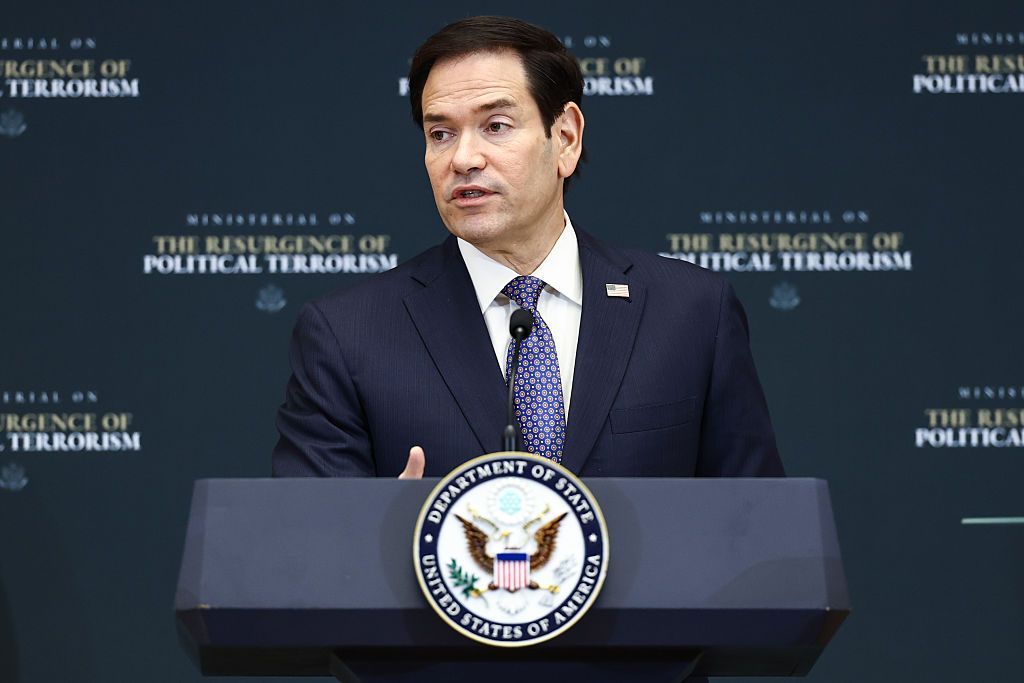
Rubio calls for global crackdown on far-left extremism
The Trump administration has brought together senior officials from more than 60 nations across Europe, Latin America, Asia and beyond for a high-stakes Washington summit focused on addressing what top U.S. diplomat Marco Rubio frames as a rapidly expanding transnational threat: left-wing terrorism.
In opening remarks to Thursday’s closed-door session, Secretary of State Rubio called on participating countries to deepen cross-border intelligence sharing and coordinate joint counterterrorism action, arguing that far-left extremism represents a global, interconnected challenge that demands collective response. Administration officials framed the political violence linked to left-wing groups as a singular form of harm rooted in deep-seated animosity toward existing Western social and political structures.
White House Deputy Chief of Staff Stephen Miller doubled down on this framing during the summit, claiming left-wing activism is fundamentally driven by resentment, hatred and envy toward successful individuals and democratic institutions. On the same day the gathering convened, the State Department announced new sweeping visa restrictions that bar entry to the U.S. for members of groups labeled “Far-Left Terrorist and other aligned groups”, including individuals accused of involvement in so-called economic sabotage. Washington has already formally designated four European far-left groups — Germany’s Antifa Ost, Italy’s Informal Anarchist Federation/International Revolutionary Front, and two Greek factions, Armed Proletarian Justice and Revolutionary Class Self-Defense — as official Foreign Terrorist Organizations. The administration previously designated the loose U.S.-based far-left anti-fascist movement Antifa as a domestic terrorist organization, aligning the global initiative with a long-stated domestic policy priority of the Trump White House.
Notably, the entire summit agenda made no mention of addressing the growing threat of far-right extremist violence, a choice that has drawn immediate fierce pushback from Democratic lawmakers. Eleven congressional Democrats sent a formal letter to Rubio one day before the summit, raising sharp questions about whether the narrow focus on left-wing groups would ultimately be used to target peaceful, law-abiding political protests and label legitimate opposition activists as terrorists.
The letter, which was obtained by Reuters, urged the State Department to refocus its counterterrorism work on evidence-based, nonpartisan priorities rooted in on-the-ground threat data. Lawmakers accused the administration of sidelining objective threat assessments to advance the narrow political agenda of hardline elements within the Trump White House, calling the initiative a rubber-stamp for partisan political gains.
Existing research on domestic extremism in the U.S. paints a mixed picture that does not clearly back the administration’s singular focus. A 2025 threat assessment from the nonpartisan Center for Strategic and International Studies found that lethal attacks linked to left-wing terrorism surpassed those linked to far-right extremism for the first time in more than three decades, though the report also noted that overall numbers of ideologically motivated attacks from both factions remain relatively low. By contrast, the U.S. Department of Justice removed a 2024 internal assessment from its public website last year that found far-right extremists were responsible for the vast majority of ideologically motivated lethal violence in the U.S. over the preceding decade, a move that critics say was intended to align official government data with the administration’s political framing.
-
One man’s hunger strike changed India’s map. Can it still change politics?
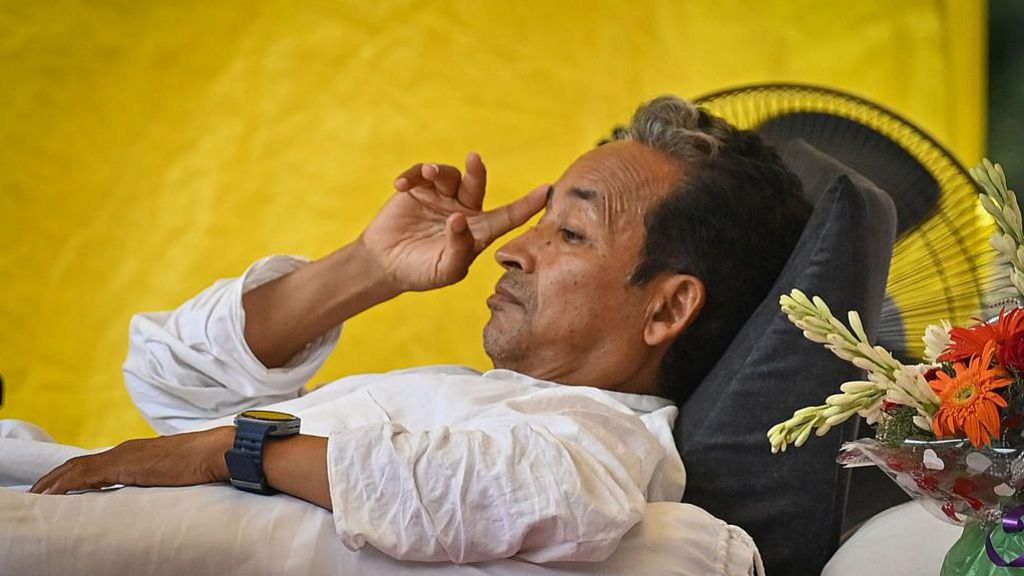
Seventy-one years after a single activist’s 58-day hunger strike reshaped the political map of the world’s largest democracy, another Indian protester is testing the enduring power of voluntary self-denial as a political tool. Educationist and climate activist Sonam Wangchuk has now survived 19 days on nothing but salt water during an indefinite hunger strike in New Delhi, shedding more than 9 kilograms as he advocates for sweeping education reforms in support of the online satirical Cockroach Janta Party movement. As his health declines rapidly, public concern over his condition has grown, and the Delhi High Court has ordered the national government to monitor his vital signs and provide emergency medical intervention if required.
Wangchuk’s protest is far from an anomaly in India’s modern political history. No other nation has integrated the hunger strike into its political fabric as deeply as India, a tradition rooted in centuries of religious practice and refined into a core tool of anti-colonial resistance and post-independence activism. Long before the founding of the Indian republic, major South Asian faiths including Hinduism, Buddhism, and Jainism have long framed voluntary fasting as a morally significant act of self-denial, a framework that Mahatma Gandhi, the leader of India’s independence movement, adapted to modern political struggle.
Between 1918 and his assassination in 1948, Gandhi undertook at least 15 major fasts to oppose religious violence, caste discrimination, and British colonial rule. He argued that a hunger strike was not an act of coercion, but a moral gesture of suffering designed to awaken the conscience of opponents and the public alike. His longest fast stretched 21 days, while his final 1948 fast, completed just weeks before his death, helped end communal bloodshed in Delhi. Writing on the eve of that fast, Gandhi described fasting as a peaceful alternative to violent resistance: “Fasting is his last resort in the place of the sword.”
The 1947 fast Gandhi held in Kolkata to end brutal religious rioting won praise even from critics of the tactic. The British-run *Statesman* newspaper noted at the time that while it had long disagreed with the use of fasting as a political tool, “never in a long career has Mahatma Gandhi, in our eyes, fasted in a simpler, worthier cause than this, not one calculated for immediate effective appeal to the public conscience.”
Independent India inherited this centuries-old tradition, and hunger strikes have since been deployed to demand action on nearly every major national issue: farmers’ rights, caste-based affirmative action, environmental protection, anti-corruption legislation, and the repeal of controversial national security laws. High-profile cases dot modern Indian history: In 2011, iconic activist Anna Hazare’s 13-day fast reignited a national anti-corruption movement that captured the attention of the entire country. In India’s northeast, activist Irom Sharmila refused all solid food for 16 years to protest the draconian Armed Forces (Special Powers) Act, surviving only through forced nasal tube feeding by state authorities. Prominent social activist Medha Patkar has repeatedly held prolonged fasts to demand fair compensation and rehabilitation for communities displaced by large-scale dam projects.
While hunger strikes are a global protest tactic, used by suffragettes in Britain and Irish republican nationalists as a tool of anti-colonial resistance across the British Empire, scholars argue the practice holds unique weight in India. “But in India, where governments can become deeply unresponsive, protesters often see fasting as the only way to force those in power to act,” explains Sayantan Saha Roy, an anthropologist at the University of Connecticut who studies the politics of fasting. Saha Roy notes that Gandhi’s transformation of the ancient religious practice into a modern moral and political act created a uniquely rich tradition of hunger strike protest in the country. “In a world of self-interested politics, they stand out as acts of self-sacrifice. As the protester’s body weakens, the moral and political pressure on those in power grows.”
That pressure, however, depends on public engagement to succeed. “Hunger strikes have to be performative to be persuasive. They’re not just aimed at the state, but at the public, whose outrage can pressure those in power,” Saha Roy says. He points to the 1970s and 1980s Irish republican hunger strikes as an example of how the tactic works: by framing their suffering as proof of the state’s cruelty, protesters sought to mobilize public support for their cause. “But there’s no guarantee the audience will respond, which is what makes hunger strikes such a precarious form of protest.”
For all its deep cultural roots, the hunger strike has faced consistent criticism from India’s leading political thinkers since independence. If Gandhi elevated the tactic to a respected moral weapon, B.R. Ambedkar, the architect of the Indian constitution, was deeply skeptical of its use in a democratic republic. In a 1949 landmark speech, Ambedkar argued that once constitutional channels for redress were established, fasting and civil disobedience should be replaced by formal democratic processes, warning that unregulated direct action became the “grammar of anarchy.” “The sooner they are abandoned, the better for us,” he said.
That debate has persisted into the 21st century. During Anna Hazare’s 2011 anti-corruption fast, leading political philosopher Pratap Bhanu Mehta argued that high-profile hunger strikes can become “deeply coercive.” When tied to a protester’s moral authority, he wrote, a fast unto death “amounts to blackmail.”
Public skepticism has grown in recent years, fueled by a wave of performative, short-duration fasts staged by politicians for media attention. Social media is regularly filled with jokes and allegations that politicians sneak meals behind closed doors, ending staged “fasts” with lavish private feasts. Many fasts last only a few hours, while others are carefully produced media spectacles complete with branded stages, live news coverage, and pre-planned photo opportunities. Not all acts of self-denial carry the same moral or political weight, as historical outcomes reflect: Potti Sriramulu’s 1952 fast, which ended in his death on the 58th day, ultimately forced Prime Minister Jawaharlal Nehru’s government to create the new state of Andhra for Telugu-speaking people, a change that paved the way for the full linguistic reorganization of India’s state borders. By contrast, Hazare’s high-profile 2011 fast galvanized public support but saw its momentum fade quickly, and Sharmila’s 16-year protest failed to force a repeal of the law she opposed.
From a medical perspective, prolonged hunger strikes are always simultaneously a political action and a life-threatening emergency. After two weeks without solid food, the human body begins breaking down muscle tissue as well as stored fat, and electrolyte imbalances can trigger fatal cardiac arrhythmias. Even ending a fast carries risks, as reintroducing food too quickly can cause life-threatening metabolic complications. It is common practice for Indian authorities to hospitalize hunger strikers and administer forced feeding to prevent death, a practice that has been widely criticized by activists.
As Wangchuk’s health continues to decline, a growing coalition of opposition leaders, fellow activists, artists, and public figures have called on him to end his fast. Yet despite widespread cynicism toward staged protest fasts, the belief that voluntary suffering can shift political outcomes in ways speeches and marches cannot remains deeply rooted in Indian political culture.
Wangchuk’s protest follows the long-established script of Gandhian fasting, Saha Roy explains: “In the public demonstration of his suffering, Wangchuk seems to be following Gandhi’s path. As his health deteriorates, his protest gains traction and raises the political stakes for the government. How this unfolds remains to be seen.”
The outcome of Wangchuk’s fast will not only determine the fate of his demand for education reform: it will also offer a new measure of the enduring power of one of India’s oldest and most controversial political rituals.
-

I thought we’d grow old together, says band leader whose girlfriend died in Thai bar inferno
On a busy Monday night at Bangkok’s Rong Beer Na Lat Phrao bar, members of popular Thai indie group Thotsakan took the stage to play for a packed house of fans. What was supposed to be a routine, joyful performance quickly turned into one of Thailand’s deadliest entertainment venue disasters in recent memory, leaving 33 people dead and 15 others fighting for their lives with critical injuries. Survivors of the blaze recount chaotic, terrifying escapes and grapple with overwhelming grief, while the tragedy has sparked urgent new calls for stricter fire safety enforcement across the country’s nightlife spots.
Athipat Wichan, Thotsakan’s 32-year-old founder and band leader, was off-stage working on new song ideas when the fire broke out. Within seconds, ferocious flames swallowed the stage, cut all power to the venue, and turned a fun night out into a fight for survival. In an interview with BBC Thai just one day after the blaze, Athipat described stumbling through the dark to reach the exit, only to be met with a wall of fire that blocked his path. “I almost didn’t make it out in time,” he said, still reeling from the shock.
For Thotsakan, the tragedy has been unthinkably devastating. Four of the 11 band members who were at the venue that night perished in the inferno: female vocalist Nahathai Satjalert, who was also Athipat’s girlfriend, male vocalist Thitiwat Kaewkanha, keyboardist Pruttipong Phutmon, and new drummer Nathaphat Thammanitha, who had only joined the band a month prior. Pruttipong, the keyboardist, had even been planning to leave the group soon, while Thitiwat had been talking about celebrating Athipat’s birthday just days later. “Instead of celebrating my birthday, we ended up arranging a funeral,” Athipat said, speaking from Nahathai’s funeral where Buddhist monks chanted in the background and mourners filled the hall, overwhelmed by grief.
Athipat, who suffered injuries to his head and arms in the blaze, carries a heavy weight of regret. He had brought Nahathai into the band, and the pair had dreamed of growing old together. “I had imagined us being together until we’re old, her scolding me until we’re old, but now I can’t hear her voice any more,” he said. “I shouldn’t have let you be here… I want to apologise and I want to say that I love her very much and will continue to love her every day.” He is also devastated by the loss of his three bandmates, each of whom brought unique energy and talent to the group he founded 12 years earlier.
Athipat launched Thotsakan when he was just 20 years old, drawing inspiration from his love of Thai literature to name the band after the iconic primary antagonist from the Ramakien, Thailand’s national epic. After five years of performing, he stepped back to join another group, but that stint only lasted a few months before he decided to revive Thotsakan for a second iteration with a new roster of musicians. Most of the members playing at the bar the night of the fire were part of this new phase of the band, which had become a beloved staple of Bangkok’s independent music scene.
Guitarist Chanate Trasing, another survivor of the blaze, described the moment the fire started, saying he initially mistook the smoke building on stage for dry ice, a common stage effect. But he quickly realized something was wrong when the smoke began swirling rapidly instead of dispersing slowly like dry ice. He smelled burning plastic that stung his nose, dropped his guitar immediately, and jumped off the stage to run for safety. He recalled seeing Pruttipong disoriented in the chaos, looking back and forth unsure of which way to go. “When I started running, I thought he would chase after me. It was only when I got out that I realised he didn’t,” Chanate said, speaking just after collecting Nathaphat’s body from the city mortuary. The last image he carries from that night, before chaos broke out, is the warm sight of “the smiles of the bar-goers enjoying our music.”
The deadly fire has reignited longstanding debates about fire safety compliance and regulation enforcement at entertainment venues across Thailand. Survivors have reported that multiple exit doors were locked on the night of the blaze, and there was a clear lack of clear emergency exit signage throughout the venue. Thai authorities have launched an investigation into whether criminal negligence on the part of the venue owners contributed to the high death toll, but many critics are also calling out government regulatory agencies for failing to enforce existing fire safety rules consistently.
Athipat echoed these widespread concerns, saying the tragedy has forever changed what it feels like to step on stage for performers. “I wish venues had higher safety standards so when we perform, we can enjoy ourselves like before without having to worry,” he said. “These days, I believe that if I or anyone from my band goes on stage, they’ll think about [the fire] and feel alarmed and uncomfortable.”
Looking forward, the remaining members of Thotsakan plan to take time to grieve their enormous loss before charting a path forward. Athipat says the band will eventually regain its footing and return to making music, telling fans to hold on for what comes next. For Chanate, however, the decision to continue performing is not so clear. With a young toddler and a family to support, he says he has to reconsider his commitment to a career in live music, even though he loves the work deeply enough to have quit a stable office job to pursue it. “I believe everyone has fears,” he said.
While the trauma of that deadly night will stay with all the survivors for the rest of their lives, many are clinging to the small, warm memory of what came before the fire: a room full of fans smiling, lost in the sound of the music the band loved creating.
-
As heatwaves strike, Europeans turn to prized Chinese air-conditioner
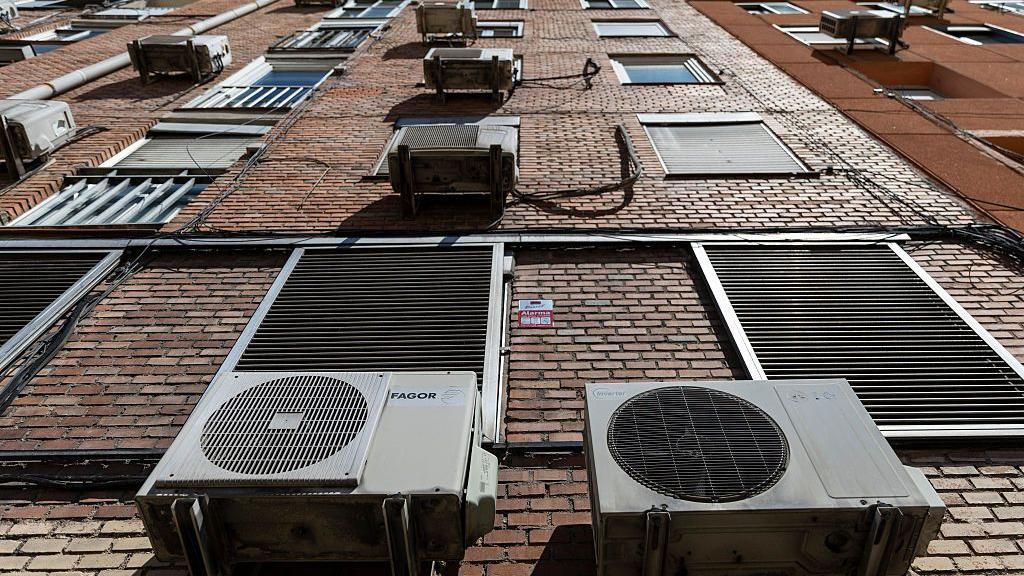
As record-shattering heatwaves continue to bake Western Europe, shifting consumer habits and long-standing regulatory barriers have created an unexpected boom for Chinese air conditioning manufacturers, who have carved out a massive new market by designing products tailored to the continent’s unique needs.
For years, most European households went without air conditioning. Mild summer temperatures and strict urban building codes—particularly in historic city centers that ban permanent exterior modifications for traditional external AC units—kept ownership rates far lower than in regions like North America or East Asia. But this year’s extreme heat has upended that status quo: Western Europe logged its hottest June on record in 2026, with temperatures pushing past 40°C (104°F) across major German cities, and forecasters warn more intense heatwaves are still to come before the summer ends.
The turning point for many residents came with Midea’s PortaSplit, a portable split-system air conditioner engineered specifically to comply with European building regulations. Steven Scholtysek, a 36-year-old engineer living in a heat-trapping attic apartment in Hamelin, Germany, describes the device as a complete game-changer for surviving this summer’s swelter. Unlike traditional portable AC units that are bulky, inefficient, and require blocking an entire window to vent hot air, the PortaSplit features a lightweight external unit that users can install themselves outside a window, no drilling or permanent structural changes required. It is marketed as compatible with nearly all common European window designs, solving a problem that has stymied many homeowners for years.
Demand for the PortaSplit has exploded so rapidly that retailers have sold through their entire stock, with resold units appearing on secondary marketplaces marked up to two or three times the original €750 retail price. Fans of the device have even launched an independent tracking site called MideaFinder to help shoppers alert each other when new stock becomes available. The device has developed a cult-like following among heat-weary Europeans: Vienna resident Denis Yurchak, who purchased a PortaSplit to get through this summer’s heat, says he has received dozens of messages from curious shoppers after he shared his positive review on social media platform X. He ran the unit 24 hours a day during the peak of the heatwave, and says it has exceeded all his expectations.
Midea is not the only Chinese manufacturer seeing explosive growth. According to reports from Chinese state media, Midea’s year-over-year sales across France, Spain, Germany, and the UK have surged more than 70%. TCL Technology reported a more than 300% jump in air conditioning sales in France alone, while Gree—one of the world’s largest AC producers—confirmed that demand this summer has been noticeably stronger than in previous years, with most new buyers purchasing an air conditioner for the first time. “The increasingly frequent and prolonged summer heatwaves have clearly changed consumer attitudes,” a Gree spokesperson noted in a statement.
The sudden mass adoption of air conditioning across Europe has sparked debate about its long-term costs. A 2024 industry report estimates that air conditioning accounts for 7% of global electricity consumption and contributes 2.7% of global carbon dioxide emissions from fossil fuels and industrial activity. Environmental advocates have warned that widespread AC use could increase strain on European energy grids and raise urban temperatures in dense neighborhoods as units expel excess heat outdoors. Even so, extreme heat has forced policy shifts: after hundreds of French schools were forced to close during a late-June heatwave, the French government committed €80 million to install cooling systems, including air conditioning, in schools and public community centers.
The World Health Organization’s European regional office has advocated for a balanced approach to air conditioning use, noting that while widespread AC adoption is not a sustainable long-term solution to rising extreme heat, it remains a critical tool to protect vulnerable populations from heat-related illness and death.
For Chinese manufacturing, the AC boom marks a notable shift in global reputation. For decades, “Made in China” was largely associated with low-cost, lower-quality mass-produced goods, but European consumers are increasingly reevaluating that perception. Many PortaSplit owners told the BBC they were surprised to learn the device was manufactured by a Chinese brand, praising its modern design and build quality that matches or exceeds that of European competitors. Launched in Germany in 2024, the PortaSplit was developed at Midea’s Stuttgart research center, combining German engineering expertise with Italian design to appeal to European consumers.
Scholtysek, the German engineer who purchased one of the first PortaSplit units, says the popularity of Midea’s AC is part of a broader shift in how European consumers view Chinese technology brands, from drone maker DJI to electric vehicle manufacturers. So impressed was he with his unit that he even purchased shares of Midea stock to signal his confidence in the company. Midea’s European leadership says they see significant long-term growth potential on the continent, and plan to continue investing in product development tailored to European consumer needs and regulatory requirements.
Adrien Olar, a 26-year-old resident of France who bought his first air conditioner—a Midea PortaSplit—earlier this summer, calls the device a revolution. Before his unit arrived, he relied on splashing water on his face to stay cool in his overheated apartment. Now, he says, walking into his cooled room after being outside is like stepping into a fridge—a dramatic difference that has made this summer’s extreme heat bearable.