博客

  • UK approves a ‘mega’ Chinese Embassy in London despite criticism of security risks

    UK approves a ‘mega’ Chinese Embassy in London despite criticism of security risks

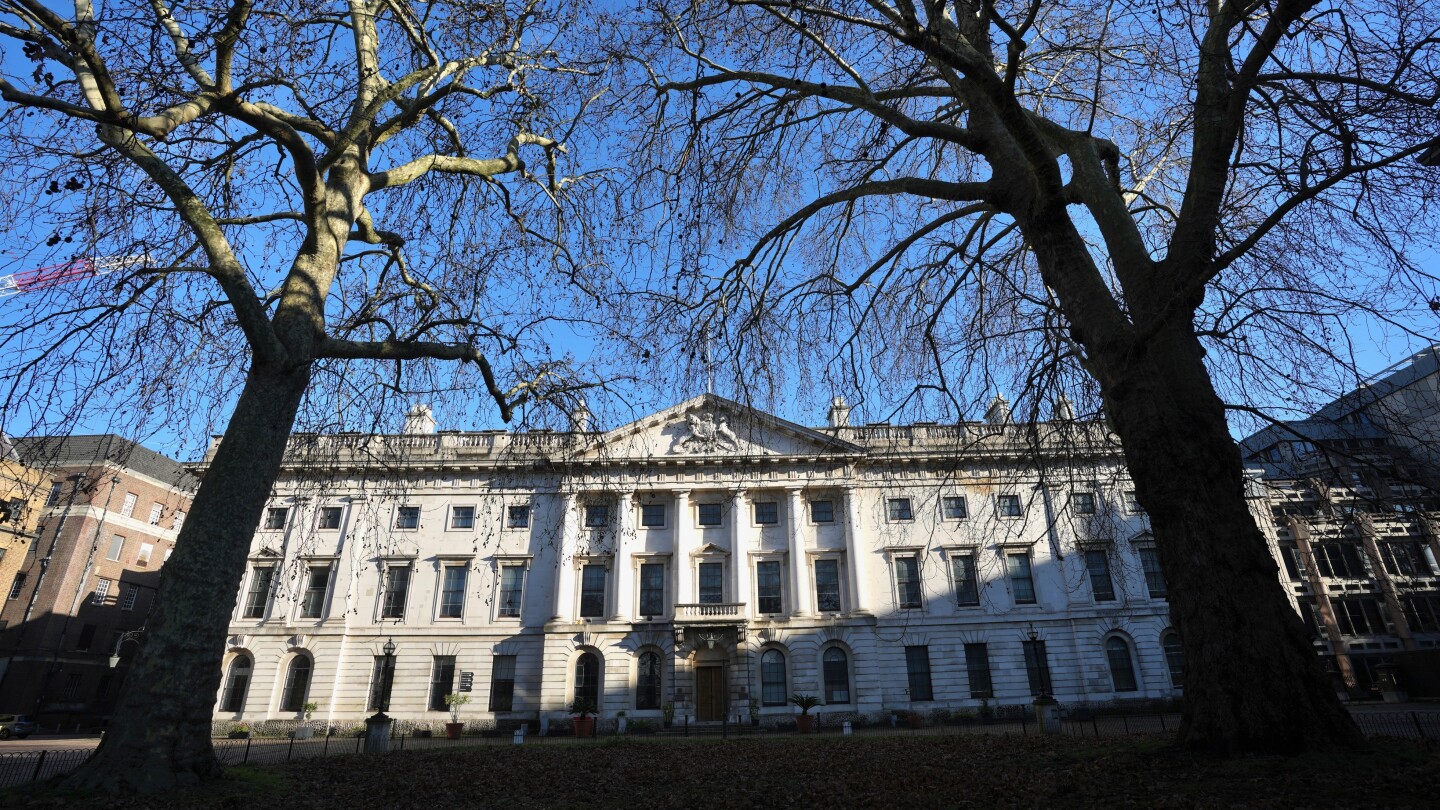
    LONDON — In a decisive move that has ignited substantial political controversy, the British government has granted formal approval for China’s massive new embassy complex in central London. The decision comes after years of delays, legal challenges, and mounting security concerns from lawmakers and intelligence experts.

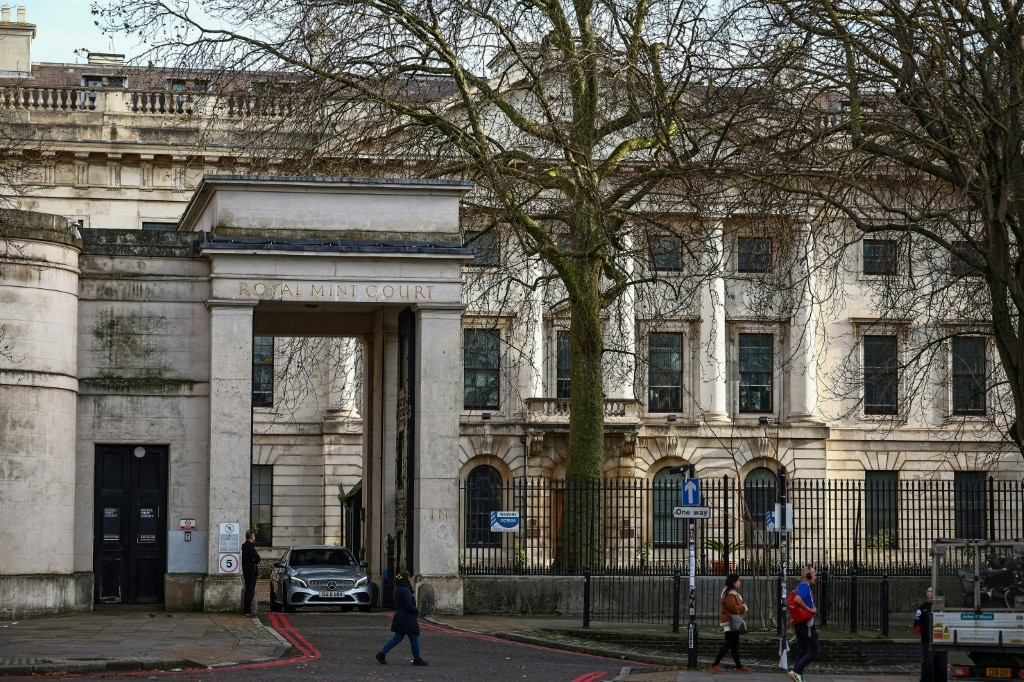
    Local Government Secretary Steve Reed officially sanctioned the construction plans for the diplomatic compound near the Tower of London, despite vigorous opposition from security officials and conservative politicians. The proposed facility, which will become China’s largest diplomatic mission in Europe, has been at the center of intense debate since Beijing acquired the Royal Mint Court site for £225 million ($301 million) in 2018.

    Security analysts and opposition members have repeatedly warned that the supersized embassy could serve as a base for espionage operations, potentially enabling increased surveillance of Chinese dissidents in exile and compromising sensitive financial infrastructure. The site’s proximity to underground fiber optic cables transmitting critical financial data between London’s primary financial districts has particularly alarmed security experts. British media reports indicate the complex would include 208 concealed basement rooms adjacent to these vital data conduits.

    The approval process had been repeatedly postponed by Prime Minister Keir Starmer’s administration amid growing concerns about Chinese espionage and political interference activities in the UK. The decision has nevertheless been finalized, with the government emphasizing the necessity of maintaining diplomatic engagement with China while ensuring robust security measures are implemented.

    The new 20,000-square-meter facility will consolidate several existing Chinese diplomatic properties across London, significantly expanding China’s diplomatic footprint in the British capital. The approval is anticipated to facilitate Prime Minister Starmer’s long-awaited official visit to China, which would mark the first such trip by a British leader since 2018, and potentially enable reciprocal expansion of UK diplomatic facilities in Beijing.

    China had previously expressed frustration over the seven-year delay, characterizing the prolonged approval process as an unnecessary politicization of routine diplomatic matters. The Chinese government maintains that the new embassy will serve legitimate diplomatic purposes and enhance bilateral relations between the two nations.

  • UAE weather: Rains likely; temperatures to dip to 15°C in Abu Dhabi

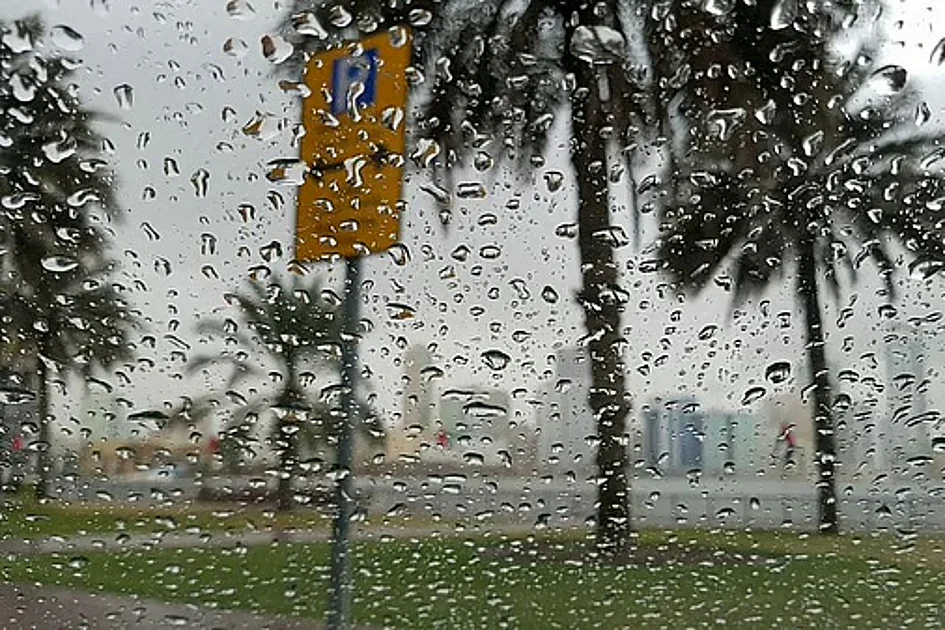
    UAE weather: Rains likely; temperatures to dip to 15°C in Abu Dhabi

    Meteorological authorities in the United Arab Emirates have forecasted a period of moderate weather conditions with a noticeable temperature decline across western regions. The National Centre of Meteorology (NCM) indicates possible light rainfall on Tuesday morning, particularly affecting coastal and northern territories.

  • France makes first interception targeting small boat crossings to UK

    France makes first interception targeting small boat crossings to UK

    French authorities have executed their inaugural maritime interception under a revamped strategy targeting human smuggling operations across the English Channel. On Saturday, law enforcement officers boarded an inflatable vessel termed a ‘taxi-boat’ along the Aa canal in Gravelines, situated along the Channel coast near Calais.

    This tactical shift emerged from a July 2025 UK-France summit between President Emmanuel Macron and Prime Minister Keir Starmer, responding to sustained British pressure for enhanced border security measures. Previously, French interventions were limited to preventing boat launches from beaches due to safety concerns regarding open-water operations.

    Criminal networks had adapted to previous enforcement methods by deploying these taxi-boats from distant locations to coastal pickup points where migrants enter the water to board. French documentation revealed this method achieved an alarming 81% success rate in 2025, contributing to 41,472 migrant arrivals in Britain last year—a increase from 36,566 in 2024 though below 2022’s peak of 45,774.

    The breakthrough in operational protocol addresses earlier safety and legal concerns that delayed implementation. Under the current engagement framework, gendarmerie exclusively intercept vessels before migrant boarding occurs, avoiding potentially dangerous situations with fully loaded craft. Saturday’s operation followed this protocol after police identified the inflatable craft moving toward the sea as likely preparing for migrant pickup.

    Visual evidence obtained by media outlets shows French police alongside the intercepted inflatable with several apparent smugglers aboard before the craft was towed to dock. French authorities have not yet provided official commentary on the operation.

  • Threat of thirst

    Threat of thirst

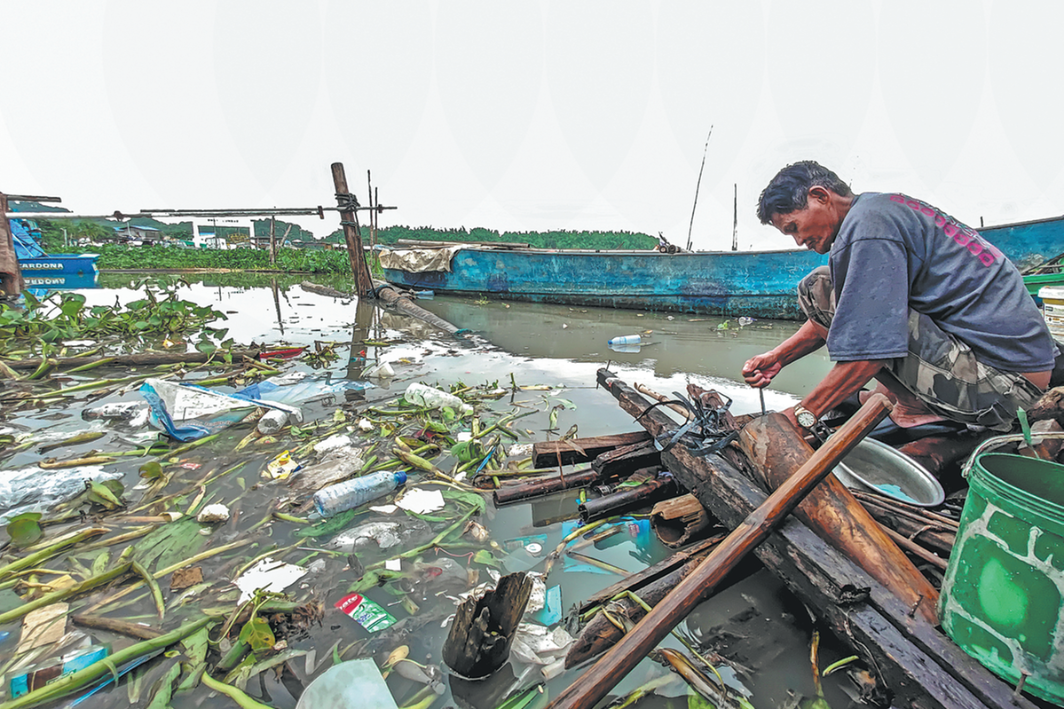
    A groundbreaking analysis jointly released by UNICEF Philippines and the Department of Environment and Natural Resources reveals an impending water crisis of catastrophic proportions. The comprehensive study, titled \”Climate Landscape Analysis for Children in the Philippines,\\” projects that climate change impacts could exhaust 40 to 80 percent of the nation’s water resources within the next sixteen years.\n\nThe report identifies the Philippines’ position as one of the world’s most climate-vulnerable nations as a critical factor driving this emergency. Increasingly frequent and intense natural disasters—including typhoons, floods, and landslides—are systematically damaging sanitation infrastructure and disrupting water service delivery across the archipelago.\n\nRobert Borje, Vice-Chair and Executive Director of the Climate Change Commission of the Philippines, emphasized the severity of the situation during the report’s launch. \”Water insecurity remains a critical vulnerability,\” Borje stated, noting that currently only 48 percent of the population can access safely managed drinking water. \”As global temperatures rise, this scarcity is expected to intensify,\” he added.\n\nThe analysis particularly highlights the disproportionate impact on children, who face a \”triple burden\” of climate-related health risks including disease proliferation, malnutrition exacerbation, and heat stress. Educational disruptions, contaminated water supplies, and increased risks of exploitation and displacement further compound the vulnerability of younger generations.\n\nAlarmingly, the report documents significant infrastructure deficits in educational facilities, with 19 percent of students relying on unimproved water sources or having no water access whatsoever. This situation creates a dangerous feedback loop where climate impacts undermine both immediate health outcomes and long-term developmental prospects.\n\nThe study serves as both a warning and call to action, urging immediate implementation of climate adaptation strategies and water resource management policies to prevent the projected catastrophic water depletion.

  • How popularity overwhelmed Eala – and the Australian Open

    How popularity overwhelmed Eala – and the Australian Open

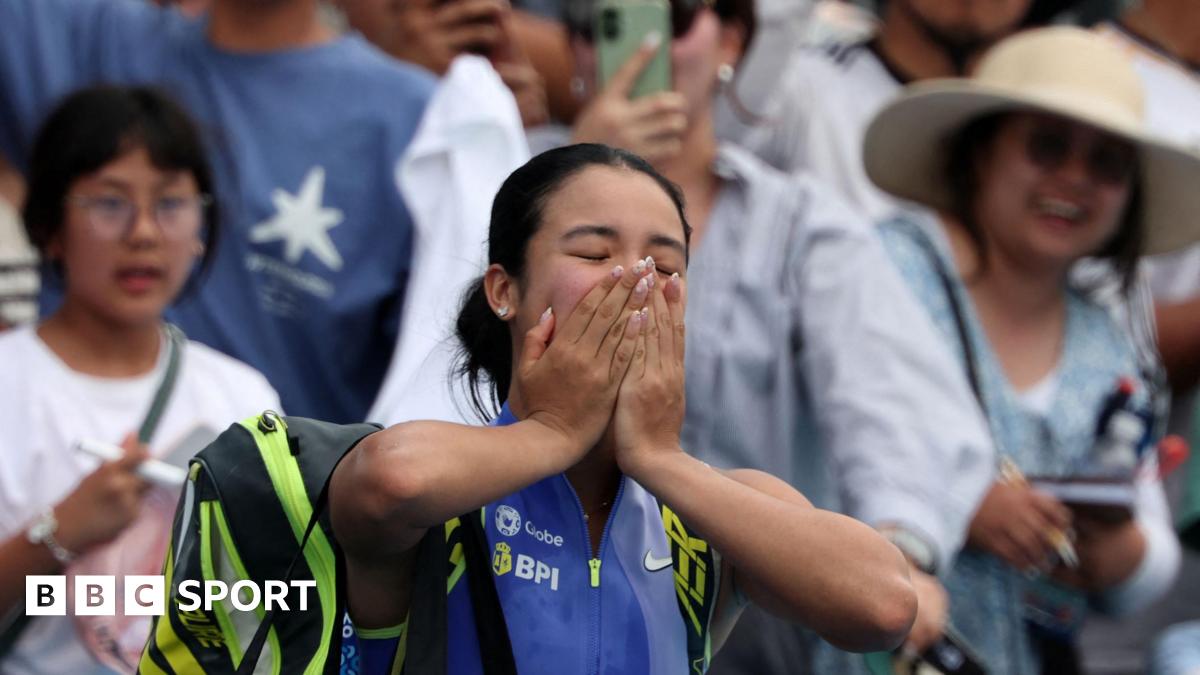
    Melbourne Park witnessed an extraordinary spectacle during the 2026 Australian Open as thousands of Filipino fans created unprecedented queues not for established champions, but for their emerging tennis sensation Alexandra Eala. The 20-year-old phenom, currently ranked 49th globally, generated a level of fan enthusiasm that eclipsed even the tournament’s biggest stars, revealing the powerful cultural significance of her breakthrough performance.

    Eala’s practice sessions and matches became focal points of Filipino national pride, with the Melbourne-based Filipino community of 60,000 turning out in remarkable numbers. Her pre-tournament press conference attracted 171,000 online viewers—dwarfing the audiences for Carlos Alcaraz (29,000), Coco Gauff (29,000), and Aryna Sabalenka (9,000). The overwhelming support created logistical challenges as organizers underestimated her drawing power, scheduling her opening match on Court 6 with capacity for just 1,500 spectators.

    The cultural significance of Eala’s participation cannot be overstated. As the first Filipina to win a WTA Tour match (2021) and a junior Grand Slam title (2022 US Open), she represents a new era for Philippine sports beyond boxing legend Manny Pacquiao. Her stunning victory over six-time Grand Slam champion Iga Swiatek at the 2025 Miami Open catapulted her to national hero status, with fans describing her as “the sporting symbol of the next generation.”

    Despite the overwhelming support, Eala’s main-draw debut ended in a hard-fought three-set defeat to American Alycia Parks (0-6, 6-3, 6-2). The match showcased Parks’ remarkable mental fortitude as she overcame both a disastrous first set and a crowd overwhelmingly supporting her opponent. British BJK Cup captain Anne Keothavong praised Parks’ composure, noting the exceptional challenge of competing against what felt like “every single fan.”

    The tournament organizers acknowledged the scheduling miscalculation, responding to fan complaints with commitments to “take it as a learning” for future events. While some observers criticized the enthusiastic Filipino fans for occasionally cheering Parks’ errors, the American player ultimately demonstrated championship mentality in navigating both the match and the charged atmosphere.

  • Long-delayed decision due on Chinese mega-embassy in London

    Long-delayed decision due on Chinese mega-embassy in London

    The UK government is poised to deliver a long-awaited verdict regarding China’s proposed expansive embassy complex in central London, a decision carrying significant implications for bilateral relations and national security concerns. The controversial project, situated on the historic former Royal Mint site adjacent to the Tower of London, has encountered substantial delays since China’s acquisition of the property in 2018.

    If approved, the new diplomatic compound would become Britain’s largest embassy by area and rank among the most substantial embassy installations within any Western capital. The proposed relocation from China’s current mission in Marylebone has sparked intense opposition from local residents, human rights organizations, and critics of China’s Communist Party leadership, who express apprehension that the facility could facilitate surveillance activities and harassment of dissidents.

    The embassy decision emerges as a particularly sensitive issue in UK-China relations, coinciding with Prime Minister Keir Starmer’s anticipated visit to China later this month—the first by a British premier since 2018. This diplomatic engagement aims to reset relations that deteriorated under the previous Conservative administration, though the embassy controversy complicates these efforts alongside other bilateral tensions.

    Security concerns have been amplified by revelations from The Daily Telegraph regarding unredacted plans showing 208 underground rooms, including a concealed chamber, and the embassy’s proximity to critical internet infrastructure serving London’s financial district. Hundreds of protesters, including Hong Kong expatriates fearing transnational repression, demonstrated against the project over the weekend.

    The British government must balance these security apprehensions against diplomatic consequences, as China has previously expressed ‘strong dissatisfaction’ with decision delays. Opposition leader Kemi Badenoch has characterized the proposed facility as a ‘spy embassy,’ while legal challenges threaten to follow if approval is granted.

  • Encounter Xinjiang: The purple miracle of Xinjiang

    Encounter Xinjiang: The purple miracle of Xinjiang

    China Daily Information Co. (CDIC) has established stringent copyright protection measures for all content published across its digital platforms. The company’s comprehensive policy explicitly prohibits the unauthorized republication or utilization of any materials—including textual articles, photographic images, and multimedia information—without obtaining prior written consent from CDIC.

    The copyright notice, which dates back to 1994, underscores the organization’s long-standing commitment to intellectual property protection. The company recommends optimal viewing experience through browsers with 1024*768 resolution or higher.

    CDIC maintains formal publishing credentials including Multimedia Online Publishing License 0108263 and Registration Number 130349. The organization has established multiple communication channels through its corporate portal, offering information about the company, advertising opportunities, general inquiries, and employment prospects for both domestic and expatriate professionals.

    Additionally, the company encourages audience engagement through various follow-up mechanisms, highlighting its commitment to maintaining an ongoing relationship with its readership base while protecting its intellectual assets.

  • Bobi Wine tells the BBC from hiding he will not contest Uganda election results in court

    Bobi Wine tells the BBC from hiding he will not contest Uganda election results in court

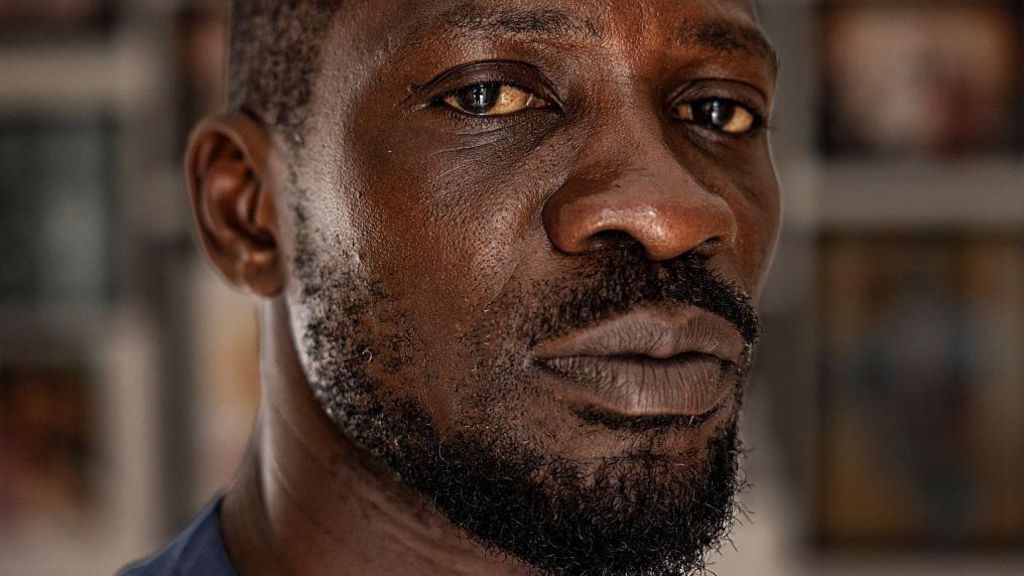
    Ugandan opposition leader Bobi Wine has declared he will not pursue legal avenues to contest the results of last Thursday’s presidential election, citing a compromised judiciary. Instead, the 43-year-old former pop star, whose real name is Robert Kyagulanyi, is urging his supporters to engage in peaceful street protests to defend their democracy.

    Speaking to the BBC from an undisclosed location while in hiding, Wine dismissed the official election results as ‘fake,’ alleging widespread ‘ballot stuffing’ without providing specific evidence. Official results gave President Yoweri Museveni a landslide victory with 72% of the vote, while Wine trailed with 25%.

    The political tension has escalated significantly since the election. Wine claims he was forced to flee his home in a Kampala suburb during a security forces raid on Friday night, leaving behind his wife and relatives who he says are effectively under house arrest. He alleges security personnel have blocked food deliveries to his property and installed signal jammers preventing communication.

    Uganda’s army leadership has intensified the confrontation. General Muhoozi Kainerugaba, who is both the country’s army chief and President Museveni’s son, publicly threatened Wine on social media, giving him ‘exactly 48 hours to surrender himself to the police’ or face treatment as ‘an outlaw/rebel.’

    International observers from the African Union reported seeing ‘no evidence of ballot stuffing’ but condemned the days-long internet shutdown that persisted until hours after Museveni was declared winner on Saturday. Meanwhile, the Uganda Human Rights Commission acknowledged ‘technical and procedural’ challenges but maintained they didn’t undermine the overall fairness of the vote.

    The human cost continues to mount. Wine alleges a ‘silent massacre’ of political activists, claiming more than 100 people have been killed in election violence, though he provided no evidence. Local media reports indicate over 100 youths have been remanded in prison on various election-related charges across Kampala.

    This marks Wine’s second failed presidential challenge against Museveni, who first came to power in 1986 and has now won seven elections. Uganda has never witnessed a peaceful transfer of presidential power since gaining independence.

  • UAE denies claims of secret prisons in Yemen’s Hadramout province

    UAE denies claims of secret prisons in Yemen’s Hadramout province

    The United Arab Emirates Ministry of Defence has issued a formal rebuttal against allegations made by the Yemeni government regarding purported secret detention facilities in Yemen’s Hadramout province. The claims, presented during a recent press conference in Yemen, suggested Emirati forces maintained covert prisons and stored weapons at Riyan Airport in Mukalla.

    In an official statement, the UAE defense establishment characterized these accusations as “deliberate fabrications and misinformation” designed to construct false narratives lacking both accuracy and professional integrity. The ministry emphasized that the referenced facilities constitute standard military infrastructure—including operational accommodations, command centers, and reinforced shelters—with some underground components typical of military installations worldwide.

    Further complicating the diplomatic situation, the UAE referenced its complete military withdrawal from Yemen on January 2, 2026, asserting that all equipment, weapons, and assets were transferred according to established military protocols. This withdrawal, the ministry stated, eliminates any possibility of continued Emirati military, logistical, or technical presence on Yemeni territory.

    The defense ministry expressed concern that these allegations represent a coordinated effort to advance political agendas while undermining the UAE’s decade-long security contributions to Yemen. The statement concluded with strong language condemning what it characterized as an unacceptable attempt to distort facts, mislead public opinion, and tarnish the reputation of the UAE Armed Forces and their documented military commitments.

  • UAE schools adopt later start times, green lessons to boost well-being

    UAE schools adopt later start times, green lessons to boost well-being

    In a transformative shift toward student-centered education, schools across the United Arab Emirates are implementing delayed morning start times and integrating comprehensive environmental programs to foster improved mental health and academic engagement. This progressive approach recognizes that well-being constitutes an equally critical component of education alongside traditional academics.

    Educational institutions including Nord Anglia International School Abu Dhabi and Bloom World Academy have pioneered the #MEtime initiative, allowing students to begin their school day at later hours. This strategic adjustment enables learners to customize their morning routines according to individual needs—whether through participating in campus activities, obtaining additional rest, or enjoying relaxed family breakfasts.

    Principal Liam Cullinan of Nord Anglia explained: ‘Our initiative emerged from extensive consultation with families. We recognized that well-being, adequate sleep, and emotional preparedness are fundamentally interconnected with academic success. Students now arrive significantly more focused, positive, and receptive to learning.’

    Concurrently, UAE schools are embedding environmental consciousness into their educational frameworks. Repton Abu Dhabi combines climate change education with practical action through its Eco Schools program, while Jebel Ali School recently documented over 3,600 wildlife sightings during an intensive ‘bioblitz battle’ event.

    John Bell, Principal of Bloom World Academy, emphasized the holistic benefits: ‘Our family-first philosophy prioritizes stress-free mornings for both students and educators. Later start times alleviate traffic congestion, enhance commute experiences, and acknowledge the demanding schedules of modern youth. When teachers achieve better work-life balance, instructional quality improves accordingly.’

    This educational transformation represents a paradigm shift in the Emirates’ approach to learning, positioning student wellness and environmental stewardship as inseparable components of comprehensive education.