博客

  • Death toll rises to 9 after steel plant blast in China’s Inner Mongolia

    Death toll rises to 9 after steel plant blast in China’s Inner Mongolia

    A devastating industrial explosion at a major steel production facility in northern China has resulted in a significant loss of life, with authorities confirming nine fatalities and one individual still missing as rescue operations continue.

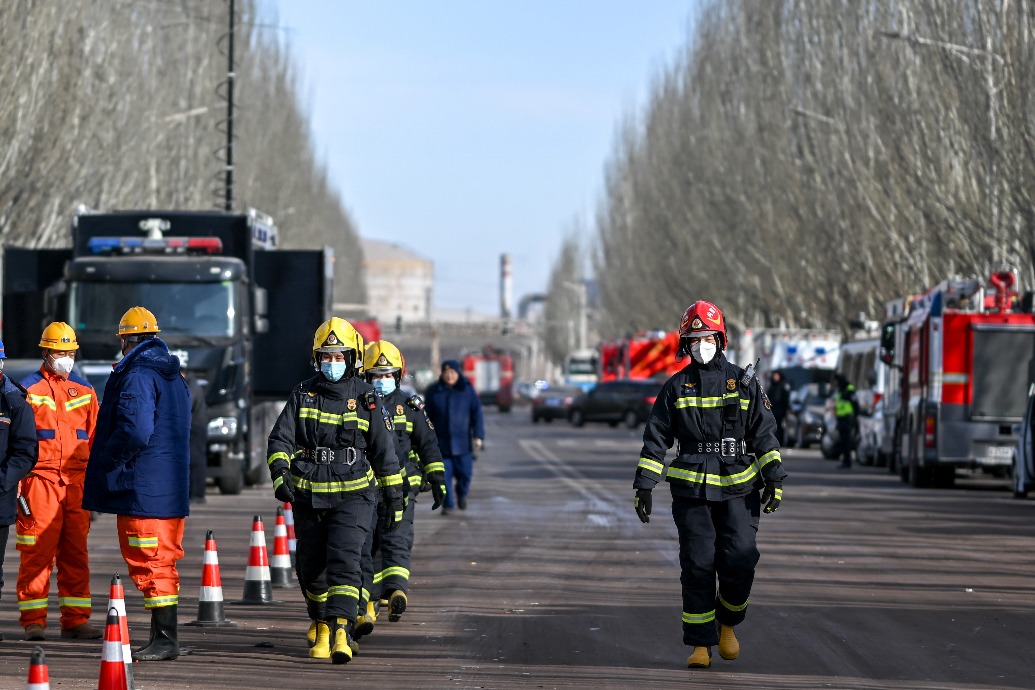
    The incident occurred at approximately 3:03 PM local time on Sunday, January 18th, 2026, at the plate manufacturing plant operated by Baogang United Steel in Baotou City, located within China’s Inner Mongolia Autonomous Region. According to the emergency response command center established at the disaster site, the catastrophic explosion originated from a substantial industrial vessel—a 650-cubic-meter capacity saturated water and steam spherical storage tank.

    Local government representatives provided updated casualty figures on Tuesday, January 20th, indicating that the death toll had risen to nine individuals. Search and recovery teams remain actively engaged in the complex operation to locate one remaining person who has been reported as unaccounted for following the incident. Official statements note that verification procedures regarding the missing individual are currently ongoing.

    The industrial accident has drawn attention to safety protocols within China’s substantial manufacturing sector, particularly in heavy industries such as steel production which form a critical component of the region’s economic infrastructure. Baotou City, as a major industrial hub in Inner Mongolia, hosts numerous manufacturing facilities that contribute significantly to both regional and national industrial output.

    Authorities have not yet released detailed information regarding the potential causes behind the tank’s failure or whether any safety violations may have contributed to the tragic incident. Standard procedure following such industrial accidents typically involves comprehensive investigations by multiple government agencies, including workplace safety regulators and industrial experts.

  • Hopes fade in fourth day of search for dozens missing in Karachi shopping plaza fire

    Hopes fade in fourth day of search for dozens missing in Karachi shopping plaza fire

    KARACHI, Pakistan — Rescue operations continue into the fourth day at the devastated Gul Plaza shopping complex following Saturday’s catastrophic fire, with authorities confronting increasingly grim prospects of locating survivors beneath the collapsed structure. Emergency teams have now accessed the most severely compromised sections of the multistory commercial building, though unstable conditions and structural failures have significantly hampered search efforts.

    Official reports confirm the recovery of at least 23 victims, many severely disfigured by the intense heat, necessitating DNA analysis for identification. According to Police Surgeon Dr. Summaiya Syed, forensic experts are processing fragmented remains as complete bodies prove difficult to retrieve.

    The sprawling retail center, housing approximately 1,200 establishments primarily specializing in imported apparel, cosmetics, and household items, contained numerous shop proprietors and patrons during the evening inferno. Senior police official Asad Raza indicated mobile data suggests at least 31 individuals were present within the complex at the time of ignition, though the total missing persons count exceeds 65, accounting for those potentially without mobile devices.

    Karachi Mayor Murtaza Wahab has deployed heavy machinery to clear debris from sections that collapsed subsequent to the initial fire, while maintaining communication with distraught families awaiting news of missing relatives. Provincial Chief Minister Murad Ali Shah announced compensation packages of 10 million rupees ($36,000) for each bereaved household.

    This tragedy underscores Karachi’s persistent struggle with fire safety enforcement, coming just months after a November 2023 mall fire claimed 10 lives. The city witnessed one of Pakistan’s worst industrial disasters in 2012 when a garment factory conflagration resulted in over 260 fatalities, highlighting ongoing concerns regarding regulatory compliance and construction standards.

  • Russian strikes again leave half of Kyiv with no heating in winter cold snap

    Russian strikes again leave half of Kyiv with no heating in winter cold snap

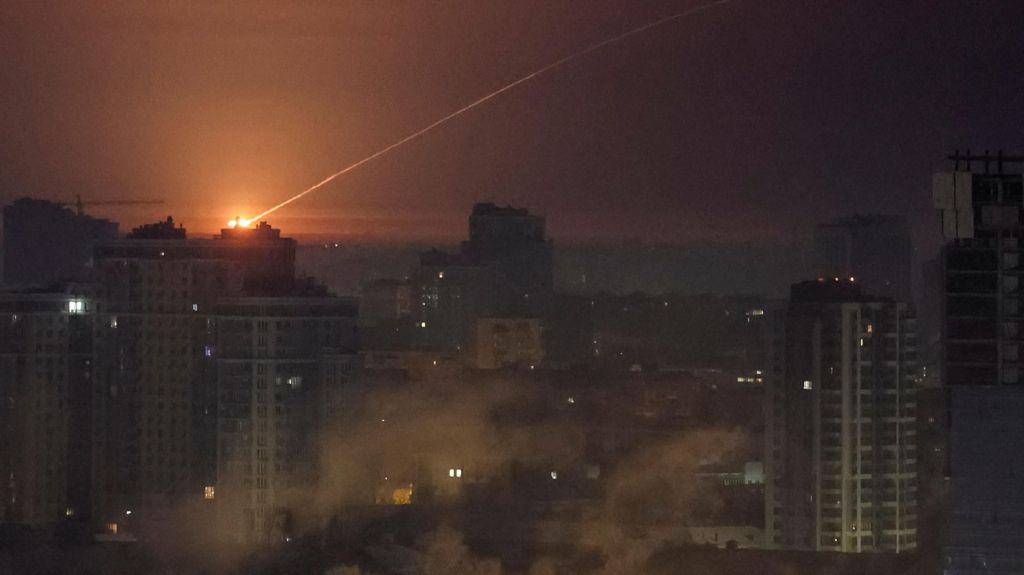
    A massive Russian aerial offensive has plunged Kyiv into a deep freeze, severing heating and power to half the city’s residential buildings as temperatures plummet to -10°C. The assault, employing drones, ballistic missiles, and cruise missiles, targeted multiple Ukrainian cities including the capital, Dnipro, and Odesa, triggering prolonged air raid alerts throughout the night and into Tuesday.

    Ukrainian President Volodymyr Zelensky confirmed a ‘significant number’ of incoming projectiles were intercepted but revealed the financial toll of the defense reached approximately €80 million (£69 million) in air defense missiles alone. The human cost was equally stark, with at least four fatalities and 33 injuries reported across the country.

    The attack has catastrophic implications for civilian infrastructure. Kyiv Mayor Vitalii Klitschko reported over 5,600 residential buildings, each containing dozens of apartments, were left without heating and water. This setback nullifies weeks of relentless repair work following the large-scale January 9th attack, which had previously crippled the city’s utilities. ‘I have no electricity and no water,’ recounted Oleksandr Palii, a 29-year-old veteran, describing a night of relentless explosions.

    The crisis has forced extreme adaptations. With radiators bursting from frozen water and fires sparked by improvised gas heaters, residents are resorting to communal generators, portable stoves, and innovative food storage methods. Social media depicts scenes of resilience with citizens barbecuing in snowy yards, yet many describe this as the most brutal winter since the full-scale invasion began in 2022.

    Amid the turmoil, President Zelensky canceled his scheduled appearance at the World Economic Forum in Davos, stating he would only attend if documents on U.S. security guarantees and a prosperity plan were ready for signing. His absence underscores the severity of the situation on the ground.

    Shelter from the onslaught was found underground, as over 10,000 people, including nearly 800 children, sought refuge in Kyiv’s metro stations—the only reliable sanctuary in many high-rise areas lacking adequate shelters.

    While acknowledging the receipt of defensive missiles that ‘helped significantly,’ Zelensky emphasized a critical and ongoing need for enhanced air defense systems. He pointed to Russia’s undiminished capacity to produce and deploy a growing number of ballistic missiles, a threat for which U.S. support is pivotal. ‘A great deal in the security of Ukrainians depends on the unity of Europe and America,’ he stated, hinting at concerns that transatlantic tensions could jeopardize timely deliveries of essential military aid. Foreign Minister Andrii Sybiha echoed the sentiment, asserting that Ukrainian resilience ‘cannot be an excuse for this war to continue.’

  • Read what France’s Macron and the head of NATO are saying to Trump behind the scenes

    Read what France’s Macron and the head of NATO are saying to Trump behind the scenes

    In a remarkable breach of diplomatic protocol, former U.S. President Donald Trump has publicly disclosed private text messages from French President Emmanuel Macron and NATO Secretary General Mark Rutte, revealing a stark contrast between their public criticism and private deference regarding his controversial interest in acquiring Greenland.

    The authenticated message from Macron, opened with the familiar address “My friend,” demonstrated a notably conciliatory tone compared to France’s public stance against Trump’s proposition to wrest Greenland from NATO ally Denmark. The French leader strategically framed his communication by first emphasizing alignment on significant geopolitical matters, stating “We are totally in line on Syria. We can do great things on Iran” before cautiously addressing the Greenland issue with the measured query: “I do not understand what you are doing on Greenland,” immediately followed by the constructive suggestion “Let us try to build great things.”

    This unprecedented public exposure of typically confidential diplomatic correspondence offers rare insight into the dual-track nature of international relations, where leaders frequently maintain divergent public and private personas. Trump’s disclosure tradition, established during his presidency, continues to challenge established diplomatic norms and transparency boundaries.

    The messages further revealed Macron’s unexpected proposal to host representatives from both Ukraine and Russia during Paris meetings, a initiative not previously disclosed publicly. This suggestion carried particular diplomatic sensitivity given France’s ongoing military support for Ukraine against Russian aggression, with Macron noting Russian representatives could be accommodated “in the margins” to mitigate potential awkwardness.

    An anonymous official from Macron’s administration asserted that the disclosed message demonstrates consistency between the French president’s public and private positions, emphasizing that France considers respect for national sovereignty “non-negotiable” regarding the Greenland matter. Meanwhile, Rutte’s published message expressed commitment to “finding a way forward on Greenland” despite his public refusal to comment on the sensitive territorial issue.

    This extraordinary glimpse into behind-the-scenes diplomacy highlights the complex interplay between public posturing and private negotiation that characterizes modern international relations, particularly during the Trump administration’s unconventional approach to foreign policy.

  • British leader says ’no option off the table’ as UK considers Australia-style teen social media ban

    British leader says ’no option off the table’ as UK considers Australia-style teen social media ban

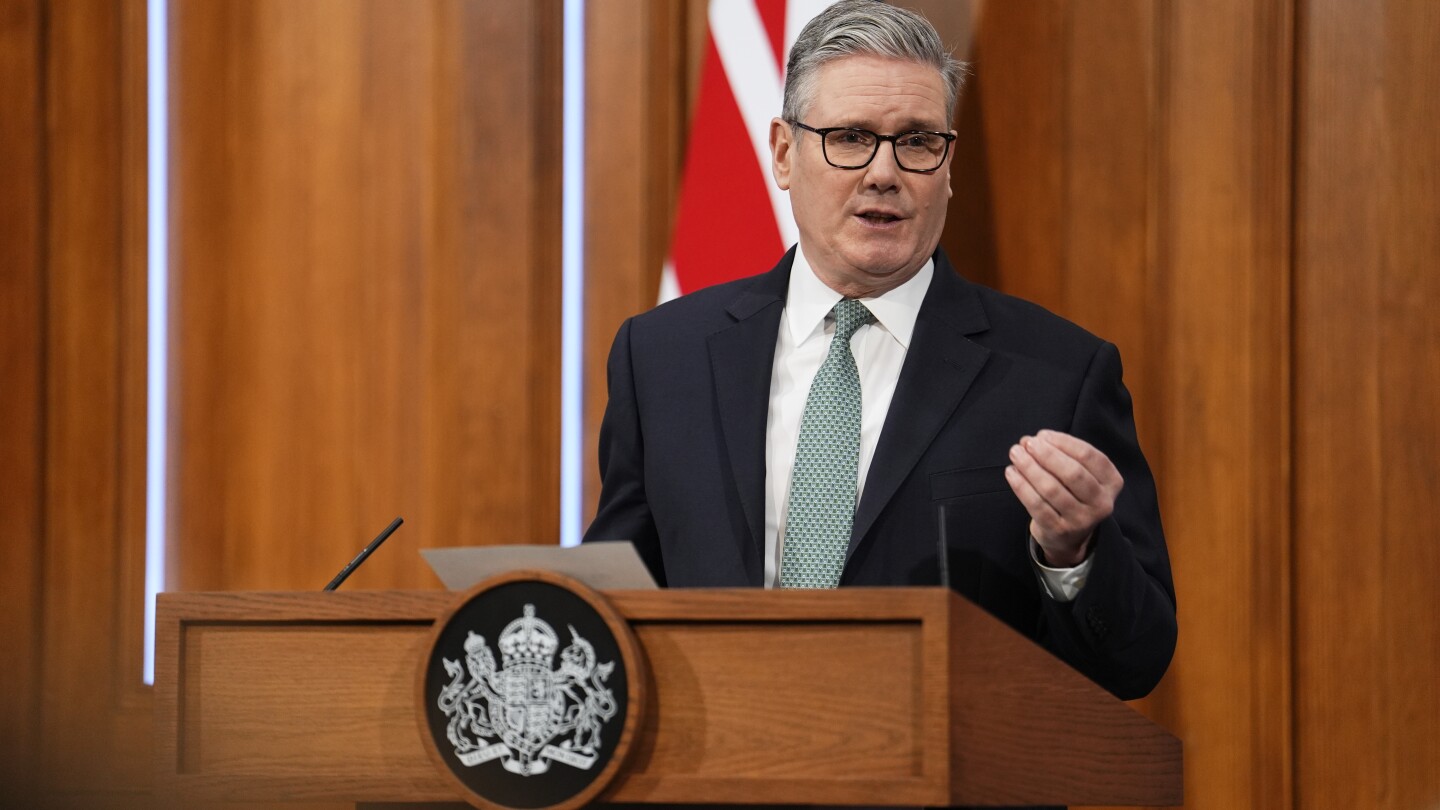
    The British government has initiated a comprehensive review of social media access regulations for minors, with potential restrictions on teenage usage gaining significant traction. Prime Minister Keir Starmer’s administration announced it would explore all available options, including implementing age-based access limitations and curbing addictive platform features.

    This policy shift comes in response to mounting concerns about children’s exposure to unregulated content and the psychological impacts of excessive screen time. The government has committed to conducting extensive consultations with parents, young people, and stakeholders to develop effective technological safeguards.

    In a significant development, UK ministers will undertake a fact-finding mission to Australia to study their recently implemented social media restrictions, which prohibit children under 16 from accessing major platforms including Facebook, Instagram, TikTok, and X. This international benchmarking exercise aims to inform Britain’s approach to digital child protection.

    The movement gained substantial political momentum when over 60 Labour Party lawmakers petitioned the Prime Minister to implement Australian-style age restrictions. Their collective communication criticized previous administrations for inadequate action against ‘unregulated, addictive social media platforms’ and specifically advocated for a minimum access age of 16.

    The government has established a summer deadline for responding to its public consultation on online safety measures, signaling urgency in addressing what many perceive as a growing public health concern regarding children’s digital wellbeing.

  • Chile wildfires kill 19 as extreme heat triggers mass evacuations

    Chile wildfires kill 19 as extreme heat triggers mass evacuations

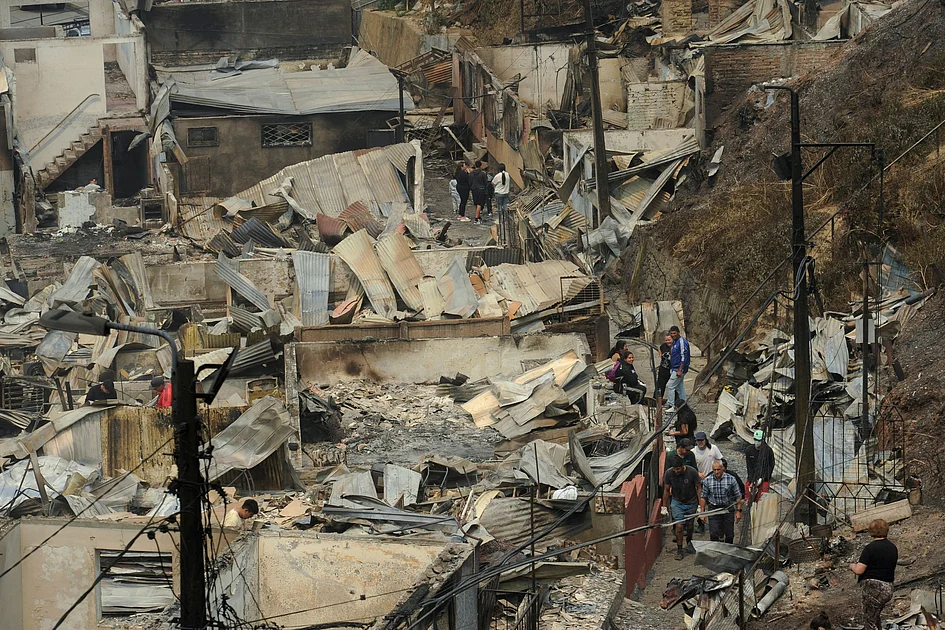
    Chile is grappling with a devastating wildfire catastrophe that has claimed at least 19 lives and triggered mass evacuations across central and southern regions. The fires, fueled by an intense heatwave and powerful winds, have consumed over 35,000 hectares—an area comparable to Philadelphia—destroying 325 homes and damaging another 1,100 properties.

    The coastal city of Penco, just north of Concepcion, has suffered the heaviest human toll, with most fatalities occurring in this vulnerable community. Thousands of residents returned to their neighborhoods on Monday to sift through the ashes of their destroyed homes while firefighters continued battling more than 30 active blazes.

    Security Minister Luis Cordero warned that despite slightly improved overnight conditions, the largest fires remained uncontrolled with high temperatures expected to persist throughout the day. ‘Our main concern is that new fires will be triggered throughout the region,’ Cordero stated during a news briefing.

    The crisis has prompted President Gabriel Boric to declare a state of catastrophe in the hardest-hit Ñuble and Bio Bio regions, mobilizing national emergency resources. Meteorological services have issued extreme heat warnings for central and southern Chile, with temperatures forecast to reach 37°C (99°F).

    University of Chile forest fire expert Miguel Castillo explained the unprecedented scale of the disaster: ‘There have been several consecutive days over 30 degrees Celsius, which is rare for the Concepcion area. When fires reach this size under extreme conditions, they practically become uncontrollable monsters.’

    The tragedy follows similar wildfires in Argentina’s Patagonia region earlier this month, where approximately 15,000 hectares burned, suggesting a broader pattern of climate-related disasters affecting South America during its summer season.

  • Australia stiffens hate crime, gun laws after Bondi attack

    Australia stiffens hate crime, gun laws after Bondi attack

    In a decisive legislative response to the devastating Bondi Beach shooting that claimed 15 lives, Australia’s parliament has unanimously approved comprehensive reforms targeting hate crimes and firearm regulations. Both parliamentary chambers endorsed the twin security packages on Tuesday, addressing critical vulnerabilities exposed during the December 14th attack on a Jewish Hanukkah celebration.

    Prime Minister Anthony Albanese framed the legislative action as addressing dual threats: ‘The terrorists had hate in their hearts, but they also had high-powered rifles in their hands. We’re taking action on both—tackling antisemitism, tackling hate, and getting dangerous guns off our streets.’

    The hate crime legislation establishes enhanced penalties for individuals promoting radicalization and violence, particularly targeting religious leaders and adults who radicalize minors. It introduces a formal framework for designating prohibited hate organizations and strengthens immigration authorities’ power to deny or revoke visas based on terrorism suspicions or hate speech advocacy.

    Concurrently, firearm reforms initiate a national gun buyback program, tighten import restrictions, and expand background checks to include intelligence agency input. This comes amid record firearm ownership levels, with official estimates indicating 4.1 million guns currently in circulation—surpassing numbers recorded during the 1996 Port Arthur massacre that previously triggered Australia’s landmark gun control measures.

    Despite broad parliamentary support, the Australian Greens party expressed reservations about potential unintended consequences for free expression. Senator Larissa Waters advocated expanding hate speech protections to include sexual orientation and disability-based targeting.

    The legislative passage precedes Thursday’s national day of mourning for the victims. Meanwhile, investigations continue regarding the perpetrators—50-year-old Sajid Akram, who was killed by police during the attack, and his 24-year-old son Naveed, now facing terrorism and murder charges. Security agencies face scrutiny after revelations that Naveed had been flagged by intelligence services in 2019 but was deemed not an imminent threat.

  • Israel will aid Greece in countering military drone swarms

    Israel will aid Greece in countering military drone swarms

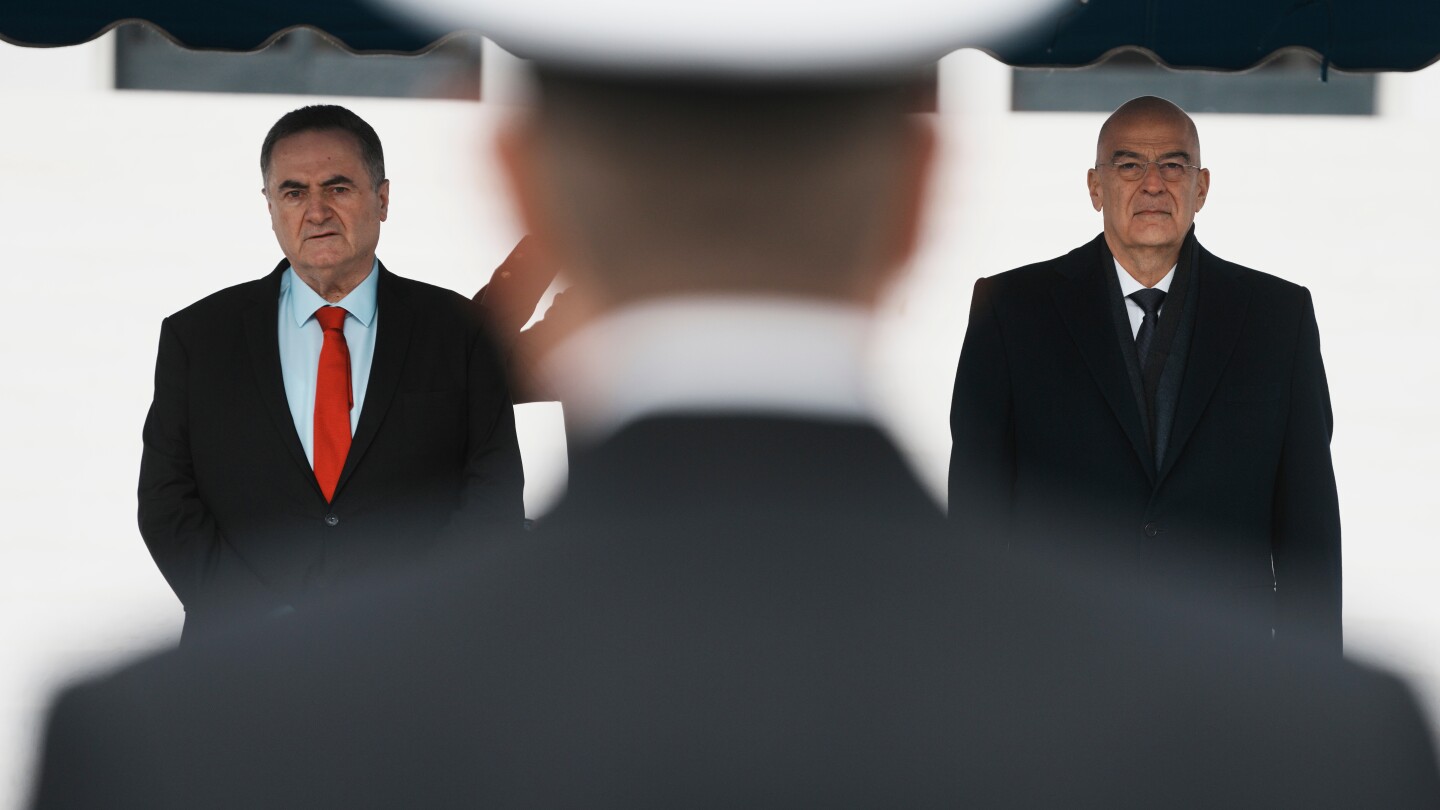
    In a significant move to bolster regional security, Israel has committed to assisting Greece in developing advanced counter-drone technology to address the emerging threat of coordinated unmanned aerial and underwater vehicle swarms. This defense collaboration was announced following high-level talks in Athens between Greek Defense Minister Nikos Dendias and Israeli counterpart Israel Katz on Tuesday.

    The strategic partnership builds upon the trilateral defense agreement established in December between Greece, Israel, and Cyprus, which already includes Israeli assistance in developing Greece’s air defense capabilities. Minister Dendias emphasized the critical nature of this cooperation, stating that both nations would ‘exchange views and expertise to counter unmanned platforms—specifically swarms of unmanned aerial vehicles and groups of unmanned underwater vehicles.’

    Israeli Defense Minister Katz characterized the growing alliance as ‘an anchor of stability in the Mediterranean,’ highlighting its strategic importance beyond bilateral relations. The collaboration addresses a paradigm shift in modern warfare where drone swarms—typically employing numerous low-cost, coordinated craft—are increasingly deployed for reconnaissance, defensive operations, and overwhelming enemy systems.

    The defense partnership unfolds against the backdrop of Greece’s ongoing maritime disputes with NATO ally Turkey concerning boundaries and offshore resources. Despite being NATO members, both nations remain locked in a long-standing confrontation that has prompted Greece to maintain one of Europe’s highest military expenditures relative to its economic size.

    The December agreement established a comprehensive framework for joint military exercises, specialized operations training, and regular strategic consultations among the three Eastern Mediterranean nations. This trilateral cooperation emerged from discussions between national leaders focused on enhancing maritime security and advancing mutual energy initiatives in the region.

  • Spain announces 3 days of mourning as train crash toll rises to 40

    Spain announces 3 days of mourning as train crash toll rises to 40

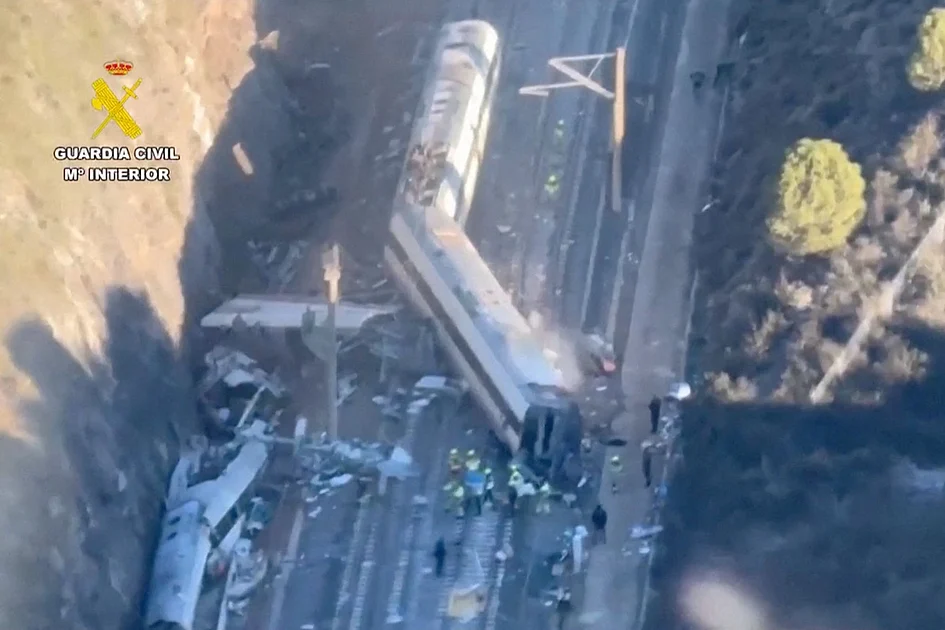
    Spain has initiated three days of national mourning following the country’s most devastating rail disaster in over a decade. The catastrophic collision between two high-speed trains near Adamuz in southern Andalusia has resulted in 40 confirmed fatalities, with the death toll potentially rising as rescue operations continue.

    The tragedy occurred Sunday evening when an Iryo-operated train traveling from Malaga to Madrid inexplicably derailed and crossed onto adjacent tracks, colliding with an oncoming Renfe service headed to Huelva. The impact caused both trains to derail in a devastating chain of events that rescue officials describe as one of the most complex emergency responses in recent Spanish history.

    Prime Minister Pedro Sanchez, who visited the crash site Monday, characterized the event as “a day of sorrow for all of Spain” while promising absolute transparency in the investigation. Emergency crews utilizing heavy machinery worked through the night to lift severely damaged carriages and access trapped victims.

    Current figures indicate over 120 injured persons, with 41 remaining hospitalized in Córdoba medical facilities. Distressed relatives have turned to social media platforms to locate missing passengers, sharing photographs and personal details in desperate attempts to find loved ones.

    Investigative authorities have described the accident as “extremely strange” given several mitigating factors. Unlike the 2013 Santiago de Compostela disaster that claimed 80 lives, this derailment occurred on a straight section of recently renovated track with both trains operating within legal speed limits. The involved Iryo locomotive was manufactured in 2022 and underwent inspection just three days prior to the accident.

    Transport Minister Óscar Puente confirmed that human error and excessive speed have been largely ruled out as causative factors. Renfe President Álvaro Fernández Heredia suggested the investigation should focus on either Iryo’s rolling stock or infrastructure anomalies, noting both trains were traveling approximately 200 km/h—well below the 250 km/h limit for that section.

    Survivor accounts depict scenes of horror and chaos. Passenger Lucas Meriako described the impact as “a very strong hit from behind” that created the sensation “the whole train was about to collapse,” with numerous injuries resulting from shattered glass throughout the carriages.

    The tragedy has mobilized international response, with condolences offered by Pope Leo XIV and French President Emmanuel Macron. Local residents of Adamuz immediately organized relief efforts, delivering water, blankets, and essential supplies to emergency crews working at the disaster site.

    Spain maintains Europe’s most extensive high-speed rail network, with over 3,000 kilometers of dedicated tracks connecting major urban centers. This incident represents the most significant safety challenge to the system’s otherwise exemplary safety record, prompting nationwide scrutiny of rail infrastructure and operational protocols.

  • Why experts question whether China’s one-child policy was necessary in the first place

    Why experts question whether China’s one-child policy was necessary in the first place

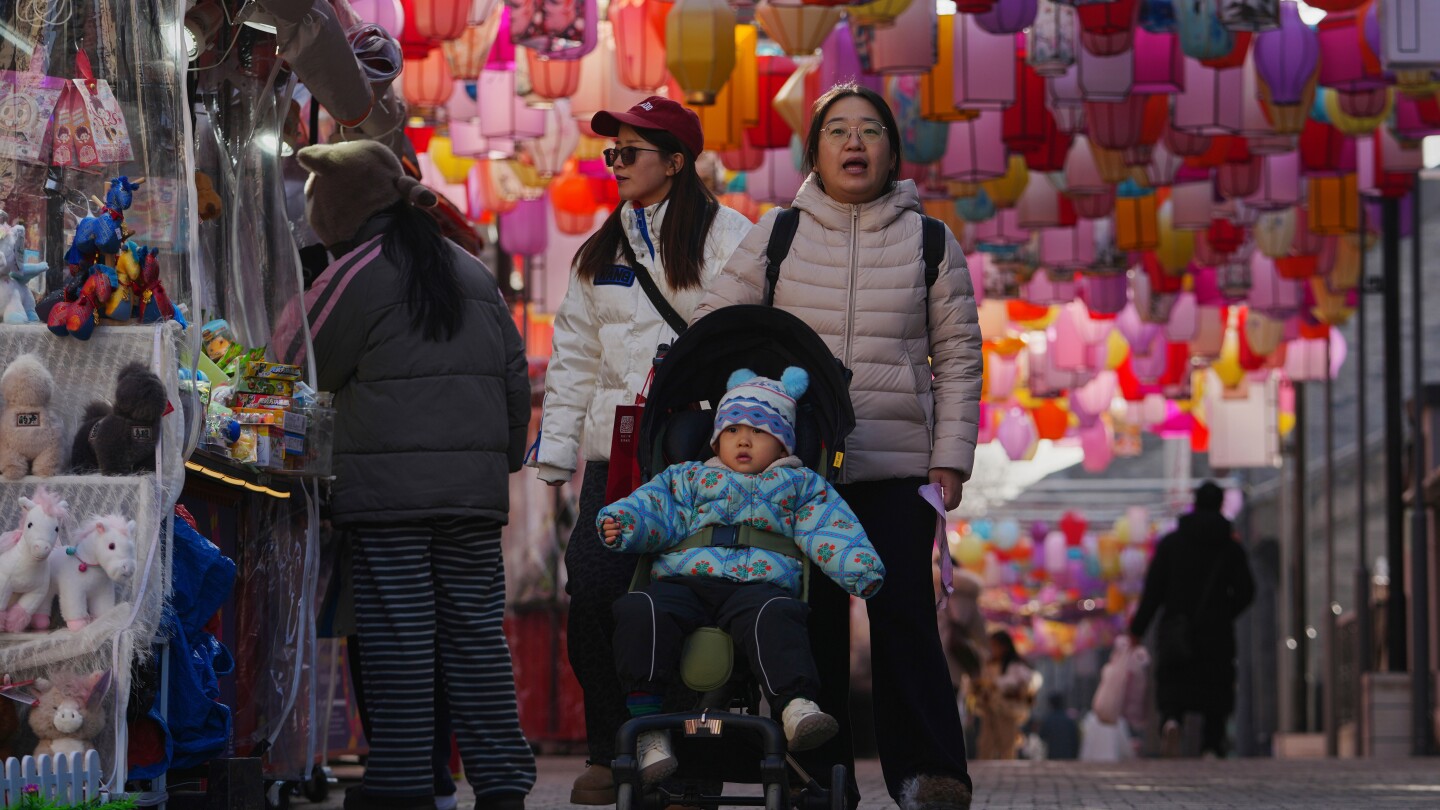
    China’s unprecedented demographic experiment with its one-child policy has left the nation grappling with severe unintended consequences decades after implementation. The policy, once hailed as a solution to overpopulation concerns, employed coercive measures including forced abortions, widespread sterilization, and financial penalties that fundamentally altered the country’s social fabric.

    Recent official statistics reveal China’s birth rate has plummeted to historic lows, with population decline persisting for four consecutive years. This demographic downturn has prompted authorities to completely reverse course, abandoning the one-child restriction in 2015 and subsequently permitting two children per couple in 2016, followed by a three-child allowance in 2021.

    The policy’s most damaging legacy includes a severe gender imbalance resulting from traditional preferences for male children, creating a generation of only children now burdened with supporting multiple elderly relatives. These individuals, once celebrated as ‘little emperors’ during their childhood, now face immense financial and emotional pressures as they become responsible for two parents and potentially four grandparents.

    Demographic experts like Mei Fong, author of ‘One Child: The Story of China’s Most Radical Experiment,’ argue that China has essentially ‘demographically shot itself in the foot.’ The nation now confronts an aging society with insufficient working-age population to support retirees, threatening government finances and pension systems.

    Despite implementing various incentives including cash subsidies and tax adjustments, Chinese authorities are discovering that reversing decades of population control mentality proves significantly more challenging than altering policy frameworks. The experience mirrors global patterns where economic development typically correlates with declining birth rates, though China’s case remains uniquely exacerbated by its extreme interventionist approach.