博客

  • Iran rushes to load oil onto ships in anticipation of US strikes

    Iran rushes to load oil onto ships in anticipation of US strikes

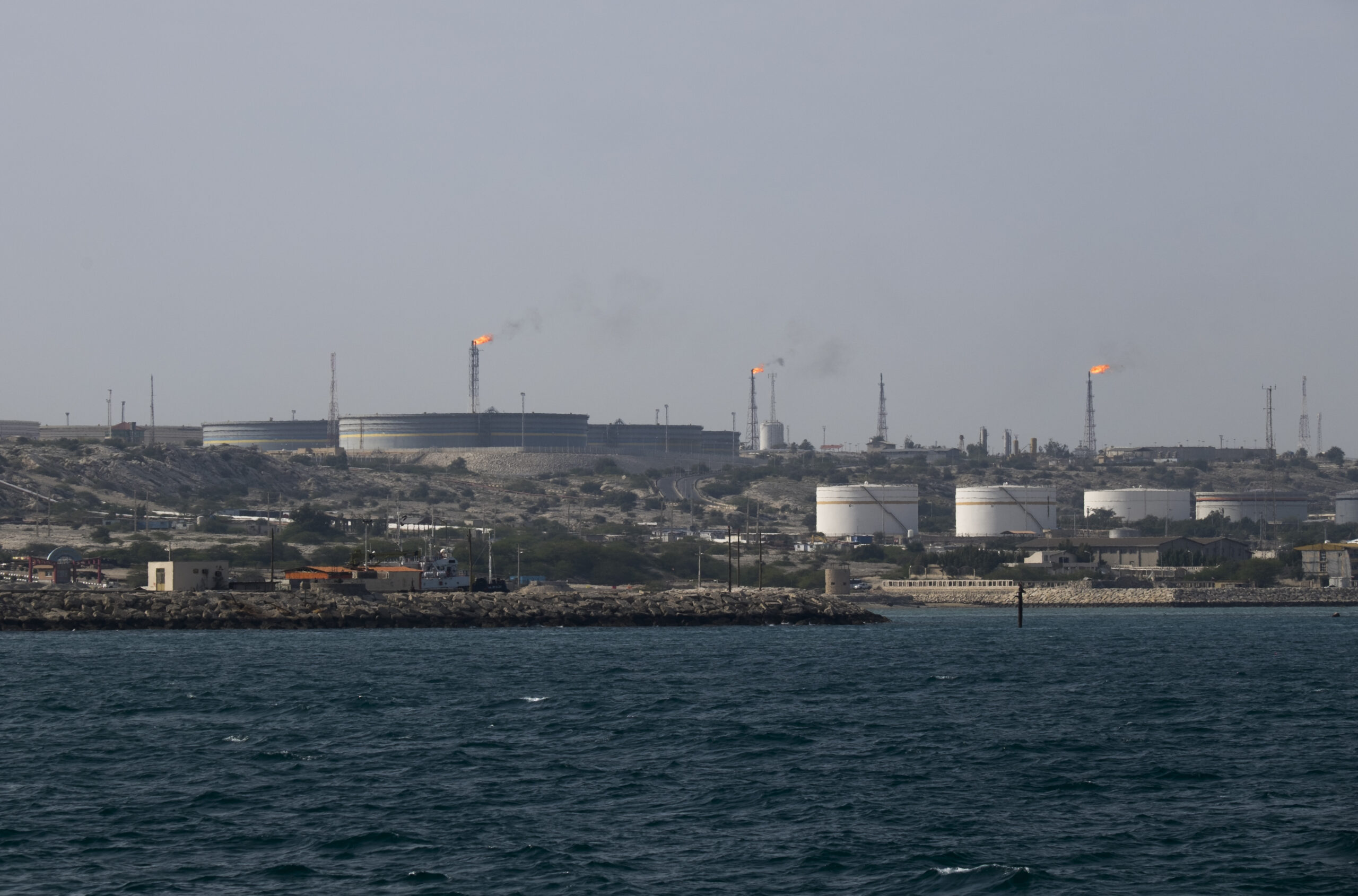
    Iran is dramatically accelerating its oil export operations in anticipation of a potential US military strike that could severely disrupt its ability to move crude to international markets. According to data from Kpler cited by Bloomberg, Iranian oil loadings from Kharg Island reached approximately 20.1 million barrels between February 15-20—equivalent to over three million barrels per day (bpd). This figure represents nearly triple the volume loaded during comparable dates in January and drastically exceeds Iran’s previous three-month average of 1.54 million bpd.

    Kharg Island, responsible for approximately 90% of Iran’s oil exports, represents a highly vulnerable target in any potential conflict. This urgent export surge mirrors Tehran’s actions in June 2025, when Iran rushed to ship oil ahead of US airstrikes on its nuclear facilities.

    The regional oil production landscape shows other major producers are also taking precautionary measures. Reuters reports that Saudi Arabia is increasing both production and exports as part of a contingency plan should US-Iran hostilities disrupt global supplies. The kingdom implemented similar measures in June 2025, boosting exports by around 500,000 bpd during the previous crisis.

    Market indicators strongly reflect these mounting tensions. Charter rates for Very Large Crude Carriers (VLCCs) have more than tripled since January to over $170,000 daily, according to LSEG data. These rates, determined by supply and demand dynamics, indicate substantially increased booking activity for these massive vessels whose availability remains largely fixed due to lengthy construction times.

    Meanwhile, Brent crude prices have climbed over the past month, trading up 0.38% on Wednesday at $70.84 per barrel amid the escalating geopolitical tensions.

    The current crisis has been building since January, when President Trump first contemplated military action following Iran’s suppression of protests. Although demonstrations have subsided, Trump has maintained aggressive rhetoric while overseeing the largest US military buildup in the Middle East since the 2003 Iraq invasion. The region now hosts two aircraft carriers, dozens of advanced fighter jets, and—in a highly unusual move—a deployment of stealth F-22 Raptor jets to Israel, signaling unprecedented preparedness for potential conflict.

  • Top Dems reportedly work to sabotage bill to stop Trump Iran war

    Top Dems reportedly work to sabotage bill to stop Trump Iran war

    A significant political confrontation is unfolding in Washington as Democratic leadership faces internal dissent over handling potential military action against Iran. Representatives Ro Khanna (D-CA) and Thomas Massie (R-KY) have introduced a bipartisan war powers resolution requiring congressional authorization for any attack on Iran, responding to President Trump’s military buildup in the Middle East and signals of imminent strikes.

    Despite overwhelming public opposition to war with Iran—with only 27% supporting military action according to a recent YouGov poll—Democratic leadership on the House Foreign Affairs Committee has reportedly worked to suppress the resolution. Multiple sources indicate committee staffers deliberately inflated projections of Democratic opposition, suggesting 20-40 potential defections, to discourage support for the measure.

    Senior Democratic staffers acknowledge leadership employs familiar tactics to delay or sideline votes on contentious foreign policy matters. Rather than openly opposing popular measures, they utilize procedural objections and unity arguments to maintain party consensus. This approach mirrors previous handling of war powers votes that challenge national security establishment positions.

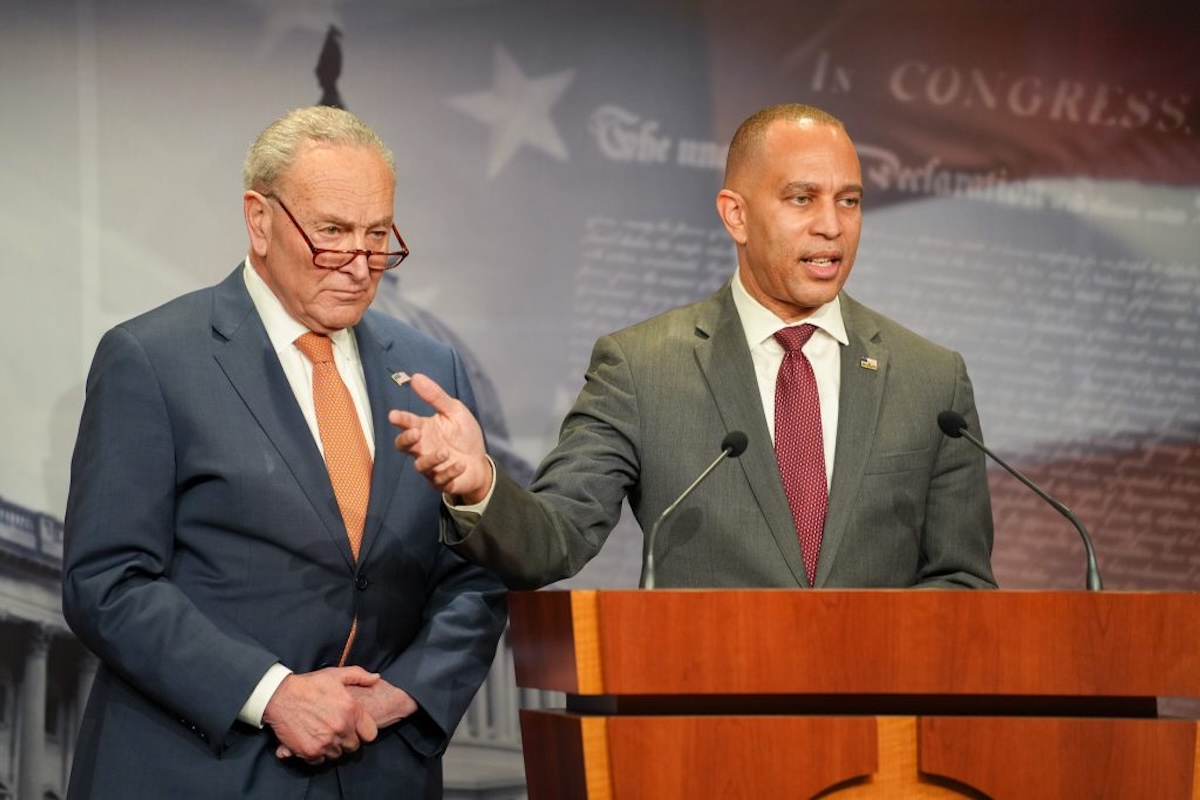
    Notable Democrats including Senate Minority Leader Chuck Schumer have focused criticism on procedural aspects rather than substantive opposition to potential military action. Schumer, a top recipient of AIPAC funding, has emphasized the need for public discussion rather than closed-door briefings but hasn’t questioned the policy itself.

    Similarly, Senator Chris Coons (D-DE) expressed concerns about unclear objectives rather than opposing military action in principle. This positioning occurs as reports indicate Trump considers massive operations potentially including assassination of Iranian leaders, while Iran has warned of retaliatory strikes against US bases.

    Behind the scenes, some Democrats reportedly believe Iran requires military confrontation but prefer Trump bear the political consequences. According to sources, the calculation involves allowing Trump to initiate conflict that would damage both Iran and his political standing.

    The resolution faces additional opposition from pro-Israel Democrats Representatives Jared Moskowitz (D-FL) and Josh Gottheimer (D-NJ), who derided it as the ‘Ayatollah Protection Act’ despite intelligence assessments contradicting their nuclear weapons claims. Iran has expressed willingness to negotiate limits on nuclear development in line with nonproliferation treaties.

    Representative Khanna argues opposition stems from powerful interests seeking regime change in Iran and suggests colleagues avoid contentious positions to prevent targeting by influential donors. He continues rallying support for the resolution, acknowledging challenges in overcoming congressional preference to avoid difficult foreign policy votes.

  • Hoping to reprise the World Cup vibes, Australia opens Women’s Asian Cup on Sunday

    Hoping to reprise the World Cup vibes, Australia opens Women’s Asian Cup on Sunday

    BRISBANE, Australia — The Australian women’s national football team embarks on its Women’s Asian Cup journey Sunday in Perth, carrying the weight of a nation’s expectations and the momentum of an unprecedented cultural phenomenon. Captain Sam Kerr leads the Matildas against Philippines in her hometown, aiming to channel the extraordinary public support that propelled them to the 2023 World Cup semifinals.

    Australia hosts the 12-nation tournament for the first time since 2006, seeking its first continental title since 2010. The Matildas enter the competition riding an impressive wave of popularity, having recorded 18 consecutive sold-out matches through October 2024, cementing their status as Australia’s most followed national team.

    Veteran midfielder Hayley Raso acknowledged the mounting pressure: “We love performing here in Australia. The expectations are high and we want to win games—that’s what pushes us most.”

    The tournament features formidable contenders including defending champion China, world No. 8 Japan, three-time champion North Korea, and 2022 finalist South Korea. China, under former Matildas coach Ante Milicic, seeks its record-extending tenth title with a squad featuring Champions League winners from Wuhan Jiangda.

    Tournament format divides twelve teams into three groups, with Australia positioned in Group A alongside South Korea, Iran, and Philippines. Group B contains China, North Korea, Bangladesh and Uzbekistan, while Group C features Japan, Vietnam, India and Taiwan.

    The competition carries significant World Cup qualifying implications, with four semifinalists earning direct qualification to the 2027 Women’s World Cup in Brazil. Four quarterfinal losers will enter additional playoffs for two remaining automatic berths, while two others advance to FIFA’s intercontinental playoffs.

    Key narrative threads include India’s redemption after their COVID-19 forced withdrawal in 2022, Japan’s quest to reclaim continental dominance, and Australia’s opportunity to capitalize on their transformed cultural standing in women’s football.

  • A Hong Kong court quashes fraud conviction of ex-media mogul Jimmy Lai

    A Hong Kong court quashes fraud conviction of ex-media mogul Jimmy Lai

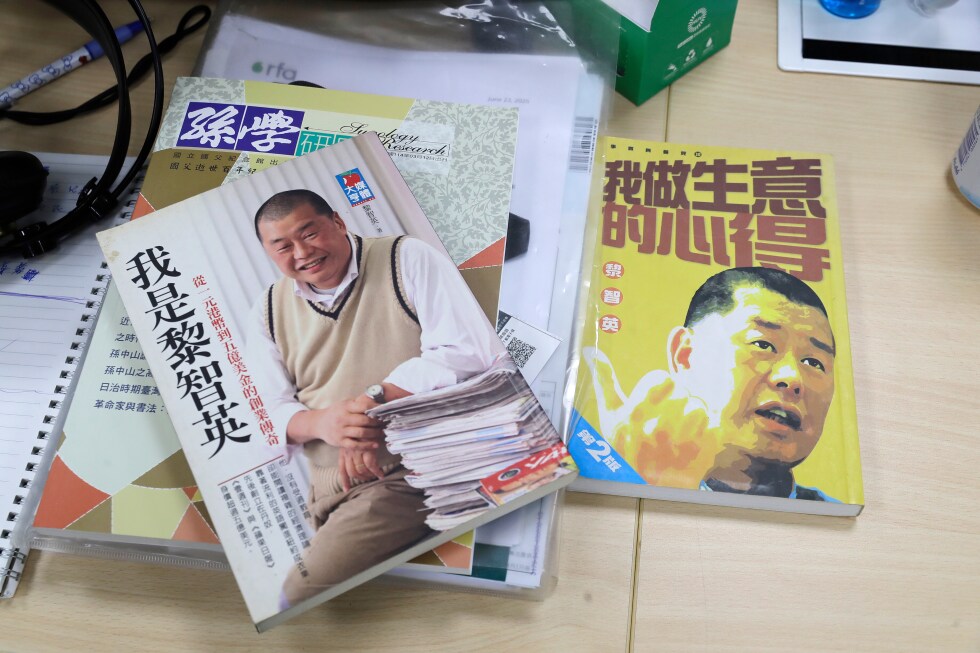
    In a significant judicial development, Hong Kong’s appellate court has overturned fraud convictions against prominent pro-democracy activist and former media magnate Jimmy Lai. The 78-year-old founder of the shuttered Apple Daily newspaper, however, remains incarcerated under a separate national security conviction that carries a 20-year sentence.

    The overturned convictions stemmed from a 2022 case where prosecutors alleged Lai’s consultancy firm improperly used office space leased by his media organization for publication purposes. The original trial court had sentenced Lai to five years and nine months imprisonment and imposed a HK$2 million fine, finding that he had used his media operations as a ‘protective shield’ to violate lease agreements.

    Appellate judges determined that prosecutors failed to establish beyond reasonable doubt that the defendants had made false representations, resulting in the dismissal of both fraud convictions. This ruling may marginally reduce Lai’s overall prison term, as the national security case sentencing structure only permits two years of concurrent sentencing.

    Lai’s legal battles have drawn international attention, with UK Foreign Secretary Yvette Cooper characterizing his sentencing as punishment for exercising freedom of expression and calling for his release on humanitarian grounds. The activist’s children have expressed hope that upcoming diplomatic engagements between US President Donald Trump and Chinese leader Xi Jinping might facilitate their father’s release.

    Chinese and Hong Kong authorities maintain that Lai’s national security conviction reflects proper judicial process and emphasize that the security legislation remains essential for regional stability. The case continues to symbolize the broader tensions between Hong Kong’s legal traditions and Beijing’s increasing influence over the territory’s governance.

  • ‘Could work in my favour’: The NRL rule change that could make a Dolphins star even more dangerous after selection call

    ‘Could work in my favour’: The NRL rule change that could make a Dolphins star even more dangerous after selection call

    A positional dilemma within the Dolphins’ roster has reached its conclusion, yet opposing NRL teams now face an unprecedented tactical challenge. Coach Kristian Woolf has definitively appointed Hamiso Tabuai-Fidow as the club’s starting fullback, a decision that sidelines the exceptionally talented Trai Fuller. Despite being capable of starting for numerous other clubs, Fuller finds himself behind one of rugby league’s most electrifying players.

    Fuller’s impressive performance during his four games at fullback last season—which included 32 tackle busts, two tries, and four try assists—demonstrated his starting caliber. However, Woolf’s unwavering commitment to Tabuai-Fidow has reshaped Fuller’s role. The coach’s transparent communication allowed Fuller to accept this secondary position gracefully, acknowledging the difficulty in disputing a spot held by a player of Tabuai-Fidow’s caliber.

    The resolution of this selection debate coincides with a significant NRL rule modification: the introduction of an extended bench. This regulatory shift transforms Fuller from a sidelined talent into what may become the league’s most dangerous utility weapon. Rather than competing for a spot in a stacked back five featuring Herbie Farnworth, Jake Averillo, Selwyn Cobbo, and Jamayne Isaako, Fuller is now poised to exploit the new bench rules.

    His potential impact lies in late-half appearances against fatigued defenses, where his explosive playmaking ability could prove devastating. Fuller himself recognizes how the extended bench ‘could work out a bit better for me,’ focusing on maintaining peak performance readiness for whenever his opportunity arises. This strategic adaptation positions the Dolphins to leverage the rule change more effectively than any other NRL franchise, turning a selection headache into a tactical advantage.

  • AFL 2026: Melbourne champion Max Gawn lashes landmark Brownlow Medal change

    AFL 2026: Melbourne champion Max Gawn lashes landmark Brownlow Medal change

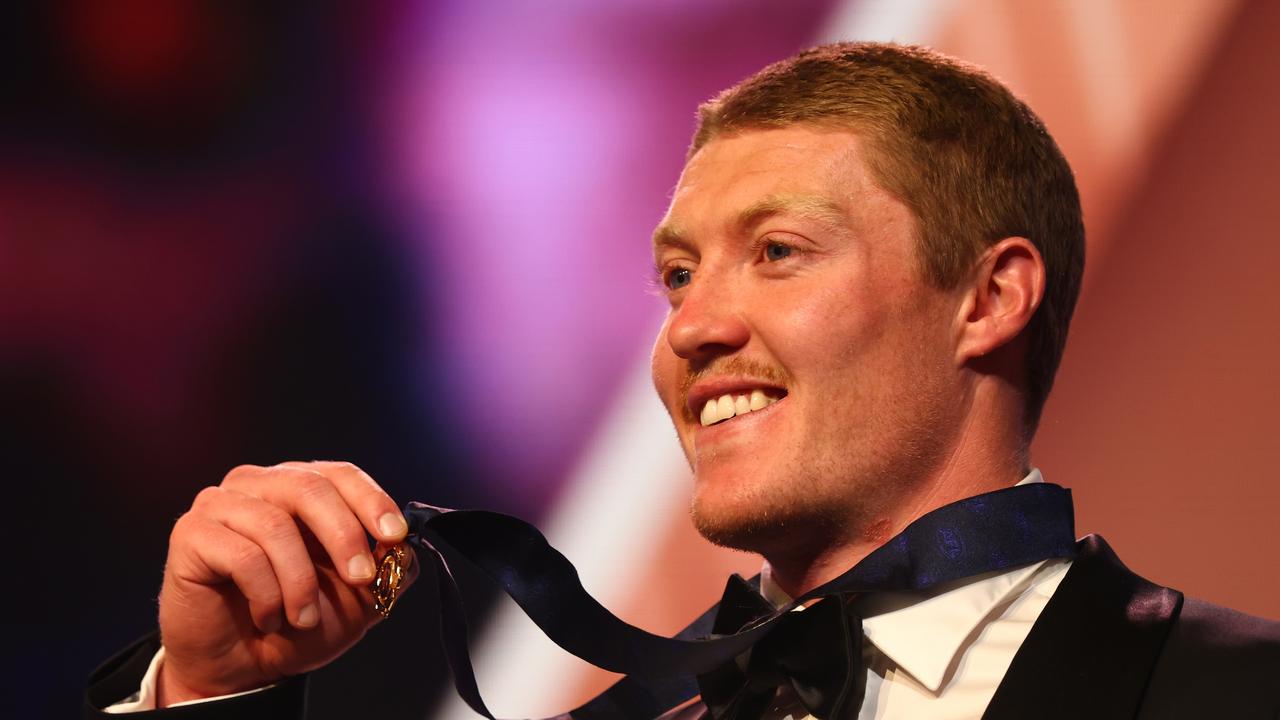
    The Australian Football League has ignited controversy with its groundbreaking decision to revolutionize the Brownlow Medal adjudication process, marking the most significant change in the award’s prestigious history. Under the new protocol, umpires will now have access to 17 performance metrics before casting their votes, fundamentally altering the century-old tradition of unaided judgment.

    Melbourne Demons captain Max Gawn has emerged as a vocal critic of the statistical intervention, arguing that it fundamentally undermines the award’s distinctive character. ‘I believe this decision strips the Brownlow of its entire aura,’ Gawn expressed during an interview with Triple M’s Mick in the Morning. ‘While this will become normalized within 15 years, the initial change represents a departure from what made this award special.’

    The statistical dashboard available to officials now encompasses both impact metrics—including clearances, score involvements, intercept possessions, and spoils—and conventional statistics such as goals, behinds, disposals, and marks. This technological enhancement follows Gold Coast Suns midfielder Matt Rowell’s recent victory with 39 votes, which would have been a record-breaking tally in any season except the previous year when Carlton’s Patrick Cripps amassed 45 votes.

    The voting controversy gained momentum after last season’s particularly contentious decision involving St Kilda’s Nasiah Wanganeen-Milera. Despite delivering what many considered the individual performance of the year—kicking four goals including a game-winning after-siren goal and accumulating 34 possessions—the defender received only two votes from umpires, while Melbourne’s Jack Viney secured best-on-ground honors.

    Proponents argue that statistical access will enhance voting accuracy and consistency, while traditionalists maintain that the Brownlow’s unique charm derived from umpires’ subjective interpretation of player influence beyond mere numbers. The debate now centers on whether technological advancement serves the game’s integrity or diminishes its romantic tradition.

  • North Korea’s Kim says could ‘get along’ with US but shuns South

    North Korea’s Kim says could ‘get along’ with US but shuns South

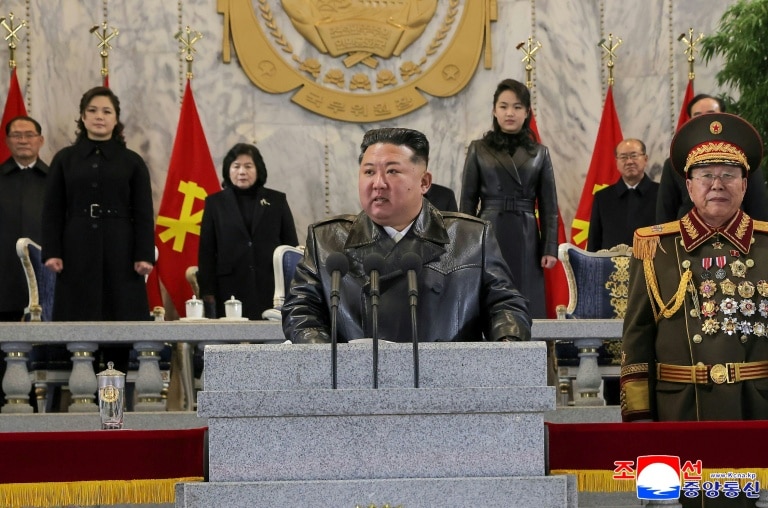
    North Korean leader Kim Jong Un has articulated a dual-track diplomatic strategy during the closing ceremonies of the Workers’ Party congress, proposing conditional engagement with the United States while declaring a complete severance of relations with South Korea. The authoritarian leader stated Pyongyang could ‘get along well’ with Washington if the United States formally acknowledges North Korea’s nuclear status as codified in its constitution and abandons its hostile policies toward the regime.

    Kim’s remarks, disseminated through state-controlled media outlet KCNA, contrasted sharply with his belligerent posture toward Seoul, which he designated as ‘the most hostile entity.’ The North Korean leader explicitly declared that inter-Korean relations would be permanently excluded from diplomatic considerations, advising South Korea to ‘give up everything related to us and leave us alone’ for its own security.

    Analysts interpret these statements as signaling Pyongyang’s intention to pursue direct bilateral engagement with the United States while circumventing South Korean intermediaries. Yang Moo-jin, former president of the University of North Korean Studies, noted that Kim’s position clearly indicates rejection of any denuclearization-premised negotiations.

    The diplomatic overture occurs amid speculation that former President Donald Trump might seek another meeting with Kim during potential travels to Asia. Their 2019 Hanoi summit collapsed over disagreements regarding sanctions relief and nuclear concessions. Meanwhile, North Korea has strengthened its international positioning through deepened alliances with Russia and China, notably evidenced by Kim’s appearance alongside Xi Jinping and Vladimir Putin at Beijing’s military parade last year.

    The Workers’ Party congress concluded with a grandiose military parade featuring units that had participated in Russia’s Ukraine campaign and those stationed along the inter-Korean border. Kim utilized the event to reaffirm North Korea’s readiness to launch ‘fierce retaliatory attacks’ against any perceived sovereignty violations, underscoring the regime’s continued prioritization of military capabilities despite economic hardships and international isolation.

  • Australian PM apologises after calling child sex abuse survivor and advocate ‘difficult’

    Australian PM apologises after calling child sex abuse survivor and advocate ‘difficult’

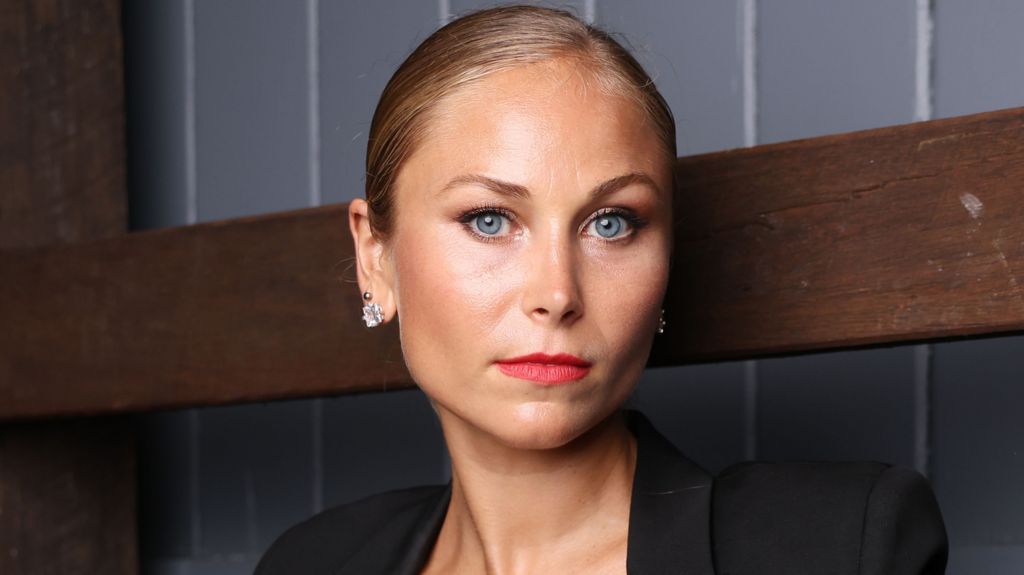
    Australian Prime Minister Anthony Albanese has issued a public apology after facing significant backlash for describing prominent sexual abuse survivor and advocate Grace Tame as “difficult” during a rapid-response word association game. The comment, made during a lighthearted media segment, quickly escalated into a national conversation about gendered language and political accountability.

    Tame, who was named the 2021 Australian of the Year for her advocacy work with child sexual abuse survivors, immediately criticized the characterization as “misogynist’s code for a woman who won’t comply.” The 31-year-old activist pointed out that historical figures who demonstrated similar resistance were typically celebrated as “courageous” rather than labeled as difficult.

    In response to the growing controversy, Albanese clarified that his remark was intended to reference “the very difficult life” Tame has experienced rather than her personality or advocacy style. He expressed admiration for her ability to transform personal trauma into societal benefit, though he notably offered the conditional apology “if there was any misinterpretation” of his comments.

    The incident drew sharp criticism from political figures including Greens leader Larissa Waters, who publicly challenged the Prime Minister on social media platform X. Waters asserted that labeling women as difficult represents an attempt to silence critical voices and suggested alternative descriptors such as “unbreakable,” “warrior,” or “fierce” would have been more appropriate.

    This controversy emerges against the backdrop of Tame’s longstanding activism, which began with her successful campaign to overturn Tasmanian laws that prevented sexual abuse victims from speaking publicly about their experiences. Tame herself was groomed and raped by her 58-year-old mathematics teacher Nicolaas Ockert Bester at age 15, with her abuser serving just one year and nine months in prison for the 2011 assault.

    The current incident marks another chapter in Tame’s complex relationship with Australian political leadership. In 2022, she gained international attention for her visibly stern demeanor during a meeting with then-Prime Minister Scott Morrison, which occurred amid her criticism of the government’s handling of sexual assault allegations and toxic workplace culture in Parliament.

    Recently, Tame has faced separate criticism for her participation in pro-Palestine rallies where she used the phrase “globalise the intifada,” terminology currently under governmental review for potential inclusion in new laws targeting hate speech. Some conservative politicians, including recent One Nation defector Barnaby Joyce, have called for Tame to be stripped of her Australian of the Year title due to her use of the phrase, which some interpret as advocating violence against Jewish people while others view it as calls for peaceful resistance.

    The Prime Minister’s word association game also included descriptors for other political figures, with Albanese labeling Donald Trump as “president,” opposition leader Angus Taylor as “leader,” One Nation’s Pauline Hanson as “divisive,” and offering the critical term “grub” in reference to Andrew Mountbatten-Windsor, which drew audience applause.

  • Canada’s finance minister says US is unlikely to lift tariffs

    Canada’s finance minister says US is unlikely to lift tariffs

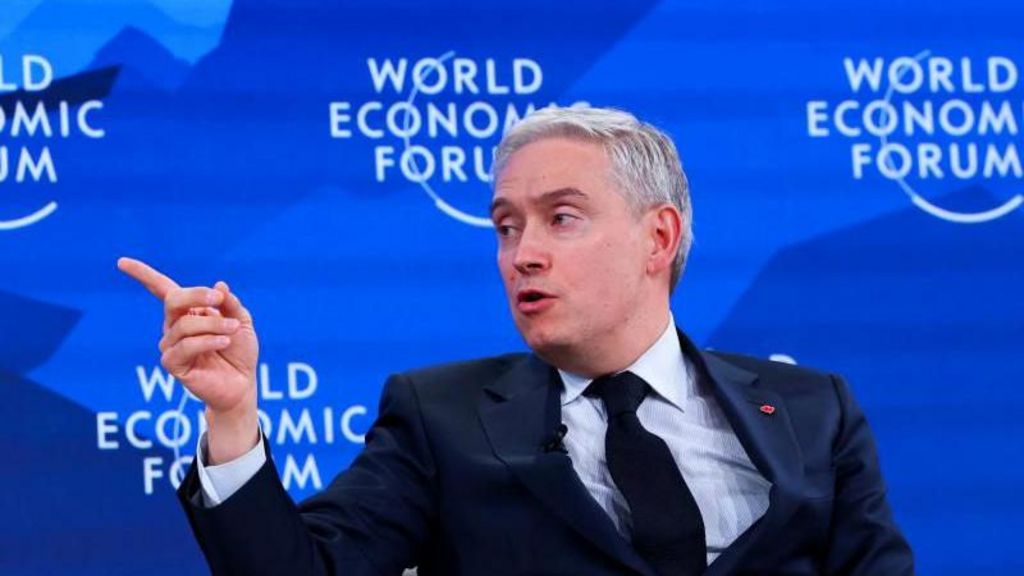
    Canadian Finance Minister François-Philippe Champagne has framed a potential baseline tariff as the necessary cost for maintaining trade flows with the United States, signaling a strategic shift in response to America’s evolving trade policy. This acknowledgment follows President Donald Trump’s State of the Union declaration advocating tariffs as a primary revenue source to replace income taxes.

    The comments align with recent statements from US trade chief Jamieson Greer, who asserted Canada must accept elevated tariff levels to retain business relations. This development comes amid renewed trade tensions triggered by Trump’s imposition of a universal 10% tariff under Section 122 of the 1974 Trade Act—a previously unused mechanism activated after the Supreme Court invalidated his earlier sweeping tariff policy.

    ‘It’s increasingly clear that the American administration expects market access to come at a price,’ Champagne told journalists in Ottawa. ‘Every nation I’m aware of is paying this price, and Canada currently pays the lowest.’

    While Canada maintains exemptions under the USMCA continental trade agreement, it faces heightened tariffs on strategic commodities including steel, aluminum, and softwood lumber. The US trade representative suggested Canada could mitigate these increases by opening protected sectors like dairy to American competition.

    In response to these tensions, Prime Minister Mark Carney has announced ambitions to double non-US exports within the next decade, particularly in automotive and metals industries. This diversification strategy emerges despite the United States remaining Canada’s dominant trading partner, accounting for approximately 75% of all exports.

    The diplomatic recalibration follows Friday’s Supreme Court ruling that declared Trump’s April tariff policy unconstitutional due to presidential overreach. The administration promptly implemented replacement tariffs through Section 122, which authorizes temporary levies of up to 15% for 150 days before requiring congressional approval.

    During his congressional address, Trump envisioned tariffs ‘paid by foreign nations’ eventually supplanting income taxes, potentially reshaping fundamental aspects of US fiscal policy and international trade dynamics.

  • US ‘suitcase murderer’ deported from Bali after 11 years in jail

    US ‘suitcase murderer’ deported from Bali after 11 years in jail

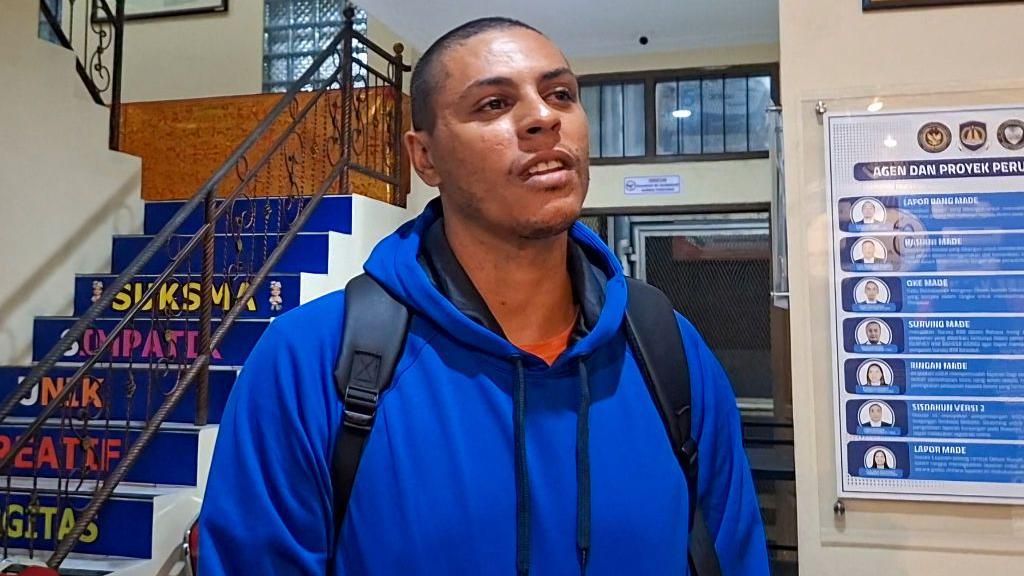
    Indonesian authorities have deported American citizen Tommy Schaefer following his 11-year incarceration for the notorious 2014 “suitcase murder” that shocked the resort island of Bali. Schaefer, now 33, was released from Kerobokan Prison on Tuesday morning after receiving sentence reductions for good behavior during his imprisonment.

    The case dates back to August 2014 when Schaefer and his then-girlfriend Heather Mack conspired to murder Mack’s mother, Sheila von Wiese-Mack, during a family vacation. Court documents revealed the couple’s motive centered on accessing the victim’s $1.5 million trust fund. The brutal killing occurred when Mack, then 18 and pregnant, covered her mother’s mouth while Schaefer delivered fatal blows with a metal fruit bowl.

    In a macabre attempt to conceal the crime, the couple stuffed the victim’s body into a suitcase and abandoned it in a taxi trunk. The taxi driver discovered the gruesome contents and alerted authorities, leading to the couple’s arrest at a different Bali hotel.

    During the 2015 trial, Indonesian prosecutors characterized the killing as “sadistic,” resulting in Schaefer receiving an 18-year sentence while Mack received a 10-year term. The court considered Mack’s pregnancy and lesser direct involvement as mitigating factors.

    Before boarding his deportation flight to Chicago, Schaefer expressed remorse to journalists, stating: “I’m sorry. I’m always sorry. I was thrust into this situation, but I take full responsibility for everything I have done and I hope Sheila’s family finds peace.”

    Schaefer now faces federal charges in the United States for conspiracy to kill a US national abroad and is scheduled to appear in Chicago court on Thursday. His case mirrors that of his accomplice Heather Mack, who was deported in 2021 only to be immediately arrested upon US arrival and subsequently sentenced to 26 years in federal prison after changing her plea agreement.