博客

  • Singapore to launch space agency in response to global investment surge

    Singapore to launch space agency in response to global investment surge

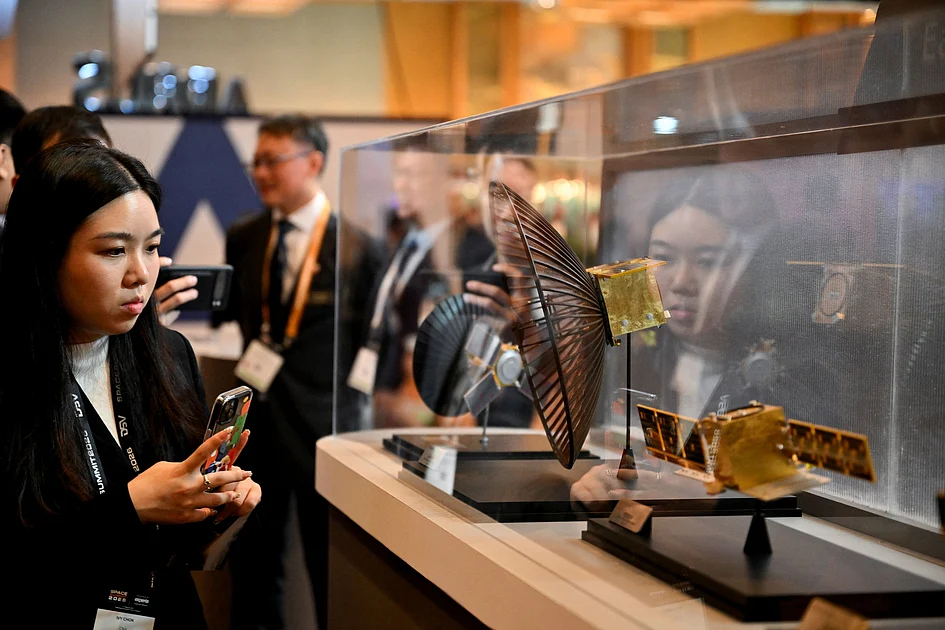
    Singapore has announced the creation of its National Space Agency, scheduled to commence operations on April 1st, 2026. The groundbreaking initiative was unveiled by Tan See Leng, Minister for Energy Technology at Singapore’s Ministry of Trade and Industry, during the country’s inaugural space summit.

    The newly formed agency will serve as Singapore’s central coordinating body for space-related activities, focusing on developing and operating national space capabilities while creating supportive legislative frameworks for innovation and commercial space enterprises. This strategic move positions Singapore to leverage its existing technological strengths in advanced manufacturing, aerospace systems, micro-electronics, precision engineering, and artificial intelligence within the rapidly expanding space sector.

    Current statistics reveal Singapore’s growing space ecosystem, hosting 70 space companies employing approximately 2,000 professionals across various segments of the space value chain. The establishment of the space agency comes amid unprecedented global investment in space technology, with 2025 recording historic funding levels according to data from investment firm Seraphim Space, with further growth anticipated.

    The Singaporean government emphasized that this institutional framework will enable the nation to fully capitalize on the increasing opportunities within the global space economy, transforming the country into a significant player in the international space technology landscape.
  • Russian cargo ship captain is found guilty over North Sea tanker crash death

    Russian cargo ship captain is found guilty over North Sea tanker crash death

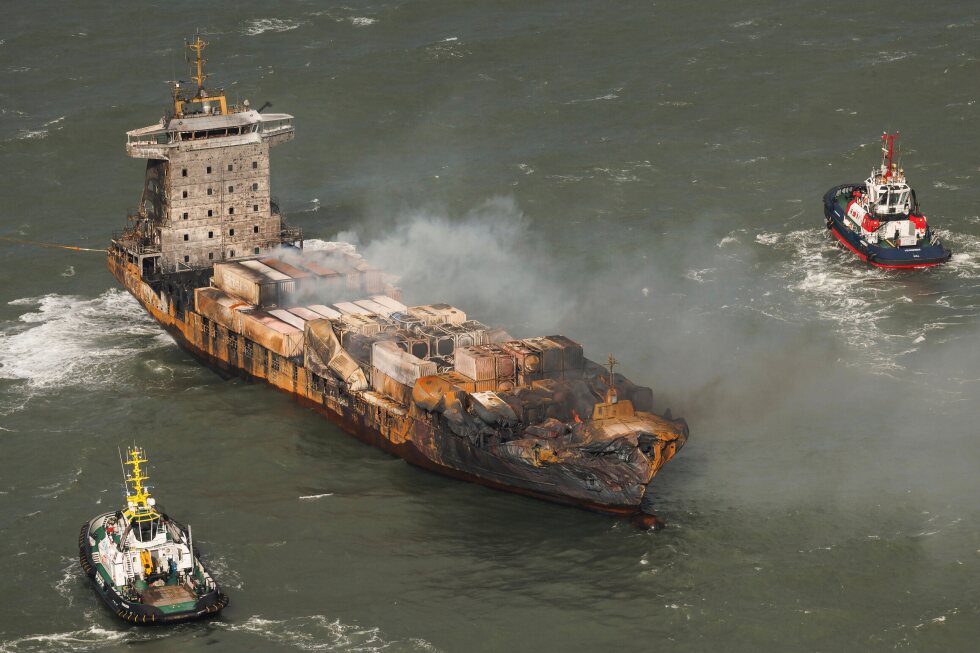
    In a landmark maritime trial concluding Monday, Russian captain Vladimir Motin was convicted of gross negligence manslaughter for his role in a catastrophic collision between cargo vessel Solong and U.S. oil tanker Stena Immaculate. The incident occurred March 10, 2025, in the North Sea off northeast England while both ships carried highly flammable cargo.

    The court heard how Motin, 59, from St. Petersburg, was serving as sole watch officer aboard the 130-meter Solong when it struck the anchored 183-meter U.S. military jet fuel tanker at 15.2 knots. The impact triggered an enormous blaze that burned relentlessly for eight days, consuming both vessels in a fireball visible for miles.

    Tragically, 38-year-old Filipino crew member Mark Angelo Pernia, who was working on the Solong’s bow at the moment of impact, perished instantly. His remains were never recovered from the wreckage.

    Prosecutors presented compelling evidence demonstrating Motin’s failure to execute basic safety protocols during the crisis. The Russian captain neglected to summon assistance, reduce speed, sound collision alarms, or initiate emergency stopping procedures. CCTV footage and audio recordings revealed a startling minute of silence from the bridge before impact, followed by panicked transmissions from the U.S. tanker crew reporting ‘fire, fire, fire.’

    Senior specialist prosecutor Michael Gregory characterized the incident as ‘a tragic and entirely avoidable death caused by truly, exceptionally bad negligence,’ noting it was ‘extremely fortunate that no one else was killed.’

    Rescue teams successfully evacuated 36 personnel from both vessels following the collision. The Solong was transporting alcoholic spirits and hazardous materials destined for Rotterdam, while the Stena Immaculate carried jet fuel for U.S. military operations.

    Motin, who prosecutors allege falsified accounts of the incident, will face sentencing on Thursday.

  • Disney warns of hit from flagging foreign visits

    Disney warns of hit from flagging foreign visits

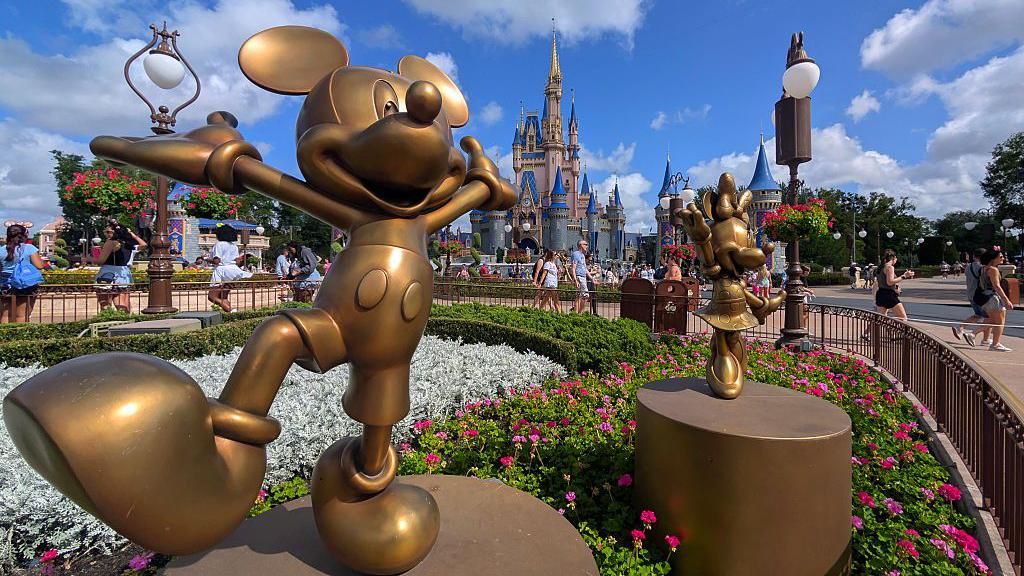
    The Walt Disney Company has issued a warning regarding anticipated challenges at its American theme park operations, citing declining international visitor numbers as a primary concern. Despite this headwind, the entertainment giant maintains confidence in its domestic marketing strategies to sustain modest growth within its lucrative parks division.

    Recent data reveals a notable shift in US tourism patterns, with foreign visits declining by 2.5% in the past year—marking the first decrease since 2020. Industry analysts attribute this trend partially to geopolitical factors, including potential backlash against certain US policies. Particularly striking is the approximately 20% plunge in Canadian visitors during the first three quarters of the year, following trade-related tensions.

    The tourism industry faces additional pressure from proposed regulatory changes, including potential social media screening requirements for international travelers. A World Travel & Tourism Council survey indicates that one-third of global travelers would be less inclined to visit the US if such measures were implemented.

    Despite these challenges, Disney’s recent financial performance demonstrates resilience. Parks revenue increased by 6% year-over-year in the latest quarter, surpassing $10 billion. Company executives note that domestic bookings remain strong with a projected 5% growth trajectory for the year, while overall attendance saw a 1% increase in the most recent reporting period.

    Ampere Analysis expert Guy Bisson commented on the situation: ‘While not achieving the stellar results they might have hoped for under normal circumstances, the current performance is far from catastrophic.’

    The company’s broader financial picture showed mixed results: total quarterly revenue grew 5% to $26 billion, driven by successful film releases including Zootopia and Avatar sequels. However, profits declined nearly 6% due to increased content production and distribution costs. Investor reaction was immediately apparent as Disney shares fell 4% following the earnings announcement.

  • Cypress-smoked pork lines Guizhou shops for Spring Festival

    Cypress-smoked pork lines Guizhou shops for Spring Festival

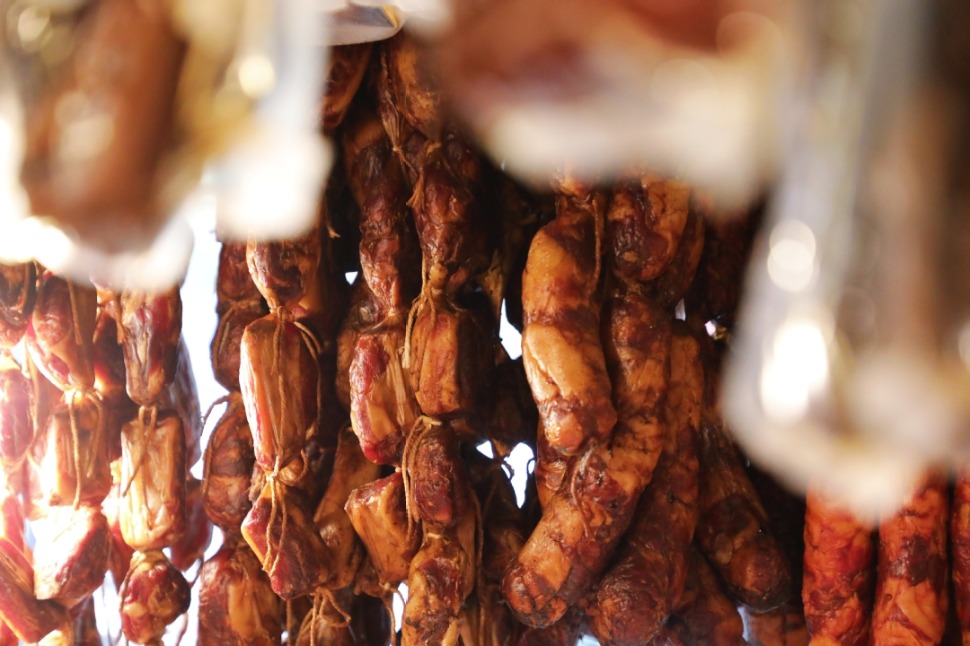
    As the Lunar New Year approaches, storefronts throughout Tongzi county in Guizhou province have transformed into vibrant exhibitions of traditional cured pork, signaling the arrival of Spring Festival celebrations. This annual culinary tradition represents both a household staple and a cultural centerpiece for family reunions during China’s most significant holiday period.

    The distinctive Guizhou-style cured pork, a renowned southern Chinese specialty, undergoes an elaborate smoking process that yields its characteristic dark, glossy appearance. Local artisans employ cypress branches in the smoking technique, imbuing the meat with its deep coloration and distinctive savory aroma that has become synonymous with regional culinary heritage.

    Annual production cycles intensify around the winter solstice, when shops significantly ramp up their sausage stuffing and pork smoking operations to accommodate surging consumer demand. This meticulous preparation ensures patrons receive diverse flavor profiles and premium quality products for their festive gatherings. The visual spectacle of numerous smoked pork displays creates a festive atmosphere throughout the community, connecting modern celebrations to generations of culinary tradition.

    The preservation of this food preparation method demonstrates how regional customs continue to thrive within contemporary holiday practices, offering both residents and visitors an authentic taste of Guizhou’s rich cultural tapestry during the Spring Festival season.

  • Crown Princess’s son arrested for alleged assault before rape trial in Norway

    Crown Princess’s son arrested for alleged assault before rape trial in Norway

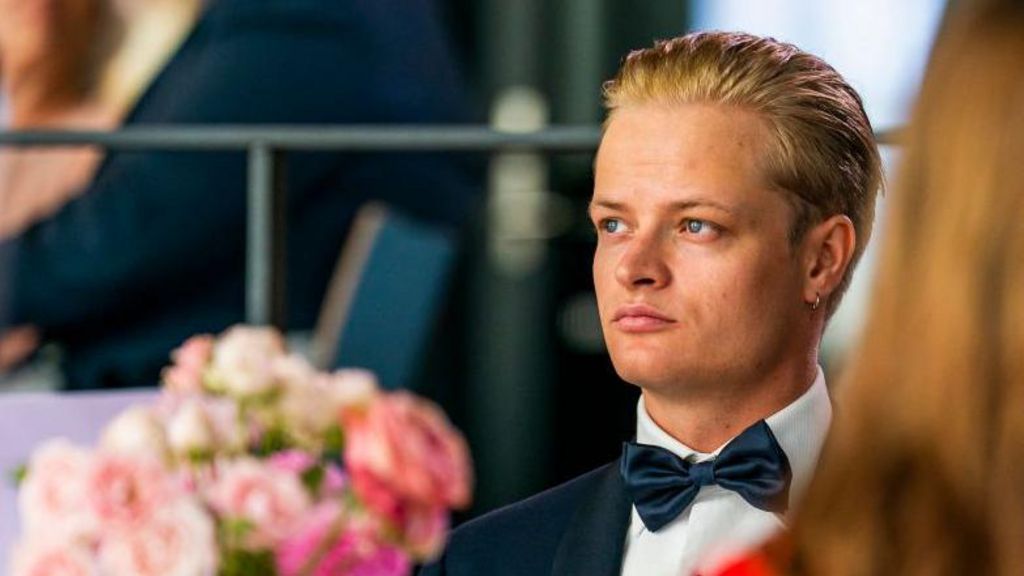
    The Norwegian royal family faces mounting scrutiny as Crown Princess Mette-Marit’s son, Marius Borg Høiby, has been arrested for the fourth time in 18 months ahead of his trial on 38 criminal charges. The 29-year-old stepson of Crown Prince Haakon was remanded in custody for four weeks following Sunday’s arrest on allegations involving weapon possession and violation of a restraining order.

    Høiby’s legal troubles began in August 2024 with accusations of assaulting a former partner. He now faces charges spanning multiple serious offenses including the alleged rape of four women, drug transportation of 3.5kg marijuana, and repeated traffic violations. While admitting to some minor charges, Høiby has denied the most severe allegations against him.

    Simultaneously, Norwegians are confronting revelations about Crown Princess Mette-Marit’s extensive three-year correspondence with convicted sex offender Jeffrey Epstein between 2011-2014. The future queen acknowledged “poor judgment” after it emerged she maintained contact through official royal channels, including a four-night stay at Epstein’s Florida residence and discussions about inappropriate wall art for her teenage son.

    Prime Minister Jonas Gahr Støre has implicitly criticized the crown princess’s actions, while royal commentators question the advisory failure surrounding her communications. Historian Ole-Jørgen Schulsrud-Hansen notes the fundamental distinction: “She’s never a private citizen, she’s always the crown princess.”

    The royal household has attempted to distance itself from Høiby’s case, emphasizing his status as a private citizen. Crown Prince Haakon expressed sympathy for affected women and families, calling it “a difficult time for many.” The case continues amid concerns about Høiby’s mental health and substance abuse issues, with the Oslo District Court approving extended custody to prevent reoffending during proceedings.

  • Dozens of Cambridge academics urge university to divest from arms industry

    Dozens of Cambridge academics urge university to divest from arms industry

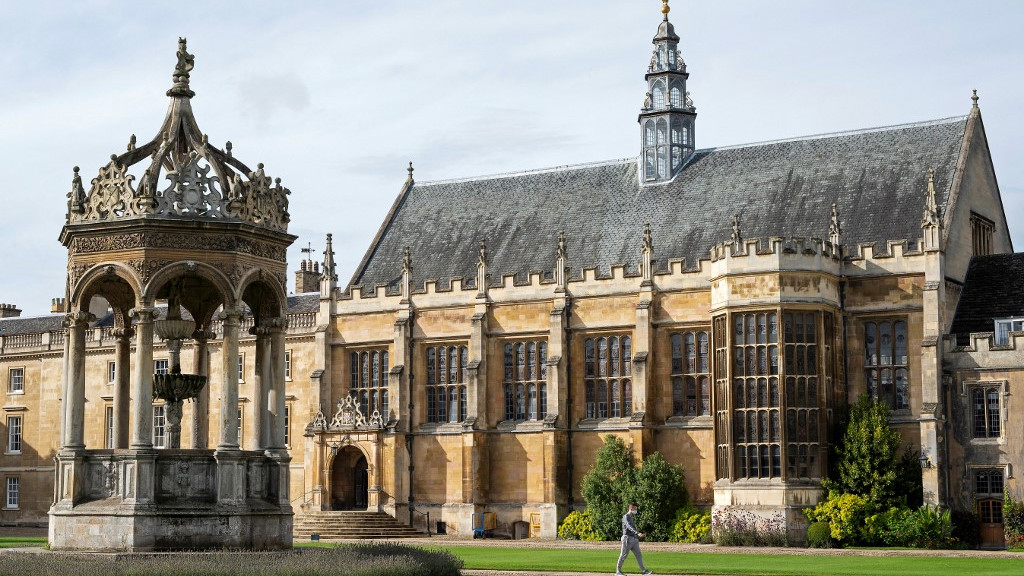
    A significant coalition of Cambridge University academics is intensifying pressure on the institution to immediately withdraw all investments from defense and arms manufacturing companies. This development precedes a critical University Council meeting scheduled for Monday to review a commissioned report on defense sector investments.

    The controversy stems from mounting accusations against the university administration regarding what professors characterize as ‘maximal obfuscation’ concerning its £4.2 billion endowment fund. Senior faculty members report being unable to properly scrutinize these investments due to the university’s refusal to disclose specific company involvements.

    Middle East Eye has obtained statements from 29 Cambridge academics demanding both transparency and complete divestment from arms manufacturers. The movement gained momentum following prolonged pro-Palestine student encampments in 2024, where protesters specifically demanded severed financial ties with Israel and defense contractors.

    Professor Jason Scott-Warren, an English faculty member and University Council representative, criticized the administration’s investment strategy: ‘The university’s investment managers are employing the same obstruction tactics they used during fossil fuel divestment campaigns. They claim their ‘fund of funds’ model prevents disclosure of specific investments or basic ethical screening.’

    Professor Christopher Burlinson of the English faculty expressed stronger condemnation: ‘I maintain the firm conviction that Cambridge University must eliminate all arms industry investments. These financial engagements directly fund and enable repression, genocide, and ethnic cleansing.’

    The university’s endowment is managed by University of Cambridge Investment Management Limited (UCIM), which utilizes a complex ‘fund of funds’ structure that distributes investments across multiple sectors under external management. This opacity has become increasingly controversial since King’s College Cambridge became the first Oxbridge institution to divest from companies complicit in ‘the occupation of Ukraine and Palestinian territories’ last year.

    The upcoming Council meeting, attended by Vice-Chancellor Deborah Prentice, college heads, and elected representatives, represents a pivotal moment for the divestment movement. Student protesters previously agreed to dismantle their encampment contingent on the university’s commitment to review defense industry linkages.

  • Big Ticket Abu Dhabi announces Dh15-million jackpot for February draw

    Big Ticket Abu Dhabi announces Dh15-million jackpot for February draw

    Abu Dhabi’s renowned Big Ticket raffle has unveiled a substantial Dh15 million grand prize for its February promotion, setting the stage for another life-changing win following January’s record Dh30 million award to a Filipino expatriate. The live draw event scheduled for March 3 will crown one fortunate millionaire while simultaneously distributing five consolation prizes of Dh100,000 each.

    The February calendar features an expanded reward structure with four weekly electronic draws, each granting Dh50,000 to four separate winners. This month’s promotion introduces the innovative Big Win Contest, offering customers who purchase multiple tickets between February 1-24 the opportunity to attend the live draw with guaranteed cash prizes ranging from Dh50,000 to Dh150,000.

    January’s finale witnessed four Indian nationals claiming Dh50,000 each in the final weekly e-draw. Among them, Hakkim Sha Habeeb expressed initial disbelief upon missing the winning notification, later describing his overwhelming delight upon confirmation.

    Vinoth, a 38-year-old electrical supervisor with 19 years in Qatar, celebrated his first-ever raffle victory after three years of consistent participation. “This represents the happiest moment of my life,” he shared, noting his plans to divide the winnings among his group while investing further in tickets and creating special memories for his daughter.

    Abdul Rahuman, a 54-year-old Kerala native residing in Abu Dhabi for six years, initially suspected a scam before experiencing profound relief and happiness. His participation through a 22-member group exemplifies the collective approach many adopt for sustained motivation.

    Shalini Suvarna, a Mumbai-born administrative professional in Umm Al Quwain since 2008, resumed ticket purchases last year after a hiatus. Her win will facilitate debt clearance while restoring confidence in the process. “Consistency matters profoundly,” she advised, reflecting on her interrupted participation pattern.

    The Big Ticket initiative continues to demonstrate its legitimacy through transparent processes and verifiable outcomes, strengthening participant trust across the UAE expatriate community.

  • Trump plans to lower tariffs on Indian goods to 18% after India agreed to stop buying Russian oil

    Trump plans to lower tariffs on Indian goods to 18% after India agreed to stop buying Russian oil

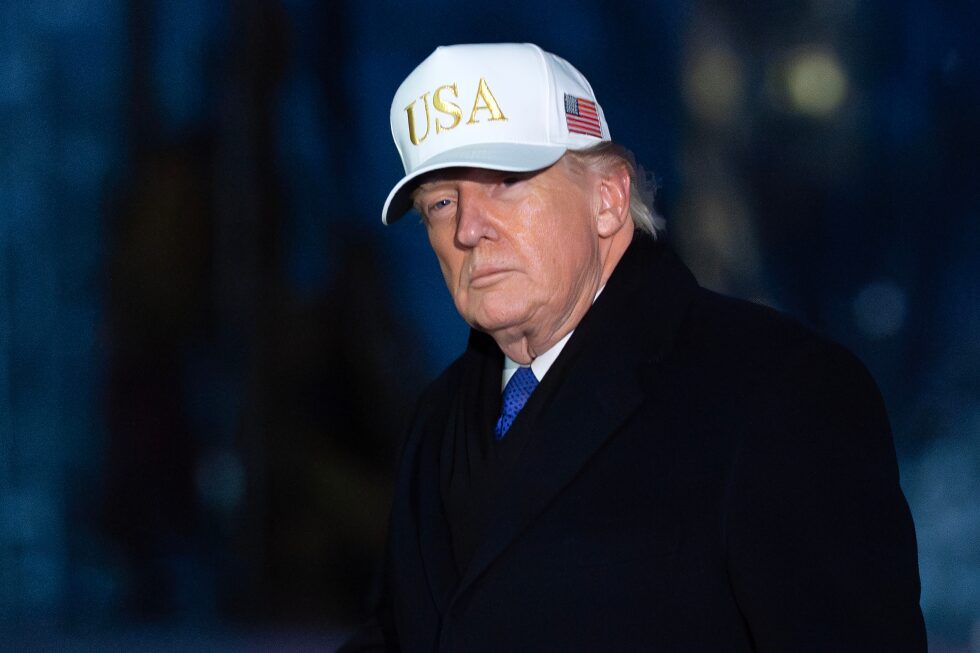
    In a significant diplomatic development, President Donald Trump has announced a major trade agreement with India that links tariff reductions to energy policy shifts. The arrangement will see U.S. tariffs on Indian goods drop from 25% to 18%, contingent on India’s commitment to cease purchasing Russian oil.

    The agreement culminates months of pressure from the Trump administration urging New Delhi to reduce its reliance on discounted Russian crude. India had substantially increased its purchases of Russian oil following Moscow’s February 2022 invasion of Ukraine, capitalizing on price reductions as Western nations sought to isolate Russia economically.

    In reciprocal measures, India has committed to eliminating import taxes on U.S. goods and purchasing approximately $500 billion worth of American products. President Trump characterized the arrangement as a strategic move that would “help END THE WAR in Ukraine” by targeting Russia’s oil revenues.

    Indian Prime Minister Narendra Modi expressed enthusiasm for the agreement, describing Trump’s leadership as “vital for global peace, stability, and prosperity” in a social media post. Modi further indicated his intention to deepen the bilateral partnership to “unprecedented heights.”

    The announcement coincides with planned trilateral talks in Abu Dhabi later this week involving Trump’s special envoy Steve Witkoff and son-in-law Jared Kushner meeting with Russian and Ukrainian officials. According to a White House official speaking anonymously, these discussions aim to establish an endgame for the ongoing conflict.

    This trade breakthrough follows nearly a year of escalating tariffs, including a 25% duty imposed in June 2023 over concerns about India’s trade surplus with the U.S., and additional 25% tariffs implemented in August specifically targeting India’s Russian oil purchases.

    The U.S.-India agreement emerges alongside other significant trade developments, including India’s recently concluded free trade pact with the European Union after nearly two decades of negotiations. These shifting trade alliances reflect broader realignments in global economic relationships as major economies respond to changing geopolitical dynamics.

    Despite historical defense ties between India and Russia, the new arrangement signals India’s strategic pivot toward Western economic partnerships. The agreement addresses longstanding U.S. concerns about market access while acknowledging India’s reservations regarding sensitive sectors like agriculture and dairy that employ significant portions of its population.

    The United States recorded a $53.5 billion trade deficit in goods with India during the first eleven months of last year, highlighting the economic significance of this newly negotiated balance.

  • Iran says framework for negotiations with US to be finalised in coming days

    Iran says framework for negotiations with US to be finalised in coming days

    Iran’s Foreign Ministry revealed on Monday that a structured framework for diplomatic negotiations with the United States is nearing completion, with expectations for finalization within days. This development emerges amid heightened tensions as President Donald Trump continues to threaten potential military action against Tehran.

    Foreign Ministry spokesman Esmaeil Baqaei confirmed that regional nations are actively facilitating backchannel communications between the two historically adversarial states. “Countries of the region are acting as mediators in the exchange of messages,” Baqaei stated, while maintaining discretion regarding the specific content under discussion.

    The diplomatic breakthrough follows Saturday’s announcement by top Iranian security official Ali Larijani, who declared via social media platform X that substantive progress was being made despite what he characterized as “artificial media warfare” creating a misleading perception of deadlock. Larijani’s statement emphasized that contrary to public assumptions, the architectural foundation for formal negotiations was actively taking shape.

    Baqaei elaborated that multiple critical elements have already been addressed, with technical teams currently refining the procedural details of each phase within the proposed diplomatic process. “Several points have been addressed and we are examining and finalising the details of each stage,” he noted, underscoring the complexity of establishing mutually acceptable communication channels between nations with decades of entrenched hostility.

    This diplomatic maneuvering occurs against a backdrop of increasingly confrontational rhetoric from Washington, where President Trump has simultaneously expressed openness to dialogue while authorizing military preparations for potential engagement. The paradoxical situation presents a delicate balancing act for both governments as they navigate domestic political pressures and international expectations.

  • China’s Spring Festival travel rush begins

    China’s Spring Festival travel rush begins

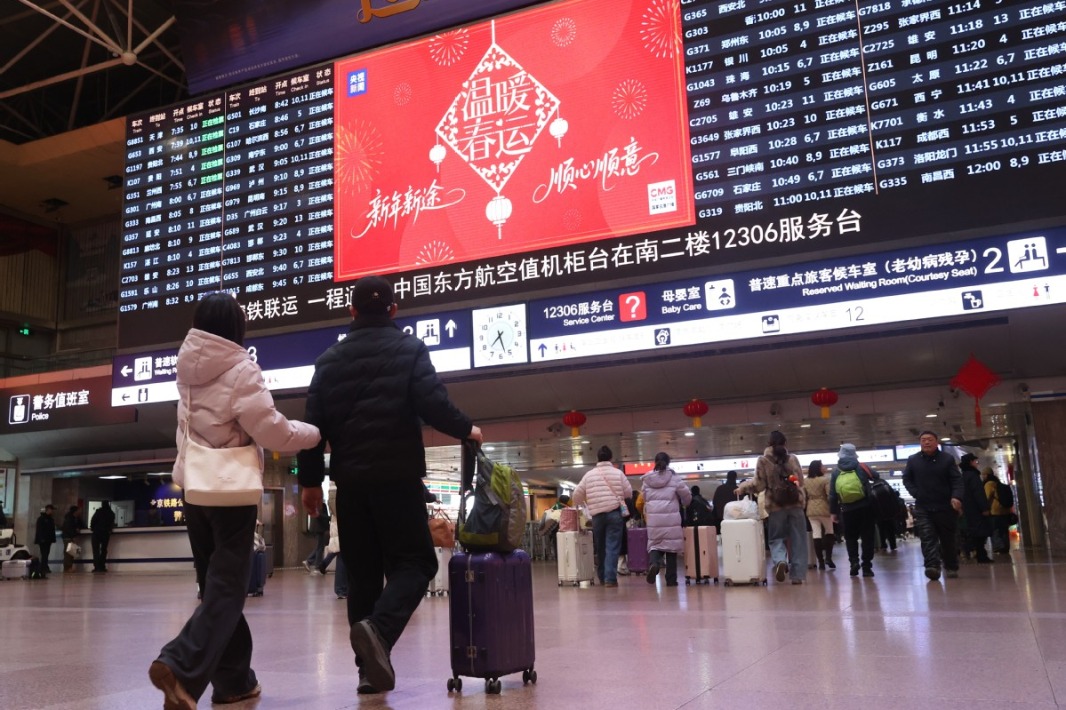
    China has officially initiated its monumental Spring Festival travel period, known as Chunyun, marking the beginning of the world’s largest annual human migration. The extensive travel season commenced on Monday, February 2, 2026, and will extend for forty consecutive days until March 13.

    The travel surge coincides with the Lunar New Year celebration, with Spring Festival falling on February 17 this year. Official national holidays have been scheduled from February 15 through February 23, providing a nine-day break that enables millions of Chinese citizens to undertake journeys to reunite with family members across the country.

    Early scenes from Beijing West Railway Station captured the initial wave of travelers, with passengers forming orderly queues while awaiting train boarding procedures. Transportation hubs nationwide are implementing enhanced operational measures to accommodate the unprecedented passenger volume characteristic of this annual phenomenon.

    The Chunyun period represents a critical logistical challenge for China’s transportation infrastructure, with railway networks, highway systems, and air travel corridors all experiencing substantial capacity demands. Authorities have coordinated comprehensive preparations to ensure safe and efficient transit during this culturally significant migration period that underscores the deep-rooted tradition of family reunion in Chinese culture.