博客

  • Indian filmmaker Atlee, wife Priya are expecting their second child

    Indian filmmaker Atlee, wife Priya are expecting their second child

    Renowned Indian filmmaker Atlee Kumar and his spouse Priya have joyfully announced they are expecting their second child, marking a significant expansion of their family. The acclaimed director, celebrated for blockbuster films including ‘Theri,’ ‘Bigil,’ and the record-shattering ‘Jawan,’ shared this heartfelt news through an official Instagram post on January 20, 2026.

    The couple, who entered matrimony in November 2014, expressed their excitement with the caption: ‘Our home is about to get even cozier with the addition of our newest member!’ The announcement was accompanied by a series of professionally captured maternity photographs, showcasing the couple’s joyful anticipation.

    This new arrival will join their firstborn son, Meer, who was born in 2023. The pregnancy revelation prompted an immediate outpouring of congratulations from fans and industry colleagues alike. Notable among the well-wishers was actress Samantha Ruth Prabhu, who commented enthusiastically on the social media post.

    Atlee’s distinguished career trajectory includes his directorial debut with the 2013 Tamil film ‘Raja Rani,’ followed by multiple successful collaborations with superstar Vijay. His groundbreaking Bollywood debut with ‘Jawan,’ starring Shah Rukh Khan, achieved historic box office success, cementing his status as one of India’s most influential cinematic talents.

  • Sheikh Mohammed announces UAE tops global government trust index

    Sheikh Mohammed announces UAE tops global government trust index

    In a significant development for global governance metrics, the United Arab Emirates has achieved the premier position in the 2026 Edelman Trust Barometer, marking a notable ascent of three positions from the previous year. The announcement was formally made by His Highness Sheikh Mohammed bin Rashid Al Maktoum, Vice President of the UAE and Ruler of Dubai, who emphasized that institutional trust represents a cumulative achievement built through consistent performance rather than momentary accomplishment.

    The comprehensive trust assessment, conducted annually by the New York-based Edelman organization, places India in the second position globally, followed by other nations in the closely watched ranking of public confidence in governmental institutions. Sheikh Mohammed articulated that the foundation of this trust rests upon three critical pillars: consistent promise fulfillment, integrity within legal frameworks, and genuine respect for citizenry.

    Beyond governmental trust, the UAE demonstrated exceptional performance across multiple metrics within the comprehensive study. The nation leads globally in public confidence that future generations will experience improved quality of life, reflecting optimistic national sentiment. Additionally, the Emirates tops international rankings for trust in employers’ ethical conduct and corporate decision-making processes.

    Media trustworthiness represents another area of notable achievement for the UAE, with the country ranking among the top five nations globally and registering a substantial 15-point increase in public confidence. The broader global context reveals education and technology sectors maintain the highest trust levels across industries, with social media platforms showing improved trust metrics despite previous challenges.

    The Trust Barometer results emerge during the World Economic Forum meetings in Davos, where governance and institutional trust feature prominently in global leadership discussions. The UAE’s achievement signals a broader shift in global trust patterns, with emerging economies demonstrating strong performance in public confidence metrics.

  • Türkiye’s gateway to global agriculture opens doors to MENA and international partnerships

    Türkiye’s gateway to global agriculture opens doors to MENA and international partnerships

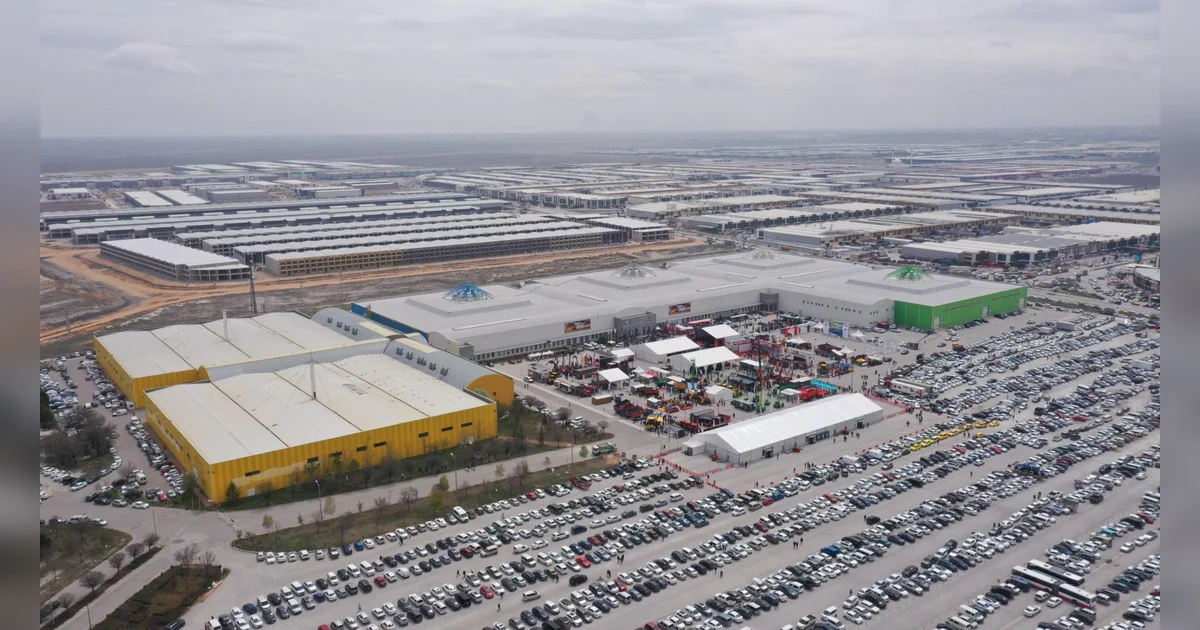
    Konya is poised to become the epicenter of agricultural technological advancement as Türkiye prepares to host its premier agricultural exposition in April 2026. The 22nd International Konya Agriculture, Agricultural Mechanization and Field Technologies Fair will convene at the Tüyap Konya International Fair Center from April 7-11, establishing itself as the nation’s most significant gathering for agricultural innovation and cross-border collaboration.

    Organized through a strategic partnership between Tüyap Exhibitions Group and the Turkish Agricultural Machinery and Equipment Manufacturers Association (TARMAKBİR), the event builds upon its remarkable 2025 achievement of attracting 251,000 visitors from 80 nations alongside 432 exhibitors representing 20 countries. This demonstrates the fair’s growing international significance within global agricultural circles.

    The 2026 edition occupies an expansive 96,000 square meter exhibition space, featuring cutting-edge agricultural technologies ranging from precision farming systems and smart irrigation solutions to advanced harvesting equipment and sustainable farming applications. The comprehensive showcase highlights Türkiye’s sophisticated industrial capabilities while addressing the pressing agricultural modernization needs of MENA nations.

    Water-stressed Middle Eastern and North African countries facing population growth and food security challenges represent a particularly crucial market segment. The event specifically targets agricultural professionals, investors, and public sector representatives from 17 MENA countries including Saudi Arabia, UAE, Egypt, Qatar, and Morocco through structured B2B matchmaking sessions and technology demonstrations.

    Supported by Türkiye’s Ministry of Agriculture and Forestry, the Turkish Chamber of Agriculture, Konya Metropolitan Municipality, and Konya Chamber of Commerce, the fair creates an unparalleled platform for knowledge exchange, technology transfer, and international partnership development. Visitors can explore the complete spectrum of agricultural mechanization from established equipment to revolutionary smart farming technologies during the five-day event.

    The strategic timing and location in Konya—Türkiye’s agricultural heartland—positions this event as a critical nexus for global agricultural stakeholders seeking to leverage technological innovation for enhanced food system resilience and sustainable farming practices across regions.

  • Australia’s lower house passes tougher gun control laws in response to Bondi mass shooting

    Australia’s lower house passes tougher gun control laws in response to Bondi mass shooting

    In a decisive legislative response to the nation’s deadliest mass shooting in decades, Australia’s House of Representatives has approved sweeping gun control measures. The legislation, passed on Tuesday with a 96-45 vote, establishes a national firearm buyback program and enhances background verification processes for gun licenses.

    The bipartisan effort faced opposition from conservative lawmakers who criticized the government’s approach to addressing rising antisemitism. The new framework empowers federal authorities to utilize intelligence data from the Australian Security Intelligence Organisation during license screenings and creates mechanisms for purchasing surplus and newly restricted weapons.

    Home Affairs Minister Tony Burke emphasized the urgency of these measures following the December 14 Bondi Beach attack that claimed 15 lives. “The tragic events at Bondi demand a comprehensive response from government,” Burke stated during parliamentary proceedings. “We must counter both the motivation and the method.”

    The legislative action coincides with concerning statistics revealing a record 4.1 million firearms currently in circulation across Australia, with New South Wales—the site of the recent tragedy—accounting for over 1.1 million weapons. This development follows New South Wales’ own recent reforms limiting individual gun ownership to four firearms (ten for agricultural purposes) and shortening license renewal cycles from five to two years.

    The proposed legislation now advances to the Senate for consideration, while Parliament concurrently debates additional measures that would lower prosecution thresholds for hate speech offenses.

  • China steps up emergency response as temperatures drop sharply

    China steps up emergency response as temperatures drop sharply

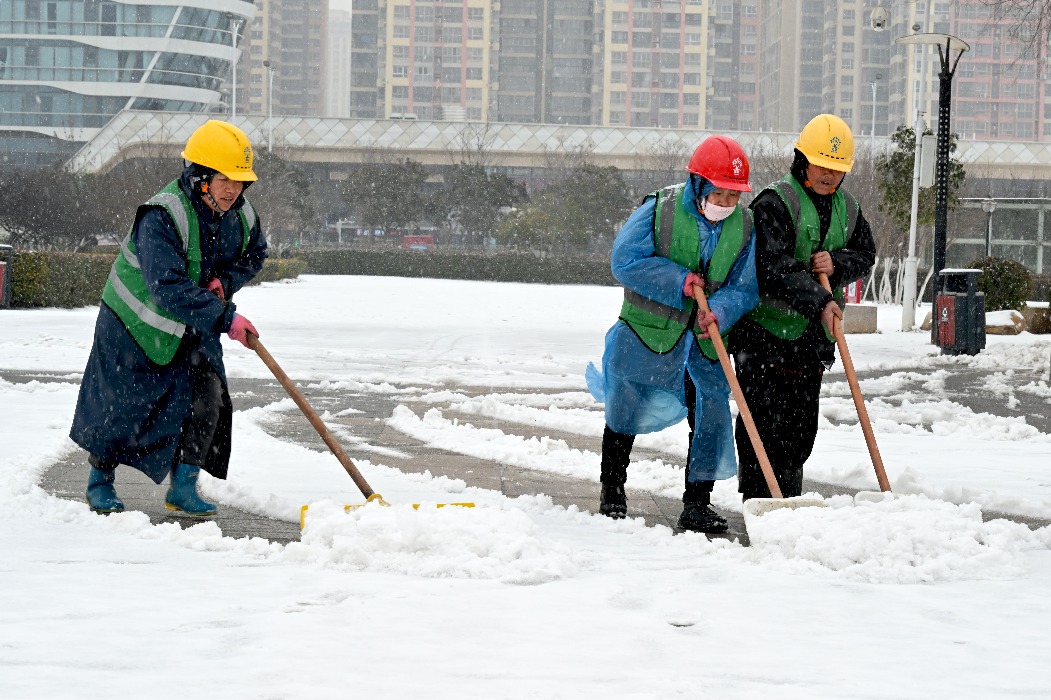
    Chinese authorities have initiated a nationwide emergency protocol as a severe cold front originating from Siberia engulfs vast regions, bringing unprecedented subzero temperatures, heavy snowfall, and disruptive freezing rain. The meteorological phenomenon has triggered coordinated responses across multiple provinces to safeguard civilian welfare, critical infrastructure, and energy security.

    In Inner Mongolia Autonomous Region, temperatures plummeted to extreme lows of -44.5°C (-48.1°F), prompting municipal governments to activate 24-hour public warming stations for outdoor workers and emergency heating hotlines. The city of Ordos implemented coal supply assurance measures for both residential and centralized heating systems amid the prolonged freeze.

    The agricultural sector faces significant challenges, particularly in facility farming hubs like Chifeng. Specialized technical teams have been deployed to reinforce greenhouse structures, repair damaged coverings, and implement auxiliary heating solutions to protect winter vegetable supplies from the crippling cold.

    Transportation networks have been severely compromised, with Inner Mongolia’s transportation departments identifying over 700 vulnerable road segments. More than 200 maintenance crews have been mobilized to clear accumulated snow across approximately 28,000 kilometers of highways. In Hunan Province, freezing rain and sleet have disrupted rail operations, forcing China Railway Guangzhou Group to suspend or reroute numerous passenger services through Wednesday.

    The energy sector is experiencing unprecedented strain as electricity demand surges. Shandong Province recorded a historic winter load peak of 116 million kilowatts, prompting State Grid Shandong to implement enhanced monitoring of critical power lines and position emergency repair teams on high alert. Maintenance workers like Yang Xu from Linyi City continue hazardous inspections despite blizzard conditions, emphasizing that “equipment reliability becomes exponentially more critical during extreme weather events.”

    At China’s largest natural gas storage facility in Hutubi, Xinjiang, personnel conducted essential inspections in -30°C conditions to ensure uninterrupted gas supply for both residential needs and the West-East Gas Transmission Project. Inspector Zhou Weidong emphasized their role in seasonal peak shaving and emergency supply maintenance.

    The National Meteorological Center maintains active alerts for strong gales and hazardous road icing conditions, with Chief Forecaster Ma Xuekuan confirming the Siberian-originating air mass as the primary driver of this exceptional weather event. The comprehensive response demonstrates China’s multilayered approach to mitigating the impacts of extreme winter weather on population centers and critical infrastructure.

  • In their words: Trump’s threats over Greenland draw warnings and profanities at global forum

    In their words: Trump’s threats over Greenland draw warnings and profanities at global forum

    DAVOS, Switzerland — The World Economic Forum became an arena of diplomatic confrontation on Tuesday as international leaders delivered stark warnings against U.S. President Donald Trump’s pursuit of Greenland and escalating trade measures. The annual gathering of global elites witnessed unusually blunt language and grave concerns about the erosion of international norms.

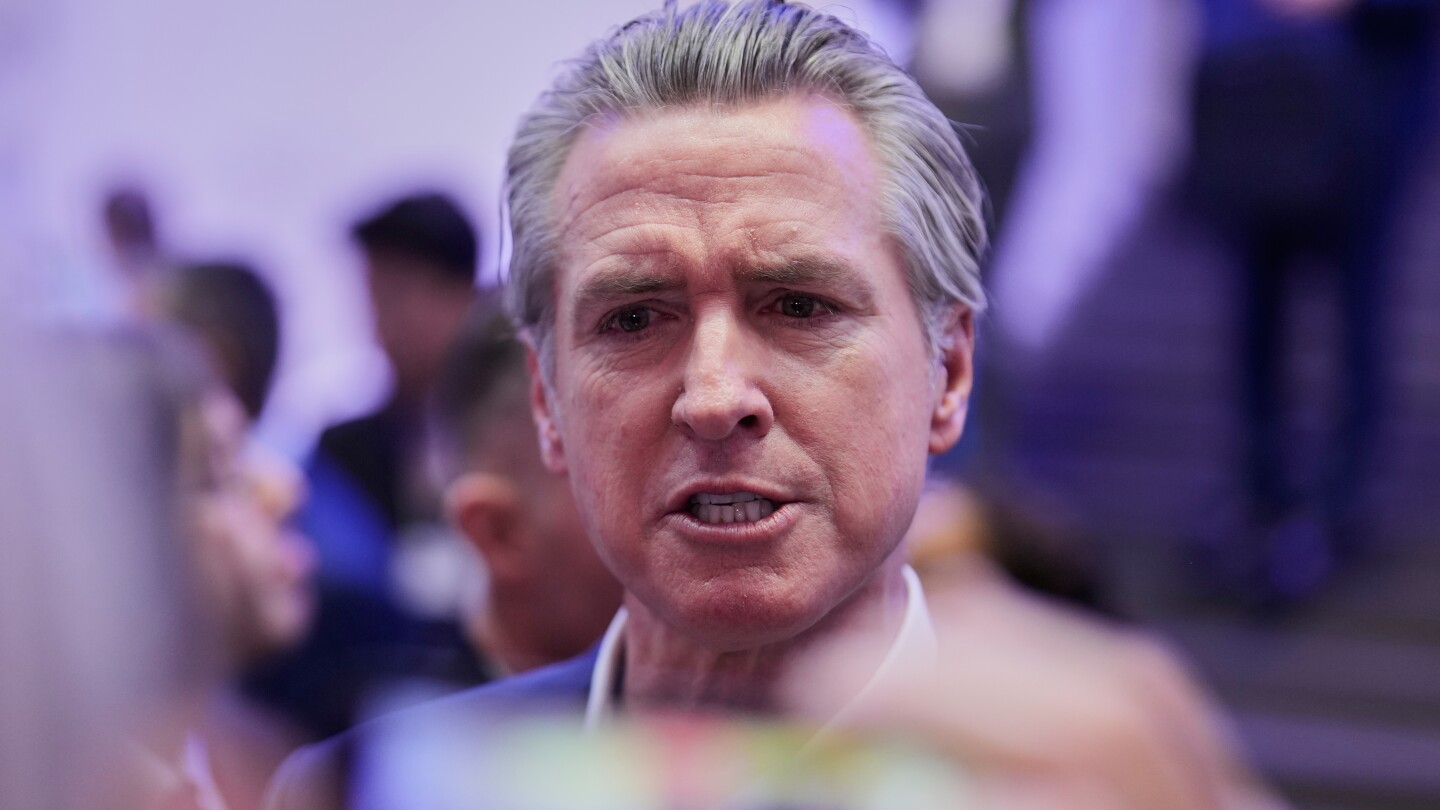
    California Governor Gavin Newsom, a prominent Democratic figure, unleashed a profanity-laden critique of global leadership, accusing world diplomats of excessive compliance with Trump’s policies. “I can’t take this complicity. People rolling over,” Newsom declared. “I hope people understand how pathetic they look on the world stage. At least from an American perspective, it’s embarrassing.” The governor employed visceral metaphors, comparing diplomacy with Trump to interacting with a Tyrannosaurus Rex: “You mate with him or he devours you.”

    European Commission President Ursula von der Leyen addressed the trade tensions with measured diplomacy but firm resolution. She characterized the proposed additional tariffs as “a mistake, especially between long-standing allies” and emphasized that “in politics, as in business, a deal is a deal.” Von der Leyen warned against a diplomatic “downward spiral” that would ultimately benefit adversaries of Western nations, while signaling Europe’s readiness to pursue greater independence in response to persistent international pressure.

    French President Emmanuel Macron, appearing with aviator sunglasses due to an eye infection, delivered a sophisticated critique of what he termed a “new colonial approach” in international relations. The president cautioned against a emerging global framework where “international law is trampled underfoot and where the only law that seems to matter is that of the strongest.” Macron specifically condemned American trade practices that “undermine our export interests, demand maximum concessions, and openly aim to weaken and subordinate Europe,” particularly when combined with “an endless accumulation of new tariffs that are fundamentally unacceptable.”

    The collective responses from European leadership and American state governance revealed deepening transatlantic tensions and growing resistance to Trump’s unconventional diplomatic methods. The Davos discussions highlighted a critical juncture in international relations, with traditional alliances being tested and global power dynamics undergoing significant transformation.

  • Shenzhen leads China’s megacities in commuting efficiency

    Shenzhen leads China’s megacities in commuting efficiency

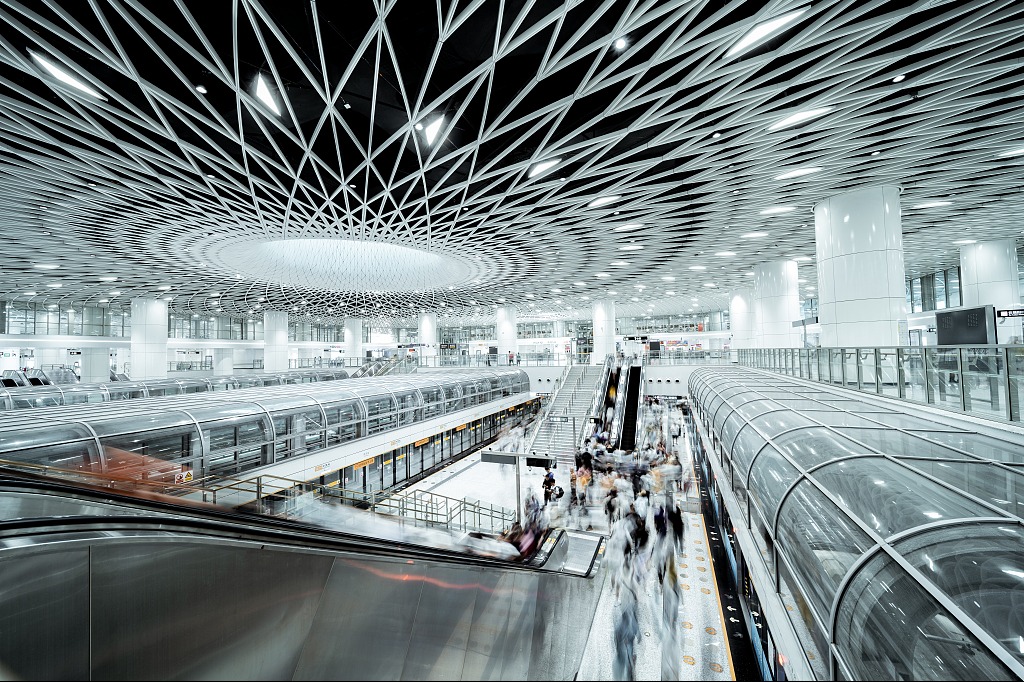
    Shenzhen has established itself as China’s premier megacity for commuting efficiency, according to the 2025 Urban Commuting Report released by the China Academy of Urban Planning and Design. The southern technology hub achieved a groundbreaking milestone with 81% of residents completing their one-way commutes within 45 minutes—the first Chinese megacity to surpass the 80% benchmark.

    The comprehensive study highlights Shenzhen’s exceptional performance across multiple commuting metrics, including transit duration, travel distance, and public transportation reliability. The city maintains an average one-way commute of just 33 minutes covering approximately 7.9 kilometers, indicating increasingly compact urban development and optimized spatial planning.

    Notably, only 11% of Shenzhen commuters endure journeys exceeding 60 minutes—the lowest proportion among China’s megacities. This efficiency is largely attributed to the city’s extensive rail network, with 39% of residents living within 800 meters of metro stations, leading all comparable cities.

    By the end of 2025, Shenzhen’s metro system had expanded to 18 lines spanning over 600 kilometers and serving more than 400 stations. The city’s bus network similarly excels, with approximately 60% of bus commuters completing their trips within 45 minutes. This multimodal transportation success demonstrates Shenzhen’s comprehensive approach to urban mobility challenges.

  • India, UAE sign $3 billion LNG deal, agree to boost trade, defence ties

    India, UAE sign $3 billion LNG deal, agree to boost trade, defence ties

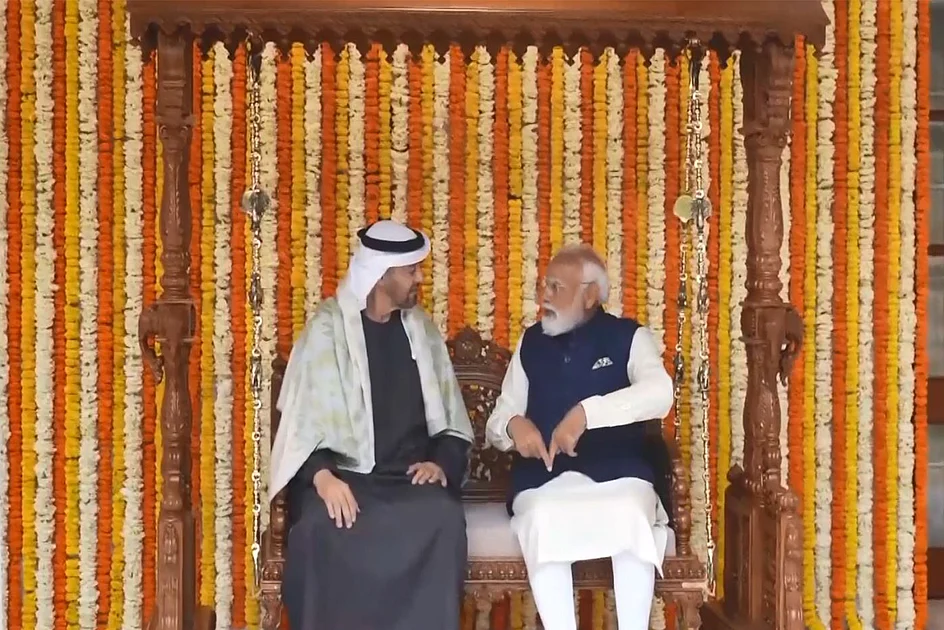
    India and the United Arab Emirates have solidified a landmark $3 billion liquefied natural gas agreement while committing to significantly expand their bilateral trade and defense cooperation. The deal was finalized during UAE President Sheikh Mohamed bin Zayed Al Nahyan’s brief but impactful two-hour visit to India for discussions with Prime Minister Narendra Modi.

    Abu Dhabi’s state energy giant Adnoc Gas will supply approximately 0.5 million metric tons of LNG annually to India’s Hindustan Petroleum Corporation Limited under a decade-long contract. This arrangement elevates India to the position of the UAE’s premier LNG customer and represents a substantial expansion of the energy partnership between the two nations. Adnoc Gas confirmed that this agreement brings their total contractual value with Indian partners to exceed $20 billion.

    The leadership summit yielded ambitious economic targets, with both countries pledging to double their bilateral trade volume to $200 billion within the next six years. The UAE currently stands as India’s third-largest trading partner, highlighting the significance of this enhanced economic commitment.

    Accompanied by a high-level delegation including defense and foreign ministers, the UAE leadership engaged in comprehensive talks that extended beyond energy cooperation. The two nations signed a letter of intent to establish a strategic defense partnership, though Indian Foreign Secretary Vikram Misri clarified that this enhanced security cooperation does not imply India’s involvement in regional conflicts.

    The brief but productive visit underscores the accelerating pace of Indo-Emirati relations, combining energy security with broader economic and strategic objectives that will shape the regional economic landscape for years to come.

  • Syria accuses SDF of ‘political blackmail’ after Islamic State inmates freed

    Syria accuses SDF of ‘political blackmail’ after Islamic State inmates freed

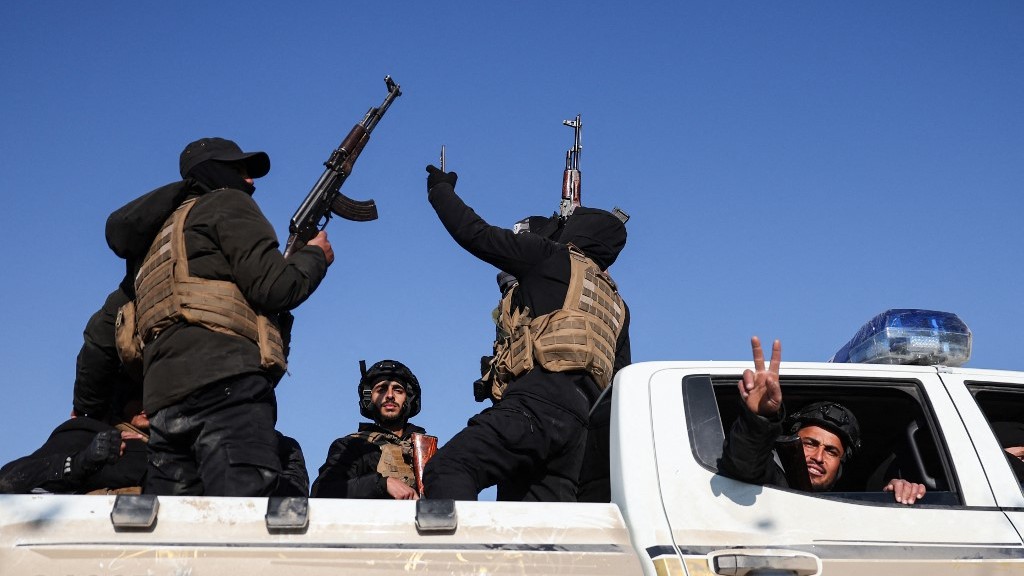
    The Syrian Interior Ministry has leveled serious allegations against the Syrian Democratic Forces (SDF), accusing them of orchestrating the intentional release of Islamic State fighters from al-Shaddadi prison in northeast Syria. Damascus characterized this action as an act of ‘political and security blackmail’ in an official statement released Tuesday.

    According to ministry reports, Syrian government forces successfully recaptured 81 of approximately 120 detainees who escaped during the incident. The ministry revealed that Syrian army units had previously avoided entering the al-Shaddadi facility during recent military operations based on an understanding that the SDF would subsequently transfer control of the prison to Damascus.

    Official accounts indicate that Syrian military commanders engaged mediators and SDF leadership to coordinate the transfer of the detention facility to state internal security forces. The ministry claims the SDF ultimately rejected this request and subsequently issued statements that allegedly ‘sought to mislead international opinion.’

    The Syrian government’s statement contained a stark warning: ‘The Syrian government warns the SDF leadership against taking any reckless steps that would facilitate the escape of ISIS detainees or open prisons for them as a retaliatory measure or as a political pressure tactic.’

    The SDF, which maintains control over numerous sensitive detention sites despite previous agreements, has vehemently disputed the government’s narrative. The Kurdish-led forces contend that the prison break occurred following an attack by tribal fighters affiliated with the Syrian army, asserting that government forces lost operational control of the facility.

    This escalating dispute emerges amid heightened tensions following recent ceasefire negotiations that included provisions for SDF withdrawal from areas west of the Euphrates River. On Tuesday, SDF commander Fawza Youssef accused President Ahmed al-Sharaa’s government of failing to uphold the terms of the agreement.

    The ongoing conflict highlights the complex security situation in northeastern Syria, where the SDF controls more than a dozen prisons holding approximately 9,000 IS suspects who have remained detained for years without formal judicial proceedings.

    Recent diplomatic efforts, including Monday’s talks between President al-Sharaa and SDF leader Mazloum Abdi, concluded without agreement. Damascus proposed deploying internal security forces to Hasakah, offering Abdi the position of deputy defense minister, appointing a governor, and removing Kurdistan Workers’ Party members from the region.

    In a significant diplomatic development, President al-Sharaa subsequently communicated with former U.S. President Donald Trump, with both leaders emphasizing the importance of Syria’s territorial integrity and the protection of Kurdish rights within the country.

  • 7 in 10 UAE residents plan to buy property this year: Are you one of them?

    7 in 10 UAE residents plan to buy property this year: Are you one of them?

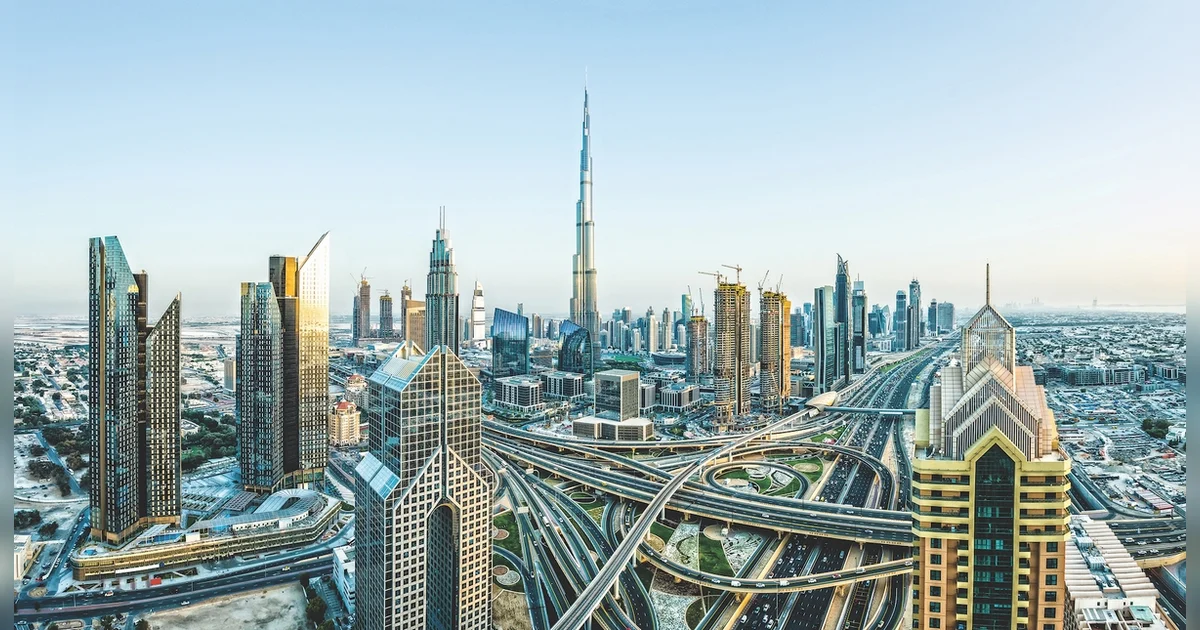
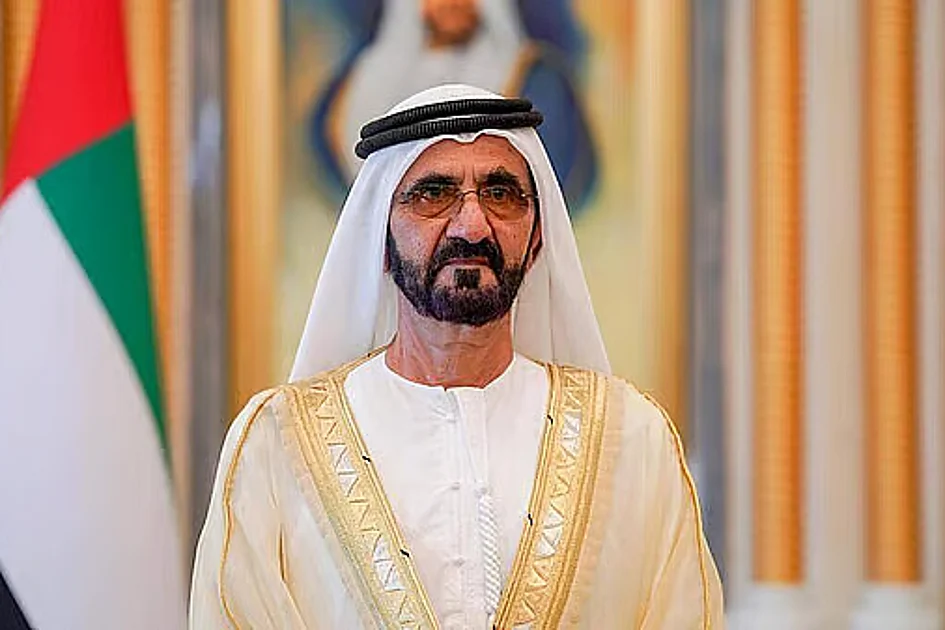
    A significant majority of UAE residents are actively planning property acquisitions despite ongoing market price uncertainties, according to recent survey data. Property Finder’s bi-monthly Market Pulse research, conducted across November and December 2025 with 5,540 participants, reveals that seven out of ten residents intend to purchase real estate within the coming six-month period.

    The survey indicates a nuanced shift in buyer expectations regarding property valuations. During November, 40% of respondents anticipated price declines, while 32% projected increases and 28% expected market stability. By December, expectations moderated slightly with 39% forecasting decreases, 32% still predicting growth, and 29% anticipating unchanged prices. This represents a subtle but notable change from the September-October period when price decline expectations consistently ranged between 39-40%.

    Market analysts observe that while purchasers demonstrate heightened price consciousness, this awareness hasn’t substantially dampened acquisition intentions. The data suggests prospective buyers are proceeding with transactions rather than delaying decisions amid fluctuating market conditions.

    Driving this sustained demand is a demographic shift seeing increased participation from young professionals aged 25-35. This trend emerges from converging factors including escalating rental costs, mortgage payments that increasingly parallel leasing expenses, and more defined long-term residency options such as the Golden Visa program. Financial practicality now positions property ownership as a viable alternative to renting for many younger buyers seeking both financial security and flexibility.

    Industry experts simultaneously caution purchasers regarding substantial upfront capital requirements, typically representing 25-30% of property value for down payments and transaction fees not covered by mortgage financing. While improved affordability stems from easing interest rates and extended loan tenures, the initial financial outlay remains a significant consideration.

    Developers are responding with innovative payment solutions including reduced booking amounts, post-handover payment plans, and rent-to-own options designed to facilitate the renter-to-owner transition. Concurrently, financial institutions are enhancing market accessibility through digital tools like Mashreq’s recently launched fully digital home-loan pre-approval service. This platform provides salaried residents earning minimum Dh15,000 monthly with same-day preliminary approval based on income assessment, existing liabilities, and credit history, offering clearer budgetary parameters before purchase commitment.