博客

  • Peru’s interim president faces calls for removal over unregistered meetings with Chinese businessmen

    Peru’s interim president faces calls for removal over unregistered meetings with Chinese businessmen

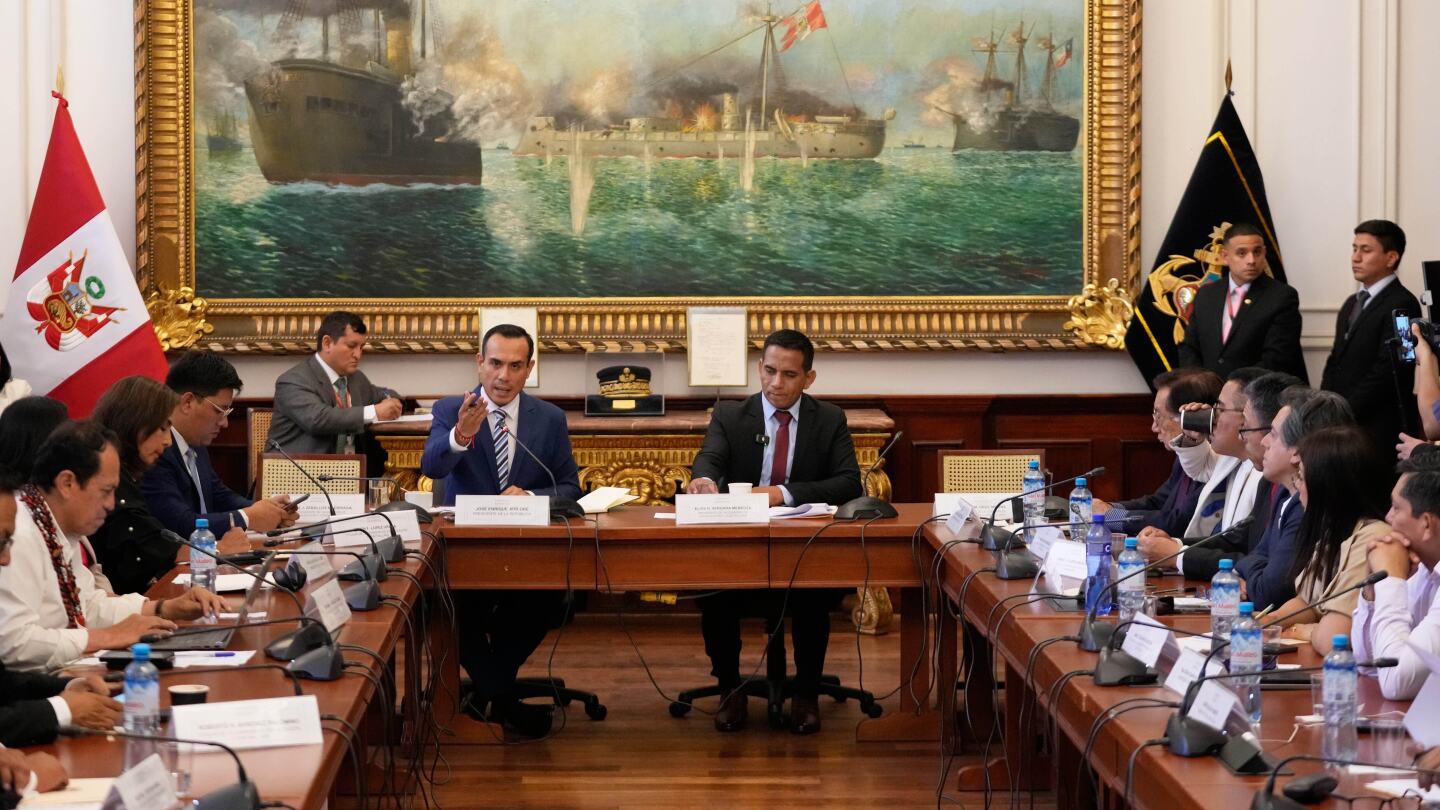
    Peru’s interim President José Jerí appeared before a congressional oversight committee Wednesday to address allegations surrounding undisclosed meetings with Chinese business figures, encounters that have sparked both criminal investigations and mounting demands for his removal from office.

    The political firestorm represents the latest development in Peru’s protracted governmental instability, marking the seventh presidential administration since 2016. The controversy emerges as the nation prepares for general elections amid growing public discontent over escalating violent crime rates.

    Jerí, who assumed power in October following the abrupt impeachment of President Dina Boluarte, faces scrutiny for violating legal protocols requiring Peruvian leaders to formally document all official meetings. The president acknowledged meeting with businessman Yang Zhihua—whom he refers to as ‘Johnny’—first at a restaurant in late December and subsequently at a wholesale store in early January. Jerí characterized these encounters as informal occasions for dining on Chinese cuisine and purchasing candy.

    Surveillance footage from December 26 showed the president arriving at the restaurant with his head concealed beneath a hood while carrying a bag, triggering opposition allegations of potential misconduct. Yang, despite operating both establishments, secured a 2023 concession to develop a hydroelectric facility in the Andes—a project yet to be realized.

    Further complicating matters, Jerí admitted interactions with Ji Wu Xiaodong, another Chinese businessman who accessed the presidential palace on three separate occasions. Notably, Ji Wu was under house arrest and travel restrictions during these visits due to ongoing investigations into his alleged connections to criminal organizations involved in illegal Amazon rainforest logging.

    The interim president defended these meetings as coordination efforts for Peruvian-Chinese Friendship Day (February 1), emphasizing China’s decade-long position as Peru’s primary trading partner. Jerí described Ji Wu as merely ‘serving food’ during their restaurant meeting and claimed his silence during palace visits resulted from limited Spanish proficiency. However, official records indicate Ji Wu maintains registered credentials as a Chinese-to-Spanish translator with Peru’s foreign ministry.

    Peru’s Attorney General’s office has initiated a preliminary investigation into Jerí for suspected influence peddling and illegal lobbying offenses. While the prosecution confirmed the investigation remains confidential, the president has formally communicated his willingness to cooperate with authorities, offering to provide necessary statements and clarifications.
  • UAE: Parkonic to revise on-street parking rules in Discovery Gardens for some tenants

    UAE: Parkonic to revise on-street parking rules in Discovery Gardens for some tenants

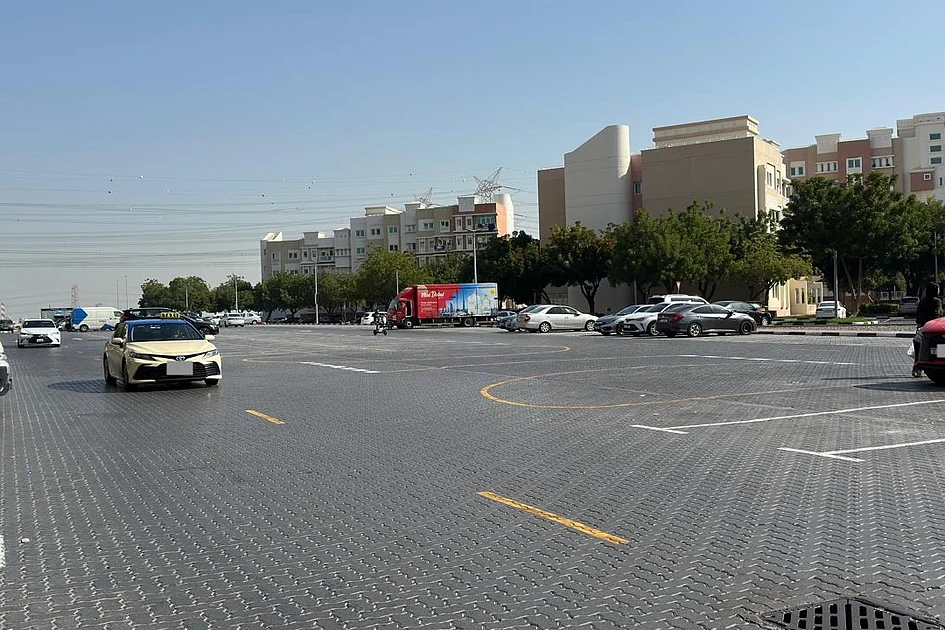
    Dubai’s parking management operator Parkonic has implemented significant revisions to on-street parking regulations specifically affecting residents of the Zen Cluster within Discovery Gardens. The adjustments come following initial confusion regarding eligibility for complimentary parking permits among studio apartment tenants in this distinctive residential zone.

    The Zen Cluster, alternatively referred to as Pink Buildings (Structures 1-20), maintains a unique parking configuration distinct from other Discovery Gardens sectors due to divergent building ownership patterns and architectural design considerations. These particular buildings fall under private ownership rather than Dubai Holding jurisdiction and feature independently managed basement parking facilities.

    Parkonic officials have clarified that the revised approach does not constitute an alteration of fundamental parking entitlements but rather represents an alignment strategy to accommodate capacity limitations. Each residential unit retains eligibility for one complimentary parking tenancy, consistent with the overarching policy framework applied throughout Discovery Gardens. However, due to basement parking capacity constraints that don’t perfectly correspond with unit numbers, Parkonic has coordinated with building management entities to allocate limited on-street parking spaces per structure.

    The allocation breakdown specifies: Buildings 1-6 and 8-10 receive 80 on-street spaces each; Buildings 13-20 obtain 68 spaces; while Building 7 (functioning as hotel apartments) and Buildings 11-12 remain excluded from the on-street allocation program. These supplementary spaces are intended to bridge capacity gaps during the transitional phase, with access governed through building-level registration protocols to ensure equitable distribution and prevent system exploitation.

    Residents who previously registered via PIN authentication will experience temporary disablement of digital parking cards effective January 24, 2026, to facilitate realignment with the new building-specific allocation framework. The operator has emphasized this procedural interruption does not imply rejection or penalty. Furthermore, tenants who purchased paid parking memberships during the transition may qualify for one-time refund consideration, subject to verification and management coordination, with all refund petitions requiring submission before January 30, 2026.

    Tenant responses reflect cautious optimism, with residents expressing relief tempered by practical concerns regarding implementation specifics. The resolution addresses financial anxieties for many tenants for whom the alternative monthly payment of Dh945 would have represented significant economic burden.

  • Middle Eastern leaders including Netanyahu and Sisi line up to join Trump ‘Board of Peace’

    Middle Eastern leaders including Netanyahu and Sisi line up to join Trump ‘Board of Peace’

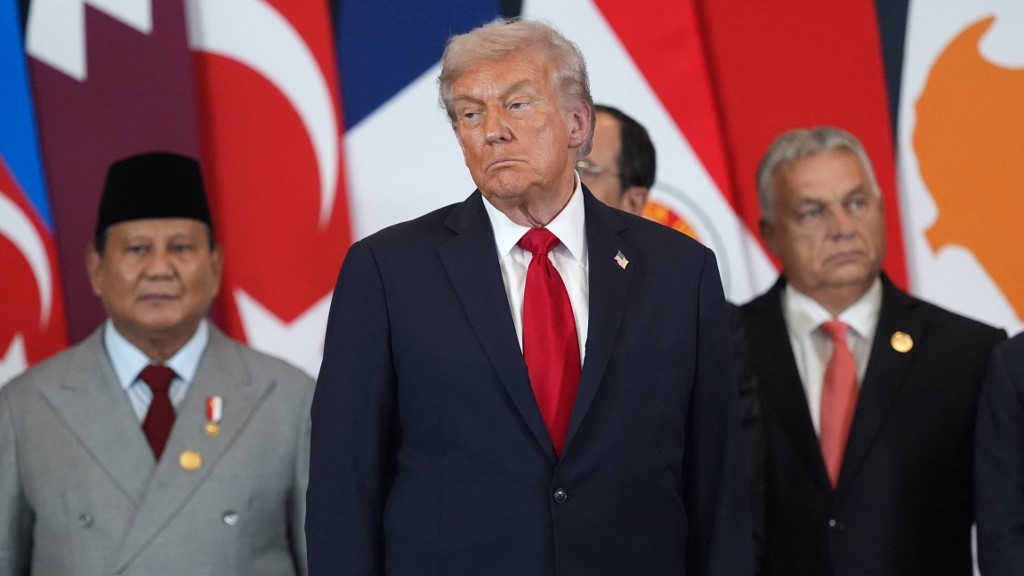
    A significant diplomatic schism is forming within the international community regarding U.S. President Donald Trump’s newly proposed ‘Board of Peace’ initiative. While several Middle Eastern and regional powers have confirmed participation, key European nations are expressing reservations or outright refusing to join the controversial body.

    Egyptian President Abdel Fattah el-Sisi and Turkish President Recep Tayyip Erdogan both confirmed their nations’ involvement on Wednesday, with Turkey’s Foreign Minister Hakan Fidan representing the country at Thursday’s signing ceremony during the World Economic Forum in Davos. This follows Israeli Prime Minister Benjamin Netanyahu’s earlier acceptance of membership.

    The initiative, which would feature Trump as lifetime chairman, requires a $1 billion fee from participating nations for permanent membership, though Turkish officials confirmed the first three years would be fee-exempt. Approximately 50 countries have received invitations, with about 35 reportedly agreeing to join according to sources close to Trump.

    Notable participants include Hungary, United Arab Emirates, Pakistan, Bahrain, Armenia, Morocco, Argentina, Kazakhstan, Uzbekistan, and Belarus. Egypt’s foreign ministry stated its agreement came “after completing the relevant legal and constitutional procedures,” while expressing appreciation for “Trump’s leadership and his commitment to ending the war in Gaza.”

    However, the initiative faces substantial opposition from European powers. France declared it could not give a “favourable response” at this stage, while Norway outright refused participation, citing the board “raises a certain number of questions.” Ukrainian President Volodymyr Zelensky stated he “does not imagine” participating alongside Russia, calling it inconceivable given ongoing conflicts.

    The United Kingdom expressed apprehension about Russia’s potential involvement, noting concern over inviting Russian President Vladimir Putin who “has proven time and again that he is not seriously committed to peace.” Germany confirmed Chancellor Friedrich Merz would not attend the signing ceremony, departing Davos prior to the event.

    The diplomatic tensions coincide with ongoing strains between Europe and the U.S. regarding Trump’s repeated threats to annex Greenland, though he stated at Davos he would not use force in pursuing negotiations for its acquisition.

  • How Ras Al Khaimah airport expanded international flights to 16 countries in 2025

    How Ras Al Khaimah airport expanded international flights to 16 countries in 2025

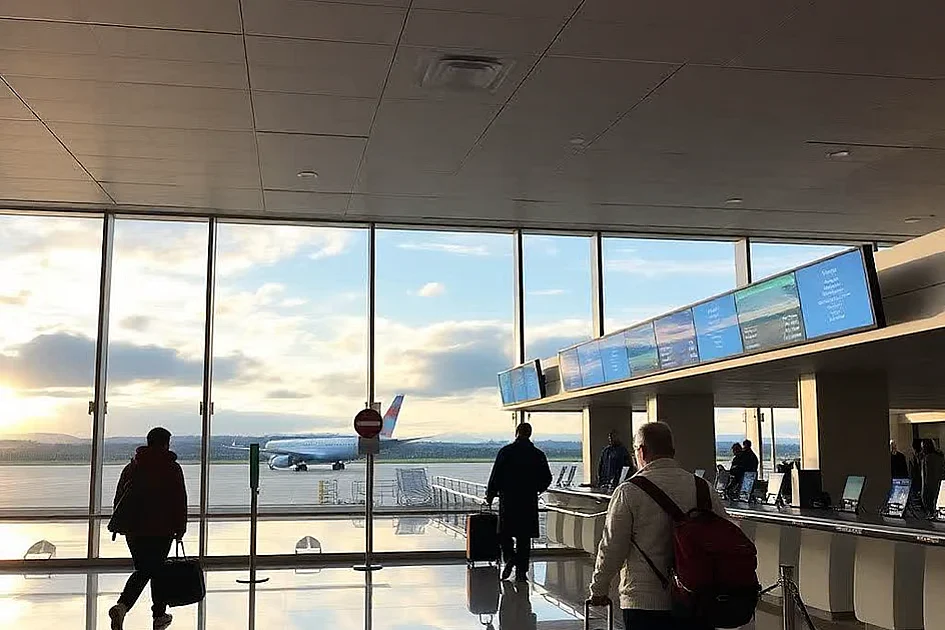
    Ras Al Khaimah International Airport has firmly established itself as a major aviation hub after achieving a monumental operational milestone in 2025. The airport successfully handled over 1.3 million passengers, marking its evolution from a medium-sized facility into a significant player in regional air travel. This remarkable growth represents a 51% surge in passenger traffic compared to previous years, accompanied by substantial expansions in both flight operations and destination networks.

    The airport’s strategic development has yielded an impressive international route map encompassing 16 countries across pivotal markets. Key destinations now include India, Pakistan, Saudi Arabia, Russia, and Egypt, reflecting the airport’s focused approach to connecting emerging economic corridors. This expansion contributed to a 14% increase in served destinations and a 37% growth in flight movements throughout the year.

    Under the leadership of Sheikh Salem bin Sultan Al Qasimi, Chairman of the Ras Al Khaimah Civil Aviation Authority, the airport executed comprehensive infrastructure enhancements. These included terminal facility upgrades, advanced operational systems implementation, and sophisticated passenger experience improvements. The development strategy prioritized seamless travel standards while maintaining rigorous international security protocols.

    Financial performance mirrored operational success, with net profits climbing 29.4% amid the expansion. The airport simultaneously renewed its ISO certifications across multiple domains including environmental management, innovation protocols, business continuity planning, and quality assurance—all without recording any regulatory violations.

    Innovation initiatives formed a core component of the growth strategy, highlighted by the launch of an advanced Drone Management System and strategic partnerships with aviation authorities in Dubai and Fujairah. The airport also achieved recognition as first runner-up in the Arab Award for Social Responsibility and Sustainability among small government entities.

    A particularly groundbreaking achievement involved the successful experimental flight of an electric vertical take-off and landing aircraft developed in partnership with Chinese aerospace company XPENG AEROHT, positioning the airport at the forefront of aviation technology adoption.

    Sheikh Salem attributed these accomplishments to the visionary leadership of Sheikh Saud bin Saqr Al Qasimi, Ruler of Ras Al Khaimah, and the oversight of Sheikh Mohammed bin Saud Al Qasimi, Crown Prince and Chairman of the Executive Council. Their support has enabled the airport to drive innovation while maintaining operational excellence.

    These developments collectively reinforce Ras Al Khaimah International Airport’s strategic position as a growing connectivity hub that actively supports the emirate’s broader economic diversification goals, tourism expansion initiatives, and commercial development objectives.

  • ‘Dubai is one family’: How virtual sign language lesson sent message of inclusion

    ‘Dubai is one family’: How virtual sign language lesson sent message of inclusion

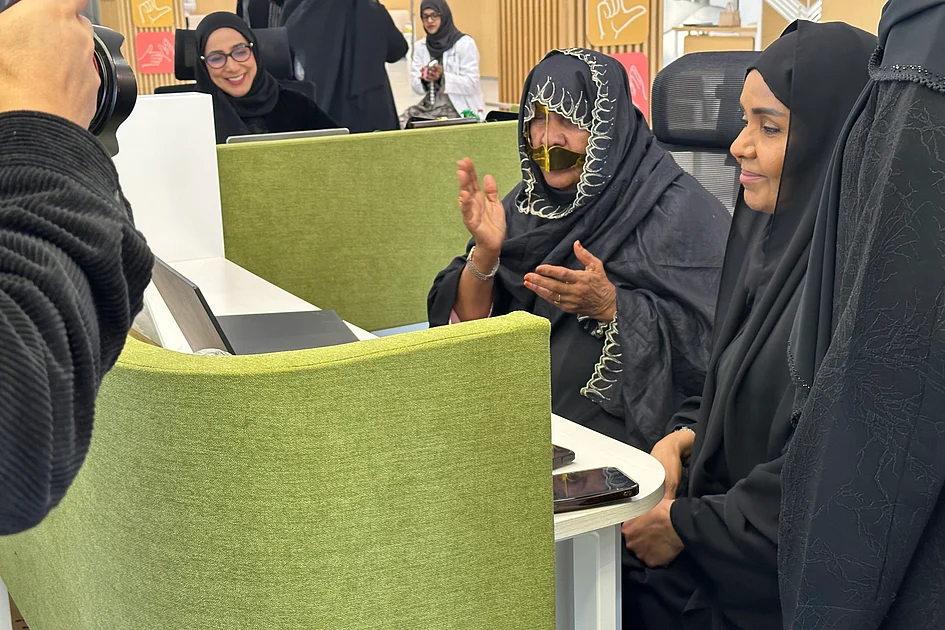
    Dubai has orchestrated a groundbreaking global event by hosting the world’s largest unified virtual sign language lesson, transforming a record attempt into a powerful demonstration of social inclusion. The initiative, part of the ‘Dubai Communicates in Sign Language’ program launched under Sheikh Mansoor bin Mohammed bin Rashid Al Maktoum’s leadership, brought together thousands of participants across generations and professions to learn Emirati Sign Language fundamentals.

    Beyond its scale, the event served as a profound statement about unity and practical integration. Organized by the Community Development Authority, the session attracted diverse participants ranging from students to government officials and senior citizens, all united in their commitment to bridge communication gaps. ‘This is Dubai’s message to the world: we are one family that celebrates our differences while taking pride in every member,’ explained a CDA representative.

    The initiative resonated particularly strongly with younger generations. Lily, an 11th-grade student at Al Mawakeb Al Barsha school, expressed her conviction that ‘learning sign language empowers us to give voice to those who cannot hear or speak.’ Her classmate Sarah Qassem described how the experience ignited her desire to understand deaf communication more deeply.

    For public sector professionals, the training offered immediate practical applications. Senior Sergeant Hessa Al Bloushi of Dubai Police, who holds a two-year diploma in sign language, emphasized its critical importance in security operations, particularly at airport facilities. She and colleague Senior Sergeant Khadija Ghulam now aspire to become certified sign language instructors themselves.

    This pioneering effort aligns with the broader objectives of Dubai Social Agenda 33 and the emirate’s comprehensive strategy for social empowerment. By transforming an educational initiative into a city-wide movement, Dubai continues to reinforce its status as a global leader in creating inclusive communities. The virtual lesson not only taught practical communication skills but also fostered deeper understanding, building invisible bridges that strengthen the social fabric of this forward-thinking metropolis.

  • ICE activity increases in Maine as anxiety grows in immigrant communities

    ICE activity increases in Maine as anxiety grows in immigrant communities

    PORTLAND, Maine — The Trump administration has expanded its immigration enforcement operations to Maine through a controversial initiative dubbed ‘Operation Catch of the Day,’ drawing significant opposition from local governments and communities. Despite Maine’s relatively small population of undocumented residents, the state hosts substantial African refugee communities in Portland and Lewiston that have become primary targets of this enforcement surge.

    The Department of Homeland Security’s operation follows similar pattern-based initiatives in other states, including ‘Metro Surge’ in Minnesota and ‘Midway Blitz’ in Chicago. The deployment has triggered widespread anxiety within immigrant communities, prompting organized resistance from civic leaders, educational institutions, and local businesses.

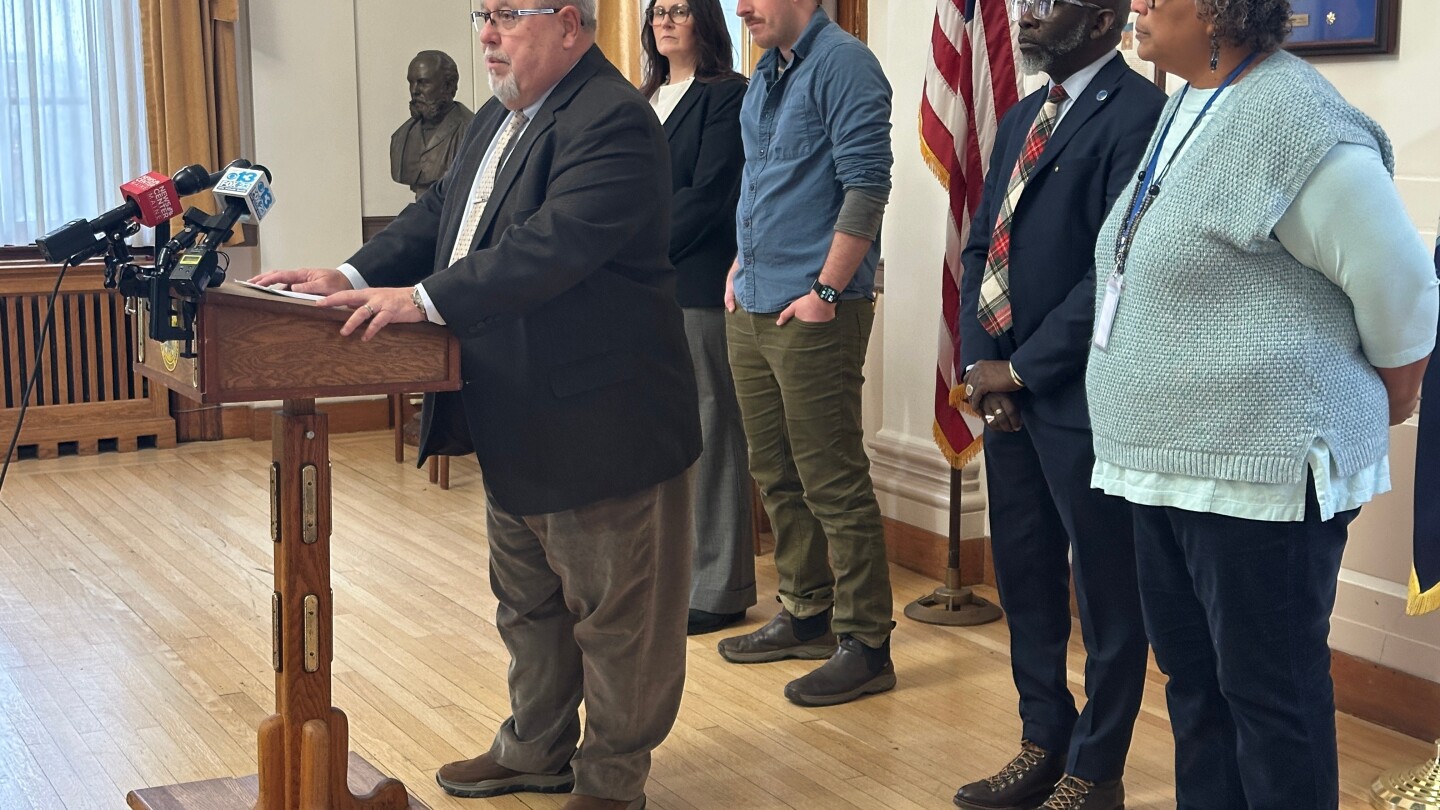
    Governor Janet Mills and Democratic officials have mounted substantial opposition, including the state’s refusal to provide undercover license plates to Immigration and Customs Enforcement agents. Secretary of State Shenna Bellows, a longstanding Trump critic, explicitly denied federal requests for confidential vehicle identification, citing concerns about potential misuse following similar controversies in Illinois.

    Community response has been immediate and multifaceted. Portland residents have established neighborhood alert networks to monitor ICE movements, while local businesses have displayed signage prohibiting ICE agents from their premises. The Portland Public School district, where more than half of students identify as non-white, has developed contingency plans for online learning and implemented temporary security ‘lockouts’ due to immigration enforcement activities.

    City Council Member Pious Ali, originally from Ghana, reported approximately 25% absenteeism among immigrant students and described how fear has permeated essential workforce sectors. ‘Immigrants work in our hospitals, schools, and hotels—they are part of the economic engine of our community,’ Ali emphasized, criticizing the administration’s approach for generating unnecessary trauma.

    Homeland Security officials confirmed approximately 1,400 enforcement targets in Maine, with initial arrests including individuals convicted of aggravated assault, false imprisonment, and child endangerment. However, local leaders including Portland Mayor Mark Dion have challenged the operation’s proportionality, stating ‘There is no evidence of unchecked criminal activity in our community requiring a disproportionate presence of federal agents.’

    The political confrontation extends beyond immediate enforcement concerns. Bellows previously attempted to remove Trump from Maine’s presidential ballot under the 14th Amendment’s insurrection clause and recently refused to share state voter rolls with federal authorities. Republican leaders argue that withholding undercover plates compromises public safety, while federal prosecutor Andrew Benson—a Trump appointee—has urged demonstrators to maintain peaceful conduct amid growing tensions.

  • Ras Al Khaimah’s ultra-luxury residence sells for record-breaking Dh130 million

    Ras Al Khaimah’s ultra-luxury residence sells for record-breaking Dh130 million

    Ras Al Khaimah’s luxury property market has achieved an unprecedented milestone with the historic sale of the Sky Palace at Waldorf Astoria Residences for Dh130 million ($35.4 million), establishing a new benchmark as the highest-value single-unit residential transaction ever recorded in the emirate.

    The landmark transaction, announced by developer Al Hamra, was accompanied by the separate sale of the development’s signature penthouse for Dh55 million ($15 million), collectively demonstrating robust investor appetite for ultra-premium waterfront properties in the northern emirate.

    This record-breaking sale occurs amid Ras Al Khaimah’s remarkable transformation into one of the UAE’s most dynamic real estate markets. The emirate’s strategic infrastructure investments, government-supported initiatives, and growing portfolio of branded residential developments have propelled its emergence as a premier investment destination.

    Market data reveals substantial property appreciation throughout 2025, with villa prices in Al Hamra Village surging by 42 percent and five-bedroom homes exceeding Dh14 million. Apartments similarly demonstrated strong growth, driven by heightened investor participation and sustained demand for resort-style communities.

    The Sky Palace itself represents the pinnacle of luxury living, occupying the top three floors of the beachfront tower across approximately 10,000 square feet. The residence offers breathtaking panoramic views of the Arabian Gulf, Wynn Al Marjan Island integrated resort, and surrounding mountain ranges. Residents enjoy exclusive access to premium amenities including private lounges, a library, cigar salon, and cinema facilities, complemented by a dedicated ferry connection to the entertainment offerings of Wynn Al Marjan Island.

    Benoy J. Kurien, Group Chief Executive Officer of Al Hamra, emphasized that these transactions reflect growing confidence in Ras Al Khaimah’s long-term economic trajectory and the increasing appeal of meticulously designed luxury developments that meet international standards.

    These landmark sales not only establish new parameters for ultra-luxury real estate in the region but significantly enhance Ras Al Khaimah’s positioning as an emerging global hub for high-net-worth investors seeking sophisticated lifestyle investments.

  • ‘Canada lives because of US’, Trump digs at Carney in Davos speech

    ‘Canada lives because of US’, Trump digs at Carney in Davos speech

    In a highly anticipated address at the World Economic Forum in Davos on Wednesday, former U.S. President Donald Trump delivered a speech that blended economic nationalism with pointed criticisms of international counterparts. While emphasizing America’s economic strength and revisiting his interest in acquiring Greenland, Trump dedicated significant portions of his remarks to targeting world leaders including Canada’s Prime Minister Mark Carney, France’s Emmanuel Macron, and Switzerland’s former President Karin Keller-Sutter.

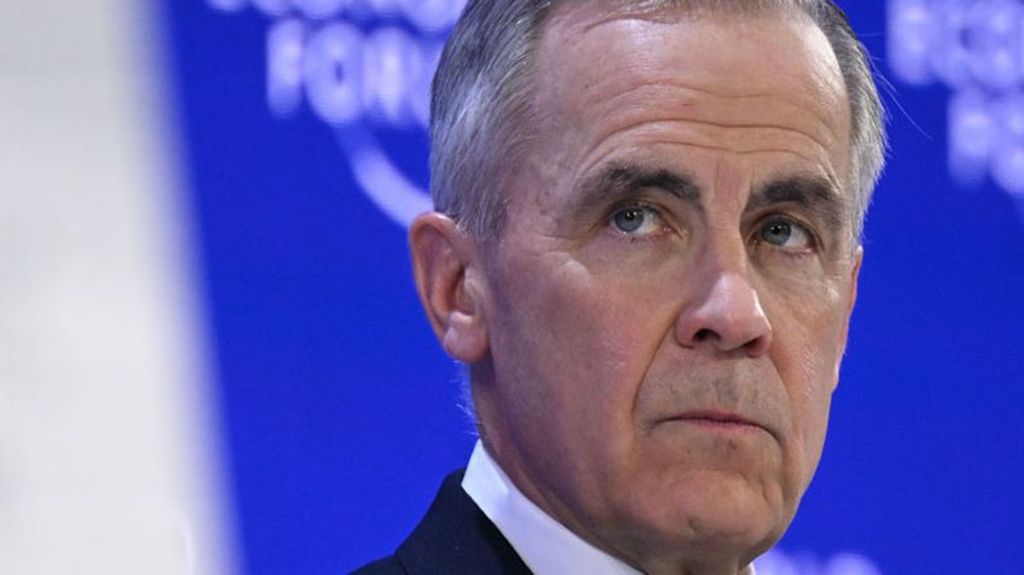
    Trump’s most assertive comments targeted Canadian Prime Minister Mark Carney, whom he addressed by first name while declaring: ‘Canada exists because of the United States. Remember that Mark, the next time you make your statements.’ The former president asserted that Canada ‘receives numerous benefits’ from its southern neighbor and ‘should express gratitude.’ These remarks came just one day after Carney’s own Davos speech where he criticized ‘great powers’ for weaponizing economic influence without explicitly naming Trump.

    The address also included personal critiques of French President Emmanuel Macron’s fashion choices. Trump questioned Macron’s decision to wear reflective aviator sunglasses during his indoor forum address, asking ‘What occurred there?’ without acknowledging the medical explanation—Macron has been managing a burst blood vessel in his eye that French officials have described as benign.

    Trump further recalled interactions with Switzerland’s former President Karin Keller-Sutter, whom he mistakenly identified as ‘prime minister.’ He characterized their discussion about potential tariff increases as frustrating, claiming she ‘repeated the same phrases continuously’ and ‘irritated me, to be candid.’ Trump revealed that following their conversation, he raised tariffs on Swiss goods to 39%, though they were later reduced to 15% following pressure from major Swiss corporations.

    The diplomatic tensions occur against a backdrop of ongoing trade concerns. Canada continues to navigate U.S. tariffs on metals and automotive sectors while seeking renewal of the USMCA agreement, critical for an economy that exports 75% of its products to the United States. Meanwhile, European leaders including Macron have accused the U.S. of attempting to ‘weaken and subordinate Europe’ through tariff threats related to Greenland.

    Trump concluded with a warning that reduced tariff rates ‘could increase again,’ emphasizing that his decisions were motivated by not wanting to ’cause harm to people’ while maintaining flexibility in trade policy.

  • Ghislaine Maxwell agrees to testify before US Congress in Epstein probe

    Ghislaine Maxwell agrees to testify before US Congress in Epstein probe

    In a significant development regarding the ongoing congressional investigation into the federal government’s handling of Jeffrey Epstein cases, imprisoned associate Ghislaine Maxwell has consented to provide sworn testimony. House Oversight Committee Chairman James Comer confirmed that Maxwell will appear virtually before the committee on February 9th, marking a pivotal moment in the high-profile investigation.

    The decision comes after months of legal maneuvering between Maxwell’s defense team and congressional investigators. Previously, Maxwell’s attorneys had insisted she would invoke her Fifth Amendment right against self-incrimination unless granted formal legal immunity. Chairman Comer acknowledged these previous positions, noting that her lawyers had consistently indicated she would ‘plead the Fifth’ without immunity protections.

    Maxwell, currently serving a 20-year sentence for recruiting and trafficking underage girls for Epstein’s sexual abuse network, finds herself at the center of multiple legal and political battles. The committee had previously denied her immunity request in July, followed by issuing formal legal summons in August compelling her testimony under oath.

    Her legal representatives had characterized testifying from prison without immunity as ‘non-starters,’ citing concerns about ‘further criminal exposure in a politically charged environment’ and legitimate security risks that could ‘undermine the integrity of the process.’

    The testimony occurs against the backdrop of continued scrutiny toward the previous administration’s handling of the Epstein case. Meanwhile, the Justice Department faces its own challenges regarding the delayed release of Epstein-related documents, with only a fraction of files made public by the December 19th deadline amid bipartisan criticism over excessive redactions.

    In a related development, the committee is simultaneously addressing former President Bill Clinton and Hillary Clinton’s refusal to testify, with lawmakers considering contempt charges against the couple. Maxwell’s unsuccessful appeal to the Supreme Court in October 2021 leaves presidential pardon as her only potential path to early release, though the White House has denied such considerations while not explicitly ruling out the possibility.

  • Watch: Animal lovers save ‘malnourished’ dog stranded on ten-lane Abu Dhabi highway

    Watch: Animal lovers save ‘malnourished’ dog stranded on ten-lane Abu Dhabi highway

    In a remarkable display of community solidarity, animal welfare advocates successfully rescued an severely malnourished Saluki dog stranded on a perilous ten-lane highway in Abu Dhabi’s Al Shawamekh area. The rescue operation, which unfolded on Tuesday afternoon, involved multiple volunteers coordinating efforts to save the endangered canine from traffic moving at speeds exceeding 140km/h.

    The dog, subsequently named Shamekh (Arabic for ‘one who stands tall with dignity, pride, and resilience’), was discovered in critical condition. Veterinary examination revealed severe malnutrition with a body weight of just 15.7kg, anemia, tick fever, ear infections, and visible scars indicating possible trauma. The absence of a microchip suggests the animal had been abandoned.

    Rawan Ghunaim, founder of rescue organization House of Hounds (HOH), spearheaded the coordinated response after being alerted by fellow rescuer Majeda Al Hosani, who initially spotted the dog during her commute. Al Hosani maintained vigil for over two hours to ensure the dog’s safety until experienced Saluki handler Hamad Al Ghanem arrived to execute the actual rescue. The operation was captured on video showing Al Ghanem calmly approaching and comforting the frightened animal before transporting him to the British Veterinary Clinic in Abu Dhabi.

    This incident highlights a disturbing trend in the UAE regarding the treatment of Salukis, a breed traditionally valued as hunting companions and family members. According to Ghunaim, who rescues two to three Salukis daily, many are now abandoned on highways, deserts, or near farms when they’re no longer deemed useful for racing or beauty contests. This represents a significant cultural shift from historical practices where these dogs were respected and integrated into family life.

    Despite their calm, low-maintenance nature often compared to cats, Salukis face adoption challenges within the UAE. Many rescued dogs consequently find homes in Europe through HOH’s international adoption program. The organization, registered as a non-profit in Europe and the United States, facilitates these transfers to families more familiar with the breed’s characteristics.

    Shamekh remains under veterinary care while awaiting eventual placement in a suitable permanent home, representing both a successful rescue story and a sobering reminder of ongoing animal welfare challenges in the region.