博客

  • Trump at Davos: Won’t use force to take Greenland, must still have ownership of it

    Trump at Davos: Won’t use force to take Greenland, must still have ownership of it

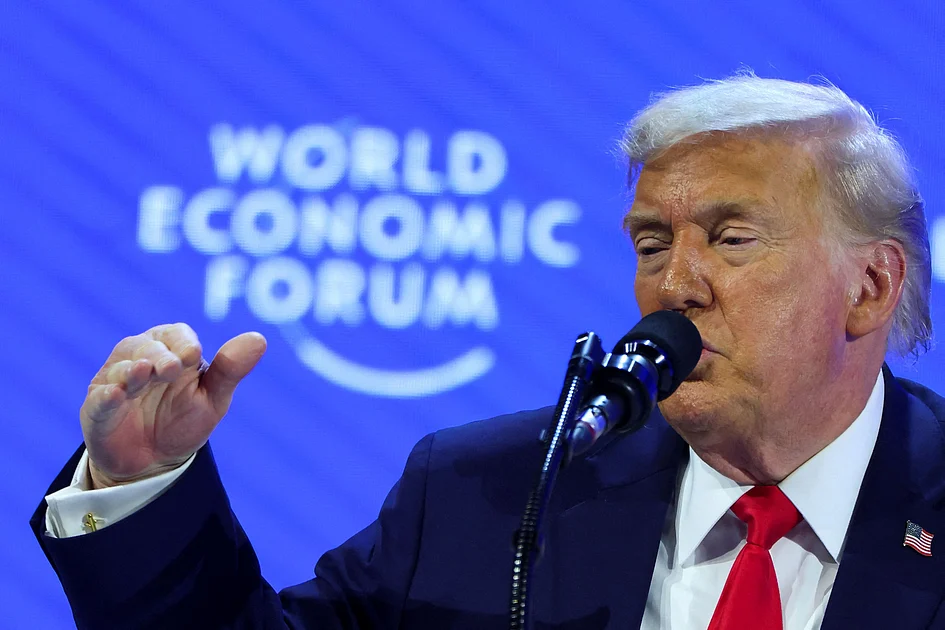
    In a remarkable address at the World Economic Forum in Davos, former U.S. President Donald Trump made headlines by explicitly ruling out military action to acquire Greenland while simultaneously asserting American ownership rights over the autonomous Danish territory. The controversial statements came during his high-profile appearance before global leaders on January 21, 2026.

    Trump’s declaration marked a significant diplomatic moment as he addressed longstanding speculation about his administration’s territorial ambitions. “We probably won’t obtain anything unless I opt to employ excessive strength and force, where we would be, frankly, unstoppable,” Trump stated before adding, “but I will refrain from doing so.”

    The former president characterized his position as a major concession, suggesting that many had anticipated more aggressive actions. “That’s likely the most substantial statement I’ve made today, because many assumed I would resort to force,” he told the assembled international delegates. Trump repeatedly emphasized his opposition to military intervention, stating unequivocally: “I don’t have to use force. I don’t want to use force. I won’t use force.”

    Despite disavowing military action, Trump maintained that the United States must ultimately secure ownership of the strategically valuable Arctic territory. This position continues a pattern of interest Trump demonstrated during his presidency, when he publicly floated the idea of purchasing Greenland from Denmark in 2019, an offer that was promptly rejected by the Danish government and widely criticized internationally.

    The latest remarks come amid renewed geopolitical competition in the Arctic region, where melting ice caps are opening new shipping routes and access to valuable natural resources. Greenland’s significance has grown substantially due to its strategic location and mineral wealth, making it a focal point for global powers including China, Russia, and the United States.

  • US seizes second Chinese-owned, Venezuela-linked oil tanker

    US seizes second Chinese-owned, Venezuela-linked oil tanker

    In a continued escalation of its military campaign targeting Venezuela’s petroleum resources, United States forces have intercepted and seized a seventh oil tanker in the Caribbean Sea. The operation against the Liberian-flagged MV Sagitta occurred Tuesday morning without incident, according to US Southern Command (SOUTHCOM).

    This seizure represents the latest development in President Donald Trump’s quarantine initiative against sanctioned vessels transporting Venezuelan oil. The Sagitta, owned and managed by a Chinese company, becomes at least the second Chinese-operated tanker apprehended since the US administration announced its blockade policy last month.

    SOUTHCOM officials defended the action, stating: “The apprehension of another tanker operating in defiance of President Trump’s established quarantine demonstrates our resolve to ensure that the only oil leaving Venezuela will be oil that is coordinated properly and lawfully.”

    The US Department of Justice has previously indicted Venezuelan President Nicolás Maduro on multiple charges including conspiracy to commit narco-terrorism, conspiracy to import cocaine into the United States, and weapons-related violations. Maduro has pleaded not guilty to all charges and declared himself a “prisoner of war.”

    International response to these actions has grown increasingly critical, with regional and world leaders condemning the seizures as acts of piracy. Legal experts contend that the blockade, sanctions, and military operations—which have reportedly resulted in over 120 casualties—violate international law. These operations have included strikes on vessels allegedly transporting drugs, bombing campaigns, invasion attempts, and the attempted kidnapping of President Maduro and his wife, Cilia Flores.

  • Three journalists among 11 killed by Israel in Gaza bombing

    Three journalists among 11 killed by Israel in Gaza bombing

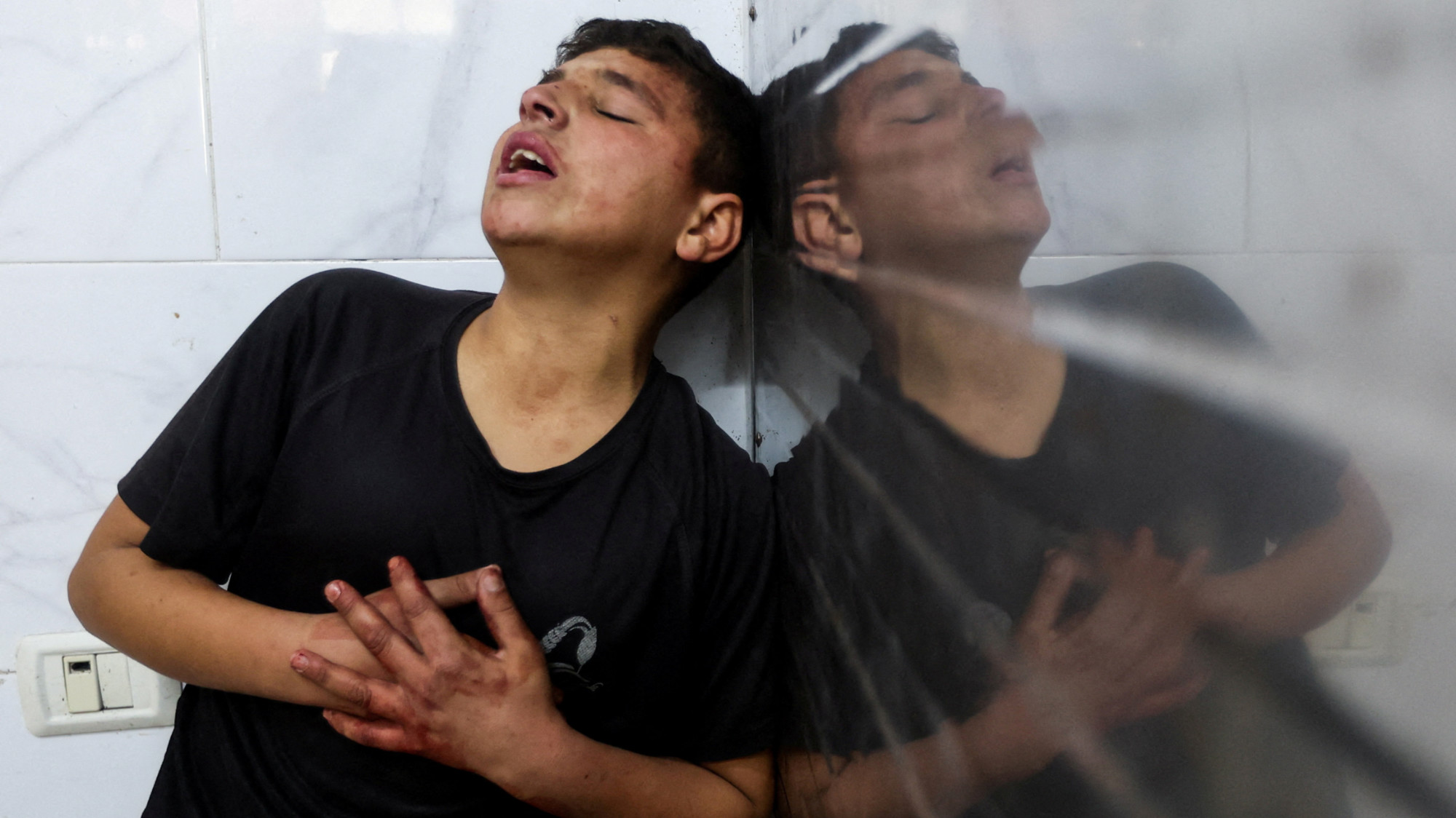
    A deadly Israeli airstrike in central Gaza on Wednesday resulted in the deaths of at least 11 Palestinians, including three journalists on assignment for the Egyptian relief committee. The journalists—identified as Mohammad Salah Qishta, Abdul Raouf Samir Shaat, and Anas Ghanem—were killed when their clearly marked vehicle was struck while they documented conditions at a displacement camp operated by the Egyptian committee.

    A spokesperson for the committee expressed profound shock, stating, ‘They were on a humanitarian mission. Everyone knew the vehicle and that those inside worked for the committee. We were devastated to see it directly targeted.’ A source within the committee described the incident as a ‘dangerous precedent,’ raising grave concerns about the safety of humanitarian operations throughout Gaza.

    The Israeli military confirmed the strike, asserting it targeted individuals allegedly operating a drone on behalf of Hamas. This incident occurred alongside separate artillery and gunfire attacks in Deir al-Balah and Khan Younis, which local media reported claimed five more lives, including two children and a woman.

    Hamas spokesperson Hazem Qassem condemned what he characterized as a significant escalation by Israel since the ceasefire agreement entered its second phase. In a video statement, Qassem accused Israel of attempting to undermine truce efforts and sabotage mediation led by the United States, alongside efforts to establish a new administrative committee. He urgently called on international mediators to intervene effectively to compel Israel to halt these alleged violations.

    According to Gaza’s Government Media Office, Israel has committed approximately 1,300 violations since the ceasefire began on October 10th. These reported breaches include airstrikes, civilian casualties, arrests, home demolitions, and restrictions on aid delivery. The Palestinian Ministry of Health reports that at least 450 Palestinians have been killed since the ceasefire was signed, adding to a devastating toll that has seen over 71,000 killed and 170,000 wounded during the conflict.

  • Israel’s demolition of Unrwa HQ ‘blatant violation of international law’

    Israel’s demolition of Unrwa HQ ‘blatant violation of international law’

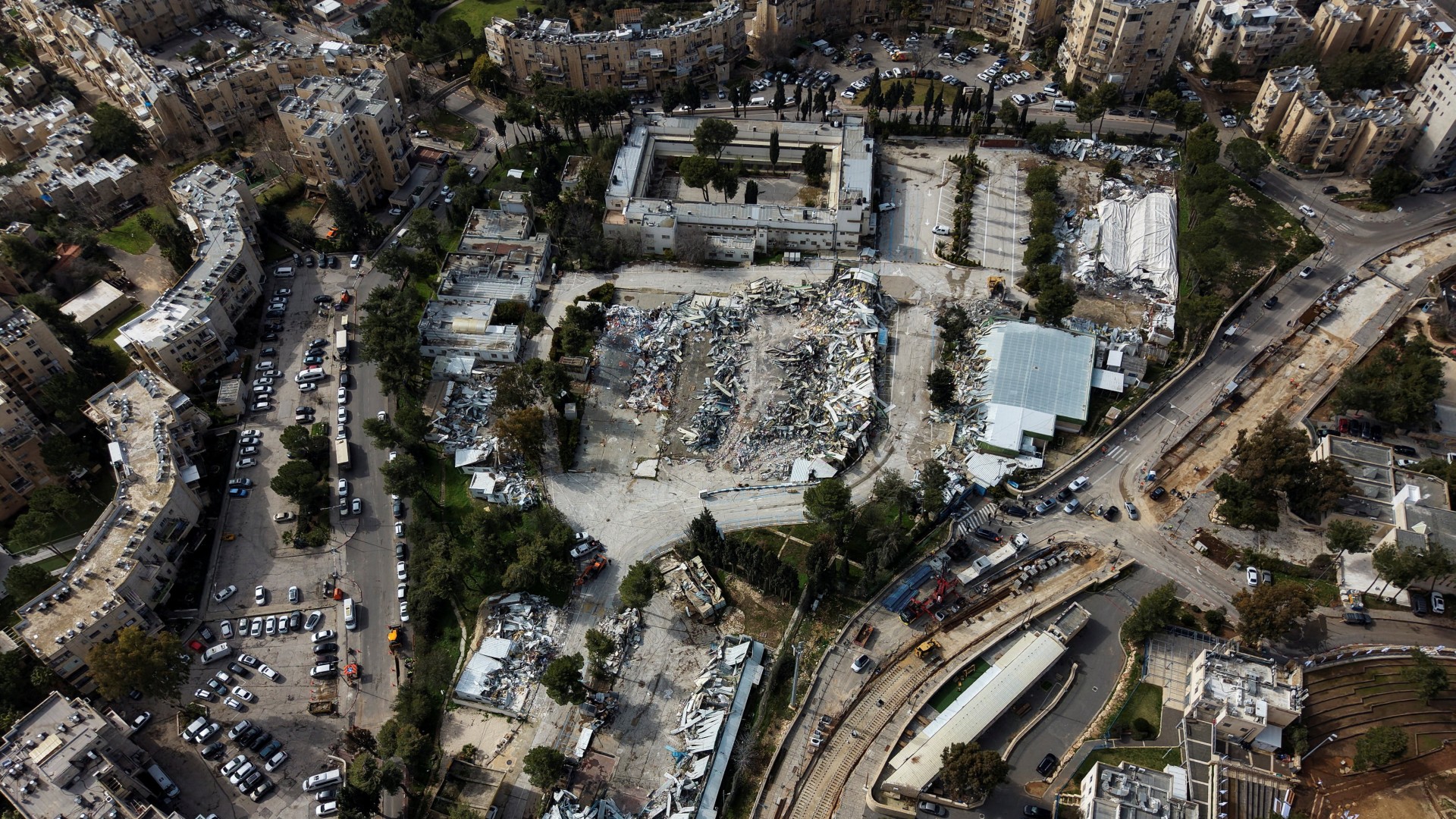
    European governments have issued strong condemnations against Israel’s demolition of a United Nations compound in occupied East Jerusalem, characterizing the action as a severe breach of international legal obligations. The raid, led by Israeli National Security Minister Itamar Ben Gvir, targeted the premises of UNRWA, the UN agency for Palestinian refugees, in Sheikh Jarrah on Tuesday.

    UK Minister for the Middle East and North Africa Hamish Falconer expressed being ‘appalled’ by the demolition, labeling it ‘another attack on the UN’s vital work for Palestinians.’ Belgium’s Foreign Minister Maxime Brevot denounced the operation as ‘a flagrant violation of international law and UN immunities,’ while EU Commissioner Hadja Lahbib reaffirmed the EU’s support for the UN and rules-based international order.

    The incident represents an escalation in Israel’s systematic campaign against UNRWA, which serves as the primary humanitarian provider for approximately 5.9 million Palestinian refugees across the region. The agency delivers essential services including education, food distribution, medical care, and fuel supplies, with its potential closure threatening catastrophic consequences for vulnerable populations.

    Ardi Imseis, who represented Palestine before the International Court of Justice, stated the demolition directly contravenes the ICJ’s advisory opinion regarding Israel’s obligations toward UN entities operating in occupied territories. ‘This is but the latest blatant violation of Israel’s obligations both as an occupying power and as a member of the United Nations,’ Imseis told Middle East Eye.

    UNRWA spokesperson Jonathan Fowler described the operation as ‘the latest low’ in an escalating effort to dismantle the agency’s presence, characterizing it as ‘shocking – the absolute, deliberate, unabashed defiance of international law.’ Fowler warned that the Qalandia Training Center, serving 350 vocational students, may be the next target for expropriation.

    The demolition occurs alongside Israel’s ongoing blockade preventing UNRWA from delivering aid to Gaza since March 2025, despite the agency continuing operations with approximately 12,000 staff providing essential services. UN Secretary-General António Guterres has repeatedly warned Israel that its actions violate UN legal protections, with diplomatic correspondence suggesting potential ICJ proceedings regarding alleged breaches of the 1946 Convention on UN Privileges and Immunities.

    Israel’s hostility toward UNRWA stems partially from the agency’s maintenance of refugee status for Palestinians displaced since the 1948 Nakba. Previous Israeli allegations against UNRWA staff were found unsubstantiated by UN reviews and the ICJ, which emphasized the agency’s impartiality and indispensable role in Palestinian relief operations.

  • Pakistan accepts invitation to join Trump’s Board of Peace in support of Gaza peace plan

    Pakistan accepts invitation to join Trump’s Board of Peace in support of Gaza peace plan

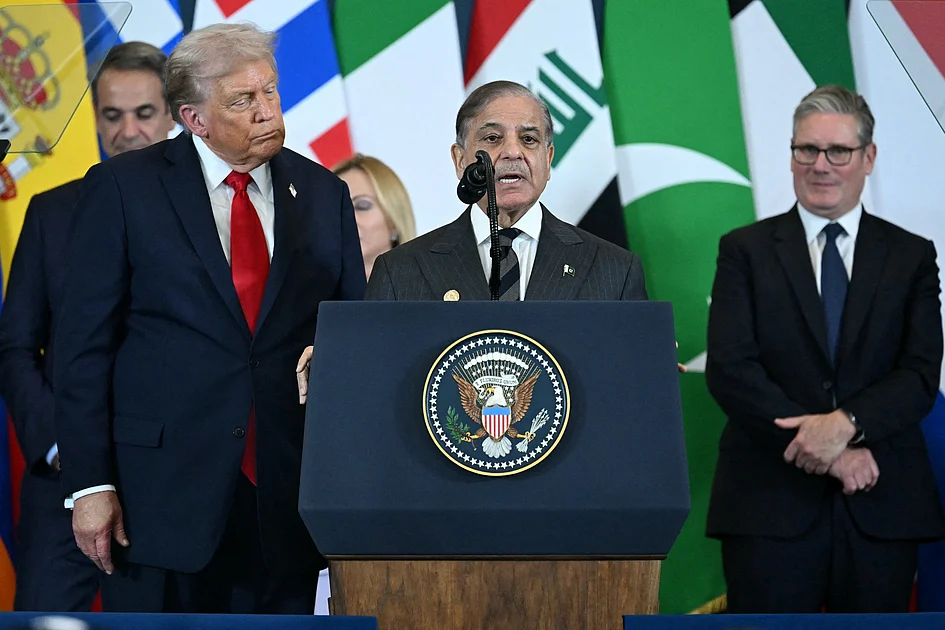
    Pakistan has formally accepted an invitation from former US President Donald Trump to participate in a newly proposed international peace initiative focused on resolving the Gaza conflict. The country’s foreign ministry confirmed its participation in the so-called “Board of Peace” on Wednesday, joining several Arab nations in supporting this diplomatic effort.

    Deputy Prime Minister and Foreign Minister Ishaq Dar announced the decision through an official statement on social media platform X, emphasizing Pakistan’s commitment to the Gaza Peace Plan framework established under UN Security Council Resolution 2803. The South Asian nation’s endorsement specifically backs key elements including a permanent ceasefire arrangement, comprehensive humanitarian assistance delivery, reconstruction efforts for the devastated Gaza Strip, and establishing a clear timeline for Palestinian statehood with East Jerusalem as its designated capital.

    The diplomatic coalition continues to expand with the United Arab Emirates, Bahrain, Morocco, and Egypt all confirming their participation in the US-proposed peace body. This collective engagement represents a significant multilateral approach to addressing one of the world’s most intractable conflicts, with both regional powers and international players converging on a structured peace process.

    The development marks a notable moment in Middle Eastern diplomacy, particularly given Pakistan’s historical stance on Palestinian self-determination and its strategic relationships throughout the Muslim world. The involvement of multiple Arab states alongside Pakistan suggests a broadening consensus around the proposed framework, though details regarding the board’s operational mechanisms, meeting schedule, and specific mandate remain undisclosed.

  • How an Islamist party is gaining ground in Bangladesh, worrying moderates

    How an Islamist party is gaining ground in Bangladesh, worrying moderates

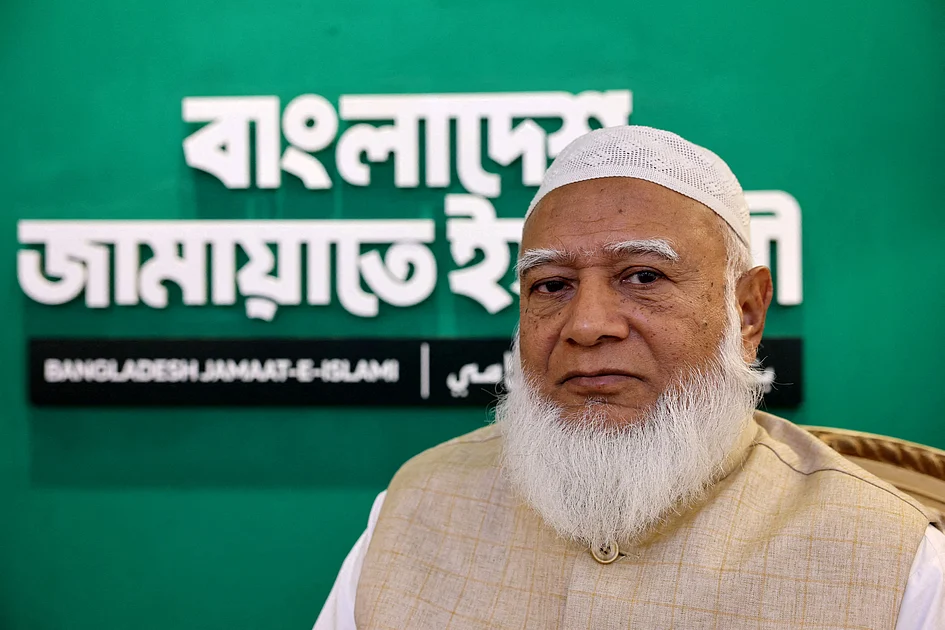
    In a remarkable political transformation, Bangladesh’s historically marginalized Jamaat-e-Islami party is experiencing unprecedented resurgence ahead of February’s parliamentary elections. The Islamist organization, previously banned from electoral politics for over a decade due to its opposition to Bangladeshi independence and conflicts with the secular constitution, has strategically repositioned itself as a viable alternative to established political forces.

    The party’s rehabilitation follows the youth-led uprising that ousted Prime Minister Sheikh Hasina in August 2024, which resulted in approximately 1,400 casualties according to UN estimates. Capitalizing on public disillusionment with traditional parties, Jamaat has emphasized anti-corruption initiatives and welfare programs including medical camps and flood relief operations.

    A December opinion poll by the International Republican Institute revealed Jamaat as Bangladesh’s most ‘liked’ political entity, projecting a highly competitive race with the Bangladesh Nationalist Party. This surge in popularity stems from strategic alliances with groups like the Gen-Z National Citizen Party and outreach to minority communities, including the unprecedented nomination of a Hindu candidate.

    Despite public assurances of women’s rights, the party faces scrutiny for fielding no female candidates for 300 parliamentary seats. Party chief Shafiqur Rahman suggests women might gain representation through 50 proportionally allocated seats post-election, but women’s rights activists dismiss these promises as electoral ploys.

    The political shift has raised concerns among religious minorities and moderates, with reports of increased attacks on Hindu and Sufi sites since Hasina’s departure. Minority community leaders express unprecedented fears about their security under potential Islamist governance, though Jamaat officials deny involvement in religious violence and call for investigations.

    Jamaat has formed a broad network of alliances with other Islamist parties, planning to contest 179 seats while distributing 74 to allies. The party employed international agencies to assess voter sentiment and recruited prominent figures including Mir Ahmad bin Quasem, son of an executed Jamaat leader.

    Analysts note the party’s evolution from a ‘stigmatized force’ to a ‘pragmatic contender’ reflects public anger over abuses during Hasina’s administration. While some speculate about potential foreign policy shifts toward Pakistan, party leadership maintains they will pursue balanced international relations rather than leaning toward any particular nation.

  • Sharjah: Rising property prices make more investors eligible for Golden Visa

    Sharjah: Rising property prices make more investors eligible for Golden Visa

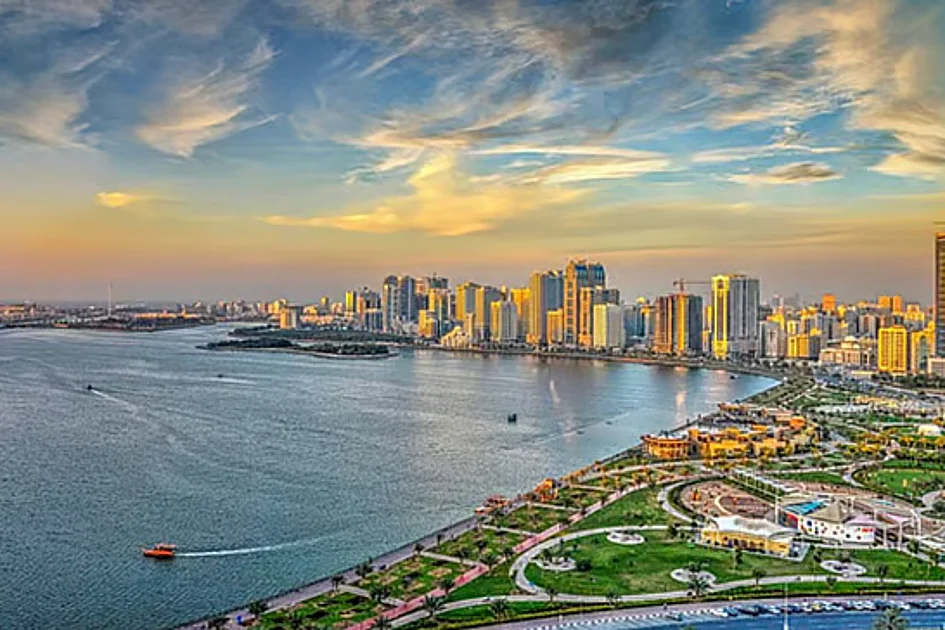
    Sharjah’s real estate sector is experiencing unprecedented growth, with surging property values creating new pathways to long-term residency for foreign investors. Market analysis reveals a remarkable transformation driven by policy shifts and economic dynamics.

    Following the emirate’s landmark 2023 decision to open its property market to all foreign nationals, Sharjah has witnessed double-digit price appreciation, particularly in premium developments. Industry executives report valuations for larger units in prime locations have surpassed the critical AED 2 million threshold, automatically qualifying purchasers for the UAE’s coveted Golden Visa program.

    The market’s robust performance is quantified by official 2026 figures showing record-breaking transaction values of AED 65.6 billion—representing a staggering 64.3% increase from the previous year’s AED 40 billion. Transaction volume similarly surged, with 132,659 recorded deals in 2025 marking a 26.3% year-over-year growth.

    Lamia Al Jewaied, Head of Studies and Research Bureau at Sharjah Real Estate Registration Department, confirms the Golden Visa initiative has become a significant market driver. “We observe substantial demand from investors specifically targeting real estate assets that qualify for long-term residency visas,” she noted during the Acres 2026 exhibition.

    Market analysts identify multiple factors fueling Sharjah’s property boom. Noreen Nasralla, Senior Vice President for Alef Group, highlights “spillover effects from neighboring emirates where escalating prices have pushed budget-conscious investors toward Sharjah’s more affordable options.” The emirate’s strategic proximity to key infrastructure including Sharjah International Airport and the Academic City further enhances its appeal.

    Notably, regulatory provisions allow investors to combine multiple properties to reach the AED 2 million eligibility requirement, expanding accessibility to the residency program. Developers are responding to increased demand for Golden Visa-qualifying units by designing larger apartments ranging from 3,500 to 4,000 square feet, with Raymond Khouzami of Al Thuriah Group reporting “unexpectedly strong demand for spacious residential units.”

  • Congressional committee votes to hold Clintons in contempt over Epstein subpoena

    Congressional committee votes to hold Clintons in contempt over Epstein subpoena

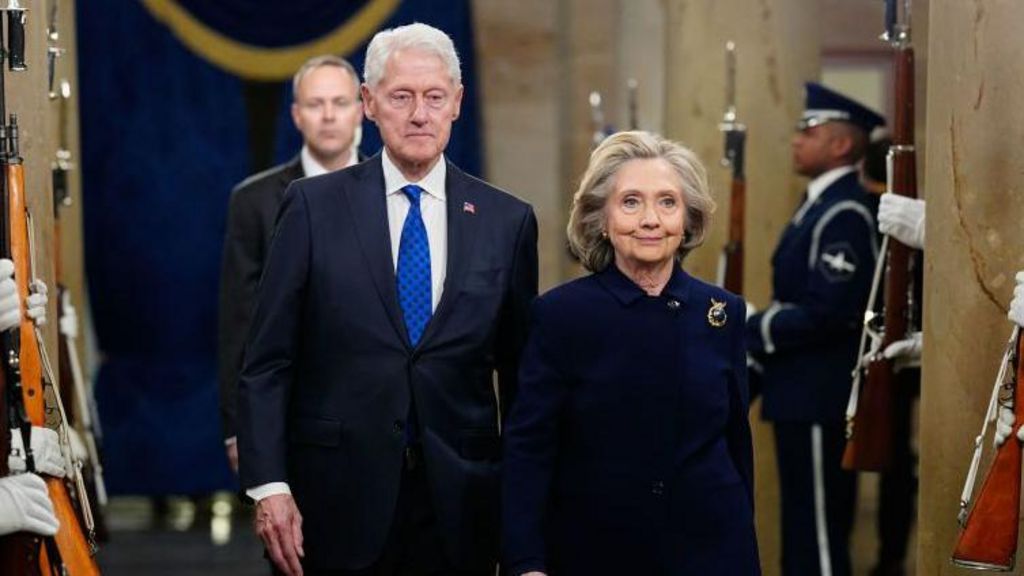
    In a significant escalation of political tensions, the House Oversight Committee has formally moved to hold former President Bill Clinton and former Secretary of State Hillary Clinton in contempt of Congress. The Wednesday vote, which garnered bipartisan support with several Democrats joining Republicans, centers on the Clintons’ refusal to comply with subpoenas issued as part of the committee’s investigation into convicted sex offender Jeffrey Epstein.

    The committee’s contempt measure now advances to the full House of Representatives for consideration. Should it secure approval there, the matter would be referred to the Department of Justice for potential enforcement action, raising unprecedented legal questions about compelling testimony from former first families.

    This investigation seeks testimony regarding the Clintons’ associations with Epstein, who was convicted of sex crimes. Photographic evidence places Bill Clinton in the financier’s company during the 1990s and early 2000s. Notably, no survivors of Epstein’s abuse have accused the former president of wrongdoing, and he has consistently denied any awareness of Epstein’s criminal activities during their acquaintance.

    Legal representatives for the Clintons have vigorously challenged the subpoenas, characterizing them as ‘unenforceable’ while maintaining their clients have cooperated by providing all ‘limited information’ available to them concerning Epstein. The development marks a new chapter in the long-standing political scrutiny of the Clinton family and tests the boundaries of congressional oversight powers.

  • ‘The US destroyed the Kurdish nation’: Fury and betrayal in northeast Syria

    ‘The US destroyed the Kurdish nation’: Fury and betrayal in northeast Syria

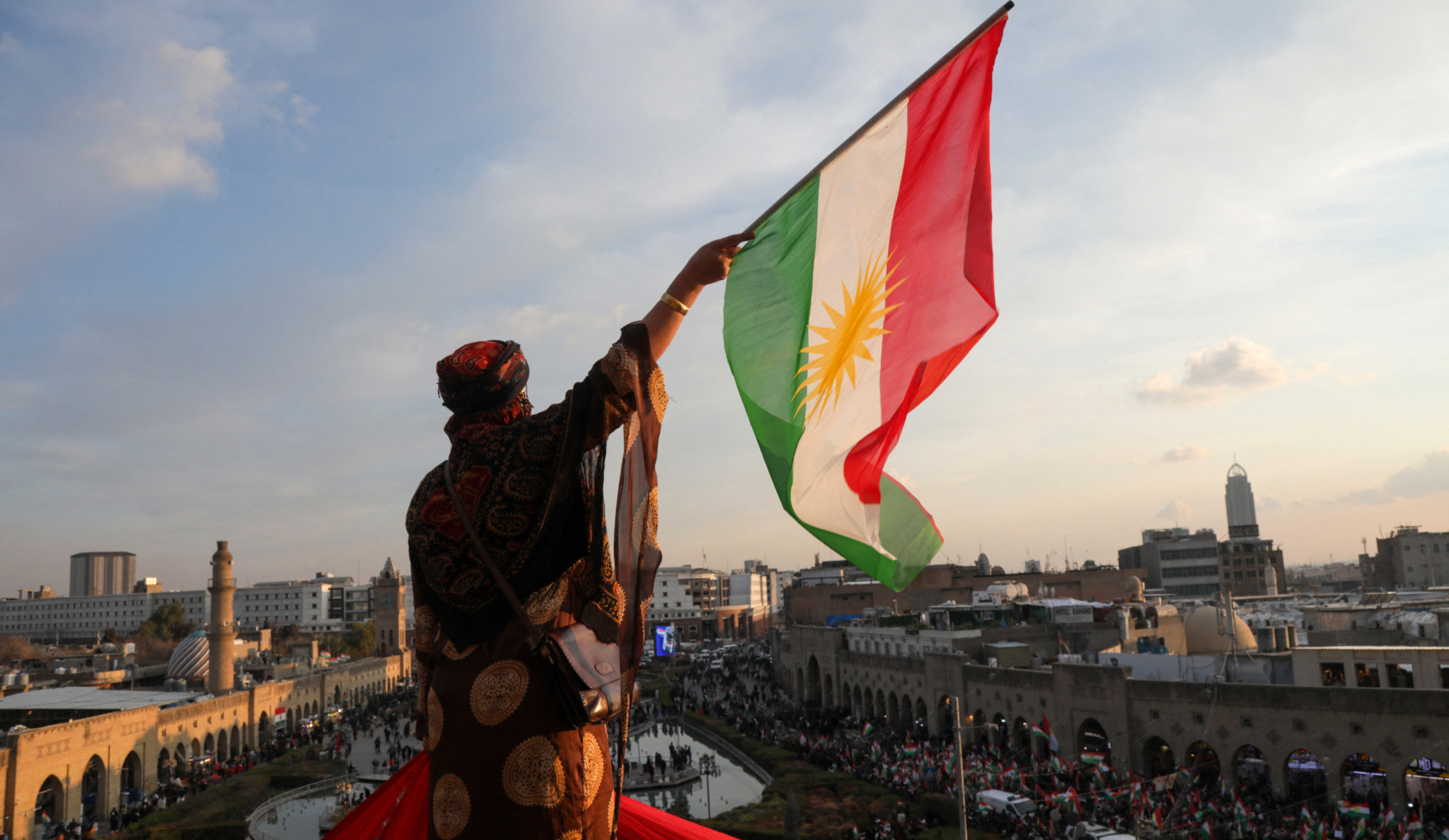
    A wave of cross-border solidarity is sweeping through Kurdish communities as demonstrators gather at the Semalka bridge connecting Iraq and Syria, waving flags and protesting recent military advancements by Damascus. The gatherings represent a unified Kurdish response to a sweeping Syrian government operation that has reclaimed significant territories from the Syrian Democratic Forces (SDF) in northern Syria.

    This display of unity comes amid a dramatic shift in the region’s power dynamics. Syrian President Ahmed al-Sharaa’s administration has announced a four-day ceasefire with Kurdish forces, presenting an ultimatum for their integration into the central state apparatus. This development marks the most substantial redistribution of control since al-Sharaa assumed power in December 2024.

    The geopolitical landscape has transformed considerably since the SDF, previously backed by a US-led coalition, controlled extensive territories across northern and eastern Syria after defeating Islamic State militants. The current withdrawal from predominantly Arab provinces including Raqqa and Deir Ezzor signifies a strategic retreat.

    Washington’s shifting foreign policy priorities under the renewed Trump administration have redirected support toward Damascus, creating palpable anxiety among Kurdish populations. President Trump’s recent comments characterizing Kurdish motivations as primarily financial have further strained relations.

    The ceasefire agreement, brokered by Damascus, offers Kurdish authorities four days to formulate an integration plan for Hasakah province. Syrian forces have pledged non-entry into urban centers including Hasakeh and Qamishli if terms are finalized.

    US Envoy to Syria Tom Barrack declared the SDF’s counter-terrorism role effectively obsolete, asserting Damascus’s readiness to assume security responsibilities. This position was demonstrated practically as Syrian forces took control of the sensitive al-Hol camp housing IS affiliates following Kurdish withdrawals.

    Kurdish civilians express profound mistrust toward both the ceasefire’s stability and American intentions. Many are preparing to relocate to Iraqi Kurdistan, while businesses in border towns like Derik are removing assets amid escalating uncertainty.

    The security situation remains volatile with reported drone strikes and suicide bombings targeting Kurdish-held Qamishli. Kurdish leaders like YPG co-founder Polat Can warn that abandoning Kurdish forces will enable terrorist networks to regenerate, potentially making Syria a renewed terrorism hotspot.

    Can specifically criticized Envoy Barrack for supporting a Syrian government now influenced by former members of Hay’at Tahrir al-Sham, despite its formal dissolution in January 2025. He maintains that while coalition soldiers retain loyalty to Kurdish partners, policymakers perpetuate colonial-era perspectives on the region.

  • Journalists in Jammu and Kashmir asked to sign pledge vowing to keep peace

    Journalists in Jammu and Kashmir asked to sign pledge vowing to keep peace

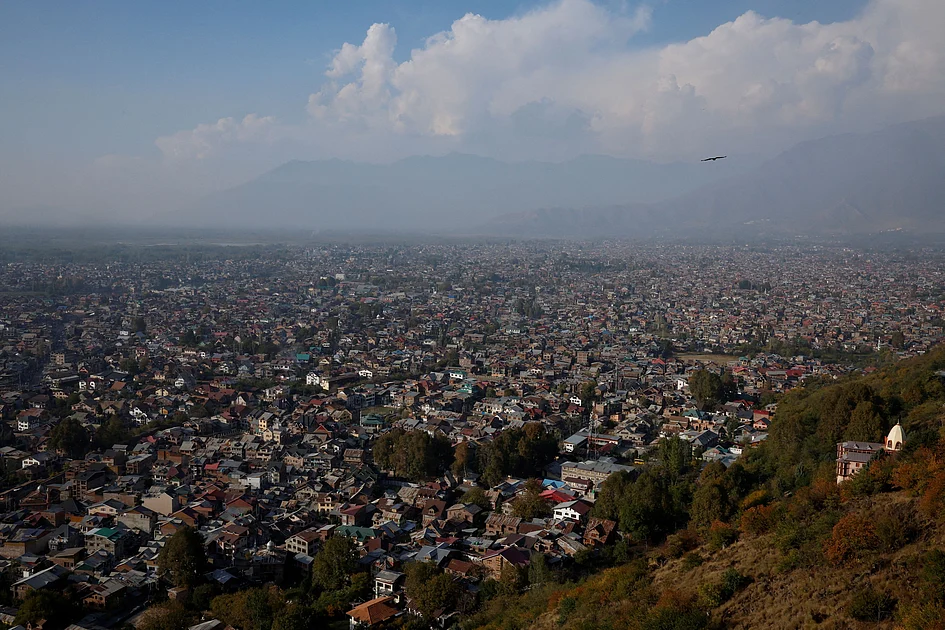
    In a significant development for press freedom in the contested region, Jammu and Kashmir police have compelled multiple journalists to sign a formal commitment vowing not to “disturb peace” through their reporting. This move has sparked immediate concerns among media watchdogs and press freedom advocates.

    According to verified reports, at least three journalists received official summons to police stations in Srinagar, the capital of the federally administered territory. While two journalists confirmed receiving these directives, one assistant editor from the respected Indian Express newspaper notably refused to sign the document despite repeated police summons between January 15-19.

    The situation emerges against the backdrop of India’s 2019 revocation of Jammu and Kashmir’s constitutional autonomy, which was followed by numerous restrictions in the Muslim-majority region. These developments include established guidelines governing how media outlets cover the ongoing insurgency and related security matters.

    The Press Club of Kashmir confirmed in an official statement that multiple members had received either formal summons or informal advisories from authorities requesting they cease reporting on police investigations into religious institutions’ funding and management structures.

    Kunal Majumder, Asia-Pacific coordinator for the Committee to Protect Journalists, characterized these actions as “part of a pattern of intimidation against the media in Jammu and Kashmir,” emphasizing that using police powers to summon journalists over legitimate reporting represents a concerning trend for democratic principles.

    The Srinagar police spokesperson has not yet responded to requests for commentary regarding these developments. Meanwhile, the Indian Express has publicly affirmed its commitment to “uphold and protect the rights and dignity of its journalists” in response to these pressures.