博客

  • Bangladesh will not go to India for T20 World Cup, says cricket board

    Bangladesh will not go to India for T20 World Cup, says cricket board

    In an unprecedented move that has sent shockwaves through the international cricket community, Bangladesh has officially withdrawn from next month’s T20 World Cup following a bitter dispute with tournament host India. The Bangladesh Cricket Board (BCB) announced its definitive decision on Thursday, effectively eliminating the nation from the prestigious global competition.

    BCB President Aminul Islam Bulbul stated unequivocally to journalists: “Our singular condition remains unchanged—we are prepared to participate in the World Cup, but absolutely not in India.” This declaration came just 24 hours after the International Cricket Council (ICC) formally rejected Bangladesh’s alternative proposal to have their group stage matches relocated to Sri Lanka.

    The escalating diplomatic confrontation between the neighboring countries originated on January 3rd when the Board of Control for Cricket in India (BCCI) instructed IPL franchise Kolkata Knight Riders to dismiss Bangladeshi fast bowler Mustafizur Rahman. This controversial decision followed intense online pressure from right-wing Hindu groups in India who referenced alleged attacks against Hindu communities in predominantly Muslim Bangladesh.

    Asif Nazrul, an advisor for youth and sports matters within Bangladesh’s interim administration, emphasized the irreversibility of their position: “There exists zero flexibility regarding our resolution. Our security apprehensions are not founded upon hypothetical scenarios but rather upon tangible events—specifically, the forced expulsion of our premier athlete who was compelled to capitulate to extremist elements.”

    The ICC responded by highlighting its extensive efforts to facilitate Bangladesh’s participation, noting that independent security evaluations and detailed safety plans from host authorities confirmed “no credible or verifiable threats” to the Bangladeshi squad. Despite these assurances, Bangladeshi officials remained unconvinced.

    This controversy carries significant implications for India’s broader sporting ambitions. The nation is currently preparing to host the 2030 Commonwealth Games, viewed as a critical precursor to its bid for the 2036 Olympics. BCB President Bulbul issued a stark warning regarding the consequences of excluding a major cricket nation: “Cricket is scheduled to debut at the 2028 Olympics, followed by Brisbane in 2032. Omitting a passionately cricket-devoted country of nearly 200 million people would represent a catastrophic failure for the sport’s global governance.”
  • Trump sues JPMorgan for $5bn over account closure after Capitol riot

    Trump sues JPMorgan for $5bn over account closure after Capitol riot

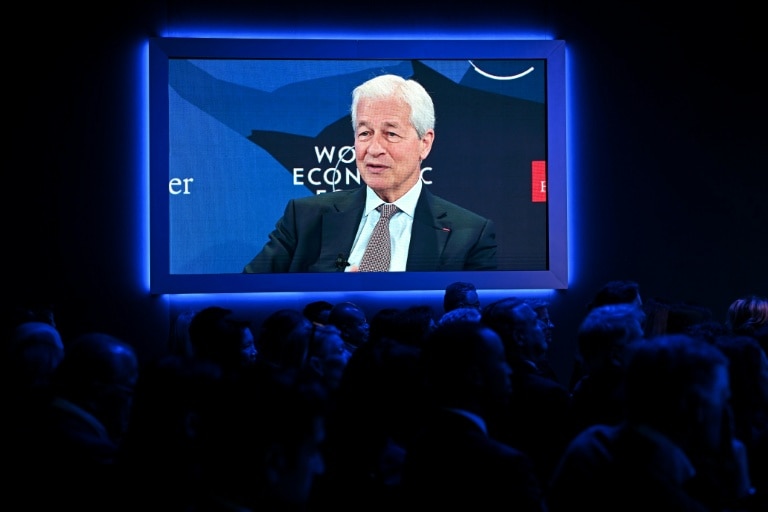
    Former President Donald Trump has initiated a $5 billion legal action against JPMorgan Chase, the United States’ largest financial institution, alleging the bank unlawfully terminated his accounts for politically motivated reasons. The lawsuit, filed in Florida, names both the corporation and its longstanding Chief Executive Jamie Dimon as defendants.

    The legal complaint asserts that JPMorgan Chase inflicted “considerable financial and reputational harm” upon Trump and his business enterprises when it abruptly discontinued their banking relationships in 2021. This action occurred shortly after the January 6th Capitol riot, during which Trump supporters violently disrupted the congressional certification of presidential election results.

    Trump’s legal team contends the account closures represented a “key indicator of a systemic, subversive industry practice that aims to coerce the public to shift and re-align their political views.” The filing specifically alleges the bank acted upon “unsubstantiated, ‘woke’ beliefs that it needed to distance itself from President Trump and his conservative political views.”

    Additionally, the lawsuit accuses JPMorgan of trade libel for allegedly placing Trump’s name and those of his associated businesses and family members on a shared “blacklist” identifying individuals with histories of “malfeasant” activity—a measure reportedly authorized personally by Dimon.

    JPMorgan Chase has vigorously denied these allegations, with a spokesperson stating “the suit has no merit” and emphasizing that “JPMC does not close accounts for political or religious reasons.” The bank clarified that account termination decisions stem from assessments of “legal or regulatory risk for the company,” citing existing “rules and regulatory expectations” that compel such actions.

    The financial institution expressed support for administrative efforts “to prevent the weaponisation of the banking sector” while noting it has petitioned multiple administrations to modify regulations that create these contentious situations.

    This legal confrontation represents the latest escalation in tensions between Trump and Dimon, who has recently criticized several administration policies including proposed credit card regulations, immigration approaches, and posturing toward the Federal Reserve.

    The lawsuit emerges amid broader regulatory scrutiny concerning ‘debanking’ practices. Last month, federal regulators identified nine major banks that had made “inappropriate distinctions” among customers based on business activities, particularly affecting sectors including oil and gas, private prisons, and adult entertainment.

  • Venezuela opens debate on an oil sector overhaul as Trump seeks role for US firms

    Venezuela opens debate on an oil sector overhaul as Trump seeks role for US firms

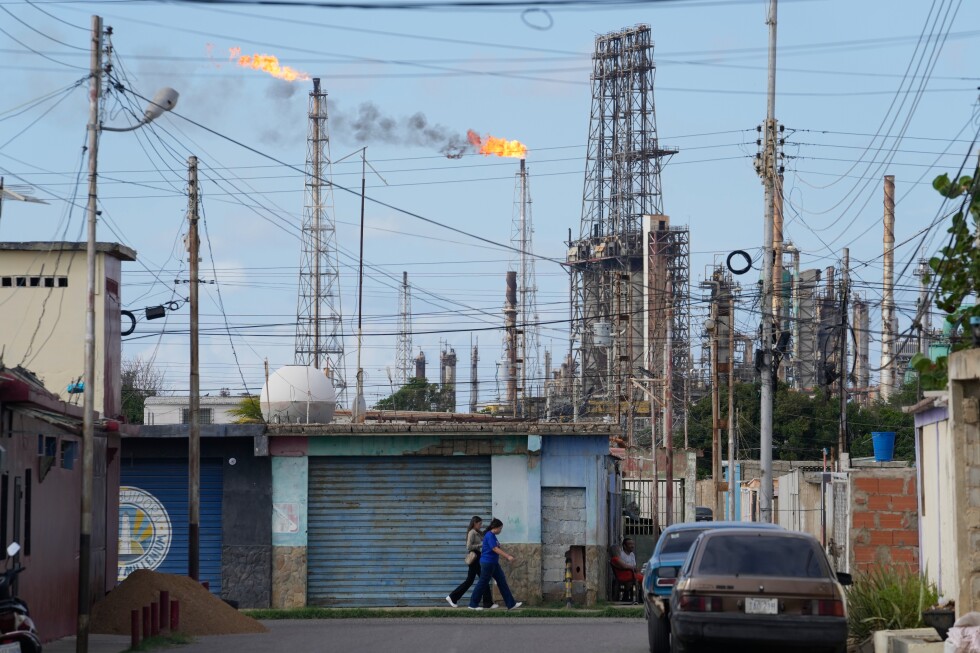
    Venezuela’s National Assembly has initiated legislative proceedings on a transformative bill that would significantly reduce state dominance over the country’s oil industry, marking the most substantial policy shift since the late President Hugo Chávez nationalized major portions of the sector in 2007. The proposed legislation, which advanced through initial parliamentary debate on Thursday, would establish new frameworks for private sector participation and international arbitration mechanisms.

    The comprehensive reform package emerges amid heightened pressure from the Trump administration following the recent U.S. capture of former President Nicolás Maduro. American officials have intensified demands for Venezuela’s acting President Delcy Rodríguez to facilitate increased investment from U.S. energy corporations in the nation’s struggling petroleum industry.

    According to draft legislation obtained by The Associated Press, the bill would enable private companies to independently operate oil fields, market their crude production, and retain financial revenues while maintaining nominal minority partnership status with state-owned PDVSA. The document explicitly states that operating companies would assume comprehensive management of activities “at its sole cost, expense and risk.”

    A critical component of the proposed law involves permitting international arbitration for investment disputes, moving away from the previous requirement that cases be heard exclusively in Venezuelan courts. The legislation maintains the existing 30% royalty rate but allows reductions to as low as 15% for complex or capital-intensive oil projects to incentivize development.

    Jorge Rodríguez, President of the National Assembly and brother of the acting president, emphasized to lawmakers that the bill aims to achieve “an accelerated increase in production,” noting that “oil under the ground is useless” without development. The proposal received backing from business representatives, including Orlando Camacho of Fedeindustria, who described the measures as essential for maintaining the oil industry as Venezuela’s economic engine.

    Despite these overtures, significant investor concerns persist regarding financial and legal risks. Many international energy companies, including Exxon, continue seeking compensation for assets seized during Chávez’s nationalization campaign. Additional uncertainties stem from Venezuela’s political transition timeline and the maintenance of U.S. sanctions that currently restrict foreign operations in the country’s oil sector.

  • House holding war powers vote to direct Trump to remove troops from Venezuela

    House holding war powers vote to direct Trump to remove troops from Venezuela

    A significant legislative confrontation unfolded in the House of Representatives on Thursday as lawmakers voted on a resolution demanding the withdrawal of U.S. military forces from Venezuela. This move represents the latest chapter in the ongoing tension between Democratic legislators and the Republican-controlled Congress regarding presidential authority in military engagements.

    The resolution emerged despite prior assurances from the Trump administration to senators that no American troops were currently deployed in Venezuela and that congressional approval would be sought before initiating substantial military operations. Democratic representatives maintained that the measure remained necessary following recent U.S. efforts to capture Venezuelan leader Nicolás Maduro and President Trump’s expressed intentions to control the nation’s oil resources.

    The vote served as a critical examination of Republican willingness to constrain a president who originally campaigned on reducing foreign military involvement but has increasingly employed military options to advance policy objectives in the Western Hemisphere. Thus far, most Republican lawmakers have resisted imposing checks on presidential war powers through legislative measures.

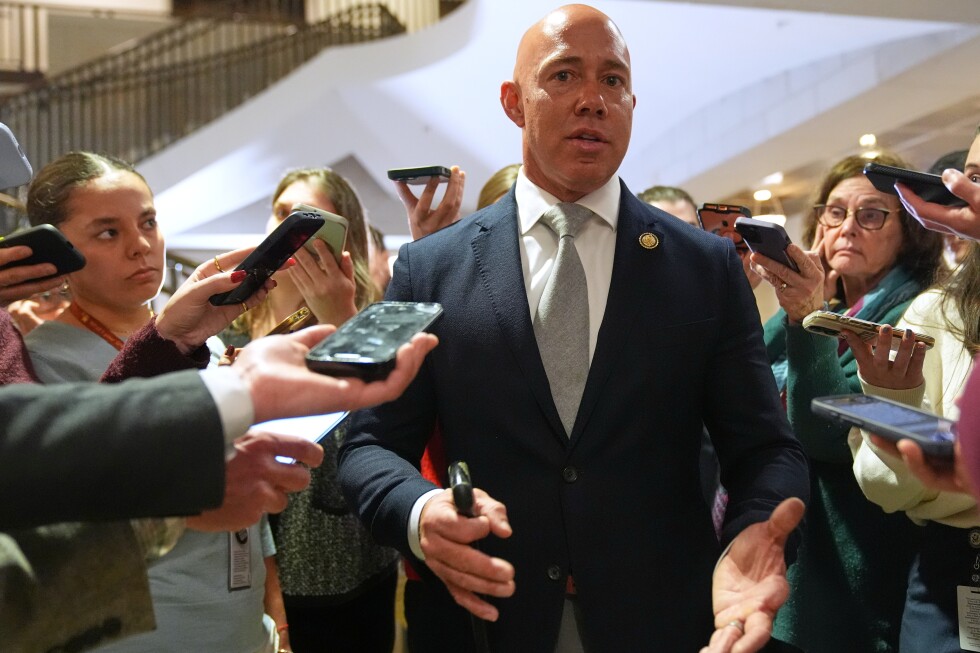
    Representative Brian Mast (R), chair of the House Armed Services Committee, characterized the Democratic initiative as motivated by ‘spite’ toward President Trump rather than substantive policy concerns. He defended the administration’s actions, describing the operation against Maduro as ‘possibly the most successful law enforcement operation in history.’

    Democratic representatives countered that Congress must reassert its constitutional role in determining appropriate use of military force. Representative Gregory Meeks (D), ranking member of the House Foreign Affairs Committee, criticized the administration’s approach, stating that Trump’s policies were reducing the United States to ‘a regional bully with fewer allies and more enemies.’

    The debate occurs alongside emerging questions about the administration’s handling of Venezuelan oil resources. Senate Democrats have raised concerns about potential connections between oil licensing agreements and political contributions, specifically referencing Vitol, a major oil broker that received significant licensing rights while its executives contributed substantially to Trump-aligned political action committees.

    Thirteen Democratic senators have demanded full transparency regarding any financial arrangements connected to Venezuela that might benefit presidential donors. The White House maintains that it is safeguarding Venezuela’s oil resources for the benefit of both the Venezuelan people and American interests.

  • UAE expands use of AI, robotics as young workers shun low-skilled jobs

    UAE expands use of AI, robotics as young workers shun low-skilled jobs

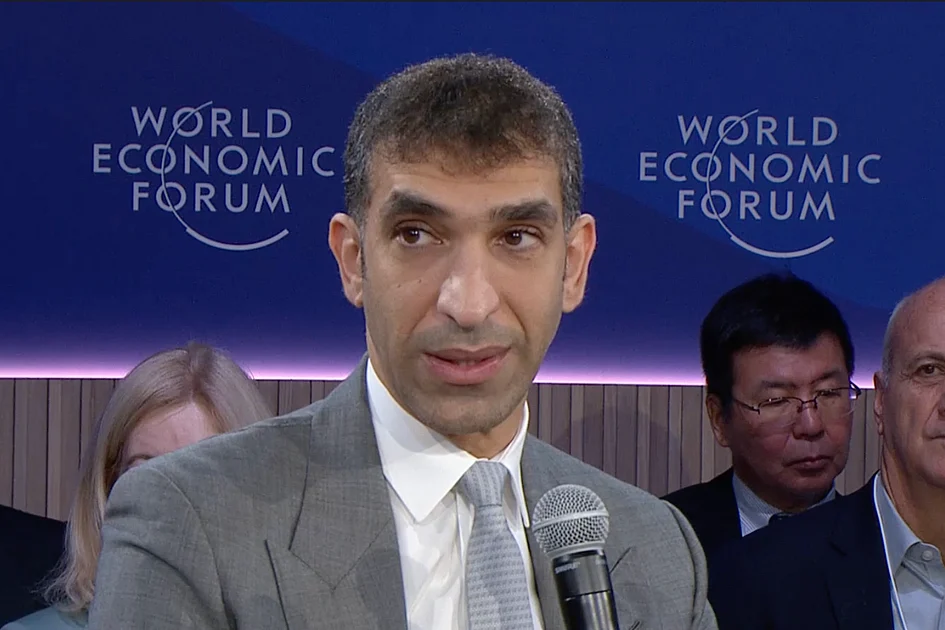
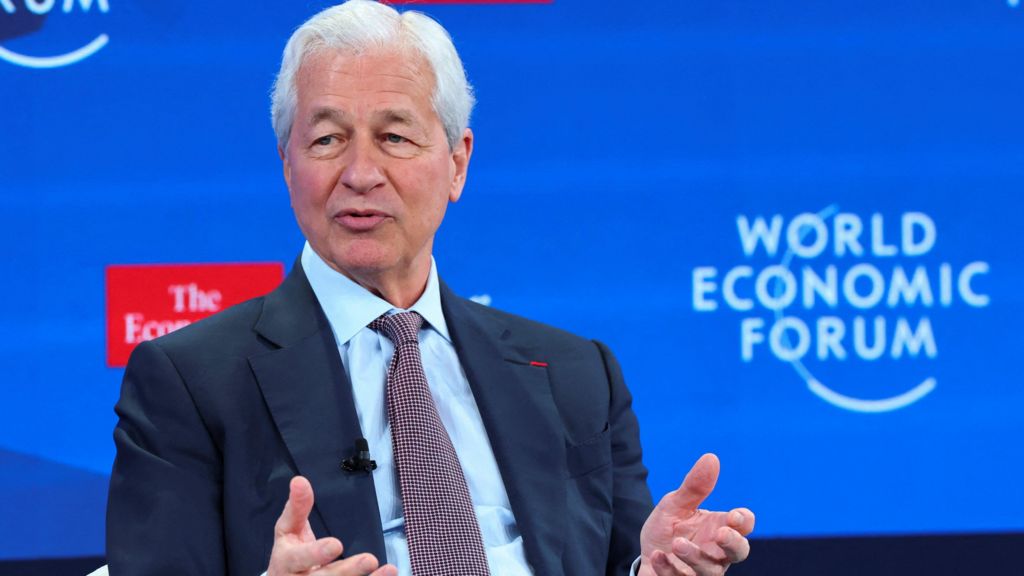
    The United Arab Emirates is undergoing a significant technological transformation as it confronts mounting challenges in attracting young workers to low-skilled positions. During a panel discussion at the World Economic Forum in Davos, UAE Minister of Foreign Trade Dr. Thani Al Zeyoudi revealed the nation’s strategic pivot toward robotics and artificial intelligence to address critical labor shortages in construction and manufacturing sectors.

    Minister Al Zeyoudi emphasized that the UAE’s heavy reliance on aging non-skilled labor, particularly in construction, has necessitated this technological shift. “Robotics is the main solution,” he stated, noting that young workers increasingly avoid traditional blue-collar roles despite the nation’s welcoming stance toward international talent.

    The technological transformation represents a fundamental reimagining of the UAE’s economic framework. Both public and private sectors are deploying advanced technologies to achieve faster, more efficient operations while reducing dependence on imported labor. The government began signaling this transition eight years ago, urging manufacturers to embrace technology that could replace large volumes of manpower.

    This shift extends beyond mere labor substitution. The UAE is making substantial investments in robotics factories to support its massive development projects, while simultaneously pursuing a broader transition toward a knowledge-based economy. The nation’s investment in research and development has emerged as a crucial factor in this transformation.

    Practical applications are already demonstrating remarkable results. In the oil and gas sector, AI now determines production decisions, eliminating the need for simulation engineers to identify drilling locations. Robotics enable continuous operations during what were previously lengthy shutdown periods. “The sites where we used to have a shutdown for three to six months, now with robotics, we’re applying it while doing the operation,” Minister Al Zeyoudi explained. “The robot does surveillance, provides situational awareness, and operations resume within days.”

    The UAE has adopted a comprehensive approach encompassing government appointments, policy development, and capacity building to support this technological evolution. Minister Al Zeyoudi stressed the urgency of this transformation: “When it comes to AI, digitalization, and technology, it is too late to wait for someone else to do it, because you’re going to be out of the game.”

    Despite this progress, challenges remain in attracting foreign investment, particularly regarding energy supply for manufacturing facilities, land availability and ownership, logistics, and connectivity. These hurdles represent the next frontier in the UAE’s ongoing economic modernization efforts.

  • Trump sues JPMorgan Chase, CEO Dimon, claims ‘debanked’ for politics

    Trump sues JPMorgan Chase, CEO Dimon, claims ‘debanked’ for politics

    Former President Donald Trump has initiated a high-stakes legal battle against JPMorgan Chase and its CEO Jamie Dimon, filing a $5 billion civil lawsuit in Florida state court. The litigation centers on allegations that the financial institution deliberately terminated Trump’s accounts due to political motivations following the January 6 Capitol incident.

    The comprehensive complaint details how JPMorgan notified Trump on February 19 about the closure of several accounts, resulting in what Trump describes as ‘considerable financial harm.’ The court documents assert that the banking giant’s actions were driven by ‘political and social motivations’ and ‘unsubstantiated woke beliefs’ rather than legitimate business considerations.

    Trump’s legal team contends that the account closures forced the former president into less favorable financial arrangements with alternative institutions while significantly disrupting his business operations. The lawsuit further alleges that CEO Jamie Dimon initially promised to provide a detailed explanation for the account terminations but ultimately failed to follow through.

    JPMorgan Chase has issued a firm response, stating the lawsuit ‘has no merit’ while maintaining that account closures occur solely due to ‘legal or regulatory risk’ considerations. The banking institution emphasized that it does not terminate accounts based on political or religious affiliations but acknowledged supporting regulatory reforms to prevent ‘weaponization of the banking sector.’

    The legal action emerges within a broader political context where Trump and Republican committees have alleged systematic ‘debanking’ practices against conservative viewpoints. This case represents part of Trump’s ongoing effort to reframe the January 6 events, coinciding with his recent pardons of over 1,500 individuals involved in the Capitol incident and the administration’s characterization of rioters as ‘peaceful patriotic protesters.’

    The lawsuit unfolds alongside continued political tensions, as demonstrated by former special counsel Jack Smith’s recent congressional testimony defending his criminal investigations into Trump as necessary accountability measures rather than politically motivated actions.

  • What to know about the devastating floods in southern Africa

    What to know about the devastating floods in southern Africa

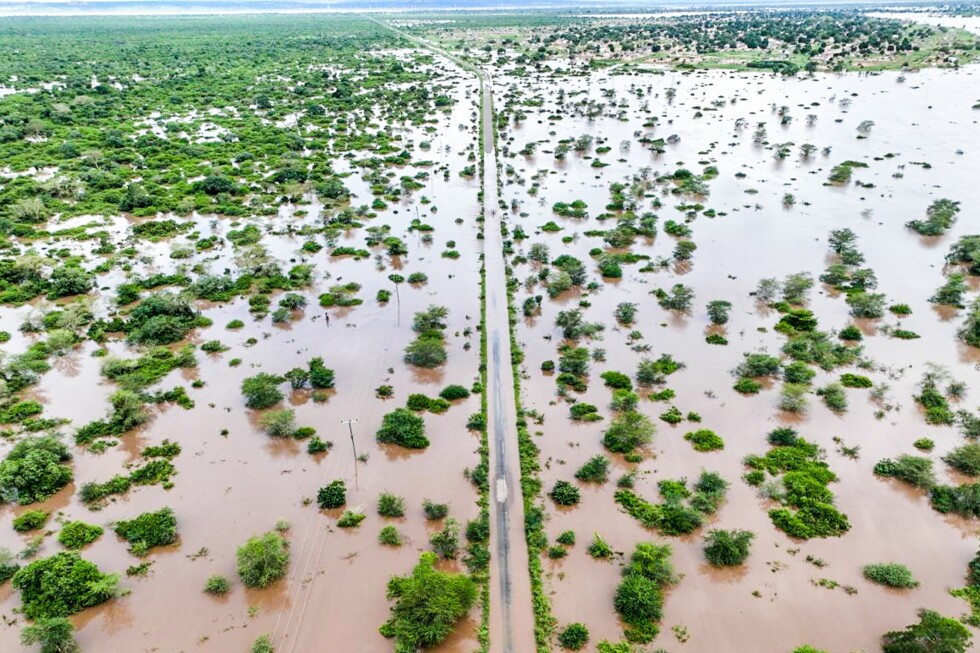
    CAPE TOWN, South Africa — A catastrophic weather system has unleashed severe flooding across southern Africa, resulting in a confirmed death toll exceeding 100 individuals and triggering widespread devastation in Mozambique, South Africa, and Zimbabwe. The region has been subjected to unusually intense rainfall since late last year, culminating in what authorities describe as the worst flooding incident in years, with fatalities anticipated to rise as emergency operations persist.

    The human impact is profound. South Africa reports over 30 fatalities, while neighboring Zimbabwe has suffered at least 70 deaths from the relentless downpours. Mozambique has officially attributed 13 deaths directly to the floods over a two-week period, though the actual number is believed to be significantly higher. Central and southern Mozambique are among the hardest-hit areas, with the government estimating over half a million citizens have been affected. In the southern Gaza province alone, more than 300,000 people have been displaced, prompting official evacuation orders for several towns. The provincial capital, Xai-Xai, and the agricultural hub of Chokwe have been completely submerged, with only building rooftops visible in satellite imagery. The tourist destination of Marracuene, north of the capital Maputo, is now encircled by water and effectively isolated.

    Beyond the humanitarian crisis, the environmental and economic toll is staggering. South Africa’s renowned Kruger National Park, a premier wildlife sanctuary and major tourist destination, has sustained infrastructural damage estimated in the tens of millions of dollars. Environment Minister Willie Aucamp confirmed that sections of the vast, 20,000-square-kilometer park are entirely cut off after roads and bridges were washed away. Staff accommodations and tourist facilities have been destroyed, with a full recovery expected to take several years. A special reconstruction fund has been established. Park officials noted that wildlife, including critically endangered black rhinos, typically migrates to higher ground during floods, though the full impact on animal populations remains unclear. Hundreds of tourists and staff were successfully evacuated, with no reported fatalities within the park.

    Cross-border rescue missions are underway to mitigate the disaster. The South African Air Force has deployed helicopters to conduct lifesaving operations in its northern provinces of Mpumalanga and Limpopo, rescuing citizens stranded on rooftops and in trees. The military has extended these efforts into Mozambique, where it has airlifted nearly 500 stranded individuals to safety. The scale of destruction is immense, with thousands of homes obliterated, leading South Africa to declare a national disaster. Engineers are also assessing the structural integrity of a dam in the northeast under severe pressure from the floodwaters, with preemptive evacuations ordered in case of a potential breach.

    Humanitarian agencies are raising alarms over secondary crises. The flooding has decimated crops relied upon by millions of subsistence farmers, drastically increasing the threat of widespread hunger. Furthermore, the standing water creates a fertile ground for waterborne diseases, with cholera posing a significant risk. The United Nations Children’s Fund (UNICEF) has highlighted the extreme vulnerability of children among the affected populations in Mozambique, where access to essentials like clean water, food, and healthcare has been severely compromised.

  • Latest addition to Shiziyang Bridge constructions brings main tower above 300 meters

    Latest addition to Shiziyang Bridge constructions brings main tower above 300 meters

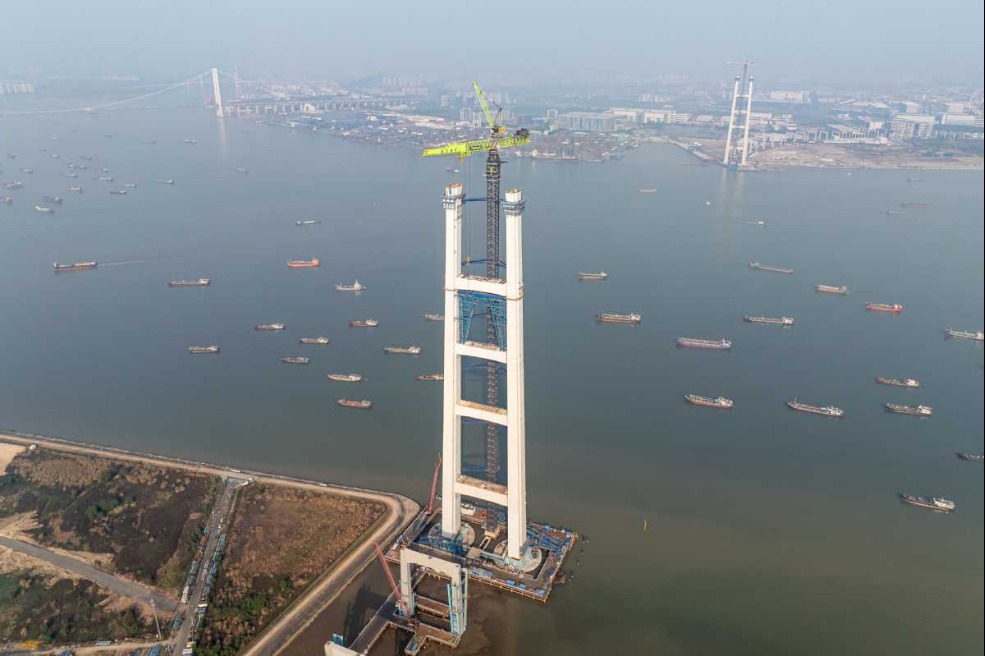
    In a significant advancement for regional connectivity, the primary tower of the Shiziyang Bridge has exceeded the 300-meter construction threshold following the successful installation of a critical bridge segment on Thursday. This engineering marvel forms an integral component of the Shiziyang Link initiative within the rapidly developing Guangdong-Hong Kong-Macao Greater Bay Area.

    Project engineers revealed exceptional precision in the construction process, with current alignment measurements registering minimal deviation of under 3 millimeters. According to Zhang Jian, deputy manager of the T8 section at CCCC Second Harbor Engineering, the structure requires only 40 additional meters to achieve its planned summit of 342 meters.

    Upon completion, the monumental tower spanning the Pearl River estuary will approximate the vertical scale of a 110-story skyscraper, as confirmed by the Guangdong Transportation Group. The engineering team employs an innovative assembly technique, constructing each tower leg from 62 massive steel shell segments manufactured to exacting specifications.

    Chief Engineer Zhang Taike provided additional timeline details, indicating the tower is projected to reach its full height around April, with catwalk construction scheduled to commence during the latter half of the year. This infrastructure project represents a critical transportation link designed to enhance economic integration throughout China’s most dynamic regional economic zone.

  • Israel’s Palestinian citizens protest against rising crime and violence with huge strike

    Israel’s Palestinian citizens protest against rising crime and violence with huge strike

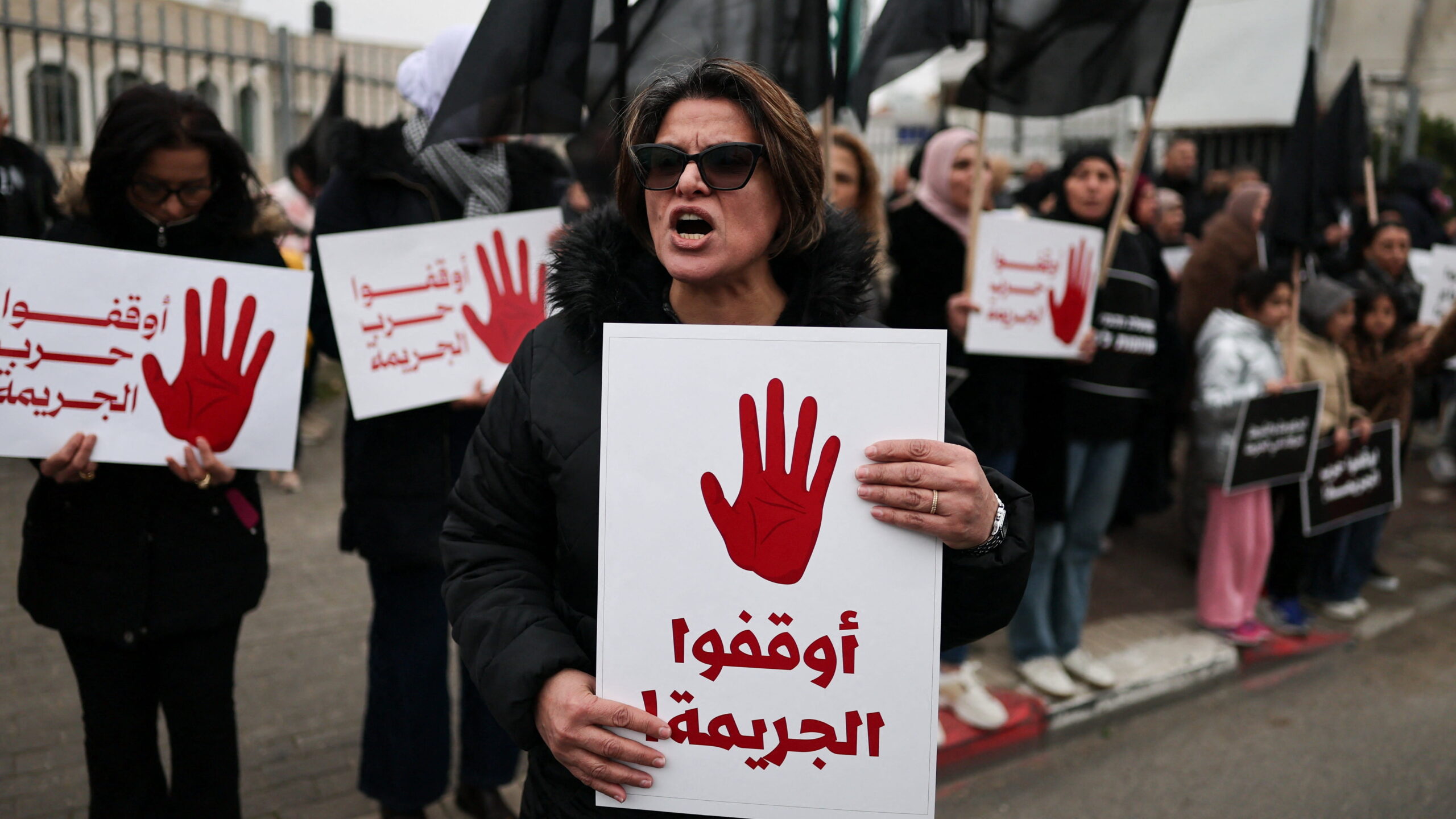
    A wave of mass civil disobedience has swept through Palestinian communities within Israel, as tens of thousands of citizens initiated a widespread general strike. This unprecedented mobilization represents one of the largest demonstrations in years, driven by mounting fury over escalating violence and organized crime that authorities have allegedly failed to curb.

    The movement originated in the northern city of Sakhnin on Tuesday, where municipal leaders, community committees, and parent associations declared an open-ended shutdown. Their collective action protests what they describe as rampant gun violence and official complicity in criminal networks. The protest movement has since gained momentum across numerous Palestinian-majority towns, creating a significant challenge to Israeli law enforcement agencies.

    This civil unrest emerges against a backdrop of record-breaking violence within these communities. According to data from the Abraham Initiatives NGO, 2025 has become the deadliest year on record with 252 Palestinian citizens killed in criminal incidents—marking a disturbing increase from the 230 fatalities documented in 2024. The current year has already witnessed at least 19 such deaths.

    The High Follow-Up Committee for Arab Citizens of Israel, an umbrella organization representing the community, issued a powerful statement declaring that ‘organized crime sponsored by the Israeli establishment is not fate. Fear is not an option.’ The committee emphasized their fundamental right to security and normal family life.

    Political parties have joined the cause, with the Balad party urging expanded participation and labeling involvement in the movement as ‘a national duty.’ Online footage shows protesters carrying banners demanding an end to violence, organized crime, and police negligence in Palestinian areas.

    This current crisis unfolds within a broader context of systemic discrimination. Despite holding Israeli citizenship, Palestinian communities have historically faced discriminatory laws and practices, including military rule from 1948-1966. Descendants of native Palestinians who remained during the 1948 Nakba—when approximately 750,000 were displaced—they constitute about 20% of Israel’s population yet continue to experience institutional inequality.

    The situation has reportedly deteriorated since October 2023, with over 30 new laws allegedly deepening what rights groups describe as an apartheid system. A November report from legal center Adalah detailed how these laws target Palestinian political and civil rights, including freedoms of expression, protest, and thought, plus restrictions on citizenship, family life, and equality rights.

    Notable legislation includes expanded counterterrorism laws applied predominantly to Palestinian citizens and residents of occupied East Jerusalem, alongside welfare benefits exclusively directed to Jewish Israeli reservists. Adalah contends these measures institutionalize ‘Jewish ethno-national supremacy’ through Israel’s constitutional framework, enabling widespread rights violations against Palestinian detainees and prisoners through repeatedly renewed emergency measures.

  • King’s College Hospital Dubai brings next-level precision to complex and endometriosis surgery with Da Vinci

    King’s College Hospital Dubai brings next-level precision to complex and endometriosis surgery with Da Vinci

    King’s College Hospital London Dubai has significantly expanded its surgical capabilities by integrating the state-of-the-art Da Vinci Xi robotic system into its complex general and endometriosis procedures. This technological advancement represents a substantial leap forward in minimally invasive surgery, offering eligible patients enhanced precision, reduced recovery times, and improved clinical outcomes.

    The Da Vinci Xi platform revolutionizes surgical procedures through its high-definition binocular 3D vision system that provides surgeons with unprecedented anatomical visualization. The system’s wristed instruments mimic the natural movements of human hands while eliminating tremors, enabling surgeons to perform intricate maneuvers in confined anatomical spaces with exceptional accuracy. This technological sophistication is particularly valuable in complex endometriosis cases where millimeter-level precision and nerve preservation are critical for patient outcomes.

    Dr. Firas Younis, Consultant General and Colorectal Surgeon at King’s College Hospital London Dubai, emphasized the system’s impact on patient care: ‘Patients facing complex surgical interventions often experience significant anxiety. The Da Vinci robotic system provides a platform for extremely precise surgical execution, minimizing tissue disruption and facilitating more comfortable recovery periods. This technology is especially transformative for endometriosis surgery where precision directly correlates with preserved fertility and reduced complication rates.’

    Endometriosis, a chronic condition affecting millions worldwide, can cause debilitating pelvic pain, intimate discomfort, and reproductive challenges. In severe cases, the condition involves multiple pelvic organs requiring highly specialized surgical expertise. The hospital’s adoption of robotic-assisted surgery enables surgeons to address these complex presentations through minimal incisions, resulting in reduced postoperative pain, shorter hospital stays, and accelerated return to normal activities for appropriately selected patients.

    The clinical team at King’s College Hospital London Dubai conducts comprehensive individual assessments to determine patient suitability for robotic-assisted procedures, considering diagnostic findings, case complexity, and overall health status. Patients seeking consultation can arrange appointments through multiple channels including telephone scheduling, online forms, or the dedicated King’s Hub application.