博客

  • High-speed train hub eases journeys

    High-speed train hub eases journeys

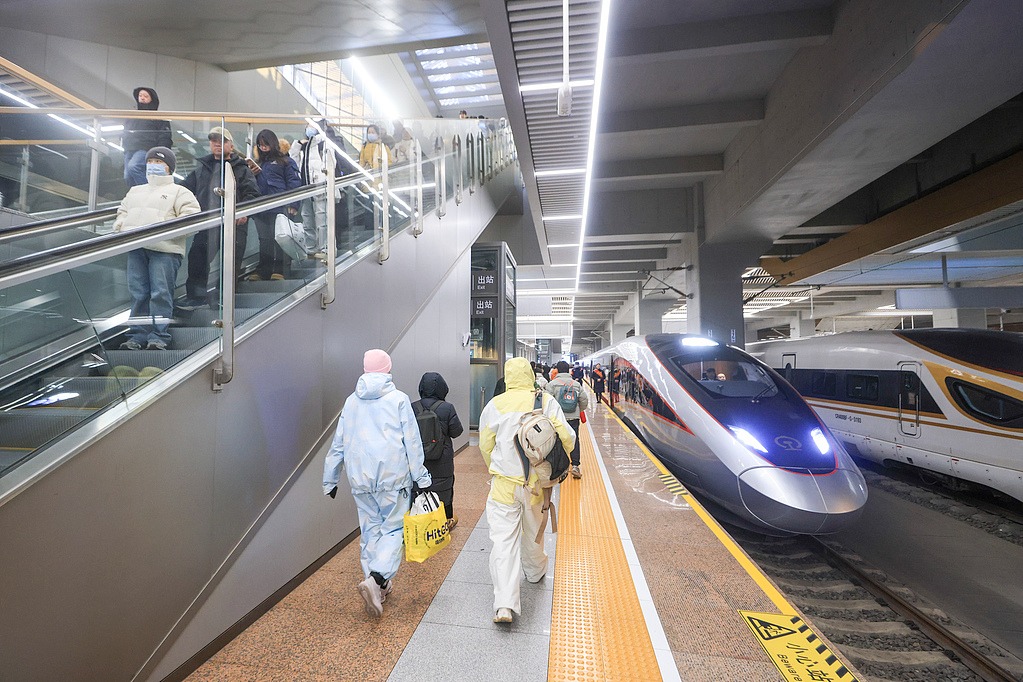
    Beijing Chaoyang Railway Station has emerged as a transformative transportation nexus since its inauguration five years ago, fundamentally reshaping travel patterns across northern China. As the primary high-speed rail gateway connecting the capital with Northeast China and the Beijing-Tianjin-Hebei region, the station has witnessed remarkable growth in both passenger volume and service capabilities.

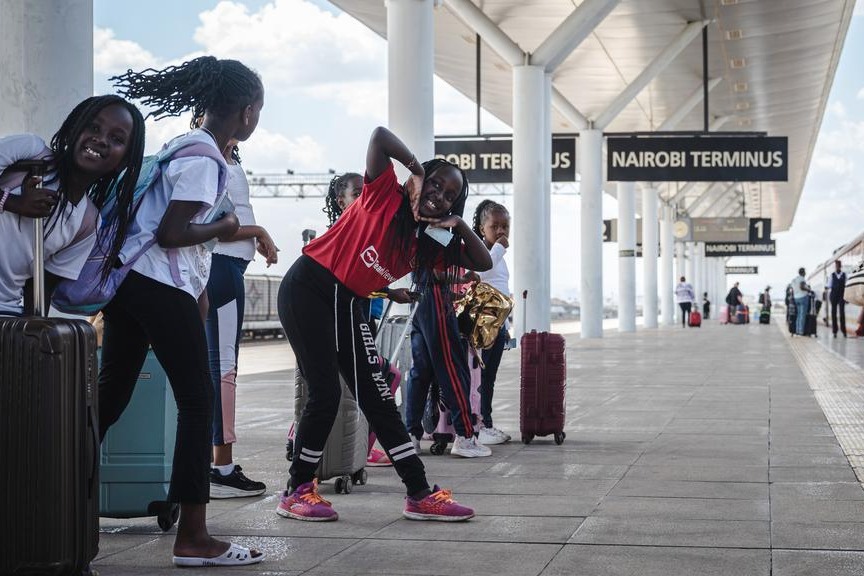
    Statistical data reveals a dramatic surge in daily passenger traffic, escalating from approximately 12,000 to 30,000 commuters, culminating in nearly 44 million total passenger journeys handled since commencement. This infrastructure marvel has drastically compressed travel durations, exemplified by the Chengde-Beijing route reduction from four hours to a mere 49 minutes—a temporal compression revolutionizing regional mobility.

    The station’s significance extends beyond conventional transportation services, evolving into a critical lifeline for medical emergencies. Station authorities report approximately 200 daily special assistance cases, with nearly one-quarter involving patients seeking urgent medical care in Beijing’s advanced healthcare facilities. In one particularly notable incident, station personnel facilitated emergency egress for a finger-severation victim from Inner Mongolia, enabling critical reattachment surgery within the narrow three-hour therapeutic window.

    Technological integration enhances passenger experience through seamless multimodal connectivity. The 2024 inauguration of Subway Line 3’s initial phase established direct underground access, effectively resolving ‘last-mile’ challenges. Digital innovation through the 12306 ticketing platform enables pre-arrival special assistance requests, ensuring coordinated support between train crews and station staff.

    Station official Wang Qiang emphasizes their strategic positioning as both regional integrator and specialized service provider: ‘Our continuous service optimization reflects dual commitments to macroeconomic regional development and micro-level passenger needs.’ Deputy Manager Cao Yan underscores the human dimension, noting the specialized assistance team has doubled to twelve members over five years to accommodate growing demand from travelers with serious medical conditions.

    As passenger volumes continue their upward trajectory, Beijing Chaoyang Railway Station stands as testament to how modern transportation infrastructure can simultaneously drive regional economic integration and provide vital social support functions, fundamentally redefining the relationship between mobility, healthcare access, and regional development in contemporary China.

  • Rodman ‘becomes highest-paid women’s footballer’

    Rodman ‘becomes highest-paid women’s footballer’

    In a landmark moment for women’s football, American forward Trinity Rodman has secured a groundbreaking three-year contract with the National Women’s Soccer League’s Washington Spirit, establishing her as the sport’s highest-paid female athlete. The 23-year-old phenom, daughter of NBA legend Dennis Rodman, finalized the agreement valued at approximately $2 million annually, inclusive of performance bonuses, following her free agency period.

    The negotiation process attracted intense international interest, with European powerhouses including Chelsea FC closely monitoring Rodman’s availability. Her agent, Mike Senkowski, confirmed the contract’s historic significance, noting it positions Rodman at the pinnacle of women’s football compensation when new NWSL salary cap provisions activate on July 1st. These provisions include the innovative ‘High Impact Player’ rule permitting teams to exceed the $3.5 million team cap by $1 million for exceptional talents.

    However, the designation faces contention from Spanish sources who maintain that Barcelona’s Aitana Bonmatí—winner of three consecutive Ballon d’Or awards (2023-2025)—retains superior earnings when factoring currency conversion and contractual details. Despite this dispute, Rodman’s compensation represents a seismic shift in NWSL compensation structures.

    Washington Spirit owner Michele Kang, who maintains multi-club investments including Olympique Lyonnais, characterized Rodman as “a generational player representing the future of this club and women’s soccer globally.” Rodman’s career trajectory supports this assessment: she propelled the Spirit to an NWSL Championship during her 2021 debut season, earned Rookie of the Year honors, and contributed significantly to Team USA’s gold medal victory at the 2024 Paris Olympics with three goals.

    This record-setting agreement occurs against a backdrop of increasing financial competition in women’s football. While the NWSL pioneered professionalization, leagues including England’s Women’s Super League and Mexico’s Liga MX Femenil are now aggressively investing in talent acquisition, exemplified by recent high-profile transfers of American players to European clubs. Rodman’s retention signals the NWSL’s commitment to maintaining competitive relevance in the evolving global landscape of women’s sports economics.

  • China’s renewed pledge to opening-up praised

    China’s renewed pledge to opening-up praised

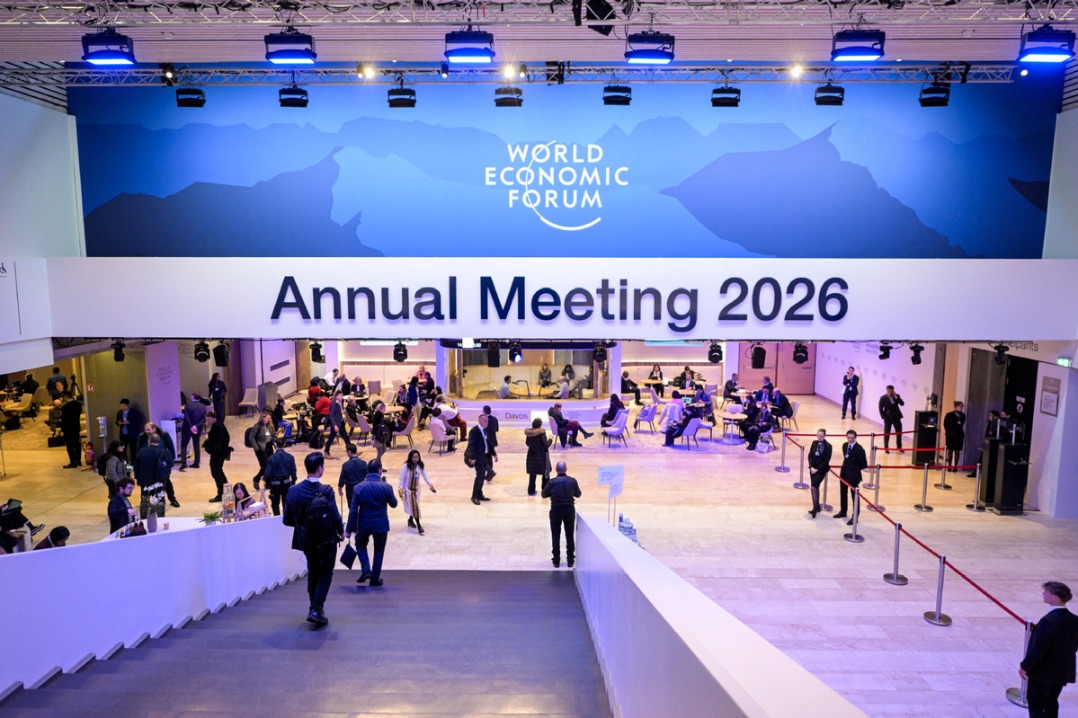
    At the 56th World Economic Forum in Davos, Switzerland, Chinese Vice-Premier He Lifeng articulated China’s economic strategy, earning widespread international praise from experts and officials. The address, delivered on January 22, 2026, positioned China’s transition to high-quality development as a critical stabilizing force against growing global economic fragmentation.

    Vice-Premier He, also a member of the Political Bureau of the Communist Party of China Central Committee, detailed three core propositions: advancing high-quality economic development, transforming China into both a manufacturing and consumption powerhouse, and deepening the nation’s commitment to reform and opening-up policies. He emphasized China’s role in fostering common prosperity through shared development opportunities, noting that China’s economy has expanded to over 140 trillion yuan ($20.1 trillion) with average annual growth rates of approximately 5.4%, contributing roughly 30% to global economic growth.

    International response to the speech highlighted its strategic significance. Mehmood Ul Hassan Khan, President of the Center for Knowledge and Public Policy in Islamabad, described the address as “timely and positive,” noting that it promotes hope for greater global progress and prosperity. He specifically referenced China’s forthcoming 15th Five-Year Plan (2026-30) as focusing on structural reforms that would advance digitalization, green technologies, and a paradigm shift toward domestic consumption-driven growth.

    Maroun Kairouz, Managing Director of the World Economic Forum, characterized China’s development transition as a strategic shift toward more sustainable and resilient growth. He noted that China’s reforms not only strengthen its own economic foundation but also create new global opportunities in clean energy, technology, and trade for 2026 and beyond.

    Anna Malindog-Uy, Vice-President of the Asian Century Philippines Strategic Studies Institute, observed that the speech addressed fundamental global anxieties about uncertainty and fragmentation in the international economic system. She highlighted that China’s move toward high-quality, domestic-demand-driven growth transforms the nation from primarily a global supplier to a significant source of global demand, promoting more balanced worldwide economic development.

    The address also briefed attendees on outcomes from the fourth plenary session of the 20th Communist Party of China Central Committee, reinforcing China’s commitment to expanding imports, strengthening industrial cooperation, and maintaining secure global supply chains.

  • Senior Chinese official urges sustained crackdown on cross-border gambling

    Senior Chinese official urges sustained crackdown on cross-border gambling

    BEIJING – Chinese authorities are escalating efforts to dismantle transnational gambling operations through a coordinated national strategy. Wang Xiaohong, senior official of the Communist Party of China Central Committee Secretariat and State Councilor, has directed law enforcement agencies to maintain relentless pressure on criminal gambling networks during a comprehensive national video conference.

    The official emphasized strategic targeting of high-profile cases, major fugitives, and sophisticated criminal organizations through precision law enforcement operations. The renewed initiative focuses on enhancing interdepartmental coordination while strengthening legal frameworks and professional capabilities to combat increasingly complex cross-border gambling activities.

    Wang underscored the necessity of systematic approaches and robust organizational support mechanisms to achieve substantial progress in suppressing illegal gambling operations that transcend national boundaries. The conference concluded with commitments to implement improved regulatory measures and international cooperation protocols to address this persistent challenge to social stability and economic security.

  • Multilateralism offers Africa stability

    Multilateralism offers Africa stability

    At the 2026 World Economic Forum in Davos, conducted under the theme “A Spirit of Dialogue,” African policymakers and thought leaders have emerged as vocal proponents of China’s advocacy for multilateralism. This endorsement arrives amidst a global landscape increasingly characterized by geopolitical friction, unilateral economic measures, and restrictive trade policies.

    African analysts perceive a distinct shift toward inward-looking economic postures from traditional Western partners, evidenced by rising trade tariffs, stringent visa regulations, and a reduction in overseas development assistance. In contrast, China’s commitment to an open and inclusive global economic framework is being hailed as a crucial stabilizing force for the continent. This perspective is not viewed through an ideological lens but rather as a pragmatic necessity for sustainable development.

    Carlos Lopes, Professor at the University of Cape Town’s Nelson Mandela School of Public Governance, emphasized the substantive value of China’s stance. “China’s advocacy carries real weight for African nations,” Lopes stated. “It functions as a vital counterbalance to exclusionary economic blocs and unilateral decision-making processes that have historically marginalized African interests and priorities.”

    The alignment between Africa and China is rooted in shared developmental objectives, including the preservation of policy space, critical infrastructure expansion, accelerated industrialization, and access to long-term development financing. This synergy was further highlighted by Chinese Vice-Premier He Lifeng’s address at the forum, which called for reinforced commitment to free trade, multilateral dialogue, and inclusive growth, alongside pledges to expand technological innovation and green development initiatives.

    Olusoji Ajao, Founder and Executive Director of Nigeria’s Afrocentric Masterclass, pointed to the cooperative nature of Sino-African relations. “China’s approach resonates because it is framed around cooperation, not conditionality or competition,” Ajao noted. He described the relationship as one of economic complementarity, where China’s manufacturing prowess synergizes with Africa’s expanding consumer market, creating potential for mutual prosperity rather than rivalry.

    Concrete Chinese policies, such as the zero-tariff treatment for goods originating from 53 African nations, provide tangible benefits, offering African economies vital breathing room to diversify exports and integrate into global value chains. However, experts concurrently stress that external partnerships must be matched by robust internal African cooperation and strategic engagement in global forums to secure meaningful structural change and ensure dialogue translates into substantive action.

  • Greenland row eases as tariffs shelved

    Greenland row eases as tariffs shelved

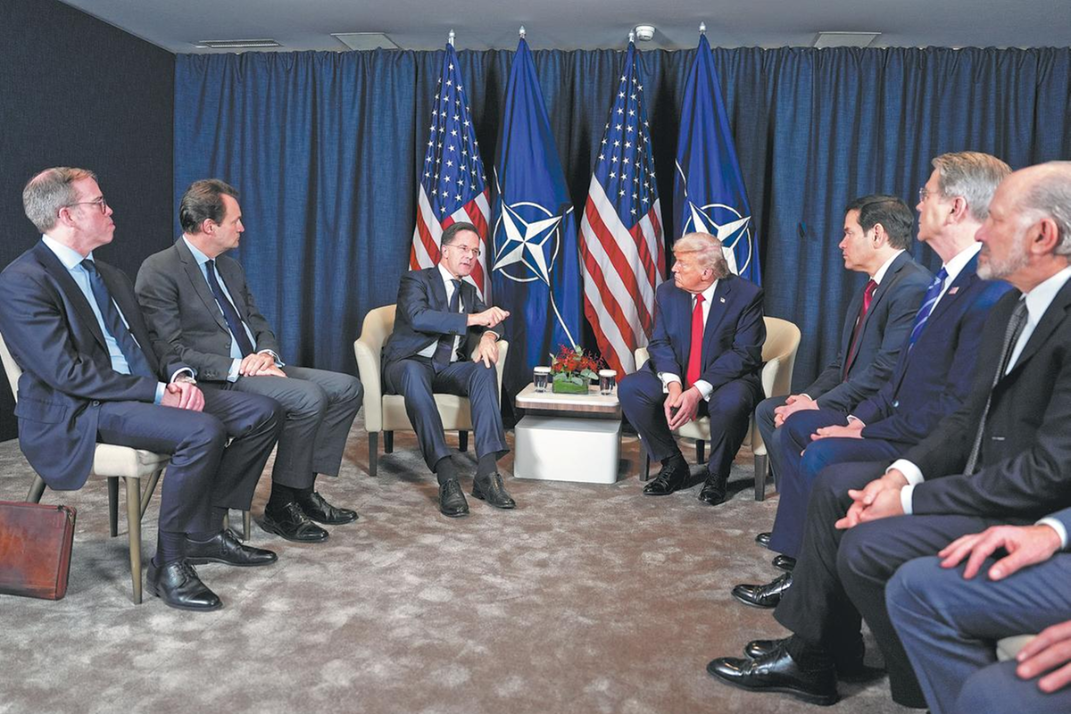
    A significant diplomatic confrontation between the United States and European allies over Greenland has been substantially de-escalated following high-level discussions at the World Economic Forum in Davos, Switzerland. President Donald Trump announced on Wednesday that he had established a “framework” for a future agreement concerning Greenland and the broader Arctic region through negotiations with NATO Secretary-General Mark Rutte.

    The breakthrough prompted the immediate withdrawal of threatened tariffs against eight European nations—the United Kingdom, Denmark, Norway, Sweden, France, Germany, the Netherlands, and Finland. These punitive measures, scheduled to commence on February 1st, had been proposed in response to European opposition to American ambitions regarding the Danish territory.

    President Trump characterized the developing arrangement as “the ultimate long-term deal” that would provide the United States with substantial strategic advantages, particularly in security and mineral access. He emphasized that the agreement contained “no time limit” and would theoretically endure indefinitely, though specific details remained undisclosed.

    However, Danish Prime Minister Mette Frederiksen promptly clarified that NATO possesses no authority to negotiate on Denmark’s behalf regarding Greenlandic sovereignty. “The position of Denmark and that of Greenland are the same, and no negotiations were held yesterday with NATO about our sovereignty,” she stated unequivocally in a television appearance.

    According to sources familiar with the discussions, the United States and Denmark will renegotiate their 1951 defense pact concerning Greenland, potentially allowing for enhanced American military presence while preserving Danish sovereignty. The agreement may grant Washington rights to mineral resources and involvement in maintaining the Golden Dome missile defense system.

    The European Parliament responded to the developments by suspending work on two legislative proposals related to EU-US trade relations, citing concerns over American “threats to territorial integrity and sovereignty.” Meanwhile, the Greenlandic government has issued emergency preparedness guidelines advising households to maintain five-day supplies of essential provisions, reflecting underlying tensions despite the diplomatic progress.

  • Winter camp solidifies cross-Strait youth ties

    Winter camp solidifies cross-Strait youth ties

    HANGZHOU – More than 1,000 Taiwanese youth converged in Zhejiang province this week for the commencement of the 32nd Taiwan Compatriot Youth Winter Camp, marking a significant milestone in cross-Strait cultural diplomacy. The event, orchestrated by the All-China Federation of Taiwan Compatriots, unfolded at Zhejiang University’s Zijingang campus with an elaborate opening ceremony and cross-Strait youth gala.

    Ji Bin, leading official of the federation, characterized the organization as a ‘home for Taiwan compatriots’ during his keynote address. He emphasized the profound familial connections binding communities across the Strait, asserting that sustained youth exchanges substantially enhance mutual comprehension and emotional bonds. Ji encouraged attendees to immerse themselves in mainland China’s developmental landscape while forging enduring friendships that could inject youthful vitality into peaceful cross-Strait relations.

    Zhejiang University’s Deputy Party Secretary Fu Qiang outlined the institution’s longstanding commitment to educational collaboration with Taiwan, noting established partnerships with multiple Taiwanese universities and research institutes. The university has facilitated frequent faculty-student exchanges and expanding academic cooperation, with pledges to develop more diversified and sustainable platforms for cross-Strait engagement.

    Student representatives from both sides echoed these sentiments. A Taiwanese participant surnamed Yang highlighted shared linguistic heritage and cultural roots, while Zhejiang University volunteer Tang Kun emphasized common historical memories cultivated within the same cultural soil.

    The program features immersive experiences including campus tours, artificial intelligence lectures, and visits to innovation bases showcasing robotics and intelligent equipment. Participants will further explore Hangzhou’s Liangzhu Museum and Archaeological Ruins to examine Chinese civilization origins, alongside technological showcases at Hangzhou Future Sci-Tech City and Alibaba’s headquarters.

    Established in 1989, the winter camp has attracted over 9,000 Taiwanese youth throughout its history. This year’s edition expands across 24 mainland provincial regions, reinforcing its role as a crucial mechanism for fostering interpersonal connections and mutual learning among younger generations across the Strait.

  • Trump touts ‘massive’ US forces heading toward Iran

    Trump touts ‘massive’ US forces heading toward Iran

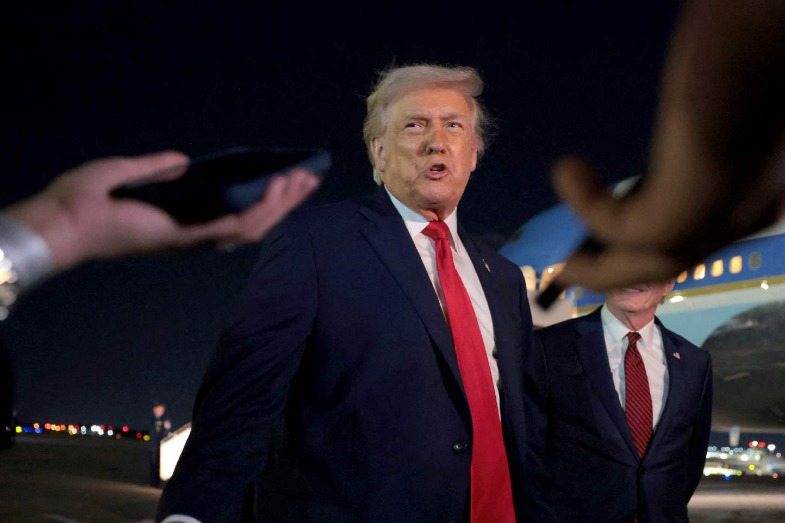
    President Donald Trump revealed on Thursday that the United States has dispatched a substantial naval contingent toward Iranian territorial waters, characterizing the movement as a precautionary measure amid ongoing regional tensions. The announcement came during the president’s return flight from the World Economic Forum in Davos, Switzerland, where he had engaged in diplomatic discussions with European allies.

    Speaking to journalists aboard Air Force One, Trump emphasized the scale of the deployment while suggesting the military presence might not necessitate active engagement. “We have a lot of ships going that direction just in case. We have a big flotilla going in that direction. And we’ll see what happens,” the president stated, adding that “We have an armada. We have a massive fleet heading in that direction, and maybe we won’t have to use it.”

    The naval mobilization occurs against a backdrop of heightened geopolitical friction in the Persian Gulf region, where Iran has been experiencing significant domestic unrest. While the president did not specify the exact composition of the naval force or its precise destination, the announcement represents the latest development in the complex relationship between Washington and Tehran.

    Analysts suggest the deployment serves both strategic and psychological purposes, demonstrating military capability while leaving operational intentions deliberately ambiguous. The timing following the Davos economic summit indicates the administration continues to prioritize security concerns alongside economic diplomacy.

  • Turkey celebrates as Syrian government makes gains against Kurdish-led force

    Turkey celebrates as Syrian government makes gains against Kurdish-led force

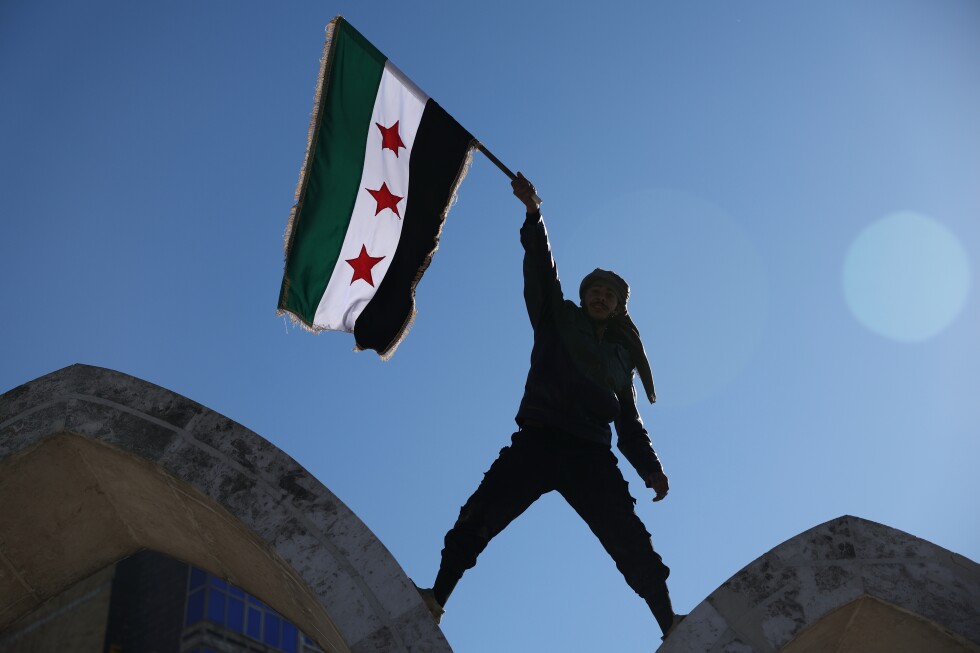
    ANKARA, Turkey — Turkey is witnessing a significant geopolitical shift in neighboring Syria following the swift collapse of the Kurdish-led Syrian Democratic Forces (SDF) under a new offensive by Damascus. The development marks a strategic triumph for Ankara, which has long considered Kurdish militias as direct threats to national security.

    The SDF, once the primary U.S. ally in the fight against the Islamic State, lost substantial territory in northern Syria within just two weeks. Facing military pressure from interim President Ahmad al-Sharaa’s government, the group agreed to dissolve and integrate its fighters individually into the Syrian national military—a move that effectively ends its autonomous presence.

    Turkey’s support for al-Sharaa’s administration has been instrumental. Turkish intelligence provided operational guidance during the offensive, facilitating SDF withdrawals from key areas like Aleppo while coordinating with the U.S.-led international coalition to minimize civilian casualties. President Recep Tayyip Erdoğan publicly praised the Syrian government, emphasizing Turkey’s commitment to a unified Syria free of separatist entities along its border.

    Washington’s decision not to intervene on behalf of the SDF signalled a major policy shift, aligning U.S. interests with the consolidation of Syria’s central government. Analysts attribute this change partly to Erdoğan’s diplomatic rapport with U.S. leadership and a strategic pivot toward engaging state actors rather than non-state armed groups.

    The dissolution of the SDF also strengthens Turkey’s domestic peace process with the Kurdistan Workers’ Party (PKK), which began disarming earlier this year. With the SDF neutralized, a major obstacle to reconciliation is removed—though concerns remain regarding potential backlash among Turkey’s Kurdish population.

    Despite calls from some SDF representatives for Israeli intervention, regional dynamics remained stable following behind-the-scenes agreements between Syria and Israel, further isolating the Kurdish force and enabling its rapid integration into state structures.

  • Canadian PM rejects Trump’s claim of US dependence

    Canadian PM rejects Trump’s claim of US dependence

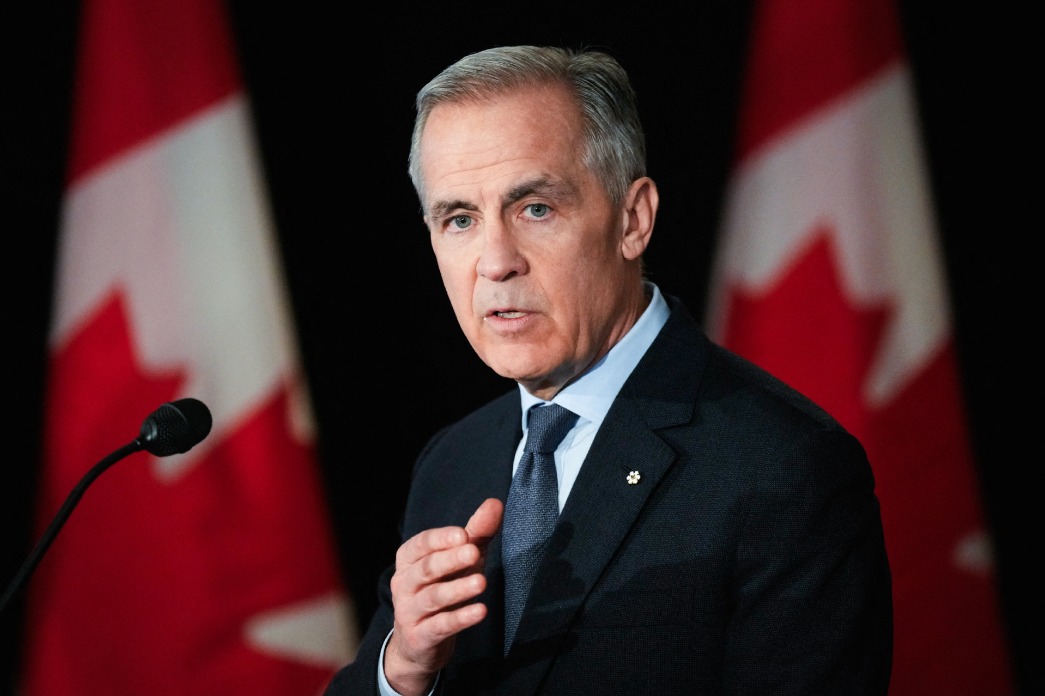
    In a robust diplomatic rejoinder, Canadian Prime Minister Mark Carney has publicly challenged recent remarks by former U.S. President Donald Trump suggesting Canadian existence depends entirely on the United States. The Prime Minister delivered his response during an address in Quebec City on Thursday, following Trump’s controversial statements at the World Economic Forum in Davos, Switzerland.

    Trump had asserted during the global economic gathering that “Canada lives because of the United States,” a characterization that prompted swift clarification from Canadian leadership. Prime Minister Carney, while acknowledging the special relationship between the neighboring nations, emphasized Canada’s autonomous sovereignty and distinct national identity.

    “Canada and the United States have cultivated an extraordinary partnership that spans economic cooperation, security collaboration, and vibrant cultural exchange,” Carney stated. “However, the premise that Canada exists solely because of the United States fundamentally misrepresents our relationship. Canada prospers not through dependency, but through the resilience, innovation, and distinct character of the Canadian people.”

    The exchange marks another chapter in the complex diplomatic dynamic between the two North American allies, particularly during periods when Trump’s unconventional foreign policy approach creates international tension. Carney’s response carefully balanced respect for the bilateral relationship with a firm assertion of Canadian national sovereignty, avoiding direct confrontation while clearly establishing Canada’s independent standing on the world stage.

    Political analysts suggest such public disagreements, while diplomatically sensitive, reflect Canada’s ongoing commitment to maintaining its distinct international identity while navigating its crucial relationship with its southern neighbor. The incident underscores the delicate balance Canadian leaders must strike in responding to provocative statements from U.S. political figures while preserving the fundamentally important cross-border partnership.