
Nestled just outside the U.S. capital, Washington Dulles International Airport has long served as a critical gateway for international and domestic travel, but its aging infrastructure has drawn growing criticism from travelers and industry experts alike. At the center of a newly proposed sweeping upgrade is a $22 billion transformation initiative put forward by former U.S. President Donald Trump, a project that would reshape one of the busiest aviation hubs on the East Coast. The BBC’s Shaimaa Khalil recently explored the airport’s current state, starting her on-site report aboard one of Dulles’ signature people movers – a transit system that has carried passengers between terminals continuously since 1962. That half-century-old transit system stands as a symbol of the airport’s stalled modernization: while other major U.S. hubs have invested billions to update concourses, security checkpoints, baggage systems and passenger amenities, Dulles has retained much of its original mid-century infrastructure that struggles to keep up with growing passenger volumes. Trump’s plan calls for a full gut-and-rebuild of key terminal areas, expansion of runway capacity to accommodate larger aircraft and reduce flight delays, replacement of outdated internal transit systems including the current people movers, and major upgrades to ground transportation connections linking the airport to downtown Washington and surrounding suburbs. Proponents of the plan argue that the overhaul would create thousands of local construction jobs, boost the regional economy by increasing Dulles’ capacity to handle growing air travel demand, and solidify the airport’s role as a key global entry point for the United States. Critics, however, have raised questions about the $22 billion price tag, how the project would be funded, and whether the overhaul aligns with long-term national aviation infrastructure priorities. As discussions around the proposal continue, the 60-year-old people movers still move thousands of passengers daily, a quiet reminder of how long infrastructure upgrades have been pending at this critical national transportation hub.
博客
-
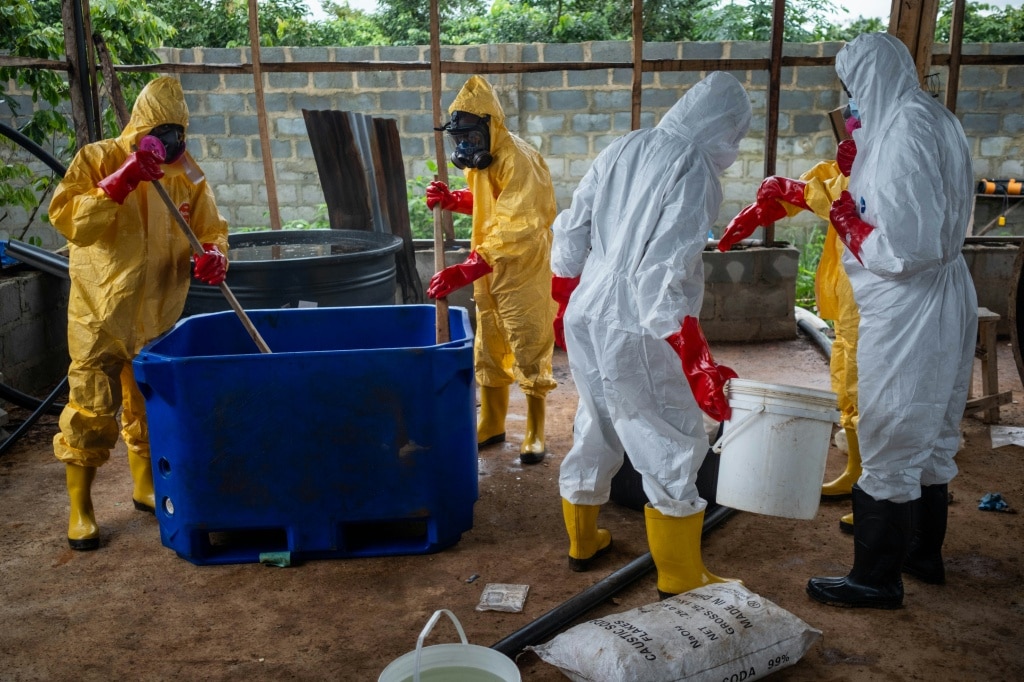
Nigeria dismantles meth lab, but fears of Mexican cartel links linger
Deep within a dense forest straddling two rural villages in Nigeria’s southwestern Ogun State, an abandoned shed hid a chilling secret: tons of unprocessed chemicals, large cooking cauldrons, and crude filtration equipment, all remnants of an alleged $360 million transnational methamphetamine operation. On Wednesday, Nigeria’s National Drug Law Enforcement Agency (NDLEA) oversaw the full dismantling of the facility, the largest meth production hub ever uncovered in the country, a move that has renewed long-simmering concerns about the expansion of Mexican cartel influence into West Africa.
The dismantling came one week after an unprecedented on-site court proceeding, held as part of an ongoing trial of three Mexican nationals linked to the facility. An AFP correspondent accompanied NDLEA officers as they brought in local tradespeople to cut apart and remove the lab’s production infrastructure, nearly five months after the operation was first raided. In May, law enforcement teams arrested 10 suspects – seven Nigerians and three foreign nationals – during raids on the forest lab and two high-end residential properties in Lagos’ upscale neighborhoods. When the dust settled, they had seized finished meth and precursor chemicals worth an estimated $360 million on the illegal market. While the trial has moved back to indoor courtrooms in Lagos, a judge ordered the site cleared for urgent environmental reasons, with residual toxic chemicals posing a major risk to local groundwater and air quality. When the AFP visited the site this week, abandoned barrels of chemicals and partially processed meth were still emitting acrid, choking vapors that lingered across the surrounding forest.
For decades, West Africa has served as a key transit hub for drug trafficking, most commonly for cocaine moving from South America to consumer markets in Europe. But the Ogun State bust marks a significant shift: rather than just moving drugs through the region, transnational criminal networks are now setting up local production operations for highly addictive synthetic drugs like meth. Local security officials say the scale and professional structure of the Nigerian lab is clear evidence of direct involvement by Mexican cartels, which have been exporting their illicit production expertise to West Africa since at least the early 2010s. A 2019 report from the Institute for Security Studies already documented a steady rise in meth seizures and lab raids across Nigeria since 2011, a trend that has continued into 2024: just last June, another Mexican national was arrested during a separate meth bust in Oyo State, central Nigeria.
Despite the growing threat from transnational cartels, NDLEA officials say they are prepared to contain the crisis. “About our readiness to combat the cartel… yes, we are ready,” James Taalba, the NDLEA’s deputy commander of narcotics, told AFP. “We have people who are capable of curtailing such a situation.”
For local residents living just kilometers from the lab, the discovery came as a shock. Florence Banjo, a 59-year-old farmer who lives in Abidagba, one of the villages bordering the forest site, said she had noticed a foul stench drifting from the forest for months, but assumed it came from a local pigsty. Like many other area residents, she had heard rumors the cleared forest land was being prepared for a new housing development – a prospect that left her excited, as she hoped the project would bring paved roads to her isolated community. “We heard rumours that they were going to build an estate there, and I was happy that they’d finally pave the road that leads into our village,” Banjo said. “We were disappointed.”
Public health experts warn that the rise of local meth production in Nigeria poses an acute threat to the country’s already overstretched healthcare system. Small amounts of contraband that slip past traffickers have already begun to enter domestic drug markets, creating a public health crisis that poorly funded local health services are ill-equipped to address.
-
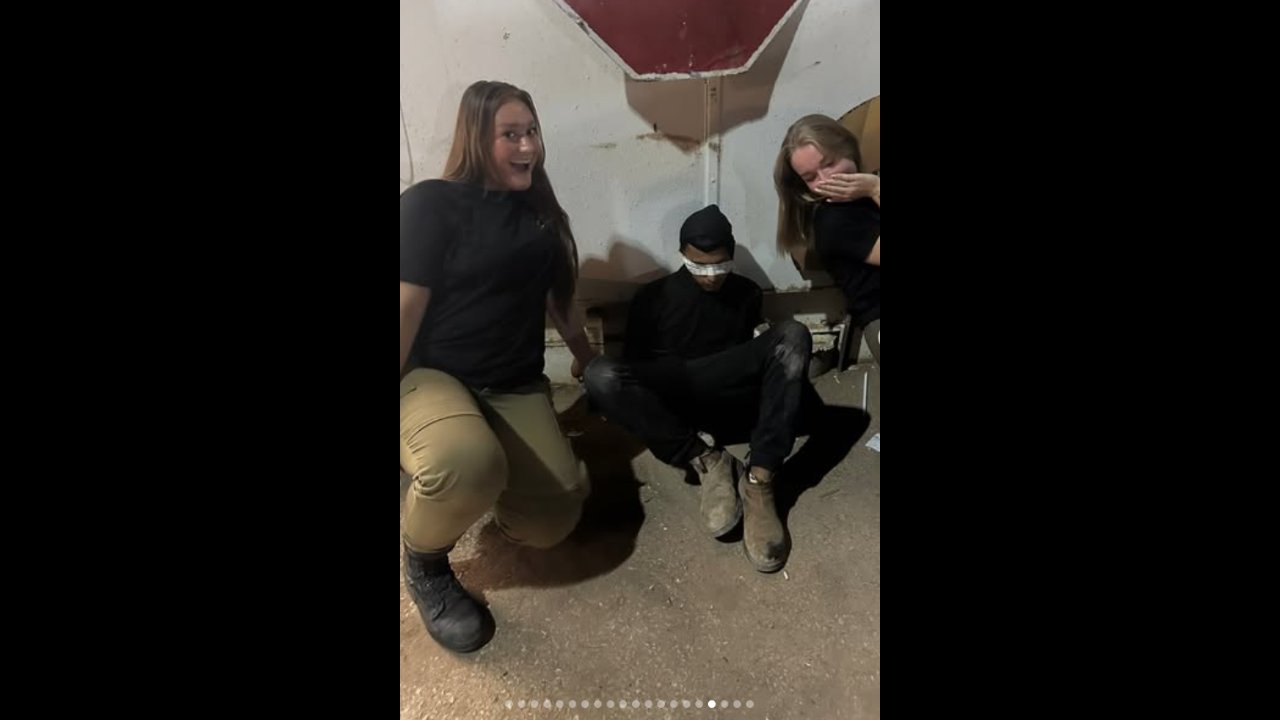
Photo of Israeli soldiers posing next to blindfolded Palestinian fuels anger online
A photograph showing two female Israeli soldiers posing beside a bound, blindfolded Palestinian young man has ignited widespread public fury across social media platforms after it spread virally online last week.
The image was originally published this Tuesday as part of a photo carousel on the personal Instagram account of Nikol Stelmashvski, an Israeli woman who had just completed her term of mandatory military service. In the photo, the two uniformed soldiers are seen smiling for the camera while standing next to the unidentified Palestinian, who sits on the ground with his head bowed. No clear details have been released about the exact date or location where the photo was captured.
Stelmashvski’s caption, written in Hebrew, framed the post as a reflection on wrapping up her military service, reading: “Two years and eight months, four wars… Thousands of memories, a million and one experiences. And here came the end of a chapter of my life that I will never forget.”
By Wednesday, amid a flood of angry and critical comments from users across the globe, the controversial photograph was removed from the Instagram carousel, and the account was switched to private status within a few hours of the backlash beginning. Even after the original post was taken down, hundreds of screengrabs of the image had already been saved and shared across alternative platforms, allowing the photo to continue circulating widely online.
Palestinian academic and prominent human rights advocate Ramy Abdu condemned the image in a post on X, writing: “Turning his humiliation into a moment of celebration.” Other social media users drew comparisons to the 2004 Abu Ghraib prison abuse scandal in Iraq, noting that global audiences were similarly horrified by images of Iraqi detainees being dehumanized by U.S. soldiers. One user, journalist Mohammad Alsaafin, wrote: “IDF revel in depravity and no one is holding Israel to account.” He added that the image required no contextual labels “and everyone will immediately know where it was taken and what country these women are from.”
This viral incident is not an isolated case, experts and activists note: since the outbreak of Israel’s military campaign in Gaza in October 2023, Israeli soldiers have repeatedly shared graphic content online depicting actions that human rights groups say may constitute war crimes. The range of content shared by active and recently discharged soldiers includes footage of troops celebrating as they destroy civilian infrastructure, including private family homes, community mosques, and university buildings. In one notable earlier incident, a soldier posted a photo that used a blindfolded Palestinian man as a prop to advertise the soldier’s private commercial business. Other images that have circulated show soldiers posing with stacks of cash looted from Palestinian homes in Gaza, and wearing women’s underwear stolen from displaced civilians’ residences.
Just one month prior to this latest controversy, an Israeli soldier sparked widespread backlash after posting a photo of a blindfolded, partially undressed Palestinian man lying in a stress position on a cot, his hands zip-tied behind his back and bound to a metal rod. The soldier’s caption simply read “Good morning” in Hebrew. That image, which was reposted by Palestinian activists, drew global condemnation and renewed calls for formal accountability for crimes against Palestinian detainees.
In response to this week’s viral photo, the Israel Defense Forces released a brief statement acknowledging that it had “identified the incident” and launched an internal command investigation. The statement added that “those involved will be dealt with in accordance with the findings that emerge.” However, data from independent war monitoring organization Action on Armed Violence casts doubt on the likelihood of meaningful consequences: an AOAV investigation published last year found that nearly 90 percent of all Israeli military investigations into allegations of soldier abuse against Palestinians launched since October 2023 have either been closed without action or concluded with no actionable findings.
-
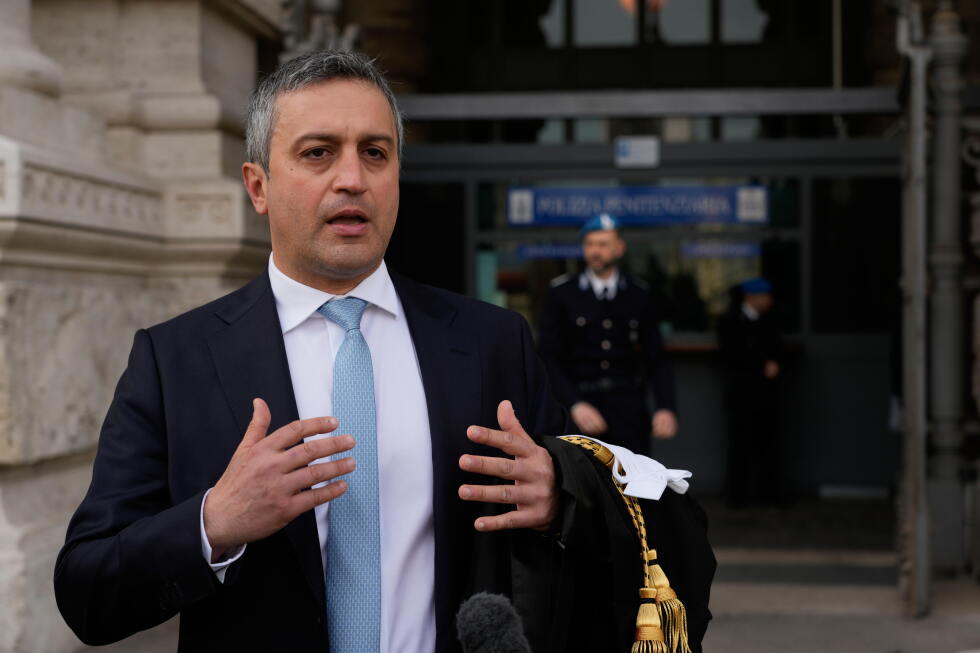
Italy’s highest court strengthens citizenship claims by descendants of Italian emigrants
ROME — In a landmark decision that reshapes Italy’s citizenship-by-descent policies for diaspora communities worldwide, Italy’s Court of Cassation — the nation’s highest judicial body — has ruled that children born with Italian citizenship do not automatically forfeit that status when an Italian parent naturalizes as a citizen of another country during the child’s minority. The judgment, finalized Sunday and published publicly Wednesday, comes from the court’s United Sections panel, the top body tasked with resolving conflicting legal interpretations, and reverses a restrictive judicial trend that blocked hundreds of thousands of citizenship claims over recent years.
The dispute at the heart of the case, widely known among immigration lawyers and diaspora communities as the “Minor Issue,” has lingered for decades, creating uncertainty for thousands of ancestry-based citizenship applications tied to Italian families that emigrated between the late 19th century and early 20th century. Starting in 2023, a series of lower court rulings adopted a narrow reading of Italian citizenship law, holding that when an Italian parent acquired foreign citizenship while their child was still a minor, the child automatically lost their birthright Italian citizenship. This interpretation broke the line of citizenship transmission for subsequent generations, leading to widespread rejection of applications from descendants of Italian emigrants.
In its new ruling, the court clarified that under Italy’s longstanding citizenship framework, individuals who gain Italian citizenship at birth via iure sanguinis — the principle of citizenship by bloodline — retain that status indefinitely even if their parent naturalizes abroad. This holding applies specifically to children born in nations that grant birthright citizenship automatically, such as the United States. Because the original citizenship is never lost, the right to pass that status down to future generations of descendants remains intact.
Marco Mellone, the attorney who represented citizenship applicants in the landmark case, explained that the ruling marks a full reversal of the restrictive policy that derailed thousands of claims, most notably from U.S. citizens of Italian descent. “The Supreme Court of Cassation has completely changed its position and gone back, confirming that all these Italian-American families — and, more generally, families in all countries where this situation existed — regain the right to Italian citizenship by descent,” Mellone told the Associated Press.
The decision carries sweeping implications for the global Italian diaspora, which numbers in the millions across North and South America, where millions of people trace ancestral roots to 19th and 20th century emigration waves from Italy. Mellone estimates that roughly hundreds of thousands of families had their citizenship claims blocked by the 2023 restrictive interpretation, all of whom now stand to reactivate their applications.
Legal experts note the ruling will significantly strengthen the position of applicants whose claims were rejected solely due to the Minor Issue dispute, while offering binding authoritative guidance for judges overseeing thousands of pending citizenship cases. It is also expected to shape how Italian administrative agencies and consulates around the world evaluate future applications. While it remains uncertain whether Italy’s Interior Ministry and global consular network will formally update their processing guidelines to align with the new holding, rulings from the United Sections panel carry extraordinary legal weight in Italian law, as the body is specifically convened to settle conflicting legal interpretations. As Mellone put it, there is no judicial body above the panel, which very rarely reverses its own prior precedent.
The ruling arrives amid growing demand for citizenship-by-descent in Italy, and ongoing legal wrangling over the scope of ancestry-based citizenship rights. In a separate ongoing dispute, a law pushed by Italian Foreign Minister Antonio Tajani that tightens restrictions on citizenship transmission to more distant generations has been referred to the Court of Justice of the European Union, with oral arguments and a ruling expected to unfold in 2025.
-
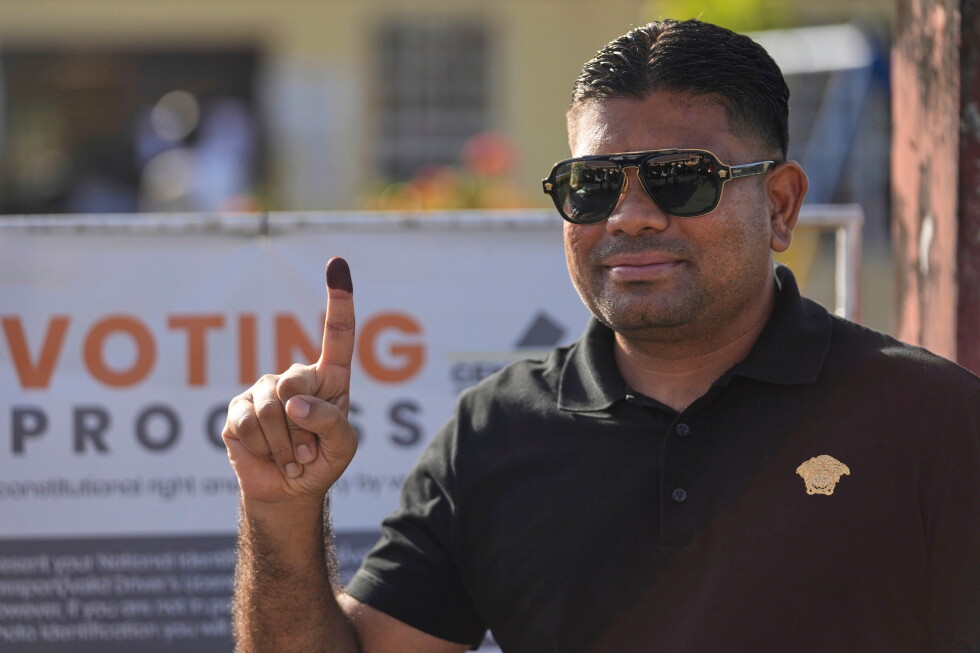
A Caribbean court rules that a US extradition process against Guyana’s opposition leader can resume
GEORGETOWN, Guyana — In a landmark legal ruling with far-reaching implications for the oil-rich South American nation, the Caribbean Court of Justice (CCJ) has authorized the resumption of U.S. extradition proceedings for Guyana’s top opposition leader and his father, who face federal charges of gold smuggling and money laundering in the United States. The Wednesday decision dismissed a legal challenge filed by Azruddin Mohamed, head of the country’s second-largest parliamentary party, and his father Nazar Mohamed, rejecting the pair’s arguments that the charges against them did not qualify as extraditable offenses under regional agreements.
Azruddin Mohamed catapulted into Guyanese politics just six months after launching the We Invest in Nationhood Party, securing the position of opposition leader in January 2024. The 50-year-old tycoon is counted among Guyana’s wealthiest individuals, with an extensive business empire spanning gold trade, foreign exchange services, and large-scale real estate holdings across the country. According to U.S. federal prosecutors, the Mohameds built their fortune through a years-long criminal scheme: smuggling more than 10,000 kilograms (22,000 pounds) of gold from Guyana to buyers in Miami and Dubai, while evading over $50 million in U.S. taxes. The U.S. Treasury Department subsequently imposed formal sanctions on the pair in connection with the alleged activity.
The father-son duo were arrested in Guyana last year shortly after the U.S. extradition request was filed, and have remained free on bond while challenging the proceedings. As the final court of appeal for multiple Caribbean nations, the CCJ heard the case at its headquarters in Port of Spain, Trinidad, with Wednesday’s hearing broadcast live to the public. During the session, CCJ Justice Winston Anderson noted the procedural complexity of the case, declining to speculate on a timeline for when extradition proceedings will restart. Defense counsel for the Mohameds declined to make public statements during the hearing and did not respond to requests for comment after the ruling.
Shortly after the decision was issued, Nazar Mohamed told reporters from The Associated Press that the legal team would need time to review the full 256-page judgment before outlining next steps. “It is a 256-page judgement,” he said. “Our lawyers are checking it through. Based on what lawyers say, all is not lost as yet. … We will be fighting all the way.” Azruddin Mohamed was observed in public during the hearing, smiling on camera at points, signaling the pair remains defiant amid the legal setback.
The case has thrown a spotlight on longstanding allegations of systemic public corruption in Guyana, which has emerged as one of the world’s fastest-growing economies following the discovery of massive offshore oil deposits several years ago. Notably, the legal action against the opposition leaders has not disrupted warm diplomatic ties between the U.S. and the administration of Guyanese President Irfaan Ali. The South American country’s new oil wealth remains the subject of a long-running territorial dispute between Guyana and neighboring Venezuela, which claims the majority of the offshore oil region as its own sovereign territory.
-
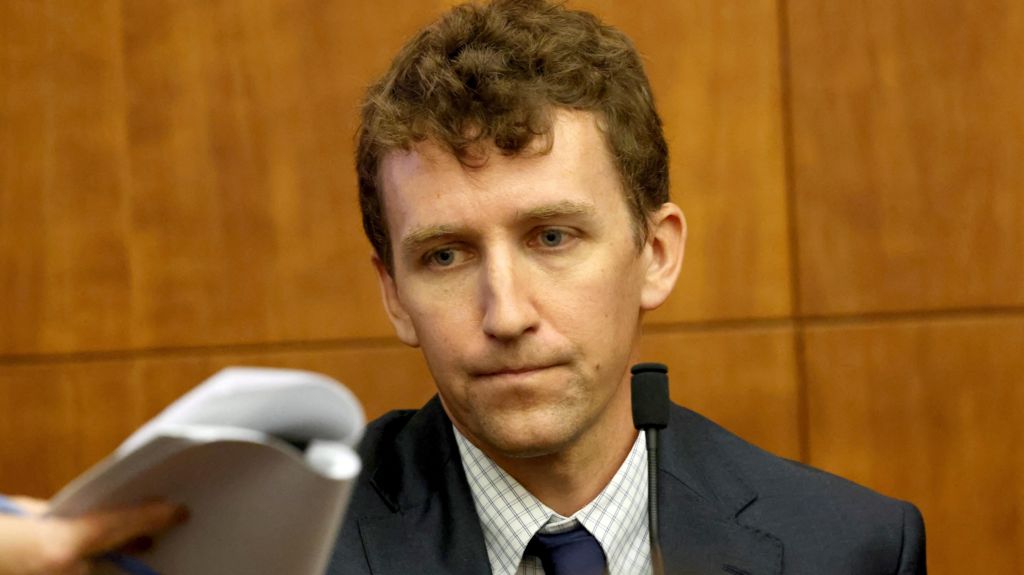
‘Blood everywhere’ – Clancy’s ex-husband testifies in children murder trial
A Massachusetts murder trial that has gripped the nation has seen harrowing firsthand testimony from Patrick Clancy, the ex-husband of Lindsay Clancy, the woman accused of murdering their three young children in January 2023. Patrick Clancy recounted the chilling sequence of events on January 24 that ended in the deaths of 5-year-old Cora, 3-year-old Dawson, and 8-month-old Callan, describing a quiet and off-kilter atmosphere that immediately set off alarm bells when he returned home with takeout food.
After checking most rooms of the Duxbury family home, including a quick pass through the basement, Clancy found the second-floor bedroom door locked. When he gained entry, the first thing he saw was blood spread across the space — a sight that confirmed his worst fears. He testified that prosecutors’ photos of the scene correctly showed no blood on the walls or bedding, a small detail that prosecution has emphasized as part of their narrative.
Rushing from the blood-stained bedroom, Clancy ran outside to find his wife Lindsay on the grass. She had jumped from the second-story window in an apparent suicide attempt, and he found her with deep lacerations across her wrists and a red ligature mark around her neck. After calling 911 emergency services, Clancy told the court Lindsay revealed the children were being held in the basement. Sprinting to the space, he found each child, one by one, each with a fitness band wrapped around their neck, all unresponsive. Clancy described frantically switching between the three young victims, administering CPR until first responders arrived to take over.
Lindsay Clancy, who faces three counts of first-degree murder, has pleaded not guilty to the charges. Her legal team does not dispute she killed the children, but argues she was suffering severe postpartum psychosis at the time of the killings and was not in control of her actions. Patrick Clancy told the court that roughly a week after the tragedy, Lindsay told him she had heard a male voice commanding her to harm the children, adding he had no knowledge of psychosis as a condition prior to this incident.
Lindsay Clancy, who was left paralyzed from the fall during her suicide attempt, has attended every day of the trial from her wheelchair. She reacted visibly to her ex-husband’s testimony on Wednesday: court footage showed her squeezing her lawyer’s hand, turning her face away from the gallery to wipe away tears. When prosecution played the 911 call Patrick Clancy made the day of the killings and entered the children’s bloodied pajamas as evidence, Lindsay Clancy broke down into audible sobs, forcing the judge to call a recess.
Prosecutors are building a case that the killings were a premeditated, calculated act, and have cross-examined Patrick Clancy extensively on small details of his account, including the severity of his ex-wife’s cuts when he found her. Clancy confirmed he told first responders he did not believe it was necessary to apply pressure to the wounds, a detail prosecutors have highlighted to support their argument.
The trial is expected to run for several more weeks, with additional witnesses scheduled to take the stand. If convicted, Lindsay Clancy will face a mandatory sentence of life in prison without the possibility of parole.
This story contains discussion of suicide and fatal violence that may be distressing to readers. People experiencing suicidal thoughts or emotional crisis can access support through Befrienders Worldwide at www.befrienders.org, with UK-specific resources listed at bbc.co.uk/actionline.
-
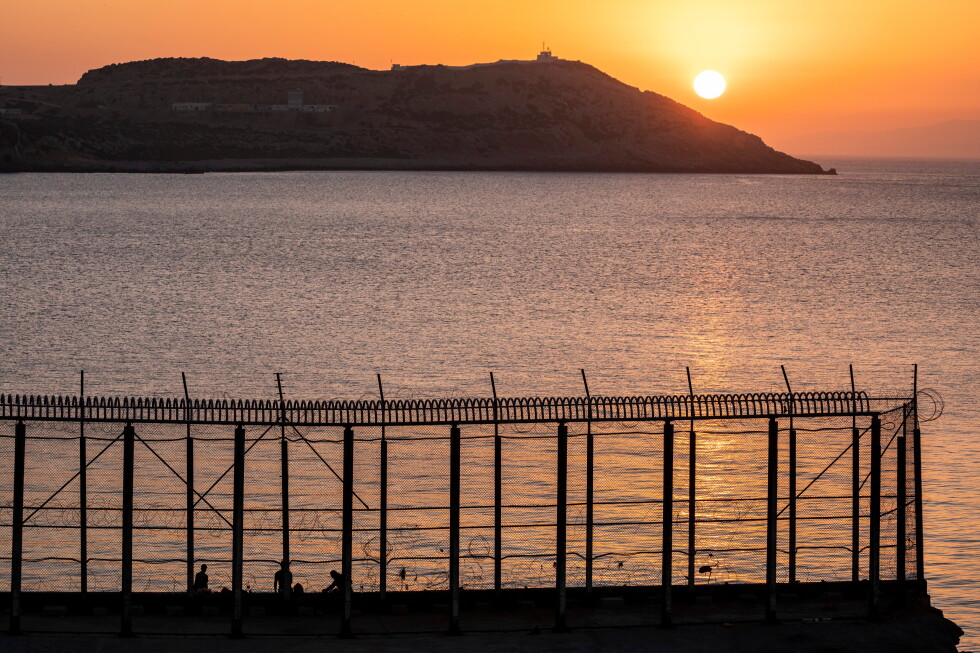
Hundreds of migrants are swimming from Morocco to the Spanish territory of Ceuta
CEUTA, Spain — The small Spanish autonomous territory of Ceuta, nestled on Morocco’s northern coast, is grappling with an extraordinary crisis of irregular migration, as hundreds of migrants have taken to swimming across the short strait separating Morocco from the enclave, stretching local border security and reception infrastructure to its breaking point, local government officials confirmed Wednesday.
While summer months typically bring an uptick in maritime migration attempts due to calm, favorable weather conditions, Ceuta’s leadership says the current volume of people attempting the dangerous swim is far outside normal patterns. Over the past several days alone, more than 1,500 migrants — including both adults and unaccompanied minors — have successfully reached Ceuta’s shores via the crossing, Juan Jesús Vivas, the president of Ceuta’s regional government, told reporters. The territory’s dedicated migrant reception centers are already completely overwhelmed and operating far beyond their designed capacity, he added, with hundreds of new arrivals forced to sleep outside the facility’s walls.
Vivas also noted the deadly risks inherent in this crossing attempt: over the past year alone, at least 60 bodies of migrants who died attempting the journey have been recovered from the surrounding waters.
Spain’s national interior ministry, which holds federal oversight of border management and irregular migration tracking, declined to immediately confirm the total number of crossings or successful arrivals, instead directing media requests to the ministry’s upcoming bimonthly migration report, scheduled for public release on August 3. Speaking in an interview with Spanish broadcaster laSexta, Interior Minister Fernando Grande-Marlaska acknowledged the crisis qualifies as an “extraordinary, exceptional situation,” but stressed that authorities are responding with all permanent resources already deployed to the enclave. Spain’s Civil Guard, national Maritime Rescue Service, and the Red Cross have all been mobilized to intercept swimmers in open water and transport them to shore for processing.
Local and migrant rights activists report the vast majority of those attempting the crossing are Moroccan nationals, with a smaller contingent of Algerian migrants who had previously been residing in Morocco while organizing their journey to the European Union.
To date, there is no clear consensus on what has driven this sudden massive surge in crossings. Vivas pointed to a recent ruling from the Spanish Supreme Court, issued earlier this month, that bars authorities from immediately turning back sea arrivals without first conducting formal due process — a different standard than that applied to migrants who cross the land border by scaling Ceuta’s perimeter fence. But that explanation is disputed by independent migrant rights advocates.
Omar Naji, president of the Moroccan Association of Human Rights in Eastern Morocco, argues that most migrants planning the crossing would not have been aware of the nuanced legal ruling, making it an unlikely trigger for the surge. Naji instead drew a parallel to the 2021 Ceuta border crisis, when more than 8,000 migrants entered the enclave over just 48 hours. That event came shortly after a high-level diplomatic meeting between Spanish Prime Minister Pedro Sánchez and Algerian President Abdelmadjid Tebboune, mirroring the timing of the current surge.
The 2021 crisis was widely linked to a diplomatic dispute between Spain and Morocco: at that time, Morocco was accused of intentionally relaxing its border controls to allow mass crossings after Spain allowed Brahim Ghali, leader of the Polisario Front — the pro-independence movement seeking sovereignty for the disputed territory of Western Sahara — to enter Spain for medical treatment. That incident triggered a major diplomatic rift between Madrid and Rabat that lasted for months.
This week, however, Grande-Marlaska struck a positive note regarding relations with Morocco, saying Moroccan authorities are actively cooperating with Spanish efforts to manage the crisis. “Our relationship with the kingdom is close and based on loyalty,” he told laSexta, adding that “they are also limiting irregular departures” from their coast.
Reporting from Casablanca, Morocco, contributed by AP journalist Akram Oubachir.
-
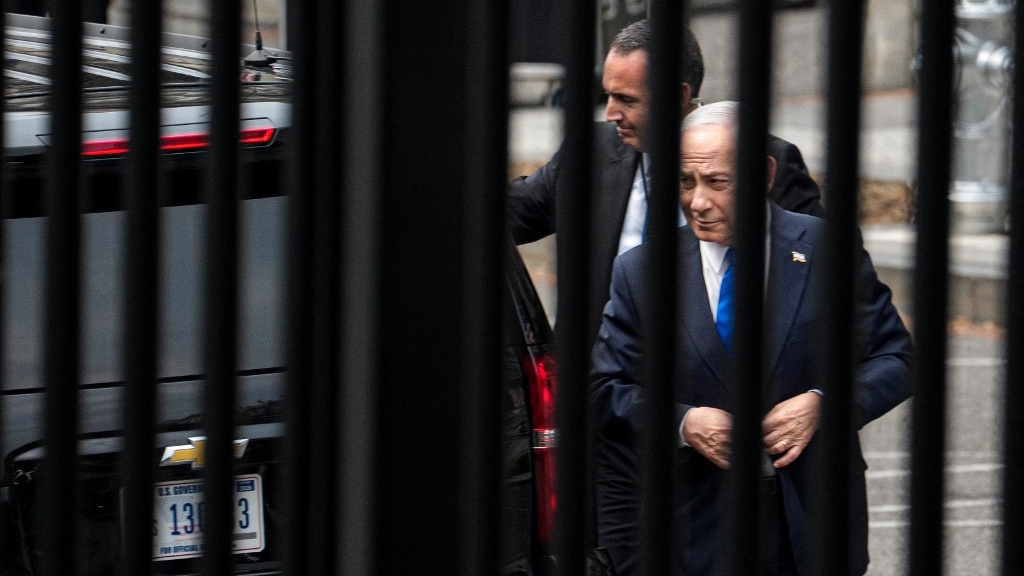
Netanyahu and Lindsey Graham conspired to use sex claims against Khan to delay warrants
Freshly revealed secret recordings have pulled back the curtain on a coordinated plot between late U.S. Senator Lindsey Graham and Israeli Prime Minister Benjamin Netanyahu to weaponize unproven sexual misconduct allegations against then-International Criminal Court Chief Prosecutor Karim Khan, in a bid to block the court from issuing long-awaited arrest warrants for Netanyahu and his senior cabinet over alleged Gaza war crimes.
The explosive disclosure, first reported this week by The New York Times, draws from three years of audio recordings captured by British documentary filmmaker Alex Holder, who tracked Graham’s political ties to former U.S. President Donald Trump and Netanyahu. The exchanges offer the clearest evidence to date of a sustained, high-level intimidation campaign targeting the ICC over its Palestine investigation — a campaign that Middle East Eye first documented in depth last year.
The plot came to light weeks after Graham’s passing earlier this month, and just days after ICC member states voted to remove Khan from his post as chief prosecutor last Friday at a secret ballot held at U.N. headquarters in New York. Eighty-two of the court’s 125 member states supported the dismissal, overriding a unanimous prior ruling from an independent judicial panel that cleared Khan of all wrongdoing in March. That panel, appointed by the ICC’s governing Assembly of State Parties (ASP) bureau, found the U.N. investigation’s findings failed to prove any misconduct or breach of professional duty on Khan’s part.
The first recorded conversation between Graham and Netanyahu took place on October 29, 2024 — five months after Khan submitted applications for arrest warrants against Netanyahu, Israeli Defense Minister Yoav Gallant, and three Hamas officials, and just weeks before ICC judges were set to announce their decision on the warrants. During the call, Netanyahu flagged the pending sexual allegations against Khan, arguing that the “great cloud” of the claims could be leveraged to delay the court’s ruling on the arrest warrants.
Netanyahu suggested that Graham lead a bipartisan group of U.S. senators in sending an official letter to the ICC, demanding a full review of the entire prosecution process before any warrants were issued, arguing the “stain” of the allegations had to be addressed first. Graham immediately agreed, saying he would work to secure signatures from Democratic senators as well to broaden the letter’s political weight.
In a follow-up call the same day, Graham told Netanyahu the effort had secured backing from two high-profile Democratic senators: Richard Blumenthal and Ben Cardin. “We got them both,” Graham said, asking Netanyahu to share the text he wanted included in the letter. The senator even joked that Netanyahu should “pay me for all this. I should get tons of shekels,” adding that “it would take more than dinner” and asking the prime minister to personally call the two Democrats to thank them for their support, while also tying the cooperation to ongoing efforts to advance Saudi-Israeli normalization. The letter, signed by Graham, Blumenthal, Cardin and other senators, was sent on November 1, 2024. Neither Blumenthal nor Cardin has responded to requests for comment from The New York Times on their involvement.
Despite the pressure campaign, ICC judges moved forward with issuing the arrest warrants on November 21, 2024. Netanyahu and other senior Israeli officials subsequently responded by claiming Khan had pushed for the warrants specifically to distract from the misconduct allegations against him — a claim contradicted by a 2023 Middle East Eye investigation that confirmed Khan notified U.S. officials of his plan to apply for the warrants weeks before he was even made aware of the sexual allegations.
This was not the first time Graham leveraged his position to pressure Khan over the ICC’s Palestine investigation. In a May 2024 conference call with Khan, senior ICC officials, and a bipartisan group of senators, Graham openly threatened the prosecutor, saying “if you proceed with the warrants you may as well shoot the hostages yourself” and that the U.S. would impose sanctions on him. He also infamously argued the ICC was “made for Africa and thugs like [Russian President Vladimir] Putin, not democracies like Israel,” a remark that was later confirmed by British barrister Andrew Cayley, who led the ICC’s Palestine investigation, who told The Observer Graham was “screaming at us” during the exchange. Graham later defended the pressure campaign in a public statement, claiming the public misconduct allegations against Khan had cast a “moral cloud” over the warrant application, and argued the senators only urged Khan to respect the principle of complementarity and negotiate in good faith with Israeli officials before issuing any rulings against Israel.
The vote to remove Khan last Friday capped an 18-month disciplinary process that Palestinian rights advocates, former ICC judges, and Khan’s own legal team have universally condemned as overtly politicized. After the independent judicial panel cleared Khan, a bloc of largely Western and European ASP bureau members pushed forward with dismissal, ignoring the panel’s findings and relying instead on the original U.N. investigation report. The bureau concluded Khan had engaged in an inappropriate sexual relationship with the complainant, arguing the power imbalance between his position as chief prosecutor and the complainant made any such relationship inherently improper. Khan has repeatedly denied all allegations, including that any sexual relationship occurred; the complainant’s original account centered on claims of non-consensual misconduct.
Many independent observers have drawn a direct line between Khan’s removal and the long-running campaign to kill the Netanyahu arrest warrant. “Khan’s removal lines up neatly with the fight to neutralise Netanyahu’s arrest warrant. Coincidence is a luxury intl law can no longer afford,” Francesca Albanese, the United Nations Special Rapporteur on the Occupied Palestinian Territories, wrote on X shortly after the vote.
Netanyahu himself openly celebrated the decision, revealing in a social media post that he had spoken with U.S. Secretary of State Marco Rubio about delivering “the coup de grace” to the ICC. He reaffirmed U.S. and Israeli commitment to confronting the court, claiming it “undermines justice, attacks democratic and sovereign nations, and seeks to subordinate their security to the decisions of unaccountable and corrupt officials in The Hague.”
Israeli media, citing anonymous senior government officials, has also confirmed that Israeli Foreign Minister Gideon Saar established a dedicated interagency task force to lobby ICC member states directly to vote for Khan’s removal. This campaign fits into a broader pattern of pressure: last year, the U.S. imposed harsh sanctions on Khan, his two deputy prosecutors, and multiple ICC judges over the Palestine investigation. Rubio reiterated Washington’s hardline stance earlier this month, saying the U.S. would “dismantle the ICC – brick by brick, if necessary.”
-
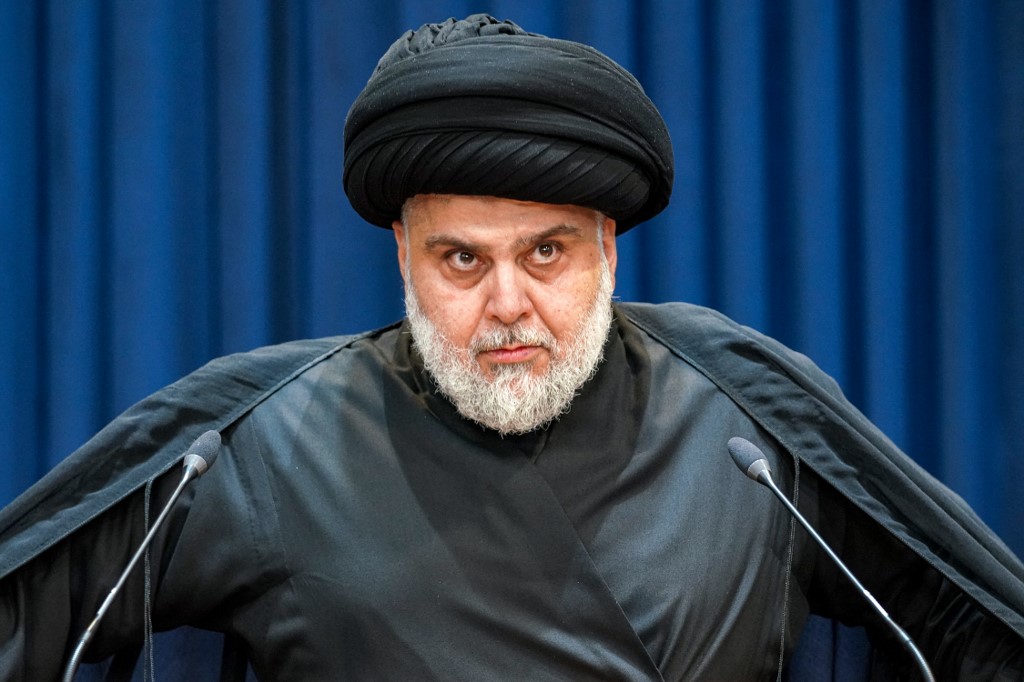
Iraqi cleric Muqtada al-Sadr condemns attacks by pro-Iranian factions on Saudi Arabia
Tensions across the Middle East have spiked once again, with influential Iraqi Shia cleric Muqtada al-Sadr stepping forward to issue a urgent public call for Iran’s Islamic Revolutionary Guard Corps (IRGC) and its affiliated armed factions to halt cross-border attacks launched from Iraqi territory.
In a post shared on the social platform X, Sadr warned that these unauthorized operations risk dragging Iraq, a country already grappling with decades of unresolved instability, into a devastating new regional conflict. He stressed that rogue militias operating outside state control must not give neighboring Gulf nations any justification to launch military strikes on Iraqi soil, which he described as a sacred homeland for the Iraqi people.
Sadr also urged all regional factions to avoid falling prey to what he framed as “the schemes of the Zionist-American enemy,” which he accused of inciting inter-Arab and inter-Muslim conflict to advance foreign interests. Echoing his long-standing nationalist stance, he emphasized that the Iraqi public has an overwhelming need for peace, and repeated his call for a region fully free of foreign military bases and external colonial domination.
Sadr’s comments come in immediate response to a recent joint air strike operation carried out by the United States and Saudi Arabia targeting pro-Iranian armed groups inside Iraq. Two unnamed members of Iraq’s Popular Mobilisation Forces (PMF) told AFP that at least 10 PMF fighters were killed in the coordinated strikes that hit multiple locations across the country. Following the strikes, Iraqi Prime Minister Ali al-Zaydi called an emergency high-level security meeting to address the escalating security crisis.
Separately, Iranian state media reported that an anonymous Iranian military source has denied all accusations that Iran was involved in recent projectile attacks launched from third countries against targets inside Saudi Arabia.
A key contextual note for Sadr’s intervention is the cleric’s complex political standing: while he has collaborated closely with Iran in the past, he has long maintained a fiercely independent political streak, prioritizing Iraqi national interests over Iran’s broader regional geopolitical agenda.
Today, Iraq finds itself once again caught in the middle of escalating tensions between the US, Israel and Iran, a standoff that has plunged the entire Gulf region into renewed chaos. Though Iraq shares a common Shia religious identity with Iran, the country has still not fully recovered from the 2003 US-led invasion that toppled Saddam Hussein, leaving behind a decades-long legacy of sectarian division and political fragility. Iraq is home to a wide network of Shia armed factions, most of which maintain close ties to Iran and work within the framework of the Iraqi central government — but not all factions align completely with Tehran’s foreign policy priorities, creating a tense internal political balancing act for Baghdad.
-
‘The war caused this’: Miscarriages soar in Gaza amid Israeli bombing and siege
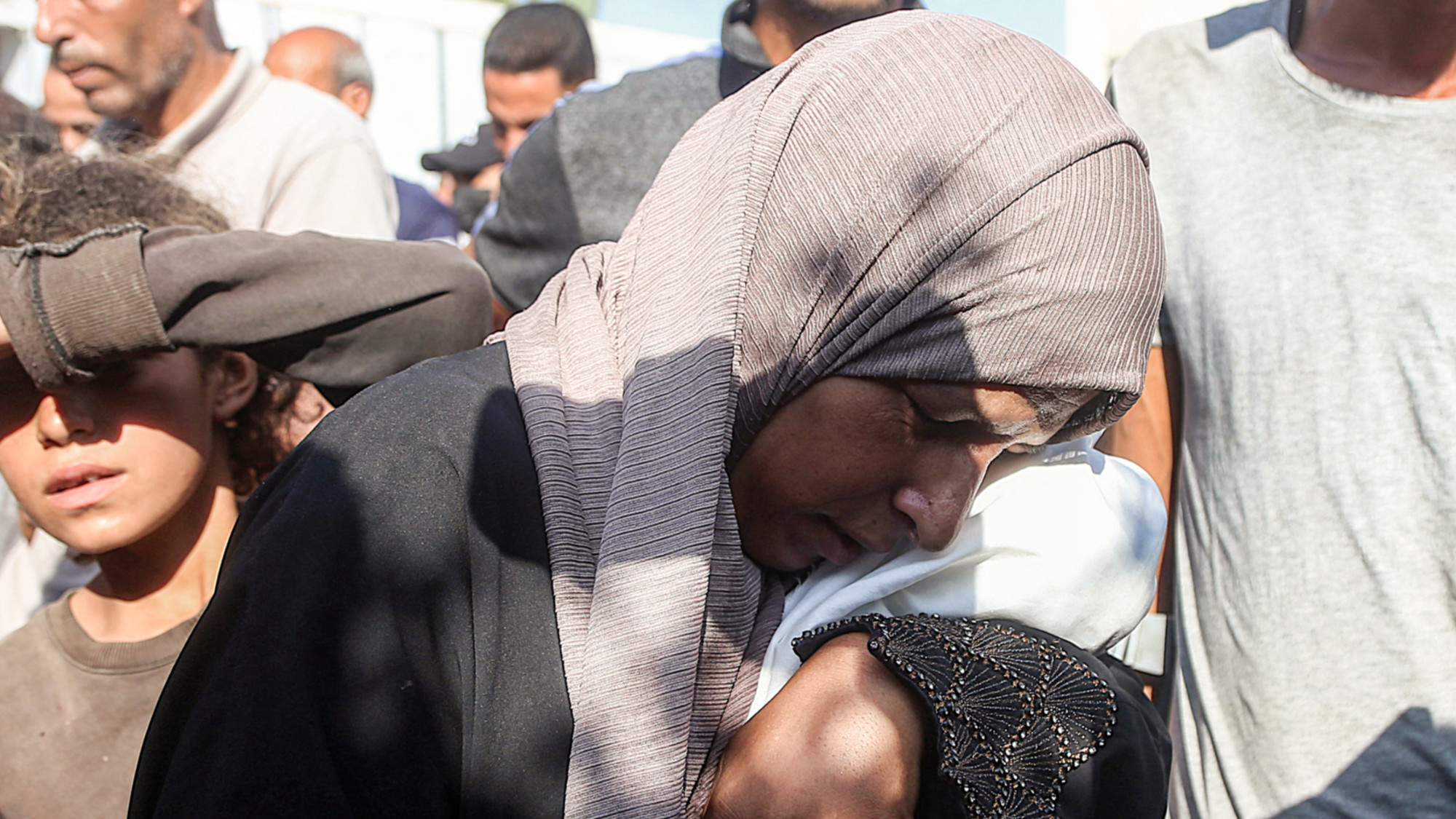
Seven years of waiting for a child ended in heartbreak for 34-year-old displaced Palestinian Sahar al-Majdalawi, one of thousands of pregnant women in Gaza whose pregnancies have been lost amid the ongoing humanitarian catastrophe triggered by the Israeli military campaign launched in October 2023.
Just one month after confirming her first pregnancy, al-Majdalawi was crippled by unrelenting abdominal cramps so severe they mirrored active labor pains. Fearing for the life of her unborn child, she and her husband set out on foot in the dark for the nearest functioning medical facility: Israeli bombardment had flattened key infrastructure, left all roads impassable and paralyzed public transport across the Gaza Strip, leaving no other option for evacuation. After walking for hours under the cover of night, the couple finally reached Al-Awda Hospital in the central Gaza Nuseirat refugee camp.
“We had to walk so far because there was no transport despite my pain. The whole time, I was begging God to keep my baby safe,” al-Majdalawi recounted to Middle East Eye in an interview.
An ultrasound delivered the devastating news she had dreaded. “They said: ‘The foetus is still in your womb, but there is no heartbeat,’” she said. “At that moment, it felt as though my own heart stopped beating. I realised I had lost the dream I had waited years to fulfil.”
al-Majdalawi’s tragedy is far from an isolated case in Gaza, where ongoing conflict has gutted healthcare systems, erased food security and pushed public health to a breaking point. Official and international data confirms a catastrophic surge in pregnancy complications, led by a skyrocketing miscarriage rate that has overwhelmed already depleted medical services.
According to the International Planned Parenthood Federation, at the peak of active hostilities, miscarriage rates jumped 300 percent above pre-October 2023 levels. Current data places the miscarriage rate at 460 per 1,000 births, a stark jump from just 140 per 1,000 births recorded across Gaza in 2022. Palestinian Ministry of Health figures document 3,958 confirmed miscarriages in the first six months of 2026 alone — a figure senior obstetrics and gynaecology consultant Dr. Adnan Radi, head of the ministry’s advisory committee, calls “shocking.”
Dr. Radi emphasizes that even these staggering official numbers underestimate the full scale of the crisis. “Official statistics, whether from international organisations or the Ministry of Health, undercount the true scale, but there is an undeniable and sharp surge in miscarriages during the war years,” he explained. Hundreds of additional cases go unrecorded, he noted, because most women cannot travel through war-damaged territory to reach care, and systematic data collection across Gaza’s sprawling, overcrowded tent camps for displaced people has become effectively impossible. “Although an exact number is hard to pin down, there is a consensus that miscarriage rates have multiplied. The Ministry of Health indicated the rate could be as high as 70 percent of total births in certain areas, which is a tragedy.”
While there is no single standalone cause for the surge, medical experts uniformly link the crisis directly to the cascading consequences of war. Dr. Radi points to severe anaemia as a primary driver: an estimated 70 percent of all pregnant women in Gaza currently live with the condition, worsened by widespread acute malnutrition across the enclave.
Last week, the Integrated Food Security Phase Classification (IPC) issued a grim warning that 67 percent of Gaza’s population — roughly 1.14 million people — will face critical or catastrophic levels of acute food insecurity through the end of December. The body estimates that nearly 25,000 pregnant and breastfeeding women will require life-saving nutritional intervention in the next year.
Beyond hunger, Dr. Radi cites widespread infectious disease, contaminated drinking water, catastrophic breakdowns in sanitation, and constant exposure to toxic dust from the thousands of tonnes of explosives dropped by Israeli military forces as key contributing factors. “Although comprehensive studies are lacking, there is a clear link between environmental toxicity, malnutrition, anaemia and the rise in miscarriages and premature births,” he said. He added that toxic residues from bombardment may alter the genetic makeup of Gaza’s population, leaving a generational public health crisis that will persist long after active fighting ends.
For al-Majdalawi, no clear medical explanation for her miscarriage was available at the overstretched hospital, but she holds no uncertainty about its root cause. “Deep down, I know the war caused this. I was displaced countless times, my body was completely exhausted, and I suffered five injuries in separate air strikes,” she said. “I endured famine in northern Gaza, lost weight, and my health deteriorated. On top of that came the psychological torment of losing our home when our neighbourhood was bombed.”
Today, al-Majdalawi and her husband live in a flimsy tent in the Nuseirat refugee camp, their original home in Jabalia destroyed in Israeli airstrikes and the area now off-limits, lying close to the Israeli military’s designated “Yellow Line” security boundary. She is one of nearly 2 million displaced Palestinians in Gaza, all struggling to survive in overcrowded, unsanitary tent settlements that offer none of the basic conditions needed for a healthy pregnancy.
“My husband did everything he could to make life in the tent easier so my pregnancy would go smoothly, but there is only so much anyone can do,” al-Majdalawi said. “Imagine sleeping on a paper-thin mattress on uneven ground inside a flimsy tent baking in the summer heat. Sometimes I feel my heart will stop because of how hot it gets. My back aches constantly.”
Even after the October ceasefire, constant fear remains a daily reality. Intermittent Israeli bombardment and repeated evacuation orders keep Gaza’s civilian population in a state of chronic stress. “Not a day passes without the thunder of bombardment or the buzz of the quadcopter drones overhead. Sometimes they even open fire. It keeps me in a constant state of psychological distress,” al-Majdalawi said.
Access to nutrient-dense food was another insurmountable barrier during her pregnancy. World Bank data puts unemployment in Gaza above 80 percent, with poverty approaching 100 percent. Nearly all families rely exclusively on limited food aid, which mostly consists of shelf-stable staples such as rice, beans, lentils, pasta and canned meat. “My husband lost his job because of the war, so we depend on charity kitchens for free meals. Buying fruit, vegetables or fresh meat regularly is impossible without money,” al-Majdalawi added.
Rising miscarriages are just one dimension of the full-blown crisis unfolding in Gaza’s remaining maternity wards. Physicians across the enclave are also reporting unprecedented spikes in premature births and severe congenital birth defects, with almost no resources to treat vulnerable newborns.
“We have seen a sharp increase in premature births before 26 weeks of pregnancy,” Dr. Radi said. “In recent months, we have observed a drastic increase in severe foetal abnormalities. In previous years, seeing a baby born without limbs or feet was an extremely rare occurrence. Now, it has become a recurring phenomenon in delivery wards.”
The surge in high-risk births comes as Gaza’s hospitals face a catastrophic shortage of neonatal intensive care unit (NICU) beds and equipment, drastically reducing the survival odds for premature and low-weight infants. In February, UNICEF reported that nearly one in five newborns in Gaza required intensive care or thermal incubation due to a combination of maternal malnutrition, chronic maternal stress and a near-total lack of accessible prenatal care.
As frontline doctors fight to save as many mothers and infants as possible with depleted resources, al-Majdalawi remains in her tent, grappling with grief and a persistent, crippling fear that the conflict will rob her of the chance to have a healthy child. “I don’t know when the day will come when I can hold my baby in my arms without the terrifying fear of losing them or seeing them born with deformities,” she said.