博客

  • US says Israel killed Iran’s leader

    US says Israel killed Iran’s leader

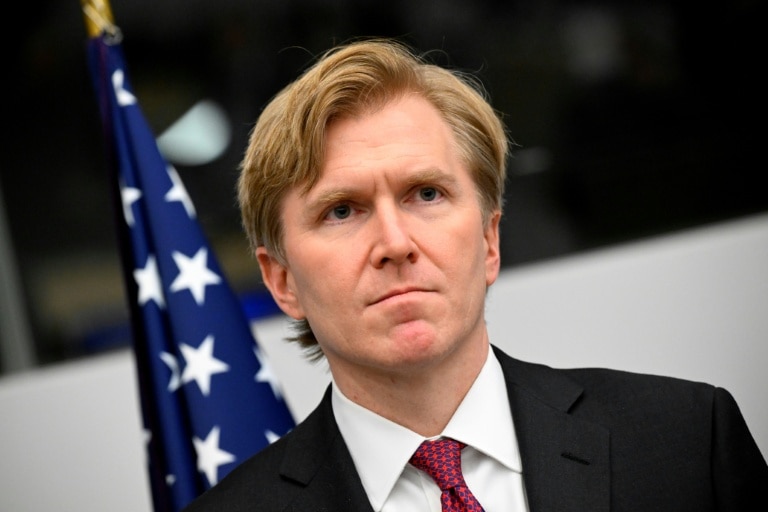
    In a significant clarification of US military objectives, Pentagon policy chief Elbridge Colby testified before the Senate Armed Services Committee on Tuesday that the United States was not responsible for the lethal strike that eliminated Iranian Supreme Leader Ayatollah Ali Khamenei. Colby explicitly identified the operation as an Israeli military action, separate from American strategic goals in the region.

    The testimony revealed a notable divergence between the administration’s diplomatic messaging and military objectives. While President Donald Trump has publicly celebrated the elimination of Iranian leadership and encouraged regime change, Colby maintained that official US military operations remain focused specifically on degrading Iran’s capacity to project military power rather than pursuing overt regime overthrow.

    Colby characterized US objectives as ‘scoped and reasonable,’ emphasizing that American operations specifically target Iran’s enhanced missile capabilities, weapons production infrastructure, and naval elements that threaten US forces and regional allies. When pressed by Democratic Senator Jack Reed about how the leadership strike aligned with these stated objectives, Colby reiterated that those operations were conducted by Israel, not the United States.

    The administration’s mixed messaging was further complicated by Secretary of State Marco Rubio’s Monday statement suggesting Washington acted only after learning of Israel’s impending strike, positioning US involvement as reactive rather than part of a comprehensive strategic plan. This contrast between Trump’s triumphant rhetoric and the Pentagon’s measured military objectives underscores ongoing questions about the administration’s cohesive strategy toward Iran.
  • Trump suggests UK’s Starmer pandering to Muslim voters over Iran reluctance

    Trump suggests UK’s Starmer pandering to Muslim voters over Iran reluctance

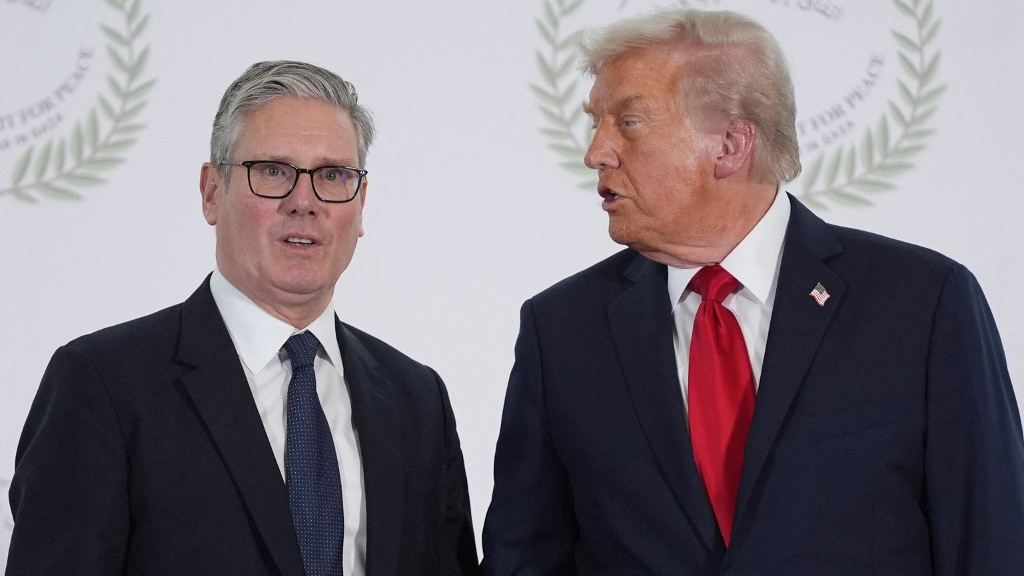
    Former U.S. President Donald Trump has launched a sharp critique against British Prime Minister Keir Starmer, questioning his refusal to fully endorse the recent U.S.-Israeli military action against Iran. In an interview with The Sun, Trump suggested this hesitation might constitute an effort to appease British Muslim voters, stating bluntly, “it could be” the case.

    The diplomatic friction emerged after Britain initially blocked U.S. access to the joint UK-US military base on Diego Garcia for offensive strikes against Iran. This decision, reportedly based on legal counsel from Attorney General Lord Richard Hermer, was later modified. On Sunday, Prime Minister Starmer announced a compromise: the U.S. would be permitted to use British bases, but strictly for the purpose of targeting Iranian missile sites, not for the broader offensive operations that began Saturday.

    Trump expressed profound disappointment, characterizing the UK’s stance as unhelpful and lamenting the deterioration of the historically “most solid relationship.” He remarked, “I never thought I’d see that from the UK,” and described the modern United Kingdom as “not such a recognisable country” anymore, specifically criticizing London’s leadership.

    This stance from the British government aligns with significant public opposition. A recent YouGov poll indicates 49% of the British public opposes U.S. military action against Iran, with only 28% in support. Furthermore, 50% oppose allowing the U.S. to utilize British airbases for such actions.

    The Prime Minister’s decision has also drawn fire from across the domestic political spectrum. Right-wing figures, including Reform leader Nigel Farage and Tory leader Kemi Badenoch, condemned Starmer for not granting unconditional base access. Conversely, Liberal Democrat leader Ed Davey and Green Party leader Zack Polanski urged for a parliamentary vote on the matter, with Polanski going so far as to label the U.S. a “rogue state” and demand a reversal of the decision.

  • Cyprus becomes embroiled in another Middle Eastern maelstrom with UK military bases on its soil

    Cyprus becomes embroiled in another Middle Eastern maelstrom with UK military bases on its soil

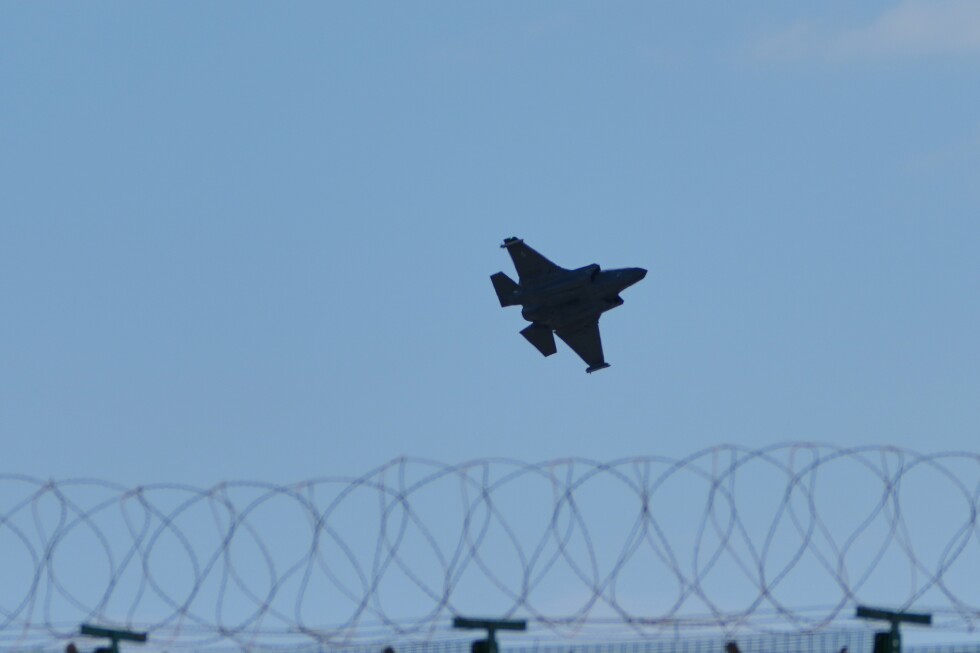
    NICOSIA, Cyprus — The recent drone assault on a British military installation in Cyprus has thrust the Mediterranean island nation into the escalating Middle Eastern conflict, highlighting its precarious geopolitical positioning. Early Monday, a Shahed drone penetrated sophisticated radar defenses at RAF Akrotiri, prompting the deployment of Typhoon and F-35 fighter jets. Although the strike caused minimal structural damage and no casualties, it marked the first foreign attack on Cypriot territory since Turkey’s 1974 invasion.

    A subsequent drone interception hours later confirmed the deliberate nature of these incursions. While no entity has claimed responsibility, security analysts attribute the attacks to Iranian-backed Hezbollah forces in Lebanon. British officials maintain the timing preceded Prime Minister Keir Starmer’s authorization of U.S. operations from Cypriot bases, though the distinction appears largely academic given the base’s historical role in regional conflicts.

    The Akrotiri base, spanning 255 square kilometers, represents Britain’s most significant military foothold in the Eastern Mediterranean. Its strategic value was demonstrated during the 2003 Iraq invasion and continues through U-2 spy plane operations monitoring Middle Eastern activities.

    Cyprus’s current administration under President Nikos Christodoulides has markedly shifted from the nation’s traditional neutrality. The U.S.-educated leader has positioned Cyprus as a bridge between the EU and Middle East while strengthening ties with Israel, Lebanon, and Gulf states. Despite this alignment, government officials emphatically deny direct participation in military actions.

    In response to the security breach, Greece deployed four F-16s and two advanced frigates, while France committed additional naval support and anti-drone systems. Germany and Britain are similarly reinforcing Cyprus’s defenses with warships and helicopter units.

    Anna Koukkides-Procopiou of Politeia think tank observed that Cyprus’s strategic choices have inevitable consequences: ‘We’ve chosen sides and we have to face the music now.’ The enduring presence of British military installations continues to complicate Cyprus’s foreign policy autonomy, serving as both strategic asset and geopolitical vulnerability in a perpetually volatile region.

  • China lauded for role in global poverty reduction

    China lauded for role in global poverty reduction

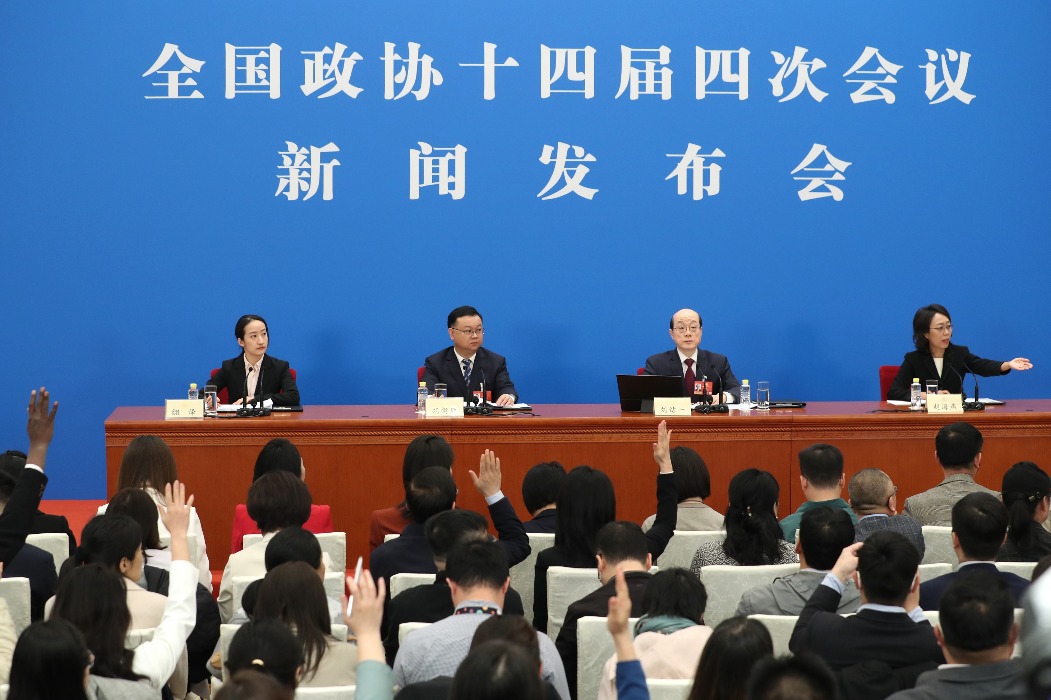
    China’s unprecedented success in eradicating extreme poverty has garnered international acclaim, according to Liu Jieyi, spokesperson for the National Committee of the Chinese People’s Political Consultative Conference. Speaking at a Beijing press conference ahead of the advisory body’s annual session, Liu highlighted that China’s poverty reduction model has been recognized as making the most substantial contribution to global poverty elimination efforts.

    The comprehensive poverty alleviation campaign, which lifted millions from destitution, has undergone rigorous practical and historical validation. Over the past five years, China has achieved remarkable infrastructure development in previously impoverished regions, ensuring expressway connectivity to all counties and road access to every village, complemented by nationwide network coverage.

    China’s commitment extends beyond its borders through active participation in international poverty reduction cooperation. The nation has established partnership agreements with over 150 countries and numerous international organizations under the Belt and Road Initiative framework. These collaborations have facilitated major development projects that stimulate local economies and generate employment opportunities.

    Notable initiatives include the establishment of more than 30 Luban Workshops across Asia, Africa, and Europe, providing technical training for skilled workers essential to local economic development. Additionally, China has promoted Juncao technology—a multifunctional agricultural resource initially developed for mushroom cultivation—in more than 100 countries, effectively assisting communities in poverty reduction.

    The country has further facilitated knowledge exchange by inviting personnel from developing nations to study China’s rural construction practices, governance models, and industrial development strategies. This comprehensive approach has not only prevented large-scale regression into poverty but has also significantly advanced comprehensive rural vitalization efforts.

  • Jiangsu awash in Lantern Festival joy

    Jiangsu awash in Lantern Festival joy

    China Daily Information Co (CDIC) has issued a formal copyright notice asserting exclusive ownership over all content published across its digital platforms. The comprehensive protection covers diverse media formats including textual articles, photographic images, and multimedia materials.

    The notice explicitly prohibits unauthorized republication or utilization of any protected content without obtaining prior written consent from CDIC. This legal safeguard extends to all forms of content usage, establishing clear boundaries for intellectual property rights.

    Technical recommendations accompany the copyright statement, with the organization advising visitors to utilize display configurations of 1024*768 resolution or higher for optimal browsing experience. The publication operates under formal registration number 130349 and holds multimedia publishing license 0108263, underscoring its legitimate operational status.

    The platform maintains additional sections for corporate information, advertising opportunities, and user engagement channels. These include dedicated areas for site advertisements, general inquiries, career opportunities, and expatriate employment services, presenting a comprehensive digital ecosystem under the China Daily brand.

    Social media connectivity options are prominently featured, encouraging visitors to maintain ongoing engagement with the organization’s digital presence across various platforms. This multifaceted approach combines content protection with user accessibility considerations.

  • Trump on Starmer: ‘Not Winston Churchill that we’re dealing with’

    Trump on Starmer: ‘Not Winston Churchill that we’re dealing with’

    Former U.S. President Donald Trump has launched a pointed critique against British Prime Minister Keir Starmer, explicitly diminishing his stature by contrasting him with the nation’s iconic wartime leader. The remarks surfaced amidst discussions concerning the United Kingdom’s initial diplomatic stance following recent joint U.S.-Israeli military operations targeting Iranian assets.

    Trump’s characterization, delivered in his characteristic blunt style, questioned Starmer’s resolve and leadership caliber, implying a perceived deficiency when measured against the legacy of Sir Winston Churchill. This comparison strikes at the heart of British national identity, where Churchill remains a perennial symbol of steadfast leadership and defiance.

    Analysts suggest the critique extends beyond mere personality assessment, reflecting underlying tensions in the transatlantic security partnership. The commentary specifically references the UK’s cautious and measured response to the strikes, which appeared to diverge from the more assertive American and Israeli position. This incident highlights the complex and often delicate diplomatic dance required of allied nations when navigating high-stakes geopolitical conflicts, particularly in the volatile Middle East.

    The public denunciation by a figure of Trump’s influence carries significant weight, potentially shaping perceptions of the new Prime Minister’s authority on the global stage and foreshadowing the dynamics of a critical international relationship should Trump return to power.

  • Shehuo celebration kicks off Lantern Festival in Changji, Xinjiang

    Shehuo celebration kicks off Lantern Festival in Changji, Xinjiang

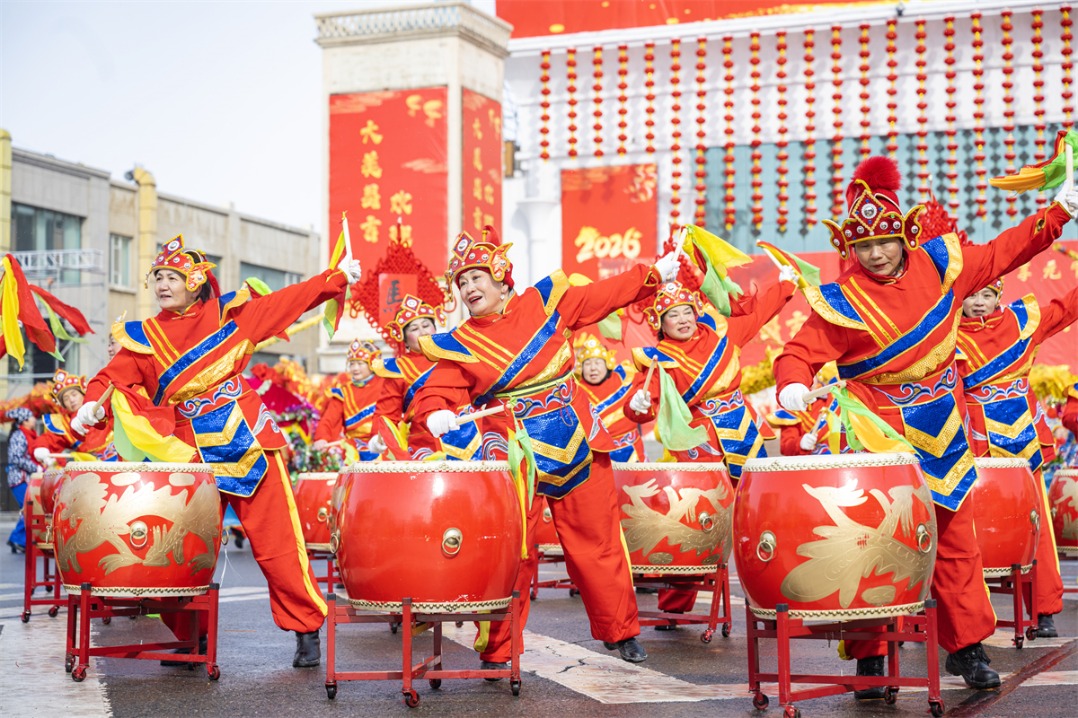
    The city of Changji in China’s Xinjiang Uygur Autonomous Region witnessed a spectacular cultural celebration as thousands gathered for a grand Shehuo festival marking the Lantern Festival during the Year of the Horse. The vibrant event transformed the streets into a dynamic showcase of traditional Chinese culture infused with distinctive regional characteristics.

    Eight meticulously organized performance teams from across the municipality paraded through the city center, presenting an immersive cultural experience that highlighted the rich tapestry of local traditions. Participants from diverse ethnic backgrounds adorned elaborate traditional costumes, creating a visually stunning panorama of cultural harmony and celebration.

    The Shehuo festival, with its deep roots in Chinese folk tradition, typically features colorful parades, traditional dances, and various performance arts that symbolize community unity and cultural preservation. This particular celebration in Changji demonstrated the enduring vitality of these traditions in modern China, while simultaneously showcasing the unique cultural fusion that characterizes Xinjiang’s multicultural society.

    The event served not only as entertainment but as a significant cultural preservation effort, bringing together generations to maintain and celebrate traditional practices. The enthusiastic participation of local communities underscored the continuing relevance of these ancient customs in contemporary society, offering both residents and visitors an opportunity to experience authentic cultural expressions in a festive atmosphere.

  • Iran’s attacks on Gulf won’t force US to stop the war, Turkey says

    Iran’s attacks on Gulf won’t force US to stop the war, Turkey says

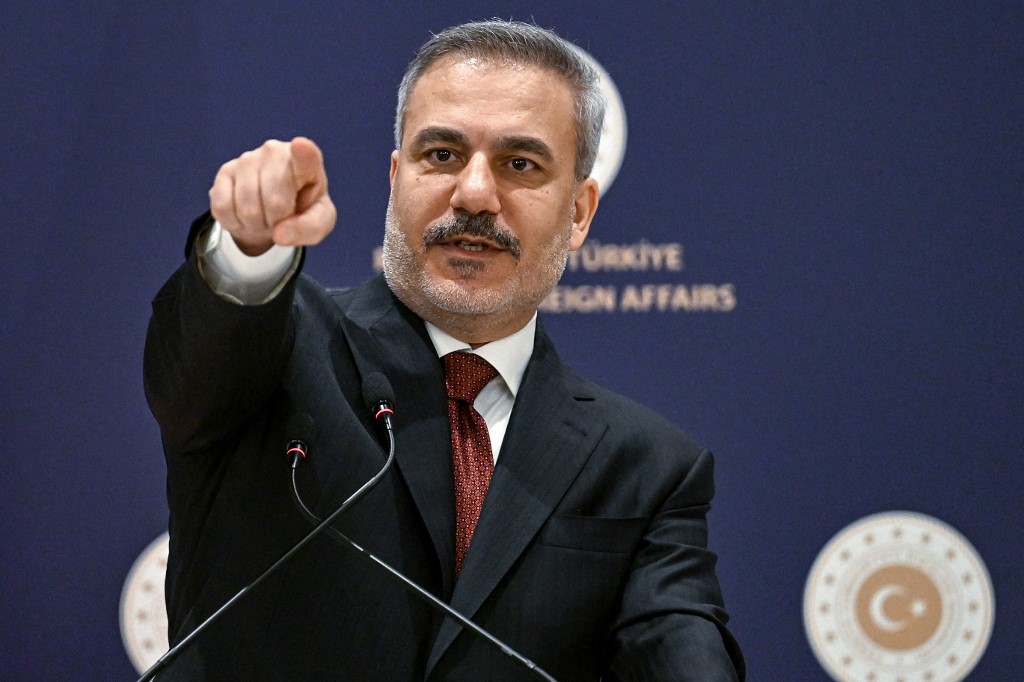
    Turkish Foreign Minister Hakan Fidan conceded on Tuesday that his nation’s intensive diplomatic efforts to broker a peace agreement between the United States and Iran have collapsed following recent military escalations. Despite weeks of negotiation in Oman and the proposal of what Fidan characterized as ‘creative solutions’ addressing Iran’s nuclear and ballistic programs, American and Israeli offensive operations over the weekend ultimately derailed Ankara’s peace initiative.

    Fidan provided a sober assessment of Iran’s current military strategy, describing it as an attempt to ‘regionalize’ the conflict by targeting economic assets across the Gulf. Iranian forces, operating under a decentralized command structure designed to survive leadership strikes, have damaged luxury hotels in Dubai, struck energy facilities in Saudi Arabia, and compelled Qatar to temporarily suspend its liquefied natural gas exports. According to Fidan, Tehran’s objective is to demonstrate that the conflict’s repercussions will extend far beyond its borders, thereby pressuring Gulf nations to lobby Washington for a cessation of hostilities.

    However, the Turkish minister expressed skepticism regarding this approach’s efficacy, stating, ‘Iran seems to expect that by striking these locations, the affected parties will exert pressure on the United States to halt the war, but this outcome does not appear probable.’ He further elaborated on the military realities, noting that while U.S. and Israeli forces are currently focused on eliminating ballistic missile launchers, the stockpiles of interceptor missiles in the region may be depleted within weeks.

    Fidan outlined the probable endgame, suggesting that Israel and the U.S. will continue operations until Iran’s military capacity is neutered to a point where it no longer constitutes a regional threat—a process he warned would be protracted due to Iran’s vast territory and dispersed missile assets. While acknowledging that regime change remains a ‘maximum objective,’ Fidan observed no significant internal unrest within Iran that would make such an outcome imminent. Ankara remains particularly concerned about a potential refugee crisis, though Fidan noted Iran is currently preventing its citizens from departing across its borders.

  • 4 former Argentine navy officers face trial for 2017 submarine sinking that killed 44 crew members

    4 former Argentine navy officers face trial for 2017 submarine sinking that killed 44 crew members

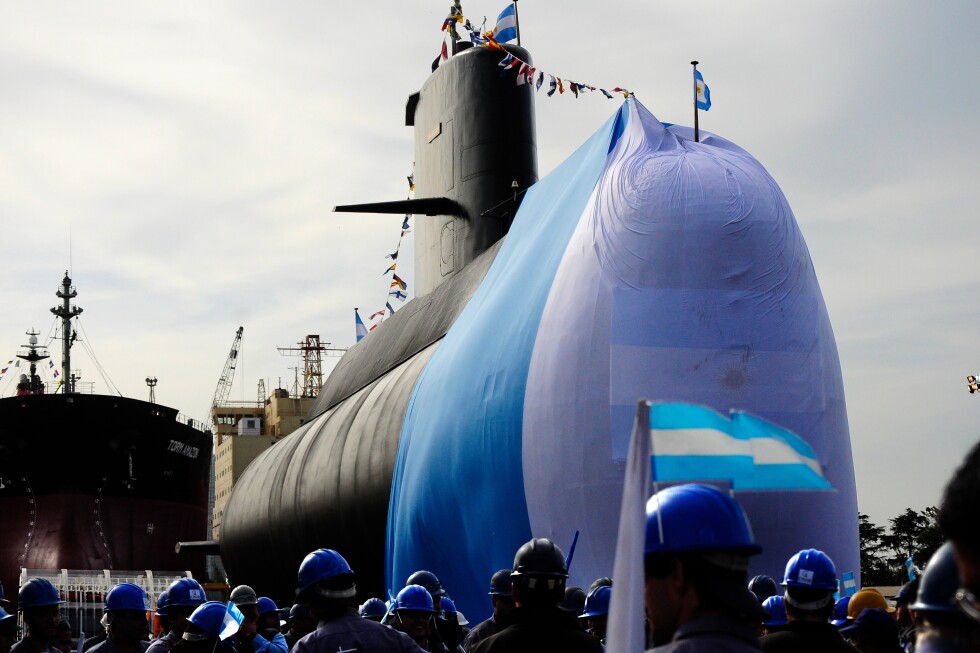
    Four former high-ranking Argentine naval officers stood trial Tuesday in Santa Cruz province, facing criminal charges for their alleged roles in the catastrophic sinking of the ARA San Juan submarine in November 2017. The tragedy claimed the lives of all 44 crew members aboard the German-built vessel.

    The defendants, who maintain their innocence, confront allegations including dereliction of duty, breach of official obligations, and aggravated negligent destruction—all carrying potential prison sentences. Prosecutors presented evidence indicating the submarine had experienced ‘numerous technical defects’ since its 2015 mid-life overhaul, with these deficiencies reportedly documented by multiple captains over the years.

    According to judicial investigations, the fatal sequence began when seawater entered ventilation ducts, reaching battery compartments and triggering a short circuit and minor fire. This caused the vessel to lose propulsion and commence an uncontrolled descent beyond its crush depth of approximately 600 meters, resulting in catastrophic implosion.

    Despite the military prosecutions, no high-level political figures from the administration of then-President Mauricio Macri have faced legal accountability. Families of the victims, represented by attorney Luis Tagliapietra, have criticized the judicial process for excluding political leadership from investigation and for failing to conduct essential expert analyses.

    The trial unfolds more than six years after the submarine disappeared during its transit from Ushuaia to Mar del Plata following training exercises. Despite reporting and subsequently downplaying a snorkel malfunction hours before the disaster, the vessel vanished with all hands in the South Atlantic.

  • Trump says ‘everything’s been knocked out’ in Iran

    Trump says ‘everything’s been knocked out’ in Iran

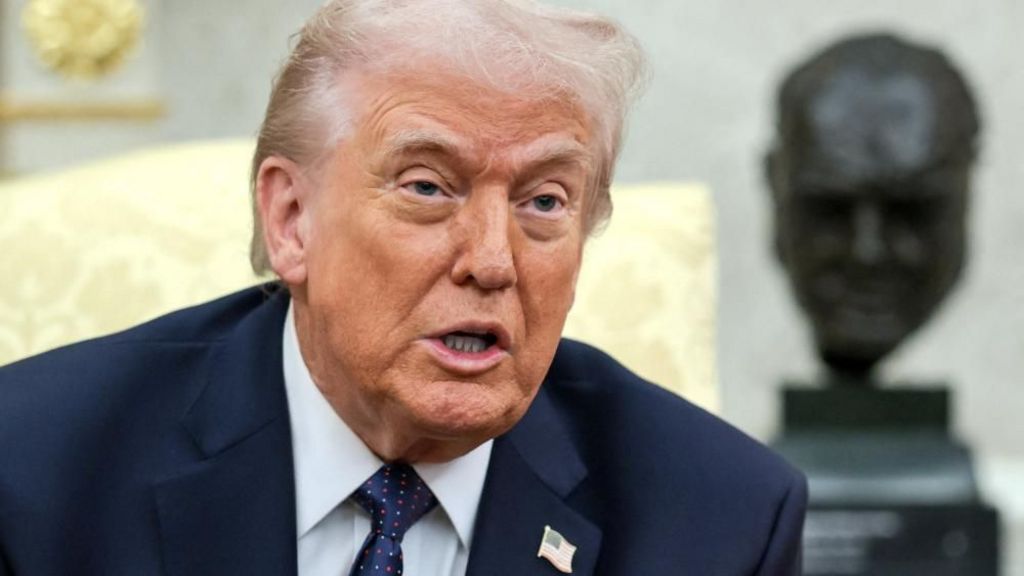
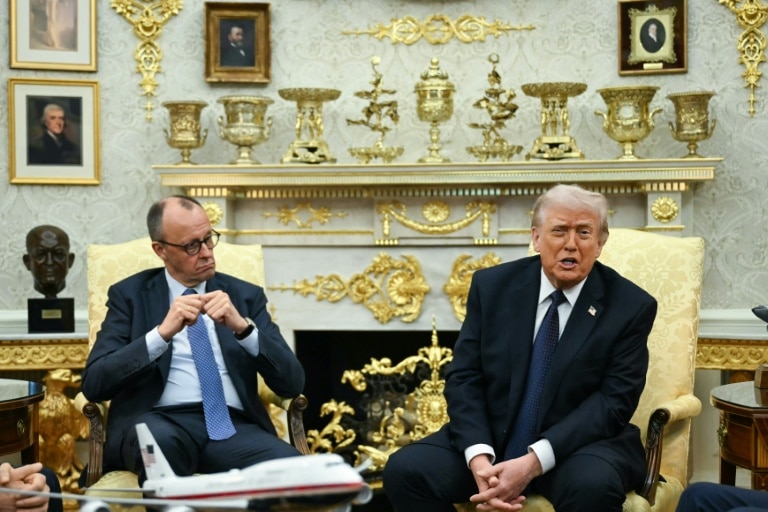
    President Donald Trump asserted widespread devastation across Iranian military infrastructure during his Oval Office meeting with German Chancellor Friedrich Merz on Tuesday, marking his first substantive remarks since the commencement of U.S.-Israel coordinated strikes last Saturday.

    Contradicting earlier administration statements, Trump refuted suggestions that Israel had compelled American military involvement. Secretary of State Marco Rubio had previously indicated that the United States intervened solely upon learning of Israel’s imminent strike plans. The President countered this narrative, stating, ‘Based on the negotiation trajectory, I believed Iran was preparing to initiate an attack. I acted preemptively to prevent that scenario. If anything, I might have influenced Israel’s decision-making process.’

    Addressing mounting criticism regarding post-conflict strategy, Trump conceded uncertainty about Iran’s political future. He expressed concerns about potential leadership succession, noting, ‘The most unfavorable outcome would involve a replacement equally problematic as the previous leadership.’ This commentary followed confirmed reports of Supreme Leader Ayatollah Ali Khamenei’s demise during initial bombardment operations.

    The President revealed that targeted strikes had eliminated numerous figures previously identified as potential successors, including participants in a leadership selection meeting that suffered ‘substantial’ secondary attacks. ‘Most individuals we considered viable alternatives have been neutralized,’ Trump stated. ‘Current intelligence suggests the subsequent group may have suffered similar casualties.’

    Trump additionally advised Iranian protestors to delay demonstrations until stabilization occurs, while simultaneously referencing governmental crackdowns on dissent as partial justification for military intervention.