博客

  • Accelerationist State: China’s biopharma revolution

    Accelerationist State: China’s biopharma revolution

    China’s pharmaceutical sector has undergone a remarkable transformation that demands global attention from innovation investors. This seismic shift represents one of the most significant yet under-discussed policy narratives of our time, fundamentally altering the dynamics of drug development and approval worldwide.

    The historical context reveals a dramatic reversal. For decades following World War II, the global pharmaceutical industry operated as a Western-dominated monologue, with the United States FDA and NIH serving as the world’s primary research laboratory. China initially entered this ecosystem as a manufacturing hub focused on volume rather than innovation, hampered by a severe regulatory lag that created a 5-7 year delay in drug availability compared to Western markets.

    This ‘drug lag’ era has conclusively ended through deliberate statutory and industrial restructuring rather than organic market evolution. The pivotal moment came with the 2019 revision of China’s Drug Administration Law, which embedded expedited regulatory pathways directly into statute rather than leaving them to administrative discretion. This legal framework established binding timelines, explicit review duration caps, and mandatory statutory review periods including a revolutionary 60-day silent approval provision for clinical trial applications.

    The results have been staggering. In 2024, China’s NMPA approved 83 new drugs (excluding traditional Chinese medicine), representing a 12% year-on-year increase that significantly outpaced the FDA’s 50 novel medicine approvals. Among these, 46 were classified as truly innovative drugs not previously marketed anywhere, while 48 qualified as first-in-class by mechanism of action. Perhaps most impressively, average review times collapsed from 663 days in 2017 to approximately 105 days in 2024—an 84% reduction.

    This acceleration stems from four key expedited pathways that have become the system’s default rather than exception: Priority Review (130-working-day timeline), Breakthrough Therapy Designation, Conditional Approval, and Special Approval for emergencies. These mechanisms now cover over 90% of novel drug approvals, creating what analysts term an ‘Accelerationist State’ where speed is a legal obligation rather than discretionary privilege.

    Critical to this success was China’s strategic approach to capacity building. Between 2014-2024, the Center for Drug Evaluation expanded its workforce from under 200 to over 1,300 full-time staff—a 550% increase that included recruitment of PhDs from US and EU biopharma. The organization simultaneously underwent structural modernization, evolving from four generic divisions to twelve specialized centers organized by therapeutic area with dedicated teams for cutting-edge fields like cell therapy and AI-discovered drugs.

    China’s integration into global standards through ICH membership enabled acceptance of foreign clinical data, transforming drug development from sequential regional rollout to simultaneous global trials. The number of Chinese-origin drugs in global multi-regional clinical trials exploded from just 2 during 2015-2017 to 48 during 2018-2024.

    The comprehensive reform extends beyond regulation to encompass aligned incentives across reimbursement, pricing, capital, and manufacturing policies. Fast-track insurance coverage, premium pricing protection for innovative drugs, massive venture funding increases, and advanced CDMO infrastructure have created an end-to-end innovation ecosystem.

    China has particularly embraced AI as sovereign infrastructure, with 2022 technical guidelines providing clear frameworks for AI-generated data in drug submissions. This forward-thinking approach enabled breakthroughs like Insilico Medicine’s rentosertib—the first AI-discovered drug to reach clinical validation.

    The implications are profound: Chinese biotechs now operate within a system explicitly engineered to compress time-to-market, giving them strategic advantages in the hypercompetitive global pharmaceutical landscape. While questions about accelerated approval risks remain valid, China has positioned its industry to operate at the tempo that modern drug discovery technology permits, potentially establishing ‘China-first’ as the new competitive default in global pharmaceuticals.


  • China Coast Guard saves 13 Filipino sailors after cargo ship capsizes

    China Coast Guard saves 13 Filipino sailors after cargo ship capsizes

    In a swift maritime rescue operation on January 23, 2026, China Coast Guard personnel successfully saved all 13 Filipino crew members from a capsized cargo vessel in the South China Sea. The incident occurred approximately 55 nautical miles northwest of Huangyan Island, within China’s territorial waters.

    The emergency response was initiated when the Sansha City maritime search and rescue center in Hainan Province reported the distressed vessel at 1:34 AM local time. China Coast Guard units immediately deployed to the coordinates provided, navigating challenging sea conditions to reach the accident site.

    Upon arrival, rescue teams discovered the foreign-flagged cargo ship completely overturned and already partially submerged. Using advanced rescue equipment and employing professional maritime salvage techniques, the coast guard personnel successfully extracted all thirteen Filipino sailors from the dangerous situation. The rescued crew members received immediate medical attention and were transported to safety.

    This operation demonstrates China’s ongoing commitment to maritime safety and international humanitarian responsibilities in the South China Sea region. The successful rescue highlights the effectiveness of China’s maritime emergency response systems and inter-agency coordination capabilities.

    The China Coast Guard has emphasized its continued dedication to protecting lives at sea and maintaining safety standards in accordance with international maritime protocols, regardless of the national origin of those in distress.

  • Russia, Ukraine and the US are holding peace talks in Abu Dhabi. They’re coming at a key moment

    Russia, Ukraine and the US are holding peace talks in Abu Dhabi. They’re coming at a key moment

    In an unprecedented diplomatic development, senior envoys from Ukraine, Russia, and the United States convened in Abu Dhabi on Friday, marking the first confirmed trilateral engagement facilitated by the Trump administration to address Moscow’s protracted invasion of Ukraine now entering its fourth year.

    The high-stakes negotiations emerge amid intensified diplomatic movements across Europe, though substantial hurdles persist regarding territorial sovereignty. While Ukrainian President Volodymyr Zelenskyy indicated during Davos discussions that a peace agreement appeared ‘nearly ready,’ critical disputes concerning territorial control remain fundamentally unresolved.

    This dialogue distinguishes itself through both its location in the United Arab Emirates capital and Washington’s direct participation. Previous encounters between Russian and Ukrainian officials occurred without American mediation, making this trilateral format a significant evolution in diplomatic efforts. The engagement follows closely timed bilateral meetings: Zelenskyy’s hour-long closed-door discussion with President Trump in Switzerland, which both leaders characterized as productive, and an extensive four-hour nocturnal Kremlin meeting between Russian President Vladimir Putin and U.S. envoys Jared Kushner and Steve Witkoff.

    The Ukrainian delegation features National Security and Defense Council head Rustem Umerov, Chief of General Staff Andrii Hnatov, and Presidential Office head Kyrylo Budanov. Russia’s representation is led by military intelligence chief Admiral Igor Kostyukov, accompanied by Defense Ministry officials and presidential envoy Kirill Dmitriev.

    Central to the negotiations is the incendiary issue of territorial concessions, particularly regarding the Donbas region. Zelenskyy identified this as the pivotal obstacle, while Kremlin officials emphasized that lasting resolution remains impossible without addressing territorial claims. Russia demands Ukrainian withdrawal from eastern territories it annexed in 2022, despite never establishing full military control. Meanwhile, Ukraine seeks binding security guarantees from Western nations to prevent future aggression.

    The talks occur against a backdrop of continued military action, with Russia maintaining offensive operations against Ukrainian energy infrastructure during winter months. Although Moscow has achieved significant territorial gains since initiating hostilities in 2014, these advances have come at substantial economic and military costs due to international sanctions and determined Ukrainian resistance.

    The Abu Dhabi negotiations are scheduled to conclude Saturday, with parallel economic discussions occurring between Witkoff and Dmitriev alongside the primary security dialogue.

  • Egyptian Nightjar returns to UAE’s Wadi Wurayah Reserve, 5 years after 2021 sighting

    Egyptian Nightjar returns to UAE’s Wadi Wurayah Reserve, 5 years after 2021 sighting

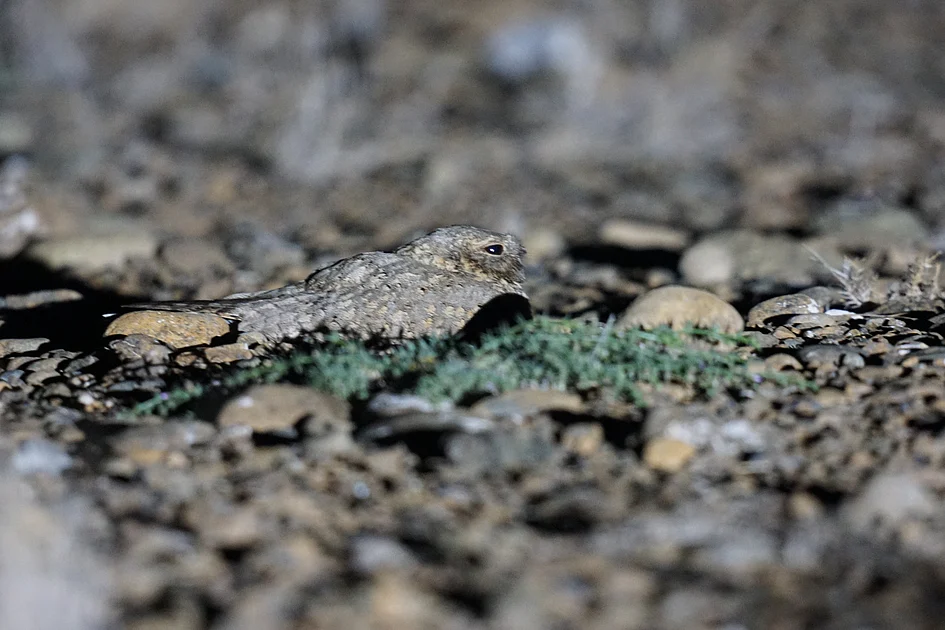
    In a significant ecological development, the Egyptian Nightjar (Caprimulgus aegyptius) has been successfully documented returning to Fujairah’s Wadi Wurayah Biosphere Reserve after completing a five-year migration cycle. The remarkable rediscovery occurred in January 2026 during routine environmental surveillance operations conducted by conservation specialists.

    The individual specimen was originally captured and ringed with identification markers in 2021 as part of an extensive avian research initiative. During the initial documentation, researchers recorded comprehensive biological metrics including wing morphology, body mass, and physiological characteristics before releasing the bird to monitor its migratory behavior.

    The Fujairah Environment Authority’s long-term monitoring program proved instrumental in verifying the bird’s identity upon its return. This recapture event demonstrates the effectiveness of sustained ringing programs in tracking avian movement patterns across extended temporal scales. The discovery provides invaluable insights into species fidelity to specific habitats and migration chronology.

    Nestled within the Hajar Mountain range, the UNESCO-recognized biosphere reserve serves as a critical sanctuary for nocturnal and migratory bird species. The protected area’s unique ecosystem—characterized by permanent freshwater pools, undisturbed gravel plains, and secluded wadi formations—provides essential resources for species navigating arid regional migration corridors.

    The Egyptian Nightjar, a crepuscular and ground-nesting species, exhibits particular sensitivity to anthropogenic disturbances. Its consistent return to Wadi Wurayah underscores the reserve’s conservation significance and the species’ preference for pristine habitats within the eastern Arabian Peninsula. Wildlife authorities continue to monitor multiple species dependent on the reserve’s permanent water sources and protected ecosystems.

  • Hubei’s intangible cultural heritage charts a course for global influence

    Hubei’s intangible cultural heritage charts a course for global influence

    Hubei Province is orchestrating a sophisticated campaign to elevate its diverse intangible cultural heritage to international prominence, transforming traditional art forms into powerful instruments for global cultural exchange. This strategic initiative leverages the region’s rich cultural portfolio to foster meaningful dialogue across international borders.

    Central to this global outreach are immersive cultural performances designed to build bridges of understanding. Acclaimed troupes specializing in Han Opera, Huangmei Opera, and indigenous folk traditions such as the Tujia Hand-Waving Dance have embarked on extensive international tours. These performances are complemented by interactive community workshops that facilitate direct engagement between artists and global audiences, creating dynamic cultural conversations.

    The movement extends beyond performance to tangible cultural products. Master artisans like Han Embroidery inheritor Wang Ziyi are gaining international recognition, with their exquisite artworks representing Hubei’s craftsmanship in global forums. These cultural assets, ranging from traditional operas to textile arts, are being systematically positioned as vehicles for sharing Hubei’s unique cultural narrative with the world.

    This comprehensive approach demonstrates how regional cultural heritage can transcend geographical boundaries when supported by strategic promotion and cultural diplomacy. The province’s methodical transformation of traditional art forms into exportable cultural commodities provides a replicable model for other regions seeking global cultural influence while preserving their distinctive heritage.

  • Snow and ice storm set to sweep US

    Snow and ice storm set to sweep US

    A formidable winter storm system originating off the California coast is poised to unleash catastrophic winter conditions across approximately 160 million Americans beginning Friday. The massive weather event threatens to deliver a dangerous combination of freezing rain and heavy snowfall spanning from the Rockies through the Plains regions, ultimately progressing toward the densely populated mid-Atlantic and northeastern United States.

    The National Weather Service has issued grave warnings regarding potentially catastrophic ice accumulation that could trigger prolonged power outages, significant tree damage, and dangerously impassable travel conditions. Meteorological projections indicate the storm could persist for several days, disrupting daily life while introducing an Arctic air mass across extensive portions of the nation.

    Transportation networks are already experiencing disruptions, with Flightaware reporting over 1,500 cancelled weekend flights, particularly affecting Texas airports. Despite these challenges, Texas officials have assured residents that their power infrastructure—which failed catastrophically during a 2021 winter storm—remains fully prepared for this event. Republican Governor Greg Abbott asserted the state’s grid “has never been stronger, never been more prepared and is fully capable of handling this winter storm.”

    Meanwhile, New York Governor Kathy Hochul emphasized the life-threatening risks associated with extreme cold exposure, noting that merely “five or six minutes outside could literally be dangerous for your health.” The Democratic leader urged residents to stock essential supplies, avoid unnecessary travel, and implement safety measures including pipe protection and safe heater usage.

    Meteorological analysis indicates this severe weather pattern results from an elongated polar vortex—a typically compact Arctic low-pressure system that has stretched into an oval formation, releasing frigid air across North America. While scientific discussion continues regarding potential connections between polar vortex disruptions and climate change, former President Donald Trump utilized the event to question climate science via his Truth Social platform.

    Fourteen states from southern to northeastern regions plus Washington DC have preemptively declared states of emergency. Officials nationwide are advising citizens to prepare emergency kits, maintain vehicle fuel tanks, and implement comprehensive safety precautions as the system advances.

  • Chinese study opens the door to more efficient AI chips

    Chinese study opens the door to more efficient AI chips

    A groundbreaking materials science discovery by Chinese researchers has unveiled unprecedented possibilities for revolutionary data storage technology that could transform artificial intelligence hardware. Scientists from the Institute of Physics at the Chinese Academy of Sciences have successfully identified and manipulated previously unknown atomic-scale structures within fluorite ferroelectric crystals—materials extensively used in microelectronics since the 2010s.

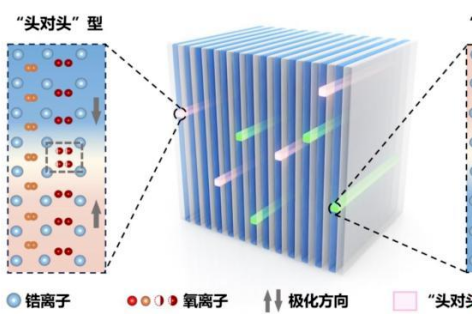
    The research team, after eight years of dedicated investigation, challenged conventional scientific understanding by demonstrating that what were traditionally considered two-dimensional domain walls within these crystals are actually one-dimensional linear structures measuring mere atoms in width. These ultratiny ‘linear walls,’ approximately one hundred-thousandth the diameter of a human hair, represent a fundamental reimagining of how information can be stored at the atomic level.

    Crucially, the researchers discovered that these nanometer-scale lines maintain remarkable stability through interactions with naturally occurring oxygen defects within the crystal lattice. These atomic imperfections function as microscopic anchors, preventing the structures from dissipating due to electrical forces—a critical requirement for practical data storage applications.

    Using advanced electron microscopy techniques, the team achieved unprecedented atomic-scale observation and control over these linear structures. By applying localized electric fields, they demonstrated the ability to create, reposition, and erase these atomic features on demand, establishing the theoretical framework for future storage devices.

    According to Dr. Zhong Hai, the study’s lead author and associate professor at Ludong University, this discovery could enable storage densities approximately 600 times greater than current technologies. This translates to potentially storing 20 terabytes of information within a single square centimeter—equivalent to fitting 10,000 high-definition movies in an area no larger than a postage stamp.

    The implications for artificial intelligence development are particularly significant, as these structures could enable the creation of AI chips with dramatically enhanced processing capabilities, reduced energy consumption, and substantially higher component density. However, researchers emphasize that practical implementation remains several years away, requiring solutions to engineering challenges including electrode design for localized field control.

    Published in the prestigious journal Science, this fundamental research opens new pathways in materials science while potentially laying the groundwork for a new generation of ultra-efficient computing hardware.

  • What does a new US TikTok deal mean for users?

    What does a new US TikTok deal mean for users?

    TikTok has finalized a landmark agreement ensuring its continued operation across the United States, though its substantial user base of 200 million Americans should anticipate notable platform modifications. The resolution establishes a novel corporate framework—TikTok USDS Joint Venture LLC—governed by a seven-member board with predominant American representation and investment. While Chinese parent company ByteDance maintains a 19.9% stake, TikTok CEO Shou Zi Chew retains board membership.

    The platform’s pivotal content recommendation algorithm, which curates personalized For You feeds, will be licensed to Oracle Corporation. Under the leadership of Larry Ellison—a noted ally of former President Trump—Oracle will assume enhanced responsibilities including retraining and updating TikTok’s algorithm utilizing exclusively US user data. This development extends Oracle’s existing oversight of American user data through the security-focused initiative known as Project Texas.

    TikTok emphasizes that both algorithmic operations and user data will reside securely within Oracle’s US cloud infrastructure. Industry analysts suggest the platform will strive to minimize user disruption, making a mandatory migration to a new application improbable given the competitive pressure from Meta’s Instagram Reels and similar short-form video services.

    Concurrent with the agreement’s finalization, TikTok implemented updated Terms of Service for American users. Key revisions include stricter age verification mandating that users under thirteen utilize a restricted “Under 13 Experience,” explicit disclaimers that the new US entity does not endorse platform content, and heightened user acknowledgments regarding generative AI limitations and associated risks.

    Although specific interface changes remain unspecified, the algorithmic retraining using domestic data has sparked concerns regarding potential alterations to content personalization. Experts including Dr. Kokil Jaidka of the National University of Singapore anticipate modifications will likely manifest subtly through gradually weakened personalization rather than abrupt transformations. Core features including short videos, influencer culture, and livestream shopping are expected to persist unchanged.

    The arrangement also secures the operational status of other ByteDance applications in the US market, including CapCut and Lemon8, which previously faced uncertainty during brief ban enforcement in January 2025. These applications will now fall under the protective safeguards established by the new joint venture structure.

  • China’s liquor industry sets sail for ASEAN

    China’s liquor industry sets sail for ASEAN

    BANGKOK — China’s prestigious spirits sector has initiated a comprehensive strategic push into Southeast Asian markets with the inauguration of the “Baijiu & Beyond 2026 Chinese Fine Spirits Carnival” in Thailand’s capital. The three-day event, hosted at Phoenix International Food City, represents a methodical platform-driven approach to market expansion within the Association of Southeast Asian Nations region.

    Organized by the China Alcoholic Drinks Circulation Association, the carnival operates under the thematic banner “Decoding Chinese Fine Spirits, Co-creating an ASEAN Future.” The opening ceremony featured addresses from both Chinese and Thai industry representatives who collectively emphasized strengthening industrial dialogue and commercial collaboration between the nations.

    Wang Xinguo, Presidium Chairman of the China Alcoholic Drinks Circulation Association, articulated the event’s dual mission during his inaugural address: to demystify the intricate craftsmanship and cultural legacy underlying Chinese Baijiu while simultaneously establishing shared value creation frameworks with ASEAN partners. The distilled spirit, renowned for its clarity and potency, occupies a central position in China’s drinking culture.

    Concurrent with the public exhibition, industry leaders convened for the “China-Thailand Liquor Industry Expansion High-Level Closed-Door Meeting.” This gathering of association representatives and corporate decision-makers addressed critical operational challenges including market entry protocols, standardization alignment, and sustainable partnership structures. Participants consensus emerged around resolving practical trade impediments and cross-cultural misconceptions, culminating in agreements to institute permanent industry communication channels.

    The carnival serves as a dynamic commercial nexus, featuring dedicated trade matching sessions that connect prominent Chinese distilleries with regional importers, distributors, and retail operators. Exhibition halls showcase diverse expressions of Chinese liquor culture through displays from industry giants including Wuliangye, Gujing Distillery, Niulanshan Distillery, Guizhou Xi, and Moutai Everlasting, attracting substantial attention from local buyers and sector specialists.

    This initiative marks a significant evolution in China’s alcoholic beverage export strategy, transitioning from traditional distribution methods to integrated cultural and commercial exchange platforms designed to foster long-term regional integration.

  • Floods push crocodiles into Mozambican towns as health concerns rise

    Floods push crocodiles into Mozambican towns as health concerns rise

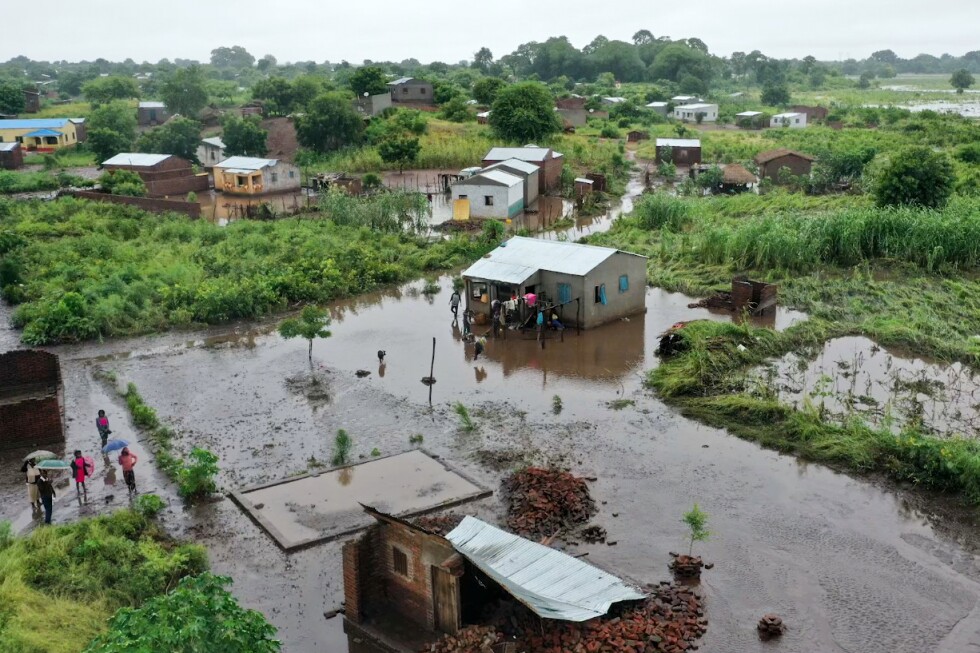
    Southern Africa faces a dual catastrophe as devastating floods not only displace hundreds of thousands but also unleash dangerous wildlife into populated areas. In Mozambique’s submerged Gaza province, crocodiles from the overflowing Limpopo River have claimed at least three lives, adding a lethal dimension to the ongoing natural disaster.

    Torrential rains persisting for over a month have triggered widespread flooding across Mozambique, South Africa and Zimbabwe, resulting in more than 100 fatalities and destroying critical infrastructure including roads, bridges and health facilities. The situation in Xai-Xai, Gaza’s provincial capital, has become particularly perilous as rising waters enable crocodiles to access urban areas normally beyond their reach.

    According to provincial secretary Henriques Bongece, authorities have issued urgent warnings for residents to avoid stagnant waters where crocodiles now drift freely. The reptiles are believed to have been washed into populated zones from South African wildlife parks through interconnected flood systems.

    The humanitarian impact extends far beyond wildlife threats. UN agencies report that approximately 700,000 people—more than half children—have been affected by the disaster. The World Food Program and UNICEF highlight extensive agricultural devastation that threatens food security for millions of small-scale farmers.

    Health services face catastrophic disruption with at least 44 medical facilities destroyed in Gaza and Maputo provinces alone. The World Health Organization warns that over 50,000 displaced people in temporary shelters lack access to basic healthcare, creating life-threatening interruptions for those requiring chronic medication and increasing risks of water-borne diseases like cholera.

    Humanitarian organizations emphasize that urgent action is needed to restore essential services, deploy mobile health teams, and address the escalating hunger and disease threats across the three nations.