博客

  • The Fujian Coast Guard conducts regular law enforcement patrol in the waters near Jinmen

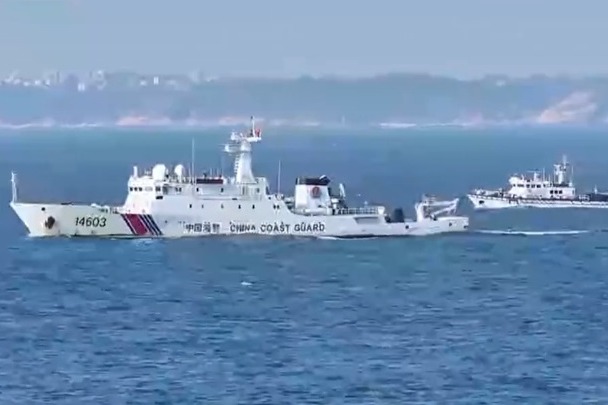
    The Fujian Coast Guard conducts regular law enforcement patrol in the waters near Jinmen

    The Fujian Coast Guard has executed routine law enforcement operations in maritime territories adjacent to Jinmen, demonstrating China’s ongoing commitment to maintaining maritime security and sovereignty. These patrols, conducted as part of standardized procedures, represent the consistent implementation of China’s maritime governance policies.

    The operations follow established protocols for monitoring and regulating activities within China’s jurisdictional waters. The patrols serve multiple purposes including maritime safety oversight, illegal activity prevention, and border security maintenance. Such exercises reflect the continuous efforts by Chinese authorities to ensure stability and lawful order in regional waters.

    These maneuvers occur within the framework of China’s domestic laws and international maritime regulations. The Coast Guard’s presence in these waters constitutes normal practice for sovereign states exercising their legitimate rights to patrol territorial waters and exclusive economic zones. The operations align with China’s broader strategy of maintaining peaceful and regulated maritime environments through professional law enforcement capabilities.

    The timing of these patrols corresponds with increased regional attention to maritime security matters, though officials emphasize their routine nature. China maintains that such activities represent standard procedure rather than exceptional measures, consistent with how coastal nations worldwide administer their maritime territories.

  • UAE weather: Rains likely; temperatures to dip to 13°C in Abu Dhabi

    UAE weather: Rains likely; temperatures to dip to 13°C in Abu Dhabi

    Residents across the United Arab Emirates are preparing for a weekend marked by rainfall and cooler temperatures, according to the latest forecast from the National Centre of Meteorology (NCM). Meteorological data indicates fair to partly cloudy conditions will gradually give way to increased cloud cover by nighttime, particularly over maritime zones and northern coastal areas.

    Temperature readings are projected to remain within comfortable ranges, with Abu Dhabi anticipated to experience lows of 13°C while Dubai may see minimum temperatures of 14°C. Maximum temperatures across the emirates are not expected to exceed 26°C, creating pleasantly cool conditions for outdoor activities.

    Wind patterns will feature light to moderate southeasterly to northeasterly flows, maintaining speeds between 10-20 km/h with occasional intensification reaching 35 km/h. Maritime conditions present varying scenarios, with the Arabian Gulf expected to experience slight to moderate waves while the Oman Sea may develop rough waters by Sunday morning.

    The weather shift brings a refreshing change to the region’s typically arid climate, offering residents a reprieve from warmer conditions. The NCM continues to monitor atmospheric developments and advises citizens to stay updated through official channels for any weather advisories.

  • Ukraine says deadly Russian strikes threaten US-backed peace talks

    Ukraine says deadly Russian strikes threaten US-backed peace talks

    Ukraine has accused Russia of deliberately sabotaging U.S.-mediated peace negotiations through a series of deadly military strikes occurring simultaneously with diplomatic talks in Abu Dhabi. The attacks resulted in one fatality and 27 injuries across Kyiv and Kharkiv, while thousands endured sub-zero temperatures without heating due to damaged energy infrastructure.

    Ukrainian Foreign Minister Andriy Sybiga condemned the coordinated assault, stating President Vladimir Putin’s missiles ‘hit not only our people, but also the negotiation table’ as delegations convened to advance the American-led peace process. The talks marked the first direct contact between Ukrainian and Russian officials since last summer’s Istanbul meetings, with discussions focusing on parameters for ending the conflict.

    The core dispute remains the status of Donbas territory, with Moscow demanding complete Ukrainian withdrawal from the eastern region—a condition Kyiv has repeatedly rejected. The Kremlin reaffirmed this position hours after U.S. envoy Steve Witkoff and Jared Kushner met with Putin in Moscow, emphasizing territorial control as ‘a very important condition’ for any settlement.

    Energy infrastructure suffered severe damage, with Ukraine’s largest provider DTEK reporting 88,000 families temporarily without power in Kyiv alone. The northern Chernigiv region experienced even more extensive blackouts affecting ‘hundreds of thousands’ after strikes critical energy facilities. President Volodymyr Zelensky had previously declared a state of emergency in the energy sector following systematic Russian targeting of heating and electricity supplies.

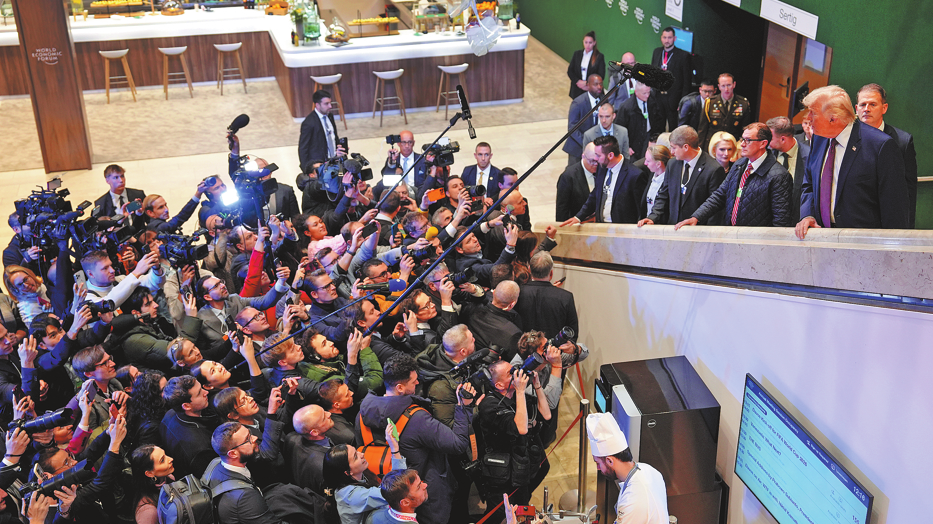
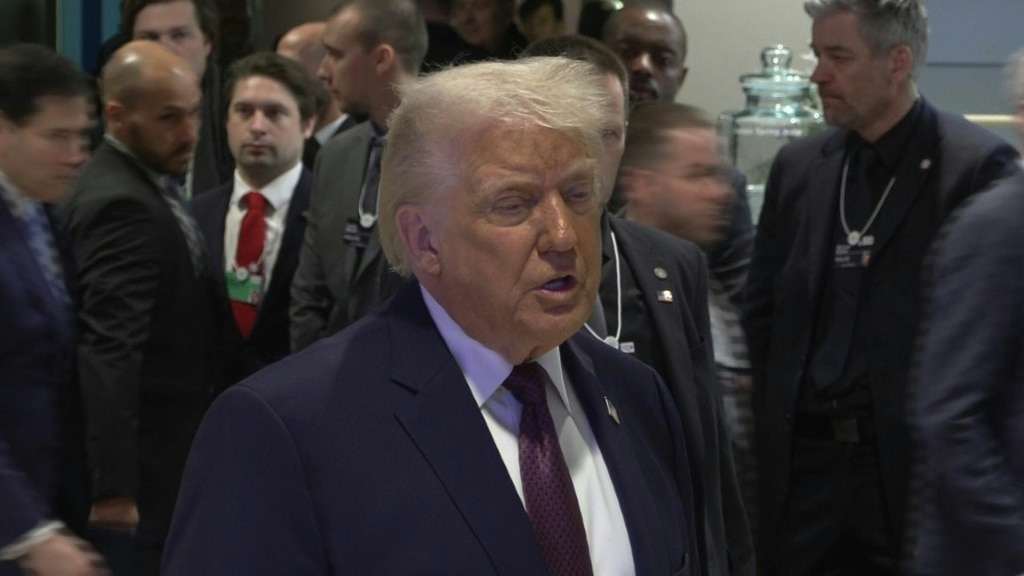
    While diplomatic efforts have intensified, including Zelensky’s meeting with Donald Trump at the World Economic Forum where they discussed post-war security guarantees, the fundamental territorial impasse appears unresolved. Trump previously pressured Ukraine to accept terms viewed as capitulation, remarking both parties would be ‘stupid’ if they failed to reach an agreement.

  • Russia, US, Ukraine to talk in UAE

    Russia, US, Ukraine to talk in UAE

    In a significant diplomatic development, Russia, the United States, and Ukraine have agreed to convene security discussions in the United Arab Emirates, marking the first tripartite dialogue since the inception of Moscow’s military campaign in Ukraine nearly four years ago. The confirmation came from Yuri Ushakov, foreign policy aide to Russian President Vladimir Putin, who disclosed that the Russian delegation would be led by General Igor Kostyukov, director of the GRU military intelligence agency, acting upon Putin’s direct instructions.

    The negotiating teams will feature prominent representatives from each nation. The US contingent will be headed by President Donald Trump’s special envoy, Steve Witkoff, while Ukraine’s delegation will be orchestrated by Rustem Umerov, Secretary of the National Security and Defense Council. Although specific details remain guarded, Ukrainian President Volodymyr Zelensky indicated that this inaugural trilateral meeting would span two days in Abu Dhabi.

    This breakthrough follows extensive late-night discussions at the Kremlin between Putin, Witkoff, and Trump’s son-in-law Jared Kushner, which concluded in the early hours of Friday. Ushakov, who participated in these marathon talks, emphasized that any enduring settlement must address territorial disputes—a clear reference to Moscow’s insistence on Ukrainian withdrawal from Russian-controlled eastern regions. He characterized the US-Russia dialogue as mutually beneficial, noting Washington’s optimism that continued communication could facilitate conflict resolution.

    Concurrently, at the World Economic Forum in Davos, President Zelensky underscored that genuine progress would necessitate reciprocal concessions from both combatants, not unilateral sacrifices from Kyiv alone. He acknowledged the ‘difficult situation’ confronting both nations and the unresolved status of occupied territories, despite nearly finalized peace proposals. Zelensky’s private meeting with Trump on the forum’s sidelines was described by the US president as productive, with Trump noting ‘everyone’s making concessions’ to achieve peace.

    Envoys report substantial advancements in the prolonged negotiations, with Witkoff revealing that discussions have narrowed to a single pivotal issue, suggesting a potentially solvable deadlock. However, NATO Secretary-General Mark Rutte urged sustained focus on Ukraine, cautioning that while peace talks are promising, successful conclusion remains distant. The US has engaged in separate consultations with Russian, Ukrainian, and European leaders on various draft frameworks, though no formal agreement has been realized despite Trump’s repeated commitments to broker a resolution.

  • Minnesota gears up for more protests against ICE

    Minnesota gears up for more protests against ICE

    Minnesota braces for intensified demonstrations as a powerful coalition of labor unions, progressive advocacy groups, and religious leaders calls for statewide work and school walkouts on Friday. The planned protests target U.S. Immigration and Customs Enforcement operations that have sparked widespread community outrage following recent confrontations.

    The movement gained momentum after the January 7th fatal shooting of Renee Good by an ICE officer during an enforcement operation. Since this incident, the Twin Cities of Minneapolis and St. Paul have experienced continuous daily protests, with federal officers frequently clashing with activists who monitor their movements through digital tracking and street surveillance.

    At the heart of the controversy lies the detention of at least four children from Columbia Heights, including five-year-old Liam Conejo Ramos. According to school district superintendent Zena Stenvik, masked and armed ICE officers have apprehended students ranging from elementary to high school age, creating what she describes as “trauma taking a toll on our children.”

    The case of Liam and his father, Adrian Alexander Conejo Arias, has become particularly contentious. Though both were in the country legally as asylum applicants according to family attorney Marc Prokosch, they were transported to a family detention facility in Dilley, Texas. Witnesses describe how masked agents took the father from their driveway after returning from preschool, then allegedly attempted to use the child as bait to lure the mother from their home.

    Vice-President JD Vance presented a contrasting narrative during his Minneapolis visit, stating immigration officers were pursuing Liam’s father who abandoned his child, leaving officers no choice but to take custody. “What are they supposed to do? Are they supposed to let a five-year-old child freeze to death?” Vance challenged during a news conference.

    However, multiple witnesses including school board chair Mary Granlund assert that school officials and neighbors offered to take custody of the child but were denied by ICE agents, despite having legal authorization to assume guardianship in parental absence.

    The Department of Homeland Security maintains that Liam’s father was in the country illegally but has not provided detailed evidence supporting this claim. As tensions escalate, community organizations continue mobilizing residents to pressure ICE to cease operations in Minnesota neighborhoods and school zones.

  • Survey finds bipartisan support for Sino-US cooperation

    Survey finds bipartisan support for Sino-US cooperation

    A comprehensive national survey has uncovered significant bipartisan support among American citizens for enhanced cooperation between the United States and China, even as concerns mount regarding how escalating geopolitical tensions are adversely affecting Chinese American communities.

    The landmark study, conducted through collaboration between the Committee of 100 and the University of Chicago’s National Opinion Research Center (NORC), represents one of the most extensive independent social research initiatives in the United States. According to Alex Chew, NORC AmeriSpeak director and head of Amplify AAPI, this third iteration of the State of Chinese Americans research provides unprecedented breadth in examining public perceptions regarding issues impacting Chinese American communities.

    The findings reveal that 59% of US citizens advocate for their government to strengthen collaborative efforts with China on diplomatic matters and policies of mutual concern. This perspective transcends political affiliations, with 65% of Democrats and 63% of Republicans expressing support for closer Sino-American cooperation.

    The collaborative sentiment extends significantly into scientific and technological domains. Merely 23% of respondents endorsed prohibiting Chinese researchers from working within US institutions, revealing a substantial partisan divide—with only 16% of Democrats but 34% of Republicans supporting such restrictions.

    Sam Collitt, research lead at the Committee of 100, emphasized that these findings demonstrate minimal public support for policies that would undoubtedly strain international relations and produce negative outcomes. The survey questions regarding researcher restrictions were formulated in response to numerous federal and state efforts to prosecute, restrict, and ban Chinese researchers from American institutions.

    Collitt noted that these results align with recent surveys by Pew Research Center and the Chicago Council on Global Affairs, suggesting that negative attitudes toward China among the American public may have peaked. However, researchers caution that it remains uncertain whether this represents a temporary fluctuation or the beginning of a sustained trend toward improved perceptions.

    The research also highlighted how initiatives like the “China Initiative” program—which resulted in numerous Chinese American scientists facing false espionage allegations—exemplify how bilateral tensions directly harm Chinese American communities. As China narrows the economic gap with the United States, resulting in many Americans perceiving China as a threat, University of Maryland history professor Madeline Hsu suggests Americans need historical context, noting China’s pre-1800 status as an extremely wealthy civilization before its decline under Western imperial exploitation.

  • Using DIY lash extensions? UAE experts say ‘not worth the risk’ amid rise in eye issues

    Using DIY lash extensions? UAE experts say ‘not worth the risk’ amid rise in eye issues

    Medical professionals in the United Arab Emirates are issuing urgent warnings against the growing trend of at-home eyelash extension applications, citing a dramatic increase in serious ocular complications. Ophthalmologists report a concerning surge in patients presenting with severe eye conditions directly linked to unprofessional lash procedures.

    According to Dr. Nikulaa Parachuri, Specialist in Ophthalmology and Retinal Surgery at Aster Hospital Qusais, complications range from blepharitis (eyelid margin inflammation) and chronic dry eyes to conjunctivitis, keratitis, and even permanent vision damage. “We’re observing multiple cases weekly stemming from improper lash application techniques and substandard adhesives,” Dr. Parachuri confirmed.

    The accessibility of inexpensive DIY lash kits—available online for as little as Dh30 compared to professional salon services costing Dh200-Dh500—has contributed significantly to the problem. These kits often contain formaldehyde-based adhesives and methyl/ethyl cyanoacrylate compounds that pose severe irritation risks. Many users experience allergic reactions, chemical burns, and toxic responses to these poorly regulated products.

    Olga V., a Ukrainian lash technician practicing in the UAE, reports encountering clients weekly with infections from DIY attempts. “People underestimate the delicacy of the eye area,” she noted. “Without proper training, one contaminated tool or misplaced adhesive can cause significant damage.”

    Particularly hazardous practices include applying excessively heavy extensions, stacking multiple lash layers, using unsterilized tools, and placing adhesive too close to the lid margin. Warning signs of complications include persistent redness, swelling, itching, burning sensations, excessive tearing, crusting, discharge, and abnormal lash loss.

    Dr. Parachuri emphasized that corneal infections can progress to ulceration and scarring—potentially causing permanent blindness if untreated. Eyelid scarring and permanent follicle damage may also occur from repeated irritation and improper extension removal.

    While magnetic lashes present a somewhat safer alternative by eliminating glue-related reactions, medical professionals caution that no lash enhancement method is entirely risk-free. They particularly advise against extensions for individuals with pre-existing conditions including dry eye disease, meibomian gland dysfunction, chronic allergies, sensitive skin, recent eye surgery, or compromised immune systems.

    Consumers are urged to verify product safety data sheets, request medical-grade adhesives, and ensure technicians maintain strict hygiene protocols including single-use application tools and proper disinfection practices. Any salon normalizing post-application irritation should be considered a red flag, experts warn.

  • Meet Emirati photographer turning Sharjah roundabout into ‘fashion car’ runway

    Meet Emirati photographer turning Sharjah roundabout into ‘fashion car’ runway

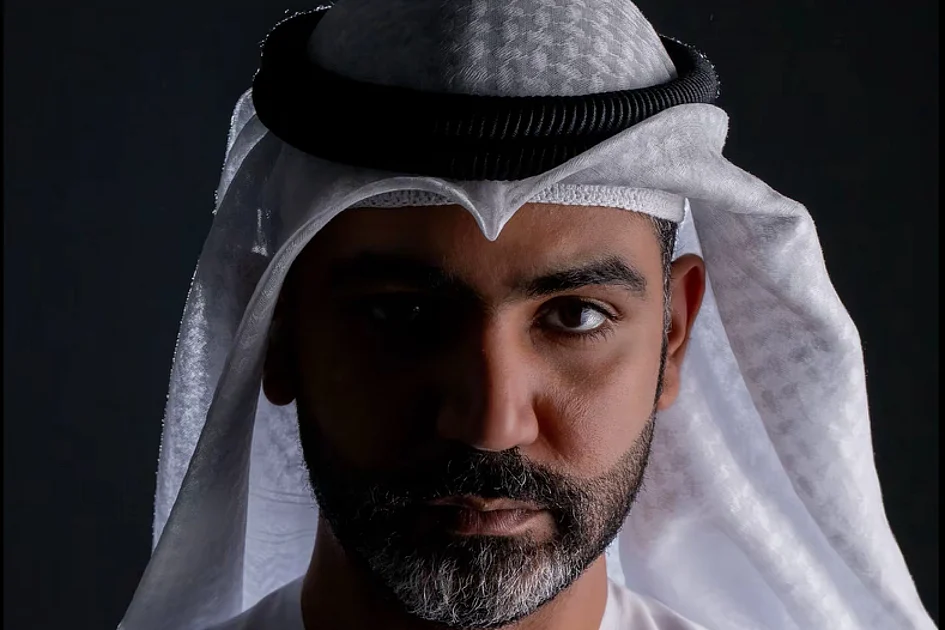
    What originated as an impromptu family photography session has evolved into a distinctive cultural phenomenon in Sharjah, thanks to the creative vision of 35-year-old Emirati photographer Muhammad Al Mazmi. The Al Jada roundabout, once merely a traffic intersection, has transformed into an unofficial gathering point for automotive enthusiasts seeking distinctive photographic portraits of their vehicles against the urban landscape.

    Al Mazmi’s journey into photography began during childhood, sparked by his fascination with preserving memories through imagery. His father introduced him to camera operation at age seven, planting the seeds of what would become a lifelong passion. In 2008, he acquired his first professional camera and subsequently developed a diverse portfolio encompassing portraits, nature, street photography, and cultural events.

    The automotive photography movement emerged unexpectedly approximately one year ago when Al Mazmi visited the roundabout to photograph his brothers’ cars. The spontaneous interest from other motorists prompted him to share his work on TikTok, generating immediate and substantial public response. Followers began identifying him as ‘the photographer of Al Jada,’ establishing his reputation within the community.

    Despite the public nature of his photography sessions, Al Mazmi maintains rigorous ethical standards regarding privacy protection. He explicitly avoids random photography, instead coordinating with subjects through social media platforms or accepting direct requests. This approach enables him to capture not only the aesthetic qualities of vehicles but also the personal narratives and human connections within automotive culture.

    One particularly memorable photograph depicts two individuals exchanging a traditional Emirati nose touch inside their vehicle, illustrating Al Mazmi’s ability to document cultural moments alongside automotive subjects. His scheduling now operates through community requests via Snapchat, where enthusiasts track his appearance dates.

    Looking forward, Al Mazmi intends to continue his roundabout photography sessions, viewing them as a natural extension of his fundamental photographic philosophy: documenting emotions and memories for future reflection. The phenomenon demonstrates how organic community initiatives can redefine public spaces and create unexpected cultural gatherings.

  • ‘Hopes are high’: Dubai event woos Emiratis, expats to invest in Sri Lanka

    ‘Hopes are high’: Dubai event woos Emiratis, expats to invest in Sri Lanka

    Dubai has become the focal point for Sri Lanka’s ambitious campaign to attract foreign investment from the United Arab Emirates, with government officials and financial experts presenting the island nation as a prime destination for capital deployment. At the Invest Sri Lanka Investor Forum held in Dubai, representatives highlighted the country’s remarkable economic turnaround and diverse investment prospects.

    Sri Lankan authorities emphasized their nation’s exceeding of fiscal and economic targets over the past two years, coupled with comprehensive modernization initiatives and digital transformation of government services. These developments have created what officials describe as a ‘more stable and predictable’ investment environment, supported by streamlined governance frameworks and attractive incentives including tax holidays.

    Investment opportunities span multiple sectors, with tourism emerging as particularly promising. Naveen Gunawardane, Managing Director and Co-Founder of Lynear Wealth Management, identified significant potential in developing resort areas beyond Colombo, noting a shortage of quality accommodations in coastal regions. ‘There’s a massive opportunity over the next couple of years for companies to set up hotels in resort areas,’ Gunawardane emphasized, pointing to the Southern coast and Eastern belt as key development zones.

    The construction sector likewise shows strong growth prospects, rebounding from previous contractions with renewed infrastructure projects and increased residential development. Additionally, logistics, agriculture, IT services, energy, and renewable energy present compelling opportunities for UAE investors.

    Professor Arusha Cooray, Sri Lankan Ambassador to the UAE, highlighted the existing bilateral agreements that provide solid legal foundations for investor protection. ‘Sri Lanka is a very attractive destination to invest in, not just in terms of lifestyle, but numerous opportunities now available through government reforms,’ she stated, specifically mentioning Colombo Port City as an emerging financial and trade hub.

    The Central Bank of Sri Lanka projects economic growth between 5-7%, supported by what Governor P. Nandalal Weerasinghe characterized as ‘the right balance of monetary policy.’ The investment push extends beyond major portfolios to include ordinary expatriates, who can participate through mutual funds with initial investments as modest as a few hundred dollars.

    With approximately 350,000 Sri Lankans residing in the UAE—whose remittances contribute significantly to Sri Lanka’s GDP—the campaign leverages both institutional investment channels and individual expatriate participation in the nation’s economic revitalization.

  • Vision for Gaza faces obstacles

    Vision for Gaza faces obstacles

    Jared Kushner, former Middle East adviser to President Donald Trump, has presented an ambitious vision for Gaza’s future featuring modern cities with sleek high-rises, attractive coastline developments, and state-of-the-art port facilities. His presentation at the World Economic Forum in Davos, Switzerland, outlined a rapid reconstruction timeline claiming Gaza’s cities could be rebuilt within three years given adequate security conditions.

    This optimistic projection emerges as world leaders gather to ratify the charter of the Board of Peace, a newly proposed body intended to oversee Gaza’s ceasefire and reconstruction process. However, the initiative faces significant international resistance and skepticism regarding its feasibility and potential implications for global governance structures.

    Major European powers have expressed strong reservations about the Board of Peace, with Spain explicitly declining participation in the initiative. Spanish Prime Minister Pedro Sanchez emphasized the country’s commitment to multilateralism and the United Nations system. European Council President Antonio Costa similarly voiced serious doubts regarding the board’s scope, governance structure, and compatibility with the UN Charter following emergency summit discussions in Brussels.

    Academic experts have raised concerns about the potential undermining of United Nations authority. Ayman Yousef, Professor of International Relations at the Arab American University in Jenin, warned that such alternative bodies could weaken the UN’s mission and legal resolutions regarding the Palestinian question.

    Practical obstacles further complicate the ambitious reconstruction timeline. The United Nations Office for Project Services estimates Gaza contains over 60 million metric tons of rubble—enough to fill nearly 3,000 container ships—requiring more than seven years for clearance alone, not including subsequent demining operations. Rights groups note that rubble clearance and demining activities have not substantially begun due to Israeli restrictions on heavy machinery entry.

    Security concerns present additional complications. Conflict resolution expert Nomi Bar-Yaacov of the Geneva Centre for Security Policy described the high-rise development concept as “unrealistic,” noting Israel would unlikely accept structures providing clear visibility into its military installations near the border. Former US Middle East negotiator Aaron David Miller concluded the initiative lacks both bandwidth and guiding principles necessary for serious international participation.