博客

  • 80 beaches in Sydney, regional NSW to be patrolled by shark drones after ‘unprecedented’ spate of attacks

    80 beaches in Sydney, regional NSW to be patrolled by shark drones after ‘unprecedented’ spate of attacks

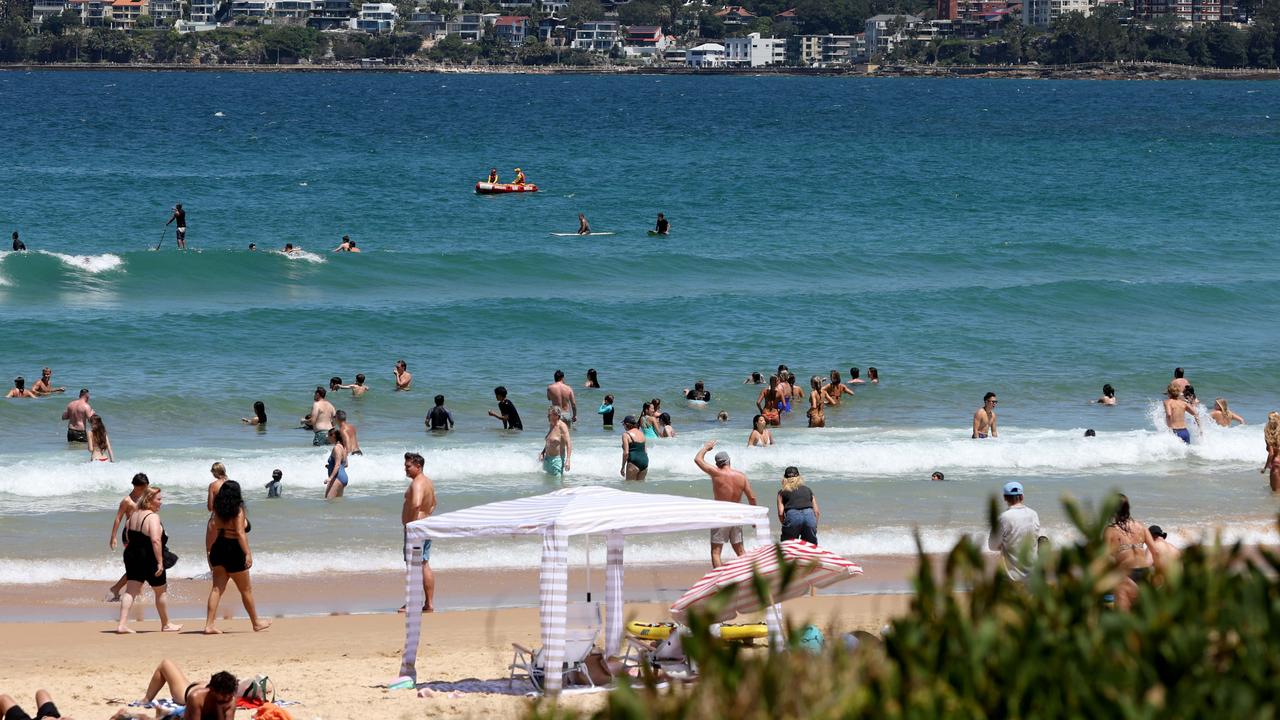
    The New South Wales government is implementing a significant expansion of its shark surveillance capabilities, deploying drone patrols to 80 beaches following what officials describe as an ‘unprecedented’ series of attacks. This emergency response comes after four separate shark incidents occurred within a concerning 48-hour window, including the tragic fatal attack on 12-year-old Nico Antic.

    The comprehensive $4.2 million funding package will dramatically enhance existing monitoring systems, adding 30 new patrol locations to the current network of 50 beaches covered by Surf Life Saving NSW’s drone operations. The expansion includes 19 Sydney beaches and 11 regional sites, creating the largest drone surveillance program in the southern hemisphere. From January 24 through the end of the April school holiday period, these aerial patrols will operate seven days per week, providing approximately 35,000 additional flight hours of monitoring.

    Beyond drone deployment, the initiative includes installing advanced shark listening stations in Sydney Harbour designed to provide rapid detection of tagged sharks. The scientific component of the program will focus specifically on bull sharks, investigating their population dynamics in Sydney Harbour, movement patterns, and potential high-risk periods.

    NSW Agriculture Minister Tara Moriarty emphasized that recent shark incidents following storm activity and heavy rainfall underscore the critical need for clear, practical safety information for beachgoers. ‘This funding will help expand drone surveillance, improve education and ensure timely warnings, so swimmers and surfers can make informed decisions about when to enter the water,’ Moriarty stated, while acknowledging that the measures do not constitute a ‘silver bullet’ solution.

    The enhanced surveillance comes as Surf Life Saving NSW CEO Steve Pearce reported that seven beaches were closed on a single Saturday following ten shark sightings. During the 2025/26 summer period, drone operations have already identified 461 sharks, triggering 170 countermeasures including beach evacuations, siren alerts, and rescue vessel deployments.

    The technology upgrade will enable semi-autonomous drone operations managed from a central headquarters, while the existing shark management tools—including 305 drumlines across 19 local government areas, 51 seasonal shark nets, and 37 existing listening stations—will remain operational. This expansion follows previous government trials removing shark nets at several beaches after scientific assessments questioned their effectiveness at preventing bites while creating a false sense of security.
  • Middle East shows resilience as global bond sell-off hits markets

    Middle East shows resilience as global bond sell-off hits markets

    Amid a turbulent week for global fixed-income markets, the Gulf Cooperation Council (GCC) nations have demonstrated remarkable resilience against a widespread bond sell-off that originated in Japan and rippled through major economies. While regional debt instruments experienced modest yield increases, the fundamental strength of Middle Eastern economies has contained the financial contagion to manageable levels.

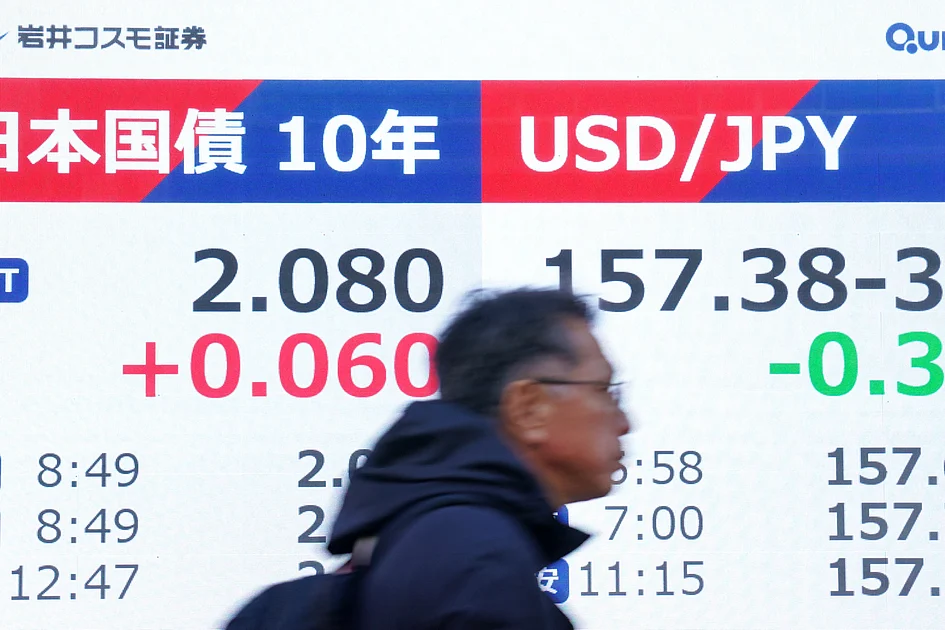
    The market volatility commenced when Japanese Government Bond (JGB) yields surged dramatically following Prime Minister Sanae Takaichi’s unexpected announcement of a snap election coupled with ambitious stimulus and tax-reduction proposals. This triggered a chain reaction that subsequently impacted US Treasuries and European sovereign debt, creating one of the most significant fixed-income disruptions in recent months.

    According to Emirates NBD’s Market Economics analysis, the 10-year JGB yield climbed to 2.296%, representing an 11 basis point weekly increase and nearly 25 basis points since January’s commencement. More dramatically, 30-year Japanese yields escalated by 28 basis points in just one week and approximately 40 basis points year-to-date.

    The contagion effect extended to US Treasury markets, where geopolitical tensions exacerbated the sell-off. President Donald Trump’s continued threats of tariffs against European allies contributed to the uncertainty, pushing the 10-year Treasury yield upward by 5 basis points to 4.276% with an 11 basis point increase since January began.

    Middle Eastern markets experienced comparatively moderate impact. Saudi Arabia’s 2036 USD bond witnessed a 6 basis point yield increase to 5.026%, while the UAE’s 2034 dollar-denominated bond rose 5 basis points to 4.385%. Türkiye’s 2036 dollar yield demonstrated the most significant regional movement, jumping 7 basis points to 6.872%. A Bloomberg index tracking regional debt declined approximately 0.5% weekly and 0.7% year-to-date.

    Critical technical factors contributed to this relative outperformance. The GCC region has witnessed substantial bond issuance in January 2026, totaling $28.4 billion as of January 21st—representing 15% of 2025’s total issuance and significantly exceeding the $21 billion raised during the same period last year. This supply dynamic temporarily pressured prices but reflects robust market access rather than structural weakness.

    The fundamental economic architecture of GCC nations provides substantial protection against global financial shocks. Saudi Arabia maintains a debt-to-GDP ratio of merely 33%, while Türkiye stands at approximately 25%—both dramatically lower than advanced economies. Even Bahrain, with a higher debt burden near 150% of GDP, is implementing comprehensive reforms including subsidy reductions, corporate tax implementation, and increased dividends from government-related entities.

    Emirates NBD’s analysis concludes that investor confidence will quickly return to regional markets due to the attractive combination of relatively high yields and strong credit ratings. The institution anticipates that GCC spreads will remain near record lows once global conditions stabilize.

    Edward Bell, Acting Chief Economist and Group Head of Research at Emirates NBD, emphasized that while global volatility persists, regional credit markets possess the necessary fiscal anchors and policy frameworks to withstand turbulence more effectively than their international counterparts.

  • US: ICE agents shoot dead another person in Minneapolis

    US: ICE agents shoot dead another person in Minneapolis

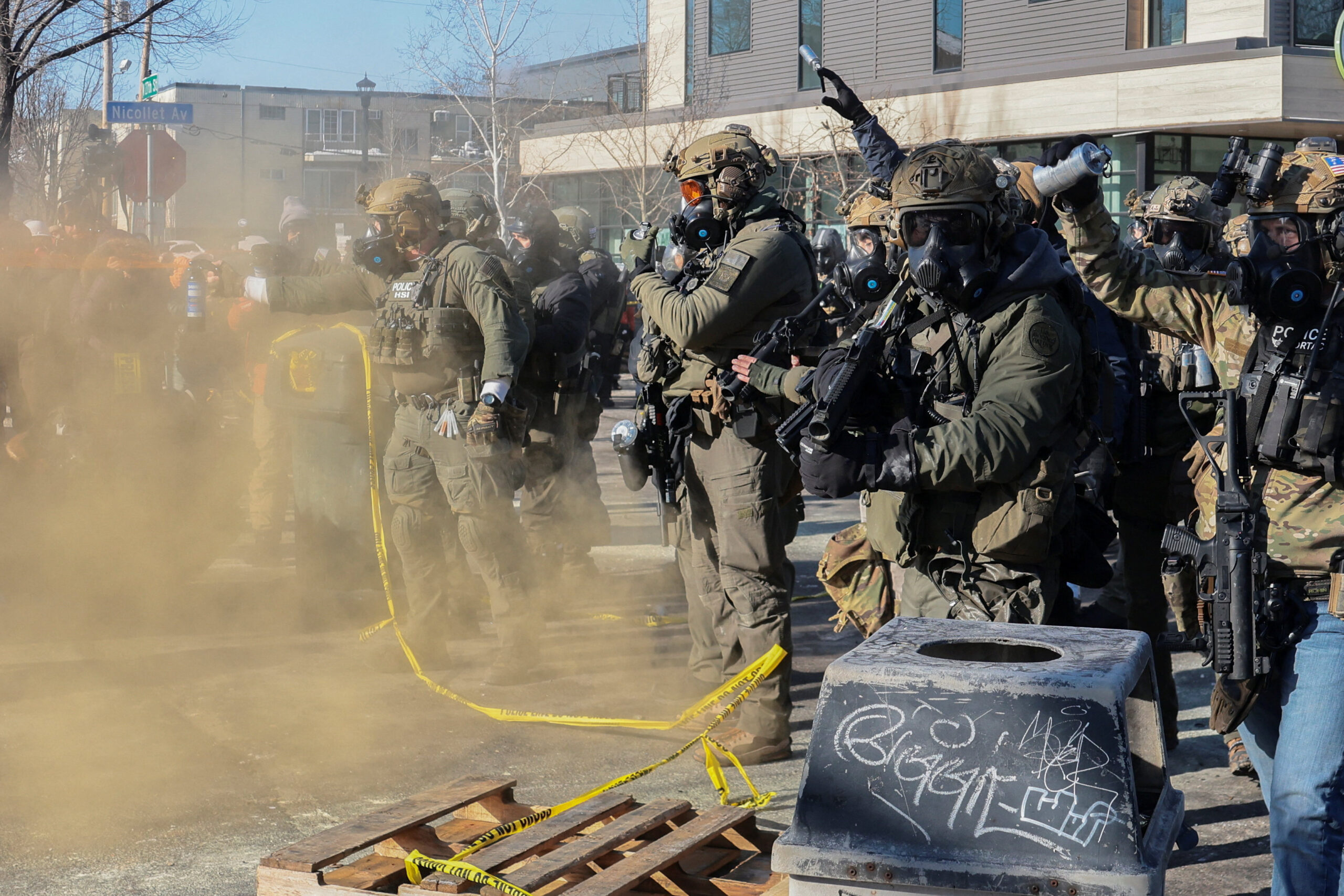
    A federal immigration enforcement operation in Minneapolis escalated into a fatal confrontation on Saturday, resulting in the death of 37-year-old Alex Jeffrey Pretti, a white male U.S. citizen and lawful gun owner with no criminal record. U.S. Immigration and Customs Enforcement (ICE) officers opened fire during what the Department of Homeland Security described as a self-defense response to an armed individual who “violently resisted” apprehension.

    This incident represents the second civilian fatality involving ICE officers in Minneapolis within three weeks, following the recent killing of Renee Nicole Good, a 37-year-old mother of three. The operation has also drawn criticism for the detention of a five-year-old boy alongside his father earlier this week, further inflaming public sentiment.

    Open-source investigative group Bellingcat conducted a detailed analysis of social media footage circulating from the incident. Their examination revealed that agents appeared to remove a firearm from Pretti before the first shot was fired. The analysis further indicated that two different agents discharged their weapons, with at least ten shots heard in total, most occurring while the man lay motionless on the snow-covered street.

    The shooting has triggered widespread outrage and protests across Minneapolis, with state officials demanding accountability. Minnesota Governor Tim Walz characterized the shooting as “horrific” and called for state authorities to lead the investigation, asserting that the federal government “cannot be trusted” with the probe. In a social media post, Governor Walz directly appealed to President Donald Trump to “pull the thousands of violent, untrained officers out of Minnesota.”

    Minneapolis Mayor Jacob Frey condemned the federal operation, stating that “a great American city is being invaded by its own federal government.” Representative Ilhan Omar described the shooting as “an execution” and accused President Trump of transforming Minneapolis into a “war zone.” The incident occurs amid the Trump administration’s intensified nationwide campaign to detain and deport undocumented migrants, which has deployed thousands of ICE agents to the Minneapolis area.

  • Barclays predicts surge in GCC IPOs as UAE strengthens position as global listing hub

    Barclays predicts surge in GCC IPOs as UAE strengthens position as global listing hub

    Barclays projects significant growth in initial public offerings across the Gulf Cooperation Council region as the United Arab Emirates solidifies its position as a premier global listing destination. According to Nikita Turkin, Head of CEEMEA Equity Capital Markets at Barclays, favorable market conditions including declining global interest rates, subdued volatility, and receding inflation are creating an optimal environment for equity capital market activities.

    The GCC region has demonstrated remarkable resilience since its breakthrough year in 2022, maintaining substantial IPO momentum despite periodic market fluctuations. Turkin revealed that more than 50 companies are currently considering public offerings, characterizing this as “one of the strongest IPO pipelines globally.” This robust activity translated to IPOs constituting 45% of total ECM volumes in the previous year, with issuance reaching approximately $12 billion—comparable to 2023 levels.

    Barclays is reinforcing its regional presence through expanded research coverage, enhanced local sales teams, and securing a provisional operating license in Saudi Arabia. This strategic expansion builds upon the bank’s five-decade presence in the Gulf, reflecting long-term commitment to the region’s financial ecosystem.

    The UAE’s exchanges have emerged as particularly dynamic venues, with Turkin praising Dubai Financial Market and Abu Dhabi Securities Exchange for their “commercial and proactive” regulatory approach. He noted that UAE authorities demonstrate exceptional agility in updating regulations to meet market needs, often outperforming major European exchanges in responsiveness.

    This regulatory sophistication is transforming the UAE into a credible alternative to traditional international exchanges, with Turkin predicting that within ten years, companies from beyond the GCC will routinely choose UAE listings. Despite oil price concerns, investors remain focused on fundamental economic factors rather than crude volatility, with the UAE’s non-oil sectors now contributing 70-74% of GDP.

    The region demonstrates growing market maturity through increased utilization of sophisticated financial instruments including accelerated bookbuilds, fully marketed offerings, and rights issues. Cross-border listing activity continues to evolve, with most companies preferring local listings while maintaining flexibility between Saudi and UAE exchanges. For businesses with substantial US growth exposure, American listings remain relevant, but Gulf markets have now firmly established themselves on the global financial landscape.

  • UAE emerges as a global luxury retail powerhouse driven by tourism, neutrality and next‑gen wealth

    UAE emerges as a global luxury retail powerhouse driven by tourism, neutrality and next‑gen wealth

    The United Arab Emirates is solidifying its position as a premier global luxury retail destination, propelled by strategic geopolitical positioning, robust tourism infrastructure, and evolving consumer demographics. According to Deloitte Middle East experts Joerg Meiser and Devi Nilayangode, this transformation results from deliberate economic planning and adaptive retail strategies surpassing traditional luxury capitals.

    The nation’s diplomatic equilibrium serves as a foundational advantage, maintaining strong ties with both Western and Eastern economic powers. Trade data reveals substantial commercial engagement, with UAE-US trade reaching $47.9 billion in 2024 while UAE-China trade approached $95 billion in 2023. This balanced positioning creates a stable environment for luxury retailers operating within global supply chains.

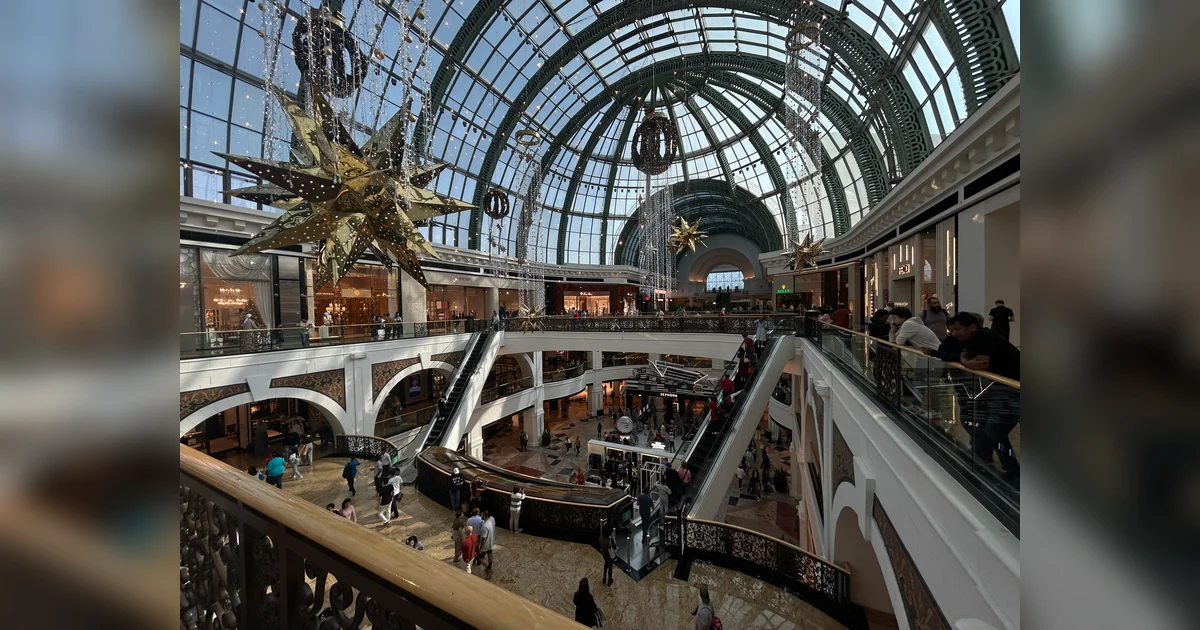
    Beyond geopolitics, the UAE has developed sophisticated retail infrastructure that transcends conventional shopping experiences. Dubai Mall’s Fashion Avenue ranks among the world’s top 15 most expensive retail locations, while tourism-driven retail spending accounts for over 40% of all visitor expenditures. The retail landscape extends beyond flagship destinations to include integrated experiences at Yas Mall, cultural waterfront dining at The Galleria, and emerging hubs in Sharjah and Al Ain.

    Regulatory advancements have further strengthened the sector’s credibility. The UAE’s removal from the FATF grey-list in early 2024 signaled enhanced financial governance, coinciding with the nation’s leading position in attracting high-net-worth individuals worldwide.

    Despite these advantages, the UAE continues developing cultural depth to match established luxury capitals. Unlike Paris and London’s centuries-old fashion institutions, the Emirates are consciously building cultural legitimacy through initiatives supporting immersive activations and high-value experiences.

    Capturing the lucrative Chinese luxury market represents a particular opportunity, requiring retailers to adopt digital-first engagement strategies and Mandarin-language services. Meanwhile, family enterprises that traditionally dominated Gulf retail must modernize governance structures and digital capabilities to remain competitive.

    The future luxury landscape will increasingly prioritize experiential consumption, wellness integration, and personalized omnichannel engagement. As global wealth transfers to younger generations valuing experiences over mere transactions, the UAE’s evolving ecosystem positions it as both a shopping destination and innovation launchpad for the luxury industry’s next chapter.

  • Dr. Sultan Ahmed Al Jaber tops 2026 ICIS top 40 power players

    Dr. Sultan Ahmed Al Jaber tops 2026 ICIS top 40 power players

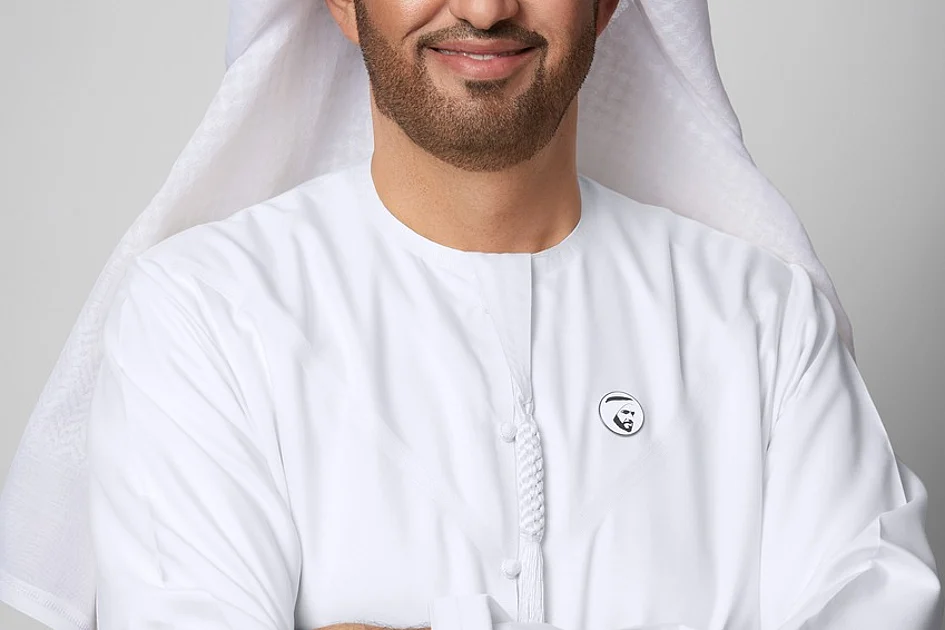
    Dr. Sultan Ahmed Al Jaber, UAE Minister of Industry and Advanced Technology and CEO of ADNOC, has secured the premier position in the 2026 ICIS Top 40 Power Players list, recognizing his exceptional leadership in shaping the global chemical industry. This prestigious ranking by Independent Commodity Intelligence Services (ICIS) Group highlights executives driving substantial positive impact within their organizations and across the international chemicals sector.

    The recognition follows Dr. Al Jaber’s previous accolade as ICIS CEO of the Year in 2025 and acknowledges his strategic vision in two landmark developments: the creation of Borouge Group International (BGI) and the successful acquisition of German polyurethanes producer Covestro through ADNOC’s investment vehicle, XRG.

    Industry analysts note that the forthcoming merger between Abu Dhabi-based Borouge, Austria’s Borealis, and Canada’s NOVA Chemicals will establish BGI as a dominant force in global polyolefins production. Joseph Chang, Global Editor of ICIS Chemical Business, emphasized that these strategic moves are fundamentally transforming the chemical industry landscape.

    With global chemical demand projected to grow by 70% by 2050, these consolidations position Abu Dhabi as a central hub in the chemicals value chain. XRG’s expansion strategy aims to establish the entity among the world’s top three chemical providers, significantly enhancing the UAE’s industrial capabilities.

    The ICIS selection process evaluates leaders across multiple criteria including project execution, profitability, shareholder value creation, mergers and acquisitions, innovation support, and implementation of environmental, social, and governance (ESG) standards. The global editorial team at ICIS assesses each candidate’s distinction and visionary approach to industry challenges and opportunities.

  • Holcim UAE joins IRENA’s alliance for industry decarbonisation

    Holcim UAE joins IRENA’s alliance for industry decarbonisation

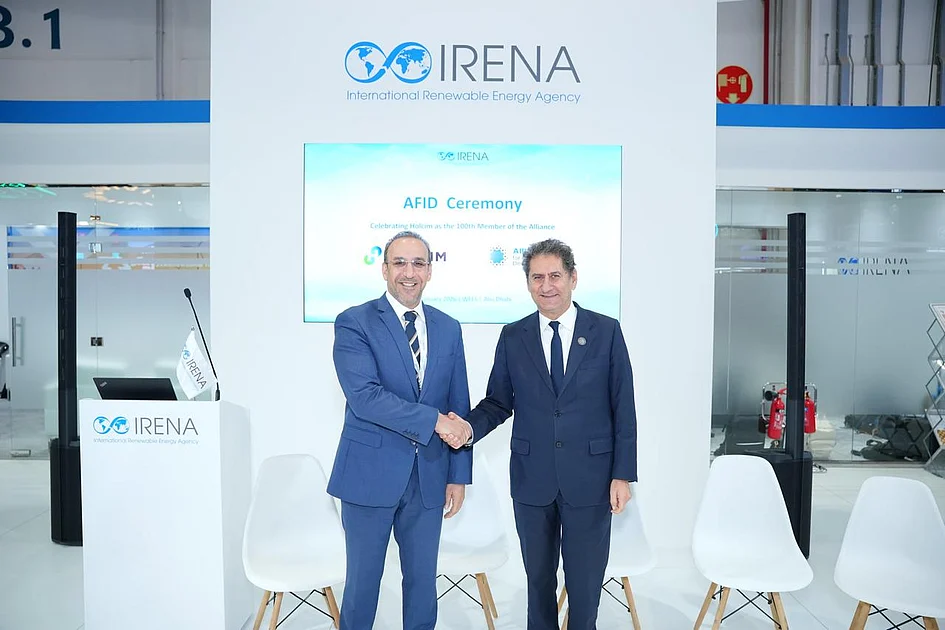
    In a significant move to accelerate industrial decarbonization, Holcim UAE has officially become a member of the Alliance for Industry Decarbonization (AFID), an initiative spearheaded by the International Renewable Energy Agency (IRENA). The membership was formalized during Abu Dhabi Sustainability Week in January 2026, marking a strategic evolution in the company’s sustainability journey from operational improvements to sector-wide leadership.

    The AFID coalition brings together governments, international organizations, and leading industrial players to implement transformative technologies and practices across hard-to-abate sectors. Holcim’s participation enables the company to contribute its substantial expertise in sustainable building materials and solutions to policy dialogues that will shape the future of industrial activity in the UAE and beyond.

    According to Ali Said, CEO of Holcim UAE and Oman, “Industry decarbonization requires practical action at scale, supported by the right policy direction. Joining AFID allows Holcim to engage at that intersection, bringing perspective shaped by practical experience to conversations that matter for the UAE’s low-carbon future.”

    The alliance focuses on multiple priority areas including renewable energy adoption, carbon capture utilization and storage, circular economy principles, green hydrogen development, human capital development, and climate-aligned finance. These initiatives align closely with Holcim’s long-term sustainability strategy, which integrates environmental considerations throughout its operations, investment decisions, and value chain partnerships.

    This collaboration represents a concerted effort to bridge the gap between industrial implementation and policy development, ensuring that regulatory frameworks and investment signals are informed by real-world industrial experience and practical decarbonization challenges.

  • Paolo Maldini adds his name to growing list of global celebrities setting up base in the UAE

    Paolo Maldini adds his name to growing list of global celebrities setting up base in the UAE

    Italian football legend Paolo Maldini has joined the growing roster of international celebrities establishing strategic investments in the United Arab Emirates, specifically aligning with Ras Al Khaimah’s rapidly expanding luxury hospitality sector. The AC Milan icon has partnered with RRS International Development for the launch of NH Collection Ras Al Khaimah Al Marjan Island Hotel & Apartments, a $100 million mixed-use development scheduled for completion in 2027.

    In an exclusive interview, Maldini revealed his attraction to the project stemmed from a personal introduction to RRS’s founders and their straightforward, founder-led methodology. ‘The approach felt genuinely serious—focused on destination development, hospitality concepts, and long-term asset growth without unnecessary pressure or theatricality,’ Maldini stated.

    The former defender emphasized Ras Al Khaimah’s unique appeal compared to other emirates, noting its ‘calmer rhythm, natural surroundings, and accessibility.’ He described the emirate as a place that ‘integrates seamlessly into real life rather than representing a complicated plan.’

    Market data substantiates Maldini’s investment rationale. Ras Al Khaimah’s real estate market demonstrated remarkable performance throughout 2025, achieving double-digit growth fueled by investor demand, luxury developments, and vigorous off-plan activity. Apartment sales prices escalated by 30.4%, while villa prices witnessed an extraordinary 41.9% increase.

    According to CBRE analytics, the emirate registered a 39% year-on-year surge in residential prices during Q1 2025, predominantly driven by branded and waterfront developments, particularly those situated on Al Marjan Island. This artificial archipelago has emerged as the epicenter of buyer demand, with average apartment prices climbing 21.3% to Dh1,328 per square foot in 2025.

    Maldini perceives Al Marjan Island as cultivating a distinctive identity rather than merely constructing a skyline, creating hospitality and leisure experiences designed to encourage repeat visits and sustain long-term value. Enhanced infrastructure, including significant road-capacity improvements between Dubai and Ras Al Khaimah expected to reduce travel time by 45%, further bolsters investor confidence.

    The broader economic context provides additional momentum, with Ras Al Khaimah’s economy projected to maintain approximately 4% annual growth through 2027, supported by sustained tourism and real estate investment. The upcoming Wynn Al Marjan Island integrated resort development further reinforces these favorable conditions.

    Maldini articulated his investment philosophy, contrasting boutique luxury with mere extravagance: ‘Authentic luxury isn’t about quantity—it’s about quality. This project exemplifies curated design and a serene atmosphere rather than excessive opulence.’

    The developer’s decision to retain approximately 50% of the inventory signaled strong confidence in the asset’s long-term appreciation potential, a factor that significantly influenced Maldini’s participation.

    Beyond individual endorsement, market metrics paint a compelling picture. Ras Al Khaimah’s property transactions doubled to Dh15.08 billion in 2024, reflecting intensifying international investor interest. The market maintains competitive rental yields, with Al Marjan Island apartments delivering approximately 5.75% gross yields alongside annual capital appreciation of 15-20% in premium segments.

    Maldini summarized his cross-industry perspective: ‘In football, discipline creates longevity. In real estate, discipline creates value.’ With disciplined developers, increasing global attention, and an evolving luxury-hospitality ecosystem, Ras Al Khaimah—and particularly Al Marjan Island—appears positioned for its most robust investment cycle to date.

  • Cosmetic surgeon sorry for picking apart singer Troye Sivan’s looks on TikTok

    Cosmetic surgeon sorry for picking apart singer Troye Sivan’s looks on TikTok

    A London-based cosmetic surgeon has ignited a significant conversation about medical ethics and body image after publicly analyzing pop star Troye Sivan’s appearance without consent. Dr. Zayn Khalid Majeed, who boasts over 250,000 social media followers, posted a two-minute video dissecting what he termed “problem areas” in the 30-year-old singer’s facial structure following a red carpet appearance in Australia.

    The video, which employed comparative imagery of Sivan throughout his career, introduced the concept of “twink death” – referring to the perceived aging of individuals who previously embodied a youthful, boyish aesthetic. Dr. Majeed proceeded to outline various cosmetic procedures including dermal fillers and skin boosters that could theoretically “retwinkify” the artist, framing his analysis within a hypothetical patient consultation scenario.

    This unsolicited medical commentary prompted immediate backlash from both fans and general social media users. The situation escalated when Sivan himself responded through a heartfelt Substack essay, revealing how the video had exacerbated long-standing body image insecurities and nearly pushed him toward considering cosmetic interventions. “I’ve struggled with my body image for a lot of my life, as I’m sure most people have,” the singer wrote, questioning the societal pressure to “fix all of these flaws that this random plastic surgeon told me I have.”

    Following the widespread criticism, Dr. Majeed removed the content from his TikTok and Instagram platforms and extended a personal apology to Sivan, which the singer described as “thoughtful and sweet.” In subsequent statements to BBC Newsbeat, the cosmetic practitioner expressed regret for the distress caused while maintaining his educational intent. “I felt terrible and it was never my intention to make him feel like that,” Majeed acknowledged, adding that he now recognizes how his content might contribute to negative beauty standards.

    The incident has stimulated broader discussion about ethical boundaries in medical social media content. Samantha Rizzo, a New York-based content creator focused on skin positivity, distinguishes between consensual educational content and unauthorized celebrity analysis: “I appreciate if you’re using your clients and they consent to their before, during, after photos. I feel a little icky when they’re just taking the celebrity’s picture. Just because they’re famous doesn’t mean you have the right to just pick them apart.”

    Rizzo speaks from personal experience, having undergone Botox injections that resulted in limited facial movement after being influenced by online content. She reflects that “the things you can see can skew your perception of yourself so much that it forces your hand for a decision like that.”

    Irish social media personality Keelin Moncrieff further emphasizes the impact on young audiences, noting that even well-intentioned transparency about procedures can inadvertently endorse them. “People can’t make up or fill in the gaps of what they’re not seeing behind the scenes,” she observes. “People think that this is an easy process.”

    Despite the controversy, Dr. Majeed indicates he will continue creating celebrity-focused content, believing there remains substantial public interest in “demystifying surgeries that celebrities have.” However, he now pledges to leverage his platform to promote body positivity and natural aging processes, stating: “I have a voice and I need to use it to shape conversations for the better.”

  • Man shot by federal agents in Minneapolis has died: US media

    Man shot by federal agents in Minneapolis has died: US media

    Minneapolis police have confirmed the death of an armed individual following an officer-involved shooting with federal agents on Saturday, January 24, 2026. The incident, which occurred under circumstances yet to be fully disclosed, has drawn sharp criticism from Minnesota Governor Tim Walz who characterized it as “another horrific shooting.

    The Department of Homeland Security acknowledged through an official statement that the individual was armed during the confrontation with federal agents. However, the agency declined to provide specific details regarding the sequence of events leading to the shooting or to formally confirm the fatality at this time.

    This tragic event unfolds less than three weeks after the fatal shooting of Renee Good in the same city, raising concerns about patterns of violence and law enforcement responses in the community. The proximity of these incidents has sparked renewed attention on use-of-force protocols and public safety measures in Minneapolis.

    Local authorities have initiated investigations into the circumstances surrounding the shooting, while community leaders await transparent disclosure of facts from the involved federal agencies. The incident represents another chapter in the ongoing national conversation regarding law enforcement practices and civilian interactions.