博客

  • China sets a lower economic growth target of 4.5% to 5% for this year

    China sets a lower economic growth target of 4.5% to 5% for this year

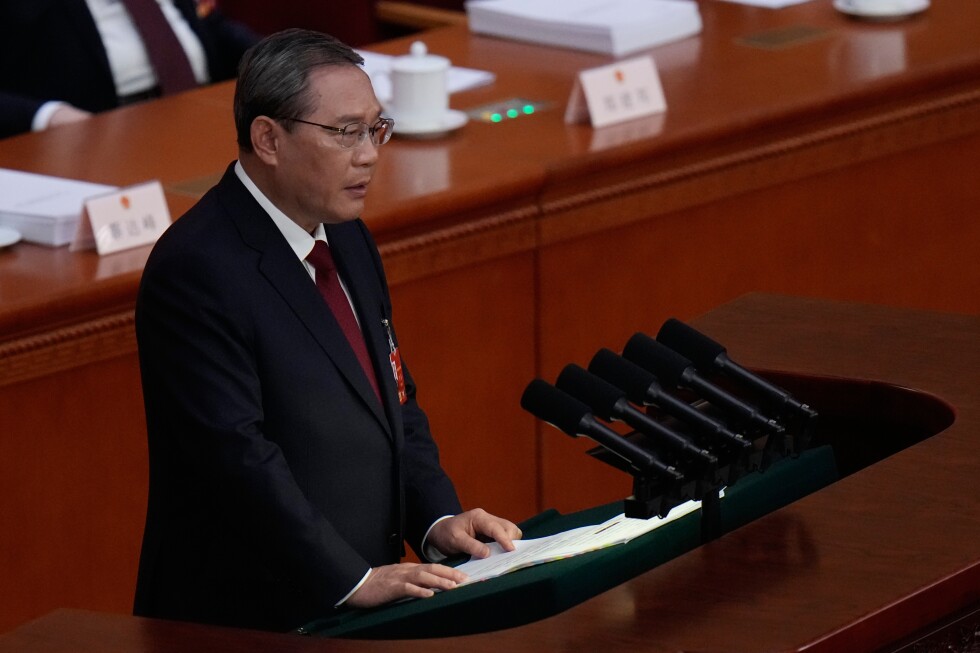
    BEIJING — In a strategic move to navigate complex domestic and global economic challenges, the Chinese government has established a flexible growth target range of 4.5% to 5% for the current fiscal year. The announcement was delivered by Premier Li Qiang on Thursday during his keynote address at the inaugural session of the National People’s Congress, the country’s top legislative body.

    This calibrated objective represents a modest downward adjustment from the consistent 5% benchmark maintained over the preceding three years. The decision reflects a pragmatic approach by policymakers confronting a protracted downturn in the real estate sector, persistent external uncertainties, and fluctuating international demand.

    Analysts interpret the introduction of a target band, as opposed to a fixed figure, as a deliberate policy mechanism. It grants authorities enhanced operational flexibility to implement responsive fiscal and monetary measures throughout the year, adapting to evolving economic conditions. The official government work report explicitly framed the goal as aiming for the upper limit of this range, “while striving for better in practice,” signaling an underlying ambition to maximize performance.

    The revised target follows an official economic expansion of precisely 5% in 2023. This new guidance is widely perceived as an effort to balance the dual objectives of sustaining stable development and managing systemic risks, particularly those emanating from the beleaguered property market and trade tensions.

  • Exclusive: Iranian girls killed by ‘double-tap’ strikes on Minab school

    Exclusive: Iranian girls killed by ‘double-tap’ strikes on Minab school

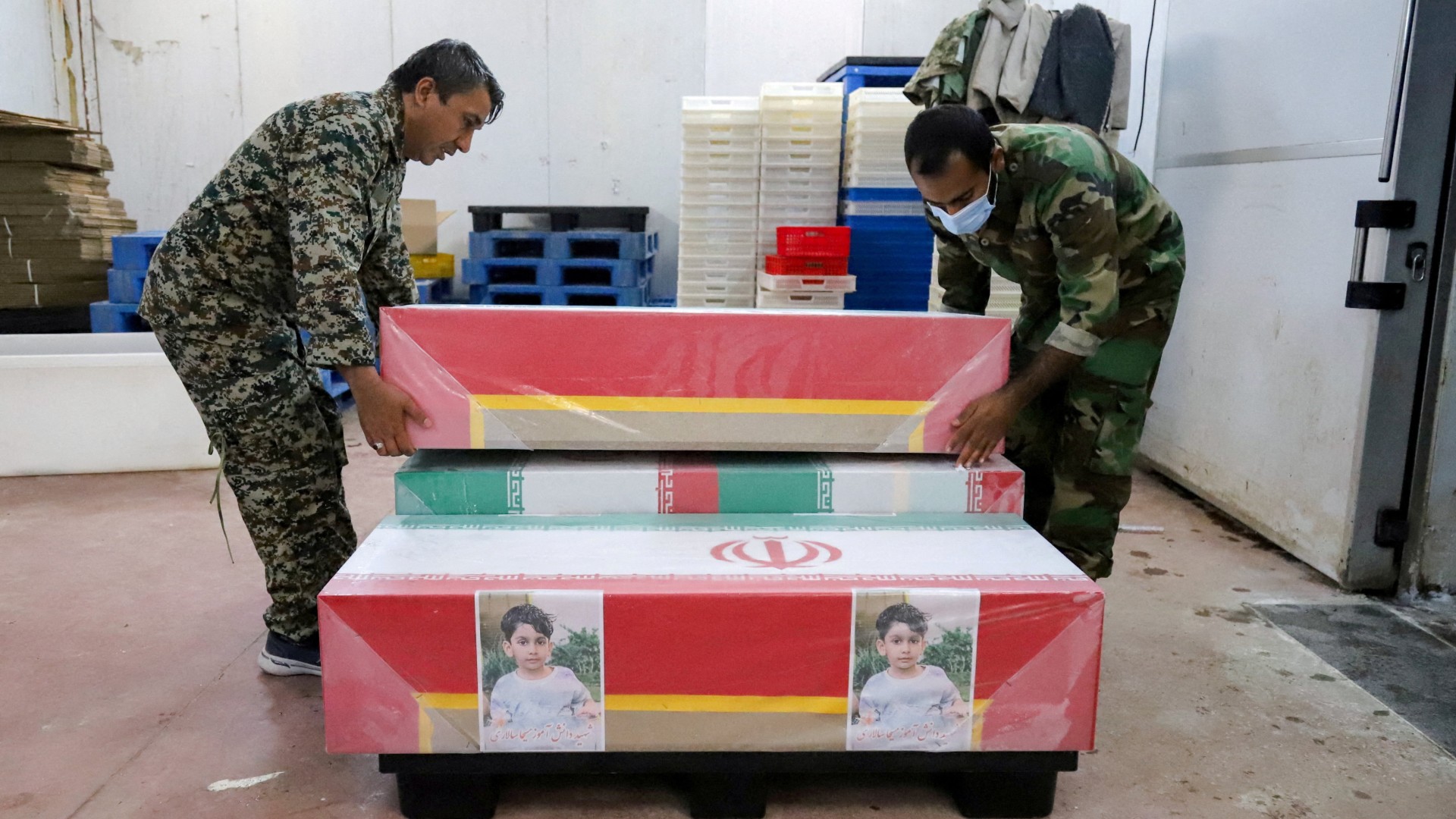
    A horrific attack on Shajareh Tayyebeh girls’ school in Minab, southern Iran, has resulted in the deaths of 165 individuals, predominantly girls aged 7-12, according to local officials. Multiple firsthand accounts from first responders and grieving parents describe a ‘double-tap’ strike pattern, with a second missile deliberately targeting survivors and rescue personnel.

    Eyewitness accounts from Red Crescent medics reveal a devastating sequence of events. Following an initial explosion, school administrators moved students to a prayer hall for safety and contacted parents for evacuation. The second strike then targeted this exact shelter area, resulting in catastrophic casualties. Approximately 170 students were present during the Saturday morning attack, which coincided with broader US-Israeli military operations against Iranian targets.

    The attack’s aftermath revealed scenes of utter destruction. A Red Crescent medic described encountering ‘bodies without heads, without hands, without legs,’ with dozens of severed limbs scattered throughout the school grounds. The devastation was so severe that 69 victims remain unidentified, requiring DNA testing for proper identification. Some parents could only recognize their children through personal effects such as gold bracelets or school bags.

    Rohollah, father of a slain student, recounted receiving a call from the school after the first strike. His daughter had survived the initial explosion only to be killed in the second attack while sheltering in the prayer hall. ‘We could only identify her from her school bag, which she was still holding. She was completely burned,’ he told Middle East Eye.

    The term ‘double-tap strike’ describes a military tactic considered a war crime under international law, previously documented in conflicts involving US and Israeli forces. Social media videos from Tehran and other locations suggest similar attack patterns occurring throughout Iran during recent hostilities.

    While some misinformation circulated suggesting Iranian forces bombed the school, this has been conclusively debunked. Satellite imagery confirms separate strikes on Islamic Revolutionary Guard Corps (IRGC) facilities approximately 200 meters from the school, but analysis indicates these could not have caused the catastrophic damage sustained by the educational facility.

    The international community has responded with outrage. A UN panel of experts has labeled the school attack ‘deeply disturbing’ and demanded investigation. Iran’s UN ambassador has formally characterized the incident as ‘unjustifiable’ and ‘criminal’ in communications to human rights officials. Both US and Israeli authorities have acknowledged they are investigating the incident but have not responded to specific allegations regarding the double-tap strike pattern.

  • World shares are mixed as oil prices climb higher and Iran launches new attacks

    World shares are mixed as oil prices climb higher and Iran launches new attacks

    Financial markets experienced significant turbulence on Thursday as escalating Middle East hostilities triggered a complex interplay between risk aversion and opportunistic buying. While Asian and European indices posted modest gains, U.S. futures declined following Iran’s renewed missile attacks against Israeli and American targets, marking the sixth day of intensified conflict.

    The immediate market impact manifested through energy markets, with Brent crude surging 1.8% to $82.87 per barrel and U.S. benchmark crude jumping 2.1% to $76.31. This oil price spike renewed inflation concerns and created uncertainty about corporate profitability, particularly as Iran threatened further retaliation and religious leaders issued inflammatory statements.

    Asian markets demonstrated remarkable resilience despite the geopolitical backdrop. South Korea’s Kospi staged a dramatic recovery, soaring 9.6% to 5,583.90 after Wednesday’s historic plunge, triggering multiple trading halts as investors sought bargains. The government responded with emergency measures, activating a 100 trillion won ($68.5 billion) financial stabilization package to curb volatility.

    Other regional markets followed suit with Tokyo’s Nikkei 225 advancing 1.9%, Australia’s S&P/ASX 200 rising 0.4%, and Taiwan’s main index gaining 2.6%. In China, the Hang Seng climbed 0.3% as Premier Li Qiang announced a 4.5-5% growth target at the National People’s Congress, alongside a 7% increase in military spending.

    European markets showed cautious optimism with Germany’s DAX rising 0.2%, France’s CAC 40 up 0.3%, and Britain’s FTSE 100 adding 0.4%. This contrasted with U.S. futures, where Dow Jones Industrial Average futures fell 0.2% and S&P 500 futures declined 0.1%.

    The dollar strengthened to 157.16 yen, reflecting its status as a safe-haven currency during geopolitical uncertainty. Stephen Innes of SPI Asset Management noted that ‘the dollar remains the market’s preferred storm shelter’ during periods of global uncertainty, as capital gravitates toward the deepest liquidity pools.

    Market analysts characterized the previous day’s U.S. rally as a ‘classic relief rally’ rather than a sustained turnaround, with investors remaining cautious about prolonged conflict implications for inflation and economic stability.

  • Fisherman’s body pulled from water at Lord Howe Island

    Fisherman’s body pulled from water at Lord Howe Island

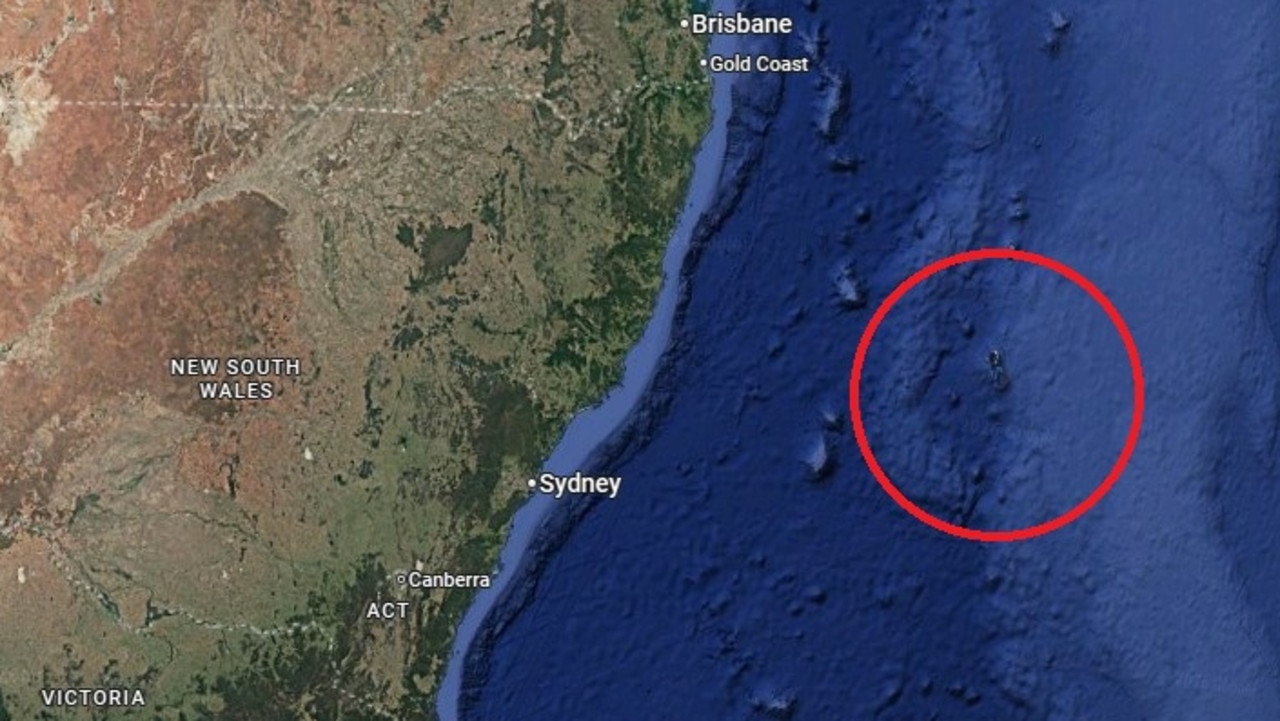
    A devastating maritime incident has resulted in the death of a fisherman in the waters surrounding Australia’s remote Lord Howe Island. The tragedy unfolded on Wednesday afternoon when emergency services were alerted to a body sighted floating near Clear Place Point along the island’s eastern coastline.

    New South Wales police confirmed that responders were dispatched approximately at 5:00 PM following a triple-0 emergency call reporting the discovery. The victim, identified as a 51-year-old man, was located in proximity to a rock fishing platform where personal angling equipment was subsequently found.

    Despite immediate recovery efforts conducted jointly by NSW Police and State Emergency Service personnel, medical professionals at Gower Wilson Memorial Hospital were unable to resuscitate the fisherman upon arrival. The body has been transferred to hospital facilities while authorities commence standard investigative procedures.

    As an official territory under the administration of the Lord Howe Island Board—which operates under the jurisdiction of the NSW state government—the island now becomes the focus of a coronial investigation led by NSW Police. Standard protocol requires that all evidence and circumstances surrounding the death be documented for the coroner’s review.

    The picturesque island territory, situated nearly 800 kilometers northeast of Sydney, is renowned for its world heritage status and pristine natural environment, though its rugged coastal geography presents significant hazards for shoreline anglers. This incident marks another sobering reminder of the dangers associated with rock fishing activities around Australia’s coastline.

  • ‘It’s like walking on your hands’: South Sydney’s left edge is the stuff of nightmares for rival teams, but ‘don’t sleep’ on the other side

    ‘It’s like walking on your hands’: South Sydney’s left edge is the stuff of nightmares for rival teams, but ‘don’t sleep’ on the other side

    South Sydney Rabbitohs are preparing to deploy what commentators have dubbed their ‘Avengers’ formation on the left edge for the upcoming NRL season opener, presenting what appears to be an unstoppable offensive arsenal. The team’s reconstructed left flank features try-scoring phenomenon Alex Johnston on the wing, superstar Latrell Mitchell at center, newly acquired powerhouse David Fifita in the back row, and veteran playmaker Cody Walker directing operations at five-eighth.

    This assembly of elite talent represents a dramatic turnaround from last season’s injury-plagued campaign, with Walker expressing particular excitement about witnessing their coordinated firepower in official competition after recovering from his own physical setbacks. Early trial matches against Manly provided encouraging glimpses of the formation’s potential, though Walker emphasized the strategic balance required between both sides of the field.

    While media attention has focused overwhelmingly on the star-studded left edge, Jack Wighton has issued a pointed warning to opponents about underestimating the right flank. The former Raider, who has spent virtually his entire career on the left side, finds himself in an unfamiliar role at right center, describing the adjustment as ‘like walking on your hands every week.’

    Wighton humorously noted the technical challenges of his positional switch, explaining that ‘everything’s back to front’ regarding passing, stepping, and palming techniques. Despite the learning curve, the seasoned player embraced the team-first mentality while promising that the right edge would serve as the hard-working foundation enabling the left’s flashy offensive production.

    With halfback Jamie Humphreys suspended, young Ashton Ward steps into the pivotal playmaking role alongside the dominant Walker. Wighton praised the rookie’s development and growing confidence in organizing the team and managing field position, highlighting Ward’s effective communication with forwards and ability to secure repeat sets during preparatory sessions.

  • US shifting from precision munitions to 2,000-pound bombs in Iran war, Hegseth says

    US shifting from precision munitions to 2,000-pound bombs in Iran war, Hegseth says

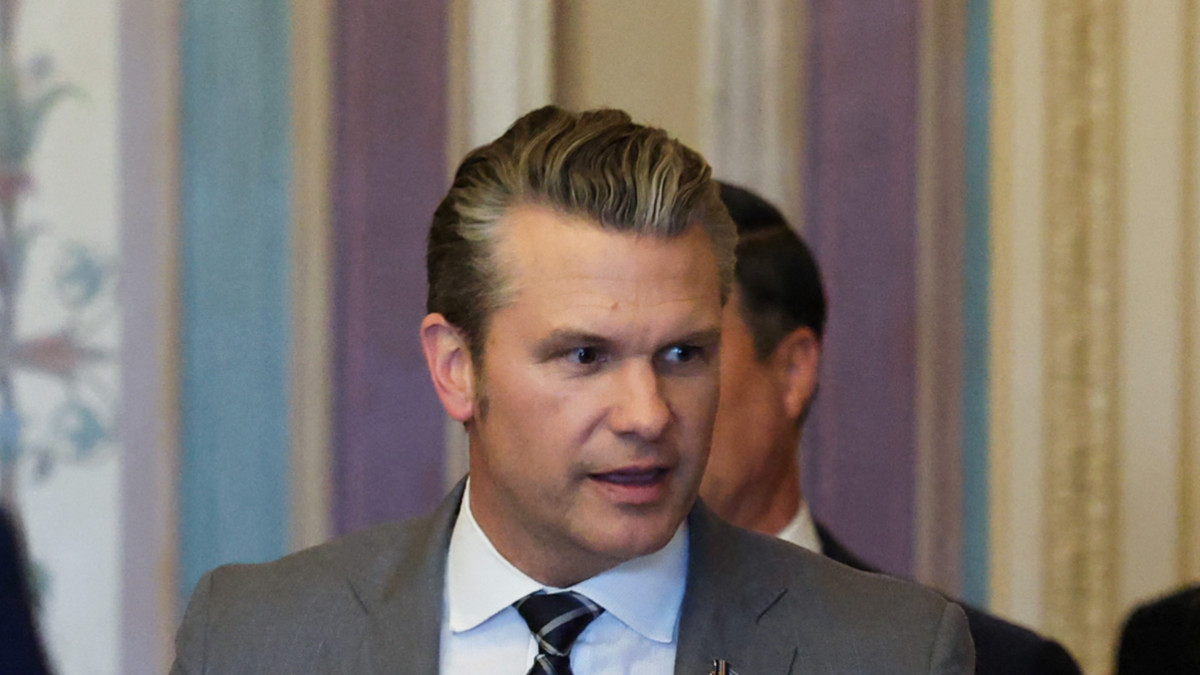
    The United States is transitioning to extensive deployment of conventional gravity bombs following assessments indicating significant degradation of Iranian air defense capabilities, according to US Secretary of War Pete Hegseth’s Wednesday announcement.

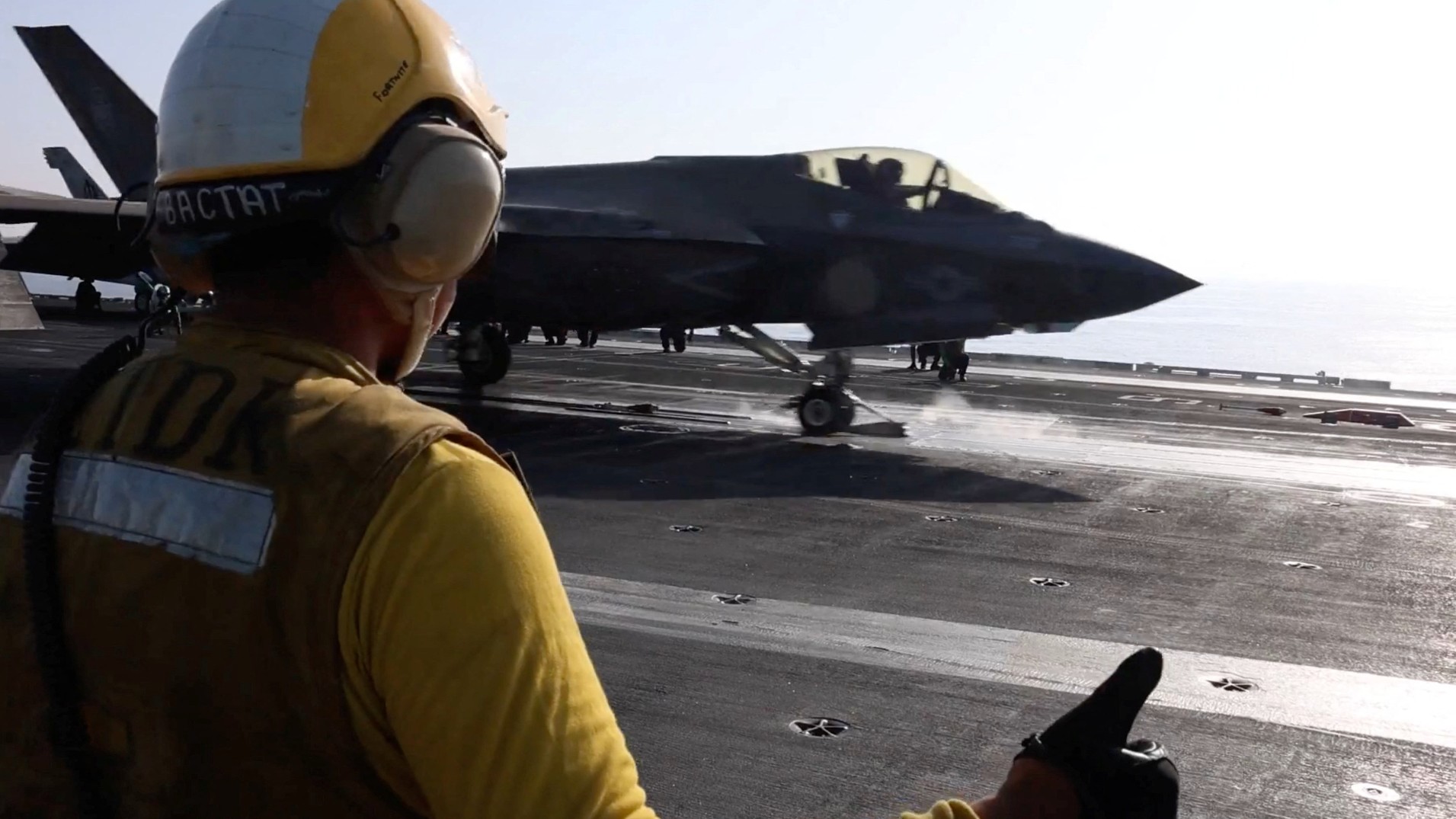
    This strategic shift comes as Washington confronts dwindling precision weapon inventories while maintaining aerial superiority over Iranian airspace. The new operational approach will utilize 500-pound, 1,000-pound, and 2,000-pound GPS and laser-guided bombs from what Hegseth described as a ‘nearly unlimited stockpile.’

    The decision marks a substantial tactical departure from previous reliance on sophisticated standoff munitions including cruise missiles and short-range ballistic missiles. While these advanced systems minimized pilot exposure to enemy defenses, their production demands greater time and financial resources compared to conventional gravity bombs.

    This development follows Middle East Eye’s exclusive reporting that Iran secured Chinese surface-to-air defense systems after the June 2025 US attacks on Iranian nuclear facilities. Despite US claims of complete air dominance, recent incidents suggest lingering Iranian capabilities—including Wednesday’s engagement where an Israeli F-35 reportedly shot down a Russian-made Yak-130 trainer aircraft operated by Iranian forces.

    Military analysts note the bomb strategy serves dual purposes: preserving precision missile inventories while leveraging cheaper alternatives made viable by suppressed air defenses. However, regional allies face growing concerns regarding interceptor shortages as Gulf states exhaust expensive air defense systems protecting urban centers against Iranian retaliation.

    The Pentagon faces global interceptor shortages, leaving Gulf partners awaiting replenishment while Iran simultaneously conserves its advanced ballistic missiles through increased deployment of lower-cost Shahed drones.

  • Israeli security forces believe Iran government ‘not close to collapse’

    Israeli security forces believe Iran government ‘not close to collapse’

    Israeli security officials have concluded that Iran’s ruling establishment remains functionally intact and shows no immediate signs of collapse despite sustaining substantial losses from coordinated US-Israeli military strikes, according to a report by Walla news. A military source within Israeli security forces indicated that Iranian authorities have adapted strategies based on lessons learned during the June 2025 conflict with Israel. While acknowledging Tehran’s military capabilities operate at a ‘moderate to weak’ level with evident operational confusion and significant challenges, the source emphasized that Iran maintains sufficient operational continuity and possesses ready replacements for any eliminated figures. The assessment notes Iran has encountered substantial difficulties in directing precision missile attacks against Israeli targets, resulting in a strategic shift toward increased attacks on Arab Gulf nations. This evaluation emerges amid conflicting statements from US and Israeli leadership regarding ultimate war objectives. President Donald Trump reiterated his administration’s commitment to preventing a nuclear-armed Iran while explicitly encouraging citizens to overthrow their government. Israeli Prime Minister Benjamin Netanyahu echoed similar sentiments predicting a ‘quick and decisive’ action to enable democratic government transition. Conversely, US Defense Secretary Pete Hegseth contradicted this narrative, denying regime change constitutes official war policy. Military officials confirmed approximately 3,500 combined strikes against Iranian targets, while Tel Aviv University’s Institute for National Security Studies reported Iran launched approximately 200 ballistic missiles and 100 drones toward Israel across 123 attack waves, alongside significantly larger deployments—500 ballistic missiles and 2,000 drones—targeting Gulf Arab states, particularly the UAE, indicating Tehran prioritizes regional neighbors despite identifying Israel as its primary adversary.

  • Venezuela and US to work together on mining developments, Rodríguez says

    Venezuela and US to work together on mining developments, Rodríguez says

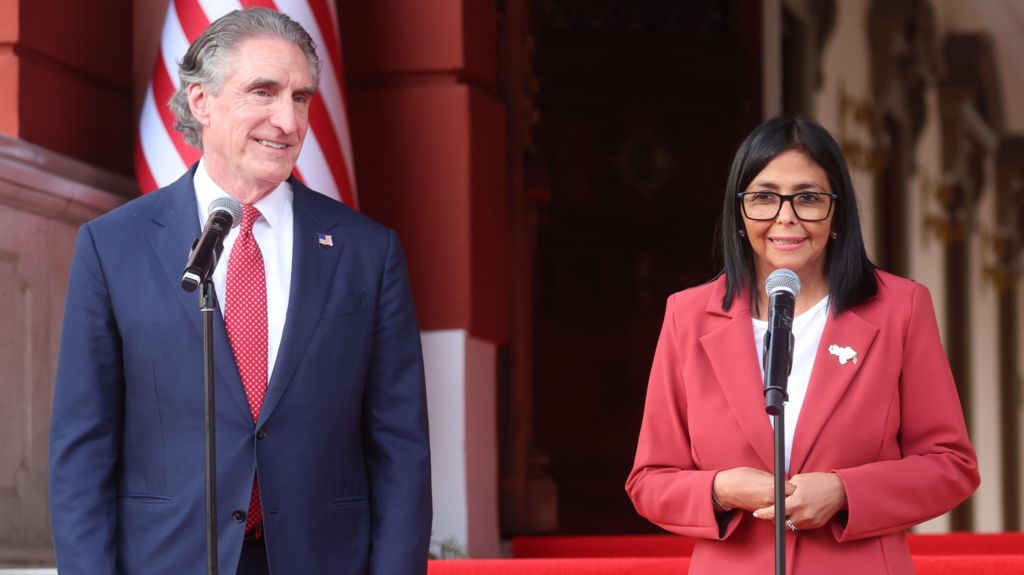
    In a significant diplomatic development, Venezuela’s interim President Delcy Rodríguez and U.S. Interior Secretary Doug Burgum have announced a collaborative framework to revitalize Venezuela’s mining sector. The high-level meeting at Caracas’ presidential palace marks the second visit by a U.S. cabinet official since the January military operation that resulted in the capture of former leader Nicolás Maduro.

    The Rodríguez administration, following recent reforms to attract foreign investment in Venezuela’s oil industry, is now preparing similar legislative changes for mineral extraction. Although specific details remain undisclosed, Congressional leader Jorge Rodríguez (the interim president’s brother) confirmed the reforms would permit major international corporations to exploit Venezuela’s substantial deposits of gold, diamonds, and critical rare earth elements essential for electronic manufacturing.

    This cooperation emerges against a complex backdrop of environmental concerns and criminal allegations. Illegal mining operations have proliferated across Venezuela, drawing condemnation from environmental groups for causing widespread deforestation and pollution. These illicit activities have frequently been linked to criminal organizations and corruption within the previous administration.

    The United States has formally accused Maduro—currently awaiting trial in the U.S. scheduled for later this month—and his associates of operating a criminal network involved in illegal mining and drug trafficking. Maduro has consistently denied these allegations.

    President Trump praised the interim government’s performance, stating Rodríguez is doing a “great job” and maintaining productive relations with U.S. officials. He characterized the bilateral relationship as “wonderful” and highlighted American benefits from accessing “hundreds of millions of barrels of oil” while promising to “make life wonderful for the people of Venezuela.”

    Despite the political transition, the presidential palace remains adorned with portraits of Maduro, including new posters featuring him and his wife with the hashtag “We want them back.”

    In a joint press conference following the meetings, Rodríguez urged Venezuelan legislators to support the impending reforms to enable foreign investment. She notably claimed Venezuela was receiving “top marks… 20 out of 20” in its cooperation with international partners.

    The delegation included representatives from more than two dozen American mining companies, described by Burgum as “some of the biggest, strongest, best mining and minerals companies in the world.” He emphasized that these corporations represent “billions of dollars” in potential investment and the creation of thousands of high-paying jobs for Venezuelans.

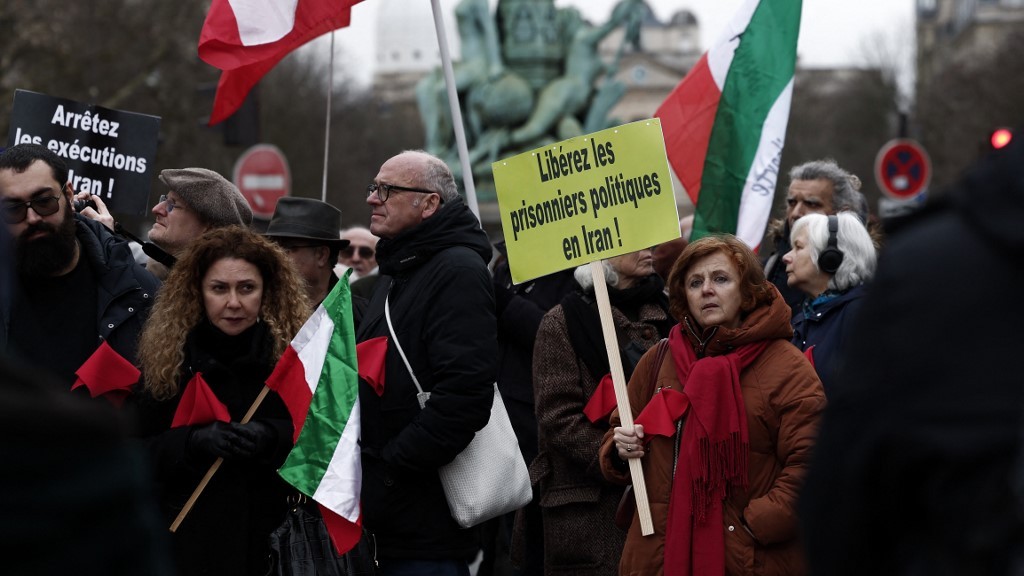
  • Families of Iranian political prisoners fearful of bombs, illness and secret executions

    Families of Iranian political prisoners fearful of bombs, illness and secret executions

    Amid ongoing US-Israeli airstrikes targeting Iranian military installations, grave concerns are mounting for the safety of political prisoners detained across the Islamic Republic. Multiple detention facilities, including the infamous Evin Prison in Tehran, are situated perilously close to military bases and Revolutionary Guards (IRGC) compounds, placing inmates directly in the line of fire.

    The collateral damage extends beyond immediate bombardment risks to include severe shortages of food, water, and medical supplies. Families express additional terror that authorities might exploit the wartime chaos to carry out unreported executions, echoing the 1988 mass killings during the Iran-Iraq conflict.

    Case studies highlight the desperation: The families of Jaber and Mokhtar Alboshoka, Ahwazi Arab cultural rights activists serving life sentences since 2011, have lost contact amid the attacks. Their cousin Kamil, based in London, articulated the dual fear of neglect and covert executions, noting that Sheiban Prison—where Jaber is held—adjoints an IRGC base making it particularly vulnerable.

    Prison conditions, already critical before the conflict, have deteriorated dramatically. The Narges Mohammedi Foundation reports dwindling medical access and food shortages in facilities from Qezel-Hesar to Lakan Prison. Kiana Rahmani, daughter of imprisoned rights campaigner Narges Mohammedi, pleaded for international attention, stating prisoners are ‘trapped between regime brutality and the thunder of explosions.’

    Former inmates confirm catastrophic overcrowding and health crises, with influenza spreading among 4,000 inmates at Sheiban Prison serviced by a single doctor. Minority groups, including Ahwazi Arabs and Kurds, face particular vulnerability, with both US and Israeli leaders attempting to leverage their grievances for geopolitical aims.

    The Kurdish women’s group KJAR expressed skepticism about Western intervention bringing genuine democracy, noting intensified security measures and worsening conditions. With civilian casualties from bombardment already exceeding 1,000, families of political prisoners fight to keep their loved ones from becoming forgotten casualties of war.

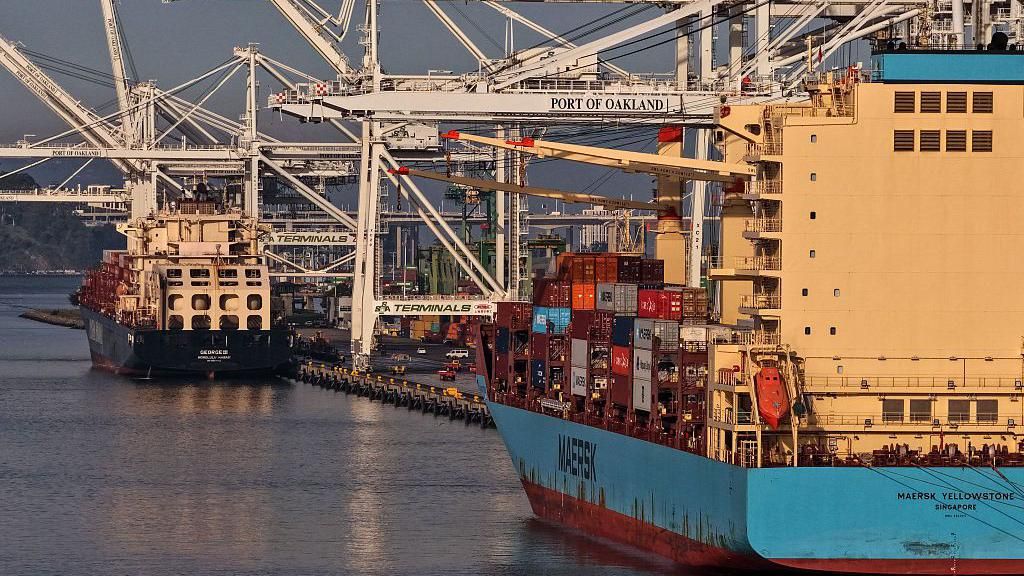
  • Trade court orders tariff refunds in setback for Trump administration

    Trade court orders tariff refunds in setback for Trump administration

    In a significant legal development, the US Court of International Trade has mandated Customs and Border Protection to process refunds for tariffs previously imposed under the International Emergency Economic Powers Act (IEEPA). The ruling comes weeks after the Supreme Court invalidated these levies, creating substantial financial implications for thousands of American businesses.

    Judge Richard Eaton’s decision establishes that all importers of record subjected to IEEPA duties are entitled to reimbursement. The case originated from a legal challenge by Atmus Filtration, a Tennessee-based filtration company, though the ruling applies broadly to affected importers nationwide.

    The court’s directive represents a notable setback for the Trump administration, which had implemented an estimated $130 billion in tariffs through IEEPA authorities. Major corporations including FedEx have pursued litigation seeking full refunds, while small business coalitions like ‘We Pay the Tariffs’ have welcomed the decision as a landmark victory.

    Concurrently, Treasury Secretary Scott Bessent indicated the United States would likely implement a new 15% global tariff this week, replacing the invalidated IEEPA measures. This development follows conflicting statements from President Trump regarding the new rate structure, which originally ranged from 10% to 50% depending on the country of origin.

    The initial tariffs, announced last April as ‘Liberation Day’ measures, triggered extensive trade negotiations as nations sought lower rates through investment commitments and policy changes. The Supreme Court’s rejection of these tariffs last month extended to additional duties imposed on goods from Mexico, Canada, and China.

    Significant procedural questions remain regarding the refund mechanism and the administration’s future trade policy direction. The White House has not yet commented on the court’s ruling.