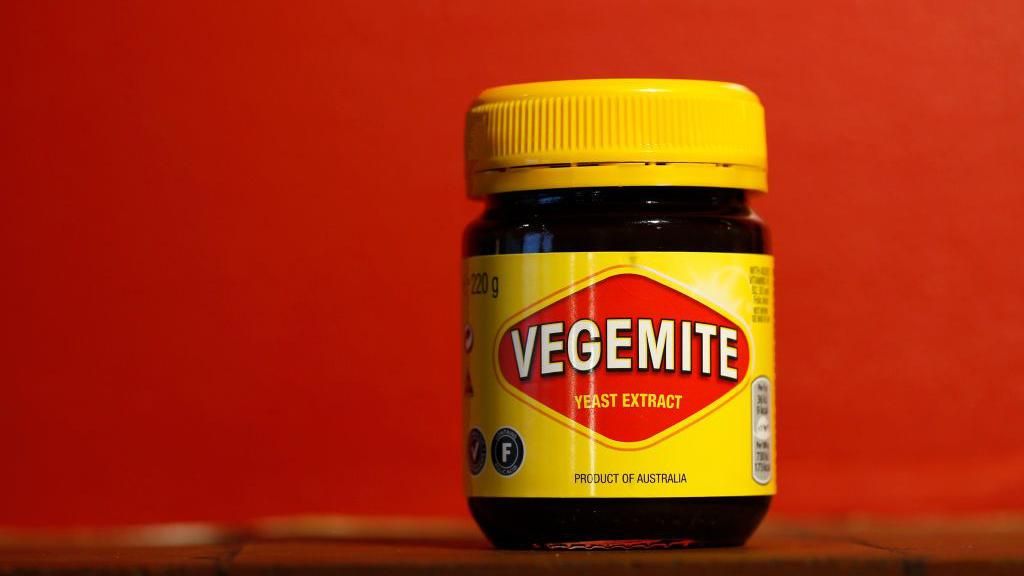
A convicted murderer serving a life sentence in Victoria, Australia, has had his legal challenge to the state’s 18-year prison Vegemite ban formally dismissed by the Supreme Court, marking a definitive end to his attempt to reinstate access to the iconic national yeast-based spread behind bars. 54-year-old Andre McKechnie, who was convicted of stabbing a Queensland property developer to death in the 1990s before being transferred to Victorian correctional facilities after serving part of his sentence in his home state, launched the appeal on two core grounds: first, that the ban infringed on his fundamental right to engage with and enjoy his Australian cultural identity, and second, that the prohibition violated state prison food regulations requiring facilities to provide meals that support inmates’ overall health and psychological well-being. In his ruling delivered Monday, the presiding Supreme Court judge pushed back against both claims, noting that the statutory cultural rights of all incarcerated people are inherently circumscribed by the terms of their court-ordered prison sentence, and that McKechnie had failed to submit sufficient verifiable evidence to prove the Vegemite ban posed a tangible risk to his health or well-being. Correctional authorities in Victoria first implemented the Vegemite prohibition in 2006, citing well-documented operational risks associated with the thick, pungent salty paste. Corrections Victoria representatives presented evidence during the hearing that Vegemite’s extremely strong, distinct scent can overwhelm and distract specially trained sniffer dogs deployed to detect illicit drugs being smuggled into correctional centres, while inmates have also been found to use the spread to mask the odour of hidden contraband, or as a base ingredient for brewing homemade illicit alcohol within prison walls. The ban on Vegemite is not unique to Victoria: the same restriction is already enforced in prison systems across Queensland, South Australia, and Tasmania. Invented in Melbourne in 1923 as a local Australian alternative to the British Marmite spread, Vegemite has evolved far beyond a common breakfast table staple to become a deeply entrenched national cultural symbol, though its status has sparked occasional high-profile international disputes. Most notably, in April of the previous year, a Canadian cafe owner of Australian descent was ordered by local health regulators to remove all Vegemite jars from his shelves for failing to meet domestic food product compliance standards. The row drew public intervention from Australian Prime Minister Anthony Albanese, who publicly labelled the situation “rather odd” given that Canadian authorities had approved the sale of Marmite, Vegemite’s British rival which he dismissed as inferior “rubbish”. The public pressure eventually led Canadian regulators to reverse the ruling, allowing the cafe to resume selling the beloved Australian spread to its customers.
博客
-
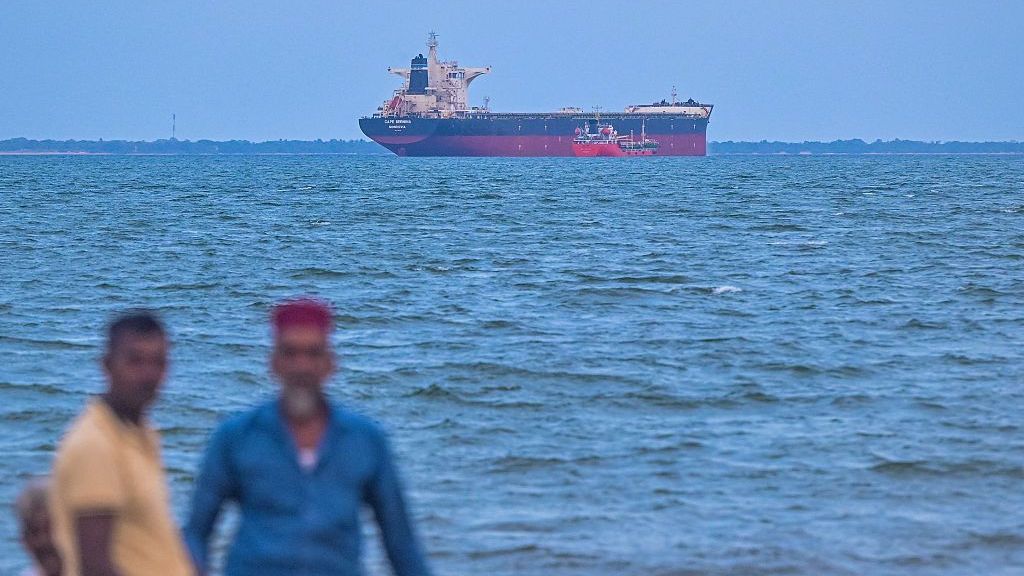
Forty Iranian sailors rescued off Sri Lanka coast after medical emergencies
Colombo, Sri Lanka – Sri Lanka’s Ministry of Foreign Affairs has overseen a coordinated multi-agency operation to deliver emergency medical care and full repatriation for 40 Iranian sailors facing unspecified life-threatening medical crises aboard multiple vessels stranded in international waters off the island nation’s southeastern coastline.
Speaking to BBC Sinhala, foreign ministry spokesperson Thushara Rodrigo confirmed that local authorities first received a formal distress call from the Iranian fleet on a recent Saturday, alerting responders to the urgent on-board medical emergencies. The entire mission was jointly planned in close partnership with the Iranian Embassy based in Colombo, with support from a network of local shipping operators and national maritime regulatory bodies.
The 40 affected sailors were deployed across a group of Iranian vessels that have been trapped at sea for weeks due to a sustained U.S. naval blockade enforced amid the ongoing regional conflict that erupted in February, when U.S. and Israeli forces launched large-scale coordinated strikes on Iranian territory. Tehran retaliated with targeted attacks on Israeli positions, U.S. military installations across the Gulf, and allied regional state assets, while effectively closing the strategic Strait of Hormuz – the world’s busiest maritime chokepoint for global energy and trade flows. Months of subsequent tit-for-tat attacks have continued without pause, after all diplomatic negotiation tracks between the warring parties collapsed earlier this year.
Sri Lanka, which has repeatedly positioned itself as a strictly neutral third party to the conflict, has repeatedly rejected competing military access requests from both U.S. and Iranian officials, and has publicly called on all belligerents to return to the negotiating table to de-escalate tensions. Rodrigo emphasized that the latest rescue operation was driven solely by binding international maritime law obligations and universal humanitarian norms, and does not signify any partisan support for the Iranian fleet or its operations.
“This does not mean that we will provide broader operational assistance to those ships,” Rodrigo clarified, noting that responding to legitimate maritime distress calls is a longstanding, universally accepted global practice. “We have dealt with identical cases before. This is a standard, recurring process that we continue to implement without deviation.”
Earlier last month, a BBC Sinhala field investigation documented no fewer than 21 Iranian vessels anchored in international waters within close proximity to Sri Lanka’s exclusive economic zone. Sri Lankan officials do not currently hold precise data on exactly how many separate ships the 40 recently rescued sailors were serving on at the time of their medical emergencies. All 40 personnel were safely transported to shore, transferred to specialized medical care facilities in Colombo for urgent treatment, and then flown back to Iran on a chartered repatriation flight the same Saturday evening the distress call was received.
The mission follows a string of prior humanitarian interventions Sri Lanka has carried out for Iranian seafarers caught in the crossfire of the regional conflict, including its March response to the sinking of the Iranian vessel Iris Dena, which was hit by a U.S. torpedo off Sri Lanka’s southern coast. That attack killed more than 80 crew members, with surviving injured seamen rushed to medical facilities at Galle Harbour. The day after that incident, Sri Lanka granted docking permission to another Iranian naval vessel, with President Anura Kumara Dissanayake stating publicly that the country would “never hesitate to protect humanity” when lives are at stake.
Just earlier this month, however, Sri Lankan officials told the Associated Press that they had no immediate plans to deliver fuel, food or fresh water aid to 19 nearby Iranian ships that reported critical supply shortages, noting that national interest priorities would guide any decisions on non-medical support for the stranded fleet. -
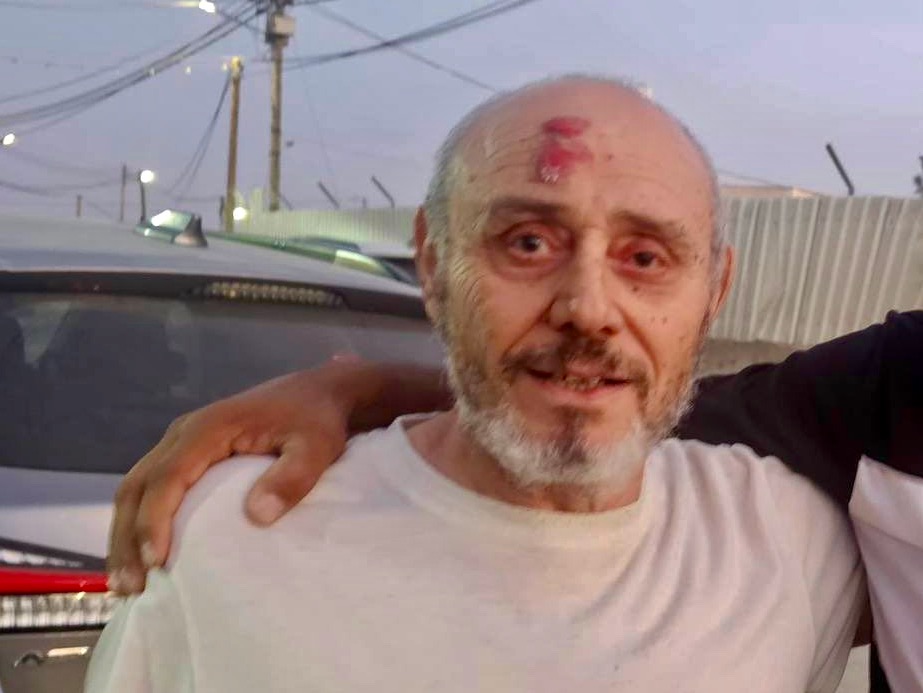
Israeli forces release Palestinian ‘doctor of the poor ‘ with visible signs of abuse
On Sunday, Israeli military authorities freed 71-year-old Palestinian physician Mazen al-Rantisi from Ofer prison, after nearly four months of administrative detention that left clear, visible markers of physical mistreatment on his body. A widely shared social media photo captured moments after his release shows the long-serving community doctor emaciated, with a raw, prominent laceration across his forehead.
Al-Rantisi earned the beloved local nickname “the doctor of the poor” over decades of service, operating a free or low-cost community clinic in the occupied West Bank city of Ramallah where he regularly waived treatment fees for impoverished patients, distributed free essential medications, and opened his doors as a trusted refuge for low-income Palestinian families who could not access formal healthcare. Israeli forces seized him during a pre-dawn raid on his Ramallah residence on June 21, later filing formal charges against him solely for serving as the board chair of the Union of Health Work Committees, a prominent Palestinian non-profit that delivers free and subsidized medical care to tens of thousands of vulnerable Palestinians annually. Prior to his release, al-Rantisi informed his legal team that he had endured repeated physical assault and deliberate medical neglect behind bars, per a documented Haaretz news report. He confirmed prison officials confiscated all of his prescribed chronic care medications for the first 10 days of his detention, and continued to withhold one critical treatment even after he was transferred to the general prison population.
The abuse al-Rantisi described is far from an isolated case, according to testimonies collected by the independent monitoring group Healthcare Workers Watch (HWW). In a public statement Tuesday, Dr. Ahmed Muhanna, director of Gaza’s Al-Awda Hospital who was released from Israeli detention in January after 665 days of captivity, confirmed that Palestinian medical professionals are explicitly targeted for arbitrary arrest and subjected to disproportionate, brutal treatment behind bars. Muhanna lost nearly a third of his total body weight during his extended detention, and reported that multiple Palestinian detainees have died in custody while Israeli prison personnel stood by without intervening. He added that imprisoned healthcare workers are actively barred from administering emergency care to fellow detainees, even when those detainees sustain life-threatening injuries during violent interrogation sessions.
Dr. Rebecca Inglis, a lead researcher with HWW, emphasized that Israel’s ongoing detention of roughly 100 active Palestinian healthcare workers constitutes a direct violation of core International Humanitarian Law provisions that explicitly protect medical personnel during armed conflict. “We hold profound, urgent concerns for their safety and well-being, given the overwhelming, well-documented body of evidence confirming that Palestinian detainees are systematically subjected to torture and cruel, inhumane treatment in Israeli detention facilities,” she stated.
HWW’s latest verified data records that 80 Palestinian healthcare workers from the Gaza Strip and 14 from the occupied West Bank remain in Israeli custody as of this report, the vast majority abducted by Israeli military forces directly from their workplaces, including hospital wards and active emergency ambulances while they were mid-shift caring for patients. Among the highest-profile remaining detainees is Dr. Hussam Abu Safiya, director of northern Gaza’s Kamal Adwan Hospital, one of the last fully functional medical facilities operating in the Strip at the end of 2024. Israeli forces seized Abu Safiya in December 2024, after he publicly refused to comply with Israeli evacuation orders that would have shut down the hospital and cut off life-saving care for thousands of displaced and injured patients. He has been held without any formal charges or public trial ever since.
A formal United Nations commission of inquiry has previously documented that Abu Safiya has endured sustained, severe abuse throughout his detention, with his family and legal representatives confirming he exhibits clear physical signs of extreme torture. In early September, Abu Safiya relayed to his legal counsel that Israeli prison guards repeatedly assaulted him across multiple parts of his body, including sensitive areas, using their fists, boots, and batons, while issuing explicit threats to punish him if he disclosed details of his detention conditions to outside parties, per verified reports from Physicians for Human Rights.
Gaza’s official Health Ministry confirms that Israeli military forces have killed more than 1,700 Palestinian healthcare workers and arbitrarily detained 364 total medical staff since the outbreak of the current conflict. HWW adds that six Palestinian healthcare workers have died or been killed while in Israeli custody, with an additional five medical staff unaccounted for, their locations and status entirely unknown to their families. To date, Israeli authorities have refused to return the bodies of the deceased detained healthcare workers to their loved ones for proper burial.
-
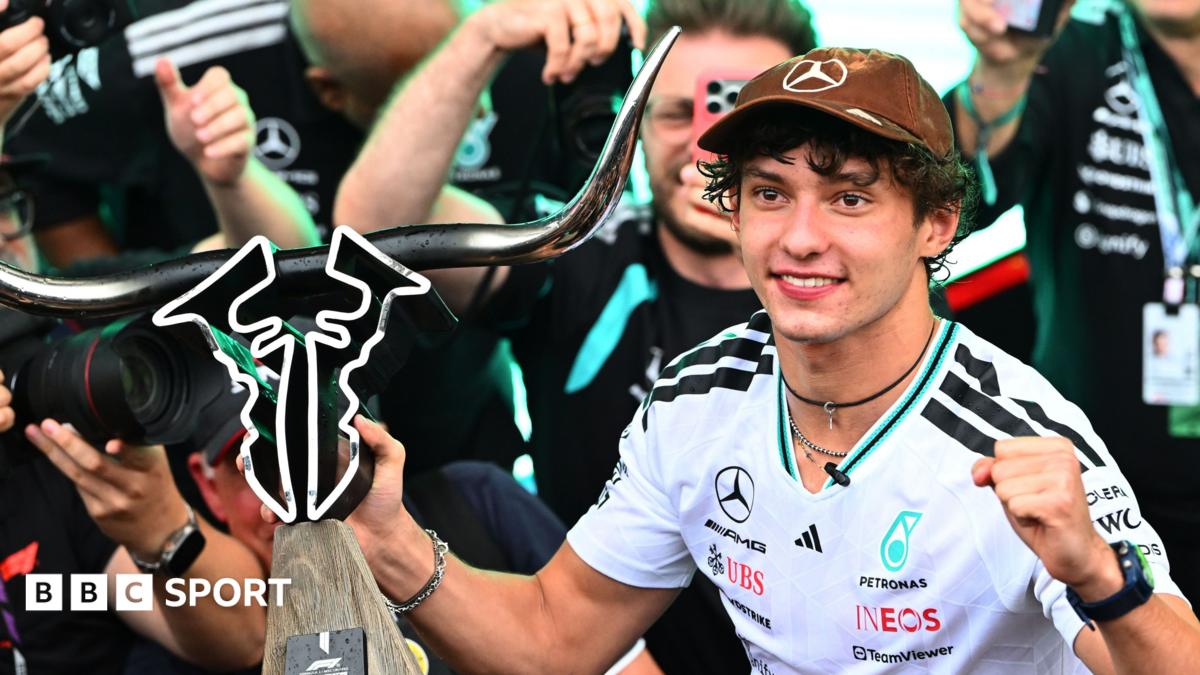
Antonelli delivers ‘the race of a champion who isn’t the champion yet’
Fresh off a masterclass performance at the 2024 United States Grand Prix in Austin, 20-year-old Italian Mercedes prodigy Kimi Antonelli stands on the cusp of etching his name into Formula 1 history, holding an unassailable points lead that requires just two more points at next weekend’s Mexico City Grand Prix to secure the drivers’ world title. Mercedes team principal Toto Wolff did not hold back in his praise of the rising star, describing the US race as “the best he has delivered so far” and a masterclass from “the race of a champion who isn’t the champion yet.”
Antonelli’s commanding win in Austin extended his championship margin to such a degree that his only potential barriers to locking up the crown in Mexico are a race victory from either his Mercedes teammate George Russell or Ferrari’s Lewis Hamilton. Even in those scenarios, Antonelli will seal the title with a 9th-place finish if Russell wins, or a 10th-place finish if Hamilton takes the top step. His dominant US GP run stood in stark contrast to Russell’s outing, where the Briton could only manage 8th place even before accounting for a five-second time penalty that left him struggling to overtake McLaren’s Oscar Piastri for much of the grand prix. Wolff emphasized that Antonelli’s performance far outstripped the inherent capabilities of the updated Mercedes car, noting “he’s outperformed the car” across the entire Austin race weekend.
Heading into the US Grand Prix, Antonelli already held a commanding championship position, with a pre-race path to the title that required him to win while Russell finished lower than 8th and Hamilton lower than 4th. Though Antonelli checked off the victory requirement, Russell’s 8th-place finish and Hamilton’s 4th-place result kept the championship fight technically alive for one more round in Mexico. Unlike many young drivers who buckle under the immense pressure of being on the verge of a lifelong career milestone, Antonelli has remained remarkably calm and unflappable throughout the closing stages of the season. Wolff recalled a casual post-race interaction where Antonelli wandered into his office, propped his feet up on the team principal’s chair, and joked about how surreal the championship chase felt, with no visible signs of stress or overthinking that often derail rookie title hopefuls. Wolff noted that while his massive points lead has reduced external pressure, Antonelli’s laidback, unemotional approach to high-stakes racing is largely an innate trait that cannot be coached.
When pressed to compare the Austin performance to Antonelli’s iconic home victory at Monza, where he charged from 19th on the grid to take the chequered flag in front of thousands of tifosi, both driver and team principal agreed the US race represented a higher level of execution. Antonelli explained that the Monza win came at a track where overtaking was relatively straightforward and Mercedes already held a clear straight-line speed advantage, while Austin required far more precise, consistent performance across every session to extract maximum pace from the team’s newly launched car upgrades. The Mercedes upgrade package, which had initially proven underwhelming on its debut in Malaysia two races prior, where Wolff estimated it cost the car 0.3 seconds per lap, required an extremely narrow, delicate operating window to unlock its full potential. While Russell continued to struggle to adapt his driving style to the tricky new aerodynamic setup, Antonelli seamlessly adjusted his inputs to the car’s unique demands, securing pole position by a comfortable margin before leading nearly the entire grand prix.
Should Antonelli clinch the title in Mexico, he will become the first Italian Formula 1 world champion since Alberto Ascari claimed back-to-back crowns in 1952 and 1953, ending a 71-year drought for Italian drivers in the top tier of motorsport. McLaren team principal Andrea Stella, a fellow Italian, noted the historic significance of Antonelli’s impending achievement for a country that has long been the cultural and spiritual heart of Formula 1, home to legendary marques like Ferrari and a rabid fanbase that has shaped the sport for generations. Stella added that Antonelli’s rare combination of aggressive, fearless on-track attacking and mature, race-calculating decision-making when it matters most has set him far apart from his competitors this season. Once crowned, Antonelli will shatter Sebastian Vettel’s long-standing record as the youngest F1 world champion in history, beating the German’s 2010 milestone by more than three full years. For his part, Antonelli remains focused on enjoying the final stretch of the season, stating he will approach the Mexico City weekend with the same relaxed, fun-first mindset that has defined his breakout campaign, with the goal of fighting for another race win before sealing his place in sporting history. -
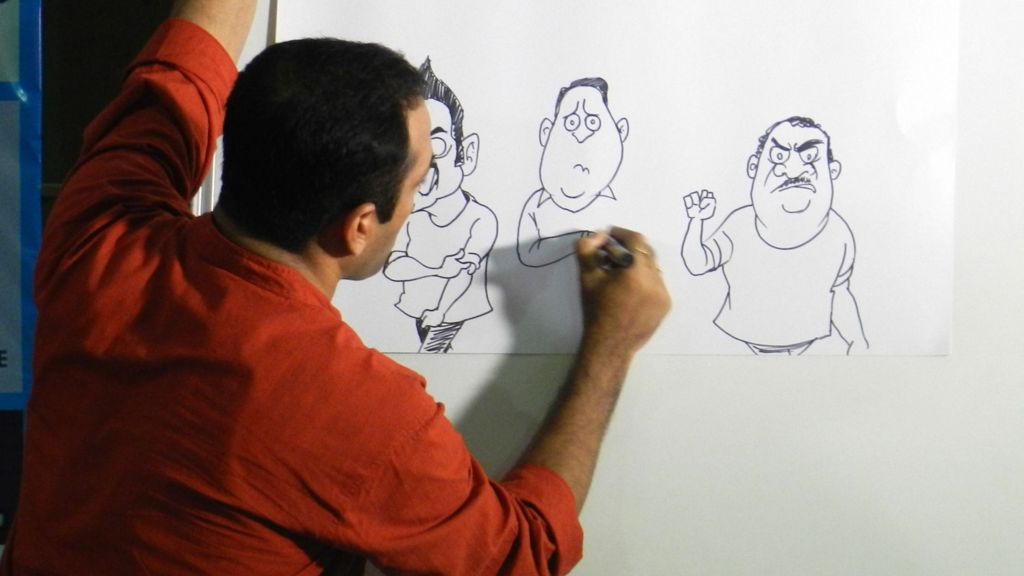
India’s cartoonists built an audience online – now their posts are being restricted
Veteran Indian political cartoonist Satish Acharya, 55, faced his second unexplained full Instagram account block in India in the span of three weeks in late October 2024, leaving domestic users unable to locate his profile via search or direct web links for three consecutive days. This latest restriction follows a nearly 10-day full block of his account between September 28 and October 6, during which visitors to his page saw a standard notice stating the profile was unavailable in compliance with India’s national Information Technology Rules. Acharya reports he first noticed gradual reductions in the reach of his satirical cartoons across Meta’s platforms several years prior, but the complete removal of access to his public profile left him deeply disheartened. He submitted formal inquiries to Meta, Instagram’s parent company, but received no response, and was preparing to file legal action when his account was unexpectedly restored in early October before the second temporary block took effect.
Acharya is not the only Indian political cartoonist to face platform restrictions recently: weeks prior, fellow illustrator Manjul had a single Instagram post criticizing the national election commission’s controversial voter roll revision, which resulted in the removal of 130 million registered names from electoral records, restricted without formal explanation, even as his full profile remained publicly accessible. In an official statement to the BBC, Meta confirmed it may temporarily restrict accounts and content to adhere to India’s IT Rules, but declined to disclose specific justifications for the measures targeting Acharya and Manjul.
These high-profile cases have amplified widespread concerns among free speech advocates, artists and media observers that existing regulatory frameworks are being deployed to curb India’s long, culturally cherished tradition of political satire. The national government maintains the 2021 IT Rules serve as a critical tool to eliminate unlawful and harmful online material, but critics argue the vaguely worded provisions enable unaccountable censorship that stifles legitimate public dissent.
The restrictions unfold against a backdrop of rapidly tightening online content oversight in India, as political satire and Gen-Z-focused humorous dissent have emerged as a powerful mobilizing force for young voters: viral memes and satirical social media content were a core driver of widespread 2024 protests over education policy and youth employment that ultimately led to the resignation of India’s education minister. While Prime Minister Narendra Modi’s ruling Bharatiya Janata Party has publicly directed all cabinet ministers to expand their social media footprint to better engage young audiences, official data obtained via a Right to Information request by *The Indian Express* shows federal government agencies sent nearly 195,000 content restriction and removal orders to major platforms including Meta’s Instagram and Facebook, as well as YouTube, between March and July 2024 via the government’s centralized Sahyog compliance portal. Technology policy expert Prateek Waghre notes Meta appears far more willing to comply with these official takedown requests than rival platform X, which has repeatedly pushed back on government content demands, though limited public transparency around platform compliance makes systematic comparison difficult. Recent media reports also indicate Indian IT ministry officials have pressured Meta to adjust its algorithmic recommendation systems to avoid steering users toward what authorities describe as a narrow set of divisive narratives, and strengthen pre-publication checks on content deemed capable of inciting public disorder. The BBC has submitted multiple requests for comment to the Indian IT ministry regarding the cartoonist restrictions and reported algorithm oversight mandates, and has not received a formal response as of press time.
Political cartooning has been a cornerstone of Indian journalistic culture since the nation gained independence, with legendary illustrator RK Laxman’s iconic “Common Man” character serving as a beloved, decades-long satirical observer of political governance. But efforts to censor political satire are far from a new phenomenon in India: during the 1970s national Emergency, when civil liberties were suspended and the press was placed under strict state control, pioneering cartoonist Abu Abraham saw dozens of his works rejected by official censors, while in 2012, illustrator Aseem Trivedi was arrested on sedition charges over cartoons critiquing the Indian constitution, charges that were later fully dropped. Today, India ranks 157th out of 180 countries in Reporters Without Borders’ 2024 World Press Freedom Index, with widespread criticism that the Modi administration has applied growing pressure to independent media outlets, a charge the government rejects, insisting India’s media ecosystem remains free and vibrant. Stand-up comedians focused on political satire, including popular performer Kunal Kamra who regularly jokes about Modi and the BJP, have also faced repeated legal action, cancelled shows and targeted harassment in recent years.
For India’s working political cartoonists, holding power to account is the core function of their craft. Sandeep Adhwaryu, a staff cartoonist for a leading national Indian newspaper, describes the community as a “default opposition” that is professionally obligated to question every ruling administration, a ethos Acharya has followed across his decades-long career: prior to 2014, much of his satirical work targeted the Congress-led ruling coalition, and his cartoons were frequently shared by BJP political figures, with no official content restrictions placed on his work beyond occasional online trolling. Since the BJP took national power, the majority of his satirical output has focused on Modi’s administration.
Social media platforms have removed longstanding barriers for independent, non-newspaper-affiliated cartoonists like Acharya and Manjul, allowing them to build massive national audiences without relying on traditional media editorial gatekeeping. As popular web comic creator Rachita Taneja, whose *Sanitary Panels* Instagram account has amassed hundreds of thousands of followers, notes, her entire career would not have been possible without open access to social media, but the platforms represent a double-edged sword: they are for-profit commercial entities that prioritize advertiser and state compliance over user free speech rights, creating new vulnerabilities for independent creators who are fully dependent on platform access to reach their audiences. Even cartoonists employed by traditional newsrooms report rising pressure to self-censor, with many choosing to soften captions, avoid sensitive political topics, or abandon controversial concepts entirely before submitting work for publication, a dynamic Adhwaryu warns is gradually becoming normalized across the industry even in the absence of explicit editorial censorship orders.
Despite these growing challenges, India’s community of political cartoonists has organized mutual support networks to defend their work: when Acharya’s account was first restricted in September, Taneja published a viral stick-figure cartoon in his solidarity. Adhwaryu remains optimistic that the centuries-old tradition of Indian political satire will adapt to the new regulatory environment, comparing the medium to a “shape-shifting virus” that mutates continuously to bypass new barriers and find new ways to reach audiences and hold power accountable.
-
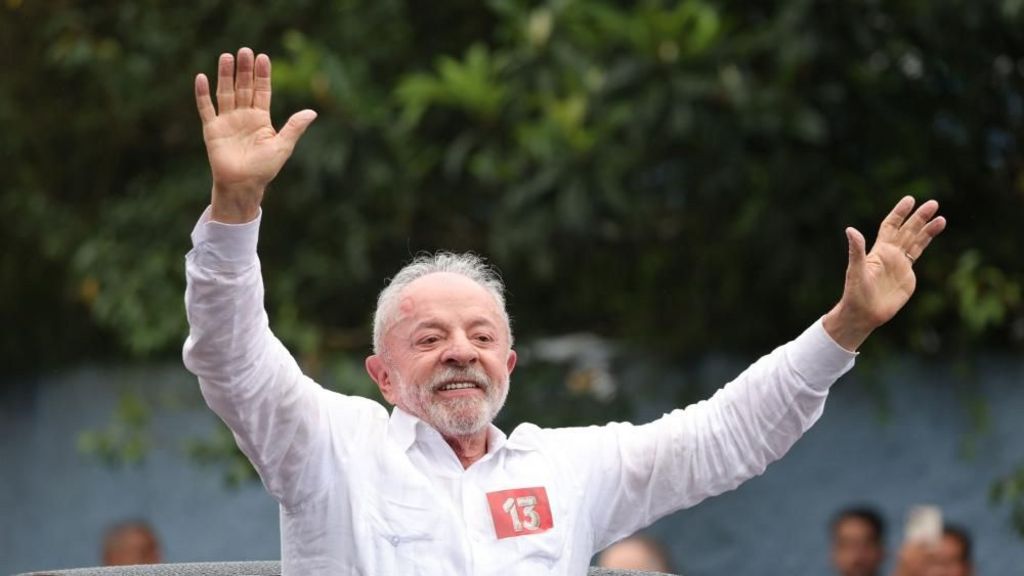
Lula wins fourth term in Brazil but faces hostile Congress and divided country
Luiz Inácio Lula da Silva, Brazil’s iconic veteran left-wing statesman, has claimed a landmark fourth presidential election victory after a fiercely contested runoff race that defied widespread political forecasts and a broader regional shift toward conservative governance. The hard-fought contest saw Lula, a former metalworker who has dominated Brazil’s progressive political landscape since his first presidential bid in 1989, overcome right-wing rival Flávio Bolsonaro in a stunning late turnaround that few political analysts predicted after Bolsonaro narrowly edged out Lula in the 4 October first-round vote.
This latest electoral triumph adds to Lula’s prior two consecutive terms in office from 2003 to 2010, and his 2022 electoral comeback that returned him to the presidency in January 2023. The path to this 2026 runoff win was far from straightforward: just three weeks after trailing in the first round, Lula’s campaign reignited through mass grassroots street mobilizations and a sweeping, targeted social media outreach push that galvanized his core base of working-class and progressive supporters. His victory breaks a clear regional trend across Latin America, where electorates across major economies including Argentina, Chile, and Colombia have voted out incumbent administrations to install conservative heads of state in recent election cycles.
Lula is set to be sworn in for his new four-year term on 5 January 2027, facing the most constrained political landscape of his decades-long political career, with overlapping domestic and international hurdles to navigate. On the global stage, the Donald Trump administration in Washington has made no secret of its preference for a conservative leader at the helm of the 213-million-person South American nation, even though it did not formally endorse Flávio Bolsonaro directly – a contrast to its explicit backing of right-wing victors in recent Colombian and Honduran presidential polls. The Trump White House views Latin America as a core sphere of U.S. strategic influence, prioritizing regional allies that align with its defense, security and trade agendas, while actively seeking to curtail Beijing’s growing economic and geopolitical footprint across the Western Hemisphere. Brazil, a major oil producer that hosts the world’s second-largest rare earth mineral reserves, stands as the only large South American nation not led by a conservative administration, with Lula long perceived as a Beijing-aligned leader. During the campaign, Bolsonaro had pledged to tightly align Brazil’s foreign policy with Washington, while Lula publicly warned the U.S. against electoral interference and vowed that Brazil would “never fit into anyone’s backyard.”
While the result is a source of frustration for U.S. policymakers, it has been met with widespread relief from global environmental advocacy groups. Environmentalists had warned that a Bolsonaro victory would hand expanded regulatory power to Brazil’s powerful agribusiness and mining lobbies, rolling back Amazon rainforest protections that Lula’s 2023 administration had worked to enforce. Activists pointed to the record-breaking Amazon deforestation and wildfire rates recorded during the presidency of Flávio Bolsonaro’s father, former far-right leader Jair Bolsonaro, arguing that a return to relaxed environmental regulations would trigger irreversible ecological collapse in the critical rainforest ecosystem, a key global carbon sink. Aerial footage captured by Greenpeace during the 2025 UN COP30 climate summit in Brazil’s Maranhão state had already documented devastating wildfire activity across large swathes of the Amazon, amplifying these concerns.
Despite the celebrations among Lula’s progressive base, the election results lay bare Brazil’s deep societal polarization, with over 48% of participating voters casting their ballots for Bolsonaro. Domestically, Lula will be forced to govern alongside the most ideologically right-wing national congress in Brazil’s post-democratic restoration history, after Bolsonaro’s Liberal Party secured the largest legislative gains in concurrent legislative elections. Even with the Workers’ Party’s proven ability to mobilize massive grassroots rallies and turn out loyal supporters in the runoff, Lula faces a steep uphill battle to deliver on his campaign promises of bridging the country’s bitter partisan divides through an inclusive “new way of governing” that prioritizes equitable economic opportunity for all Brazilians. By the end of his upcoming fourth term, Lula will be 85 years old, making the policy challenges he faces far more daunting than those he navigated in his three prior stints in national office.
-
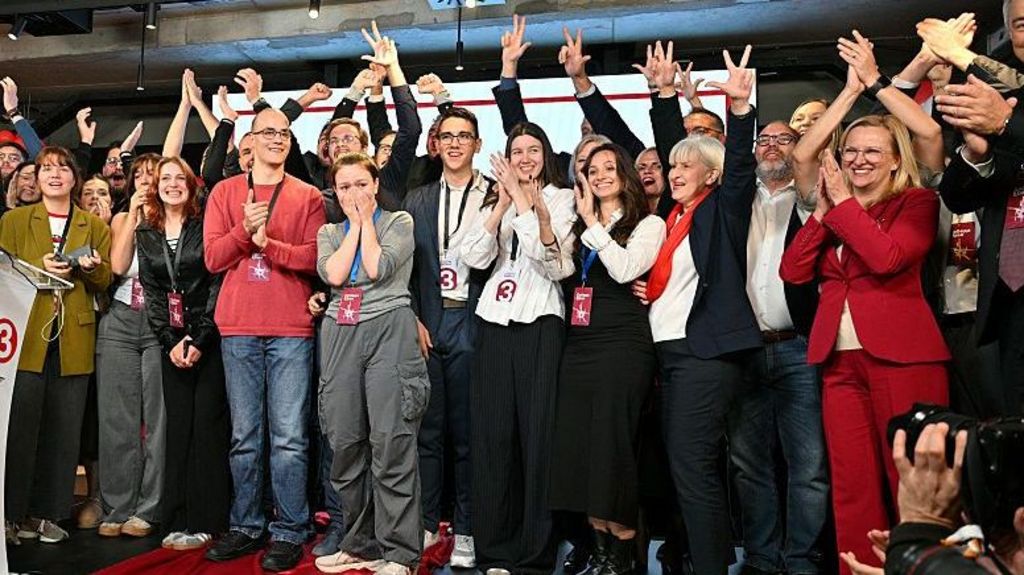
How a movement of students brought down Serbia’s Vučić
What began as a grief-fueled grassroots student mobilization in Serbia has upended 14 years of unbroken political dominance by Aleksandar Vučić and his Serbian Progressive Party (SNS), in a watershed electoral contest widely framed as a de facto national referendum on the country’s governing future — yet remarkably, no student candidates secured a seat in the new 250-seat parliament. The movement traces its origins to a catastrophic structural failure on November 1, 2024, when a concrete canopy collapsed outside Novi Sad’s main train station, Serbia’s second-largest city, killing 16 people. The tragedy was immediately decried by the public as a damning symbol of systemic corruption, with critics directly tying the shoddy, government-linked renovation of the station to Vučić’s administration, which had publicly aligned itself with the infrastructure project. As Helena Ivanov, a senior analyst at the Henry Jackson Society think tank, noted, the deadly collapse served as the final straw for a population long frustrated by state negligence, sparking a wave of street protests that no established opposition faction had ever managed to galvanize. Starting with small-scale student road blockades, the movement rapidly evolved into near-daily demonstrations that drew cross-society support, uniting farmers, actors, judges, and ordinary working citizens under a shared demand for accountability and an end to institutional graft. By March 2025, the movement organized the largest anti-government protest in Serbian history, as the leaderless network coordinated through open student assemblies and plenums to steer their campaign away from traditional partisan power structures. The once-unassailable SNS began to crack under public pressure that same January, when the sitting prime minister resigned in a stated bid to defuse widespread public tensions. When Vučić called snap national elections last month, the student movement had already translated its grassroots emotional momentum into a disciplined organizational structure, training hundreds of volunteers to monitor polling stations and safeguard electoral fairness against long-documented reports of SNS voter manipulation. The movement, formally branded “Student List-Students Win,” made a deliberate, strategic choice not to field any active students as parliamentary candidates, opting instead to tap widely respected, non-partisan public figures to run on its platform to avoid public skepticism about inexperience among young activists. Their 250-candidate roster, which secured an estimated 135 seats in the new parliament, includes a leading cardiology professor, a celebrated former national basketball star, a prominent stage and screen actor, a renowned opera singer, a former central bank governor, and dozens of university academics. While the list’s top name, Novi Sad-based cardiologist Ilija Srdanović, led the campaign’s public marches and famously declared “the energy is unstoppable” days before the vote, he is not widely viewed as a leading candidate for prime minister; former National Bank of Serbia governor Dejan Šoškić, who has laid out detailed economic reform plans, has emerged as the most frequently discussed pick for the top post. In a defining symbolic moment of the election’s aftermath, the 18-month-old pro-Vučić tent camp dubbed “Ćaciland” that had occupied Pioneers Park in central Belgrade directly across from the national parliament was dismantled by jubilant crowds, who tore down surrounding metal fences while chanting “Vučić is leaving” as the ruling party’s longstanding grip on power dissolved. Supporters packed town squares across Belgrade, Novi Sad, Niš and other urban centers in a state of euphoria, with the student movement’s official social media accounts declaring “Serbia is free” in the immediate hours after results were announced. Even as Vučić formally conceded defeat, he made unsubstantiated claims that the movement had received backing from unspecified European governments and the so-called “American deep state,” and told his own supporters that the student coalition would “be defeated faster than they think” after supposedly wasting two years of national progress. The movement’s formal 11-point governing agenda, which its elected representatives are mandated to implement, includes the creation of a specialized anti-corruption police unit to target high-level graft, a purge of interior ministry officials linked to excessive crackdowns on protesters or organized crime, sweeping media reforms to strip political control from the country’s public broadcaster and dismantle skewed state-aligned media ecosystems, and an end to the long-rampant practice of appointing ruling party loyalists to leadership roles in all state-owned enterprises. Vučić and the SNS have repeatedly denied all allegations of corruption and improper media interference. Though no students will hold seats in the new parliament, the movement’s core leadership remains under immense public pressure to deliver on its promises, noting that the elected non-partisan representatives have been “entrusted with transferring the street struggle of the past year into state institutions” to restore the rule of law that the previous administration had eroded for more than a decade.
-
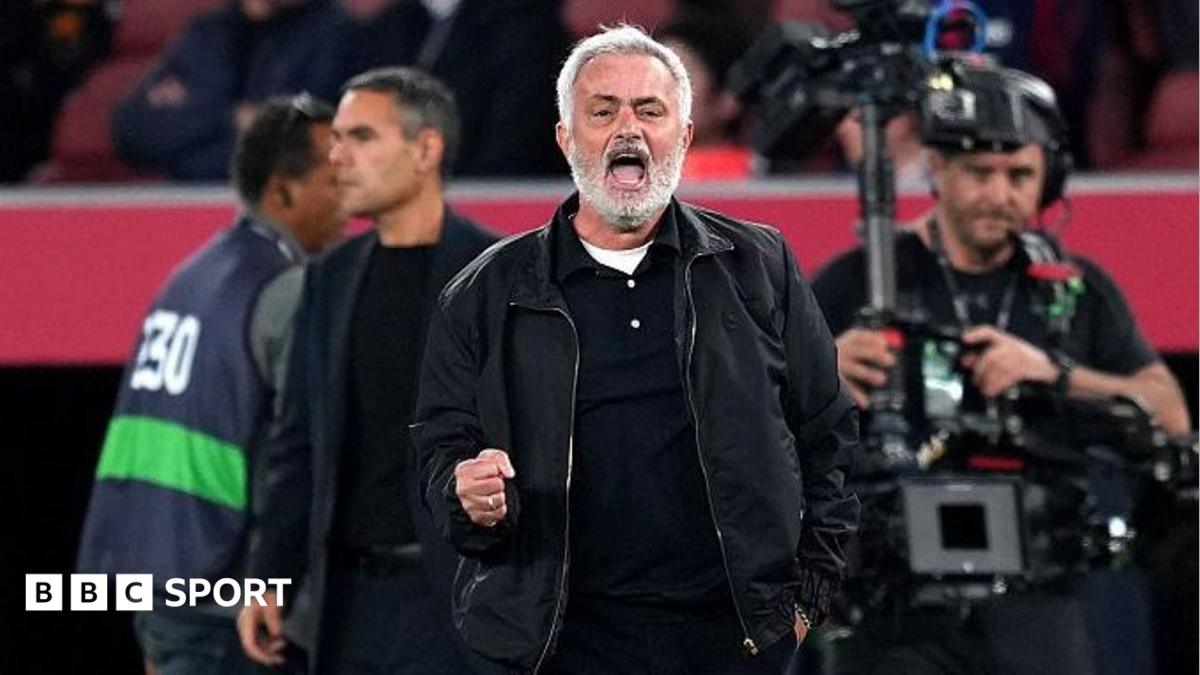
Mourinho keeps Clasico midas touch 13 years on as La Liga heats up
In a pulsating La Liga El Clasico showdown at Camp Nou on Sunday, Real Madrid secured a landmark 2-1 away victory over long-time rivals Barcelona, with Kylian Mbappe scoring both of Los Blancos’ goals, including a dramatic late match-winner. The triumph marked a historic milestone for returning manager Jose Mourinho, who emulated his iconic past success against Barcelona by extending his unbeaten run across six consecutive El Clasico fixtures, placing him alongside legendary Real Madrid helmsmen Miguel Munoz and Vicente del Bosque as only the third manager in the club’s history to achieve that feat. 13 years on from his last tenure leading Real Madrid in this fierce cross-city rivalry, Mourinho marked the latest win with his signature celebratory knee slide on the Camp Nou turf, a familiar sight for long-time Spanish football fans that underscored his enduring Midas touch against the Catalan giants. The result shattered Barcelona’s nine-match unbeaten domestic streak, and completely upended the La Liga title race landscape: a defeat for Real Madrid would have handed Barcelona a dominant nine-point lead at the top of the table, but the hard-fought three points now cuts the gap between the two title contenders to just three points, revitalizing Real Madrid’s championship aspirations. Post-match, a characteristically measured Mourinho deflected praise to his playing squad, noting, “Real Madrid do not play to win at the Camp Nou, Real Madrid play to win La Liga. We could win with luck, but we won with calmness and with all merit. It’s a very strong group. Everyone works very hard. Everyone was ready to win.” The Portuguese veteran also highlighted the tactical balance his mixed midfield lineup had delivered, providing defensive solidity while unlocking attacking quality against a typically possession-dominant Barcelona side, and urged his team to avoid overconfidence in the wake of the high-profile victory. Across his two separate stints at the Real Madrid helm, Mourinho now boasts an even 6 wins and 6 losses in El Clasico fixtures, with 2 draws in the recent unbeaten run. For defeated Barcelona manager Hansi Flick, no excuses were offered for the upset, though he acknowledged his squad’s visible fatigue after a grueling stretch of packed fixtures across recent weeks. “We missed the freshness,” Flick confirmed. “It’s not easy for our players. We have to recover well, train well and we have to respond from this defeat. In big games, small things are important and they decide the games and today, it wasn’t on our side.” The result extends Real Madrid’s winning streak to five consecutive victories across all competitions, cementing the side’s sharp early-season form as they chase down Barcelona at the La Liga summit. (Image credit: Getty Images)
-
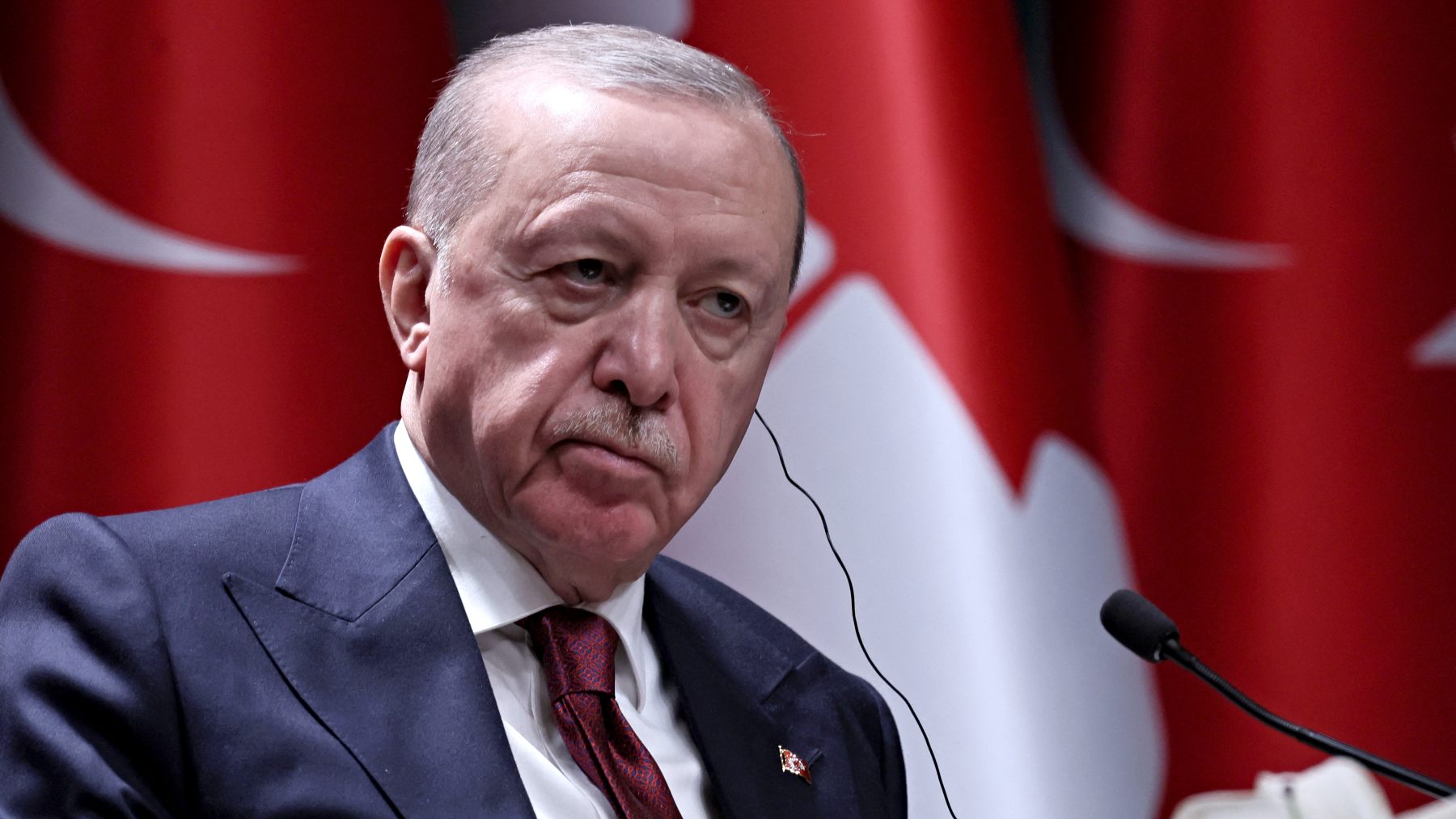
Erdogan sacks adviser amid efforts to repair ties with Azerbaijan over headscarf row
In a high-stakes diplomatic move aimed at mending recently strained bilateral relations with Azerbaijan, Turkish President Recep Tayyip Erdogan formally removed senior presidential chief adviser Oktay Saral from his post on Sunday, according to exclusive reporting from Middle East Eye. Saral personally confirmed his dismissal to MEE correspondents, issuing a measured statement noting, “I have absolute respect for the president’s decision,” in the immediate aftermath of the announcement. The ouster comes in direct response to formal demands from Baku, which had listed the removal of Saral as a key prerequisite for de-escalating a diplomatic crisis that has frayed decades of deep ethnic, cultural, religious, and historical solidarity between the two regional allies. The root of the recent tensions traces back to a controversial policy rolled out by Azerbaijani authorities last month, which implemented a formal ban on headscarves for students across all primary and secondary education institutions. The decision sparked widespread public outcry across Turkey, with ordinary citizens, public figures, and political figures publicly condemning Baku’s move. Saral added his voice to the criticism on his official social media channels shortly after the ban was announced, directly calling on Azerbaijani leadership to reverse the divisive policy. Those public remarks drew a sharp, formal rebuke earlier this month from Azerbaijan’s ruling New Azerbaijan Party, which publicly accused Ankara of exhibiting unwelcome hegemonic tendencies across the Islamic world, a rare public condemnation between the traditionally allied nations. The diplomatic rift created significant uncertainty for Ankara’s long-planned Organisation of Turkic States summit, scheduled to launch later this week on Turkish soil. For weeks, Turkish diplomatic teams have worked to persuade Azerbaijani President Ilham Aliyev to attend the high-level gathering, a key priority for Erdogan’s administration to advance cross-regional cooperation among Turkic nations. Readouts released separately by Ankara and Baku following a Thursday phone call between Erdogan and Aliyev only confirmed that Erdogan had extended a formal invitation for Aliyev to attend, with neither side offering any clarity on whether the Azerbaijani leader planned to make the trip. Senior Turkish officials privately expressed growing concern that Aliyev, deeply angered by the wave of Turkish public protests and critical commentary targeting his government’s headscarf policy, would choose to skip the summit entirely. As MEE exclusively reported last week, Baku had submitted two explicit demands to Turkish authorities to resolve the impasse: the dismissal of Saral, and the launch of legal proceedings against Turkish social media users who had posted content deemed insulting to President Aliyev. A well-placed Azerbaijani source with direct knowledge of the negotiations told MEE that Saral’s removal immediately shifted the calculus for Aliyev’s attendance: “Saral’s ouster would encourage Aliyev to participate in the Turkic states summit. Before this decision, the likelihood was less than fifty percent.” Prior to Sunday’s dismissal, earlier Turkish diplomatic efforts to defuse the tensions had yielded little progress, including a recent trip to Baku by Turkish Foreign Minister Hakan Fidan that was met with a flood of hostile, critical coverage across Azerbaijani state and independent media.
-
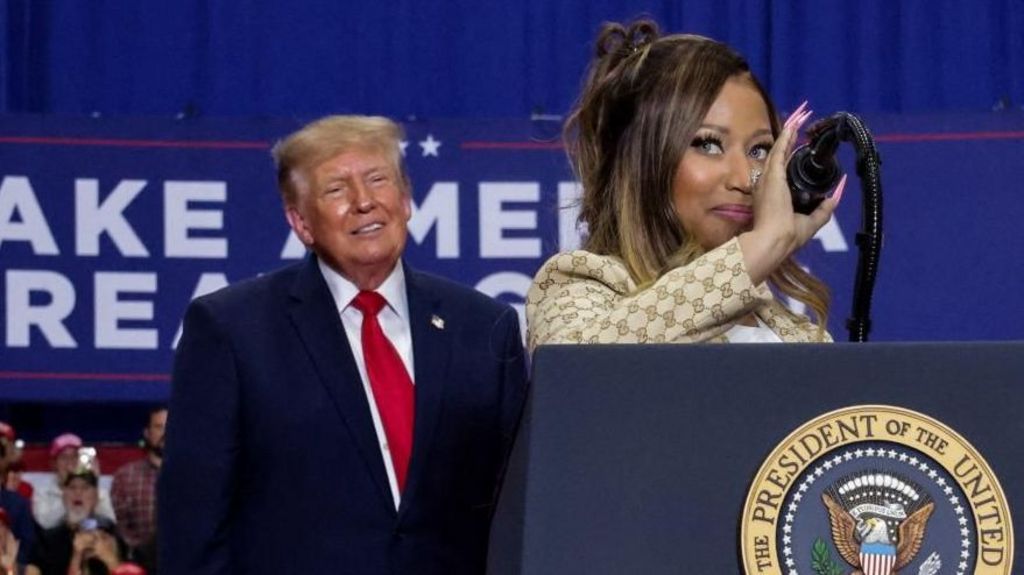
Rapper Nicki Minaj joins Trump onstage at Michigan rally
In a high-profile surprise appearance that upstaged portions of a recent Donald Trump campaign rally in Port Huron, Michigan, globally renowned Trinidadian-American rapper Nicki Minaj threw her public support behind Republican midterm candidates, framing the upcoming nationwide legislative elections as a critical crossroads for the United States. Minaj, who traveled to the event alongside the former sitting president aboard Air Force One, took the stage before a roaring crowd dressed in a custom gold Gucci suit, leading attendees in chants of Trump’s name and the names of local GOP contenders.
During her address, the award-winning artist argued that Trump had fundamentally shifted the national mood for the better. “He’s changed the energy of the country, and he’s given us a future to look forward to,” Minaj told assembled supporters, noting that while she had pushed back against some of Trump’s first-term policies, she had long considered herself his most dedicated public fan. The star even filmed a lighthearted skit aboard Air Force One ahead of the rally, posted to social media platform X, in which she jokingly auditioned for the vacant White House press secretary role left open after Katie Zacharia departed the position just five days after a widely panned public debut.
The rally unfolded against the backdrop of an extraordinarily competitive Michigan U.S. Senate race, where Democratic candidate Abdul El-Sayed and Republican Mike Rogers are locked in a statistical dead heat with barely one week remaining before Election Day on 3 November. The outcome of dozens of similarly tight national contests will determine which party controls both chambers of Congress for the remainder of Trump’s current presidential term, prompting aggressive cross-country campaigning from figures on both sides of the aisle, including former President Barack Obama, who headlined his first major rally of this 2026 midterm cycle alongside El-Sayed the previous Saturday.
Trump’s own on-stage remarks ahead of Minaj’s appearance veered into controversial territory: after making a crude public comment praising the physique of a male Republican candidate, he shifted to introducing Minaj to the crowd with a similarly lewd observation about her figure, quickly adding that he hoped the comment had not offended her. After Minaj finished her speech and exited the stage, Trump continued to heap praise on her, telling the crowd “She never looked more beautiful. She gets it. She’s smart.”
The former president also faced widespread criticism for targeting El-Sayed’s Muslim faith and cultural background during the rally, claiming without substantiation that a victory for the Democratic candidate would lead to “jihadists” being permitted to enter the United States in large numbers. El-Sayed pushed back forcefully against those claims in a recent voter-facing campaign advertisement, dismissing the remarks as blatant Islamophobia. “The president thinks he can use my name and my faith to distract us from the suffering his policies are inflicting on us at the pump, at the grocery store, and at the doctor’s office,” El-Sayed stated in the spot. This is not the first time Minaj has aligned herself with Trump’s political agenda: she has previously voiced public support for his unsubstantiated claims of Christian persecution in Nigeria, as well as his proposed “gold card” visa program that would grant wealthy foreign applicants U.S. residency and a pathway to full citizenship.