博客

  • ‘Border 2’ India collection: War drama starring Sunny Deol, Varun Dhawan mints Dh12.9 million

    ‘Border 2’ India collection: War drama starring Sunny Deol, Varun Dhawan mints Dh12.9 million

    The Bollywood war epic ‘Border 2’ has stormed Indian theaters with unprecedented commercial success, establishing itself as the highest-grossing opening of 2026. Starring Sunny Deol, Varun Dhawan, and Diljit Dosanjh, the military drama generated approximately Dh12.9 million (₹321 million) in domestic revenue during its inaugural screening day on January 23rd.

    According to prominent trade analyst Taran Adarsh, these remarkable figures position the film just slightly behind 2025’s blockbuster ‘Chhaava,’ which accumulated ₹331 million on its debut. Notably, ‘Border 2’ achieved this milestone despite premiering on a standard working day rather than during a holiday period.

    The production has demonstrated exceptional performance across both multiplex venues and traditional single-screen theaters, with particularly strong attendance in urban centers. While inclement weather in Northern regions temporarily affected initial turnout, industry experts anticipate substantial growth during the upcoming weekend and Republic Day holiday (January 26) due to overwhelmingly positive audience reactions.

    Early screenings in Mumbai witnessed capacity crowds, with viewers emerging from theaters visibly impressed. Many attendees have characterized the film as an essential cinematic experience, praising its powerful combination of intense action sequences, emotional depth, and compelling performances.

    Directed by Anurag Singh and produced through a collaboration between Gulshan Kumar’s T-Series and JP Dutta’s JP Films, ‘Border 2’ draws inspiration from actual historical events. The project marks Sunny Deol’s return to military attire, revisiting themes that previously resonated strongly with Indian audiences.

    The film’s immediate commercial triumph reinforces Bollywood’s continuing evolution toward large-scale production values and heightened audience engagement, setting new benchmarks for theatrical performance in the contemporary cinematic landscape.

  • Debt-ridden children’s hospital gains strong public support, but future still uncertain

    Debt-ridden children’s hospital gains strong public support, but future still uncertain

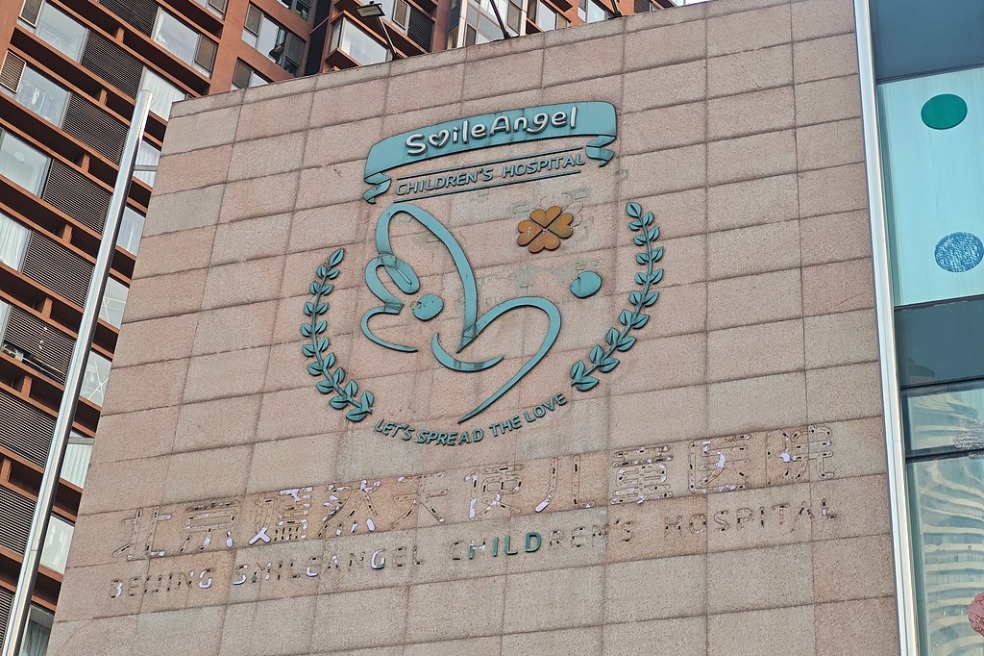
    A children’s hospital specializing in cleft lip and palate surgeries faces an uncertain future despite an extraordinary public response to its financial crisis. Beijing SmileAngel Children’s Hospital, co-founded by actor Li Yapeng, has accumulated over 26 million yuan ($3.5 million) in unpaid rent and operational fees, threatening its ability to continue providing free and subsidized surgeries.

    The situation reached a turning point when Li Yapeng addressed the hospital’s financial struggles earlier this month, triggering an overwhelming response from the public. Hundreds of thousands of donors contributed more than 23 million yuan through the Smile Angel Foundation, a separate legal entity under the Chinese Red Cross Foundation that finances surgeries. The fundraising target was met ahead of schedule, prompting the closure of donation channels.

    In a strategic move to maintain momentum, Li launched a dedicated Yunnan Pu’er tea livestream on his Douyin account Friday evening. The event attracted tens of thousands of viewers, with products selling out within minutes. Platform data revealed Li’s livestream dominated the sales chart, generating 16.84 million yuan ($2.42 million) in revenue—nearly quadruple the earnings of the second-ranked broadcaster.

    During the broadcast, Li advocated for rational consumption, stating, ‘I know why everyone is here. Only buy if you drink tea—using this tea to boil tea eggs would be too luxurious.’ The overwhelming response forced Li’s tea partner in Yunnan province to temporarily suspend upcoming livestreams to address the massive order backlog.

    Despite this demonstration of public support, the hospital’s fundamental financial challenges remain unresolved. Donations to the Smile Angel Foundation legally cannot be applied toward the hospital’s rent arrears, as the foundation operates as a separate legal entity. Negotiations between hospital management and their landlord continue, with no final decision reached regarding potential relocation or lease renewal.

  • Winter storm grips US as millions face power outages and disruption

    Winter storm grips US as millions face power outages and disruption

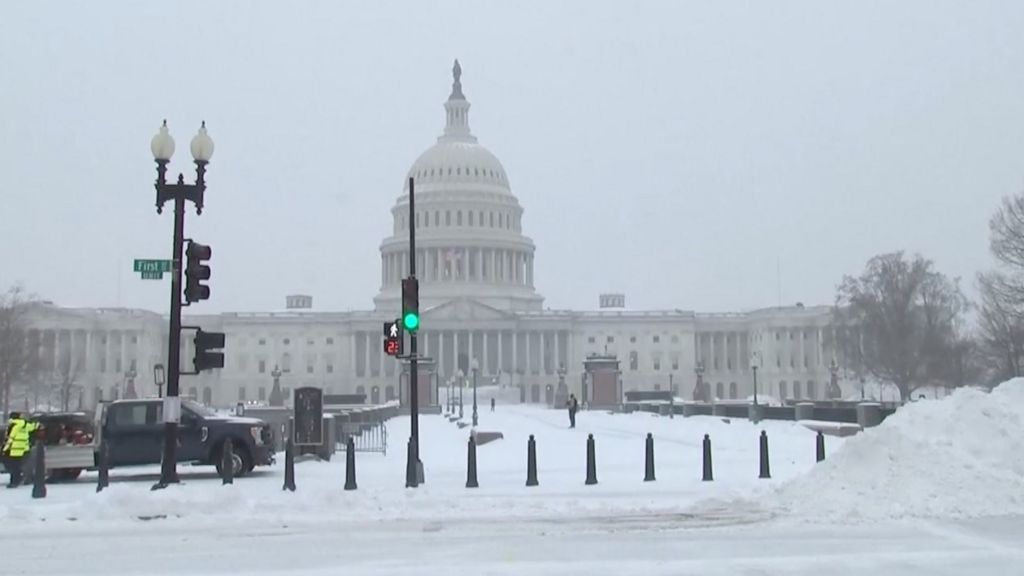
    A severe Arctic weather system has plunged vast portions of the United States into a deep freeze, unleashing a cascade of disruptive conditions. The powerful winter storm, characterized by blizzard-like snowfall, significant ice accumulation, and perilously frigid temperatures, has created hazardous circumstances for millions of citizens. Critical infrastructure has been severely tested, resulting in widespread electricity failures that have left households without heating amidst the extreme cold. Transportation networks are experiencing profound paralysis, with countless flight cancellations, treacherous road conditions prompting official warnings against travel, and significant delays in rail services. Emergency management agencies have been activated in numerous states, coordinating response efforts to address the immediate dangers of exposure and the mounting challenges to public safety. The storm’s wide-ranging path has impacted communities from the Northern Plains through the Midwest and into the Northeast, making it a coast-to-coast meteorological event. Utility companies are reporting immense strain on power grids as demand for heating surges, complicating restoration efforts for crews battling the very elements causing the outages. Local authorities are urging residents to prioritize safety, conserve energy where possible, and check on vulnerable neighbors as the severe conditions persist.

  • UAE-India travellers may face flight shortages, higher airfares as demand surges

    UAE-India travellers may face flight shortages, higher airfares as demand surges

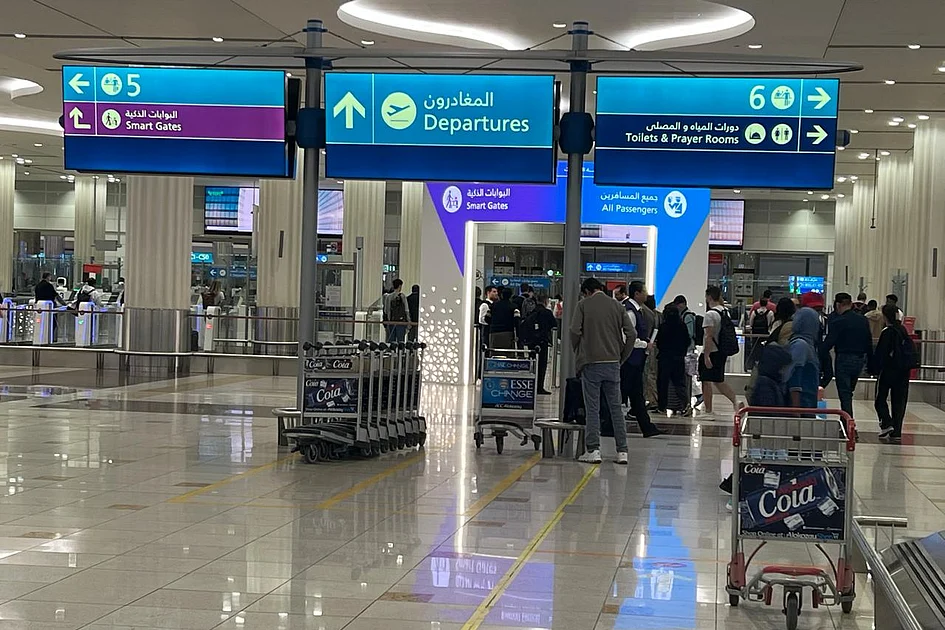
    A severe capacity shortage is threatening to destabilize one of the world’s most critical aviation corridors as demand between the UAE and India dramatically outpaces available flight capacity. According to new analysis from Tourism Economics, an Oxford Economics company, approximately 27% of forecast passenger demand could go unserved by 2035 if current capacity limits remain unchanged.

    The projected deficit translates to a staggering 54.5 million passenger journeys being left unaccommodated between 2026 and 2035, with the Abu Dhabi-India corridor particularly vulnerable. Current load factors already exceed 80% on major routes, leaving minimal spare capacity. Tourism Economics projects that under existing schedules, all available seats will be fully absorbed as early as 2026.

    India’s remarkable aviation boom serves as the primary catalyst behind this surge. The country’s ‘travelling class’—households with sufficient income to fly—expanded from 24% of the population in 2010 to 40% in 2024, adding nearly 300 million potential flyers. This demographic shift is fueling annual demand growth of 7.2% through 2035, generating approximately 22 million additional passenger journeys each year.

    For airlines, this unprecedented demand underpins substantial revenue growth. For travelers, it translates to constrained supply and escalating airfares, particularly during peak travel periods. Limited capacity has curtailed competition, granting carriers enhanced pricing power on high-demand routes connecting major Indian cities with Dubai and Abu Dhabi.

    Aviation executives confirm that India routes continue outperforming most international markets. ‘India remains one of the fastest-growing source markets for Gulf carriers, both for point-to-point traffic and onward connections,’ noted Sudheesh TP, General Manager at Deira Travel & Tourist.

    The UAE maintains its position as India’s largest international aviation market by a significant margin, accounting for approximately 1.1 million monthly seats and a 27% market share as of November 2025. Thailand, the second-largest market, accounts for merely 9%. While capacity on the India-UAE route increased 3% year-on-year, growth has failed to match accelerating demand.

    Dubai International Airport’s 2024 traffic figures highlight the corridor’s strategic importance: 92.3 million passengers transited through the hub, with approximately 12 million traveling between Dubai and India. This means more than one in eight passengers at the world’s busiest international airport is India-related.

    Six major carriers currently operate 538 weekly flights between Dubai and 23 Indian destinations. Emirates serves as the market backbone, operating 167 weekly services connecting Dubai to nine Indian cities since launching its first India flights in 1985. Etihad Airways has expanded to 11 Indian destinations but retains limited expansion capacity with approximately 10,000 unutilized seats from its 50,000 weekly bilateral entitlement.

    Indian carriers have scaled operations significantly, with IndiGo operating roughly 220 weekly services, Air India maintaining 82 weekly frequencies, and Air India Express emerging as the largest Indian operator with over 240 weekly flights across multiple UAE destinations.

    Despite this substantial operational scale, demand continues to exceed supply. Travel industry executives report the imbalance is already reshaping booking patterns, with earlier sell-outs on popular routes and escalating last-minute fares, particularly around school holidays and festival seasons.

    The economic implications extend far beyond airline pricing structures. Tourism Economics estimates that maintaining current capacity caps would limit the air corridor’s GDP contribution growth to approximately 3% annually over the next five years. Easing restrictions could accelerate growth to between 5.5% and 7%, while doubling seat capacity on the Abu Dhabi-India route alone could generate an additional $7.2 billion in GDP over five years and support over 170,000 jobs annually.

    Policy constraints remain the fundamental bottleneck. The 2014 air service agreement caps weekly seat entitlements at approximately 66,000 for Dubai and 55,000 for Abu Dhabi, with these limits effectively fully utilized. Negotiations to increase capacity remain stalled, with India advocating for a 4:1 ratio favoring Indian carriers for new seats, while the UAE seeks broader access to address rising unmet demand.

  • US pressure fuels Israel’s expanding influence in Latin America, experts say

    US pressure fuels Israel’s expanding influence in Latin America, experts say

    A complex geopolitical realignment is underway across Latin America as US political pressure creates openings for expanded Israeli influence, though historical solidarity with Palestine persists despite these shifting dynamics, regional specialists reveal.

    Left-leaning governments continue anchoring their foreign policy in anti-imperialist and decolonial principles, maintaining symbolic and substantive support for Palestinian rights. During Israel’s military operations in Gaza, Brazil’s President Lula da Silva characterized the offensive as genocide, Colombia severed diplomatic ties with Israel, and Chile pursued accountability through international legal channels.

    However, extensive US lobbying efforts, direct threats against regional leadership, and the recent seizure of Venezuelan President Nicolás Maduro indicate coordinated pressure to align Latin American nations more closely with Israeli interests. According to Latin American affairs expert Ali Farhat, regional states’ limited hard power capabilities constrain their responses to Washington’s influence campaigns.

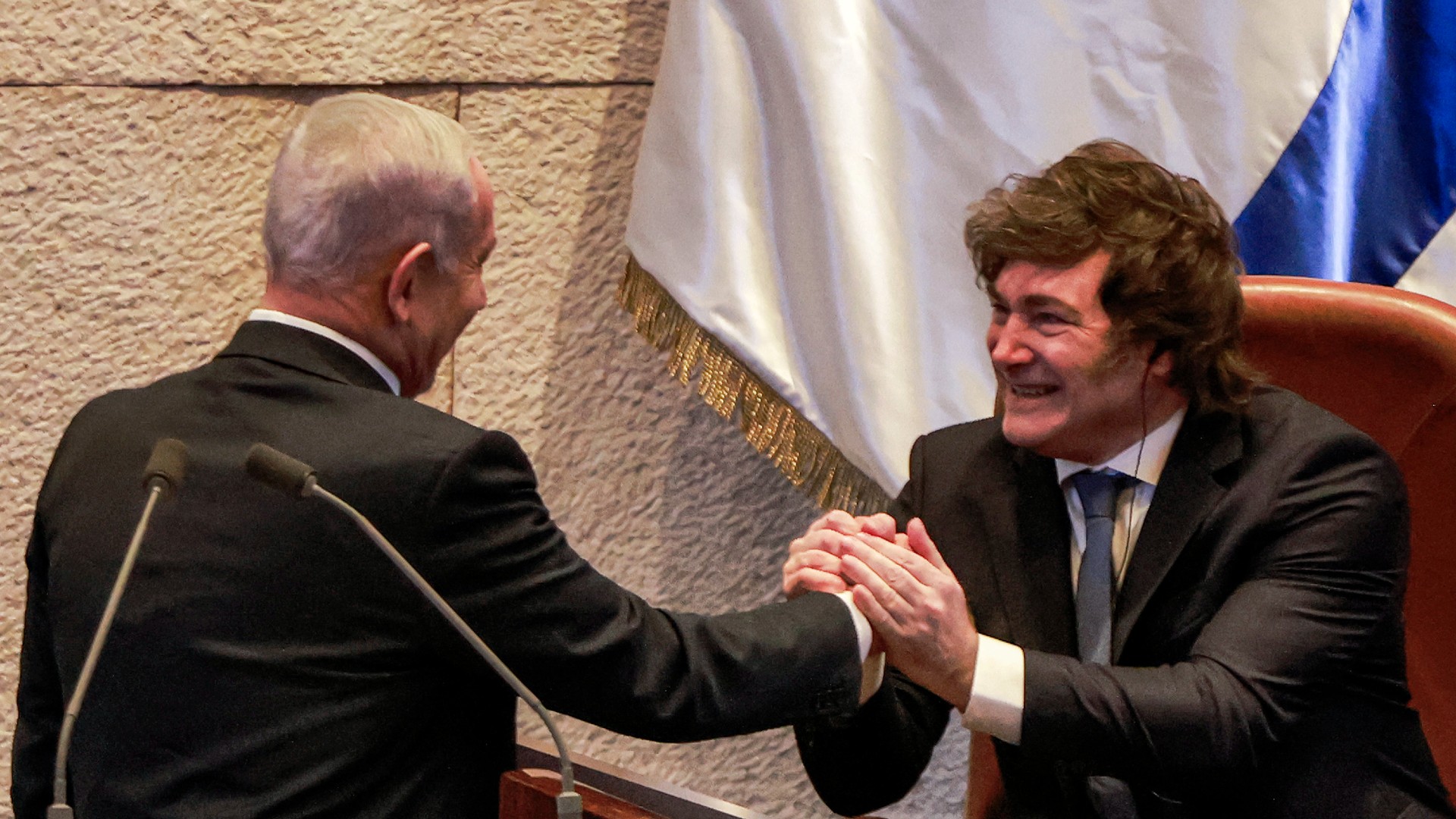
    This pressure has yielded tangible results: Argentina’s far-right President Javier Milei has announced plans to relocate Argentina’s embassy to Jerusalem while deepening security and economic cooperation with Israel, following an unprecedented $20 billion US bailout. Meanwhile, Venezuela’s Maduro—previously among Palestine’s most uncompromising regional defenders—faces sustained international legal pressure that Farhat characterizes as emblematic of broader efforts to marginalize vocal Palestinian supporters.

    Despite these pressures, left-leaning leaders are recalibrating rather than retreating from their positions. Colombia’s Gustavo Petro and Brazil’s Lula attempt to balance condemnation of Israeli actions with pragmatic diplomacy aware of potential economic repercussions. This caution represents strategic adaptation rather than surrender, particularly in regions lacking credible deterrence against US overreach.

    The resurgence of far-right governments accelerates alignment with US and Israeli priorities, with Argentina becoming the only Latin American nation joining Trump’s controversial Board of Peace initiative. Brazilian Congressman Nilto Tatto warns that Washington-managed frameworks risk reproducing hegemony under international guise rather than genuinely promoting peace.

    Former Argentine parliamentarian Julia Perie interprets Argentina’s position as reflecting broader ideological realignment rather than targeted anti-Palestinian sentiment, noting that support for Palestine has historically fluctuated in cyclical patterns. Observers note that advocacy is increasingly channeled through legal avenues, multilateral institutions, and popular movements rather than overt diplomatic confrontation.

    Ramon Medero of Venezuela’s La Danta TV describes current dynamics as representing adaptation rather retreat, with the Palestinian cause becoming structurally embedded within broader Global South struggles against colonial domination. Despite far-right advances, grassroots mobilization may intensify as documentation of Gaza atrocities awakens global popular consciousness, converging Latin American and Palestinian liberation struggles against shared adversaries.

  • China hands over 17 Filipino sailors from shipwreck to Philippines

    China hands over 17 Filipino sailors from shipwreck to Philippines

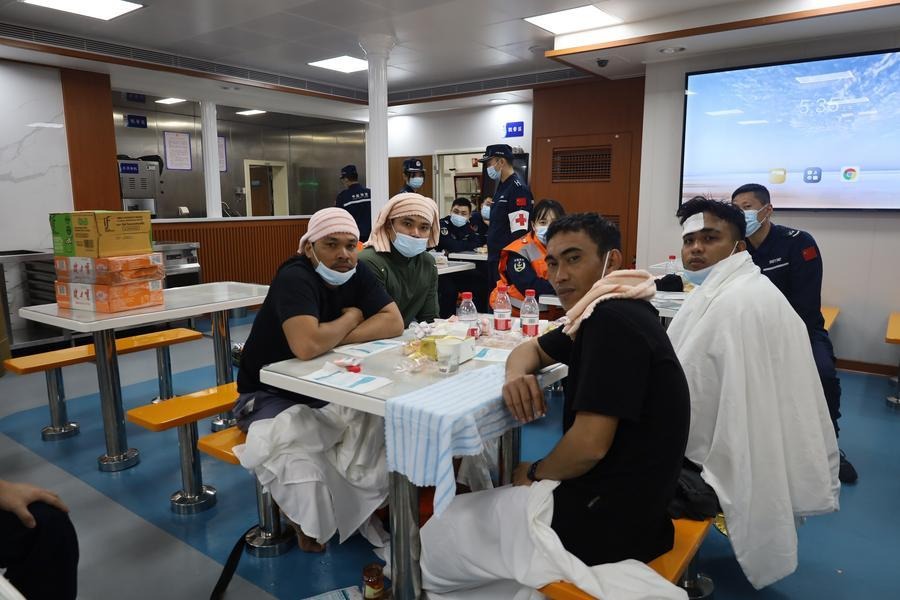
    In a significant humanitarian operation, China has formally transferred 17 Filipino sailors to Philippine authorities following the capsizing of a Singapore-registered cargo vessel near Huangyan Island. The handover ceremony occurred on Sunday in the waters where the maritime incident originally transpired.

    The crisis began on Friday when the commercial ship, en route from the Philippines to China, lost communication and subsequently foundered in the contested waters. Chinese Coast Guard vessels immediately initiated search and rescue operations upon receiving distress signals.

    Of the 21 crew members originally aboard the stricken vessel, two Filipino sailors were confirmed deceased despite rescue efforts. Four additional crew members remain unaccounted for as search operations continue. The China Coast Guard has committed substantial resources to ongoing recovery missions in the area.

    The formal transfer occurred at 2:43 PM local time on Sunday when Chinese maritime authorities coordinated with their Philippine counterparts to ensure the safe return of the surviving sailors. This diplomatic exchange demonstrates bilateral cooperation in maritime emergency response despite ongoing territorial discussions in the South China Sea region.

    China’s Coast Guard emphasized its commitment to humanitarian principles in maritime emergencies, noting that such operations reflect international obligations to assist vessels in distress regardless of geopolitical considerations. The incident highlights the practical cooperation that occurs between neighboring nations even amid complex diplomatic relationships.

  • Look: Massive winter storm blankets parts of US, disrupting lives of more than 200 million

    Look: Massive winter storm blankets parts of US, disrupting lives of more than 200 million

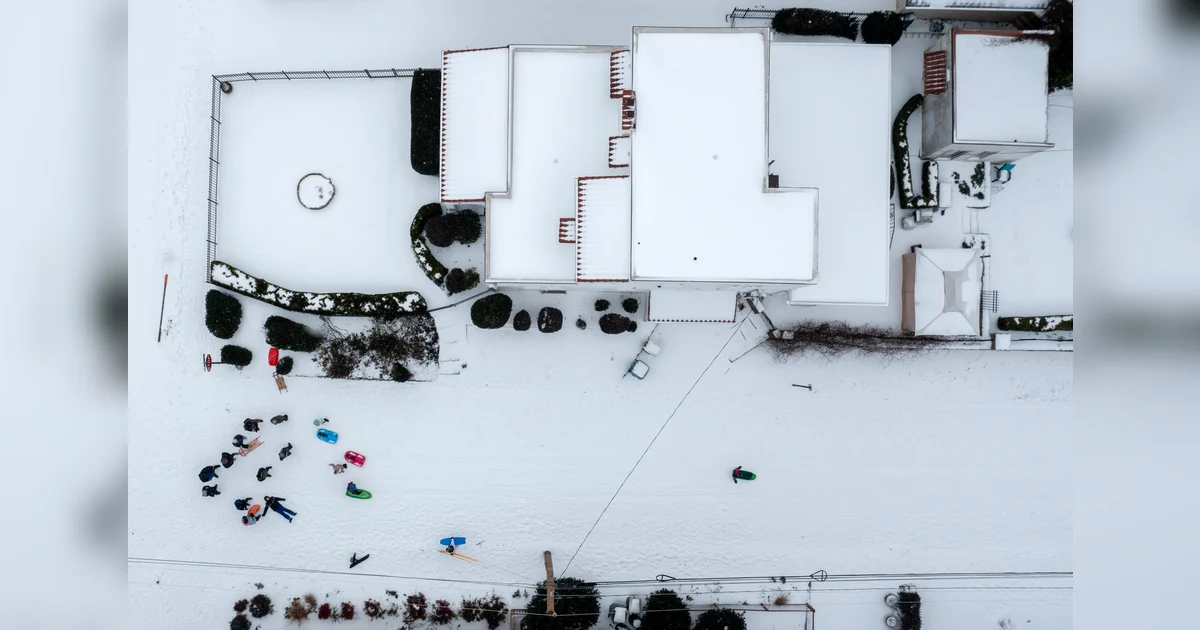
    A colossal winter storm system has engulfed significant portions of the United States, unleashing a cascade of severe weather conditions that have severely disrupted daily life for more than 200 million citizens. The extreme weather event, characterized by heavy snowfall, freezing rain, and dangerously low temperatures, has triggered widespread travel chaos, power outages, and emergency declarations across multiple states.

    Meteorological reports indicate the storm’s immense scale, stretching from the Midwest through the Northeast and down into traditionally warmer southern regions unaccustomed to such winter severity. Transportation networks have borne the brunt of the impact, with thousands of flights canceled nationwide and major highway systems becoming treacherous or impassable. Emergency management agencies have issued stern warnings against unnecessary travel, citing whiteout conditions and rapidly deteriorating road surfaces.

    The storm’s timing during late January has amplified its disruptive potential, affecting commercial operations, educational institutions, and critical infrastructure. Utility companies report escalating power disruptions as ice accumulation threatens power lines and energy demand spikes due to extreme cold. Local governments have activated emergency response protocols, opening warming centers and deploying snow removal assets in round-the-clock operations.

    This weather event represents one of the most extensive winter storm impacts in recent years, testing the preparedness of municipal authorities and the resilience of community infrastructure. The National Weather Service continues to update forecasts with warnings that conditions may persist for several days, prolonging the operational challenges for recovery efforts and public safety agencies.

  • Mouni Roy vents frustration at being harassed by ‘uncles’ at event in north India

    Mouni Roy vents frustration at being harassed by ‘uncles’ at event in north India

    Prominent Bollywood actress Mouni Roy has publicly denounced what she describes as severe harassment during a recent performance in Karnal, Haryana. The actress, celebrated for her roles in ‘Naagin’ and ‘Devon Ke Dev…Mahadev,’ took to Instagram to detail multiple disturbing incidents that occurred throughout the event.

    Roy expressed particular disgust with the behavior of several older male attendees, whom she referred to as ‘uncles.’ The uncomfortable encounters began even before she took the stage, with multiple men allegedly placing their hands on her waist without consent while attempting to take photographs. When she verbally objected to this physical contact, her protests were reportedly ignored.

    The situation escalated during her performance when two specific individuals positioned themselves directly in front of the stage. According to Roy’s account, these men made lewd remarks, employed inappropriate hand gestures, and engaged in name-calling. The harassment intensified when they began throwing roses at her during her performance, creating a hostile environment that nearly caused her to exit the stage prematurely.

    Adding to the distress, Roy highlighted that these individuals recorded videos from low angles despite being asked to stop, responding with verbal abuse when confronted. The actress expressed disappointment that neither event organizers nor family members of the harassers intervened to stop the behavior.

    Roy emphasized the broader implications of such incidents, noting that if an established performer like herself faces such treatment, emerging artists likely encounter even greater challenges. She called for authorities to take action against what she described as ‘intolerable behavior’ while reaffirming her love for her country and its traditions, but condemning the sense of male entitlement that enables such harassment.

  • Bridge from Sheikh Zayed Road to Dubai Harbour now 65% complete

    Bridge from Sheikh Zayed Road to Dubai Harbour now 65% complete

    Dubai’s ambitious infrastructure development continues to progress as the Roads and Transport Authority (RTA) announced the 1.5-kilometer bridge connecting Sheikh Zayed Road to Dubai Harbour has achieved 65% completion. The project, developed in collaboration with private investment firm Shamal Holding, remains on schedule for a third-quarter 2026 opening.

    The four-lane bridge (two lanes in each direction) will dramatically improve connectivity to the Middle East’s largest yacht marina, situated between Bluewaters Island and Palm Jumeirah near iconic landmarks including Burj Al Arab. The structure originates at Interchange 5 near the American University in Dubai, traverses Al Naseem and Al Falak Street intersections, crosses over King Salman bin Abdulaziz Al Saud Street, and ultimately connects to Dubai Harbour Street.

    Transport authorities project the new infrastructure will significantly enhance traffic efficiency, reducing travel time from approximately 12 minutes to just 3 minutes while accommodating up to 6,000 vehicles per hour. The comprehensive project includes upgrades to four major intersections along the corridor and utility improvements, with 90% of utility service enhancement works already completed.

    Mattar Al Tayer, RTA Director General and Chairman of the Board of Executive Directors, emphasized the project aligns with leadership directives to develop integrated infrastructure supporting Dubai’s rapid urban and economic growth. The venture represents a model of public-private partnership between RTA and strategic private-sector entities.

    Abdulla Binhabtoor, CEO of Shamal Holding, noted the project reflects their commitment to delivering iconic destinations that elevate Dubai’s urban landscape through long-term investment vision and carefully calibrated planning. The bridge will serve the expanding Dubai Harbour area, which includes an ongoing residential development project featuring 24 towers and approximately 7,500 apartments across a 1.5-kilometer stretch.

  • France detains captain of suspected Russian ‘shadow fleet’ tanker seized in Mediterranean

    France detains captain of suspected Russian ‘shadow fleet’ tanker seized in Mediterranean

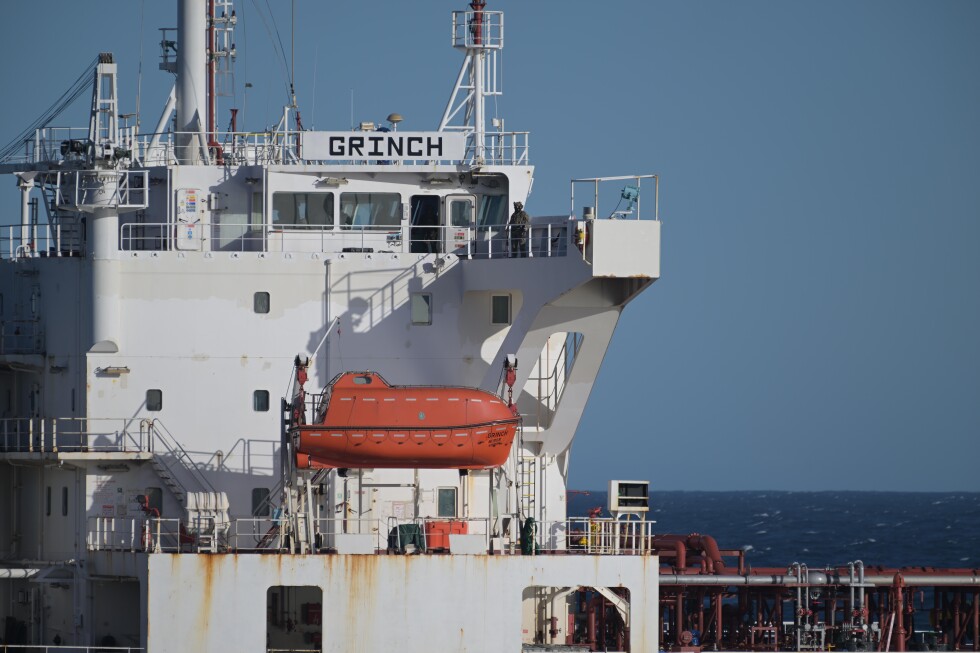
    French judicial authorities have taken into custody the Indian captain of an oil tanker intercepted by naval forces in the Mediterranean Sea amid allegations of violating international sanctions against Russia. The vessel ‘Grinch,’ which originated from Murmansk in northwestern Russia, has been identified as a potential member of Russia’s sanctioned ‘shadow fleet’ operating to circumvent economic restrictions related to the Ukraine conflict.

    According to statements from the Marseille prosecutor’s office obtained by French media outlets, the captain was transferred to judicial authorities after the tanker was diverted to anchorage in the Gulf of Fos-sur-Mer. The entire Indian-nationality crew remains confined aboard the vessel while investigators conduct a preliminary inquiry into maritime regulation violations, including failure to properly display national flags.

    The interception operation, documented through military-released footage, involved French naval personnel boarding the ship via helicopter earlier this week. This action represents the latest in a series of enforcement measures targeting Russia’s estimated 400-vessel shadow fleet, which predominantly consists of aging tankers owned by opaque entities registered in non-sanctioning countries.

    This incident echoes a similar September interception off France’s Atlantic coast, which Russian President Vladimir Putin condemned as ‘piracy.’ The captain from that previous seizure faces trial in February regarding allegations of non-cooperation with authorities. France and allied nations have intensified maritime surveillance and enforcement operations to disrupt Russia’s oil transportation networks amid ongoing geopolitical tensions.