博客

  • Israel agrees to ‘limited reopening’ of Rafah crossing, Netanyahu’s office says

    Israel agrees to ‘limited reopening’ of Rafah crossing, Netanyahu’s office says

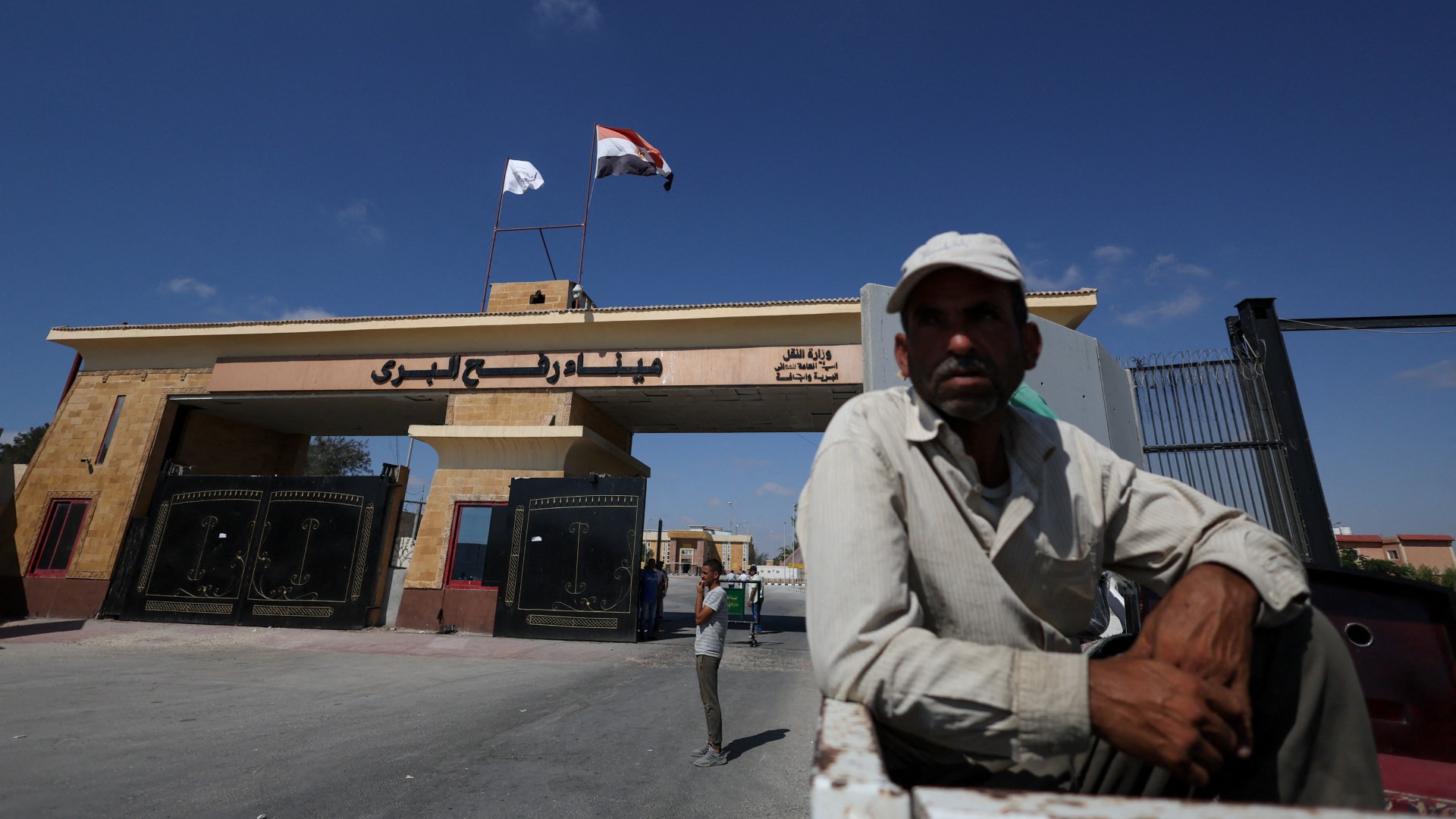
    In a significant diplomatic development, the Israeli government has consented to a conditional reopening of the Rafah border crossing between Gaza and Egypt. Prime Minister Benjamin Netanyahu’s office announced the decision on Monday after high-level discussions with US envoys in Jerusalem.

    The arrangement, formulated under President Trump’s 20-point peace framework, permits exclusively pedestrian transit through the critical passage. All movement will be subject to comprehensive Israeli inspection protocols. This partial reopening represents a carefully negotiated compromise after extensive dialogue between Israeli officials and US representatives Jared Kushner and Steve Witkoff.

    Israel has established explicit conditions for the crossing’s operational status, demanding the complete return of all living captives alongside a verifiable, maximum effort by Hamas to locate and repatriate deceased captives’ remains. This stance initially included the specific requirement to recover the body of Israeli citizen Ran Gvili before permitting any border access, a position reportedly softened following American diplomatic intervention.

    The Rafah crossing holds immense strategic and humanitarian importance as Gaza’s primary gateway for aid delivery and civilian passage. Its closure since Israel’s imposition of a blockade in 2007 has drawn consistent criticism from the United Nations and international humanitarian organizations, which have persistently advocated for its reopening to alleviate the region’s humanitarian challenges.

    The current agreement, originating from the October 10 ceasefire negotiations brokered by the Trump administration, marks a tentative step toward normalized transit while maintaining Israel’s security requirements. The development illustrates the continuing complexity of Middle Eastern diplomacy and the ongoing international efforts to balance security concerns with humanitarian needs in the region.

  • 18 dead, 24 missing after ferry sinks in S. Philippines

    18 dead, 24 missing after ferry sinks in S. Philippines

    A major maritime tragedy struck the southern Philippines on Monday as the inter-island ferry M/V Trisha Kerstin 3 sank in the Sulu Sea, resulting in 18 confirmed fatalities and 24 individuals remaining missing. The incident occurred in the early hours near Baluk-Baluk Island off Basilan province, prompting an extensive search and rescue operation by Philippine authorities.

    According to the Philippine Coast Guard (PCG), the vessel was transporting 332 passengers and 27 crew members from Zamboanga City to Jolo Island in Sulu province when it submerged before 2:00 AM local time. Rescue teams have successfully recovered 317 survivors from the waters, with ongoing efforts to locate the missing persons.

    PCG Commandant Admiral Ronnie Gil Gavan confirmed the ferry had departed Zamboanga City port at approximately 9:20 PM on Sunday evening. Addressing concerns about potential overloading, Admiral Gavan stated that the vessel operated within its authorized capacity of 350 passengers, with the actual passenger count verified at 332 individuals at departure.

    The exact cause of the sinking remains undetermined as maritime investigators examine multiple factors that could have contributed to the disaster. The incident highlights the persistent challenges facing maritime safety in the Philippine archipelago, where inter-island transportation remains vital yet occasionally vulnerable to accidents.

    The Philippine Coast Guard has deployed additional assets to the search area, coordinating with local authorities to expand the rescue operation despite challenging maritime conditions in the region.

  • Laba porridge heralds festive celebrations

    Laba porridge heralds festive celebrations

    As winter’s chill embraces Beijing, the aromatic steam of laba porridge rises from ancient temples, signaling the official commencement of Chinese New Year festivities. This Monday, marking the eighth day of the twelfth lunar month, communities across China will participate in the centuries-old tradition that blends culinary artistry with cultural significance.

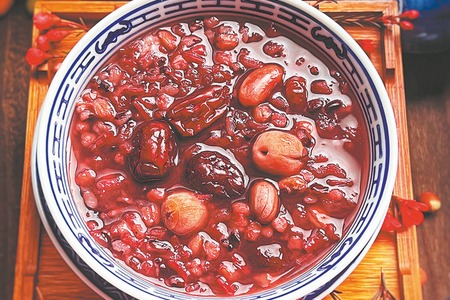
    The term ‘laba’ itself derives from Chinese lunar calendar terminology, with ‘la’ denoting the twelfth month and ‘ba’ representing the number eight. This symbolic porridge, typically crafted from at least eight ingredients including glutinous rice and red beans, transcends mere culinary practice to embody a cultural countdown to new beginnings.

    Historical temples including Yonghegong (Lama Temple), Guanghua, and Tanzhe become epicenters of this tradition, distributing steaming bowls to thousands of visitors despite the winter cold. The ritual represents one of Beijing’s most significant seasonal events, maintaining continuity since the Qing Dynasty (1644-1911) when both royalty and commoners believed consuming temple-prepared porridge ensured future prosperity and peace.

    Imperial archives reveal Emperor Yongzheng’s particular devotion to the ceremony, elevating it to a rigorously regulated ritual requiring eight days of preparation. Historical records document astonishing scales of production: single ceremonies utilized over 720 kilograms of primary ingredients, with total ingredient weight reaching 1,000 kilograms and consuming approximately 5,000 kilograms of firewood.

    At Lama Temple, visitors can still witness the massive copper cauldron—crafted by imperial workshops, measuring two meters in diameter and weighing eight metric tons—that once facilitated these grand preparations. During Emperor Qianlong’s reign, the recipe incorporated thirteen premium ingredients including millet, rice, various beans, red dates, chestnuts, almonds, and brown sugar.

    Beyond temple walls, contemporary adaptations thrive. Huguosi Snack, a renowned Beijing eatery, has introduced a modern version featuring over twenty ingredients, receiving praise on social platform Xiaohongshu for its authentic composition and satisfying quality.

    Regional variations showcase China’s culinary diversity: Northern versions favor hearty, thick consistency often accompanied by pickled laba garlic; Jiangnan regions prefer lighter, delicately sweetened interpretations; while Northwestern adaptations incorporate lamb for enhanced warmth. Across all variations, the harmonious blend of grains symbolizes abundance and collective hopes for a prosperous coming year.

  • Caribbean cannabis growers eye budding domestic sales and exports

    Caribbean cannabis growers eye budding domestic sales and exports

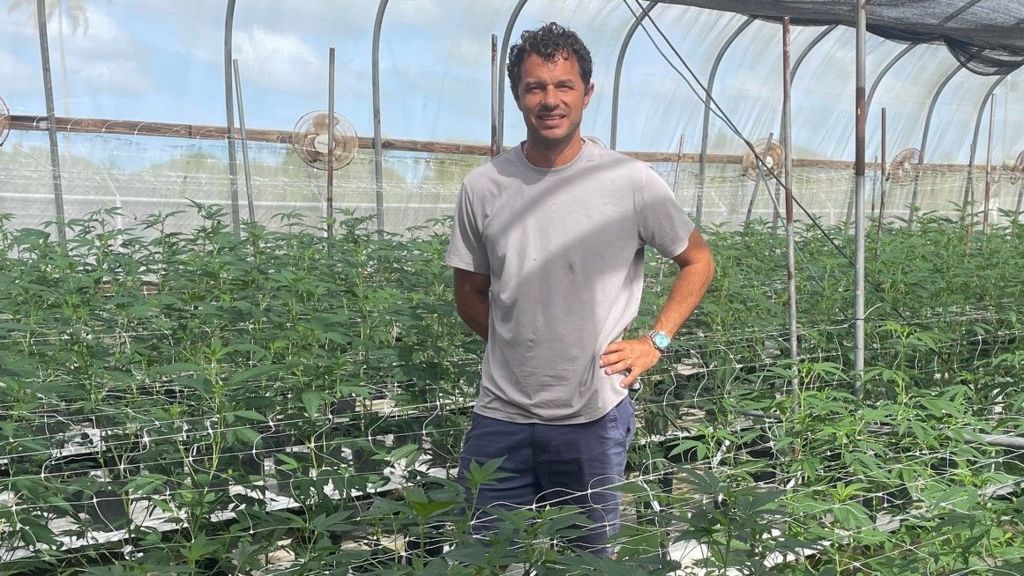
    In the fertile countryside of Antigua, master cultivator Michaelus Tracey demonstrates the intricate art of cannabis strain identification through leaf texture and aromatic profiling. At Pineapple Road Farm, nine distinct cannabis varieties flourish under optimal Caribbean conditions—warm temperatures, abundant sunshine, and high humidity creating ideal cultivation terrain.

    This agricultural precision represents a broader regional transformation. Since Jamaica’s groundbreaking decriminalization of recreational cannabis and medical legalization a decade ago, multiple Caribbean nations including Antigua and Barbuda (2018) have embraced regulatory reform. The region, long associated with cannabis culture, is now emerging as an unexpected leader in medicinal cannabis production and research.

    Professor Rose-Marie Belle Antoine, University of the West Indies campus principal and Caribbean cannabis expert, argues current decriminalization measures remain insufficient. ‘Legalization with regulation is essential,’ she states, noting that historical drug policies previously stifled both industry development and scientific research.

    The Caribbean’s cannabis landscape received significant international impetus from recent U.S. policy shifts. President Trump’s executive order reclassifying cannabis as a lower-risk drug has been hailed as a ‘significant milestone’ by industry leaders like Alexandra Chong, CEO of Jamaica-based Jacana. This federal recalibration may eventually enable Caribbean exports to U.S. markets, though current U.S. import restrictions remain under federal law.

    Despite regulatory advances, challenges persist. High operational costs and medical-only sales restrictions have maintained illegal market dominance. Jacana estimates 90% of Jamaica’s annual 87-ton cannabis consumption flows through illicit channels, with many licensed operators ceasing operations due to regulatory constraints.

    Antigua has implemented innovative solutions including amnesty programs converting illegal growers into legal operators through free educational courses. The island’s Medicinal Cannabis Authority is actively developing export frameworks leveraging the nation’s geographic advantages and existing legal infrastructure.

    The regulatory evolution carries profound social justice implications. In 2018, Antigua’s government formally apologized to Rastafarian communities for historical persecution related to cannabis use, later granting sacramental cultivation rights and initiating criminal record expungement for minor possession offenses.

    As Caribbean nations navigate this complex landscape, industry advocates emphasize the region’s unique competitive advantages—natural growing conditions, traditional knowledge, and evolving regulatory frameworks—positioning the Caribbean as an emerging force in the global medicinal cannabis market.

  • 10 years, 3,000 creatives: The uphill battle for Black talent in Italian fashion

    10 years, 3,000 creatives: The uphill battle for Black talent in Italian fashion

    MILAN — Michelle Francine Ngonmo, a 38-year-old Cameroonian-Italian activist, has emerged as a transformative force in Italy’s fashion landscape, dedicating her career to amplifying African voices and people of color in an industry historically lacking representation. As founder of the Afrofashion Association, Ngonmo has spent the past decade producing runway shows, mentoring emerging talent, and recognizing groundbreaking achievements through her recently established Black Carpet Awards.

    The association’s impact is quantifiable: Ngonmo has collaborated with 3,000 individuals of color, with 92 now established in sustainable creative careers. These numbers simultaneously demonstrate progress and highlight the considerable work remaining in diversifying Italian fashion.

    The movement gained momentum following the Black Lives Matter protests, which exposed the conspicuous absence of people of color in Italy’s prestigious design studios. Ngonmo partnered with designers Stella Jean and Edward Buchanan to launch the ‘We Are Made in Italy’ (WAMI) initiative, demanding concrete action rather than symbolic gestures from fashion houses. This collaboration emerged as several prominent brands faced scandals over racially insensitive designs and campaigns.

    Despite initial industry enthusiasm, attention waned as diversity funding diminished and economic pressures mounted. Ngonmo now strategically focuses on maintaining relationships with committed organizations like the Italian National Fashion Chamber, which continues supporting Black designers during Milan Fashion Week.

    Ghanaian designer Victor Reginald Bob Abbey-Hart exemplifies this progress. After immigrating to Italy nine years ago, he has advanced from showcasing at the Black Carpet Awards to presenting full collections during fashion week, recently debuting his predominantly denim line to a packed audience that included Chamber president Carlo Capasa.

    Both Ngonmo and Abbey-Hart acknowledge persistent challenges. The designer notes that racial bias often disqualifies candidates before interviews even occur, urging the industry to evaluate talent rather than ethnicity. Capasa concedes Italy has considerable work ahead in diversity and inclusion, acknowledging Ngonmo’s instrumental role in helping institutions understand minority communities’ needs from mentorship to education.

  • US’ Greenland push rattles NATO alliance, experts say

    US’ Greenland push rattles NATO alliance, experts say

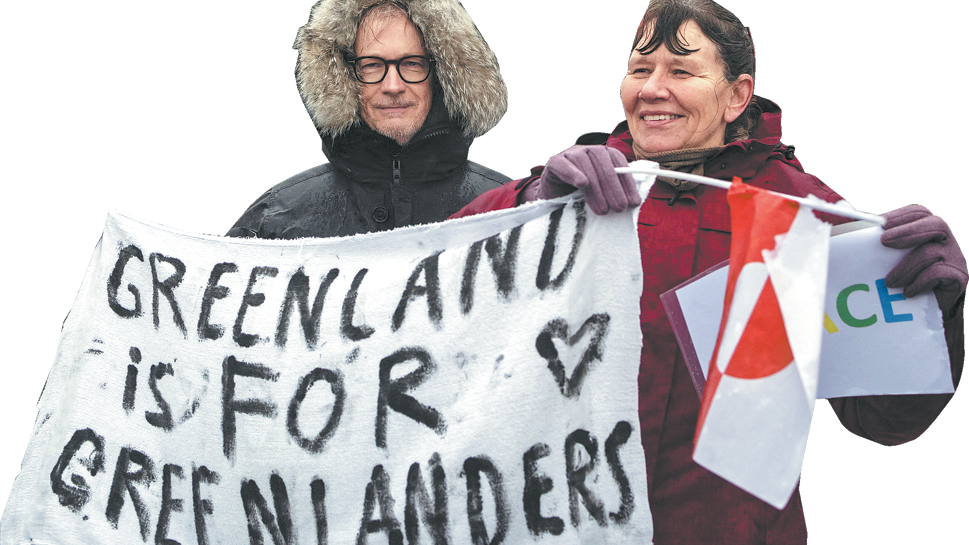
    A diplomatic crisis has erupted within NATO following the United States’ controversial push to acquire Greenland, creating unprecedented tensions among Western allies. The world’s largest island, spanning over 2.16 million square kilometers with a mere 57,000 inhabitants, has become the epicenter of a geopolitical storm that threatens to undermine the foundation of the transatlantic alliance.

    President Donald Trump’s public declaration of interest in bringing the Danish territory under US control, justified as a ‘national security’ measure against perceived Russian and Chinese presence, sent shockwaves through European capitals. The situation escalated when Trump announced following his meeting with NATO Secretary-General Mark Rutte in Davos that he had established the ‘framework of a future deal’ concerning Greenland and the broader Arctic region.

    European leaders responded with alarm and firm resistance. Danish Prime Minister Mette Frederiksen asserted unwavering commitment to sovereignty, stating, ‘We can negotiate on everything political; security, investments, economy. But we cannot negotiate on our sovereignty.’ The crisis prompted an emergency EU summit in Brussels where foreign policy chief Kaja Kallas acknowledged that ‘trans-Atlantic relations have definitely taken a big blow over the last week.’

    Security experts warned of potentially devastating consequences. Professor Michael A. Allen of Boise State University cautioned that ‘if gained through coercion, the impact would have been devastating for the United States and the rest of the world,’ potentially causing the collapse of NATO itself. The alliance, formed in 1949 to provide collective security, faced its most serious internal crisis in decades.

    The tension temporarily eased when Trump withdrew threats of imposing punitive tariffs—initially set at 10% escalating to 25%—against eight European nations that opposed the Greenland initiative. However, the episode has fundamentally altered dynamics within the alliance, with leaders including French President Emmanuel Macron and British Prime Minister Keir Starmer demonstrating unusually direct criticism of US actions.

    China’s Foreign Ministry spokesperson Guo Jiakun dismissed Trump’s security concerns as ‘baseless,’ reaffirming China’s commitment to UN Charter principles in international relations. The Greenland controversy has exposed deepening fractures within NATO and raised questions about the future of US leadership in the alliance amid shifting global power dynamics.

  • Happy Laba Festival!

    Happy Laba Festival!

    Across China, communities are embracing the warmth of tradition as they celebrate the annual Laba Festival, a time-honored cultural event marking the eighth day of the twelfth lunar month. This year’s celebrations feature diverse activities that blend ancient customs with contemporary expressions of Chinese heritage.

    Various regions have organized distinctive events to commemorate the festival. Shanghai is hosting an aromatic agarwood exhibition that transforms museum spaces into sensory experiences, while Shenyang’s winter exposition showcases intricate intangible cultural heritage pieces. In Linyi, Langya Ancient City has become a living historical canvas, demonstrating traditional practices to visitors.

    Concurrent with these cultural celebrations, China continues to make significant strides in national development. The People’s Liberation Army Daily has reaffirmed the nation’s determined stance against corruption, alongside newly unveiled regulations governing Party organization elections within the armed forces. These developments highlight the country’s parallel progress in both cultural preservation and institutional strengthening.

    The Laba Festival, traditionally celebrated with the sharing of Laba porridge—a nutritious mixture of grains, nuts, and dried fruits—continues to symbolize community, warmth, and cultural continuity during the coldest period of the year. This festival not only preserves ancient Chinese traditions but also adapts them to modern contexts, creating a bridge between historical practices and contemporary society.

  • Japanese ex-soldier reaches settlements in landmark sex abuse case

    Japanese ex-soldier reaches settlements in landmark sex abuse case

    In a groundbreaking resolution that concludes a highly publicized legal battle, former Japanese Self-Defense Forces soldier Rina Gonoi has reached a comprehensive settlement with the Japanese government and her final remaining defendant. The settlement, announced Monday by Gonoi’s legal representatives, marks the conclusion of her civil lawsuit against five former colleagues and the state.

    Under the terms of the agreement, the Japanese government will pay Gonoi 1.6 million yen (approximately $10,400) in compensation. Notably, the former colleague defendant provided neither financial compensation nor a formal apology as part of the resolution. This development follows Gonoi’s previous settlements with four other defendants earlier in the proceedings.

    The case originated from a 2021 incident where three male colleagues physically restrained Gonoi and pressed their bodies against her in a sexually suggestive manner. When Gonoi reported the assault to her superiors, her complaints were systematically dismissed, prompting her to take unprecedented action.

    In 2022, Gonoi courageously shared her experience through a YouTube video that rapidly gained international attention, amassing over 100,000 signatures on a petition demanding official investigation. Her advocacy triggered a sweeping Defense Ministry probe that uncovered more than 1,000 additional reports of sexual harassment within Japan’s military ranks.

    While a separate 2023 criminal case resulted in convictions for three ex-soldiers, their two-year prison sentences were suspended for four years, meaning they served no actual incarceration time.

    At a Monday press conference, Gonoi reflected on her 4.5-year journey, describing it as “very long and heavy” but expressing no regret for speaking out. The now-26-year-old recently acknowledged on social media that her legal battle had finally concluded, thanking supporters who stood by her throughout the process.

    Gonoi had initially sought 5.5 million yen in damages from the perpetrators for psychological distress and an additional 2 million yen from the state for its failure to prevent the abuse. Her case has become symbolic of Japan’s evolving conversation around sexual violence, joining other high-profile cases that have broken traditional silence on the issue.

  • Pauline Hanson slams ‘un-Australian’ opponents amid surge in poll support

    Pauline Hanson slams ‘un-Australian’ opponents amid surge in poll support

    In a significant shift within Australian politics, One Nation leader Pauline Hanson has capitalized on surging poll numbers to deliver a blistering critique of newly enacted hate speech legislation. The controversial figure, whose party now outperforms the Coalition in primary voting intentions according to recent Newspoll data, addressed enthusiastic supporters during Australia Day rallies where “Pauline 4 PM” signage signaled growing momentum.

    The Brisbane gathering, characterized by its festive atmosphere with music, flags, and widespread cheering, served as the platform for Hanson’s multifaceted address. She launched particularly sharp criticism against Prime Minister Anthony Albanese, whom she labeled “the worst prime minister I have ever seen,” while attributing Australia’s mass migration challenges to his leadership.

    Central to Hanson’s rhetoric was a vehement rejection of recently passed hate speech laws, which she argued could be weaponized to suppress minority parties and stifle crucial debates on immigration and multiculturalism. “We can never give up our freedom of speech,” she declared to applauding supporters. “I will not let them stop me. I will keep going.”

    Despite her inflammatory statements regarding climate change skepticism and calls to wind back environmental policies, Hanson concluded her address with an unexpected plea for national unity. She emphasized that Australia belongs to all who embrace its values, whether native-born or migrant, while maintaining her signature criticism of what she perceives as divisive identity politics.

    The event drew immediate condemnation from Greens Senator Larissa Waters, who attended a nearby Invasion Day protest and accused Hanson of employing racist dog-whistle tactics. Waters challenged Hanson’s populist narrative by highlighting her voting record on affordability issues, claiming the One Nation leader “votes with the one per cent” rather than ordinary Australians.

    Hanson dismissed these criticisms as coming from “un-Australian” opponents filled with hatred, setting the stage for continued ideological clashes as Australia approaches its next federal election.

  • Minneapolis protesters march against ICE as governor urges Trump to remove agents

    Minneapolis protesters march against ICE as governor urges Trump to remove agents

    Minneapolis became the epicenter of a national political firestorm this weekend as protests erupted following the fatal shooting of Alex Pretti, a 37-year-old intensive care nurse, by federal immigration agents. The incident has triggered a severe constitutional crisis, pitting state authorities against federal power and exposing deep divisions within American society.

    Tensions reached a boiling point on Sunday as hundreds of demonstrators braved freezing temperatures in Minneapolis, with parallel protests emerging in New York City, Chicago, Los Angeles, and San Francisco. Armed federal agents deployed tear gas and stun grenades against crowds demanding justice for Pretti and calling for the abolition of Immigration and Customs Enforcement (ICE).

    The confrontation between state and federal authorities intensified dramatically when Minneapolis Police Chief Brian O’Hara revealed to the BBC that state officers were deliberately blocked from accessing the shooting scene by federal agents, despite possessing a valid search warrant. This obstruction has severely hampered ongoing investigations and raised serious questions about accountability and jurisdictional overreach.

    At the political level, Minnesota Governor Tim Walz declared America at an ‘inflection point’ and repeatedly demanded President Trump withdraw federal agents from the city. Conversely, Trump issued counter-demands through Truth Social, insisting that Walz and ‘EVERY Democrat Governor and Mayor’ must ‘formally cooperate with the Trump Administration to enforce our Nation’s Laws.’

    The administration’s characterization of Pretti as a ‘domestic terrorist’ has been vehemently contested by his family, who described these claims as ‘sickening lies’ and ‘reprehensible.’ Court records confirm Pretti had no criminal history beyond minor traffic violations, and local authorities maintain his firearm was legally registered and not being brandished at the time of the shooting.

    Remarkably, the National Rifle Association joined other gun lobby groups in calling for a ‘full investigation,’ breaking with its typical alignment with the Trump administration. Meanwhile, the chief executives of over 60 Minnesota-based corporations, including 3M, Best Buy, Target, and UnitedHealth Group, signed an open letter demanding immediate de-escalation and collaborative solutions between local and federal officials.

    This shooting follows weeks of escalating tensions in Minneapolis and comes just weeks after the ICE-related killing of 37-year-old Renee Good during similar immigration enforcement operations. The situation has created rare bipartisan concern, with Oklahoma Governor Kevin Stitt and Louisiana Senator Bill Cassidy both expressing serious reservations about federal tactics and accountability.

    As Democrats threaten to block government funding packages containing Homeland Security allocations, the nation faces the prospect of another government shutdown while grappling with fundamental questions about immigration enforcement, states’ rights, and the appropriate use of federal power.