博客

  • Farmers in Kenya dispute that cyanide poisoning could have killed 15 elephants

    Farmers in Kenya dispute that cyanide poisoning could have killed 15 elephants

    In the sunbaked Kimana region bordering Kenya’s iconic Amboseli National Park, grim signs of a wildlife tragedy stretch across the landscape: the bloated carcass of one elephant abandoned on a dirt track, and little more than a sun-bleached skull left of another, picked clean by scavengers. These are two of 15 elephants that have died in the Amboseli ecosystem over the course of one month, with preliminary investigations pointing to cyanide poisoning contracted from eating tomatoes grown on adjacent smallholder farms.

    The sudden, mass mortality event has reignited long-simmering tensions between conservation authorities and local farming communities, while throwing a harsh spotlight on the accelerating human-wildlife conflict that has emerged as one of the biggest threats to Kenya’s recovering elephant population.

    Preliminary postmortem examinations carried out by the Kenya Wildlife Service (KWS) found tomato residues in the elephants’ stomachs, and initial lab testing detected traces of cyanide in the animals’ systems. Dr. Isaac Lekolool, head of veterinary services at KWS, reported that the elephants displayed clear symptoms of cyanide toxicity before death: progressive paralysis and severe respiratory distress. While follow-up testing is still underway to confirm cyanide concentration and pinpoint the source of the toxin, Lekolool noted that the elephants also consumed watermelons from nearby farmland, and has called for stricter oversight of pesticide handling and use in agricultural areas bordering the park.

    Contrary to early speculation that the cyanide originated from unregulated illegal mining operations within the ecosystem, Lekolool has publicly dismissed that theory. Currently, samples taken from the elephants’ stomach contents are undergoing further toxicology analysis, with blood testing still ongoing to confirm initial findings.

    Local farmers, however, have pushed back hard against claims that cyanide from their crops killed the 15 animals, arguing the toxin is not used in local agriculture and is not available to regional growers. Elvis Muchai, a tomato farmer who has worked on the edge of Amboseli for 20 years, says he has never encountered cyanide among the regulated agricultural chemicals sold to farmers in the area, and notes that local communities have coexisted with migrating elephants for generations, even amid repeated crop raids.

    “Even when elephants destroy our crops, we have never turned to poisoning them,” Muchai explained. In the last growing season alone, elephants raided and destroyed half an acre of his tomato crop, costing him an estimated $3,800 in lost income — losses he says he has never received compensation for, despite years of living with the risk. Another local farmer, Rymondy Mrosso, added a key question to the debate: if contaminated crops were the source of the poisoning, why have only elephants died? Goats, cows, and wild species like gazelles also graze and feed on farm produce in the area, he noted, and none have reported similar mass deaths.

    The tragedy comes as Kenya has been widely lauded for its successful elephant conservation work over the past two decades. After decades of poaching pushed the national elephant population to historic lows, aggressive anti-poaching policies and habitat protection have grown the population to more than 36,000 elephants today. But even as poaching has declined, expanding agriculture along park borders has pushed human-wildlife conflict to become the second leading cause of elephant deaths in the country, according to Kenya’s National Elephant Plan. Between 2000 and 2020, at least 1,160 elephants were killed in retaliatory or self-defense incidents as communities sought to protect their crops, property, and lives from invading animals. Even so, KWS communications director Duncan Juma argues that retaliation is not a factor in this case, saying “the community loves these animals.”
    Kimana, the region at the center of the investigation, is one of Kenya’s most productive high-value agricultural zones, growing tomatoes, onions, and French beans for distribution to markets in Nairobi and beyond. As demand for agricultural land has grown, farms have steadily expanded closer to Amboseli’s park boundaries, shrinking the buffer between wildlife habitats and cultivated land and increasing the frequency of elephant incursions, particularly during dry seasons when wild forage is scarce.

    Conservation groups say the mass elephant death highlights the urgent need for systemic action to address the root causes of human-wildlife conflict in the region. The International Fund for Animal Welfare (IFAW) says the tragedy underscores that as human and elephant ranges increasingly overlap, protecting wildlife and supporting local livelihoods cannot be separated. “As people and elephants increasingly share space, protecting wildlife and safeguarding communities’ livelihoods must go hand in hand,” IFAW said in a statement.

    Ben Wandago, IFAW’s East Africa Director, called for a full, transparent, and urgent investigation into the source of the cyanide, and pushed for the rapid implementation of coexistence strategies that protect both communities and wildlife near Amboseli. He also emphasized the urgent need for stricter regulatory control of highly toxic substances, to prevent the chemicals from leaking into vulnerable wild ecosystems.

    With investigations still ongoing, the tragedy has made clear that the fragile balance between wildlife conservation and smallholder agriculture in one of Africa’s most protected ecosystems is growing increasingly strained, demanding coordinated action to prevent further mass deaths.

  • Student shoots multiple people at a high school in Thailand, authorities say

    Student shoots multiple people at a high school in Thailand, authorities say

    BANGKOK – Law enforcement agencies have deployed to the scene of a Friday shooting at a Thai high school located on the outskirts of Bangkok, with multiple fatalities and injuries confirmed in the early stages of the response. The incident unfolded at Debsirin Nonthaburi School, situated in Nonthaburi province just northwest of Thailand’s capital, according to Royal Thai Police spokesperson Trairong Piwpan, who shared the initial details with The Associated Press.

    Arsit Sampantharat, permanent secretary for Thailand’s Ministry of the Interior, told local broadcaster PPTV that the suspected perpetrator is a current student at the school, who remained inside the building as of the first official updates. As emergency and law enforcement teams worked to secure the site, senior officials have not yet released a full count of casualties or additional context about the possible motivation for the attack.

    Amateur footage and photos captured from the perimeter of the campus show groups of people gathered outside the school, gathering emotional support from one another in the immediate aftermath of the violence. The shooting marks the second serious act of gun violence at a Thai secondary school this year, echoing a February incident in southern Thailand that left one person dead and two others injured. In that earlier attack, a 17-year-old suspect stole a firearm from a police officer before opening fire at a local public high school, then took several civilians hostage during a two-hour standoff with authorities.

  • Man, woman charged after South Australian police allegedly uncover cache of explosives, detonators during raid

    Man, woman charged after South Australian police allegedly uncover cache of explosives, detonators during raid

    A coordinated search operation by South Australia Police (SAPOL) at a coastal South Australian property has led to the arrest of two people and the seizure of an unlicensed stockpile of explosives, in a case that has raised serious public safety concerns in the region.

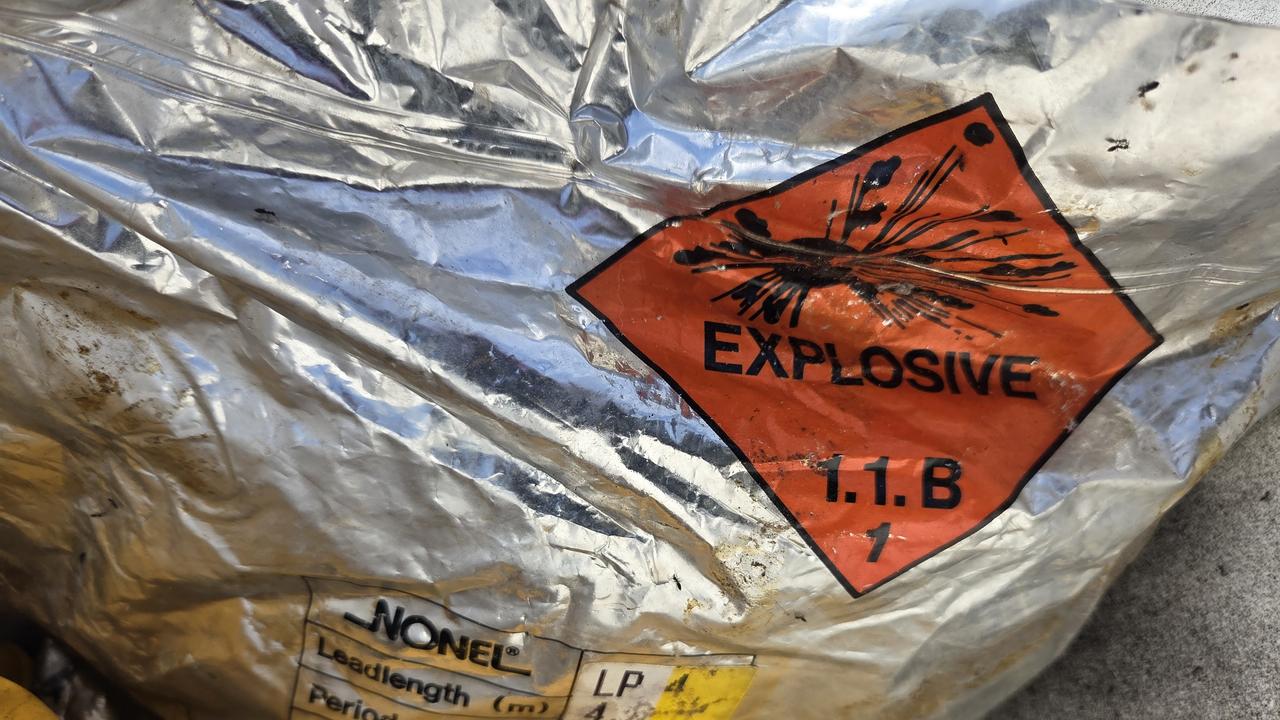
    The raid was carried out on Thursday at a residential site located south of Kingston SE, a small coastal community roughly 300 kilometers south of the state capital Adelaide. What started as a planned search uncovered an initial stash of gunpowder and bomb detonators, prompting investigators to call in SAPOL’s specialist Bomb Response Unit to support the operation.

    With the assistance of a detection sniffer dog, officers conducted extended searches of the property and uncovered additional hidden explosive materials that were not secured in line with state regulatory requirements and held no valid licenses. In total, authorities seized 18 detonators: 11 naval ordnance laboratory (NOL) devices and seven electrical detonators, alongside the seized gunpowder.

    Following the completion of evidence gathering and initial investigations, SAPOL took two people into custody: a 48-year-old man and a 24-year-old woman, both residents of Mount Gambier.

    The 48-year-old man faces multiple firearms-related charges, including violations of a standing firearms prohibition order that legally bans him from holding or accessing weapons and explosive materials. He did not submit a bail application and is scheduled to appear before the Mount Gambier Magistrates Court on the same day this report was published.

    The 24-year-old female accused faces two separate charges: possession of unlawfully obtained ammunition and obstructing police officers in the course of their official duties. She has been scheduled to appear at the same Mount Gambier court on September 8.

    The case underscores ongoing efforts by South Australian law enforcement to crack down on unregulated weapons and explosive materials, which pose significant latent risks to surrounding communities if left unsecured.

  • US polysilicon tariffs to move solar makers to domestic materials

    US polysilicon tariffs to move solar makers to domestic materials

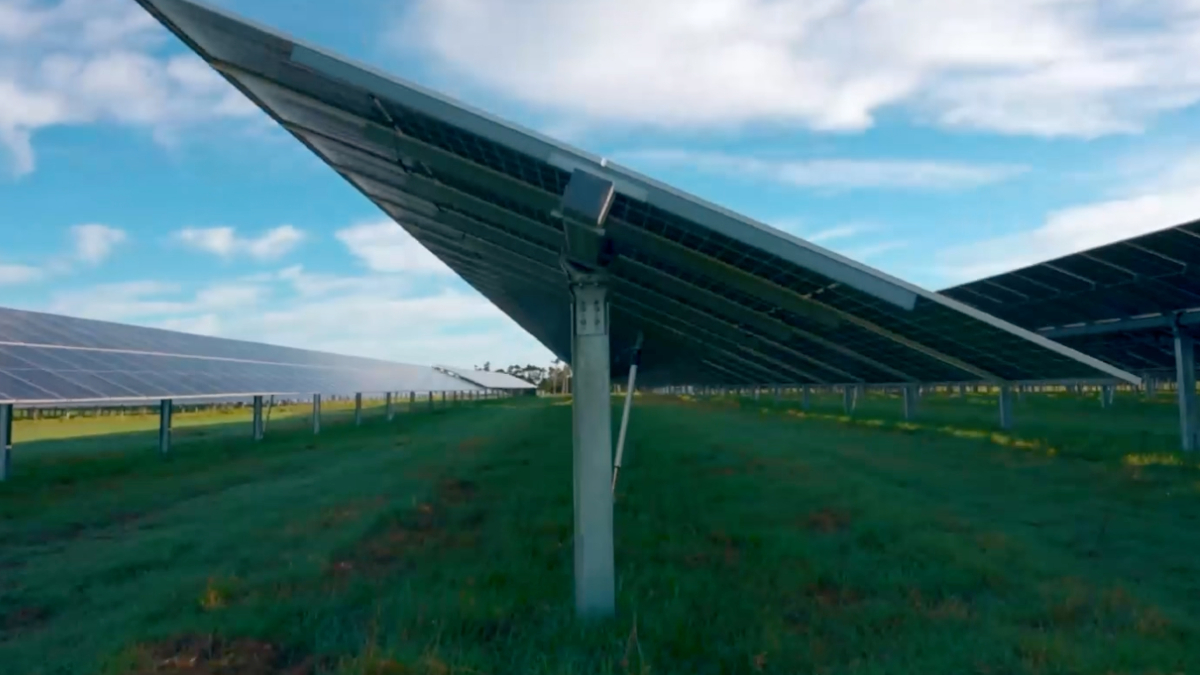
    In a sweeping new move to force solar manufacturing supply chains onto U.S. soil, the Trump administration has formally proposed a 15% tariff and mandatory minimum import prices on polysilicon and all its derivative solar products, capping a 14-year U.S. effort to erode China’s decades-long dominance of the global clean energy sector. The new trade restrictions grow out of a national security investigation launched by Washington in July 2025 under Section 232 of the 1962 Trade Expansion Act, a legal framework that allows the U.S. to impose trade barriers on imports deemed a threat to national security.

    The proposal marks the final pillar of a long-running U.S. strategy that stretches back 14 years to reshape the global solar industry. Since 2012, successive U.S. administrations have deployed anti-dumping probes, escalating tariffs, and targeted tax incentives to gradually push Chinese solar manufacturers out of their home production bases and toward establishing operations in the United States. The new tariffs are explicitly designed to close the remaining loophole: forcing firms that have already built U.S. assembly plants to source raw polysilicon and core components domestically, creating a fully integrated solar supply chain within U.S. borders.

    According to a Thursday Reuters report citing anonymous administration sources, the new restrictions will apply across the entire solar production chain, covering polysilicon, wafers, cells, modules, and finished solar panels. The 15% tariff will specifically target polysilicon derivatives, while binding price floors will set a minimum cost for all imported solar inputs.

    Beijing has already issued fierce pushback against the measure. In a formal statement, the Chinese Embassy in Washington called on the U.S. to immediately abandon the Section 232 tariff plan and resolve trade disagreements through equal, constructive dialogue. “China firmly opposes the U.S. overstretching the concept of national security and abusing state power to unjustifiably suppress Chinese companies,” a embassy spokesperson said. “Protectionism will not enhance U.S. competitiveness. What the U.S. has done seriously impedes normal economic and trade exchanges between Chinese and American companies and serves the interests of no party, including American businesses and consumers. China will continue to firmly safeguard the lawful and legitimate rights and interests of Chinese companies.”

    Chinese industry analysts and commentators have been equally critical, with many framing the sequence of shifting U.S. solar policies as a predatory “pig-butchering scam” — a term borrowed from a common online fraud scheme where scammers lure victims into investing before cutting off contact and seizing their assets. Critics argue the Biden administration first used generous federal tax credits under the 2022 Inflation Reduction Act to lure major Chinese solar manufacturers into investing billions of dollars to build new factories on U.S. soil, only for the subsequent Trump administration to abruptly slash those credits, tighten eligibility rules, and impose new tariffs that effectively trap Chinese firms into selling their assets at a loss.

    This policy shift is codified in the One Big Beautiful Bill Act, signed into law by Trump on July 4, 2025. The legislation sets strict new rules for solar manufacturers to access federal tax credits: to lock in the full benefit, companies must have broken ground on their U.S. factories before July 4, 2026, with a four-year grace period to complete construction. It also enforces rising domestic content requirements: for modules to qualify for credits, 50% of components must be U.S.-sourced in 2026, rising to 60% in 2027, 70% in 2028, and 80% in 2029. Inverters follow a similar schedule, starting at 50% domestic content in 2026 and increasing 5 percentage points annually to 65% by 2029. Most notably, the act bars tax credits entirely for any U.S.-based entity that is classified as a Prohibited Foreign Entity, a designation that applies to any firm where Chinese, Russian, Iranian, or North Korean interests hold 25% or more equity, directly or indirectly.

    Chinese industry experts warn the new measures will not deliver the domestic growth the U.S. is seeking, while raising costs for U.S. consumers and manufacturers. Huo Jianguo, vice chairperson of the China Society for World Trade Organization Studies, told state-affiliated newspaper the Global Times that the Trump administration has grossly overextended the national security justification for tariffs. He argued that rash protectionist moves disrupt global supply chains, fail to boost U.S. competitiveness, and harm the interests of all parties involved. Lu Jinbiao, a member of the expert committee at the China Photovoltaic Industry Association, added that the policy will do little to increase U.S. polysilicon production, but will significantly raise input costs for American solar manufacturers. He noted that the impact on major Chinese producers will be relatively limited, as most have already shifted their primary export focus to markets in India, Vietnam, and other Southeast Asian nations.

    Still, many Chinese observers acknowledge that 14 years of escalating U.S. trade pressure has started to erode China’s dominant position in the global solar sector. A Shaanxi-based columnist writing under the pen name Clear Mind documented that since 2025, leading Chinese solar firms including Trina Solar, JinkoSolar, and Boviet Solar have been scaling back and exiting their newly built U.S. operations, with some facilities put up for sale just one week after starting production. While the physical production lines and equipment remain in place, high operating costs and lost tax credits have left the facilities unprofitable, forcing Chinese firms to sell at steep discounts. The core issue, Clear Mind explained, is the abrupt phase-out of tax credits: prior U.S. policy offered hundreds of millions of dollars in annual tax savings for large U.S.-based module plants, enough to offset the higher cost of domestic production, but the new 2025 legislation accelerated the phase-out and locked out most foreign-invested firms.

    A timeline of 14 years of U.S. policy shows a deliberate incremental strategy to shift solar production away from China. After China joined the World Trade Organization in 2001, local government support helped Chinese solar firms rapidly expand, capturing 50% to 60% of global cell and module production by 2012. That same year, the Obama administration imposed the first round of anti-dumping tariffs on Chinese solar products, but a major regulatory loophole allowed Chinese firms to easily bypass the restrictions by routing production through third countries. In 2018, the first Trump administration imposed broader tariffs that forced most Chinese manufacturers to shift assembly operations to Southeast Asia. In 2022, the Biden administration passed the Inflation Reduction Act, which offered generous subsidies to encourage Chinese firms to relocate production to the U.S. By 2025, China still controlled 95% to 98% of global wafer production, 85% to 92% of global cell output, and 80% to 85% of global panel assembly. After returning to office, the second Trump administration rejected the Inflation Reduction Act as a waste of public funds, imposed new tariffs on panels made in Southeast Asia, and implemented the strict new construction deadline and domestic content rules in the One Big Beautiful Bill Act.

    Guangdong-based commentator Tanshuo Renjian noted that U.S. trade enforcement has effectively chased Chinese producers across the globe over the past decade and a half. After U.S. tariffs pushed manufacturers out of Southeast Asia, many shifted production to Ethiopia, where solar exports to the U.S. surged from near zero to roughly $300 million in the second half of 2025 — only for the U.S. to extend anti-dumping investigations to the East African nation shortly after. Despite the persistent pressure, Tanshuo Renjian noted that Chinese firms have consistently adapted and found new pathways to operate.

    The U.S. tariff announcement coincided with China’s implementation of new tightened exit-entry regulations, set to take effect September 15, which some outside commentators initially misinterpreted as a broad restriction on citizen travel. In reality, the new rules are specifically targeted at stemming the outflow of highly skilled engineers with expertise in advanced clean energy technologies, including cutting-edge N-type solar cell production. Under the new regulations, any individual deemed to pose a risk to China’s national industrial or technological security can be barred from exiting the country. Industry analysts note that the rules mean Chinese solar technicians who take jobs with U.S. solar firms could be barred from re-entering China after temporary trips home, effectively forcing them to leave their positions in the U.S.

  • Australia’s privacy tsar warns new laws may be needed for smart glasses

    Australia’s privacy tsar warns new laws may be needed for smart glasses

    The rapidly growing popularity of discreet, camera-equipped smart glasses — headlined by Meta’s popular Ray-Ban model and Kmart’s budget Anko offering — has spurred Australia’s top privacy official to sound an urgent alarm over unaddressed surveillance risks, arguing that current national privacy regulations are ill-equipped to manage the emerging technology and may require sweeping new legislation.

    In a detailed public blog post, Australian Privacy Commissioner Carly Kind warned that the booming market for smart glasses, with major tech giants Google and Apple expected to release their own competing models by 2027, will reshape the very nature of personal interactions in both public and private spaces. This shift, she argued, will erode the ability of Australians to make informed decisions about their own privacy, as members of the public can no longer be certain when they are being filmed, recorded, or photographed without their knowledge or consent.

    Against this backdrop, Kind said policymakers must seriously evaluate whether updated or entirely new privacy legislation is required to mitigate emerging risks. Current Australia’s Privacy Act only applies to data collection activities conducted by businesses and government agencies, not to individual users of the devices, creating a critical regulatory gap.

    While tech companies that receive and store personal data captured by these wearable surveillance devices are technically required to comply with existing privacy law, Kind raised serious doubts about whether firms can actually meet their existing legal obligations. She highlighted key unaddressed questions: how will companies notify people that their images or voice recordings have been captured and stored? If devices include facial recognition functionality, how can companies guarantee they have obtained explicit consent from every person whose biometric data is processed by the technology?

    Following Kind’s warning, Australia’s Attorney-General Michelle Rowland confirmed she has written to the privacy commissioner to flag the potential privacy threats posed by the new technology and requested that the issue be prioritized for review. Rowland emphasized that privacy is a foundational right that enables all people to live with dignity and free from fear, noting that smart glasses differ from other recording technologies because of their ability to capture media discreetly, making it nearly impossible for people to know when they are being recorded.

    Rowland added that the federal government has full confidence in the Office of the Australian Information Commissioner (OAIC) to identify emerging privacy risks and develop workable mitigation strategies, and the government is currently advancing the next phase of national privacy reform to ensure regulations remain fit for purpose in the fast-evolving digital age.

    Kind acknowledged that for most users, the privacy risks posed by widespread smart glasses adoption will be minimal and mild. The vast majority of captured personal data will likely sit unused in corporate data centers without ever being processed or used in a way that impacts everyday people, and the technology could even deliver public benefits in some use cases — for example, the deployment of body-worn cameras for law enforcement and security professionals.

    However, she stressed that there are high-stakes exceptions to this benign use pattern. Bad actors can easily deploy smart glasses for harmful purposes: to covertly surveil or exploit vulnerable populations, including children and domestic violence survivors, or for malicious ends such as corporate espionage, data theft, extortion, and bribery. Beyond direct safety threats, the widespread mainstream adoption of surveillance wearables will shift long-held societal norms around privacy, eroding core community values around personal autonomy in public spaces.

    Currently, the Australian federal government is conducting a review of the second tranche of national privacy reforms, which Kind said will likely expand the scope of privacy law to create new safeguards for consumers and new oversight requirements for smart glass developers. Under the proposed reform framework, for example, companies will be required to prove that their collection and use of personal information — including data used to train artificial intelligence models — is both fair and reasonable. Additional proposed changes, including higher consent requirements, stronger protections for geolocation data, and a broader definition of what counts as personal information, will give the privacy regulator more power to scrutinize new wearable technologies.

    Even with these reforms, a key gap remains: existing privacy law does not cover personal information collected and stored locally by individual users, putting this data outside the scope of regulatory oversight. While recent developments in tort law and the upcoming Digital Duty of Care regulations will partially address this gap in some scenarios, Kind said the OAIC is still investigating whether additional regulatory intervention is necessary to close all remaining loopholes.

    The regulator has already engaged directly with at least one major smart glasses developer twice this year to gain a deeper understanding of the technical specifications of currently available devices. Kind noted that as public trust in large technology companies remains at historic lows, the threshold for earning social approval to roll out new surveillance-enabled technology will remain high.

    Meta, which launched its latest generation of Ray-Ban smart glasses earlier this year with retail prices starting at $400 AUD, has published user guidelines that advise customers to “respect people’s preferences” and stop recording when anyone requests not to be recorded. The company also requires users to leave the device’s recording indicator LED light unobscured, and reminds users to follow all local laws, prohibiting use of the glasses for harmful activities including harassment, privacy violations, and capturing sensitive information such as ATM pin codes.

  • AFL 2026: GWS coach dismisses player division over Jake Stringer’s failed business venture

    AFL 2026: GWS coach dismisses player division over Jake Stringer’s failed business venture

    As the Greater Western Sydney (GWS) Giants gear up for a critical clash against the Gold Coast Suns this weekend with their thin finals hopes on the line, head coach Adam Kingsley has moved quickly to shut down swirling rumors of internal division surrounding star forward Jake Stringer. Recent media reports have claimed that the club’s leading goalkicker this season, who is currently out of contract for 2025, damaged trust within the playing group after a business venture he led collapsed. The failed project centered on a fish oil product, which drew investments from multiple current GWS players, coaches, and even staff from Stringer’s former club Essendon. Contrary to some speculation, all investors have already been fully refunded by Stringer, leaving no participants out of pocket from the failed initiative. Speaking to media on Friday morning, Kingsley flatly rejected claims of festering unrest in the Giants’ locker room, saying any reported issues are not evident within the club. “Yeah, no concerns from my areas,” Kingsley told reporters. “The issues, to me, don’t appear obvious and I don’t think it’s impacted our locker room at all. That’s what is reported but I don’t see it.” A veteran of the AFL, Stringer began his top-flight career with the Western Bulldogs, where he claimed a premiership flag in 2016, before moving to Essendon and eventually joining GWS. Beyond the Stringer controversy, Kingsley also addressed growing speculation linking the Giants to out-of-contract Richmond veteran Dion Prestia, who worked closely with Kingsley during the Tigers’ dominant premiership run in the late 2010s. The 33-year-old midfielder is set to hit free agency at the end of the current season, and media reports have suggested GWS could target him to bolster their midfield for a 2025 push. Kingsley did not rule out interest in the veteran star, but pushed any decision to the end of the current campaign. “That’s an end-of-the-season conversation and I haven’t spoken to Dion but I did see the photo of the giant meatball or whatever it was,” Kingsley joked. “He’s a terrific player, he has been a terrific player for a long period of time. I don’t know what his plans are for next year, whether he wants to play or coach I am not sure. But, again, we’ll cross those bridges at the end of the season.” For this weekend’s must-win match against Gold Coast, the Giants have received a major boost with the return of captain Toby Greene, who has recovered from a quadriceps injury that kept him sidelined in recent weeks. Greene’s comeback comes at a critical time, as GWS needs a win to keep its narrow post-season chances alive entering the final stretch of the regular AFL season.

  • Toowoomba mourns Jana Armstrong as loved ones pay tribute at funeral service

    Toowoomba mourns Jana Armstrong as loved ones pay tribute at funeral service

    Hundreds of community members, family and friends have packed a regional Queensland cultural centre to say goodbye to 30-year-old Yana Jane Armstrong, a devoted new mother allegedly killed by her former partner in a domestic violence incident that has shaken communities across Australia.

    Armstrong went missing on July 7 after failing to return home to her four-month-old infant in Toowoomba, following a coffee meeting with her sister. Her unlocked car was found abandoned on a road near her Newtown residence shortly after her disappearance, triggering a mass community search effort that united locals across the region. Four days after she was last seen, pig hunters stumbled on a body at Redbank Creek, located roughly an hour’s drive from Toowoomba.

    Dharminder Singh, 48, Armstrong’s former partner and the father of her infant son, was arrested and charged with domestic violence-related murder. He also faces additional charges of arson connected to a motor vehicle and bail breach. Singh appeared via video link at the Toowoomba Magistrates Court on July 13, where no plea was entered, and his solicitor has confirmed Singh denies all allegations against him.

    Weeks after Armstrong’s death sent shockwaves through the tight-knit regional community, hundreds came together on Friday at Millmerran Cultural Centre to honour her life. Her white casket was adorned with a large floral arrangement, a soft white bunny plush, and personal mementos that celebrated the life she built, and many mourners wore green — Armstrong’s favourite colour — as a quiet tribute to the woman they loved.

    Officiant Janice Holstein opened the service by acknowledging the irreversible gap Armstrong’s death has left behind. “It has left a void in the hearts of her family and friends that can never be filled. It has also rocked the entire community who once again finds itself grieving another young woman whose life was (allegedly) cut short by domestic and family violence,” Holstein told the gathered crowd. She added that just months earlier, Armstrong had stood in the same venue to grieve the loss of her niece, speaking with remarkable grace, strength, and love in the face of tragedy.

    Holstein remembered Armstrong as a bright young woman with full dreams and a future she deserved to live, noting that her greatest lifelong ambition was to become a mother. “She embraced motherhood with joy, pride, and a love so fierce and so pure that it lit up every room she entered. She adored her little boy, and in him, she found her life’s greatest purpose,” Holstein said.

    In an emotional, tearful eulogy, Armstrong’s older sister Faith Isaacs shared warm memories of their childhood growing up together in Toowoomba alongside their brothers Sam and Dean. Isaacs described the siblings as “more feral than we were well behaved”, recalling childhood adventures where they would climb every tree they found, cover themselves in mud, and turn their mother’s warnings into exciting challenges. After their parents passed away, the sisters’ bond deepened into unbreakable friendship; Isaacs joked that Armstrong became the permanent third wheel in her and her husband Michael’s relationship, and a beloved second mother to Isaacs’ own child.

    Speaking directly to her late sister, Isaacs made a solemn promise to protect Armstrong’s legacy for her infant son: “I promise you, Yana, he will always know who you were. He will know how much you loved him, how hard you fought for him, and what an incredible mum you were.”

    Armstrong’s aunt Kath also shared memories of her niece’s fierce devotion to her son, recalling that Armstrong had recently spoken of dreading the end of her maternity leave, unable to bear being separated from her baby. “But as a solo mum, she knew she didn’t really have a choice. She had to provide for the two of them, and like everything else she did for her son, she put his needs before her own,” Kath said.

    Isaacs also acknowledged the overwhelming outpouring of support that has poured in from across the country since Armstrong’s death, noting that her sister never sought public attention but has now resonated with people nationwide. “Your story has reached so many people and the amount of love, generosity, kindness and support that has been shown is something truly incredible,” she said. “You were one of a kind, Yana. You were loved more than you’ll ever know, and you’ll be missed more than words could ever say. My beautiful sister, I still can’t believe I’m standing here saying goodbye to you.”

    After the funeral service, a procession carried Armstrong to Millmerran Cemetery, where she was laid to rest beside her parents. The service came one week after a public candlelight vigil in Toowoomba drew roughly 1,000 community members who gathered to honour Armstrong’s life and stand in solidarity with her grieving family.

  • Senate committee pushes back report on triple-0 failures to probe Telstra outage

    Senate committee pushes back report on triple-0 failures to probe Telstra outage

    Australia’s federal parliamentary inquiry into two major national network outages that cut off public access to the critical triple-0 emergency telephone service has hit another unforeseen delay, with the release of the committee’s final findings pushed back more than five weeks following a second major industry failure last month. The Senate’s Environment and Communications References Committee had initially scheduled to publish its full recommendations and investigative findings on August 7, but committee chair Sarah Hanson-Young announced the new September 14 release date in an official statement issued Friday. The senator explained the extension is directly tied to the large-scale Telstra network outage that disrupted services across the country in July, noting that the cross-party committee needs additional time to review the new incident and adjust its recommendations accordingly. The inquiry was first launched in response to a catastrophic nationwide Optus outage that occurred on September 14, 2025, which blocked hundreds of Australians from accessing emergency services for hours. Public health and safety officials later linked the communication blackout to four preventable deaths, sparking widespread public outrage and demands for regulatory reform of Australia’s telecommunications sector. Since launching the probe, the parliamentary committee has conducted extensive public scrutiny of Optus’ internal response to the 2025 outage, documenting a cascade of internal escalation failures that left the outage unaddressed for hours. Committee members have also questioned senior leaders from Australia’s media regulatory body and federal communications department over their oversight of the sector and response to the crisis. In testimony before the committee, Optus chief executive Stephen Rue acknowledged the outage was unacceptable, offered a deep apology to all affected families and communities, and characterized the incident as an unforeseen unique circumstance. The inquiry’s scope expanded unexpectedly last month, when a separate major outage hit Telstra, Australia’s largest telecommunications provider, cutting off triple-0 access for thousands of users and disrupting operations for businesses and public transport networks across the country. A snap emergency Senate hearing revealed the outage was triggered by routine maintenance work that accidentally caused the network’s core system clocks to reset to 2006, creating a cascading system failure that took hours to resolve. The July 7 outage impacted roughly 8.8 million Telstra customers, but chief executive Vicky Brady confirmed to the committee that not all affected users will receive financial compensation for the disruption. The latest delay marks the second setback for the high-stakes probe, which is closely watched by emergency services groups, consumer advocates, and telecommunications stakeholders waiting for new regulatory and industry reforms to prevent future life-threatening communication outages.

  • Man charged with alleged sexual assaults of women in Melbourne, two near schools

    Man charged with alleged sexual assaults of women in Melbourne, two near schools

    A series of shocking, back-to-back alleged sexual assaults that unfolded across southwest Melbourne within a 48-hour window has led to formal charges against a 39-year-old Williams Landing man, with two of the three attacks occurring steps away from local community schools. Investigators have laid new charges in connection to a July 23 attempted assault outside a Hoppers Crossing secondary school, adding to two prior accusations that tie the suspect to all three violent incidents. According to Victoria Police details, the first two attacks both took place on July 23, starting just before midday at a private residence on Whitsunday Drive. Detective Inspector Don Brown, speaking to media outlet Nine, described how the suspect allegedly forced his way into the home armed with a knife, threatened the female resident, and sexually assaulted her before fleeing the scene. Brown confirmed the victim was left severely traumatized by the random, violent breach of her home. Just six hours later, at approximately 5 p.m., the suspect is accused of approaching a second woman near the same Hoppers Crossing secondary school on Fraser Street, where he attempted to carry out another sexual assault. The second victim managed to break free from the attack and escaped without physical injury, though investigators have confirmed she also faced significant emotional distress from the encounter. The third alleged attack unfolded the very next day, shortly before 7 a.m., at a primary school located on Langridge Street. Police allege the suspect followed a third woman onto the school grounds and sexually assaulted her there. Within hours of that final incident, at around 11:40 a.m. the same day, law enforcement officers took the 39-year-old suspect into custody. He has remained in detention since his arrest, and is scheduled to make his first court appearance at Melbourne Magistrates Court on November 27. Local law enforcement has not released additional details about potential connections between the suspect and any of the victims, nor have they confirmed whether any changes to school security protocols are being considered in response to the attacks that took place on and near education grounds.

  • Australian aviation crew carries out daring midwinter Antarctica rescue

    Australian aviation crew carries out daring midwinter Antarctica rescue

    In a remarkable feat of aviation skill and emergency response, an Australian aviation team from Skytraders has pulled off a rare and dangerous midwinter medical evacuation of an American researcher from Antarctica, pulling off the operation in extreme darkness and bone-chilling temperatures never before attempted by a civilian airliner this close to the southern hemisphere’s winter solstice.

    The urgent mission was triggered last week when the United States government reached out to Skytraders requesting immediate assistance to extract a sick or injured expedition member from McMurdo Station, the largest research facility on the southern continent. Within just 24 hours of receiving the emergency call, the company’s team completed a full refit of their Airbus A319 jet, converting the aircraft into a fully functional specialized medical evacuation configuration ready for the harsh Antarctic conditions.

    After the refit was complete, the crew faced a new hurdle: waiting 12 hours for a narrow break in the unpredictable polar weather to get a safe launch window. Finally, in the early hours of Friday, the specially modified plane, callsign Snowbird 1, departed from Hobart, the capital of Australia’s southern state of Tasmania, and began the long journey south to McMurdo Station, located on Ross Island off the coast of Antarctica.

    Against all odds, the flight crew successfully landed the jet on the station’s ice runway, facing what pilot Captain Al Wallach described as conditions that pushed even the most purpose-built aircraft to the absolute limit of their operational capabilities. At the time of landing, temperatures plummeted to -43°C (-45.4°F), and the entire region was gripped by the total, unbroken darkness of the Antarctic midwinter.

    Following the landing, the patient was safely transferred onto the medevac-configured plane. Snowbird 1 then departed the ice station and flew north to Christchurch, New Zealand, where the patient was immediately transferred to local medical providers for care. Skytraders officials confirmed the patient is now recovering well, though no further details about the individual’s identity or specific medical condition have been released to the public.

    Skytraders Deputy Chief Executive Duncan Mackay explained that while the company has completed winter medical evacuations from Antarctica before, this mission marked the closest any civilian airliner has ever operated to the winter solstice, which fell on June 21 in the southern hemisphere. Successfully landing on an ice runway in total darkness at such extreme temperatures, Mackay noted, requires decades of accumulated experience and intimate knowledge of the continent’s unforgiving conditions.

    Captain Wallach emphasized that the successful outcome of the mission was a collective effort, crediting the wide range of specialist teams that made the operation possible. Beyond the flight crew, the mission relied on skilled meteorologists to track the fragile weather window, operational planners to map out the risky flight path, on-ice teams to prepare the frozen runway, and medical personnel ready to support the patient during the flight.

    “Every Antarctic mission demands absolute precision, but winter operations raise the complexity significantly,” Wallach said. “The conditions we encountered were right on the edge of even the most specialised aircraft capability.”

    This is not the first time Skytraders has supported the United States Antarctic Program with emergency medical evacuations from McMurdo Station. In a similar 2020 mission conducted in March, the company evacuated another station member when temperatures hit -30°C, a reading 13 degrees warmer than the conditions faced during last week’s unprecedented operation.