博客

  • China’s Hubei province arrests 7, shuts websites in fentanyl crackdown

    China’s Hubei province arrests 7, shuts websites in fentanyl crackdown

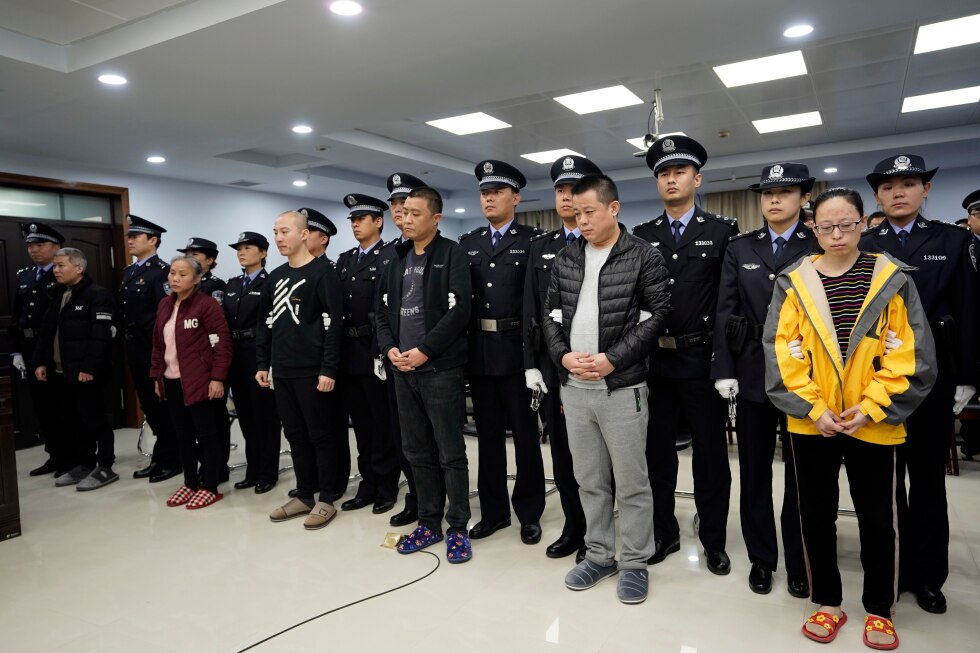
    Chinese authorities in Hubei province have launched a significant offensive against fentanyl precursor trafficking, resulting in seven arrests and the shutdown of over 200 websites according to state media reports. This development emerges against the backdrop of strained U.S.-China relations, where fentanyl has become a central issue in ongoing trade negotiations.

    The specialized task force, established in December following directives from China’s Ministry of Public Security, has investigated 22 cases through February. Beyond the arrests, a dozen individuals have faced coercive measures including summons and detentions, with four companies receiving penalties for their involvement in the illicit trade.

    Notably, international cooperation played a role in these operations, with U.S. Drug Enforcement Agency intelligence assisting Wuhan police in uncovering a company allegedly selling precursor chemicals and stimulants. The operation led to an arrest in early December through cross-provincial coordination with Shandong authorities.

    This crackdown follows the October agreement between Washington and Beijing, where China committed to curbing precursor exports in exchange for reduced tariffs on fentanyl-related imports from China. The diplomatic arrangement saw tariffs drop from 20% to 10% as part of a broader trade negotiation framework.

    The timing of these announcements coincides with postponed diplomatic engagements between the two nations. President Trump had recently delayed a planned visit to China, though administration officials indicated efforts to reschedule the meeting for late April. The fentanyl issue remains deeply intertwined with broader trade tensions that have seen both nations implement reciprocal tariffs throughout the past year.

  • Scenery after snowfall at Guan’egou scenic area in China’s Gansu

    Scenery after snowfall at Guan’egou scenic area in China’s Gansu

    China Daily Information Co (CDIC) has established comprehensive copyright protections for all digital materials published through its platforms. The company’s proprietary content—encompassing textual articles, photographic images, multimedia presentations, and additional informational formats—remains under strict legal protection against unauthorized use.

    Corporate policy explicitly prohibits the republication or utilization of CDIC’s intellectual property in any form without obtaining prior written authorization from the company. This copyright framework applies to all content hosted within the organization’s digital ecosystem.

    The publication maintains technical specifications for optimal user experience, recommending display resolutions of 1024*768 pixels or higher for proper content rendering. CDIC operates under formal registration and licensing protocols, including Multimedia Online Publishing License 0108263 and Registration Number 130349.

    As part of its corporate transparency initiatives, China Daily provides accessible information regarding organizational background, advertising opportunities, employment procedures (including expatriate positions), and direct communication channels through dedicated website sections.

  • Exhibition on firecrackers held in Macao

    Exhibition on firecrackers held in Macao

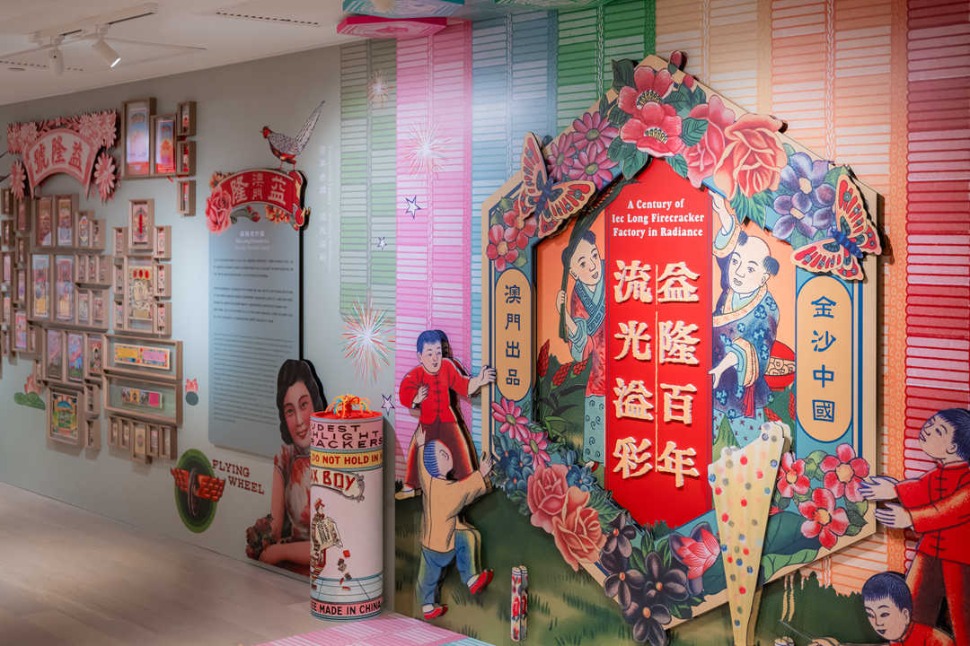
    MACAU – A landmark exhibition commemorating the 100th anniversary of Macao’s iconic Iec Long Firecracker Factory has launched at the Sands Gallery in Taipa, offering a profound journey into the city’s industrial heritage. The showcase, which opened on March 18th, 2026, presents an extensive collection of over 400 artifacts that narrate the vibrant history and cultural resonance of an industry that once defined the region.

    Visitors are immersed in a century-old narrative through meticulously preserved original manuscripts, specialized manufacturing tools, and a diverse array of vintage packaging labels. This comprehensive display illuminates the technical craftsmanship and artistic design that characterized the firecracker production process, highlighting its significance beyond mere commerce to encompass community identity and tradition.

    The exhibition represents a significant collaboration between academic research and cultural preservation. Curator Ung Vai-meng, a distinguished professor at the Macau University of Science and Technology, emphasized the industry’s historical importance: “Firecracker manufacturing stood among Macao’s most vital traditional industries. This exhibition aims to transport audiences across temporal boundaries, allowing them to experience the distinctive echoes of an era that remains fundamentally Macanese.”

    Portuguese artist Catarina Cottinelli da Costa, upon viewing the collection, remarked to Xinhua that the curatorial efforts “have revitalized the lives and memories associated with the old Iec Long Firecracker Factory, creating a deeply moving and meaningful connection for visitors to this crucial chapter of Macao’s historical narrative.”

    The exhibition will continue through August 31st, 2026, providing an extended opportunity for locals and international visitors to engage with this unique aspect of Macao’s cultural legacy.

  • Denounce ‘abject’ Afcon decision – senior Caf member

    Denounce ‘abject’ Afcon decision – senior Caf member

    In an unprecedented move that has sent shockwaves through African football, the Confederation of African Football (CAF) has officially stripped Senegal of their 2025 Africa Cup of Nations title and awarded the championship to Morocco. The controversial decision comes months after Senegal’s dramatic 1-0 extra-time victory in January’s final.

    The ruling stems from Senegal’s players walking off the pitch in protest when Morocco was awarded a stoppage-time penalty during regular time. The match, which resumed after a 17-minute delay, saw Moroccan forward Brahim Diaz’s penalty saved before Pape Gueye eventually scored the winning goal for Senegal in extra time.

    Following a formal appeal by the Moroccan Football Association (FRMF), CAF’s disciplinary committee determined that Senegal’s temporary abandonment of the pitch constituted a forfeiture, resulting in an official 3-0 victory for Morocco. The Moroccan football authority praised the verdict, stating it ‘upholds respect for rules necessary for the proper functioning of international competition’ and establishes important precedent for future tournaments.

    However, the decision has sparked fierce criticism from senior African football figures. Augustin Senghor, CAF executive committee member and former head of the Senegalese Football Federation, condemned the ruling as ‘abject’ and ‘unacceptable,’ vowing to appeal to the Court of Arbitration for Sport. ‘Football is fair play, football is played on the field, not in offices,’ Senghor declared in an interview with BBC World Service.

    The controversy has raised questions about governance and external influence within African football. Former Cameroon, Ghana, and Senegal coach Claude Le Roy suggested the decision reflected broader issues within CAF’s leadership and alleged influence from FIFA president Gianni Infantino.

    CAF president Dr. Patrice Motsepe defended the organization’s integrity, emphasizing that ‘not a single country in Africa will be treated in a manner which is more preferential or more advantageous than any other.’ The decision marks the first time in African football history that a continental title has been stripped and reassigned after the completion of a tournament.

  • Another Nanjing Massacre survivor dies, only 21 remain

    Another Nanjing Massacre survivor dies, only 21 remain

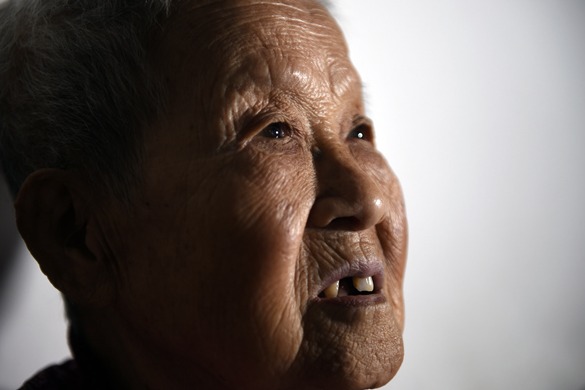
    The community of living Nanjing Massacre survivors has diminished further with the passing of Guan Shunhua at age 101 on Wednesday. Her death reduces the officially registered survivor count to just 21 individuals, according to the Memorial Hall of the Victims in Nanjing Massacre by Japanese Invaders.

    Born in 1925, Guan experienced the horrific events of 1937 when Imperial Japanese forces captured Nanjing. Her family initially evacuated north to Huaian, Jiangsu Province, before the invasion but returned to the devastated capital approximately one month later. They sought refuge in the designated safety zone on Ninghai Road, yet tragedy still struck when her uncle was killed by Japanese troops outside Zhongshan Gate.

    The historical context of her passing recalls one of World War II’s most brutal chapters. Following the December 13, 1937 capture of Nanjing, Japanese forces conducted six weeks of systematic violence that resulted in approximately 300,000 Chinese civilian and military casualties.

    This declining population of firsthand witnesses has prompted significant efforts to preserve their testimonies. China’s national legislature established December 13 as the official memorial day for massacre victims in 2014. Concurrently, the government has implemented comprehensive documentation projects, creating both written and video records of survivors’ accounts.

    International recognition came in 2015 when UNESCO inscribed documents related to the Nanjing Massacre onto its Memory of the World Register, ensuring global awareness of these historical events.

  • Belarus leader hosts US envoy for talks, latest step in his effort to improve ties with Washington

    Belarus leader hosts US envoy for talks, latest step in his effort to improve ties with Washington

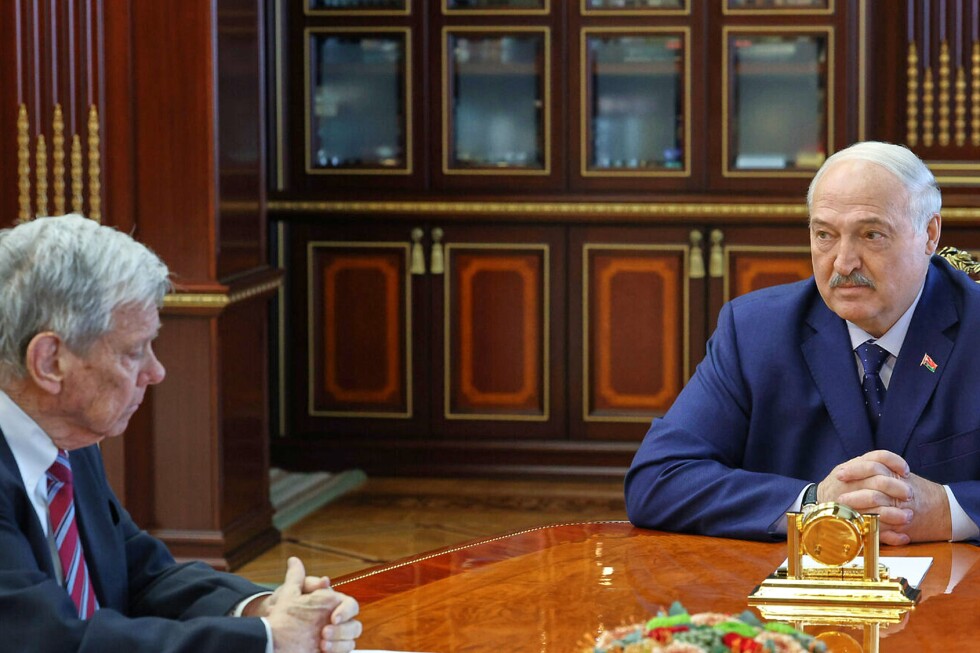
    In a significant diplomatic development, Belarusian President Alexander Lukashenko convened with U.S. Special Envoy John Coale in Minsk on Thursday, marking a continued effort to normalize relations with Western nations. The high-level discussion centered on multiple critical issues, including the potential reopening of the U.S. Embassy in Minsk—which ceased operations in 2022—and the release of individuals classified as political prisoners.

    This engagement represents the second such dialogue between Lukashenko’s administration and U.S. officials since December, when Washington responded to previous negotiations by easing certain sanctions and facilitating the release of 123 detainees to Ukraine and Lithuania. The Belarusian leader, who has maintained authoritarian control over the nation of 9.5 million people for over three decades, faces ongoing isolation from Western countries due to systematic human rights violations and his government’s complicity in Russia’s invasion of Ukraine.

    The current diplomatic overture occurs against a backdrop of sustained international pressure. Lukashenko’s regime has been repeatedly sanctioned for its brutal suppression of dissent following the contested 2020 presidential election, which triggered mass protests and widespread allegations of electoral fraud. In the subsequent crackdown, tens of thousands were detained and subjected to police violence, forcing prominent opposition figures into exile or imprisonment.

    Recent months have witnessed a strategic shift from Minsk, with the controlled release of several high-profile prisoners including Nobel Peace Prize laureate Ales Bialiatski and dissident leaders Siarhei Tsikhanouski, Viktar Babaryka, and Maria Kolesnikova. These actions coincide with Donald Trump’s return to the White House, culminating in a August 2025 phone conversation between the two leaders where Trump reportedly suggested a potential face-to-face meeting.

    According to Coale’s post-meeting statements, discussions included the possibility of Lukashenko visiting the United States—a development that would represent a substantial diplomatic achievement for the isolated leader. However, exiled opposition leader Sviatlana Tsikhanouskaya cautioned that while prisoner releases are welcome, they must be accompanied by genuine systemic reforms. She noted that over 1,100 political prisoners remain detained in Belarus according to Viasna, the country’s leading human rights organization, and emphasized that Lukashenko frequently arrests new critics even as he releases others.

  • Conflict to push 45m more into hunger

    Conflict to push 45m more into hunger

    The United Nations has issued a dire warning that the ongoing Middle East conflict could trigger a catastrophic global hunger crisis, potentially pushing an additional 45 million people into acute food insecurity by mid-year. This alarming projection comes as humanitarian agencies report escalating violence across multiple fronts.

    According to Farhan Haq, Deputy Spokesman for the UN Secretary-General, new analysis from the World Food Programme indicates that severe food insecurity could reach unprecedented levels if the conflict persists and oil prices remain above $100 per barrel. The economic destabilization caused by the crisis is creating a perfect storm for global food systems.

    The strategic throttling of the Strait of Hormuz has emerged as a critical concern, disrupting not only oil flows but also shipments of essential fertilizers crucial for agricultural production worldwide. This dual impact threatens to exacerbate food shortages across vulnerable regions.

    Humanitarian operations face immense challenges as the UN Office for the Coordination of Humanitarian Affairs (OCHA) scales up assistance. The organization reports that more than 1 million people have registered as displaced following evacuation orders, including nearly 300,000 children. Most displaced families are not in formal shelters, complicating aid delivery.

    The crisis has particularly devastated healthcare infrastructure. OCHA expressed grave concern over attacks on medical facilities and personnel, noting that at least three paramedics were killed in recent Israeli strikes across Nabatieh and Tyre districts. These attacks are straining Lebanon’s health system and endangering medical workers providing critical care.

    In Iran, authorities reported 17 medical personnel killed and over 100 injured, with more than 240 health facilities damaged. The conflict has also destroyed tens of thousands of homes and hundreds of water infrastructure sites, creating a secondary public health crisis.

    Gulf region governments reported at least 15 civilian deaths and numerous injuries linked to the hostilities. OCHA emphasized that all parties must uphold international humanitarian law and protect civilians, including health workers and humanitarian personnel.

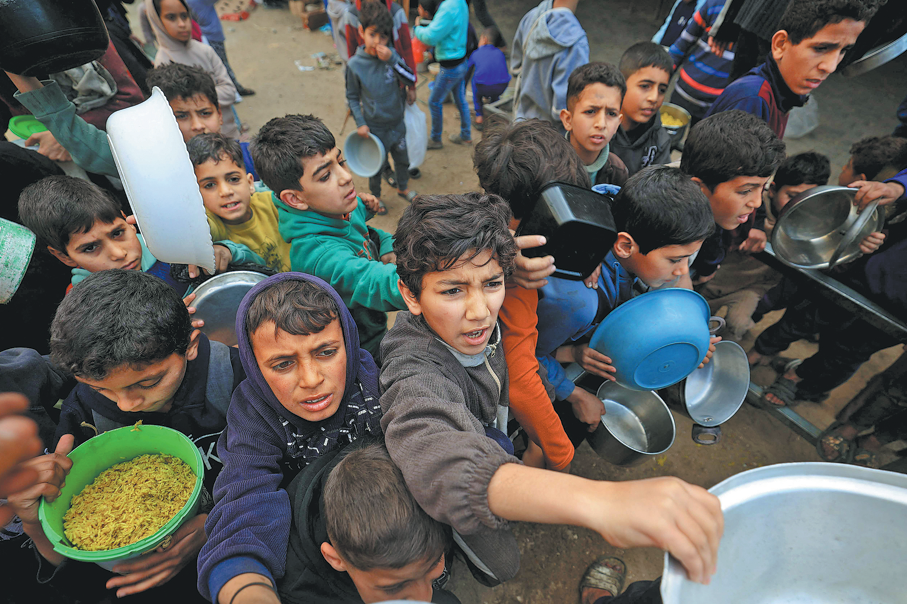
    The situation in Gaza remains particularly desperate, with aid deliveries reduced to a ‘trickle’ due to crossing restrictions. Continued Israeli strikes in residential areas are heightening risks for civilians already facing severe shortages of food, water, and medical supplies.

  • China, global collaboration key themes at science forum

    China, global collaboration key themes at science forum

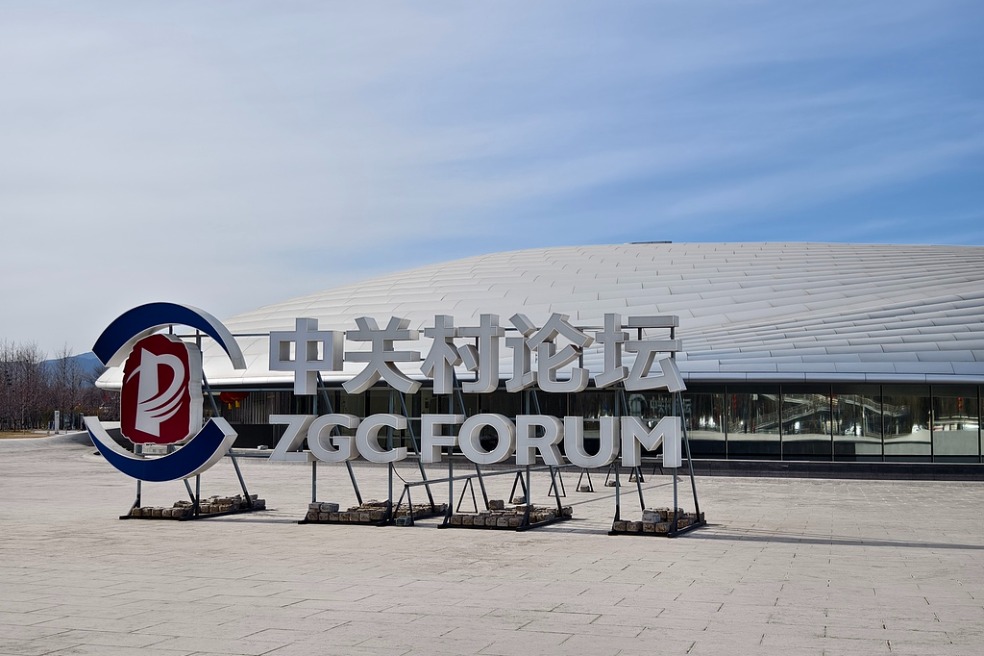
    Beijing is poised to showcase its expanding role in global scientific innovation as it prepares to host the prestigious Zhongguancun Forum from March 25-29. The event will emphasize international cooperation and China’s commitment to opening its scientific facilities and research achievements to the world community.

    At a recent press conference, Lin Xin, Vice-Minister of Science and Technology, outlined how the forum will highlight Beijing’s evolution from a national innovation center to the anchor of the broader Beijing-Tianjin-Hebei innovation hub, designed to foster deeper industrial collaboration throughout the region.

    The forum will feature specialized sessions examining cutting-edge technological fields including 6G communications, brain-computer interface technology, and advanced cell and gene therapies. Significant announcements planned for the event include China’s list of top 10 scientific advancements and the unveiling of an international cooperation action plan.

    To accelerate the commercialization of scientific breakthroughs, the forum will host frontier technology competitions and technology trade conferences. Beijing’s substantial investment in technological development was highlighted by Jin Wei, Vice-Mayor of Beijing, who noted that over 6% of government spending is allocated to foster industrial clusters exceeding 1 trillion yuan ($145.4 billion) in sectors including information technology, pharmaceuticals, healthcare, and scientific services.

    The integration of the Beijing-Tianjin-Hebei innovation hub has already demonstrated remarkable progress, with technology contract transactions reaching over 320 billion yuan during the 14th Five-Year Plan period (2021-25), representing a 1.7-fold increase from the previous five years.

    The Huairou National Comprehensive Science Center has emerged as a cornerstone of this innovation ecosystem, having developed 37 scientific facility platforms with 29 currently operational. These facilities have provided 1.77 million hours of shared machine time for global researchers, resulting in 439 significant scientific breakthroughs.

    Ahead of the forum, Luo Minmin, Director of the Chinese Institute for Brain Research, emphasized the critical importance of international collaboration in neuroscience. The institute will introduce the new Beinao-2 model at the event, with Luo noting that while the United States maintains a longer history in brain-computer interface research and Europe is making substantial progress, China is focusing specifically on developing invasive BCI technologies with potential applications for paralyzed individuals and stroke victims.

    The collaborative spirit extends beyond China’s borders, as evidenced by recent agreements between the University of Manchester and both Peking University and Tsinghua University. Duncan Ivison, President of the University of Manchester, expressed particular interest in addressing global challenges including climate change, clean energy technology, and healthcare through these partnerships.

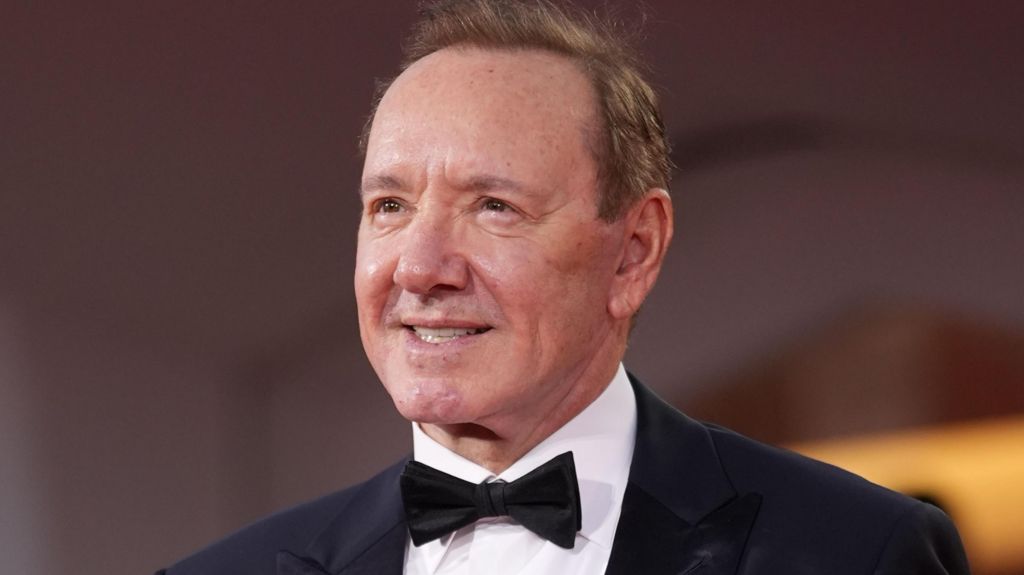
  • Kevin Spacey and accusers settle before civil trial

    Kevin Spacey and accusers settle before civil trial

    Academy Award-winning actor Kevin Spacey has reached confidential out-of-court settlements with three men who had filed civil lawsuits alleging sexual assault against him. The resolution comes just months before the cases were scheduled to proceed to trial at London’s High Court in late 2026.

    The plaintiffs, whose allegations spanned from 2000 to 2013 during Spacey’s tenure as artistic director at London’s Old Vic theatre, had brought separate civil claims following criminal proceedings. While Spacey was acquitted of nine sexual offense charges in a 2023 criminal trial, the civil cases continued independently until this recent settlement.

    Among the accusers was Ruari Cannon, who waived his anonymity and participated in Channel 4’s 2024 documentary ‘Spacey Unmasked.’ Cannon alleged inappropriate behavior occurred during a post-performance celebration for ‘Sweet Bird of Youth’ in 2013. Two other claimants, identified only as LNP and GHI, detailed multiple alleged assaults and subsequent psychological and financial damages.

    The settlement terms remain confidential, and all court proceedings have been formally suspended. This resolution follows a separate settlement reached between Cannon and The Old Vic theatre itself, though details of that agreement also remain undisclosed. Spacey maintains his denial of all allegations, previously characterizing them as ‘ridiculous’ during legal proceedings.

  • EU leaders blast Viktor Orbán over a Ukraine loan veto, accusing him of playing election games

    EU leaders blast Viktor Orbán over a Ukraine loan veto, accusing him of playing election games

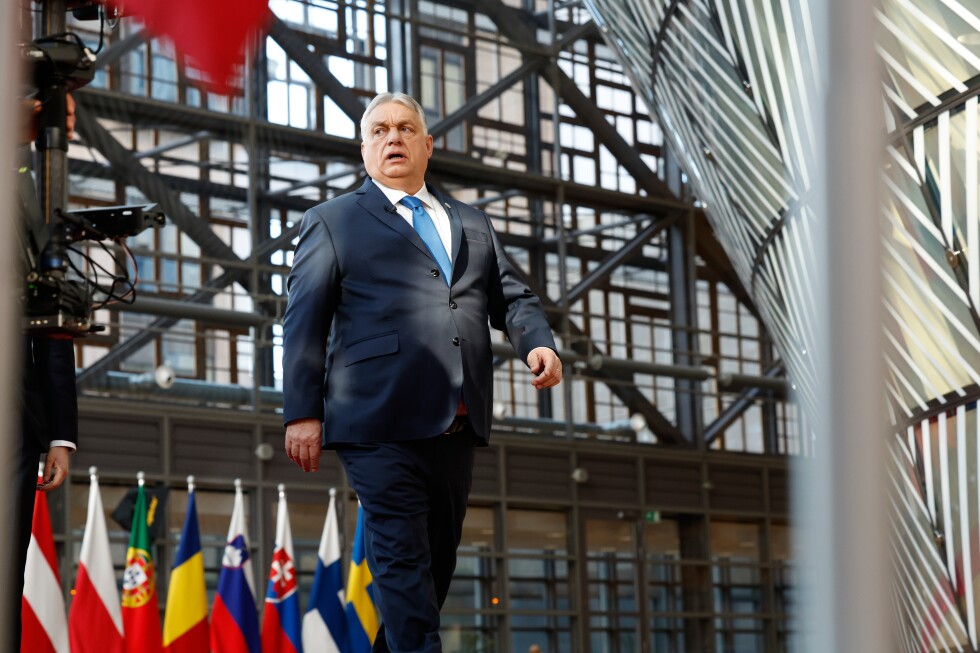
    BRUSSELS — European Union leaders launched unprecedented criticism against Hungarian Prime Minister Viktor Orbán during Thursday’s summit, accusing him of weaponizing vital Ukrainian assistance for domestic political gains. The confrontation exposes deepening fractures within the bloc as Hungary obstructs a previously approved €90 billion ($103 billion) support package for Ukraine’s military and economy.

    Finnish Prime Minister Petteri Orpo expressed the collective frustration: “He’s exploiting Ukraine as an electoral weapon, which is unacceptable. We reached an agreement, and this constitutes a betrayal of that consensus.”

    The emergency funding, deemed essential by EU officials for Ukraine’s survival, requires disbursement by early May. This timeline necessitates immediate procedural progress within the coming weeks—a prospect now jeopardized by Hungarian obstruction.

    Prime Minister Orbán, who maintains close ties with Russian President Vladimir Putin and faces declining poll numbers ahead of April elections, has intensified anti-Ukrainian rhetoric throughout his campaign. He portrays Ukrainian President Volodymyr Zelenskyy as an existential threat to Hungary while positioning himself as the sole guardian of Hungarian security.

    Belgian Prime Minister Bart De Wever challenged Orbán’s narrative: “If this is electoral theater, it cannot override our collective decisions. It’s indefensible to approve agreements then refuse implementation.”

    The deadlock originates from January’s disruption of Russian oil shipments via the Druzhba pipeline through Ukraine. While Ukrainian authorities attribute the damage to Russian attacks, Orbán accuses Zelenskyy of deliberately withholding energy supplies to Hungary.

    European Commission President Ursula von der Leyen and European Council President António Costa attempted to break the impasse by offering EU-funded pipeline repairs. Technical teams currently await security clearance in Kyiv for site inspection.

    Orbán remains unmoved, declaring: “This transcends politics—it’s existential for Hungary. Secure oil access is non-negotiable for our nation’s survival.”

    The crisis highlights structural vulnerabilities in EU governance mechanisms requiring full unanimity among member states, enabling a nation representing just 2% of the bloc’s population to block critical multinational decisions.