博客

  • Pact to boost China’s gold market

    Pact to boost China’s gold market

    In a landmark move set to redefine Asia’s precious metals trading landscape, Hong Kong and Shanghai have established a comprehensive partnership agreement aimed at creating an integrated renminbi-denominated gold market. The strategic accord, signed during the opening session of the 19th Asian Financial Forum, represents a coordinated effort to elevate China’s financial hubs within the global gold ecosystem.

    The agreement was formally executed by Christopher Hui Ching-yu, Hong Kong’s Secretary for Financial Services and the Treasury, and Yu Wenjian, Chairman of the Shanghai Gold Exchange. Both officials characterized the partnership as a transformative milestone that will fundamentally reshape the regional gold trading architecture.

    Secretary Hui emphasized the timing significance of this initiative, noting that “gold’s strategic importance has intensified amid prevailing geopolitical uncertainties, persistent inflationary pressures, and the ongoing restructuring of the international monetary system.”

    Under the newly established framework, the Hong Kong Precious Metals Central Clearing Company—a wholly government-owned entity—will implement a sophisticated collaborative governance structure. This system will feature Secretary Hui chairing the board with representation from the Shanghai Gold Exchange serving as deputy chairman.

    The Shanghai exchange will contribute substantial technical expertise and regulatory guidance across multiple domains including system architecture, rule formulation, institutional access protocols, risk management frameworks, and operational standards. Both parties have committed to synchronized efforts ensuring the efficient development of gold trade-clearing mechanisms aligned with international benchmarks.

    Hong Kong Chief Executive John Lee Ka-chiu underscored the agreement’s broader implications, stating it will “initiate a cross-boundary trade-clearing system for precious metals” that enhances financial connectivity between the two markets.

    The collaboration extends to physical infrastructure development, with Hong Kong targeting expansion of its gold storage capacity to exceed 2,000 metric tons within three years. Future cooperation will encompass physical delivery mechanisms, warehousing solutions, and broader ecosystem development.

    The People’s Bank of China demonstrated strong institutional support through Deputy Governor Zou Lan, who witnessed the signing ceremony. The central bank pledged comprehensive backing for Shanghai’s participation in developing the clearing system and reinforcing Hong Kong’s ambition to become an international gold trading hub.

    Industry representatives including Edward Au, Deloitte China’s Southern Region Managing Partner, noted the agreement’s relevance amid current financial fragmentation trends. While anticipating gradual rather than immediate capital inflows, Au projected that consistent policy execution would eventually yield deeper market participation and enhanced institutional accessibility across Asia’s gold market.

  • Can India be a player in the computer chip industry?

    Can India be a player in the computer chip industry?

    India’s technological landscape is undergoing a significant transformation as the nation strategically develops its domestic semiconductor industry. This initiative, catalyzed by global supply chain disruptions during the COVID-19 pandemic, represents a crucial step toward technological self-reliance.

    Bangalore-based Tejas Networks exemplifies India’s existing strengths in semiconductor design. As a leading provider of telecommunications equipment, the company designs specialized chips that power mobile networks and broadband connections. “Telecom chips are fundamentally different from consumer or smartphone chips,” explains Arnob Roy, Tejas Networks co-founder. “They handle massive volumes of data coming simultaneously from hundreds of thousands of users with absolute reliability requirements.”

    India already possesses remarkable design capabilities, with an estimated 20% of the world’s semiconductor engineers working within its borders. “Almost every major global chip company has its largest or second-largest design centre in India,” confirms Amitesh Kumar Sinha, Joint Secretary of India’s Ministry of Electronics and Information Technology.

    The nation’s vulnerability emerged during the pandemic when manufacturing dependencies became apparent. “Covid showed us how fragile global supply chains can be,” Sinha notes. “If one part of the world shuts down, electronics manufacturing everywhere is disrupted.”

    India’s strategy focuses initially on the Outsourced Semiconductor Assembly and Test (OSAT) segment rather than competing directly in wafer fabrication dominated by Taiwan and China. “Assembly, test and packaging are easier to start than fabs,” explains Ashok Chandak, president of India Electronics and Semiconductor Association. “That is where India is moving first.”

    Kaynes Semicon, established in 2023, represents the vanguard of this initiative. The company has invested $260 million in a Gujarat facility that began production in November. Rather than targeting advanced AI chips, Kaynes focuses on practical applications. “These are not glamorous chips, but they are economically and strategically far more important for India,” says CEO Raghu Panicker. “We’re producing chips for cars, telecoms and the defense industry.”

    The journey involves substantial challenges, particularly in workforce development. “Training takes time,” Panicker emphasizes. “You cannot shortcut five years of experience into six months. That is the single biggest bottleneck.”

    Despite these hurdles, industry leaders remain optimistic about India’s semiconductor future. Roy anticipates that “over the next decade, a significant semiconductor manufacturing base will emerge in India.” This development, while requiring “patient capital and time,” marks the beginning of India’s strategic move toward technological independence in critical electronics components.

  • Tech giants face landmark trial over social media addiction claims

    Tech giants face landmark trial over social media addiction claims

    In a groundbreaking legal confrontation with far-reaching implications for the technology sector, major social media corporations are preparing for a pivotal courtroom battle in California’s Los Angeles Superior Court. The trial, commencing Tuesday, represents the first in an anticipated wave of litigation challenging the fundamental design principles underpinning modern social platforms.

    The case centers on allegations brought by a 19-year-old plaintiff identified as KGM, who contends that algorithmic architectures employed by Meta (parent company of Instagram and Facebook), ByteDance (TikTok’s owner), and Google (YouTube’s parent) deliberately fostered addictive usage patterns that severely compromised her mental wellbeing. Notably, Snapchat reached an out-of-court settlement with the plaintiff preceding trial proceedings.

    This litigation marks a significant evolution in judicial approach toward technology firms, testing the boundaries of Section 230 of the Communications Decency Act—legislation historically invoked to shield platforms from liability regarding third-party content. The current proceedings uniquely target design elements including recommendation algorithms, notification systems, and engagement-optimizing features that plaintiffs argue directly cause psychological harm.

    Matthew Bergman, representing KGM, emphasized the trial’s historic nature: “This constitutes the first instance where social media entities will answer before a jury regarding their operational methodologies. Numerous adolescents globally endure similar struggles attributable to deliberately addictive algorithms prioritizing corporate profitability over youth welfare.”

    Legal experts observe heightened stakes for the industry. Professor Eric Goldman of Santa Clara University warned that adverse rulings could pose existential threats to social media business models, though establishing causal relationships between platform design and specific psychological harm presents substantial evidentiary challenges.

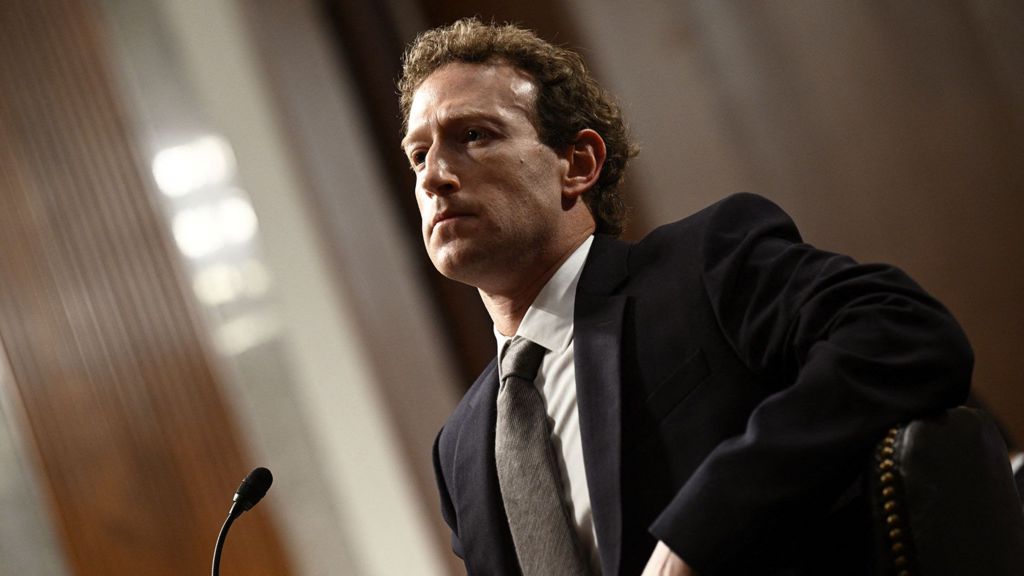
    The trial will feature testimony from top executives including Meta CEO Mark Zuckerberg, whose congressional testimony last year denied established scientific connections between social media usage and deteriorating youth mental health. Company internal documents previously shielded from public scrutiny are expected to feature prominently in proceedings.

    This judicial development coincides with intensified global scrutiny, including multi-state lawsuits against Meta in the United States, Australia’s implementation of under-16 social media prohibitions, and potential regulatory action in the United Kingdom. Professor Mary Anne Franks of George Washington University noted: “The technology sector has historically received deferential treatment. Current developments suggest this paradigm may be undergoing fundamental transformation.”

  • How Ozempic, GLP-1 drugs are reshaping food shopping habits in UAE

    How Ozempic, GLP-1 drugs are reshaping food shopping habits in UAE

    A transformative shift in dietary consumption patterns is sweeping across the United Arab Emirates, driven significantly by the increasing adoption of GLP-1 receptor agonists such as Ozempic. Renowned food industry analyst Phil Lempert, addressing attendees at Gulfood—the world’s premier food and hospitality exhibition—revealed that these pharmaceutical interventions are fundamentally altering how consumers approach nutrition and grocery shopping.

    Lempert, founder of SupermarketGuru and recognized trend authority through appearances on major media platforms including The Oprah Winfrey Show, identified three powerful forces reshaping global food retail: the expanding loneliness epidemic, proliferation of GLP-1 medications, and emerging ‘no-buy’ consumer movements. His research demonstrates that UAE shoppers are making fewer retail visits while selecting higher-quality, nutritionally dense foods in reduced quantities, moving decisively away from ultra-processed alternatives.

    The physiological mechanism of GLP-1 drugs, originally developed for diabetes management, produces enhanced satiety signals and reduced appetite. With Novo Nordisk’s recent introduction of an oral formulation eliminating injection barriers and reducing cost, Lempert anticipates usage rates could “double or triple in a very short timeframe,” accelerating existing consumption trends.

    This pharmacological influence intersects with concerning social patterns. “Post-COVID has witnessed unprecedented increases in loneliness,” Lempert noted, observing consequent changes in shopping behavior: “More frequent trips with smaller basket sizes.” Retail innovators like American giant Kroger are responding with architectural and service modifications including communal tables, in-store cafés, and cooking demonstrations specifically designed to foster human connection.

    UAE-based supermarket chain Grandiose exemplifies this dual approach, combining social engagement spaces like food preparation avenues with curated selections of premium yet affordable products. CEO Mussaab Aboud emphasized the evolving philosophy: “Food doesn’t have to be expensive and quality doesn’t have to be expensive. Consumers seek affordable excellence—products delivering sensory satisfaction and nutritional benefit without premium pricing.”

    This convergence of pharmaceutical science, retail innovation, and social adaptation signals a profound reorientation of food consumption values throughout the Emirates, prioritizing wellness, quality, and community engagement over quantity and convenience.

  • This Week in Golf: Reed in Bahrain, Koepka returns, and what fans should watch

    This Week in Golf: Reed in Bahrain, Koepka returns, and what fans should watch

    The world of professional golf enters a dynamic phase this week with simultaneous high-stakes tournaments across multiple continents, headlined by Patrick Reed’s Middle Eastern campaign and Brooks Koepka’s anticipated return to PGA Tour competition.

    In the Arabian Gulf, the DP World Tour’s International Swing progresses to the $2.75 million BAPCO Energies Bahrain Championship at Royal Golf Club. Fresh from his commanding victory at the HERO Dubai Desert Classic, Patrick Reed leads an impressive field that includes major champions Sergio Garcia of Spain and Ireland’s Padraig Harrington. Defending champion Laurie Canter of England and previous winner Dylan Frittelli from South Africa complete the star-studded lineup, offering regional golf enthusiasts a showcase of elite talent.

    Meanwhile, California’s iconic Torrey Pines Golf Course hosts the PGA Tour’s Farmers Insurance Open, featuring the noteworthy comeback of five-time major winner Brooks Koepka. The 35-year-old American’s transition back from LIV Golf to the PGA Tour has progressed smoother than anticipated despite his acknowledged struggles with form and injuries throughout 2025. Currently positioned 254th in the Official World Golf Ranking—a dramatic fall from his former world number one status—Koepka seeks competitive redemption on familiar grounds.

    The professional circuit continues to navigate the complex landscape of player affiliations as the PGA Tour’s February 2nd deadline approaches for potential returns by LIV golfers Bryson DeChambeau, Jon Rahm, and Cam Smith, all of whom have reportedly declined for the present moment. Reed’s competitive status remains particularly intriguing following his recent comments in Dubai confirming he hasn’t yet committed to LIV Golf for 2026, maintaining speculation about his future moves while he continues to climb the OWGR, now ranked 29th globally.

    Supplementing these headline events, the Korn Ferry Tour presents The Panama Championship at Club de Golf de Panama with a $1 million purse, while the MENA Golf Tour conducts the Egypt Golf Series at Address Marassi Golf Resort offering $100,000 in prizes. This multi-continental arrangement ensures golf aficionados worldwide have abundant competitive drama to follow throughout the week.

  • Extreme cold grips millions as US digs out of deadly snowstorm

    Extreme cold grips millions as US digs out of deadly snowstorm

    A catastrophic winter storm of unprecedented scale has plunged the United States into a deep freeze, resulting in at least 23 fatalities and creating widespread chaos across multiple states. The deadly weather system, characterized by a vicious combination of heavy snowfall, freezing rain, and powerful winds, has left municipalities from New Mexico to Maine struggling with recovery efforts.

    The human toll continues to mount as authorities investigate additional deaths in New York City amid plummeting temperatures. Causes of death range from hypothermia to accidents involving traffic, snowplows, and recreational activities, with one victim discovered unresponsive in the snow still clutching a shovel.

    Energy infrastructure remains critically compromised, with over 600,000 customers still without power according to Poweroutage.com. Southern states including Tennessee, Texas, Mississippi and Louisiana—regions typically unaccustomed to such extreme winter conditions—face particular challenges due to inadequate preparation for the prolonged cold snap.

    The National Weather Service reports approximately 190 million Americans under some form of extreme cold alert, with temperatures as low as -23°F (-30.6°C) recorded in Minnesota and Wisconsin. The meteorological phenomenon stems from an elongated polar vortex, an Arctic weather system that has shifted from its typical circular formation to an oval shape, releasing frigid air across North America.

    Emergency response efforts are underway nationwide, with at least 20 states and Washington D.C. declaring states of emergency. Municipalities are establishing warming shelters and task forces to transport vulnerable residents to safety. The recovery process is complicated by the storm’s widespread impact, preventing better-prepared northern states from sharing resources with overwhelmed southern regions.

    Scientific discussions continue regarding potential connections between such extreme weather events and climate change, though the debate remains unsettled regarding the precise mechanisms involved. Meteorologists note the particularly challenging nature of the ‘dry, fluffy’ snow characteristic of this storm, which reduces visibility and hampers clearing operations through easy wind dispersion.

  • Nat Sciver-Brunt makes history as the first player to score WPL century

    Nat Sciver-Brunt makes history as the first player to score WPL century

    English cricket superstar Nat Sciver-Brunt has etched her name in the history books by scoring the first-ever century in the Women’s Premier League. The monumental achievement occurred during Mumbai’s thrilling 15-run triumph over Royal Challengers Bengaluru in Mumbai, ending a 1059-day wait for the competition’s inaugural triple-figure score.

    Sciver-Brunt’s spectacular 57-ball century featured an explosive display of batting prowess with 16 boundaries and one six, propelling Mumbai to a formidable total of 4-199. Her record-breaking performance was particularly fitting given her status as the WPL’s all-time leading run-scorer with 1,346 runs at an impressive average of nearly 52.

    The milestone had eluded numerous elite players throughout the league’s history, with Australian opener Georgia Voll and New Zealand veteran Sophie Devine both falling agonizingly short at 99 runs. Australian legends Alyssa Healy and Beth Mooney had also approached the mark with unbeaten 96-run performances.

    Reflecting on her historic achievement, Sciver-Brunt stated: ‘I’d seen a few players get out in the 90s, so I didn’t want to replicate that. I wanted to get as many runs as possible for the team. I’m really pleased we could get up to that total and personally really happy as well. This is my first T20 hundred, so I’m really happy to get over that milestone, and hopefully it’s not the last.’

    The victory was secured despite the efforts of Royal Challengers Bengaluru, who fell short in their run chase as Australian players Grace Harris and Georgia Voll failed to deliver significant contributions with the bat.

  • David Puig’s costly final-hole mistake highlights golf’s unforgiving rulebook

    David Puig’s costly final-hole mistake highlights golf’s unforgiving rulebook

    In a dramatic conclusion to the Hero Dubai Desert Classic, Spanish professional David Puig experienced a devastating rules violation that transformed potential triumph into costly disappointment. The 24-year-old rising star, paired with eventual champion Patrick Reed on the final hole, committed a critical error in the back bunker of the Majlis Course’s 72nd hole.

    During his third shot attempt from the sand trap, Puig inadvertently grounded his club—a direct violation of Rule 12.2b of the Official Rules of Golf. The infraction was detected by tournament officials monitoring broadcast footage and resulted in an immediate two-stroke penalty. This intervention converted what would have been a par-five finish into a double-bogey seven, dramatically altering the tournament’s final standings.

    The penalty proved financially substantial, reducing Puig’s earnings by $274,500. Instead of collecting $508,500 for a projected third-place finish, the young Spaniard settled for $234,000 and a three-way tie for seventh position. Despite the setback, Puig demonstrated professional composure upon reviewing the video evidence in the Scorers Area, accepting the ruling without dispute.

    This incident occurred during a period of career momentum for Puig, who recently claimed victory at November’s Australian PGA Championship and has been making significant strides on both the LIV Golf and DP World Tours. His world ranking improved from 99th to 94th regardless of the penalty, though the infraction prevented a more substantial leap.

    The tournament also highlighted ongoing discussions regarding the Official World Golf Ranking system, as the Dubai event’s field rating of 179.42 contrasted sharply with the PGA Tour’s American Express tournament rating of 379.26, despite featuring top-tier talent including Rory McIlroy and Tommy Fleetwood.

  • Dubai’s Rayhan Thomas eyes Korn Ferry Tour momentum at Panama Championship

    Dubai’s Rayhan Thomas eyes Korn Ferry Tour momentum at Panama Championship

    Dubai-born professional golfer Rayhan Thomas arrives at this week’s Panama Championship with renewed determination to accelerate his pursuit of a PGA Tour card. The Korn Ferry Tour event at Club de Golf de Panama represents a critical opportunity for Thomas to build momentum following his recent reclaiming of tour status.

    Thomas, who plays out of Dubai Creek Resort and was raised in the UAE to Indian parents, currently holds the 62nd position on the season-long points list. His early-season performance included a disappointing missed cut during the Bahamas swing, where challenging windy conditions and putting difficulties hampered his performance despite solid ball-striking.

    The Panama venue offers familiar ground for Thomas, who competed in the same event last year. This familiarity provides a strategic advantage as he seeks to refine his game under more conventional tournament conditions than the unusual Sunday-to-Wednesday format encountered in earlier events.

    The competitive intensity of the Korn Ferry Tour has been underscored by recent performances, notably 18-year-old Blades Brown’s remarkable transition from a tied-17th Korn Ferry finish to nearly contending at The American Express PGA Tour event. These developments highlight the narrow margins separating success from disappointment on golf’s premier developmental tour.

    With the 2026 season offering only 20 PGA Tour cards compared to 30 previously, the stakes have significantly increased. Thomas approaches the Panama Championship not as a casual event but as a strategic opportunity to accumulate points and position himself for the rigorous qualification process ahead.

  • Purging of top general raises questions about China’s war readiness

    Purging of top general raises questions about China’s war readiness

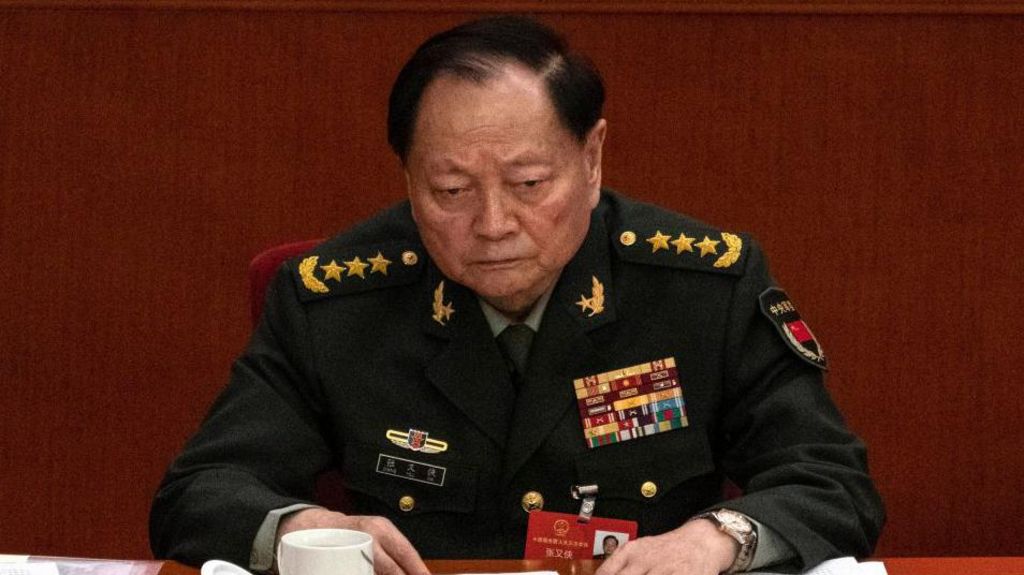
    China’s military command structure faces unprecedented turmoil following the dramatic removal of two top generals from the Central Military Commission (CMC), raising serious questions about leadership stability and combat readiness.

    General Zhang Youxia, 75, formerly vice-chairman of the powerful CMC, and General Liu Zhenli have been placed under investigation for “serious violations of discipline and law”—the Communist Party’s standard euphemism for corruption allegations. This development has reduced the CMC’s membership to just two individuals: President Xi Jinping himself and General Zhang Shengmin.

    The sweeping purge represents the most significant shakeup in China’s military leadership in recent history. The CMC, typically comprising approximately seven members, exercises ultimate control over the People’s Liberation Army’s millions of personnel. Its authority is so considerable that former leader Deng Xiaoping maintained his grip on power primarily through his chairmanship of this body.

    Lyle Morris of the Asia Society Policy Institute characterized the situation as unprecedented, stating, “The PLA is in disarray” and facing “a major leadership void.” The removal of Zhang Youxia carries particular significance given his combat experience and longstanding personal connection to Xi—his father fought alongside Xi’s father during China’s revolutionary period.

    While official channels attribute the dismissals to corruption investigations, analysts suggest broader political motivations may be at play. Associate Professor Chong Ja Ian from the National University of Singapore noted widespread speculation ranging from leaked nuclear secrets to coup plotting and even rumors of armed confrontation in Beijing.

    The PLA Daily editorialized strongly on the matter, emphasizing the party’s “zero tolerance” approach to corruption regardless of position or status. Historical precedent suggests that officials once placed under investigation almost invariably face custodial sentences.

    This leadership crisis emerges amid heightened tensions regarding Taiwan, with Beijing increasingly threatening military action against the self-governing island. Analysts diverge on how the purge might affect China’s operational capabilities, though most agree it centralizes decision-making further around Xi personally.

    The ongoing turmoil creates a climate of suspicion within military ranks, potentially affecting operational decision-making and creating reluctance among mid-ranking officers to advance into positions now perceived as dangerously exposed to political scrutiny.