博客

  • Hungary detains seven Ukrainians as Kyiv, Budapest quarrel over Russian oil

    Hungary detains seven Ukrainians as Kyiv, Budapest quarrel over Russian oil

    A severe diplomatic confrontation has erupted between Hungary and Ukraine, marked by hostage accusations and economic coercion tactics. The conflict centers on two major developments: Hungary’s detention of seven Ukrainian citizens, including bank employees transporting substantial assets, and an escalating dispute over Russian oil deliveries through the damaged Druzhba pipeline.

    Hungarian authorities confirmed the detention of the Ukrainian nationals, among them a former intelligence general, alongside two armored cash transport vehicles. The National Tax and Customs Administration (NAV) stated the operation was part of criminal proceedings investigating potential money laundering activities, conducted in collaboration with the Counter-Terrorism Centre.

    Ukraine’s Foreign Minister Andriy Sybiga vehemently condemned the action, characterizing it as hostage-taking and alleging the confiscation involved $40 million and nine kilograms of gold during an interbank transfer. The Ukrainian government subsequently issued travel warnings for its citizens visiting Hungary, citing safety concerns and arbitrary actions by Hungarian authorities.

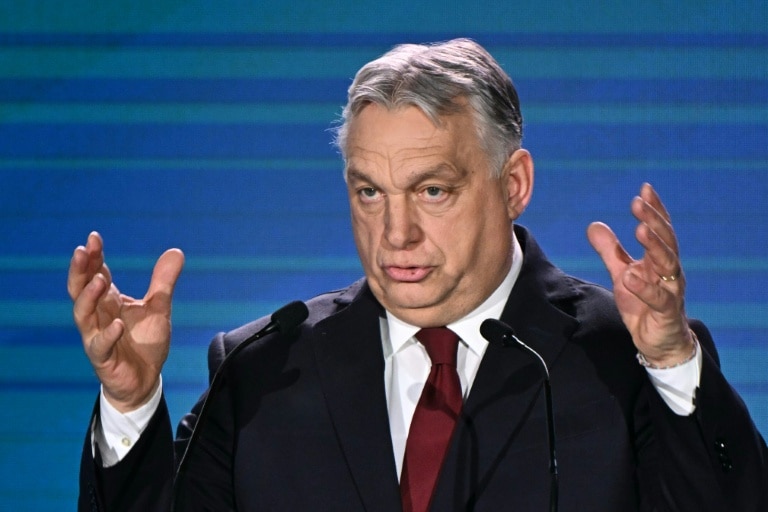
    Simultaneously, Hungarian Prime Minister Viktor Orbán intensified economic pressure on Ukraine, declaring he would employ “every means at our disposal” until Kyiv resumes Russian oil shipments through the critical pipeline. Hungary and Slovakia both assert Ukraine is deliberately delaying repairs to the infrastructure damaged during Russian strikes in January.

    The confrontation represents the latest deterioration in relations between the neighboring nations, already strained by Orbán’s sustained ties with Moscow and his opposition to military assistance for Ukraine. The Hungarian leader has additionally stalled a crucial €90 billion EU loan package for Ukraine and new sanctions against Russia, explicitly linking these actions to the oil transit issue.

    Ukrainian President Volodymyr Zelensky previously indicated pipeline repairs would require four to six weeks, while suggesting he personally opposed restoring transit. He issued a thinly-veiled threat regarding Orbán’s obstruction of EU assistance, prompting condemnation from across Hungary’s political spectrum. Orbán responded defiantly, stating he would not yield to “blackmail” even under personal threat, emphasizing his actions served national interests.
  • Chinese scientists enable more realistic digital humans by building high-precision 3D facial database

    Chinese scientists enable more realistic digital humans by building high-precision 3D facial database

    A groundbreaking advancement in digital human technology has emerged from China, where scientists have constructed the industry’s largest high-precision 3D facial database. This development marks a significant leap toward creating exceptionally realistic virtual humans capable of natural emotional expression and identity recognition.

    The research collaboration between Shenzhen Institutes of Advanced Technology (Chinese Academy of Sciences) and Fujian University of Technology addressed a critical bottleneck in 3D facial landmark detection—the scarcity of large-scale, precisely annotated datasets. Previous methods predominantly relied on 2D texture assistance or synthetic 3D faces, resulting in limited generalization capabilities.

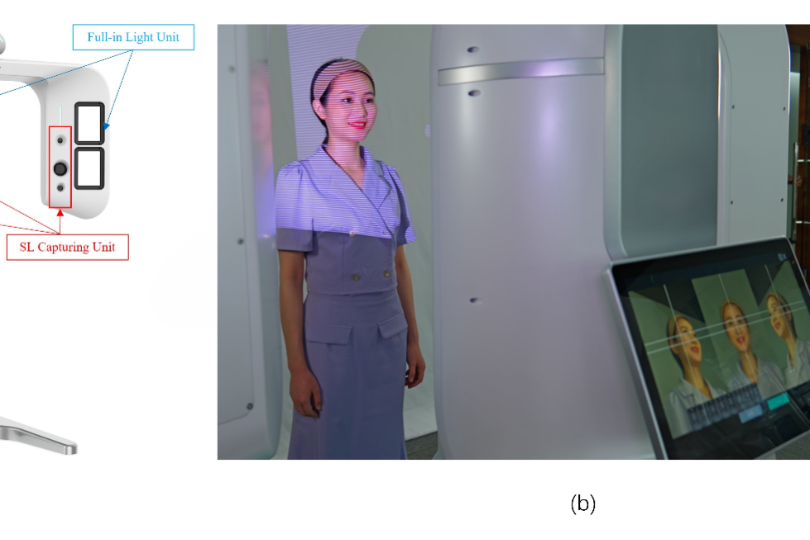
    At the core of this breakthrough is a novel curvature-fused graph attention network (CF-GAT) architecture that can directly predict facial landmarks from raw point clouds. This innovative approach facilitates a fundamental shift from generic ‘one-size-fits-all’ modeling to truly personalized facial reconstruction.

    The research team established a customized 3D/4D facial acquisition system to collect standardized data, ultimately compiling approximately 200,000 high-fidelity 3D facial scans. The comprehensive database system encompasses multiple specialized datasets including multi-expression 3D faces, standardized 3D facial landmarks, high-precision 3D human bodies, and dynamic 4D facial expressions.

    According to corresponding author Song Zhan, these databases now form the foundational infrastructure for humanoid robot development, enabling high-fidelity perception, expression modeling, and behavior generation. The technology promises to revolutionize human-computer interaction by creating more natural and intelligent interfaces.

    The study, recently published in IEEE Transactions on Circuits and Systems for Video Technology, anticipates applications extending beyond digital humans to data-driven large-model humanoid robot systems, potentially transforming how humans interact with artificial entities across various sectors.

  • China to enhance childbirth support

    China to enhance childbirth support

    BEIJING – China has announced a sweeping suite of policy measures designed to bolster national childbirth rates through enhanced economic and social support systems. The initiative forms a cornerstone of the draft outline for the 15th Five-Year Plan (2026-2030), submitted to the ongoing National People’s Congress for deliberation.

    The comprehensive strategy includes significant expansions to maternity insurance coverage, guaranteed maternity leave protections, and the regulated integration of assisted reproductive technologies into mainstream healthcare services. Additionally, the government plans to accelerate development of inclusive childcare service networks nationwide.

    Housing policy reforms will introduce preferential treatment for families with two or more children, marking a substantial shift in residential allocation criteria. These collective measures represent China’s most robust demographic intervention to date, addressing both immediate financial barriers and long-term support structures for parenting.

    The policy framework emerges against the backdrop of China’s evolving population challenges, with authorities seeking to rebalance demographic trends through coordinated multi-sector approaches. The draft outline specifies implementation through coordinated efforts across healthcare, social security, and urban planning authorities, with detailed regulatory guidelines expected following the plan’s formal adoption.

  • Court orders refund as govt weighs new tariffs

    Court orders refund as govt weighs new tariffs

    In a significant legal development with substantial financial implications, the New York-based Court of International Trade has issued a directive requiring U.S. Customs and Border Protection to provide refunds for tariffs previously levied under the International Emergency Economic Powers Act (IEEPA). This Wednesday ruling brings clarity to the reimbursement process and is expected to accelerate financial returns for thousands of enterprises that paid IEEPA tariffs throughout the past year.

    The judicial decision arrives amid a complex landscape of trade policy adjustments. According to media reports, this order will facilitate the resolution of over 2,000 pending lawsuits currently before the court. In a related development, the federal government confirmed through separate court documentation that it will pay interest on these refunds. Financial projections from the Penn Wharton Budget Model indicate that the government collected more than $130 billion in tariffs through mid-December, with potential refunds possibly reaching $175 billion.

    This legal action follows the Supreme Court’s decisive 6-3 ruling on February 20, which determined that IEEPA did not confer presidential authority to implement tariffs. In response to this judicial limitation, the administration has strategically shifted to alternative trade mechanisms.

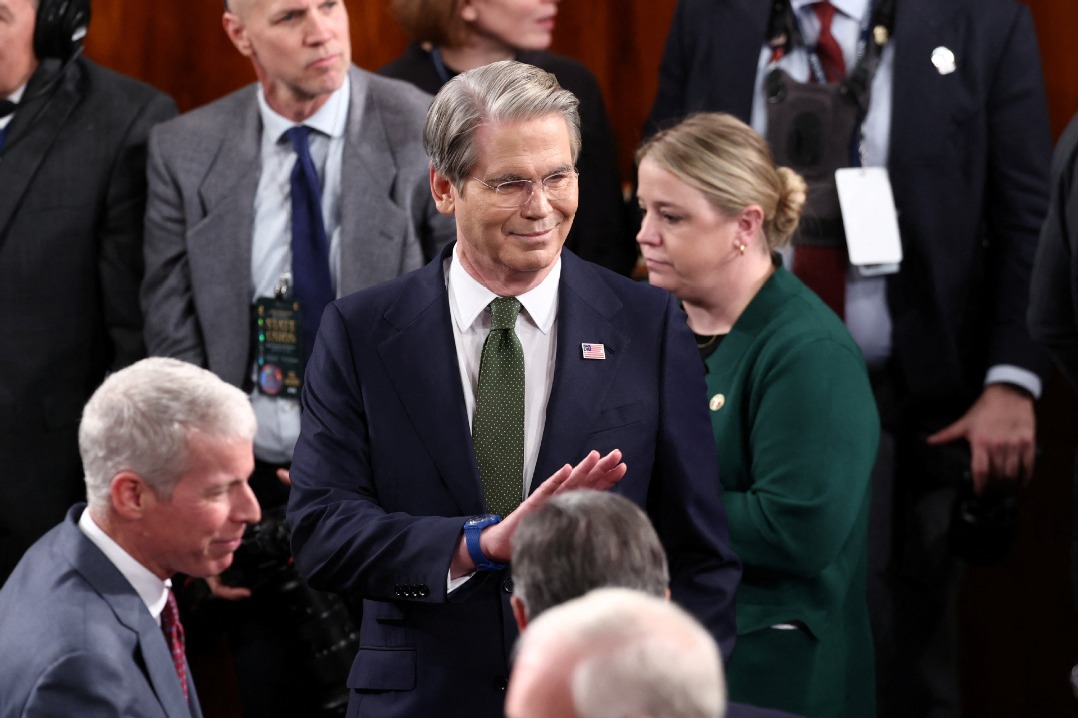
    Concurrently, Treasury Secretary Scott Bessent announced the administration’s plan to increase newly implemented global tariffs from 10% to 15% under Section 122 of the Trade Act of 1974. Bessent indicated to CNBC that this enhancement would likely be implemented within the week.

    The administration operates within a constrained temporal framework, as Section 122 provisions only permit tariffs lasting 150 days without congressional extension. During this five-month window, officials plan to complete investigations addressing national security concerns and unfair trade practices. Bessent referenced forthcoming studies from the United States Trade Representative on Section 301 and Commerce Department analyses regarding Section 232—tariff authorities that have previously endured legal challenges.

    These investigations potentially pave the way for subsequent tariff implementations. Bessent expressed confidence that tariff rates would revert to pre-Supreme Court decision levels within the five-month period, noting that these alternative legal frameworks have successfully withstood more than 4,000 legal challenges, describing them as ‘more robust’ despite being ‘more slow moving.’

  • China’s top legislature reviews draft law on national development planning

    China’s top legislature reviews draft law on national development planning

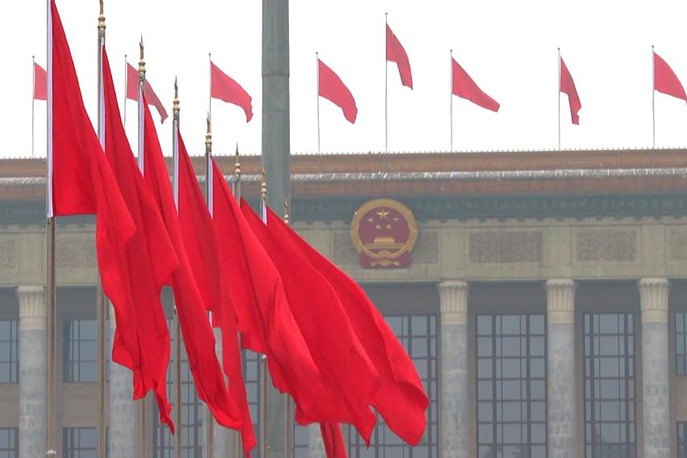
    China’s National People’s Congress (NPC) has initiated deliberations on a groundbreaking legislative framework that would formally codify the nation’s development planning processes into law. The draft legislation, presented during the NPC’s annual session, establishes comprehensive legal procedures for the creation, implementation, and oversight of China’s strategic development blueprints.

    The proposed law represents the institutionalization of China’s seven-decade experience with five-year planning cycles, transforming established practices into a structured legal format. The legislation outlines meticulous provisions spanning six distinct chapters, covering everything from initial formulation to final evaluation of national development plans.

    Significantly, the draft law formalizes the collaborative process between the Communist Party of China Central Committee, which provides policy recommendations; the State Council, responsible for drafting detailed plans; and the NPC, which holds ultimate approval authority. This tripartite mechanism ensures both political direction and legislative oversight in shaping China’s developmental trajectory.

    The legislation mandates that national development plans must articulate China’s strategic objectives, governmental priorities, and provide clear guidance for societal stakeholders. Required components include thorough environmental analyses, development guidelines, quantifiable targets, strategic missions, policy measures, and concrete implementation mechanisms.

    A notable aspect of the draft law emphasizes public participation in the planning process. This commitment was demonstrated through last year’s month-long digital consultation for the 15th Five-Year Plan, which gathered over 3.11 million public submissions that substantially influenced the final document.

    The legislative journey began in April 2025, with the draft undergoing three rigorous review sessions before reaching the current plenary meeting. Upon enactment, this law will establish permanent mechanisms for mid-term and final evaluations of plan implementation, creating a continuous improvement cycle for China’s development strategy.

  • War in the Middle East: latest developments

    War in the Middle East: latest developments

    The Middle East conflict has entered a perilous new phase with direct military engagements escalating rapidly across multiple fronts. Israeli forces have initiated a strategic bombing campaign targeting what they term ‘regime infrastructure’ in Tehran, with AFP journalists confirming powerful explosions throughout the Iranian capital. Simultaneously, Iranian media reports indicate significant casualties from U.S. and Israeli strikes in Shiraz, though these figures remain unverified independently.

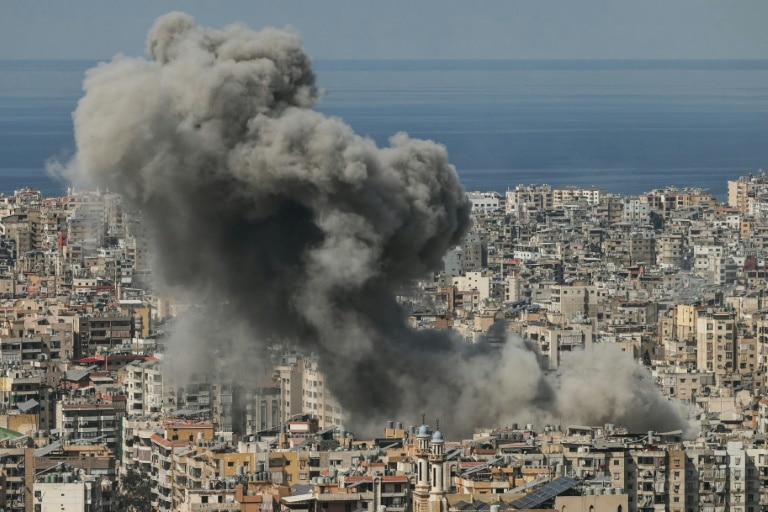
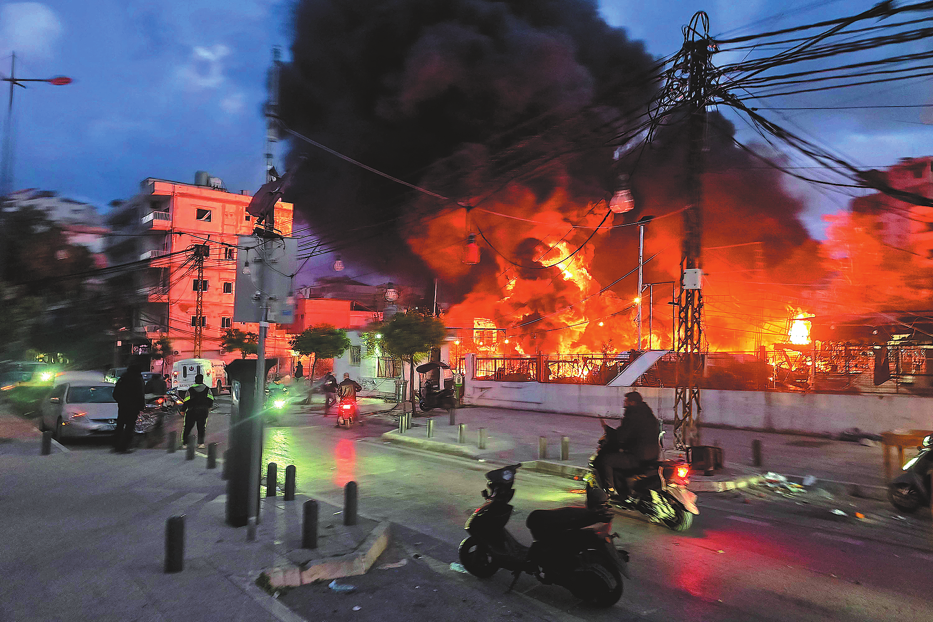
    Lebanon faces an escalating humanitarian emergency as Prime Minister Nawaf Salam warns of an impending ‘humanitarian disaster’ triggered by massive Israeli evacuation orders. These directives have precipitated large-scale population displacements from Hezbollah strongholds in Beirut’s southern suburbs and southern regions. The Lebanese health ministry reports the death toll from Israeli strikes has reached 123 since Lebanon’s involvement in the regional conflict began.

    Regional security concerns intensified as missile alerts activated across the Gulf. Dubai residents received emergency shelter directives via mobile alerts from the Emirati interior ministry, while Saudi Arabia reported successful interception of three drones east of Riyadh and three missiles targeting an air base. Qatar similarly announced its air defenses thwarted a drone attack aimed at the strategic Al-Udeid air base, the U.S.’s largest military installation in the region.

    Kuwait’s defense ministry disclosed that 67 military personnel have sustained injuries since the commencement of Iran’s retaliation campaign—the highest casualty count among Gulf militaries. Bahrain confirmed Iranian strikes damaged a hotel and residential buildings in Manama, revising earlier assessments.

    The international community has responded with calls for accountability. UN Human Rights Chief Volker Turk demanded ‘transparent and impartial investigations’ into an alleged deadly strike on an Iranian school, urging Washington to expedite its promised probe. Meanwhile, London authorities arrested four individuals—one Iranian and three dual UK-Iranian nationals—suspected of espionage activities targeting Jewish community locations on behalf of Iran’s intelligence service.

    U.S. President Donald Trump explicitly ruled out ground troop deployment to Iran, dismissing such considerations as a ‘waste of time’ given Tehran’s substantial military losses. In a notable development, Australian Prime Minister Anthony Albanese confirmed three Australian military personnel participated in a U.S. submarine operation that sank an Iranian naval vessel off Sri Lanka’s coast under a training arrangement. President Trump additionally expressed support for potential offensive operations by Iranian Kurdish fighters, characterizing such actions as ‘wonderful.’

  • People-oriented service for grassroots impact

    People-oriented service for grassroots impact

    In a revealing personal account, a journalist gains newfound appreciation for China’s grassroots political advisory system through her father’s decade-long service as a local CPPCC member. The discovery began when an old classmate, now working in municipal government, messaged her after observing a political consultation session where her father—a lawyer from Macheng, Hubei province—delivered what was described as ‘thoughtful and substantial’ remarks.

    Previously focused on covering high-level diplomacy and national events, the journalist had considered local governance matters distant from her professional interests. This unexpected message prompted her to investigate what exactly grassroots political advisers accomplish. Through conversations with her father, she learned how his legal practice directly informs his policy proposals, creating a vital bridge between judicial reality and legislative improvement.

    His decade of service has produced concrete proposals addressing electric vehicle management, stone industry development, protection rights for children and elderly residents, and promotion of local chrysanthemum tea—all rooted in direct community engagement and judicial observation. The tangible outcomes include renovated urban streets, upgraded rural roads, and improved village sanitation facilities.

    The narrative expands to the national level as CPPCC National Committee member Chen Zhonghong emphasizes that proposals most effectively addressed are those ‘smaller and more specific’ and ‘closely linked to people’s livelihoods.’ With expertise in vulnerable group protections, Chen describes her identical role as a bidirectional conduit—bringing policies to grassroots communities while channeling local concerns to decision-makers.

    The account concludes by framing democracy not as abstract theory but as a practical process of bottom-up opinion aggregation, where national priorities emerge from daily life experiences and top-level designs originate from grassroots realities, embodying China’s whole-process people’s democracy.

  • Middle East conflict continues to expand

    Middle East conflict continues to expand

    The Middle East conflict escalated dramatically on Thursday as Gulf nations intensified diplomatic efforts to curb Iranian military actions while multiple battlefield developments signaled expanding regional turmoil.

    Qatari Prime Minister Sheikh Mohammed bin Abdulrahman Al Thani engaged in urgent communications with Iranian Foreign Minister Seyed Abbas Araghchi, explicitly urging Tehran to desist from further retaliatory strikes. This diplomatic intervention occurred alongside significant military developments across multiple theaters.

    In a notable maritime confrontation, a United States submarine eliminated an Iranian frigate within Sri Lanka’s territorial waters on Wednesday. The engagement resulted in over 80 casualties, with 32 sailors successfully rescued. Sri Lankan authorities confirmed a second Iranian warship was approaching their waters, though officials indicated the vessel was experiencing mechanical difficulties and sought port access rather than presenting an immediate threat.

    The conflict expanded beyond traditional battle zones as Azerbaijan reported Iranian drone strikes on its territory, injuring four civilians and prompting formal diplomatic protests. Meanwhile, Bahrain’s Defense Force disclosed extensive defensive operations, claiming destruction of 75 missiles and 123 drones since hostilities commenced.

    Energy infrastructure became a focal point as Iran’s Revolutionary Guards claimed responsibility for striking a US tanker in the Persian Gulf’s northern waters, setting the vessel ablaze. The United Kingdom Maritime Trade Operations documented a substantial explosion 30 nautical miles southeast of Kuwait’s Mubarak al-Kabeer Port, with subsequent oil leakage raising environmental concerns despite crew safety.

    In Washington, the US Senate rejected a bipartisan resolution that would have constrained presidential authority to conduct military operations against Iran without congressional approval. The measure, championed by Senators Tim Kaine and Rand Paul, failed along party lines amid Republican support for the administration’s current military stance.

    Lebanon experienced further violence as Israeli drone strikes in Tripoli killed two individuals, including a Hamas official, and injured a woman. Iran issued stark warnings that Israeli diplomatic facilities worldwide would become legitimate targets if Iranian embassies in Lebanon faced assault.

    Evacuation measures intensified throughout the region, with Qatari authorities relocating residents near US embassy compounds and Omani officials coordinating multinational civilian extraction efforts. These developments followed attacks on US government and military installations in Saudi Arabia, Kuwait, and the United Arab Emirates.

  • What they say

    What they say

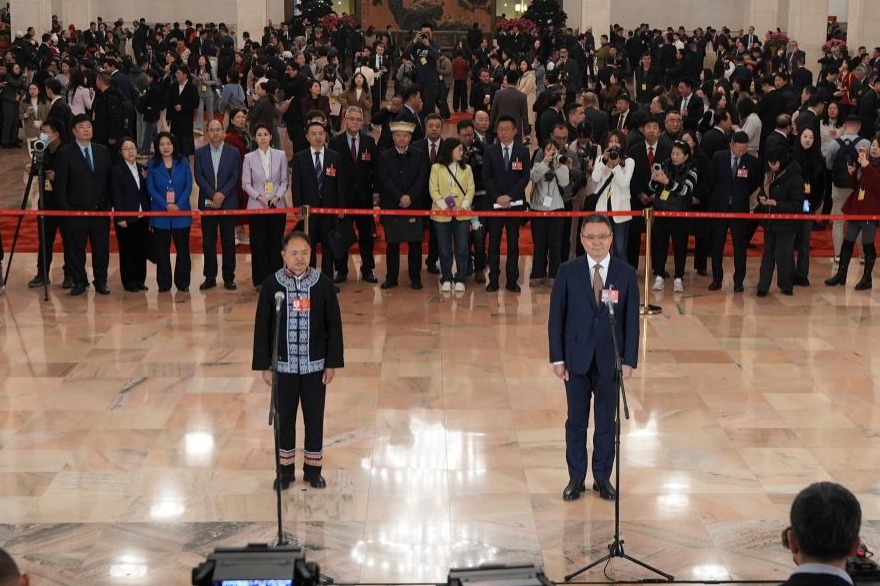
    Four deputies to China’s National People’s Congress (NPC) have articulated their commitments to national development across critical sectors, highlighting tangible progress and future aspirations.

    Nong Jiagui, a village primary school teacher from Yunnan Province with four decades of service, recounted the dramatic transformation of rural education. The Luosongdi Primary School has evolved from a dilapidated structure with leaking roofs and cracked walls into a modern, spacious educational facility. Deputy Nong pledged to continue his lifelong advocacy for rural education, vowing to remain ‘devoted to my original aspiration, one teacher for one school for a lifetime.’

    Gao Derong, an agricultural researcher at the Lixiahe Agricultural Research Institute in Jiangsu, emphasized advancements in food security. His work focuses on improving wheat varieties to ensure citizens ‘not only have enough to eat, but also eat well.’ He revealed that his previous policy suggestion to increase investment in high-standard farmland construction was adopted, resulting in funding increases from approximately $3,806 to $6,524 per hectare. Deputy Gao committed to continuing his work to help land produce more grain and farmers earn higher incomes.

    Technology development received attention from Dong Jin, head of the Beijing Academy of Blockchain and Edge Computing. He reported that China now possesses advanced blockchain technologies with widespread applications across public and business sectors. A comprehensive nationwide blockchain network has emerged to record and safeguard the country’s high-value core data, particularly concerning cross-border trades and global payments.

    Wang Wenyi, a J-16 fighter pilot with the People’s Liberation Army Air Force, provided insights into military readiness. She emphasized that rigorous combat training directly enhances capabilities to ‘fight and win.’ Reflecting on a recent long-range operation over open seas, Deputy Wang described the profound sense of mission she feels when returning to base and seeing the lights of homes in the distance, recognizing the military’s role as guardians of Chinese family happiness.

  • Kosovo president moves to dissolve Parliament for early election as country plunges into new crisis

    Kosovo president moves to dissolve Parliament for early election as country plunges into new crisis

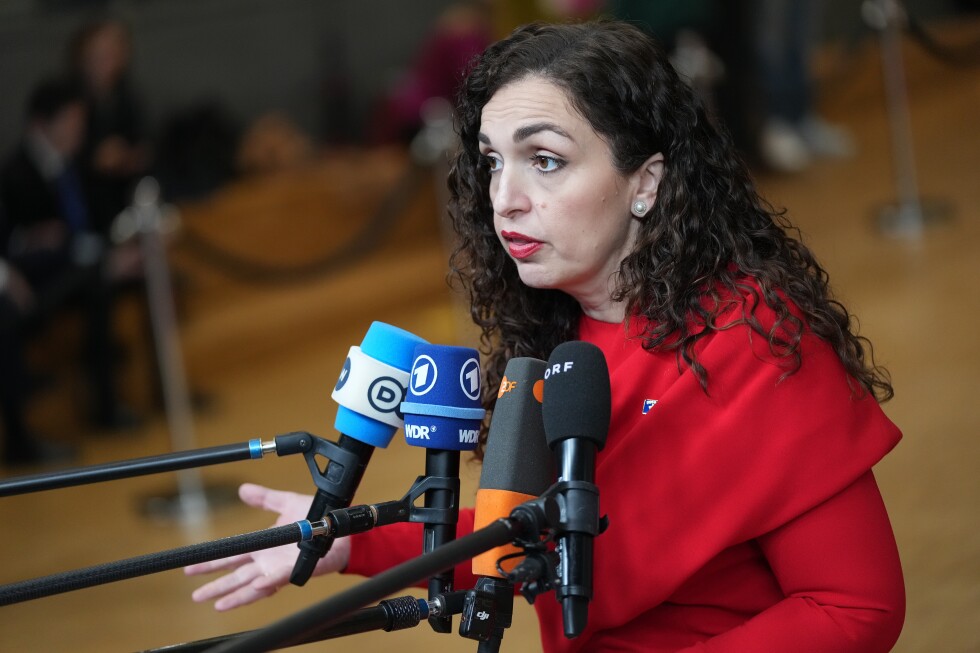
    PRISTINA, Kosovo – Kosovo has been plunged into a fresh political crisis as President Vjosa Osmani formally dissolved the national Parliament on Friday, setting the stage for yet another early election. This decisive action comes after legislators failed to elect a new head of state before a constitutional deadline, exacerbating an already protracted period of political instability in the young Balkan nation.

    The immediate catalyst was the assembly’s inability to achieve a quorum during a critical session late Thursday, which was boycotted by opposition parties. This prevented a vote to select a successor to President Osmani, whose term began in 2021. The midnight Thursday deadline for the election process passed without a resolution.

    In a national address, President Osmani expressed profound disappointment, characterizing the political impasse as a ‘completely avoidable’ situation and a ‘great misfortune’ for the Republic of Kosovo. She asserted that lawmakers had been afforded ample time to fulfill their constitutional duty and prioritize national interests. By issuing the decree for dissolution, she stated she was acting in accordance with her clearly defined constitutional obligations.

    Prime Minister Albin Kurti, leader of the ruling Vetëvendosje (Self-Determination) party, attributed the parliamentary failure directly to the opposition’s boycott. His administration has subsequently petitioned the Constitutional Court to issue a temporary suspension of the election deadline, potentially allowing the process to resume. The court’s timeline for a ruling and its potential impact on the dissolution decree remain uncertain.

    This development marks the second snap election to be called in less than six months, following a December vote that was itself triggered by a nearly yearlong political stalemate. Although Vetëvendosje emerged victorious in that election and later formed a governing coalition with ethnic minority parties in February, the nation’s deep-seated political divisions have persisted.

    The ongoing turbulence occurs against a complex geopolitical backdrop. Kosovo, a former Serbian province, declared independence in 2008 following a brutal war that ended with NATO intervention. Serbia continues to refuse recognition of Kosovo’s sovereignty, ensuring that domestic political crises carry significant implications for regional stability and international relations.