
DAKAR, Senegal — Before dawn breaks over Senegal’s capital, an extraordinary scene unfolds along Dakar’s coastline. Approximately 100 participants clad in swimwear and life jackets gather on the beach, preparing for their daily aquatic exercise regimen in the chilly Atlantic waters. This innovative aquagym program has emerged as a transformative healthcare solution for Senegalese citizens grappling with chronic mobility conditions.
博客
-
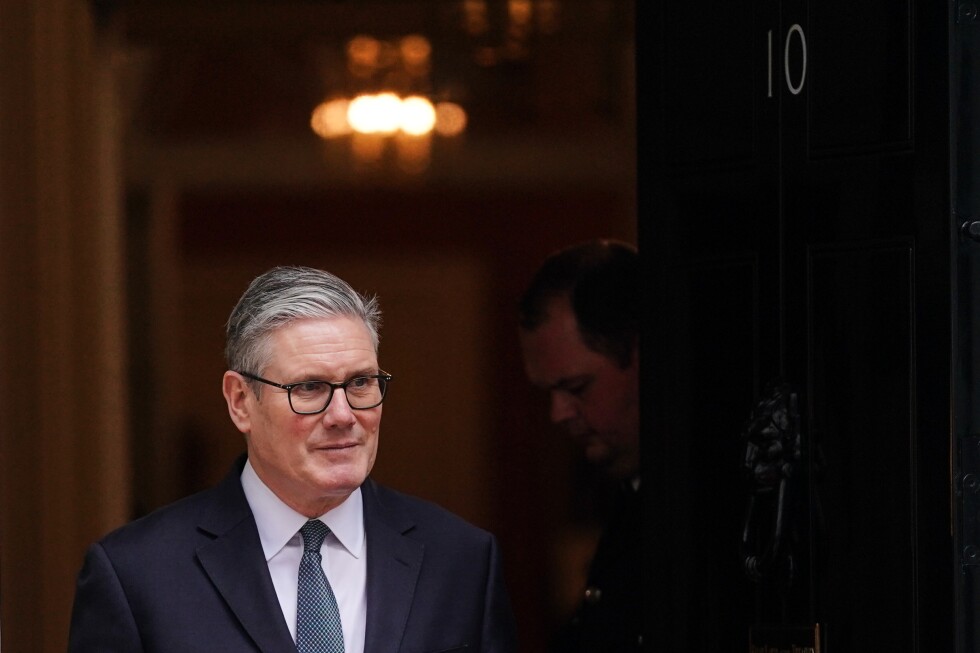
UK’s Starmer heads to China seeking a thaw in relations but risking a rift with Trump
British Prime Minister Keir Starmer is embarking on a diplomatically sensitive mission to China this Wednesday, marking the first visit by a UK leader since 2018. The trip comes at a pivotal moment as Britain navigates increasingly strained relations with the United States under President Donald Trump, who has imposed tariffs and criticism on traditional allies.
Starmer’s delegation includes Business Secretary Peter Kyle and numerous corporate leaders, signaling Britain’s intent to secure Chinese technological investment and greater market access for UK financial services, automotive exports, and Scotch whisky. The Prime Minister is scheduled to meet President Xi Jinping directly, seeking to reinvigorate economic ties while managing complex security concerns.
Professor Zhao Minghao of Fudan University’s Institute of International Studies noted China’s evolving role, observing that “China is no longer just the world’s factory; it is also becoming a global market.”
The diplomatic landscape has shifted dramatically since the so-called “golden era” of UK-China relations proclaimed in 2015 by Conservative Prime Minister David Cameron. Recent years have seen relations deteriorate over Beijing’s crackdown on Hong Kong’s civil liberties, support for Russia in Ukraine, and growing concerns about espionage and economic interference.
Kerry Brown, director of the Lau China Institute at King’s College London, characterized the challenging environment: “Starmer is going to be talking to a very skeptical audience. Britain has not been very consistent in its relations with China. We have been very hot and cold.”
The Labour government, after conducting an 18-month review of China policy, promotes a doctrine of “hard-headed pragmatism”—balancing national security protection against espionage with continued diplomatic engagement and economic cooperation. This approach comes as Britain’s economy, the world’s sixth largest, requires stimulation amid stagnant growth and persistent cost-of-living pressures.
Starmer’s outreach to Beijing coincides with mounting tensions with Washington. Despite initially avoiding public criticism of Trump’s attacks on London’s mayor, British immigration policies, and his lawsuit against the BBC, Starmer recently condemned Trump’s aspirations regarding Greenland and his disparaging comments about NATO allies in Afghanistan.
This diplomatic rebalancing extends beyond Britain. Canadian Prime Minister Mark Carney recently visited Beijing, with German Chancellor Friedrich Merz scheduled to follow next month—signaling a broader trend among US allies to hedge against Washington’s unpredictability.
However, rapprochement with China carries significant risks. Trump has threatened 100% tariffs on Canadian goods following Carney’s recent trade agreement with China, suggesting similar consequences could await Britain.
Starmer also faces domestic criticism over security concerns, particularly regarding the approval of a massive 20,000-square-meter Chinese embassy near the Tower of London. Critics warn the “mega-embassy” could facilitate espionage and intimidation of dissidents. Additional controversy surrounds the agreement to transfer the Chagos Islands to Mauritius, which some fear could expand Chinese influence near a strategic UK-US military base.
Human rights considerations present further complications. Former Hong Kong Governor Chris Patten urged Starmer to firmly address issues including treatment of Uyghur minorities and the imprisonment of British citizen Jimmy Lai, a Hong Kong pro-democracy activist.
According to Brown, the visit will likely be deemed successful if it secures substantial Chinese investment while avoiding major political pitfalls, establishing “consistency, a bit more predictability” in bilateral relations: “Friends where we can be friends, otherwise agree to disagree.”
-

Mandate or defining moment? The UAE’s upcoming eInvoicing regulation is about more than compliance
While July 2026 might appear distant on the calendar, the UAE’s impending eInvoicing mandate demands immediate strategic attention from businesses. Contrary to viewing this as merely another regulatory hurdle, forward-thinking organizations recognize it as a transformative opportunity to revolutionize financial operations and procurement ecosystems.
This regulatory shift fundamentally differs from previous implementations like VAT or corporate tax. eInvoicing operates at the transactional level in real-time, creating an embedded governance mechanism that validates compliance at the moment of issuance. This transforms compliance from retrospective control to continuous assurance, reconnecting the traditionally fragmented invoicing process into a seamless Source-to-Pay lifecycle.
Early adopters gain significant competitive advantages beyond compliance. They secure choice in platform selection, alignment with broader digital transformation initiatives, and phased implementation strategies. The automation potential is substantial: where manual processing limits employees to approximately 6,000 invoices annually, automated systems can handle over 90,000—a 1,400% efficiency increase according to Ernst & Young research.
The strategic value extends far beyond productivity gains. Integrated eInvoicing platforms create a single auditable truth that connects supplier agreements, purchase orders, and payment execution. This ensures automatic validation against agreed terms, reducing disputes while strengthening governance across the entire procurement value chain.
Financial benefits materialize through accelerated payment cycles—reducing the typical 41-day invoice processing timeline—and access to early-payment discounts up to 2% per invoice. For international operations, early implementation allows organizations to establish global compliance platforms capable of adapting to diverse jurisdictional requirements.
The current budget planning period presents an ideal opportunity for finance leaders to position eInvoicing as working capital optimization strategy rather than compliance cost. Proactive investment avoids the premium costs of last-minute implementations while future-proofing organizations against evolving regulatory landscapes.
Ultimately, the July 2026 deadline will distinguish organizations viewing this as a compliance exercise from those leveraging it to build connected, future-ready digital ecosystems. The true mandate represents a watershed moment for financial leadership to replace fragmented processes with integrated digital transformation.
-
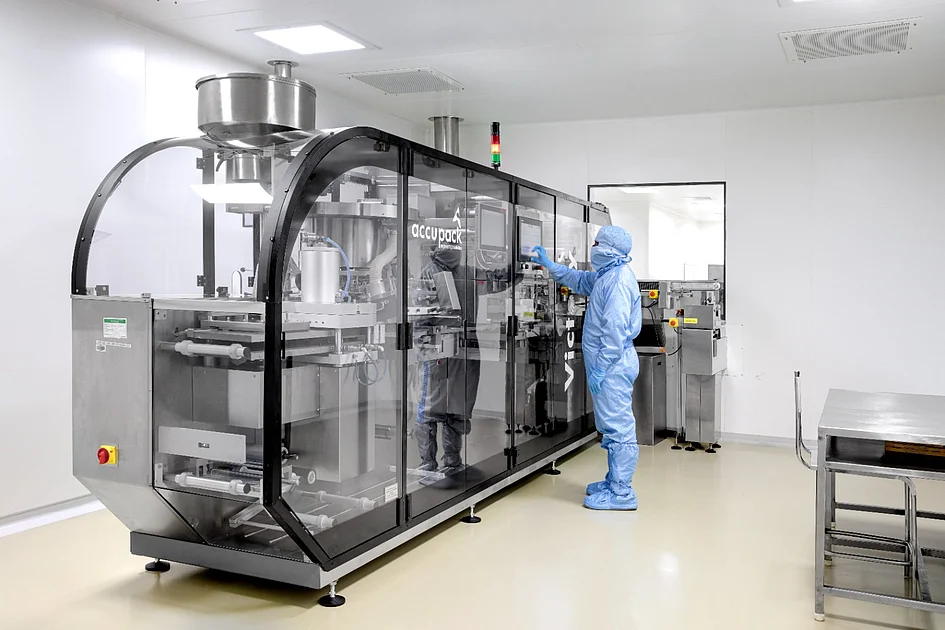
Advancing healthcare resilience through innovation in the Middle East
The Middle East is fundamentally redefining healthcare resilience, moving beyond traditional supply chain security toward advanced biomedical innovation and regional scientific collaboration. Across GCC nations, governments are implementing ambitious long-term strategies that transform healthcare from reactive crisis management to proactive scientific leadership.
The region’s shifting health demographics, marked by rising rates of diabetes, cancer, and neurodegenerative conditions, have catalyzed this strategic pivot. Rather than merely securing essential medicines, countries are now building sophisticated biomedical ecosystems with genomics, biotechnology, and advanced pharmaceutical manufacturing at their core.
The UAE’s comprehensive genome program aims to map every Emirati’s DNA, creating the foundation for personalized medicine while supporting nascent biotechnology capabilities. Saudi Arabia’s Vision 2030 incorporates a National Biotechnology Strategy focused on achieving self-sufficiency in vaccines, biomanufacturing, and genomics. Qatar is developing university-industry innovation pathways, while Kuwait advances its healthcare digitalization and health technology assessment frameworks under Kuwait Vision 2035.
This transformation extends to industrial policy, with sovereign investments creating substantial life sciences platforms. Abu Dhabi’s ADQ consolidated holdings across Swiss, Turkish, and Egyptian entities to form Arcera Life Sciences, now developing over 2,000 medicines across 60+ markets with 40% of its UAE portfolio produced locally. This model maintains global supply chain integration while ensuring predictable medicine access.
The region’s capabilities are already yielding advanced therapies, including recent introductions of treatments addressing antibiotic resistance and an upcoming Alzheimer’s therapy commercialization across Middle Eastern markets. These developments demonstrate tangible progress in translating scientific innovation into patient access, particularly for areas with significant unmet medical needs.
Building resilient healthcare systems requires sustained collaboration between governments, industry, academia, and regulators. Investments in talent development, advanced manufacturing, digital infrastructure, and AI-powered insights are proceeding at varying paces but with shared long-term vision across the region.
The Middle East’s approach leverages complementary strengths across nations, combining robust domestic capabilities with global partnerships. This strategy not only prepares the region for future health challenges but actively shapes innovative solutions, creating opportunities for improved health outcomes for generations to come.
-
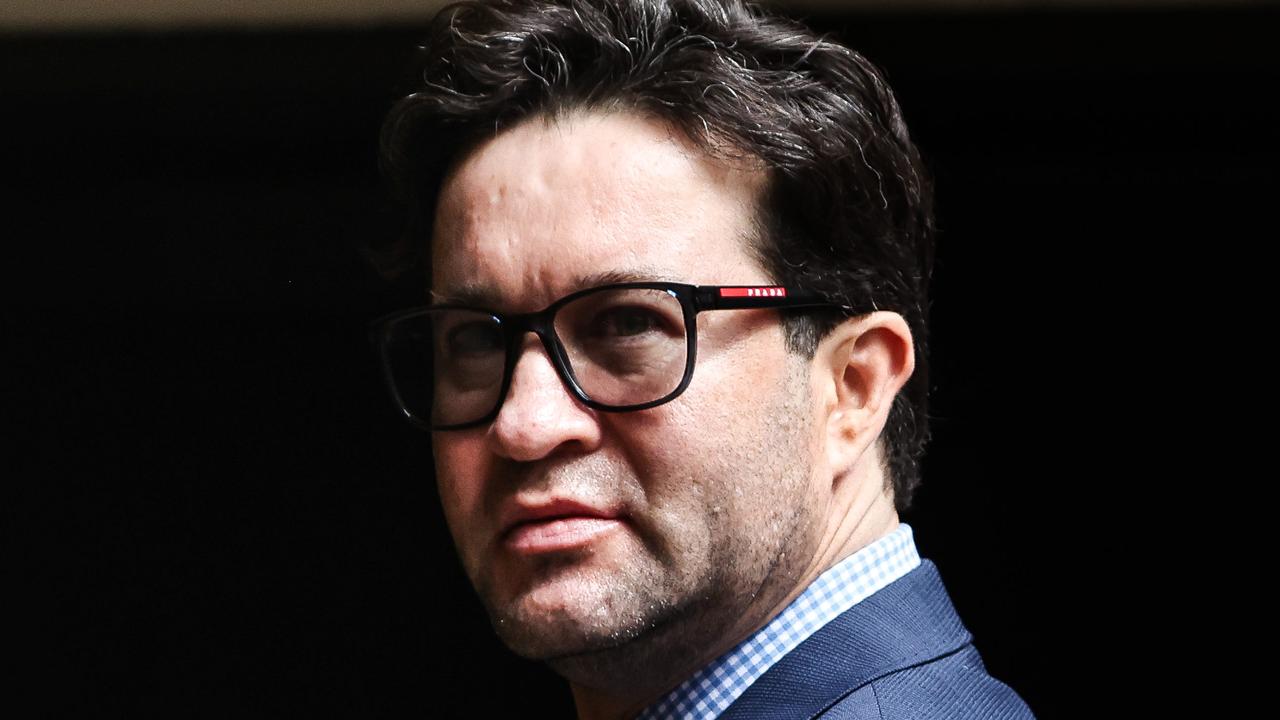
Sydney man acquitted of Oxford St club sexual assault
In a significant courtroom verdict, a Sydney man has been cleared of all sexual assault allegations stemming from an incident at an Oxford Street nightclub. After a comprehensive week-long trial, a District Court jury delivered a not guilty verdict for David Charles Massa, 47, on Tuesday regarding two primary counts of sexual intercourse without consent and two alternative charges of non-consensual sexual touching.
The case centered around events at Universal Nightclub in the early hours of June 1, 2024, where Massa acknowledged physical contact but maintained it was entirely consensual. Through his defense barrister Nicole Carroll, Massa asserted that he never penetrated the complainant’s anus and all interactions occurred with mutual agreement between both parties.
Court proceedings revealed the two men had met moments before the incident when the complainant allegedly approached Massa, kissed his hand, and invited him to join in the smoking area alongside his girlfriend. Surveillance footage presented as evidence showed the men engaging in kissing, though the complainant claimed he did not reciprocate.
Defense counsel Carroll characterized the interaction as ‘friendly’ and ‘flirtatious’ throughout the evening, arguing the complainant showed no visible distress immediately following the alleged assault. Carroll suggested the departure from the venue was prompted by the girlfriend pulling him away after witnessing the kiss, rather than due to any non-consensual activity.
The complainant testified that after having dinner and drinks at the nearby Beresford Hotel, he proceeded to Universal Nightclub where he encountered Massa sitting alone. He described feeling ‘in shock’ about the alleged assault given the public setting with numerous patrons present. Following the incident, he reported undergoing a medical examination at Royal Prince Alfred Hospital before filing a police report.
Massa consistently maintained his innocence, telling police in a recorded interview: ‘I have no idea what this is about. All I know is I did not sexually assault anyone.’ The jury’s unanimous acquittal concludes this closely watched case that examined complex questions of consent and interpersonal conduct in social settings.
-
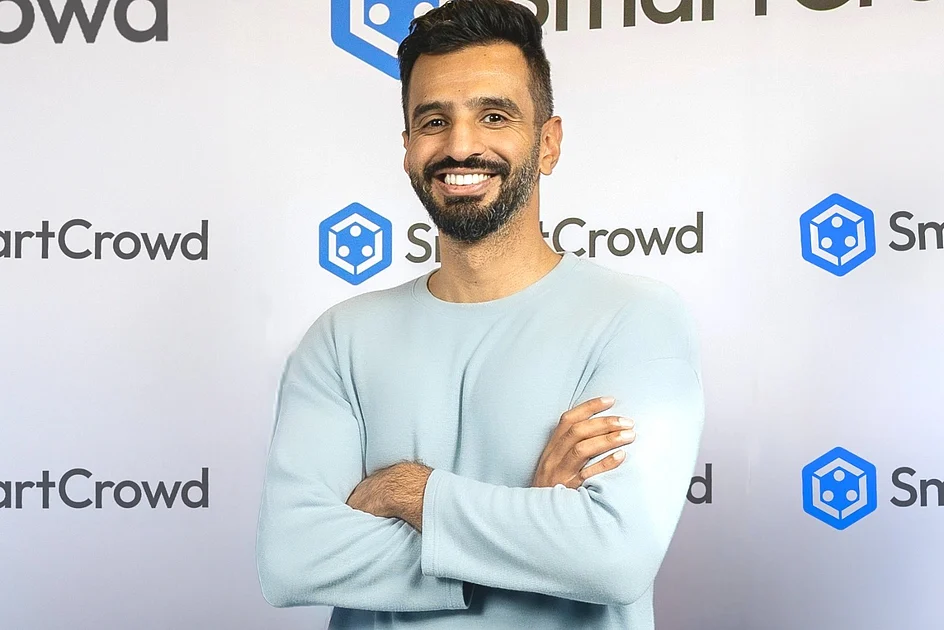
Dubai real estate matures into one of the world’s most resilient markets
Dubai’s property sector has evolved into one of the world’s most robust and resilient real estate markets, driven by pioneering regulation, technological innovation, and shifting investor expectations. According to Riz Ahmed, CEO of SmartCrowd, the market’s maturation stems from early regulatory frameworks that fundamentally transformed investment practices across the United Arab Emirates.
The implementation of comprehensive regulation established new industry standards that prioritized transparency, governance, and performance accountability. Ahmed emphasized that being the region’s first fully regulated real estate investment platform created a foundation of trust that preceded scale. “Transparency became non-negotiable. Investors now expect real data, audited returns, and full visibility—benchmarks we established from day one,” he stated.
The market transformation is demonstrated through substantial performance metrics. SmartCrowd has facilitated over 60 successful property exits—triple the combined total of other regional crowdfunding platforms—delivering consistent returns across varying market cycles. Their Buy & Hold properties have generated average net annualized returns of 14.34%, with an overall net return of 43.95% across an average holding period of 3.2 years. The innovative Flip model, designed for shorter investment cycles of 9-15 months, has produced average net returns of 27.40% with annualized returns of 24.01%.
Ahmed attributes this success to Dubai’s dual appeal: stable rental income combined with significant capital appreciation as the market continues to mature. The recent acquisition of SmartCrowd by Nawy marks a strategic shift toward creating an integrated digital ecosystem for real estate investment throughout the MENA region. This consolidation aims to develop a comprehensive platform where users can invest, finance, manage, and exit properties under a single digital infrastructure.
The evolution continues through continuous innovation rather than isolated breakthroughs. Ahmed concluded that maintaining leadership requires anticipating market trends and investor needs, ensuring Dubai remains at the forefront of global real estate investment innovation.
-
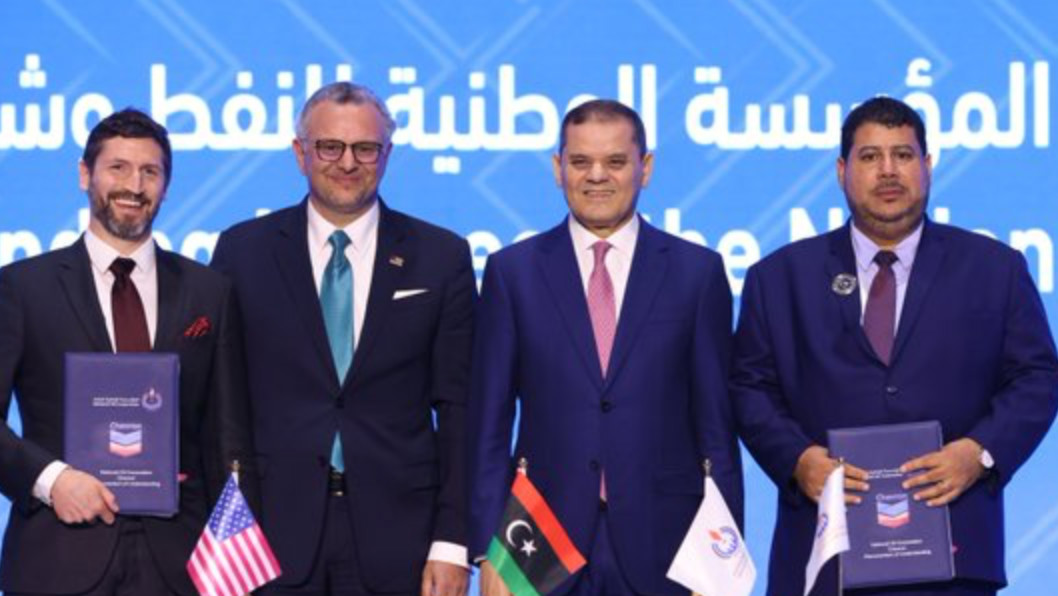
Libya signs $20bn oil deals with US and French energy companies
In a significant move to revitalize its energy sector, Libya’s Tripoli-based Government of National Unity has finalized a monumental 25-year oil development pact with global energy titans TotalEnergies and ConocoPhillips. The agreement, signed during an economic summit in the capital, targets a substantial expansion of the Waha Oil Company, a subsidiary of Libya’s National Oil Corporation (NOC).
The cornerstone of the deal is a $20 billion investment package designed to more than double Waha’s current output from approximately 350,000 barrels per day (bpd) to a projected 850,000 bpd. This ambitious plan involves the development of four new oil fields and an extensive exploration program across 19 concession areas. Libyan Prime Minister Abdul Hamid al-Dbeibah heralded the partnership on social media platform X, projecting over $376 billion in state revenue over the next quarter-century and characterizing it as a ‘qualitative and unique achievement’ that strengthens ties with major global energy players.
The signing ceremony also featured a separate logistics and exploration agreement with Chevron and Egypt, underscoring a broader international re-engagement with Libya’s energy wealth. The presence of U.S. Special Presidential Envoy Massad Boulos, whose family connections to former President Trump have drawn scrutiny, lent diplomatic weight to the proceedings. The U.S. Embassy in Libya issued a statement praising the expanded Waha Consortium as evidence of ‘deepening collaboration’ between the two nations.
This massive investment represents a potent vote of confidence in the Dbeibah administration from Western governments and corporations, despite Libya’s protracted political instability. The country, which possesses Africa’s largest oil reserves, has seen international investment dwindle since the 2011 NATO-backed uprising that ousted Muammar Gaddafi. The nation subsequently fractured, with eastern Libya currently under the control of military commander Khalifa Haftar and his sons, who are courting support from various international patrons including the UAE and Turkey.
Analysts note the deals signal a pragmatic shift in the complex proxy conflicts that have defined post-Gaddafi Libya, with foreign governments and local elites increasingly prioritizing economic interests over rigid political alliances. This realignment is further illustrated by Egypt’s engagement with the Tripoli government despite its ongoing disputes with the Haftar family over the latter’s alleged support for the Rapid Support Forces in Sudan.
The involvement of Envoy Boulos has attracted particular attention following previous reports by Middle East Eye and The New York Times concerning discussions about unlocking frozen Libyan assets for U.S. investments and his family’s social connections to figures with interests in the region’s oil sector.
-
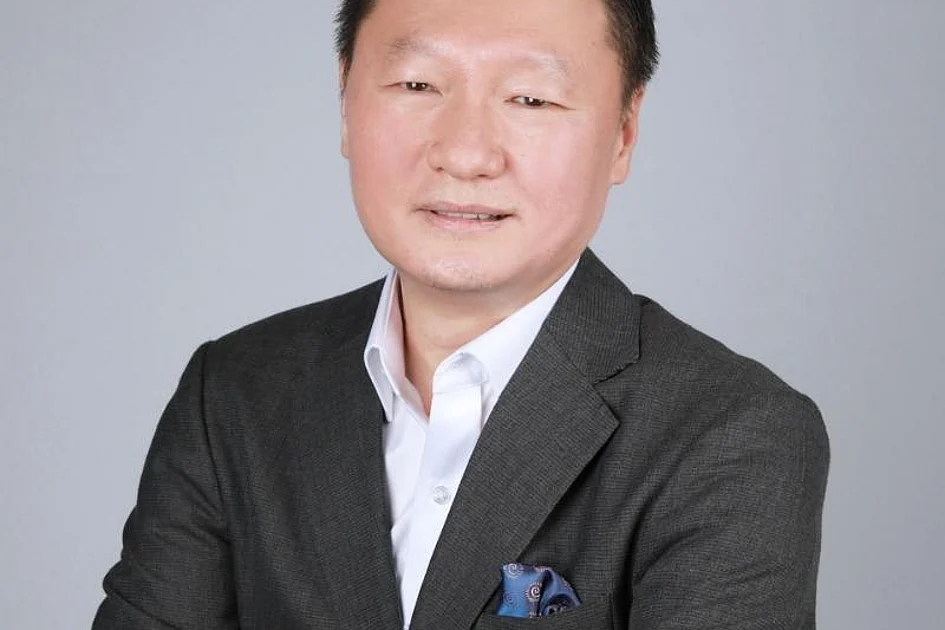
Award winning Islamic Finance leader joins ComTech Gold
In a strategic move poised to reshape the landscape of digital Islamic finance, ComTech Gold has secured the expertise of internationally acclaimed Islamic finance leader Lim Say Cheong as Chief Advisor for Digital Assets and Islamic Finance. This appointment signals the company’s determined push to establish global leadership in Shariah-compliant real-world asset tokenization.
The recruitment arrives at a transformative juncture for the $6 trillion global Islamic finance sector, which is increasingly embracing blockchain technology, tokenization frameworks, and digital asset infrastructure. This shift toward technological integration aims to enhance transparency, operational efficiency, and financial inclusion across Muslim-majority markets and beyond.
Lim brings an exceptional portfolio of credentials to his new role, including receipt of the prestigious 2025-2026 Chevening and Oxford Centre for Islamic Studies Fellowship, awarded by the UK Government in recognition of his pioneering work in financial innovation. His industry stature is further cemented by the Cambridge Islamic Finance Leadership Award, which honored his global impact in advancing Islamic capital markets and public sector advisory services.
With professional experience spanning more than fifty international Sukuk issuances for sovereign and corporate entities including Hong Kong, the United Kingdom, Dubai, and Emaar Properties, Lim possesses unparalleled expertise in Islamic finance structuring. His advisory roles have extended to central banks and governmental institutions such as the National Bank of Kazakhstan and Bangladesh Bank, while his leadership positions at Al Hilal Bank and Noor Islamic Bank have established him as a transformative figure in the industry.
Jignesh Ve, Founder and CEO of ComTech Gold, emphasized the significance of this appointment: “Lim combines sovereign advisory credibility with visionary digital innovation. His leadership will position tokenized gold as the natural evolution of Shariah-compliant investment—fully asset-backed, transparent, and globally accessible.”
In his capacity as Chief Advisor, Lim will spearhead the development of Shariah-compliant tokenization frameworks for gold, real estate, and infrastructure assets. He will also enhance regulatory engagement with Islamic finance authorities and digital asset regulators worldwide while supporting ComTech Gold’s strategic expansion across the GCC, Europe, Central Asia, and Southeast Asia.
Commenting on his new role, Lim stated: “Gold tokenization represents the natural convergence of Islamic finance and blockchain technology, both anchored in real assets, transparency, and ethical principles. Through tokenizing fully allocated physical gold, we’re creating fractional, tradable investments that appeal not only to Muslim investors but to anyone seeking credible, asset-backed value in the digital economy.”
Lim’s academic credentials include an Executive MBA from INSEAD Business School in France and an Advanced Diploma in Islamic Finance from CIMA, complemented by executive education programs at Wharton, Oxford, Cambridge, and Columbia University. His practical experience in building Islamic banking platforms from the ground up and transforming institutions into top-tier Sukuk arrangers positions him uniquely to advance ComTech Gold’s global ambitions.
-
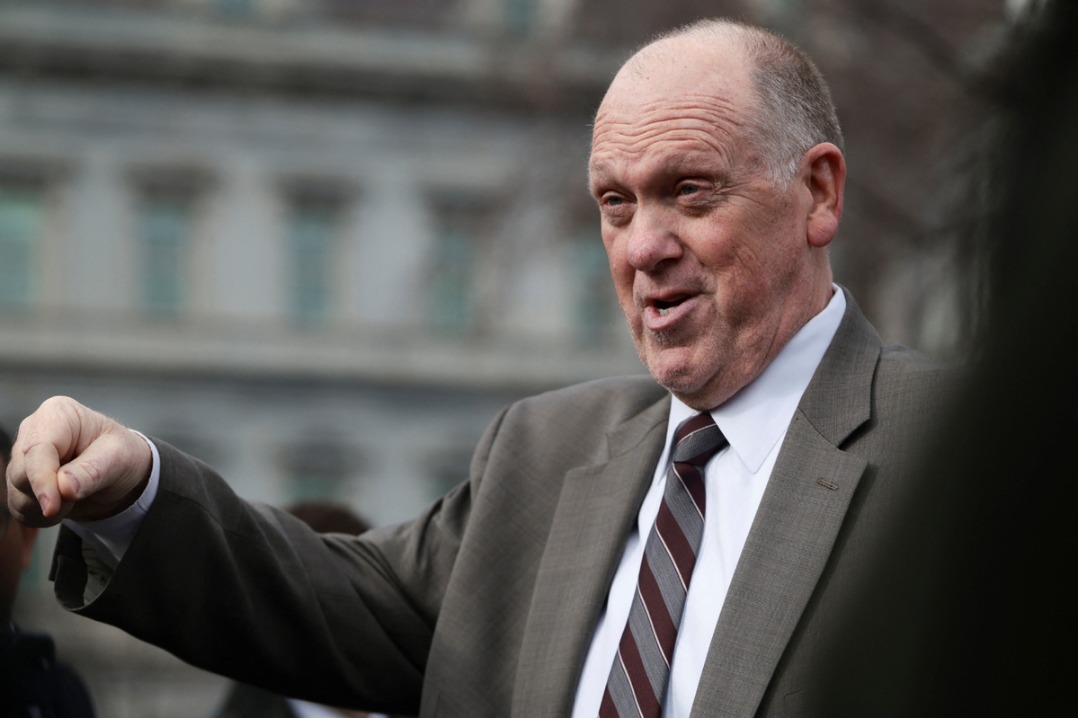
Trump says he is sending White House border czar to Minnesota
President Donald Trump announced Monday the immediate deployment of White House border czar Tom Homan to Minnesota, responding to growing civil unrest following two separate fatal shootings involving federal immigration officers within the state this month.
The decision, communicated through Trump’s Truth Social platform, comes amid escalating political tensions between the administration and Democratic leadership. The president simultaneously revealed an ongoing investigation into what he characterized as ‘massive’ welfare fraud in Minnesota, which he suggested was ‘at least partially responsible for the violent organized protests’ occurring throughout the state.
The deployment follows Sunday’s sharp criticism from former Democratic presidents Barack Obama and Bill Clinton regarding the federal government’s handling of immigration enforcement operations. The political condemnation emerged after two U.S. citizens lost their lives in separate incidents involving federal officers in Minneapolis.
The first tragedy occurred on January 7 when Immigration and Customs Enforcement (ICE) officers shot and killed 37-year-old Renee Good during an operation targeting undocumented immigrants. The incident ignited nationwide protests against perceived excessive force in immigration enforcement.
Tensions further escalated Saturday when a U.S. Border Patrol agent fatally shot another 37-year-old American citizen, Alex Pretti, under similar circumstances.
Minnesota Governor Tim Walz has vehemently criticized federal operations, describing them as creating chaos within communities and formally requesting the immediate termination of ICE activities within state boundaries.
In a notable shift from previous rhetoric, Trump indicated Monday that he had a ‘very good call’ with Governor Walz, suggesting both leaders were ‘on a similar wavelength’ regarding resolution efforts, despite earlier claims that Democratic policies had directly caused ‘Democrat-ensued chaos.’
-

‘Oh my gosh’: Cruel reason Josh Giddey’s 25m shot didn’t count for the Bulls
Australian basketball sensation Josh Giddey has once again captured global attention with an extraordinary long-range shot during the Chicago Bulls’ matchup against the Los Angeles Lakers. However, the spectacular 25-meter heave that would have ranked among the longest in NBA history was controversially nullified due to a prior timeout call.
The dramatic moment occurred with just four minutes remaining in Tuesday’s contest at the United Center in Chicago, where Giddey launched an seemingly effortless shot from approximately 82 feet that cleanly found the net. The astonishing basket evoked immediate comparisons to his game-winning three-pointer against the same Lakers team last March in one of the most memorable finishes of the previous season.
NBA officials confirmed the shot’s invalidation as Chicago had already requested a timeout moments before Giddey’s release. The ruling prevented what would have been the sixth-longest made basket in league history, falling just short of Baron Davis’ record 89-foot (27m) achievement from 2001.
Broadcast commentators captured the surreal moment with exclamations of “Oh my gosh, magic Giddey again!” and noted the player’s particular affinity for dramatic performances against the Lakers franchise.
Despite the disappointment, Giddey delivered an impressive individual performance with 19 points, 6 rebounds, and 7 assists coming off the bench in his third game returning from a hamstring injury. The Bulls ultimately fell 129-118 to the Lakers, who were led by Luka Dončić’s spectacular 46-point showcase.
The return of Giddey provides crucial reinforcement for Chicago as they battle to secure automatic playoff qualification in the Eastern Conference and avoid the play-in tournament positioning.