博客

  • World’s highest bridge boosts Guizhou tourism beyond expectations

    World’s highest bridge boosts Guizhou tourism beyond expectations

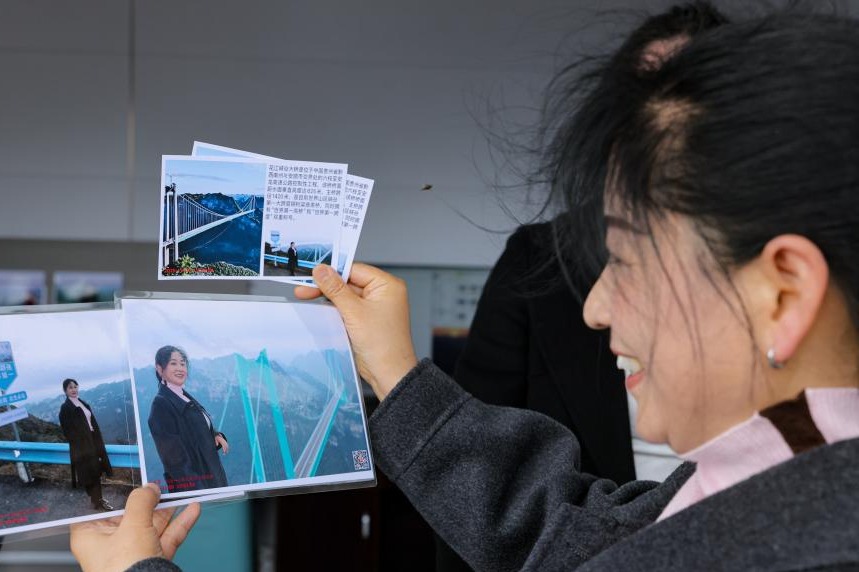
    The Huajiang Grand Canyon Bridge in Guizhou province, officially recognized as the world’s highest bridge, has triggered an extraordinary tourism boom that has surpassed all initial projections. Standing at a staggering 625 meters above water level with a total length of 2,890 meters, this engineering marvel has become an unexpected catalyst for regional economic development since its inauguration in September last year.

    During the recent Spring Festival holiday in February, the infrastructure phenomenon recorded approximately 300,000 visitor arrivals and over 70,000 vehicle transits, establishing unprecedented traffic records according to data from Guizhou Communications Investment Group (GCIG). The bridge’s revolutionary impact has reduced travel duration between Anshun and Qianxinan Bouyei and Miao Autonomous Prefecture from two hours to merely two minutes, effectively creating a transformative ‘one-hour golden tourism circle’ that interconnects multiple scenic attractions including Huangguoshu Waterfall and Shuangru Mountain.

    Yin Hengbin, NPC deputy and Mayor of Anshun, emphasized that the bridge represents both China’s remarkable developmental achievements and a distinctive new emblem for Guizhou’s tourism sector. Concurrently, Huang Xingwen, governor of Qianxinan and fellow NPC deputy, revealed strategic plans to leverage the bridge as an integrative force connecting additional scenic spots such as Malinghe Canyon and Wanfenglin scenic area, thereby fostering synergistic development between cultural, tourism, and sports initiatives.

    Zhang Shenglin, GCIG manager and NPC deputy, highlighted the unique convergence of Guizhou’s karst topography with the bridge’s architectural grandeur, creating spectacular visual experiences that have enabled innovative tourism offerings. These include sightseeing elevators, vertigo-inducing glass walkways, cable tower cafes, and extreme activities like waterfall bungee jumping—amenities that transcend conventional bridge functionality.

    The structure additionally serves as an educational resource, with its advanced materials and construction methodologies providing valuable learning opportunities for basic education students through organized science excursions. Zhang noted that this multifaceted bridge-tourism integration, facilitated by unique geographical conditions and specialized design features, has yielded outcomes that exceeded conventional expectations, pointing toward exceptionally promising development prospects for integrated infrastructure tourism.
  • UK police question three women in Al-Fayed probe

    UK police question three women in Al-Fayed probe

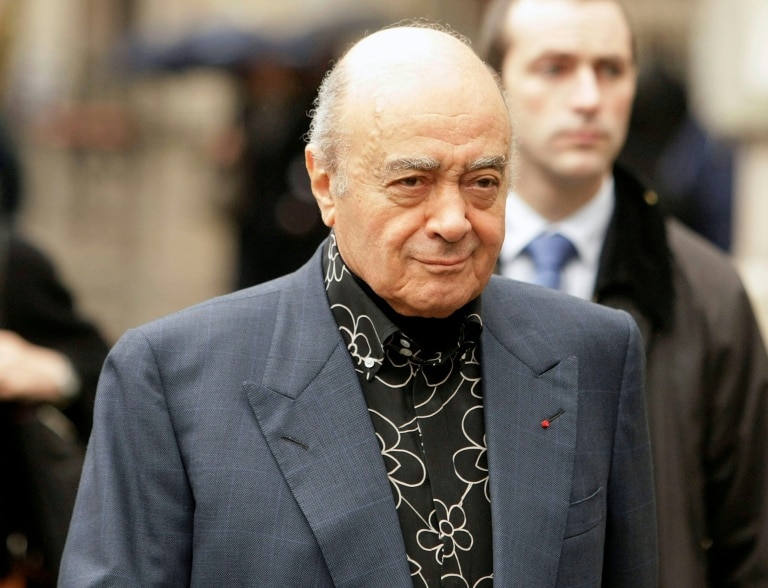
    London’s Metropolitan Police have interrogated three women as potential suspects in a major investigation into sexual offenses allegedly committed by the late Egyptian billionaire Mohamed Al-Fayed. The women, aged in their 40s, 50s, and 60s, were questioned under caution on suspicions of “aiding and abetting rape” and “human trafficking for sexual exploitation.”

    The probe, launched in 2024 following a BBC documentary revealing multiple allegations, has expanded significantly with 154 individuals coming forward with accusations against Fayed. The allegations encompass large-scale rape, sexual assault, sexual exploitation, and human trafficking operations spanning Fayed’s business empire, including Harrods department store, Fulham Football Club, and the Ritz Hotel in Paris.

    Commander Angela Craggs characterized the questioning as “an important step in a complex and far reaching investigation,” emphasizing that although Fayed died in 2023 at age 94 and cannot face prosecution, authorities remain determined to pursue anyone potentially complicit in his alleged offenses.

    According to victim accounts, Fayed’s operations allegedly involved a systematic selection process where women underwent invasive gynecological examinations, the results of which were reportedly shared with Fayed. Those who attempted to report abuse faced threats from senior security staff, demotions, and false allegations until they felt compelled to leave their positions.

    The Justice for Harrods Survivors group reported receiving over 400 inquiries related primarily to Harrods but also extending to Fayed’s other business ventures. The investigation continues with victims remaining central to the process as police work to comprehensively document the alleged pattern of criminal behavior.

  • Iraqi journalist: China brings peace to the world

    Iraqi journalist: China brings peace to the world

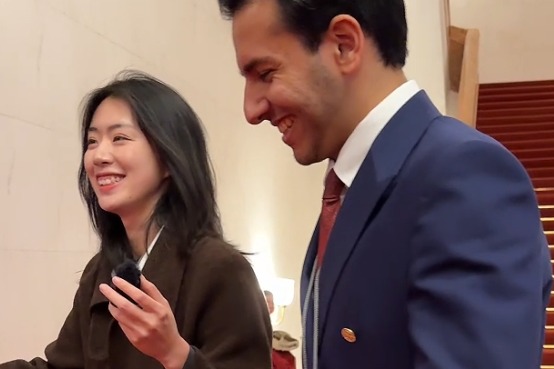
    BEIJING – Amid extensive international media coverage of China’s annual Two Sessions, Iraqi journalist Al-Obaidi Ameen from China-Arab TV has commended China’s persistent dedication to fostering global peace and development. The seasoned correspondent, who previously covered significant events including the Victory Day parade and appeared at the 2026 CMG Spring Festival Gala, shared his perspectives during the ongoing session of China’s top legislature.

    In an interview with China Daily reporter Yan An, Ameen emphasized China’s unwavering commitment to peace advocacy worldwide. “China has been working tirelessly to champion peace across the world,” stated the Iraqi journalist, who further expressed his hope that more international journalists would help communicate China’s authentic narrative to global audiences.

    Ameen noted that despite current global instability, China demonstrates remarkable confidence and stability in determining its future trajectory through the Two Sessions framework. The journalist added that this steadfast approach has generated admiration internationally, remarking that “people in many countries envy you” in reference to China’s political process and development model.

    The Two Sessions, referring to the annual meetings of China’s National People’s Congress and the Chinese People’s Political Consultative Conference National Committee, have attracted widespread attention from both domestic and foreign media outlets covering China’s policy directions and development priorities.

  • ‘Massive’ numbers killed by gunmen in latest Nigeria attack, senator tells BBC

    ‘Massive’ numbers killed by gunmen in latest Nigeria attack, senator tells BBC

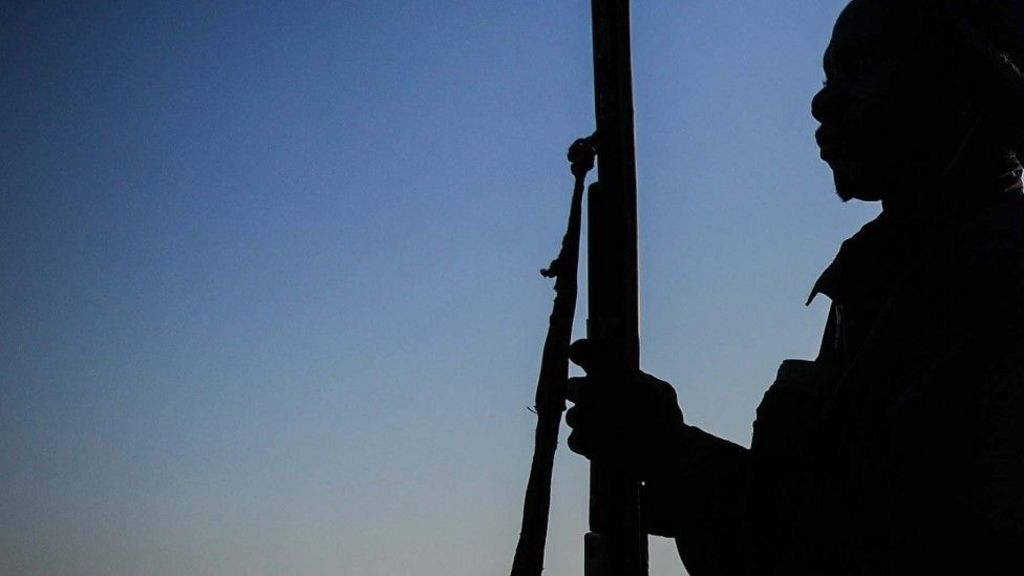
    A devastating militant attack has struck the remote village of Ngoshe in Nigeria’s conflict-ridden Borno state, resulting in significant civilian casualties and mass abductions during Ramadan evening prayers. Nigerian Senator Mohammed Ali Ndume described the assault as “massive” in scale, though precise death tolls remain unconfirmed due to the remote location and ongoing assessments.

    The attack occurred Wednesday evening as residents were breaking their daily fast, with suspected Islamist militants targeting both civilian populations and security installations. Local reports indicate over 100 women and children were abducted during the coordinated assault, which also targeted a military base and camp for displaced persons. Several soldiers and civilians were killed, including the village’s chief cleric and community elders.

    Senator Ndume revealed to BBC Hausa that militants maintained control of Ngoshe for approximately 48 hours before Nigerian military forces deployed aerial strikes and ground troops to reclaim the area. The lawmaker expressed concern that stolen military equipment from the overrun base could enhance the militants’ capabilities for future operations.

    This represents the most severe attack in the region since Boko Haram’s peak dominance over a decade ago, according to local accounts. Umaru Yakubu Kirawa, a Borno-based journalist, confirmed residents reported substantial casualties and hundreds of abductions during the Ramadan violation.

    The incident highlights the persistent security challenges in northeastern Nigeria, where Boko Haram and Islamic State West Africa Province (Iswap) maintain active insurgencies. Despite nearly doubled defense budgets from 2024-2025, civilian protection remains inadequate according to critics.

    Official response included Borno state police spokesperson Nahum Daso Kenneth acknowledging the Wednesday night incident while emphasizing successful repulsion of insurgents. Search and rescue operations continue as Governor Babagana Umara Zulum met with survivors, distributing supplies and promising comprehensive efforts to secure hostages’ release.

  • US investigators ‘say American strike most likely responsible’ for Iranian school massacre

    US investigators ‘say American strike most likely responsible’ for Iranian school massacre

    Multiple investigative reports are converging on the conclusion that U.S. military forces were responsible for a devastating attack on the Shajareh Tayyebeh school in the Iranian city of Minab, which resulted in 165 fatalities. The incident, which occurred last Saturday, is being characterized as a ‘double-tap’ strike—a tactic where an initial explosion is followed by a second strike targeting first responders and survivors.

    According to two U.S. officials speaking to Reuters, while the investigation remains ongoing and no final conclusion has been reached, initial findings point toward U.S. responsibility. This assessment aligns with separate investigations conducted by The New York Times and Middle East Eye (MEE), which utilized satellite imagery, open-source evidence, and verified video footage. Their analysis confirms the school was severely damaged by a precision strike that coincided with attacks on a nearby Islamic Revolutionary Guard Corps (IRGC) naval base.

    The MEE investigation specifically revealed that the school was hit by two separate strikes, with the second missile killing civilians, including children, who had sought shelter or arrived to aid victims. The BBC later corroborated these findings, reporting based on satellite data that the area suffered ‘multiple simultaneous or near-simultaneous strikes.’

    Earlier misleading claims on social media, which attempted to attribute the bombing to the IRGC, have been thoroughly debunked. In response to the allegations, White House press secretary Karoline Leavitt stated that ‘the Iranian regime targets civilians and children, not the United States of America,’ noting that the Department of War is investigating the matter. Israel, another actor in the regional conflict, has also announced it is looking into the incident.

    The severity of the attack has prompted international concern. The UN human rights office has called for a transparent investigation into the strike. ‘The onus is on the forces that carried out the attack to investigate it,’ stated spokesperson Ravina Shamdasani during a press briefing in Geneva, without explicitly assigning blame.

  • Is Nepal’s ex-rapper mayor on track to be new PM?

    Is Nepal’s ex-rapper mayor on track to be new PM?

    Nepal stands on the brink of a political transformation as early election results indicate a commanding lead for Balendra Shah, the 35-year-old rapper-turned-mayor who now appears poised to become the nation’s next prime minister. His centrist Rastriya Swatantra Party (RSP) is currently leading in over two-thirds of the directly elected parliamentary seats according to BBC Nepali reports.

    The Thursday general election pitted Shah against established political veterans including former Prime Minister KP Oli of the Communist Party of Nepal UML and Gagan Thapa of the Nepali Congress, both of whom trail significantly in current tallies. The election commission estimates approximately 60% turnout among Nepal’s nearly 19 million registered voters.

    Shah’s remarkable rise from the Nepali hip-hop scene to political prominence represents a dramatic departure from Nepal’s traditional political landscape. Popularly known as Balen, the structural engineer-turned-rapper gained national recognition through socially conscious music, including his viral YouTube hit “Balidan” (Sacrifice) that garnered millions of views.

    His political momentum surged during last year’s widespread protests against social media bans, corruption, unemployment, and economic stagnation. The demonstrations resulted in 77 fatalities, primarily protesters shot by police, and ultimately forced then-Prime Minister Oli’s resignation. Shah’s vocal support for protesters, including his characterization of Oli as a “terrorist,” resonated strongly with youth voters but drew criticism from establishment figures.

    As Kathmandu mayor until January, Shah’s administration faced criticism from human rights groups for heavy-handed tactics against street vendors and unlicensed businesses. His campaign strategy notably avoided media engagement, with Shah bypassing journalists while wearing signature black sunglasses on election day.

    The electoral process incorporates both first-past-the-post and proportional representation systems, with voters casting two ballots to determine 275 parliamentary members. Final results may require days due to Nepal’s challenging topography, with helicopters deployed to collect ballots from remote mountainous regions. The 2022 election required over two weeks for complete results.

    This election marks a potential watershed moment for Nepali politics, which has been characterized by unstable coalition governments dominated by three major parties for over three decades. With 800,000 first-time voters and numerous independent candidates, the political landscape demonstrates a clear appetite for change among Nepal’s youthful electorate.

  • Voices from Iran: protests, fear and scarcity

    Voices from Iran: protests, fear and scarcity

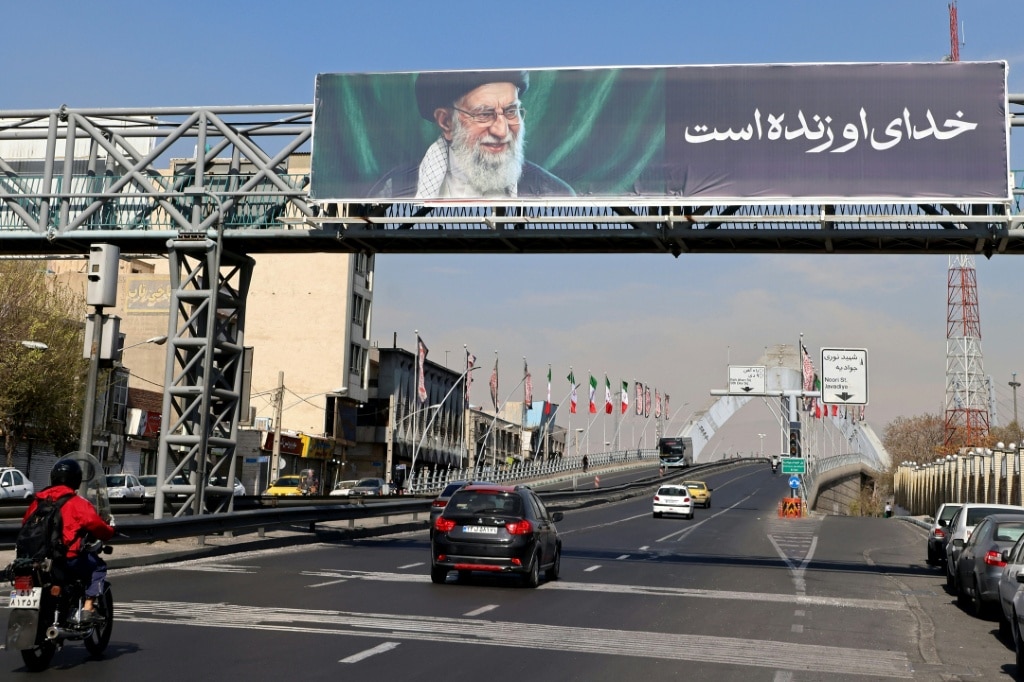
    Across the diverse landscapes of Iran, from the northwestern region of Kurdistan to the southern port city of Bandar Abbas and the capital of Tehran, citizens are grappling with the multifaceted challenges of life amidst ongoing military conflict. The persistent threat of aerial bombardment, coupled with severe economic strain and a palpable climate of fear, is defining daily existence for millions.

    In the city of Bukan, located in Iranian Kurdistan, the immediate aftermath of strikes is visible. Reza, a 36-year-old cafe owner, describes a scene of devastation near his establishment, with government and Revolutionary Guards buildings destroyed. Despite the proximity to danger, a sense of grim normalcy persists; patrons even seek outdoor seating to observe the bombardments. This resilience, however, is tempered by a severe liquidity crisis. Banks have ceased cash distributions and blocked numerous cards, prompting acts of community solidarity like Reza’s offer of free coffee to those unable to pay.

    The economic repercussions are acutely felt nationwide. From Bandar Abbas, reports indicate a halt to work and soaring inflation, with essential goods like cooking oil experiencing price increases exceeding 500%. This scarcity has forced many, including migrant workers, to flee.

    In Tehran, the psychological toll is profound. A 26-year-old teacher describes a life put on hold, dominated by stress and the constant consumption of news. The vulnerability of children is particularly noted, with widespread internet blackouts preventing normal distractions and exacerbating fear. The city’s atmosphere is described as tense and emptier, with many residents having fled. Enhanced security measures, including armed checkpoints and patrols, aim to prevent looting but contribute to public apprehension.

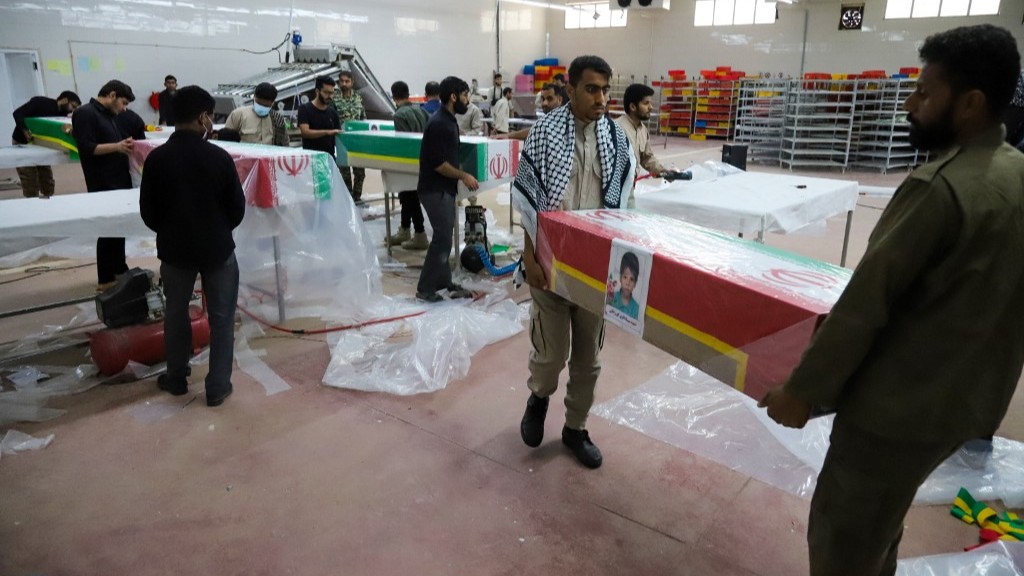
    The conflict has also sharpened long-standing social and political divisions. Accounts from Shiraz describe starkly different public reactions to recent events, with some citizens celebrating while government supporters stage mourning processions. This highlights the deep fissures within Iranian society. Furthermore, on the island of Kish, increased military surveillance, including searches of vehicles and mobile phones, has instilled a climate of suspicion, causing many to retreat indoors and limit movement to essential errands. The collective narrative emerging from Iran is one of a population enduring a complex crisis, balancing survival with economic hardship under the shadow of conflict and internal strife.

  • BBC looks at how Cubans are living with fuel shortages

    BBC looks at how Cubans are living with fuel shortages

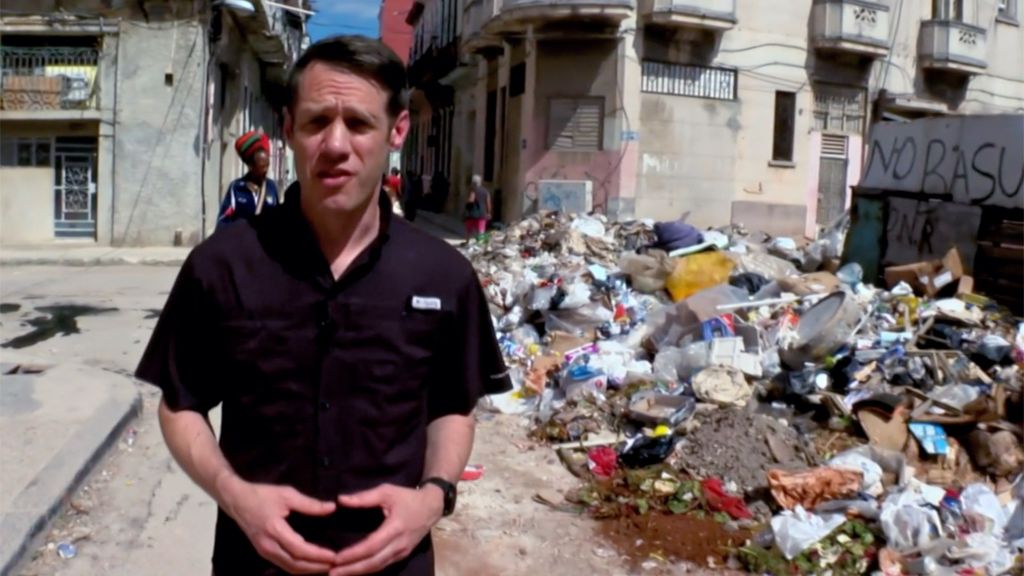
    Cuba is confronting one of its most severe energy crises in recent history, with widespread fuel shortages creating profound challenges for daily life. The BBC’s on-the-ground reporting from Havana reveals a population adapting to extended power outages and transportation paralysis. Correspondent Will Grant documents how citizens spend hours in queues for rationed gasoline while businesses operate on limited schedules due to unreliable electricity supply.

    The current situation stems from a complex combination of factors including tightened US sanctions, structural deficiencies in domestic infrastructure, and broader economic vulnerabilities. These elements have converged to create an energy emergency that impacts nearly every aspect of Cuban society.

    Interviews with local residents reveal innovative adaptation strategies, from carpooling initiatives to revived bicycle transportation. Many describe reorganizing their lives around the predictable unpredictability of power availability, scheduling cooking, work, and family activities during windows of electricity access.

    The energy deficit has particularly affected medical services, education, and food preservation, raising concerns about public health implications. Despite these challenges, the reporting captures a resilient population demonstrating remarkable ingenuity in navigating the crisis while maintaining hope for improved conditions.

  • Xi visits political advisers, joins discussion at annual session

    Xi visits political advisers, joins discussion at annual session

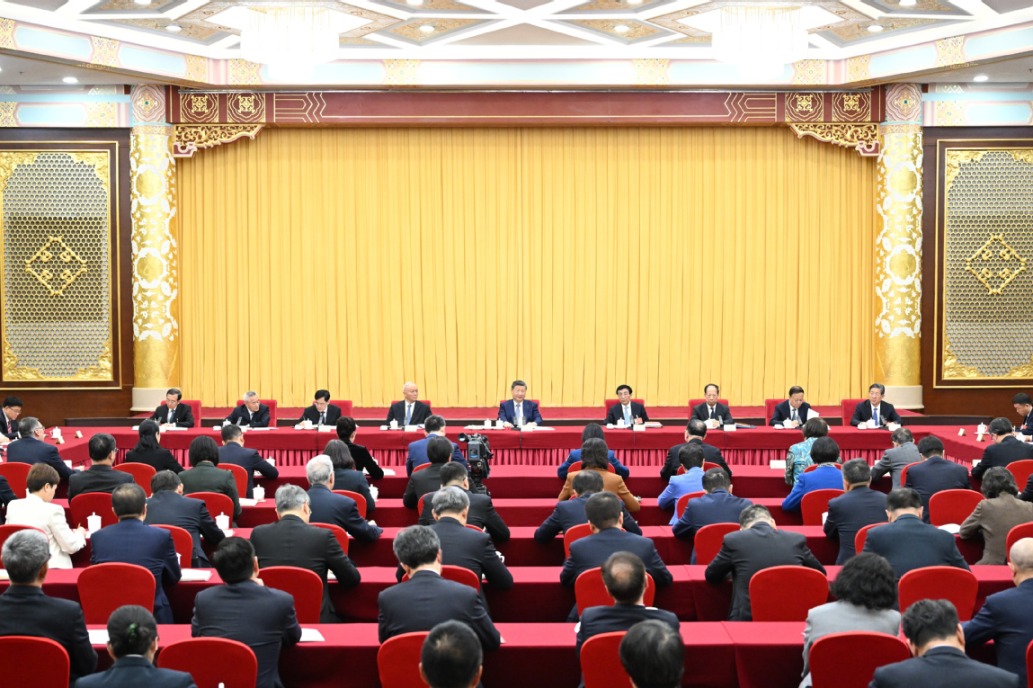
    Chinese President Xi Jinping engaged in substantive discussions with political advisers during a joint group meeting at the ongoing fourth session of the 14th National Committee of the Chinese People’s Political Consultative Conference (CPPCC) on Friday. The meeting brought together representatives from the Chinese Peasants and Workers Democratic Party, the Jiusan Society, and professionals from medicine, health, welfare, and social security sectors.

    In his capacity as General Secretary of the Communist Party of China Central Committee and Chairman of the Central Military Commission, President Xi actively participated in the dialogue, carefully considering the recommendations and insights presented by the advisers. The exchange focused on critical national development priorities and policy enhancements across multiple sectors.

    The interaction demonstrated the continued importance of multi-party cooperation and political consultation in China’s governance framework. Advisers presented well-researched proposals addressing current challenges and opportunities in healthcare reform, social welfare enhancement, and sustainable development strategies.

    This high-level engagement occurs during the annual legislative sessions, where political advisers provide specialized expertise to shape national policies. The participation of sector-specific professionals underscores the government’s commitment to evidence-based policymaking and inclusive governance approaches that incorporate diverse perspectives from across Chinese society.

  • Russia was behind parcel fires in UK and Europe, investigators say

    Russia was behind parcel fires in UK and Europe, investigators say

    European judicial authorities have revealed a sophisticated cross-border sabotage operation allegedly orchestrated by Russia’s military intelligence service. The coordinated investigation, spearheaded by Eurojust, has identified 22 individuals suspected of deploying incendiary parcels across multiple European nations and the United Kingdom.

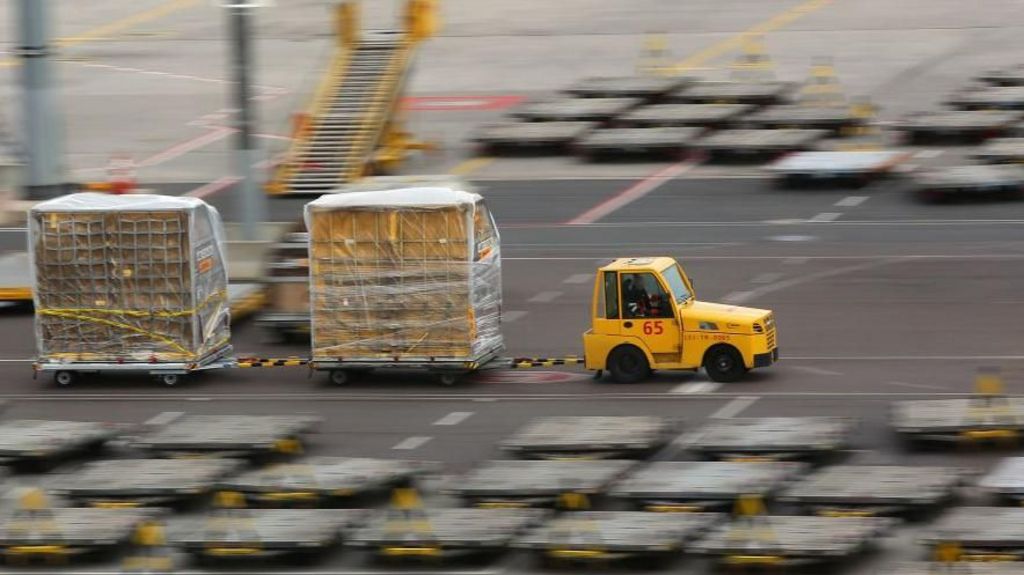
    The plot unfolded in July 2024 when several parcels containing concealed explosive devices were dispatched from Lithuania. These packages, cleverly disguised with electronic timers hidden within vibrating massage pillows, spontaneously ignited at various locations including a DHL distribution center near Birmingham, United Kingdom, and a sorting facility at Leipzig Airport in Germany.

    According to investigative findings, the operation extended beyond immediate European targets. Authorities discovered two test packages previously sent to destinations in the United States and Canada, with additional intercepted parcels in Amsterdam intended for similar transatlantic routes. Polish prosecutors characterized these incidents as tactical dry runs designed to potentially sabotage commercial flights to North American destinations.

    The suspected operatives, reportedly recruited from Russia, Latvia, Estonia, Lithuania, and Ukraine, were allegedly selected based on their vulnerable socioeconomic circumstances. European officials indicate that two cases have already progressed to judicial proceedings, though Russia has consistently denied involvement in sabotage operations against NATO member states.