博客

  • 2.4 million girls banned from Afghan schools since Taliban return: UNESCO

    2.4 million girls banned from Afghan schools since Taliban return: UNESCO

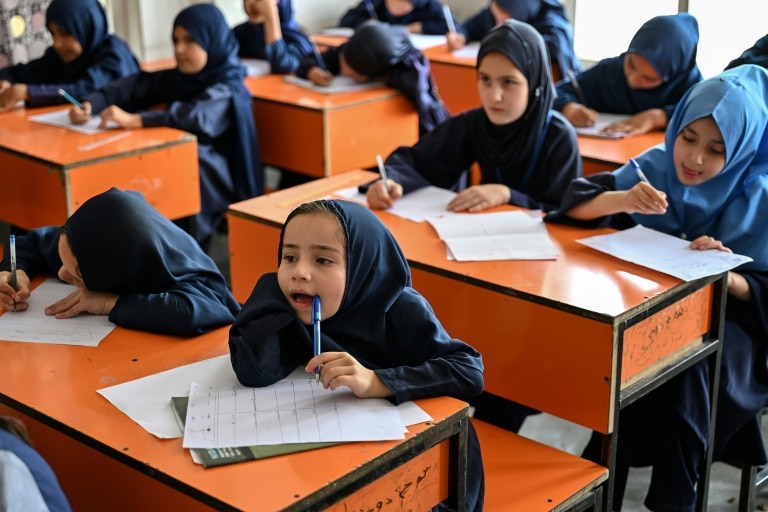
    Nearly two and a half years after the Taliban retook control of Afghanistan, a devastating new tally from the United Nations Educational, Scientific and Cultural Organization (UNESCO) has laid bare the full scale of the crisis facing girls’ access to education in the country: around 2.4 million adolescent girls are now locked out of secondary schooling, a number that has climbed by 200,000 since 2023. If the current ban remains in place, that figure is projected to surge to nearly 4 million by 2030.

    The policy barring girls from education beyond primary school was formally implemented in March 2022, just months after the Taliban completed its takeover of the country in August 2021. It is one of a sweeping set of restrictions the unrecognized Taliban administration has imposed on Afghan women and girls, including bans on university attendance, entry to public parks, gyms, and beauty salons. The United Nations has labeled this system of widespread gender-based exclusion as “gender apartheid”; currently, the Taliban government is only recognized diplomatically by Russia. Taliban leaders have defended the education ban by citing their own strict interpretation of Islamic law.

    In a statement released Tuesday, UNESCO outlined how the restrictions have erased 20 years of gradual progress in expanding educational access for Afghan girls. When the Taliban was last in power in 2001, access to schooling for girls was almost nonexistent, but by 2021, nearly one million girls were enrolled in secondary education across the country. That progress has now been completely reversed.

    “Afghanistan girls and women have the right to learn, that’s a basic human right,” said Hoda Jaberian, UNESCO’s programme coordinator for education in emergencies. “They have the right to work. They should have the freedom of movement.” The agency issued an urgent call for the immediate reversal of the ban and an end to systemic discrimination against women and girls across the country.

    Beyond the immediate human cost, the education ban carries severe long-term economic consequences for Afghanistan, which is already grappling with one of the world’s worst humanitarian crises. UNESCO estimates that the cumulative loss to the Afghan economy from restrictions on women and girls’ participation will reach $9.6 billion by 2066.

    The crisis extends far beyond secondary education for girls, the report adds. Afghanistan’s entire education sector is on the brink of collapse: more than half of all primary school-aged children are completely out of school, and over 90 percent of 10-year-olds in the country cannot read a simple text. Years of compounding crises have worsened these challenges, including repeated natural disasters, most notably destructive earthquakes that have damaged or destroyed hundreds of schools across the country. A lack of basic infrastructure, including drinking water, sanitation facilities, and heating in learning spaces, has also left many existing schools unfit for use. Since 2023, more than seven million Afghans have either voluntarily returned or been forcibly deported back to Afghanistan, placing additional unsustainable pressure on the already overstretched education system.

  • Cristiano Ronaldo marries long-term partner Georgina Rodriguez

    Cristiano Ronaldo marries long-term partner Georgina Rodriguez

    Global football icon Cristiano Ronaldo has officially tied the knot with his long-term partner Georgina Rodriguez, ending years of public curiosity and speculation around their relationship. The intimate, private ceremony took place on Tuesday at the elite Portuguese seaside resort of Cascais, confirmed representatives for the 41-year-old sporting legend.

    The wedding marks the culmination of a 10-year romantic journey between the couple, wrapping up a week of fevered media guesswork across Portugal about where and when the pair would exchange vows. Shortly after the ceremony, Ronaldo shared a sweet snapshot of the couple’s intertwined hands, each adorned with a new wedding band, to his massive Instagram following, captioning the post simply: “C ❤️ G”.

    All five of the couple’s children were in attendance for the low-key celebration, public relations firm Brunswick Group — which manages Ronaldo’s communications — confirmed to Agence France-Presse. The wedding comes exactly 12 months after Rodriguez, a 32-year-old influencer and public figure, publicly announced the couple’s engagement via her own Instagram channel in 2024.

    Long before the ceremony, Portuguese entertainment outlets had floated multiple possible locations, from the mountain town of Sintra just outside Lisbon to Funchal, the coastal capital of Madeira, the island where Ronaldo was born. When rumors spread last weekend that the wedding would be held at Funchal’s cathedral, hundreds of excited fans flocked to the site hoping to catch a glimpse of the couple. The cathedral later clarified to AFP that no ceremony had been scheduled there, though it noted that hosting the high-profile event would have been a great honor. The couple ultimately chose Cascais, a luxury resort town 30 kilometers west of Lisbon, where they already own a private villa.

    The pair first crossed paths in 2016, when Rodriguez was working at a Gucci retail store in Madrid, Spain. Rodriguez has repeatedly described their meeting as love at first sight. In a 2025 interview with Vogue Arabia, she opened up about her immediate connection to Ronaldo, saying she felt “a sense of peace and an inexplicable energy” from their first moments together, “as if we had known each other forever”.

    Beyond Ronaldo’s legendary football career, which includes five Ballon d’Or awards, stints with top European clubs Manchester United, Real Madrid and Juventus, a 2024 World Cup round of 16 exit with the Portuguese national team, and his current role with Saudi Pro League club Al Nassr, the couple have built a sprawling global brand together. Rodriguez rose to mainstream fame with her own Netflix docuseries *I Am Georgina*, which follows the pair’s daily life across football commitments, high fashion events, and international travel. Combined, the couple count more than 750 million followers across major social media platforms, making their partnership one of the most visible celebrity couples in the world. They have also expanded their portfolio beyond media and sports, with joint investments in fashion labels and a growing chain of hotels.

  • New Zealand Prime Minister Christopher Luxon says he survived a leadership vote in his own party

    New Zealand Prime Minister Christopher Luxon says he survived a leadership vote in his own party

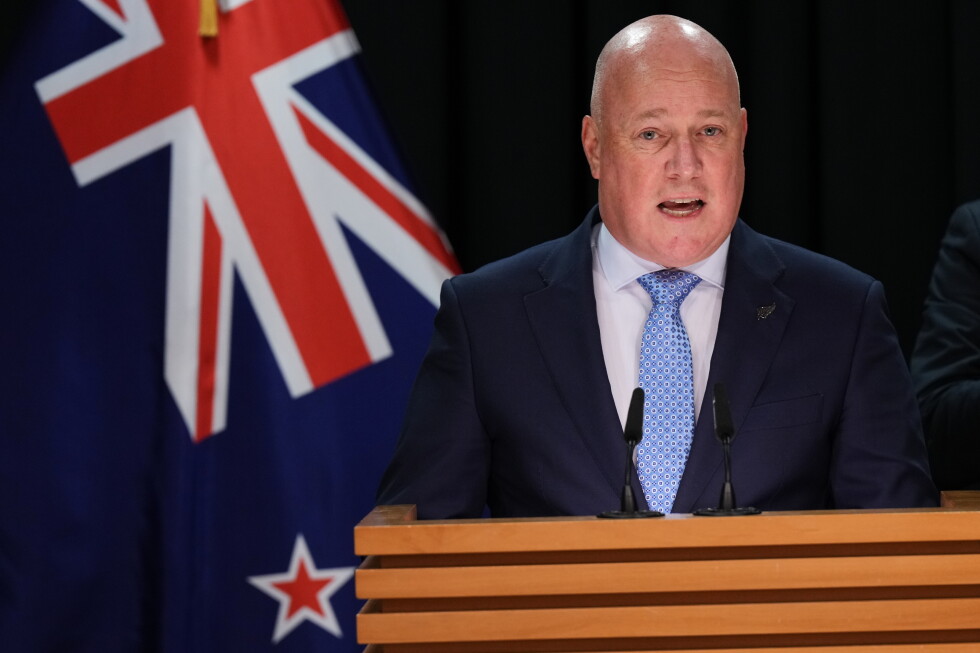
    WELLINGTON, New Zealand — Just three months out from New Zealand’s upcoming general election, Prime Minister Christopher Luxon has confirmed he emerged victorious from an internal leadership confidence vote held by his center-right National Party caucus.

    The private vote was held during an emergency, hastily arranged gathering of National Party lawmakers at Wellington’s Parliament building on Wednesday. After the ballot concluded, Luxon appeared before media outlets flanked by his fellow parliamentary colleagues, delivered a short public statement and left the venue without answering any questions from assembled journalists.

    “ There was a confidence vote in my leadership this morning at our caucus meeting,” Luxon told reporters. “I had the full support of our caucus and our caucus is united and it is determined to win this election.”

    As is standard for internal party confidence ballots, the vote was conducted by secret ballot, and Luxon declined to release specific vote totals or share how many caucus members backed his continued leadership.

    This confidence vote marks the second time Luxon has called for a formal show of support from his party since April. The first vote, held earlier this year, came after the National Party recorded a significant drop in public opinion polling. This week’s vote was triggered after a series of recent public comments from Luxon that some party members have characterized as unforced missteps or gaffes.

    In an unusual move, Luxon preemptively addressed growing leadership unrest on social media Tuesday, one day before the caucus meeting. He confirmed that he would call the special session to resolve internal tensions openly ahead of the vote.

    “It is my firm belief that division and disunity are a major distraction only 90 days out from the election,” Luxon wrote on the social platform X, formerly Twitter. “I also believe this distraction is unfair to the New Zealand people, and dedicated National Party candidates, supporters and volunteers, when there is so much at stake.”

    The National Party has led a right-wing coalition government in New Zealand since the country’s 2023 general election. A former chief executive of Air New Zealand, Luxon first entered Parliament in 2020 and has served as leader of the National Party since 2021. The upcoming national election is scheduled to be held on November 7. The early confidence vote has left lingering questions about internal party unity as the National Party enters the final stretch of the election campaign.

  • Saudi Arabia opposed Egypt’s inclusion in Mecca agreement, sources say

    Saudi Arabia opposed Egypt’s inclusion in Mecca agreement, sources say

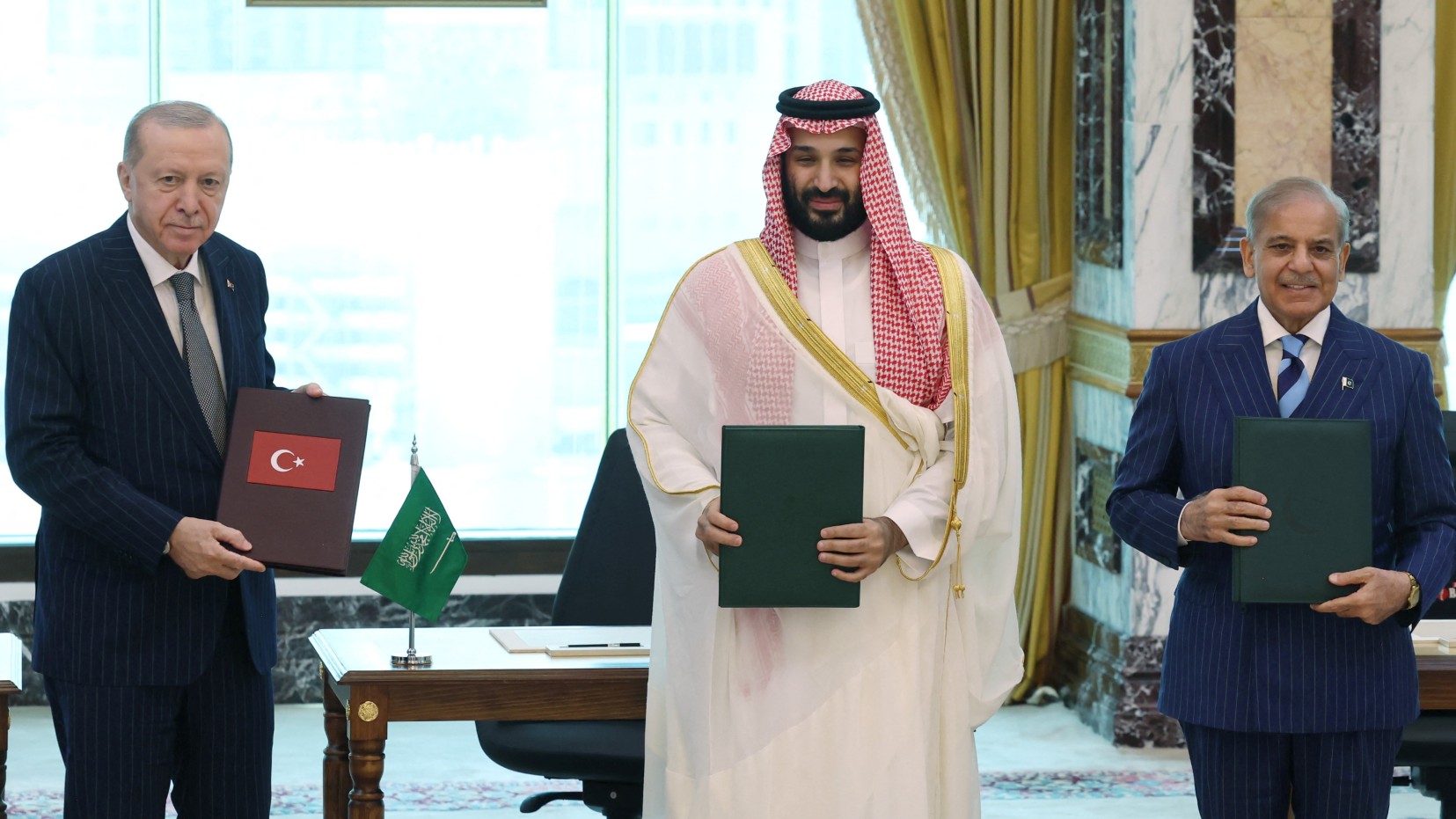
    Riyadh has blocked Cairo’s planned accession to the newly signed Mecca Joint Defence Agreement, a mutual defense pact between Saudi Arabia, Turkey and Pakistan, three anonymous Saudi sources with direct knowledge of internal negotiations told Middle East Eye. Turkey had actively pushed to include Egypt in the alliance from the earliest negotiation stages, but Saudi officials have ruled out Cairo’s membership “at least for now”, citing deepening frustration with Abdel Fattah el-Sisi’s government and a growing conviction that Egypt no longer delivers the strategic and military value it once provided to regional partners.

    The defense pact, signed last Friday in Islam’s holy city of Mecca, establishes a collective security framework: any armed attack against one of the three signatory states is considered an attack against all three. Saudi government officials have framed the agreement as a mechanism to boost collective regional defense capabilities, though the text remains notably vague on operational protocols, specific activation triggers, and the practical logistics of delivering joint military support during a crisis.

    According to the Saudi sources, Riyadh’s opposition stems from long-simmering bilateral tensions that have intensified in recent years. Following Sisi’s 2013 rise to power, Saudi Arabia emerged as Cairo’s largest international financial backer, injecting roughly $25 billion into Egypt’s struggling economy to stabilize it. In recent years, however, Saudi leadership has grown increasingly frustrated by what it views as a persistent lack of reciprocal support on critical regional security issues.

    One key point of contention is Egypt’s limited and inconsistent contribution to Saudi Arabia’s nearly decade-long military campaign against the Houthi movement in Yemen. Saudi officials also expressed disappointment with Cairo’s position during the 2023 U.S.-Israeli military campaign against Iran. Further strains have emerged from what Riyadh views as Cairo’s growing alignment with the United Arab Emirates, a shift that deepened after Abu Dhabi backed Southern Yemeni separatist groups Riyadh considers a threat to its core national security and interests.

    Two sources noted that when Iran launched attacks on UAE territory, Egypt quickly deployed fighter jets to Abu Dhabi, and Sisi has made repeated trips to meet UAE President Mohamed bin Zayed in recent years of regional conflict. No comparable gestures of support were extended to Saudi Arabia, reinforcing Riyadh’s concerns over Cairo’s strategic priorities. Saudi decision-makers also point out that Abu Dhabi has pursued multiple policies that contradict Cairo’s own stated national interests—including the UAE’s military and diplomatic involvement in Somaliland, its normalization of deep strategic ties with Israel, its backing of Ethiopia in the long-running Grand Ethiopian Renaissance Dam dispute, and its support for the Rapid Support Forces in Sudan’s ongoing civil war. Cairo’s continued close partnership with Abu Dhabi despite these frictions has only deepened Saudi doubts about Egypt’s reliability as a strategic ally.

    “Egypt has always been a dependent on us, on the US, and it does not give back, it just takes and takes with no return,” the former senior Saudi royal adviser, one of the three sources, told Middle East Eye. This framing echoes a broader shift in Riyadh’s assessment: under Sisi, the relationship has evolved into one where Egypt relies heavily on Gulf financial support, rather than functioning as an equal, reliable strategic partner.

    Turkey has repeatedly pushed for Egypt’s inclusion in the pact. On Saturday, Turkish Foreign Minister Hakan Fidan said Cairo was a “natural partner” for the alliance, and suggested Egypt could join eventually once outstanding technical issues were resolved. Multiple Turkish sources told Middle East Eye that Ankara had launched extensive diplomatic efforts to secure Egypt’s inclusion and formally submitted a proposal for Cairo’s membership. Turkish sources have claimed that once it became clear Egypt itself was uninterested in joining, the three original signatories moved forward without it.

    Saudi sources reject this account outright. The former senior Saudi adviser, who remains closely connected to the kingdom’s decision-making circles, called the claim that Egypt declined membership “laughable.” “The matter of fact is, Sisi would have been eager to join so he can reap the financial gains of this agreement, as he usually does,” he said. He added that Saudi decision-makers hold deep concerns about Sisi’s loyalty, and do not trust Cairo to the same degree they trust the leaderships of Turkey and Pakistan. The adviser did leave open the possibility of future membership, noting that “maybe in the future, if we see that there is change or improvement” in Cairo’s alignment and contributions, Riyadh could revisit the question.

    Beyond political alignment, Saudi officials argue that Turkey and Pakistan deliver far more tangible military value to the alliance than Egypt. Turkey has rapidly expanded and modernized its domestic defense industrial base in recent years, producing a wide range of advanced indigenous weapons systems. Pakistan, meanwhile, has an established, large-scale weapons manufacturing sector and one of the largest standing militaries in the Muslim world. In contrast, the sources noted, Egypt’s military-owned industrial sector is overwhelmingly focused on civilian production, and lacks comparable advanced defense technology. One source criticized the Egyptian military for prioritizing investments in civilian sectors like food processing rather than upgrading its defense manufacturing and combat capabilities. Saudi officials also question the overall combat readiness and operational effectiveness of the Egyptian armed forces.

    This assessment aligns with a broader regional shift: recent international analysis has highlighted Egypt’s diminishing role as a core regional security and diplomatic player. The Economist reported this week that Egypt, which long positioned itself as a central pillar of regional order, has increasingly been sidelined as both a mediator and a military power. For decades, Egypt was a key military partner for Gulf Arab states, most notably joining the U.S.-led coalition that expelled Iraqi forces from Kuwait in 1991. Today, the sources note, even Kuwait has expressed greater interest in joining the Mecca agreement than relying on its decades-old defense partnership with Egypt for security.

    Even amid the current rejection, the former senior adviser emphasized that despite Riyadh’s current opposition, relations with Turkey—once deeply strained—are now viewed as more reliable than relations with Cairo. “The decision makers in the leadership have serious concerns about Sisi’s loyalty,” he said. “He is simply seen that he cannot be trusted, and rightly so.” In contrast, he described Riyadh’s relationships with “the Pakistanis and the Turkish brothers” as solid and aligned on core regional priorities.

    Public opposition to Egypt’s membership has also emerged on Saudi social media, with many accounts aligned with the Saudi leadership posting content arguing that Cairo does not belong in the alliance. A prominent anonymous account widely believed to be controlled by Saud al-Qahtani, a former senior aide and still close confidant of Crown Prince Mohammed bin Salman, echoed the official Saudi position. “The door of the alliance is not open to those who only want to address their problems and benefit from it without participating in the same secure mission for the region,” the post read. “Whoever wants to join must share the same common interests of the three countries. The era of illusory entitlements, charity, and one-sided giving has passed, and the time of ‘my fate alone’ has ended, giving way to the phase of ‘our single fate’.”

    All three sources stressed that the current decision does not permanently close the door to Egyptian membership. For the immediate future, however, Riyadh remains firm that Cairo will not be included in the new regional defense pact.

  • Inside Somaliland: How Berbera Port is central to the Red Sea’s power struggle

    Inside Somaliland: How Berbera Port is central to the Red Sea’s power struggle

    ### Berbera: A Port at the Center of Global Power Rivalry

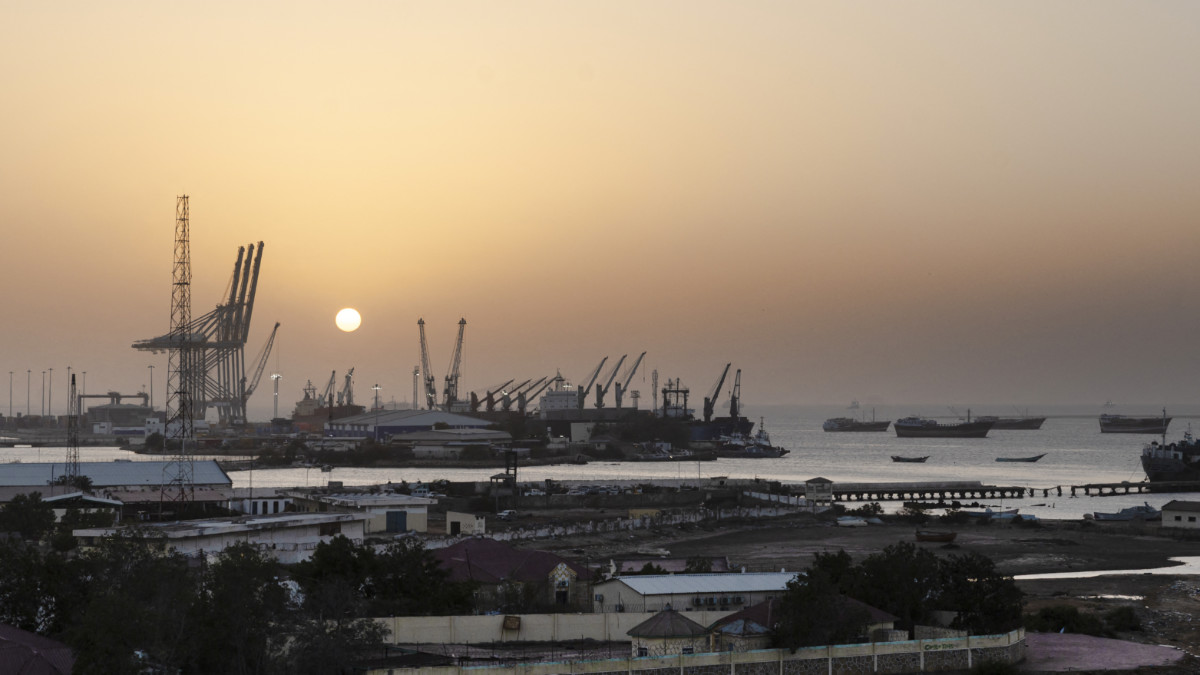
    Nestled along the sun-scorched coast of self-declared independent Somaliland, the port of Berbera has stood as a strategic linchpin of East African trade for millennia. Today, it is once again emerging as a critical flashpoint in a new era of great power competition, as the United Arab Emirates (UAE) has stepped in to fill a regional vacuum left by other global powers, reshaping the geopolitics of the Red Sea.

    Jama Mohamed Ahmed, commercial director of UAE logistics giant DP World in the Horn of Africa, describes Berbera simply: “Berbera is the heart of Somaliland.” Standing outside DP World’s modern glass-and-steel regional headquarters, a structure that could easily pass for a corporate office in suburban America or the Gulf, the implicit influence of the UAE here is impossible to miss. Even a prominent entrance sign banning the locally popular stimulant khat underscores the stamp of foreign investment on this once-sleepy coastal town.

    Berbera’s historical significance stretches back to antiquity. In the 1st century CE, an anonymous Greek traveler documented the port, then called Malao, as a key regional trading hub in the *Periplus of the Erythraean Sea*, noting it operated as a thriving market where Indian copper, cloth, and glass were exchanged for African frankincense, myrrh, and cinnamon. For centuries, it served as a critical gateway between East Africa, the Arabian Peninsula, and South Asia, a role it retains today amid 21st-century power shifts.

    #### The UAE’s Growing Footprint

    DP World, owned by the Dubai government, invested $45 million to revitalize the decaying port in 2016, transforming operations and creating 1,350 local jobs. Where work was once done entirely by hand, even requiring workers to carry wheelbarrows of cash for payday disbursements, the port now boasts modern software systems, upgraded physical infrastructure, and skilled local workforces. Today, DP World even exports the expertise it has developed here to other operations across the continent, including Tanzanian port of Dar es Salaam.

    The UAE’s investment extends far beyond the port itself. A smooth 250-kilometer highway from the Ethiopian border to the coast was built and funded by the UAE, with discreet markers displaying the Gulf state’s flag to remind travelers of its contribution. The UAE also funded a bypass around Hargeisa, Somaliland’s congested capital, to speed up freight traffic to the coast, and donated a boarding school just outside Berbera. Somaliland’s military has also received training and support from the UAE, securing key infrastructure along key transport routes.

    Military expansion has accompanied economic investment. In 2017, the UAE established a permanent military base in Berbera, and open-source satellite imagery confirms ongoing expansion, including new surface-to-air missile sites, radar installations, hangars at the city’s airport, and an under-construction naval facility near the commercial port. This military buildup comes as tensions rise across the Red Sea region, between the UAE and its Gulf rival Saudi Arabia, and between Israel and Yemen’s Houthi movement.

    #### Historical Context of Somaliland’s Independence

    Somaliland’s path to this moment is rooted in colonial history. A former British protectorate, it gained independence in 1960, just five days before neighboring Italian Somalia, and the two entities united to form the Somali Republic. Decades of tense coexistence culminated in a brutal military crackdown by Somali ruler Mohamed Siad Barre in the 1980s, leading to Somaliland’s declaration of independence in 1991. For over 30 years, the breakaway republic went unrecognized by the international community – that is, until Israel formally recognized it in early 2026, a move that shifted regional dynamics dramatically.

    Somaliland’s strategic location placed it perfectly for the UAE to expand its influence. When neighboring Djibouti expelled DP World and Emirati troops in 2015, the UAE turned to Somaliland, a long-time rival of Djibouti, which already hosts military bases for both China and the United States. Djibouti currently earns roughly $2 billion annually from landlocked Ethiopia for port access, creating a clear opening for Berbera to compete for Ethiopian trade.

    As Bashe Omar, Somaliland’s former ambassador to the UAE who negotiated the 2016 DP World port deal, explains: “The UAE filled the vacuum.” While Saudi Arabia, Somaliland’s closer Gulf neighbor, has long been Somaliland’s main buyer for its critical livestock export, Riyadh long focused inward until recent years under Crown Prince Mohammed bin Salman. Today, Saudi Arabia has aligned with Turkey and Somalia, condemning Israel’s recognition of Somaliland as an “unilateral separatist measure.”

    #### Geopolitical Competition and Untapped Economic Potential

    For DP World, Berbera’s greatest long-term value is as a gateway to southern Ethiopia, Africa’s second-most populous country, which has long sought alternative access to the Red Sea outside of Djibouti. In 2024, Somaliland and Ethiopia struck a landmark deal: Ethiopia would gain a 50-year lease on a stretch of Somaliland’s Red Sea coast, and in exchange, Ethiopia would formally recognize Somaliland’s independence. The deal promised to boost DP World’s operations dramatically, bringing Berbera’s current 500,000 TEU annual container capacity and 2 million tonnes of bulk cargo capacity to full use.

    However, the agreement has never been implemented. Intense pressure from Somalia, Egypt, and Turkey, which has close military and economic ties to Somalia, forced Ethiopia to back away from the deal. Today, Berbera Port operates at only 30% capacity, according to Ahmed. Even so, the 2023 World Bank rankings named Berbera the most efficient port in sub-Saharan Africa, and ongoing activity confirms its strategic value: Russian grain bound for Ethiopia and South Sudan, Chinese containers heading to Egypt, Indian sugar and Malaysian timber for the local market all move through its berths.

    Ahmed remains confident that Berbera’s strategic location will eventually bring it to full capacity. Heightened tensions in the Persian Gulf have created new opportunities for the port, as shippers seek alternative, more secure trade routes. “All the cargo coming from East Asia was transshipped to Gulf ports,” Ahmed notes. “Now, they can come to Berbera. We are just 18 days sailing from China.”

    #### The Road Ahead

    With Israel’s recent recognition of Somaliland, there is growing speculation that Israel may seek to establish its own military base in Berbera. Somaliland’s political leadership has made no secret of its desire to deepen defense ties with both Israel and the United States, arguing that such a presence would deter aggression from Somalia. “I would support a base for both the US and Israel in Berbera because it would make Somalia think twice,” Bashe says. Yet, he also acknowledges the risks: if foreign powers use Berbera as a base to launch attacks on regional rivals like the Houthis, retaliation would be inevitable. “So if they use Berbera for that, it should be in exchange for recognition,” he adds.

    For centuries, Berbera has weathered the arrival and departure of foreign powers, from ancient Greek traders to British colonial administrators, from the Soviet Union to the United States. Today, as new global powers compete for influence across the Red Sea, Berbera finds itself once again at the center of geopolitical rivalry. Its untapped economic potential is clear, but for the foreseeable future, Berbera’s commercial fortunes remain inseparable from the shifting tides of regional power politics.

  • Tentoglou claims fourth Euro long jump title, injured Jacobs falters

    Tentoglou claims fourth Euro long jump title, injured Jacobs falters

    BIRMINGHAM – One of the most iconic records in European athletics was matched on Tuesday, as Greek long jump star Miltiadis Tentoglou claimed his fourth consecutive European long jump title, while Tokyo Olympic champion Marcell Jacobs saw his historic 100m three-peat bid derailed by a sudden injury at the championship event.

    A two-time reigning Olympic gold medalist, Tentoglou entered the final as the favorite but faced relentless pressure from Swiss contender Simon Ehammer throughout the competition. Battling tricky, unpredictable wind conditions that disrupted the rhythm of most jumpers, the Greek star delivered a clutch performance on his fourth attempt, leaping 8.44 meters to secure the win.

    With the victory, Tentoglou matched a long-standing record set by German great Heike Drechsler, who claimed four straight European women’s long jump titles between 1986 and 1998. Reflecting on the grueling competition after the win, Tentoglou called the final one of the most challenging of his entire career.

    “This was one of the hardest finals I have ever done,” he told reporters. “I am good in all conditions but this wind was so hard on us long jumpers. Ehammer is a very strong guy and he was kind of OK with it. But for the other jumpers and me, it was incredibly difficult. I had to try so hard for this 8.44m jump. It is nothing for me usually but today it was so hard to do.”

    Tentoglou added that the victory holds extra special weight after a tough competitive season, framing the win as a comeback starting point for future gold medal runs. “This is one of my most precious victories because it is also a complex season for me. This is the start of winning golds again,” he said.

    Meanwhile, the evening brought disappointment for Italy’s Marcell Jacobs, the defending 100m champion who was heavily favored to clinch a third straight European title and match a historic record only previously achieved by Ukraine’s Valeriy Borzov and Britain’s Linford Christie.

    The 31-year-old sprinter got off to a poor start in the final, and appeared to pull a muscle halfway through the race before slowing to a jog to cross the finish line, leaving the track with a visible limp. Speaking after the race, Jacobs confirmed he had felt discomfort in his adductor even before stepping into the starting blocks.

    “I think my injury is serious because I felt something before the start when I tried the blocks. Something pulled on my adductor so I know it was serious,” he explained. “In the blocks I tried to push at the limit but at 50m I felt something pull seriously. Now I will try to understand how serious this is and we will see about the rest of the season. I cannot control everything and this is a part of the sport.”

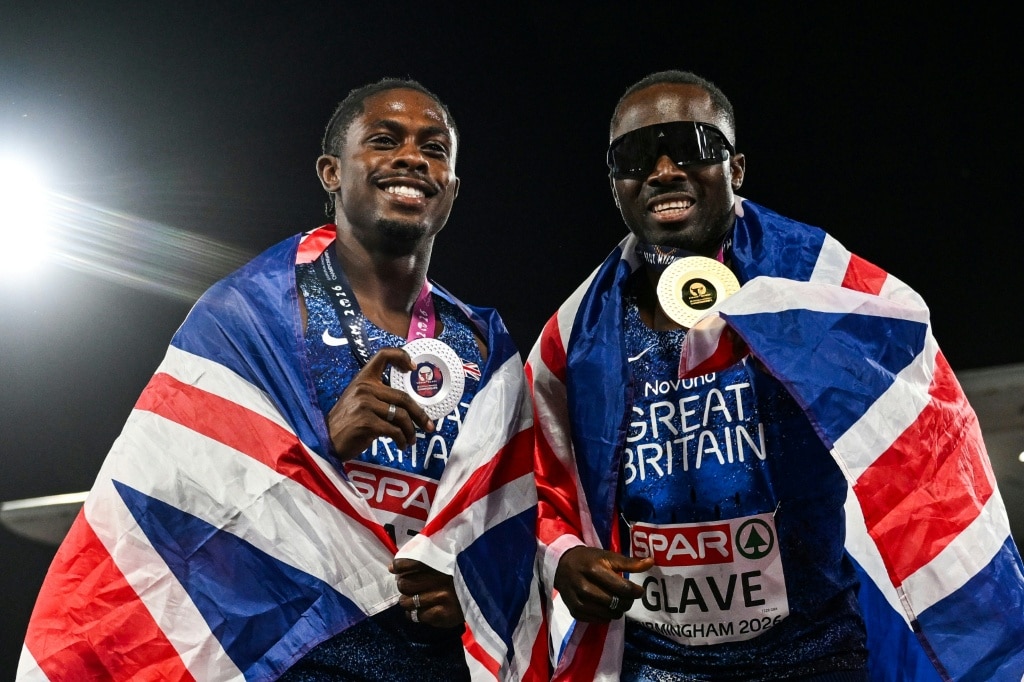
    With Jacobs out of contention, British sprinter Jeremiah Azu and Jamaican-born British athlete Zharnel Hughes Glave claimed the top two spots on the podium, with Glave taking gold in 10.09 seconds and Azu securing silver in 10.16 seconds. The win marked back-to-back British 100m titles, following Amy Hunt’s victory in the women’s event on Monday, which Glave described as “total domination” for the British sprint team.

    In other championship action, Italy’s Nadia Battocletti continued her stellar medal streak by successfully defending her women’s 5000m title. The 25-year-old made her decisive move with 200 meters remaining in the race, pulling away from the pack to finish in 15:37.84. The win adds to Battocletti’s already impressive collection of accolades, which includes a 5000m/10000m double at the 2022 European Championships, two consecutive European cross-country titles, Olympic and world 10000m silver, and world indoor 3000m gold. Spain’s Marta García took silver, while Italy’s Micol Majori rounded out the podium in third.

    The women’s 100m hurdles delivered a nail-biting finish, with Dutch star Nadine Visser edging out Poland’s Pia Skrzyszowska by a fraction of a second to claim gold in 12.68 seconds, the result confirmed only after a photo finish. France’s Laetitia Bapte took bronze, beating out reigning world champion Ditaji Kambundji of Switzerland.

    In the men’s hammer throw, Hungary’s Bence Halasz, an Olympic silver medalist, broke Poland’s streak of dominance in the event to clinch his first major global gold medal with a world-leading throw of 84.25 meters. The win marks Halasz’s first major gold after seven previous close calls on the international stage. Germany’s Merlin Hummel took silver, while Ukraine’s Mykhaylo Kokhan secured bronze.

  • All Blacks knew Nonu would perform solo Haka – coach Rennie

    All Blacks knew Nonu would perform solo Haka – coach Rennie

    In a lopsided international rugby tour match played in wet, slippery conditions in Durban on Tuesday, New Zealand’s national men’s side the All Blacks secured a dominant 54-0 victory over the South African Sharks, but the talking point of the fixture centered on a heartfelt cultural gesture from a former All Blacks legend rather than the final scoreline.

    Forty-four-year-old Ma’a Nonu, a two-time Rugby World Cup winner with New Zealand who joined the Sharks just last month in a player-mentor role, stepped forward to deliver a solo response haka after the All Blacks completed their traditional pre-match haka. In post-match comments to reporters, All Blacks head coach Dave Rennie revealed that his camp was fully aware of Nonu’s plan before kickoff, after the veteran center reached out directly to New Zealand’s defensive coach Tana Umaga to clarify the respectful, appropriate way to carry out his response.

    Nonu’s unexpected appearance on the match day squad came amid a wave of call-ups to the South African Springboks national side and multiple injury crises for the Sharks, leading Sharks coach JP Pietersen to name the veteran as a substitute. Nonu entered the game off the bench in the 62nd minute, when the Sharks already trailed 35-0, and played nearly 20 minutes in the one-sided contest.

    Speaking to SuperSport TV after the match, Nonu framed the gesture as a tribute to the team he spent nearly 100 caps playing for. “It was such a privilege and an honour, to do the Haka, showing my respect on behalf of my family to the team I love,” he said. “It was great to see the New Zealand boys. The All Blacks opened up in the last 30 minutes and I was chasing my tail. Credit to them, they are improving, and all the best to the brothers for the next game.”

    Pietersen praised Nonu’s impact on the Sharks squad both on and off the pitch, noting that the veteran has become a key resource for young backs developing their game. “Ma’a has been good for the guys, especially the backs. He is a great addition off the field, helping the youngsters prepare, warm up and get their mindset right,” Pietersen said, adding that Nonu had felt nervous about performing the solo haka before the match.

    Beyond the viral cultural moment, the result marked the second consecutive win for the All Blacks on their South African tour, which kicked off last Friday. The All Blacks crossed for eight tries total in the cold, wet conditions, with play slowed early on by a string of New Zealand penalties that allowed the Sharks to control possession for the opening stages of the match. Rennie commended his side’s second-half adjustment, which saw the team improve its discipline and use tactical kicking to open up space in the Sharks defense.

    “Conditions made it challenging to shift a lot of ball, but it was a really solid defensive effort,” Rennie said. “The last 40 minutes were very positive. I thought we kicked really well, our kicks in the central area of the field found a lot of space. Our option taking was pretty good. We gave away a lot of early penalties, so we struggled to get our hands on the ball. In the second half we were a lot more clinical and kicked really well. The response after our chat at half-time was good to see, because every penalty we concede is a chance for the opposition to slow the game down.”
    New Zealand inside centre Jordie Barrett, who earned man of the match honors after scoring one try and creating several more with pinpoint cross-field kicks, echoed Rennie’s assessment of the win. “It was a pretty greasy surface and there was lots of water underfoot. So we are pretty proud that we backed our skills and got ascendancy after a tight first half,” Barrett said. “We need to tidy up our discipline and we let the Sharks into our 22 in the first 10 minutes. So the second half was about minimising those entries.”

  • Tropical storm hits Tokyo area, leaving thousands without power before moving west

    Tropical storm hits Tokyo area, leaving thousands without power before moving west

    Just days after Typhoon Dolphin wrought destruction across southern Japan and left a trail of fatalities and displacement across East and Southeast Asia, Tropical Storm Chan-hom made history when it came ashore in Japan’s Ibaraki Prefecture Tuesday night — the first recorded tropical cyclone to strike the region since official meteorological record-keeping began in 1951.

    After making landfall in southern Ibaraki, part of the greater Tokyo metropolitan area, the storm rapidly lost intensity as it tracked westward across the Japanese archipelago. By early Wednesday, the system was positioned near Gifu Prefecture in central Japan, continuing on a trajectory toward Wakasa Bay on the country’s north-central coast. At the time of the latest update from the Japan Meteorological Agency (JMA), Chan-hom carried sustained wind speeds of 64 kilometers per hour (40 miles per hour).

    The storm left a clear mark of disruption across central and eastern Japan. Five people across the country sustained only minor injuries: two men in the northern prefecture of Iwate and three women in the hardest-hit Ibaraki Prefecture, local prefectural officials confirmed. Falling trees were reported at multiple sites across Tokyo, including a high-profile incident in the upscale Omotesando shopping district that caused no casualties, Japan’s public broadcaster NHK reported.

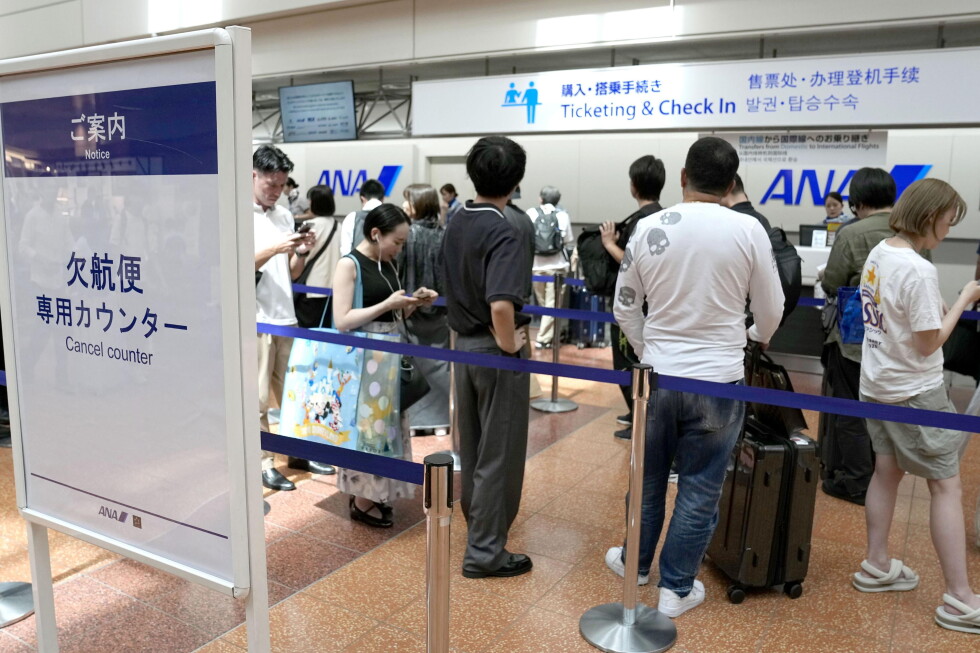
    Power outages affected more than 3,000 residential properties in Ibaraki and neighboring Tochigi Prefecture as of Wednesday morning, according to TEPCO Power Grid, the region’s main electricity infrastructure operator. Approximately 60 incoming and outgoing flights at Tokyo’s major Haneda Airport were canceled Tuesday as the storm approached, while popular coastal recreation spot Oarai Beach in Ibaraki was closed to visitors for the duration of the severe weather.

    The disruption intersected with Japan’s annual bon holiday week, a traditional Buddhist period for honoring ancestral spirits that draws millions of domestic travelers across the country. By Wednesday, most transit services in Tokyo had resumed normal operations, with commercial activity returning to near-standard levels. Even so, JMA issued ongoing warnings for residents of northern and western Japan, cautioning that the remnants of Chan-hom would bring heavy downpours and thunderstorms through the end of the day.

    Chan-hom’s arrival came on the heels of Typhoon Dolphin, which triggered widespread chaos in southern Japan just days prior, halting ground transportation and forcing hundreds of residents to seek emergency shelter. After weakening from typhoon strength, the system moved west, killing 10 people in the Philippines and triggering major flooding in southern China that forced hundreds of thousands of people to evacuate their homes.

  • Barred from elections, Russia’s anti-war party vows to fight on

    Barred from elections, Russia’s anti-war party vows to fight on

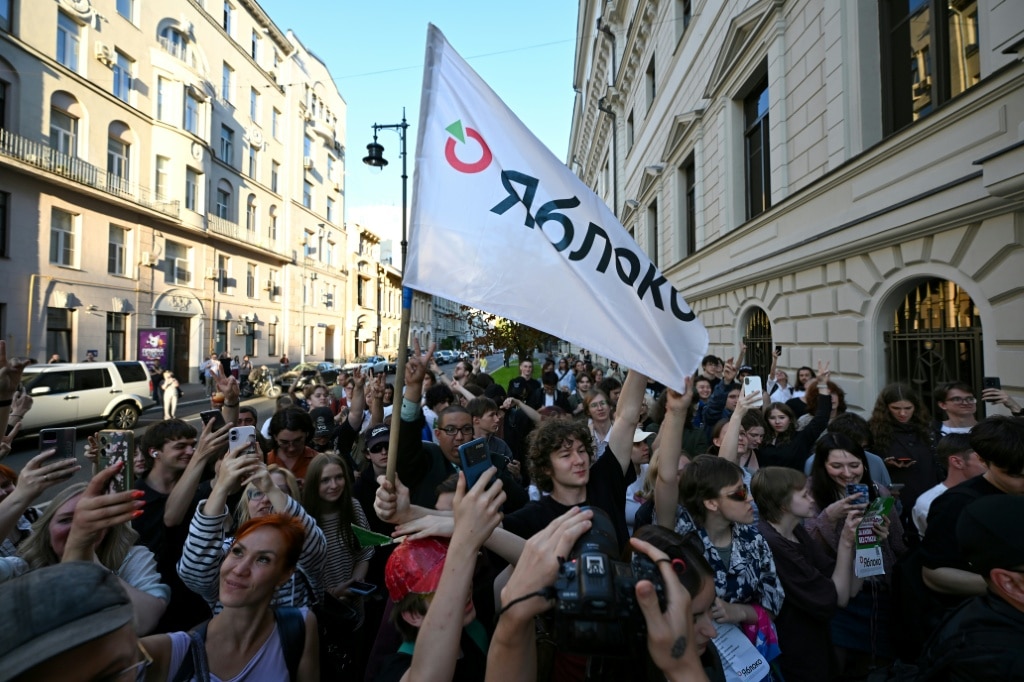
    On a recent Monday, Russia’s highest judicial body delivered a ruling that has shaken the last remaining vocal opposition voice against the country’s military campaign in Ukraine: the nation’s sole openly anti-war political party, Yabloko, was barred from competing in the upcoming September parliamentary elections. The decision sparked immediate outcry from roughly 100 gathered supporters outside the Supreme Court building, who raised their voices in unified chants of “Shame!” — a rare public display of dissent in a political climate that has grown increasingly restrictive.

    For 18-year-old Karina, a first-time voter and Yabloko volunteer who requested anonymity for personal security, the moment carried unexpected weight. She told reporters from Agence France-Presse that she had not witnessed such a large gathering of opposition-aligned supporters since Russia launched its full-scale offensive into Ukraine in February 2022. “I was surprised by how many people there were,” she said, describing the election ban as “simply the last straw” for a public that has grown weary of the ongoing conflict. “I think people have nothing left to lose, they aren’t willing to put up with it anymore. After all, we’re entering the fifth year, everyone is tired of it.”

    Since the beginning of the full-scale invasion, the Russian government has ramped up domestic political repression to levels not seen since the Soviet era. Thousands of people have been issued fines or jailed for speaking out against the military campaign, all leading opposition figures have been either imprisoned, forced into exile, or killed, and public anti-government protests have become almost nonexistent. The conflict itself has evolved into the deadliest armed conflict on European soil since World War II, claiming hundreds of thousands of lives, with all diplomatic efforts to reach a ceasefire effectively stalled.

    Before the Supreme Court ruling, Yabloko was the last anti-war party still legally operating within Russia. In recent months, the party has faced growing government pressure, with roughly 40 of its activists currently facing criminal prosecution. Despite the ban, Yabloko leader Nikolay Rybakov has made it clear the party has no intention of stepping back. He confirmed Tuesday that the party would file an appeal against the ruling and continue all election-related activities, regardless of the court’s decision.

    Under Russia’s mixed parliamentary voting system, 450 seats in the State Duma are split evenly between candidates elected via proportional representation from party lists and candidates elected from individual local constituencies. The Supreme Court’s ruling only prohibits Yabloko from contesting the proportional representation portion of the September vote, and Rybakov noted that 130 Yabloko members remain registered to run for individual constituency seats. It remains unclear whether those candidates will be allowed to keep their ballot access under the Yabloko party banner.

    Rybakov framed the ban as a defining moment for both his party and the future of Russian politics. “Everyone saw so many people — young people — come out to show their support,” he said. “They didn’t come just because Yabloko is wonderful: they came to support peace, freedom, and… a peaceful change in Russia.”

    Many party members have found glimmers of hope amid the setback. Marizhat Ramazanova, Yabloko’s 28-year-old social media manager, told AFP that online interest in the party has spiked dramatically in the wake of the ruling, with search queries for Yabloko across Wikipedia and major search engines jumping by 90%. “People discovered us. For them, it’s a breath of fresh air,” she said. For 30-year-old Yabloko staffer Maxim, the court decision sparked “a cocktail of emotions: disappointment and anger,” but the public show of support outside the Supreme Court left him with unexpected optimism. “The gathering outside the court gave me a sense of immense support, and that generated positive feelings,” he explained.

    Founded in 1993 by a group of pro-Western former public officials shortly after the collapse of the Soviet Union, Yabloko saw modest electoral success in the 1990s. But since 2003, as the Kremlin consolidated control over Russia’s electoral system, the party has failed to win any seats in the State Duma, with Vladimir Putin’s aligned party United Russia claiming a majority in every parliamentary election held since that time. A public opinion poll conducted earlier this year placed Yabloko’s national support at just 3%, below the 5% threshold required to enter the Duma via proportional representation.

    Still, young activists like Karina believe the ban will ultimately galvanize a new generation of Russians to push for political change. She argued that young people will soon “take the initiative themselves, they’ll replace the older politicians, new parties will form.” Looking ahead, she remains hopeful: “I believe we can steer Russia toward a better state — if not right now, then in a couple of years.”

  • California calls Paramount’s threat to leave state ‘blackmail’

    California calls Paramount’s threat to leave state ‘blackmail’

    A high-stakes standoff over Paramount Global’s proposed $110 billion acquisition of Warner Bros. Discovery has escalated sharply this week, with California’s top law enforcement official branding a reported threat to relocate the media giant out of the state as blatant corporate blackmail.

    The blockbuster merger, which would combine major media assets including CNN, Warner Bros. Pictures, and HBO Max into one of the world’s largest entertainment companies, has already secured regulatory approval from U.S. federal authorities, the European Union, and British regulators. But 12 U.S. states, led by California, have launched coordinated legal action to block the deal, arguing the debt-fueled transaction, backed by Middle Eastern oil capital, will stifle competition across the film and media industry, drive up consumer costs, and trigger widespread job cuts.

    On Tuesday, California Attorney General Rob Bonta took to social media to condemn what he described as Paramount’s escalating pressure campaign. “In a span of weeks, Paramount agreed to halt the merger until a court decision or until June 2027, asked for a November trial, and is now back with another attempt to blackmail the state into letting an illegal deal through,” Bonta wrote. He added that the proposed combination would result in higher industry costs, fewer creative options for audiences, and reduced production work for California-based crews, emphasizing that his office would continue fighting to stop unlawful corporate consolidation and protect the state’s dynamic, competitive creative economy for law-abiding businesses.

    Bonta’s rebuke follows reports from entertainment trade publications that David Ellison, CEO of Paramount Skydance and scion of the Ellison family with close political ties to former President Donald Trump, told senior company leaders he would begin relocating Paramount out of California starting October 1 if Bonta refuses to negotiate a settlement to drop the state’s lawsuits. According to Variety, which cited unnamed insider sources, Ellison has mapped out a five-year exit strategy that would begin with moving the company’s Los Angeles headquarters. Industry analysts warn that any full relocation from Southern California, the global heart of the U.S. film and television production industry, would likely trigger a mass exodus of workers who refuse to leave the region.

    The October 1 timeline carries unique financial urgency: if the merger has not closed by that date, Paramount will begin accruing a $7 million daily “ticking fee” that must be paid to Warner Bros. Discovery shareholders. Paramount has not yet issued any public response to Bonta’s accusations or responded to requests for comment from Agence France-Presse.

    Beyond concerns over market competition and job losses, the proposed merger has drawn fierce pushback from both Hollywood creative figures and U.S. news industry insiders. Critics point to ongoing changes at CBS News, where insiders report Paramount leadership has already restructured the outlet’s coverage to be more favorable to Trump, raising alarms that the company could apply the same pro-Trump ideological shift to CNN if the merger is completed.