博客

  • Zverev confident success will come as German chases first Grand Slam title

    Zverev confident success will come as German chases first Grand Slam title

    Alexander Zverev has secured a coveted spot in the Australian Open semifinals following a hard-fought quarterfinal victory against American prodigy Learner Tien. The German third seed triumphed with a scoreline of 6-3, 6-7(5), 6-1, 7-6(3) in a match that showcased both resilience and tactical evolution.

    The 28-year-old athlete, who finished as runner-up to Jannik Sinner in last year’s championship match, now prepares to face Carlos Alcaraz in what promises to be a thrilling semifinal encounter. This advancement marks a significant personal milestone for Zverev, who has battled through a challenging period of physical setbacks throughout 2025, including persistent shoulder, back, and ankle complications.

    Zverev attributes his current performance surge to achieving optimal physical condition after twelve months of health struggles. ‘The most substantial transformation I’ve experienced recently is competing without pain,’ Zverev revealed during post-match reflections. ‘Enduring constant physical limitations creates mental exhaustion that inevitably affects shot selection and bodily trust during critical moments.’

    The German star has implemented strategic modifications to his playing style, emphasizing aggressive shot-making and refining his immediate post-serve sequences. ‘I’ve dedicated substantial effort to enhancing my offensive approach, particularly focusing on my first forehand after serving and incorporating more serve-and-volley tactics,’ Zverev explained. ‘When these elements align effectively, positive outcomes naturally follow.’

    Looking beyond the Australian Open, Zverev intends to adopt a more selective tournament schedule, prioritizing physical preservation and career longevity. ‘I’m implementing smarter scheduling strategies following this tournament,’ he stated. ‘This adjustment reflects both maturation and recognition that my body requires more meticulous management as I progress through my career.’

    Despite his continued pursuit of an inaugural Grand Slam title, Zverev emphasizes the importance of deriving satisfaction from his professional journey. ‘Facing exceptional opponents like Carlos or Alex generates anticipation for spectacular tennis displays. While securing a major championship remains a primary objective, finding joy in competition has become equally crucial to my overall approach.’

  • Colombia blasts Ecuador’s pipeline fee hike as trade war between neighbors escalates

    Colombia blasts Ecuador’s pipeline fee hike as trade war between neighbors escalates

    BOGOTA, Colombia — Diplomatic relations between Colombia and Ecuador have reached a critical juncture as a rapidly escalating trade war intensifies. The latest development occurred Tuesday when Colombia vehemently condemned Ecuador’s decision to implement a dramatic tenfold increase in transportation fees for Colombian oil traversing its pipeline infrastructure.

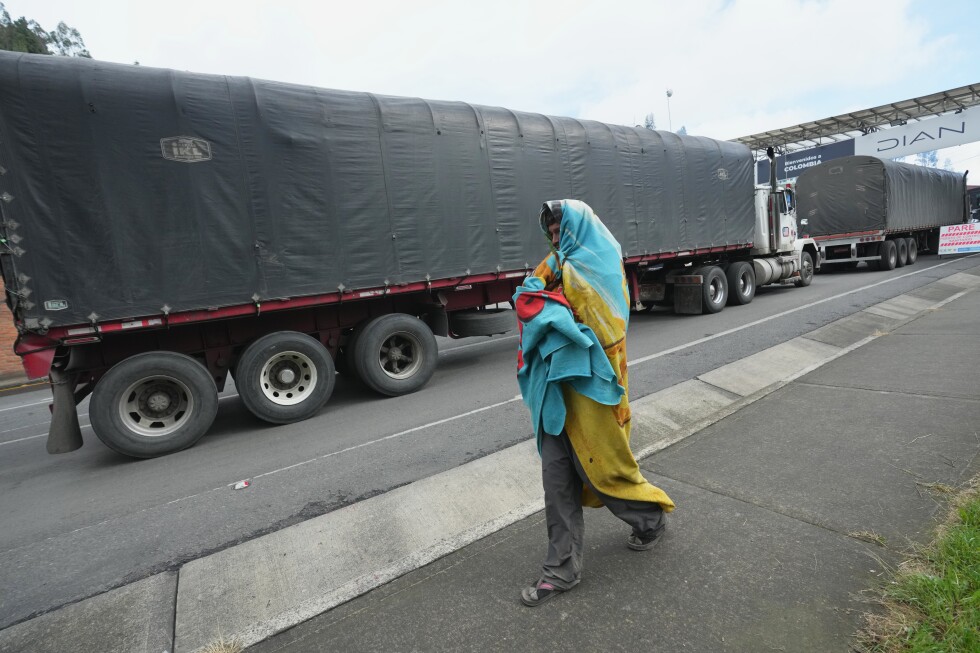
    Ecuador’s Ministry of Energy announced Monday that pipeline transit fees would skyrocket from $3 to $30 per barrel, effectively creating significant economic barriers for Colombian energy companies utilizing the Trans-Ecuadorian pipeline system. This critical infrastructure transports crude from production sites in southwestern Colombia and western Ecuador to Pacific export terminals.

    The punitive measure directly impacts Colombia’s state-owned energy giant Ecopetrol, which currently moves over 12,000 barrels daily through the affected pipeline network. Colombian Energy Minister Edwin Palma characterized the fee hike as “a new aggression against the people,” signaling deteriorating bilateral relations.

    This energy infrastructure confrontation follows Colombia’s recent suspension of electricity exports to its neighbor, a move that created severe power reliability issues for Ecuador. The electricity-dependent nation has struggled with grid stability throughout 2024 due to drought conditions affecting hydroelectric generation.

    The current trade dispute originated last Thursday when Ecuadorian President Daniel Noboa imposed sweeping 30% tariffs on all Colombian imports. Noboa, a conservative leader seeking strengthened ties with the Trump administration, defended the tariffs as a necessary “security tax” until Colombia demonstrates “true commitment” to combating cross-border drug trafficking and illegal mining operations.

    Colombian officials have rejected these allegations, highlighting record cocaine interdiction rates under President Gustavo Petro’s administration. Despite enforcement successes, coca cultivation and production metrics continue reaching unprecedented levels due to enhanced processing efficiency and expanded planting.

    In retaliatory measures, Colombia implemented mirroring 30% tariffs on Ecuadorian goods. The economic confrontation threatens a bilateral trade relationship valued at $2.3 billion annually, with Colombia exporting approximately $1.7 billion in goods to its smaller neighbor.

    Political analysts suggest President Noboa may be using the trade conflict to divert attention from Ecuador’s domestic security crisis. Recently published crime statistics reveal the nation’s homicide rate has reached 50 per 100,000 residents in 2025—the highest in its modern history and a fivefold increase since 2020. The violence stems from international drug cartels battling for control of Ecuador’s strategic ports, transforming the once-tranquil nation into a major cocaine transit hub.

  • Australian Open: Gauff unhappy with broadcasting video of her smashing racket after loss

    Australian Open: Gauff unhappy with broadcasting video of her smashing racket after loss

    Tennis star Coco Gauff has raised significant concerns about athlete privacy and broadcast ethics following her quarterfinal elimination at the Australian Open. The world number three suffered a decisive 6-1, 6-2 defeat against Ukraine’s Elina Svitolina in a match lasting just 59 minutes, during which she committed 26 unforced errors.

    Following the match, Gauff deliberately sought a secluded area away from court-side cameras to process her frustration, only to discover that broadcasters had captured and transmitted footage of her emotionally smashing her racket against the floor. The incident occurred behind a wall near the match call area within Melbourne Park’s complex.

    During post-match press conferences, the 21-year-old American expressed her dissatisfaction with the broadcasting decisions. “I attempted to locate a space without camera coverage,” Gauff explained. “I have particular concerns regarding broadcast practices. Certain moments—similar to what occurred with Aryna Sabalenka after our US Open final—should remain private.”

    Gauff referenced world number one Sabalenka’s experience following the 2023 US Open final, where footage of the Belarusian player destroying her racket in a training area was publicly broadcast. Sabalenka, who advanced to the semifinals against Svitolina, had similarly expressed frustration with the coverage.

    The two-time Grand Slam champion highlighted the limited private spaces available to athletes during major tournaments. “Perhaps constructive discussions can be initiated regarding this matter,” Gauff suggested. “At this tournament, the locker room essentially represents our only truly private area.”

    Gauff defended her emotional response as a necessary release mechanism to prevent directing frustration toward her support team. “I understand my emotional tendencies and prefer not to lash out at my team members who don’t deserve such treatment,” she stated. “This momentary release allows me to avoid becoming irritable with those around me who have performed their duties exceptionally.”

  • Indian tourist state of Goa weighs social media ban for children

    Indian tourist state of Goa weighs social media ban for children

    In a significant move addressing digital wellbeing, the Indian tourist hotspot of Goa is actively exploring legislation to prohibit social media access for children under 16. This initiative mirrors a pioneering ban recently implemented in Australia and reflects growing governmental concern over the mental health risks associated with online platforms in a nation boasting over one billion internet users.

    Rohan Khaunte, Goa’s Minister for Information Technology, confirmed that state authorities are conducting a comprehensive study of Australia’s regulatory framework to devise an effective model for restricting minors’ access. “If possible, we will implement a similar ban on children below 16 for usage of social media,” Khaunte stated, adding that specific operational details would be announced subsequently.

    The southern state of Andhra Pradesh, with a substantial population exceeding 53 million, has simultaneously announced its own evaluation of comparable measures. This creates a notable contrast with Goa, which is India’s smallest state by area with an estimated population of 1.5 million, suggesting a nationwide trend may be emerging at the state level.

    Technology giants have begun responding to these potential regional bans. Meta, parent company of Facebook and Instagram, expressed a preference for legislation mandating parental oversight rather than outright prohibitions. A company spokesperson cautioned that bans might inadvertently push teenagers toward less secure, unregulated platforms, noting that teens typically use approximately 40 different applications weekly.

    India currently maintains no federal restrictions on social media usage by age, and there are no indications that the national government plans to institute such measures. The Ministry of Electronics and Information Technology did not immediately respond to requests for comment regarding these state-level initiatives. Other major platforms, including Google’s YouTube and X, have similarly remained silent on the proposals.

    This development places India among several nations, including France, Indonesia, and Malaysia, that are closely monitoring Australia’s groundbreaking social media ban for users under 16. The Australian legislation resulted in the deactivation of 4.7 million teen accounts within its first month of implementation, providing a substantial case study for other governments considering similar protective measures.

  • Embraer, Adani join forces to build regional aircraft ecosystem in India

    Embraer, Adani join forces to build regional aircraft ecosystem in India

    In a landmark development for India’s aerospace sector, Brazilian aviation giant Embraer and Adani Defence & Aerospace have entered a strategic partnership through a Memorandum of Understanding to create a comprehensive regional transport aircraft ecosystem. This collaboration represents a significant advancement in India’s aviation manufacturing capabilities, targeting the establishment of a final assembly line supported by systematic indigenization plans and cooperative efforts in manufacturing, supply chain enhancement, maintenance operations, and pilot training initiatives.

    This alliance emerges during a period of exceptional growth in India’s aviation market, where domestic and international passenger traffic witnessed substantial increases of 13% and 22% respectively during FY2024. This expansion has triggered massive fleet augmentation projects, including record-breaking aircraft acquisitions by Air India and IndiGo that could potentially double the nation’s commercial fleet within the next decade. Concurrently, the Indian government has committed over $11 billion toward airport infrastructure development nationwide.

    The partnership addresses India’s historical dependency on aircraft imports despite its position as one of the world’s fastest-growing aviation markets. This initiative runs parallel to the government-supported Regional Transport Aircraft project led by National Aerospace Laboratories and Hindustan Aeronautics Limited, which has received budgetary support exceeding Rs125 billion through a newly created Special Purpose Vehicle.

    Embraer Commercial Aviation CEO Arjan Meijer identified India as a ‘pivotal market,’ emphasizing that the collaboration merges Embraer’s aerospace engineering expertise with Adani’s extensive capabilities across the aviation value chain. Jeet Adani, Director of Adani Defence & Aerospace, highlighted the critical importance of regional connectivity for India’s economic development, particularly as Tier-II and Tier-III cities drive air traffic growth under the UDAN regional connectivity scheme.

    Industry analysts recognize this partnership as a crucial milestone toward establishing commercial aircraft assembly capabilities within India—a long-standing objective for the nation. The agreement aligns with governmental strategies focusing on technology transfer, supply chain reinforcement, and positioning India as a global hub for regional aircraft production. Civil Aviation Secretary Samir Kumar Sinha has reiterated India’s ambition to not only assemble aircraft but also develop domestic competencies through skill development, certification programs, and progressive localization.

    With approximately 50 Embraer aircraft already operational across commercial, defense, and business aviation sectors in India—including the Indian Air Force’s Netra AEW&C system and Star Air’s E175 and ERJ145 fleet—the partnership is anticipated to generate substantial employment opportunities in engineering, manufacturing, logistics, and service sectors. This collaboration strengthens India’s transition from being primarily an aviation market toward becoming a significant aerospace manufacturing power, driven by increasing demand, industrial synergy, and strategic self-reliance objectives.

  • ‘Every second counts’ – Doomsday Clock moves closer to midnight

    ‘Every second counts’ – Doomsday Clock moves closer to midnight

    In a grave announcement that underscores escalating global tensions, the symbolic Doomsday Clock has been advanced to a mere 85 seconds until midnight—marking humanity’s closest brush with existential catastrophe since the clock’s inception eighty years ago. This critical adjustment by the Bulletin of the Atomic Scientists represents a substantial deterioration in global stability, primarily fueled by heightened nuclear threats arising from the conflict in Ukraine, persistent climate change crises, and the unchecked proliferation of disruptive technologies.

    The Doomsday Clock, conceived in 1947, serves as a powerful metaphor visualizing humankind’s vulnerability to self-inflicted disasters, with midnight symbolizing total apocalyptic collapse. This year’s setting surpasses the previous record of 100 seconds to midnight, which held steady from 2020 through 2022, indicating a sharp downturn in international security conditions. The Science and Security Board of the Bulletin emphasized that this movement toward midnight reflects their assessment that ‘we are living in a time of unprecedented danger.’

    Multiple converging factors contributed to this ominous forecast, including increased nuclear weapons modernization programs, insufficient climate action despite escalating extreme weather events, and growing biological research risks. The ongoing war in Ukraine has particularly exacerbated nuclear tensions, creating the most dangerous nuclear security environment in decades. Additionally, cyber-enabled disinformation campaigns and artificial intelligence technologies pose new threats to democratic institutions and global stability.

    The clock’s keepers noted that while the situation remains dire, the clock’s purpose is to spur action rather than predict inevitable doom. They emphasized that human agency can reverse this trend through renewed diplomacy, climate cooperation, and responsible technology governance. Historical precedents exist—the clock retreated significantly after the Cold War ended, demonstrating that positive change remains possible when world leaders prioritize collective security.

  • Pakistan denies reports of cancelled Islamabad International Airport deal with UAE

    Pakistan denies reports of cancelled Islamabad International Airport deal with UAE

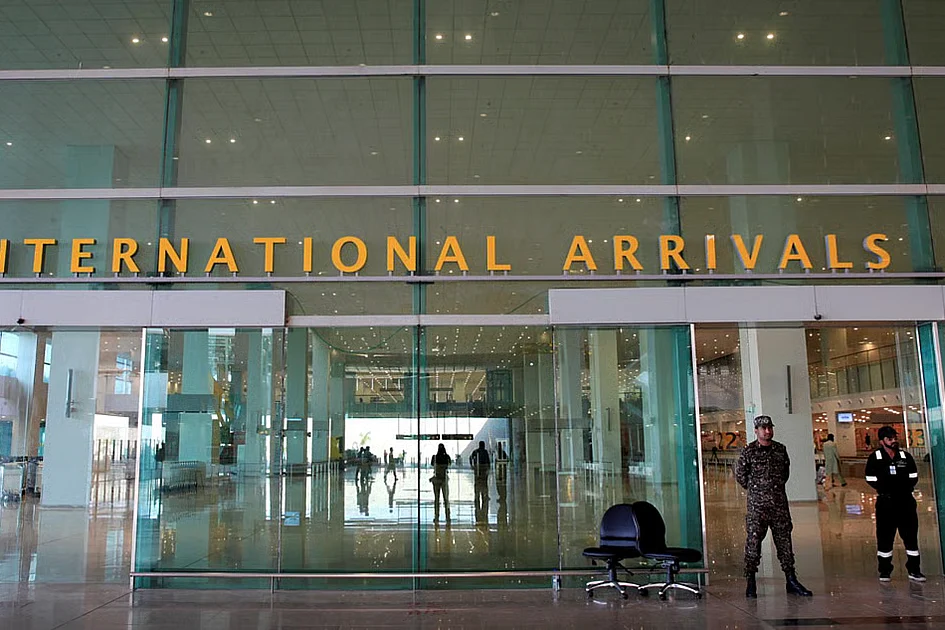
    Pakistan’s Privatisation Commission has issued a formal rebuttal to circulating rumors suggesting the cancellation of a proposed airport management agreement with the United Arab Emirates. Contrary to speculative reports, the Commission clarified that no formal lease agreement had ever been executed between Pakistan and the UAE regarding Islamabad International Airport’s operations.

    The government has been evaluating multiple strategic options for outsourcing operations at three key aviation facilities: Islamabad International Airport (IIAP), Karachi’s Jinnah International Airport, and Lahore’s Allama Iqbal International Airport. Initially, authorities had approved in August the potential transfer of Islamabad Airport’s management to UAE entities through a government-to-government framework arrangement.

    This proposed arrangement contemplated comprehensive management contracts and extended commercial concessions aimed at modernizing airport infrastructure. However, in a significant policy shift last November, Pakistani officials transitioned from exclusive government-to-government negotiations to an open competitive bidding process for all three airports.

    The decision emerged following substantial investor interest from multiple international parties beyond the UAE, including entities from Turkey and Saudi Arabia. This competitive approach ensures equal participation opportunities for both domestic and foreign investors while prioritizing transparency and optimal economic outcomes for Pakistan.

    Authorities emphasized that this procedural modification stems exclusively from economic considerations rather than diplomatic or political factors. The competitive tender process aims to enhance operational efficiency, upgrade service quality, maximize revenue generation, and attract substantial private investment into Pakistan’s aviation infrastructure.

    Islamabad International Airport, inaugurated in 2018, has encountered various operational and financial challenges that the outsourcing initiative seeks to address. Involving globally experienced airport operators promises to significantly improve performance standards at Pakistan’s premier aviation facilities.

  • Dubai opens 29 new mosques in 2025 with capacity for up to 24,000 worshippers

    Dubai opens 29 new mosques in 2025 with capacity for up to 24,000 worshippers

    Dubai has significantly enhanced its religious infrastructure through the inauguration of 29 new mosques in 2025, representing a major development in community facilities. The Islamic Affairs and Charitable Activities Department oversaw this Dh250 million project, creating capacity for approximately 24,000 worshippers across 28 different areas of the emirate.

    This expansion forms part of a comprehensive strategy to accommodate Dubai’s growing population and their religious needs. Beyond the completed structures, the department has allocated 56 land plots across 37 areas for future mosque construction. Simultaneously, 53 additional mosques are currently under development with an investment of Dh480 million, projected to accommodate 32,000 worshippers upon completion across 36 locations.

    The infrastructure expansion has prompted innovative solutions to manage increased foot traffic. Recognizing parking challenges during peak prayer times, particularly on Fridays, Dubai has implemented a reserved parking system for imams and muezzins to ensure uninterrupted access for religious leaders.

    In August 2025, Dubai introduced a sophisticated parking management system featuring new M and MP parking signs at mosque facilities. This initiative, part of Parkin’s managed parking system, affects over 2,100 parking spaces across 59 mosques. While implementing paid parking, the system maintains free access during prayer times, balancing revenue generation with religious accommodation.

    This dual approach of physical infrastructure expansion and smart management solutions demonstrates Dubai’s commitment to both religious accessibility and urban planning efficiency, addressing the needs of worshippers while maintaining orderly urban development.

  • Israeli diplomat pledges to investigate case of Italian officers held at gunpoint in West Bank

    Israeli diplomat pledges to investigate case of Italian officers held at gunpoint in West Bank

    A diplomatic confrontation has emerged between Italy and Israel following the detention of two Italian security officers by an Israeli soldier in the occupied West Bank. The incident occurred Sunday near Ramallah when the Carabinieri officers—Italy’s specialized police force that occasionally participates in international peacekeeping missions—were stopped at gunpoint while conducting official duties in Palestinian territories.

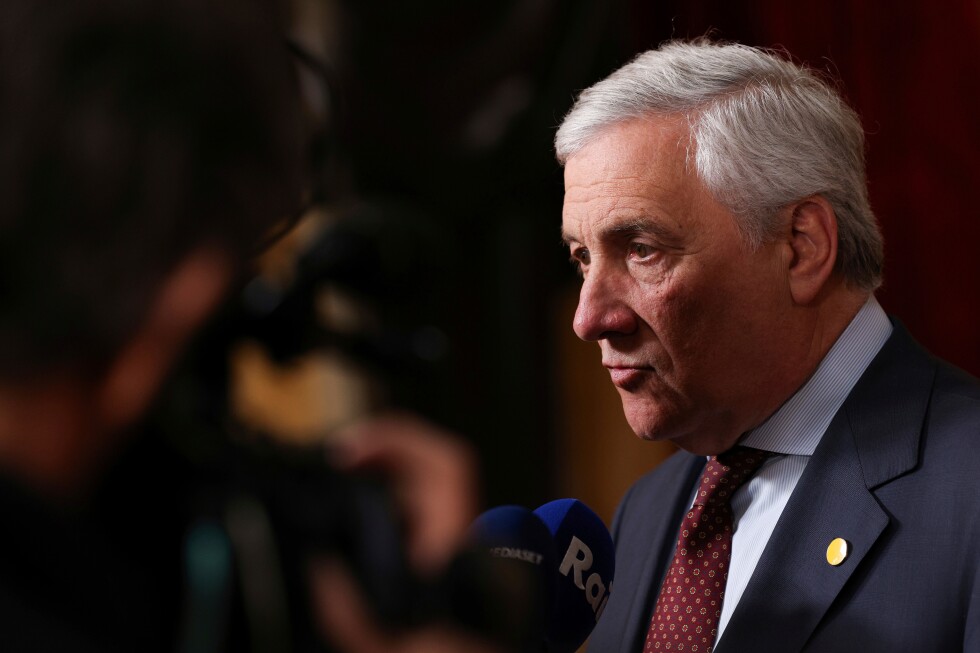
    Israeli Ambassador to Italy Jonathan Peled expressed regret over the encounter during a Monday meeting with Italian Foreign Minister Antonio Tajani, who summoned the diplomat to convey Rome’s ‘strong disappointment and formal protest.’ Peled committed to conducting appropriate investigations into the matter.

    The Israeli military provided a contrasting account, stating that the soldier acted according to established protocol for suspicious vehicles. Military officials noted the officers’ vehicle lacked diplomatic markings and was traveling on a road prohibited to civilian traffic. While acknowledging the soldier had raised his weapon, the military emphasized the officers were released immediately after identification.

    Italian media reports contradict this narrative, alleging the officers were forced to kneel for questioning despite traveling in an armored vehicle with diplomatic plates and carrying official passports. The incident has amplified Italy’s existing concerns regarding settler violence in the West Bank, which Rome had previously condemned.

    The broader context underscores ongoing tensions in the region, where approximately 500,000 Israeli settlers reside in territories captured during the 1967 Middle East war. Most international authorities consider these settlements illegal and obstructive to peace efforts, with Palestinians seeking the West Bank, East Jerusalem, and Gaza Strip for a future state.

  • Families sue US over deadly boat strike off Venezuela coast

    Families sue US over deadly boat strike off Venezuela coast

    Relatives of two Trinidadian nationals killed in a U.S. military operation have initiated legal proceedings against the American government, alleging unlawful execution during a counter-narcotics mission. The lawsuit was formally lodged in Boston’s federal court by legal representatives acting on behalf of the families of Chad Joseph and Rishi Samaroo, who perished alongside four others when their vessel was struck off the Venezuelan coastline on October 14.

    Legal counsel for the plaintiffs characterized the incident as ‘lawless killings in cold blood; killings for sport and killings for theatre,’ challenging the official narrative of a justified narcotics interception. The operation forms part of an expanded maritime campaign under the Trump administration, which has conducted at least 36 vessel engagements across the Caribbean and Eastern Pacific since September, resulting in over 120 fatalities. Officials have defended these actions as targeting ‘narco-terrorists’ responsible for trafficking lethal substances into the United States.

    The legal submission invokes the Death on the High Seas Act, a statute permitting foreign nationals to seek redress in U.S. courts for maritime wrongful deaths allegedly violating international law. Claimants include Joseph’s mother, Sallycar Korasingh, and Samaroo’s sister, who maintain both men were agricultural and fishing laborers returning to Trinidad and Tobago when their boat was destroyed. Korasingh asserted that had authorities suspected criminal activity, proper protocol would entail ‘arrest, charge, and detention—not execution.’

    Central to the lawsuit is the argument that the deceased were not engaged in military hostilities against the United States, thereby rendering the lethal force unlawful under international armed conflict regulations. The Pentagon has yet to issue any formal response to the allegations.

    This case emerges alongside another legal challenge brought before the Inter-American Commission on Human Rights by relatives of a Colombian man killed in a separate U.S. maritime strike, signaling growing international scrutiny over Washington’s intensified drug interdiction tactics in regional waters.