博客

  • Tunisian opposition leader Rached Ghannouchi handed longer sentence

    Tunisian opposition leader Rached Ghannouchi handed longer sentence

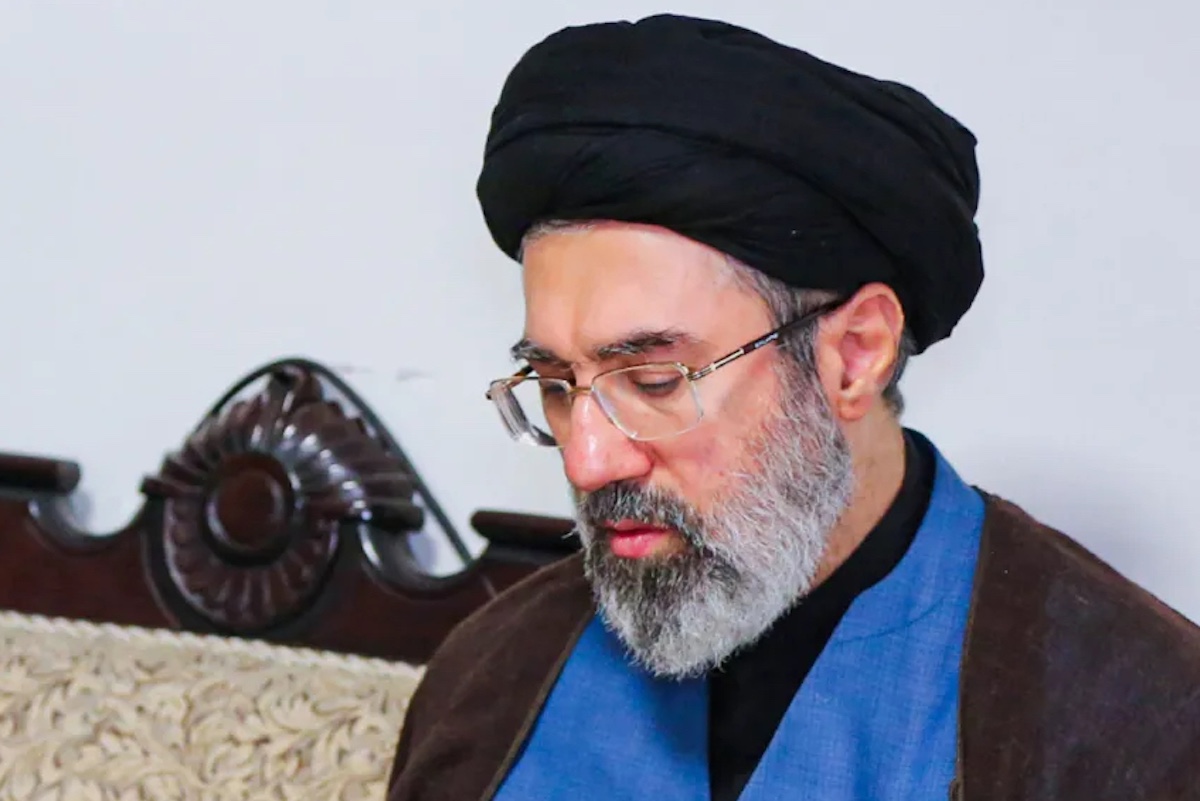
    In a significant escalation of Tunisia’s political crackdown, an appeals court has increased the prison sentence of prominent opposition leader Rached Ghannouchi to 20 years. The verdict, delivered Tuesday, centers on allegations of “conspiracy against the internal security of the state” in what authorities term the “Conspiracy 2” case targeting President Kais Saied’s opponents.

    Ghannouchi, who has been incarcerated since 2023, initially received a 14-year sentence. This latest judicial decision brings his cumulative prison term to over four decades. According to legal representatives, the 81-year-old intellectual has opted against appealing to the supreme court, citing profound concerns about judicial impartiality and what he characterizes as politically motivated proceedings.

    The case forms part of a broader pattern of suppression since President Saied’s consolidation of executive powers in July 2021. Approximately twenty individuals face similar charges, including Saied’s former chief of staff Nadia Akacha and ex-Prime Minister Youssef Chahed, who currently resides abroad. These defendants stand accused of establishing a “secret security apparatus” allegedly operating through Ghannouchi’s Ennahda party.

    Parallel sentencing developments include retired military officer Kamel Bedoui, whose punishment similarly increased from 14 to 20 years. Absentee defendants Akacha and Rafik Abdessalem (Ghannouchi’s son-in-law) received upheld sentences of 35 years imprisonment.

    This ruling follows a previous major conspiracy trial concluded in November, which resulted in prison terms ranging from 5 to 45 years for 34 political opponents. Until Saied’s power consolidation, Ghannouchi’s Ennahda movement—which emerged victorious following Tunisia’s 2011 revolution—played a dominant role in the nation’s political landscape. The former parliament speaker saw his institution dissolved when Saied dismissed the prime minister and suspended legislative operations.

    International and local human rights organizations have consistently condemned these proceedings as lacking due process guarantees, warning of significant democratic backsliding and erosion of civil liberties in the North African nation.

  • Russia says India has not said it will halt oil purchases

    Russia says India has not said it will halt oil purchases

    The Kremlin has officially stated that it has received no communication from the Indian government regarding any intention to cease purchasing Russian crude oil, directly contradicting claims made by former US President Donald Trump about a bilateral trade agreement.

    Kremlin spokesman Dmitry Peskov addressed reporters on Tuesday, emphasizing that Moscow had not been notified of any changes to the energy partnership between Russia and India. This statement came in response to Trump’s assertion on social media that he had negotiated a trade deal with Indian Prime Minister Narendra Modi that included tariff reductions and a commitment from India to stop buying Russian oil due to the ongoing conflict in Ukraine.

    Trump announced he had reduced tariffs on Indian goods from 25% to 18%, reversing previous reciprocal tariffs imposed specifically in response to India’s continued purchases of Russian energy. While Prime Minister Modi publicly thanked Trump for the ‘wonderful’ phone conversation and tariff relief, he notably omitted any reference to halting oil imports from Russia in his official statements.

    The energy relationship between Moscow and New Delhi has expanded dramatically since Western sanctions reshaped global oil markets following Russia’s 2022 military operations in Ukraine. India emerged as a major purchaser of discounted Russian crude, with imports reaching approximately 1.8 million barrels per day in 2024, representing nearly 36% of India’s total crude imports.

    Despite the strong energy ties, bilateral trade remains heavily imbalanced at $68.7 billion for the 2024-25 period, with Russian energy exports dominating while Indian exports to Russia accounted for less than $5 billion. The partnership has continued to strengthen, with Russian President Vladimir Putin personally assuring ‘uninterrupted shipments’ during his late 2025 visit to New Delhi.

    Market analysts note that Trump’s previous tariff imposition had already impacted energy flows, with Indian media reporting a 38% monthly decline in Russian oil imports following the implementation of reciprocal tariffs, according to Commerce Ministry data.

  • Collision between migrant speedboat, Greek coast guard vessel leaves at least 14 dead

    Collision between migrant speedboat, Greek coast guard vessel leaves at least 14 dead

    A devastating maritime accident occurred in the eastern Aegean Sea near the Greek island of Chios on Tuesday, resulting in significant loss of life when a speedboat carrying migrants collided with a Hellenic Coast Guard patrol vessel. According to official statements, at least 14 individuals perished in the incident, while rescue operations continue to locate potentially missing passengers.

    The coast guard confirmed that 24 migrants, including approximately 11 children, were successfully rescued from the waters and transported to the local hospital on Chios for medical treatment. Two coast guard officers also sustained injuries during the collision and received hospital care. The exact number of passengers aboard the migrant vessel remains undetermined, complicating rescue efforts.

    Emergency response teams have deployed substantial resources to the area, including four patrol vessels, an air force helicopter, and a privately-operated boat carrying professional divers. Video documentation from local media outlets depicted distressing scenes of survivors being carried ashore in blankets, with children visibly injured and limping as they were guided toward emergency vehicles with flashing lights.

    Michalis Giannakos, head of Greece’s public hospital workers’ union, reported that medical staff were placed on high alert to manage the sudden influx of casualties, with several patients requiring immediate surgical intervention. The circumstances surrounding the collision remain under investigation, with authorities yet to determine the precise sequence of events or identify the nationalities of those involved.

    This tragedy occurs within the broader context of migration patterns through Greece, which serves as a primary entry point to the European Union for individuals fleeing conflict and economic hardship across the Middle East, Africa, and Asia. The short but hazardous crossing from the Turkish coastline to nearby Greek islands has frequently resulted in fatal accidents, though increased patrols and allegations of pushback operations have reportedly reduced crossing attempts in recent months.

    The incident highlights ongoing challenges within European migration policy, where the EU has been systematically overhauling its approach through streamlined deportations and increased detention measures. This hardening of migration policies reflects shifting political dynamics across the continent, with far-right parties gaining influence and public debate intensifying around border security and humanitarian responsibilities.

  • Hunan achieves record grain output in 2025

    Hunan achieves record grain output in 2025

    Central China’s Hunan Province has achieved an unprecedented agricultural milestone, reporting a record-breaking grain harvest of 31 million tons for the 2025 growing season. The announcement came from Provincial Governor Mao Weiming during the delivery of the annual government work report at the provincial legislative session in Changsha on Tuesday.

    Throughout the 14th Five-Year Plan period (2021-2025), Hunan maintained exceptional agricultural stability with over 4.73 million hectares of cultivated grain land. The province solidified its national leadership position in both rice and oil-tea camellia production during this period.

    Looking toward the forthcoming five-year plan commencing in 2026, Hunan has established ambitious agricultural targets. The province plans to maintain approximately 4.77 million hectares under grain cultivation while simultaneously strengthening food security measures and advancing agricultural technological capabilities.

    The provincial strategy emphasizes achieving breakthroughs in critical agricultural technologies and enhancing rural industrial development momentum. This comprehensive approach aims to create a more resilient and technologically advanced agricultural sector.

    Duan Zhao, head of a professional rice planting cooperative in Yiyang and provincial congress deputy, provided concrete evidence of this technological transformation. His cooperative has significantly improved profitability through mechanization and technological implementation.

    By adopting innovative cultivation techniques including simplified rice farming methodologies and integrated pest management systems, the cooperative has successfully reduced production costs while increasing local farmer incomes. The operation now utilizes a fleet exceeding 70 specialized machines, enabling fully automated processes from seedling transplantation to precision fertilization and pesticide application, culminating in an automated drying system.

    “The synergistic combination of advanced machinery and cutting-edge agricultural technology has reduced rice planting costs by 100 to 150 yuan per mu (0.067 hectares),” Duan confirmed, demonstrating the tangible economic benefits of Hunan’s agricultural modernization efforts.

  • Israel’s Shin Bet ‘downgrades settler assault from terror attacks to serious incidents’

    Israel’s Shin Bet ‘downgrades settler assault from terror attacks to serious incidents’

    Israel’s domestic intelligence agency Shin Bet has systematically reclassified violent acts committed by settlers against Palestinians, downgrading numerous incidents from “terror attacks” to “serious incidents” according to reports from Israel’s Kan 11 public broadcaster. This policy shift, implemented approximately one year ago, has significantly altered how security forces prioritize cases and allocate investigative resources.

    Under the revised classification framework, only attacks demonstrating “clear intent to kill” Palestinians now qualify as terrorism according to the Shin Bet’s Jewish Division. Common violent acts including arson attacks against buildings and unmanned vehicles—frequent occurrences across the occupied West Bank—now typically receive the lower classification of “serious incidents.”

    Statistical evidence reveals the practical impact of this policy: of ten documented arson attacks by masked settlers during the past month, only three were designated as terror attacks while the remaining seven were recorded as serious incidents. This reclassification occurs alongside a documented surge in settler violence throughout the West Bank.

    Critics highlight concerning patterns of impunity, noting that perpetrators are rarely detained or questioned by Israeli security forces. Numerous reports document instances where soldiers either actively participated in assaults or remained passive observers during attacks on Palestinian communities.

    One recent incident in Masafer Yatta, south of Hebron, saw dozens of settlers attacking Palestinian communities while Israeli forces reportedly stood by. Witness accounts describe soldiers encouraging settlers during acts that included setting livestock on fire and stealing property.

    Official data indicates a 25% increase in what the Israeli army terms “Israeli-Jewish terror attacks” in 2025 compared to the previous year, with 845 documented attacks resulting in four fatalities and approximately 200 injuries. Israeli rights organization B’Tselem reported in November that settlers killed at least 21 Palestinians in the two years following the October 2023 attacks, with no documented cases resulting in accountability for the perpetrators.

  • Rafah crossing receives 2nd group of Palestinians returning from Egypt to Gaza

    Rafah crossing receives 2nd group of Palestinians returning from Egypt to Gaza

    The Rafah border crossing has witnessed the return of a second contingent of Palestinian civilians to the Gaza Strip from Egypt, marking a significant humanitarian development in the ongoing ceasefire between Israel and Hamas. According to Egypt’s state-affiliated Al-Qahera News TV, these individuals—comprising war-wounded patients and their accompanying relatives—completed entry procedures on the Egyptian side before transiting back into Gaza on Tuesday.

    This repatriation follows the crossing’s official reactivation on Monday, its first operational resumption since May 2024. The movement is part of the second phase implementation of the ceasefire agreement brokered between the conflicting parties. Palestinian media confirmed that an initial group of 12 returnees arrived via bus at Khan Younis’ Nasser Medical Complex on Monday evening.

    The returning Palestinians had previously received critical medical treatment and healthcare services in Egyptian hospitals. Gaza’s health authorities emphasize the staggering scale of medical need within the enclave, reporting approximately 22,000 Palestinians requiring urgent external medical treatment, including over 400 cases classified as immediately life-threatening.

    In preparation for continued medical transfers, Egypt’s Ministry of Health has mobilized substantial medical resources, placing approximately 12,000 doctors across 150 hospitals on high alert to receive additional wounded Palestinians and patients.

    The current fragile ceasefire took effect on October 10, 2025, concluding two years of devastating conflict that Gaza health authorities report resulted in at least 71,800 Palestinian fatalities and 171,500 injuries.

  • Spain announces plans to ban social media for under-16s

    Spain announces plans to ban social media for under-16s

    In a sweeping digital protection initiative, Spain has unveiled comprehensive legislation to prohibit social media access for all children under 16 years old. Prime Minister Pedro Sánchez announced the groundbreaking measures during his address at the World Governments Summit in Dubai, characterizing social platforms as dangerous territories of “addiction, abuse, pornography, manipulation, and violence” that children were “never meant to navigate alone.”

    The proposed legislation, requiring parliamentary approval, represents one of Europe’s most aggressive regulatory responses to youth digital safety concerns. Beyond the age restriction, the framework introduces stringent new obligations for technology companies, including holding executives personally accountable for illegal or harmful content disseminated through their platforms. The measures mandate implementation of robust age verification systems that transcend mere checkbox compliance, addressing documented loopholes where Australian children bypassed protections using simple adult photographs.

    Additional provisions criminalize algorithmic manipulation that amplifies illegal content and establish new monitoring mechanisms to track how digital platforms potentially fuel societal division and hate speech. Sánchez specifically referenced investigations into AI tools like Grok, TikTok, and Instagram, aligning with broader European scrutiny exemplified by the European Commission’s probe into Grok’s alleged generation of sexualized imagery featuring real individuals.

    The political landscape presents significant hurdles, however, as Sánchez’s minority coalition government lacks parliamentary majority support. While the conservative People’s Party has expressed preliminary approval, citing previous similar proposals, the far-right Vox party opposes the measures. Technology companies have universally criticized such bans as impractical and potentially isolating for vulnerable adolescents, with Reddit currently challenging Australia’s comparable legislation in that country’s High Court.

    Spain joins a growing international movement, following Australia’s pioneering ban and coinciding with ongoing consultations in the UK regarding under-16 restrictions. France, under President Emmanuel Macron’s leadership, is pursuing similar protections for children under 15 by September’s new school year, demonstrating a consolidating European front against unregulated youth social media exposure.

  • Thai students to train in China as universities expand high-speed rail cooperation

    Thai students to train in China as universities expand high-speed rail cooperation

    In a significant expansion of Sino-Thai educational cooperation, over 40 Thai students are scheduled to undertake specialized high-speed rail training programs in China throughout 2026. This initiative follows a newly established partnership between Tianjin Railway Technical and Vocational College and Thailand’s Mahasarakham University.

    The collaboration will see 30 Thai students arriving in Tianjin this April for an intensive 40-day practical course focused on rail transit systems. Additionally, between 15 to 25 students will participate in a joint ‘2+1’ undergraduate program specializing in railway signal automatic control, representing a deepening of academic exchanges between the two nations.

    This educational partnership operates under the framework of the Luban Workshop initiative, China’s vocational training cooperation program with Belt and Road participant countries. The program aims to share technological expertise and establish standardized training protocols across participating nations.

    Since initiating cooperation in 2018, Tianjin Railway Technical and Vocational College has actively collaborated with Thai educational institutions to transfer Chinese high-speed rail standards, advanced technologies, and specialized training equipment. Notably, Chinese-developed training equipment has been integrated into Thai campus curricula and has received official designation for Thailand’s national skills competitions, demonstrating the practical implementation of this knowledge transfer.

    The partnership was highlighted during a recent visit by Mahasarakham University President Prayook Srivilai, who experienced Chinese railway technology firsthand through a subway driving simulator. This hands-on demonstration underscored the practical nature of the technological and educational exchange occurring between the two countries.

  • China unveils world’s fastest full-size humanoid robot

    China unveils world’s fastest full-size humanoid robot

    Chinese researchers have achieved a groundbreaking milestone in robotics with the unveiling of Bolt, the world’s fastest full-size humanoid robot capable of reaching unprecedented speeds of 10 meters per second. This remarkable achievement represents a significant leap forward in high-speed robotic mobility and control systems.

    The 1.75-meter, 75-kilogram humanoid platform, named after Olympic sprint champion Usain Bolt, emerged from a collaborative effort between Zhejiang University-Hangzhou Global Scientific and Technological Innovation Center, MirrorMe Technology, and Hangzhou Kaierda Welding Robot Co. The project exemplifies the successful integration of academic research capabilities with industrial engineering expertise.

    According to China Central Television, the development team has made substantial breakthroughs in critical technological areas including advanced motion control algorithms, dynamic balance maintenance, and high-power drive systems. These innovations enable Bolt to approach human-level athletic performance in controlled environments.

    Wang Hongtao, head of the Humanoid Robotics Research Institute and founder of MirrorMe Technology, personally participated in field testing to validate the robot’s movement capabilities. This hands-on approach underscores the project’s commitment to practical verification of theoretical advancements.

    The announcement comes amid rapid expansion in China’s humanoid robotics sector, which by 2025 had grown to include more than 140 domestic manufacturers and over 330 distinct robot models. Industry analysts identify 2025 as the threshold year for large-scale production and commercial deployment of humanoid robots, signaling a new era in robotic applications across various sectors.

  • Former Chinese Arts Academy president under investigation for alleged Party violations

    Former Chinese Arts Academy president under investigation for alleged Party violations

    China’s top anti-corruption authorities have initiated a comprehensive disciplinary review and supervisory investigation into Lian Ji, the former president of the Chinese National Academy of Arts. The Central Commission for Discipline Inspection (CCDI) and National Supervisory Commission formally announced the probe on Tuesday, citing suspicions of serious violations of Party discipline and national laws.

    Lian Ji, 70, whose career spans decades of public service, joined the Communist Party of China in 1975. The Shanxi native dedicated nearly thirty years of his professional life to administrative roles within the Inner Mongolia autonomous region, eventually ascending to the position of regional government vice chairman in 2003.

    His political trajectory continued with significant appointments, including his 2011 role as Standing Committee member of the CPC Gansu Provincial Committee and head of its publicity department. Lian assumed leadership of the prestigious Chinese National Academy of Arts in February 2016, overseeing the institution’s cultural and artistic development until his retirement in 2018.

    The investigation represents the latest development in China’s ongoing anti-corruption campaign, demonstrating the authorities’ continued commitment to maintaining disciplinary standards within Party ranks regardless of an individual’s retirement status or previous positions held. This case particularly highlights the scrutiny placed on cultural and educational institutions, which have recently faced increased oversight regarding compliance with Party regulations and ethical standards.