博客

  • Who is Luigi Mangione, the man who admitted to shooting a healthcare CEO?

    Who is Luigi Mangione, the man who admitted to shooting a healthcare CEO?

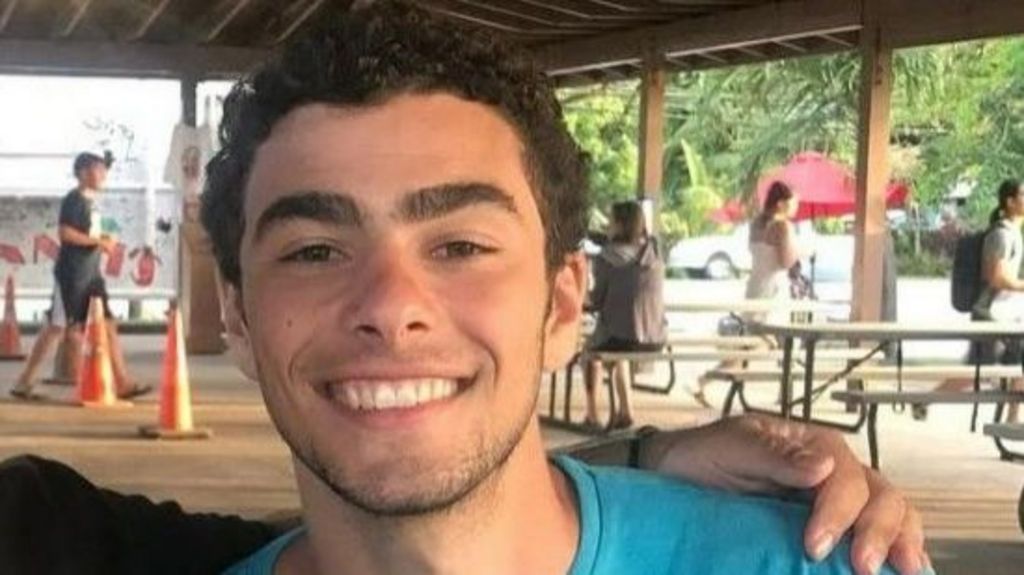
    For many who knew Luigi Mangione growing up, the 28-year-old’s trajectory seemed nothing short of promising. Born into one of Maryland’s most prominent and well-connected families, with business holdings spanning country clubs, nursing homes and local media, Mangione excelled academically from his earliest years. He graduated as valedictorian from Baltimore’s elite all-boys Gilman School before going on to earn both a bachelor’s and master’s degree in computer science from the Ivy League University of Pennsylvania, where he launched a student video game development club. After graduating, he built a career as a data engineer at automotive digital retail platform TrueCar, leaving the role in 2023. To friends and classmates, he was a sharp, unassuming person with no obvious enemies – a far cry from the man accused of one of the most high-profile corporate assassinations in recent U.S. history.

    On December 4, 2024, Brian Thompson, the 50-something CEO of UnitedHealthcare and father of two, was shot and killed outside a midtown Manhattan hotel where he was attending an industry conference. Five days later, Mangione was arrested at a McDonald’s in Altoona, Pennsylvania, where law enforcement recovered a firearm, ammunition, multiple fake identification cards, a large sum of cash, and a handwritten note expressing hostility toward corporate elites that included the line “frankly, these parasites had it coming.” For nearly 20 months following his arrest, Mangione was held without bail at Brooklyn’s notorious Metropolitan Detention Center, the same facility currently housing music mogul Sean “Diddy” Combs.

    Initially, Mangione pleaded not guilty to the murder, denying any involvement in Thompson’s killing. But on August 14, 2026, in a dramatic shift during his federal court proceeding, Mangione changed his plea to guilty, formally admitting to two counts of interstate stalking that resulted in Thompson’s death. “I shot Mr. Thompson in Manhattan and he died,” he told the court in a calm confession. He went on to explain his motive, tying the killing to years of debilitating chronic pain stemming from a broken back that he said left him disillusioned with the U.S. healthcare system. He told the court he had researched Thompson’s schedule and learned the executive would attend the New York conference before traveling to the city to carry out the attack.

    The guilty plea has set off a new legal process, with Mangione’s federal sentencing scheduled for December 2026. He still faces a separate slate of state charges in New York, where a trial is set to begin this September. Those charges include second-degree murder, six counts of criminal weapon possession, and one count of possession of a forged driver’s license. Following his federal guilty plea, Mangione’s legal team has filed motions to dismiss the majority of the state charges, leaving only the forged identification count in play.

    Details that have emerged in the lead-up to the plea paint a picture of a man increasingly undone by chronic unmanaged pain. Friends confirm Mangione underwent back surgery after injuring the area while surfing and hiking during a stint living in a Hawaii co-living surfing community, where he left early due to worsening symptoms. In November 2024, his mother filed a missing person report with San Francisco police, noting she had not heard from her son since July that year. That report was later flagged to New York investigators following the shooting. When contacted by police, Mangione’s mother did not confirm her son was the suspect but told authorities “it might be something that she could see him doing.”

    Online records tied to Mangione further reveal his preoccupation with chronic back pain and anti-establishment ideology. An X profile believed to be his uses a spinal X-ray showing surgical hardware as its background image. A Reddit account linked to him detailed struggles with persistent pain and brain fog, and a Goodreads account under his name showed he read two books about back pain in 2022, including *Crooked: Outwitting the Back Pain Industry*, a critique of the commercial back pain treatment industry. He also left a four-star review for *Industrial Society and Its Future*, better known as the manifesto written by Ted Kaczynski, the domestic terrorist known as the Unabomber who killed three people in a decades-long bombing campaign. In the review, Mangione acknowledged Kaczynski was a violent man but referred to him as a political revolutionary.

    The shocking killing has left Mangione’s family and community reeling. Shortly after his arrest, his cousin Nino Mangione, a Republican state legislator in Maryland, released a statement saying the entire family was “shocked and devastated,” adding “We offer our prayers to the family of Brian Thompson and we ask people to pray for all involved.” Local defense attorney Thomas Maronick, who knows the Mangione family, told the BBC the crime was completely out of step with what anyone knew of the family or Luigi. “You wouldn’t think someone of privilege or means from a family that’s known for doing so much for the community would do something like this,” he said. Even former roommate RJ Martin, who recalled Mangione never complained about his pain but acknowledged it often stopped him from doing everyday activities, said he never could have imagined his former roommate would harm another person. “There’s no making sense of it,” Martin added.

  • Lions and tigers begin a long-awaited rescue from a notorious Argentine zoo

    Lions and tigers begin a long-awaited rescue from a notorious Argentine zoo

    A landmark large-scale animal rescue mission launched Friday in Luján, Argentina, as teams of animal welfare specialists began moving 30 malnourished, neglected lions and tigers out of the abandoned Luján Zoo, where they had spent years confined in cramped, unsanitary concrete enclosures. The big cats will travel thousands of miles to purpose-built wildlife sanctuaries in South Africa and the United States, marking one of the largest coordinated captive big cat relocations in global history.\n\nThe shuttered zoo sits roughly 43 miles northwest of Argentina’s capital Buenos Aires, and the big cats’ fates have hung in uncertainty since the facility was forced to close in 2020. Argentine regulators shuttered the attraction after repeated safety violations and widespread animal abuse reports, as the zoo was once notorious for allowing visitors to directly handle big cats and pose for photos with them. At the time of closure, nearly 200 big cats were held at the site. When international animal welfare organization Four Paws, which is leading the current rescue, first arrived to coordinate a long-term solution in 2023, only 112 animals remained, and that number dropped to 62 by 2025 when the group gained full control of the property.\n\nDecades of improper care have left many of the surviving big cats with severe chronic health conditions. Many struggle to walk due to obesity, extreme muscle atrophy, and years of unbalanced, inadequate nutrition. Others live with untreated dental disease, chronic kidney illness, lifelong complications from invasive declawing procedures, and old injuries that never received proper medical care. “That alone shows the level of overcrowding and the conditions in which these animals have endured,” noted Luciana D’Abramo, Four Paws’ program director for the operation. “We are putting everything into making this go as smoothly as possible so we can celebrate that 30 lives have improved because of this effort.”\n\nIn preparation for the transfer, Four Paws staff worked for months to train most of the big cats to enter the reinforced jumbo transport crates voluntarily to reduce stress during the move. For animals that could not be acclimated, veterinarians administered gentle sedation to keep them calm. On the first day of operations, two sedated tigers were carefully lifted in padded canvas slings and carried by hand to their crates to prepare for departure.\n\nOnce loaded, the big cats will be separated into two groups for their long-distance journeys. Fifteen cats – nine tigers and six lions – will be flown to Lionsrock, Four Paws’ purpose-built big cat sanctuary in South Africa. The site spans 148 acres of natural, open enclosure and is already home to more than 80 rescued big cats from across the globe. The remaining 15 animals, eight tigers and seven lions, will travel to The Wild Animal Sanctuary, a vast grassland refuge located northeast of Denver, Colorado, where hundreds of rescued exotic animals roam free in large, natural habitats.\n\nThe intercontinental journey presents significant logistical challenges. The group bound for Colorado will route through Chile before continuing to the United States, while the South Africa-bound cats will fly to Johannesburg via either Frankfurt or Amsterdam, followed by a four-hour overland drive to the Lionsrock sanctuary.\n\nBefore this first wave of transfers, Four Paws already began improving conditions for the big cats remaining at the former zoo: the organization retrained the site’s former staff in modern, humane animal welfare practices, upgraded the cats’ diets to meet their nutritional needs, and implemented consistent, high-quality veterinary care for sick and injured animals. More than 30 big cats will remain at the Luján site temporarily as the organization continues to arrange permanent sanctuary placement for every remaining animal.

  • Netanyahu brands Britain an ‘Islamic republic’ as it prepares Israel sanctions

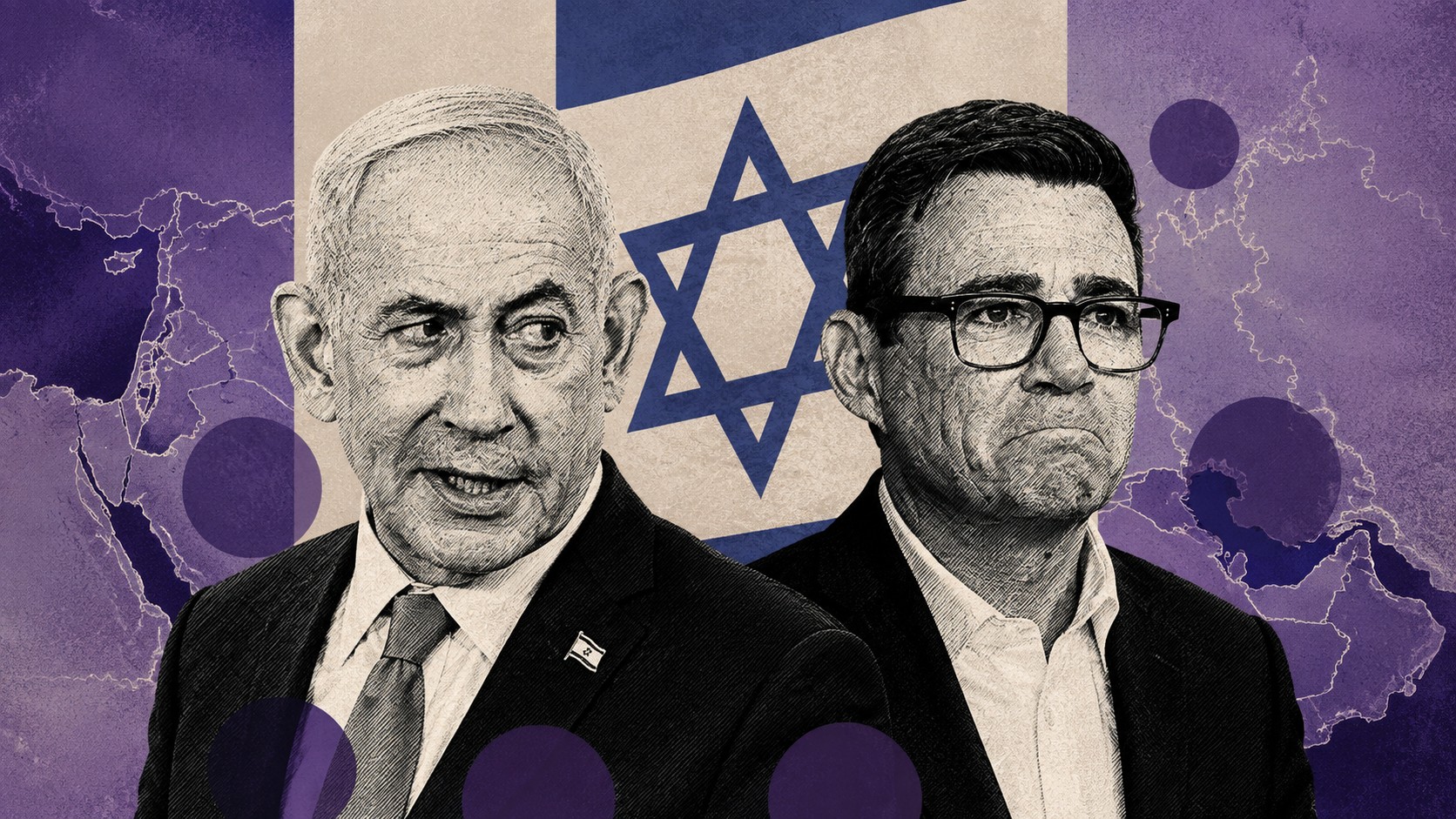
    Netanyahu brands Britain an ‘Islamic republic’ as it prepares Israel sanctions

    In a stunning and incendiary remark that has reignited debate over the tense relationship between Israel and one of its longest-standing European allies, Israeli Prime Minister Benjamin Netanyahu has branded the United Kingdom an “Islamic republic” in comments that lay bare his frustration with shifting public and political attitudes toward Israel’s actions in Gaza and the occupied Palestinian territories.

    The comments were made during an interview with Israel’s Army Radio, where Netanyahu contrasted the current UK media landscape with the widespread favorable coverage Israel received during the 1967 Arab-Israeli War. That conflict, which began with a surprise Israeli pre-emptive strike on Egypt, concluded with Israeli forces seizing control of key territories including the Gaza Strip, the West Bank, East Jerusalem, Egypt’s Sinai Peninsula, and Syria’s Golan Heights — territorial holdings that remain at the core of the decades-long Israeli-Palestinian conflict to this day.

    “Try to find that [1967-style favorable coverage] now in Britain, which you could call the Islamic republic of Britain,” Netanyahu told the interviewer. When the host pressed whether the same shift could be seen across the entire European continent, Netanyahu doubled down, claiming: “Yes, but you know, someone said the first Islamic republic with nuclear weapons will be the Islamic republic of Britain.”

    The Islamophobic remarks come at a pivotal moment in UK-Israel relations, multiple sources familiar with UK government planning told Middle East Eye. Downing Street is set to unveil a package of new policy measures targeting Israeli settlement activity in September, headlined by a proposed ban on imports of goods produced in Israel’s illegal West Bank settlements. The Foreign Office is also drafting plans to impose new targeted sanctions on individuals and groups connected to the Israeli settler movement that has expanded illegal housing and seized Palestinian land in the occupied West Bank.

    Critics have pointed out that Netanyahu’s inflammatory rhetoric ignores the long history of consistent UK support for Israel, even amid the current Gaza conflict. In July 2025, the newly elected Labour government under Prime Minister Keir Starmer designated the activist group Palestine Action as a proscribed terrorist organization. The group, which carried out targeted direct action at factories and facilities owned by companies supplying arms to Israel, now faces sweeping legal restrictions: membership and public expressions of support carry a maximum prison sentence of 14 years under UK counterterrorism law. Since the ban came into force, police have arrested more than 3,000 people and brought terrorism charges against over 1,200 activists.

    Beyond domestic crackdowns on pro-Palestine activism, the UK has provided direct operational support to Israel during its military campaign in Gaza. UK military forces carried out surveillance flights over Gaza and shared collected intelligence with the Israeli military, while the Ministry of Defence ran ongoing training courses for Israeli military personnel — only halting new participation in these programs late in 2025.

    This contradiction between emerging pressure to hold Israel accountable and long-standing military and political support is equally visible in UK arms export policy. In September 2024, the Labour government suspended 29 existing arms export licences for Israel after a government review concluded there was a “clear risk” that British-manufactured equipment could be used to violate international humanitarian law in Gaza. Then-Foreign Secretary David Lammy was quick to clarify that the move was “not an arms embargo”, preserving the vast majority of existing military trade links. By February 2026, Israel remained eligible for exports under 395 active, non-suspended UK licences. 203 of these cover military goods, with the total maximum value of non-F-35 military export licences reaching £130 million.

    UK support has also extended to Israel’s regional confrontations beyond Gaza. When the United States launched strikes against Iranian targets in March 2026, Starmer authorized US forces to use British military bases in the region to carry out the operations. Current Prime Minister Andy Burnham, who took over from Starmer, has continued to grant the US this access as of July 2026, backing a regional conflict that Netanyahu has long pushed for Western powers to join.

  • Mexico’s Indigenous chief justice hits back at discrimination

    Mexico’s Indigenous chief justice hits back at discrimination

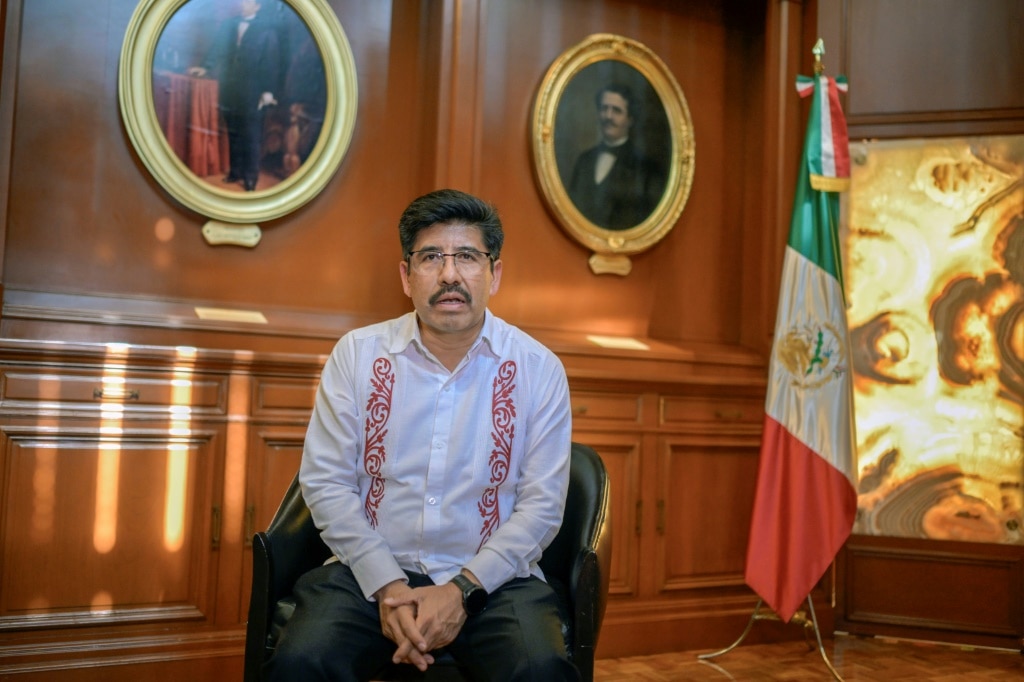
    For the first time in nearly two centuries, an Indigenous individual leads Mexico’s highest judicial body, and the newly sworn-in chief justice is opening up about the constant prejudice he faces because of his heritage.

    Hugo Aguilar, 53, a member of the Mixtec community hailing from the small Indigenous town of San Agustin Tlacotepec in Oaxaca, made history last year when he won the first popular election for Mexico’s Supreme Court presidency. He is only the second Indigenous leader to ever hold this position, following the iconic Benito Juarez — Mexico’s first Indigenous president, who led the top court between 1857 and 1858, whom Aguilar calls his lifelong inspiration.

    Aguilar credits his groundbreaking appointment entirely to a judicial voting reform pushed forward by Mexico’s leftist national government. Under the new policy, top court leaders are selected via public popular vote instead of exclusive internal appointment. “Without the reform, I wouldn’t be here,” Aguilar shared in his first interview with an international media outlet since taking office, speaking to Agence France-Presse. He recalled that prior to the reform, even entering the Supreme Court building felt like an unattainable milestone for someone of his background.

    Dressed in a traditionally embroidered white shirt, Aguilar has spent his entire legal career advocating for Indigenous rights and marginalized communities. He has pushed back forcefully against two of the most common criticisms leveled against him and the new reform.

    Opponents of the reform, including Mexican opposition parties and many legal experts, have argued that the policy politicizes the judiciary, claiming the ruling coalition pushed favored candidates including Aguilar to secure the top position. Critics have also labeled Aguilar a puppet of the previous administration led by Andres Manuel Lopez Obrador and current President Claudia Sheinbaum. Aguilar rejects these claims outright: “If I were a government pawn, I would have been appointed to the Supreme Court five or six years ago,” he said.

    He also hit back at widespread discrimination he encounters on a daily basis, noting that almost all attacks on him center on his Indigenous identity rather than his professional work or judicial rulings. “The criticism directed at me is because I am Indian,” he explained. Detractors, he said, assume that because of his background, “he has no prospects, no ability, no knowledge, no aptitude.”

    Addressing concerns about judicial politicization, Aguilar made clear that the court will remain strictly independent of political interests. “Everyone thought the court was going to step into the realm of judicial activism, issuing rulings with no legal basis… That is completely out of the question,” he insisted.

    Aguilar acknowledged that the reform is a long-term project to fix deep-rooted problems in Mexico’s justice system, including widespread corruption that has plagued the institution for decades. He urged the public to give the new system time to deliver results, noting that “there’s a set of deeply ingrained habits that are hard to break.”

    In his first months in office, Aguilar highlighted early progress the court has made, including cutting the persistent backlog of unresolved cases and expanding access to justice for low-income and marginalized communities.

    Outside of his work at the court, Aguilar recalled his childhood growing up in his rural Mixtec village, where he spent much of his time caring for the land and connecting with nature. He said he plans to return to that quiet, community-focused lifestyle once his term ends, and he has no plans to abandon his roots. “My mother told me that the day I change will be the day I don’t return to the village,” he said. Emphasizing that power and social status should not create distance between leaders and the communities they serve, he added, “It shouldn’t make us unreachable.”

  • ‘De facto annexation’: Israel to shift civilian enforcement in West Bank from army to police

    ‘De facto annexation’: Israel to shift civilian enforcement in West Bank from army to police

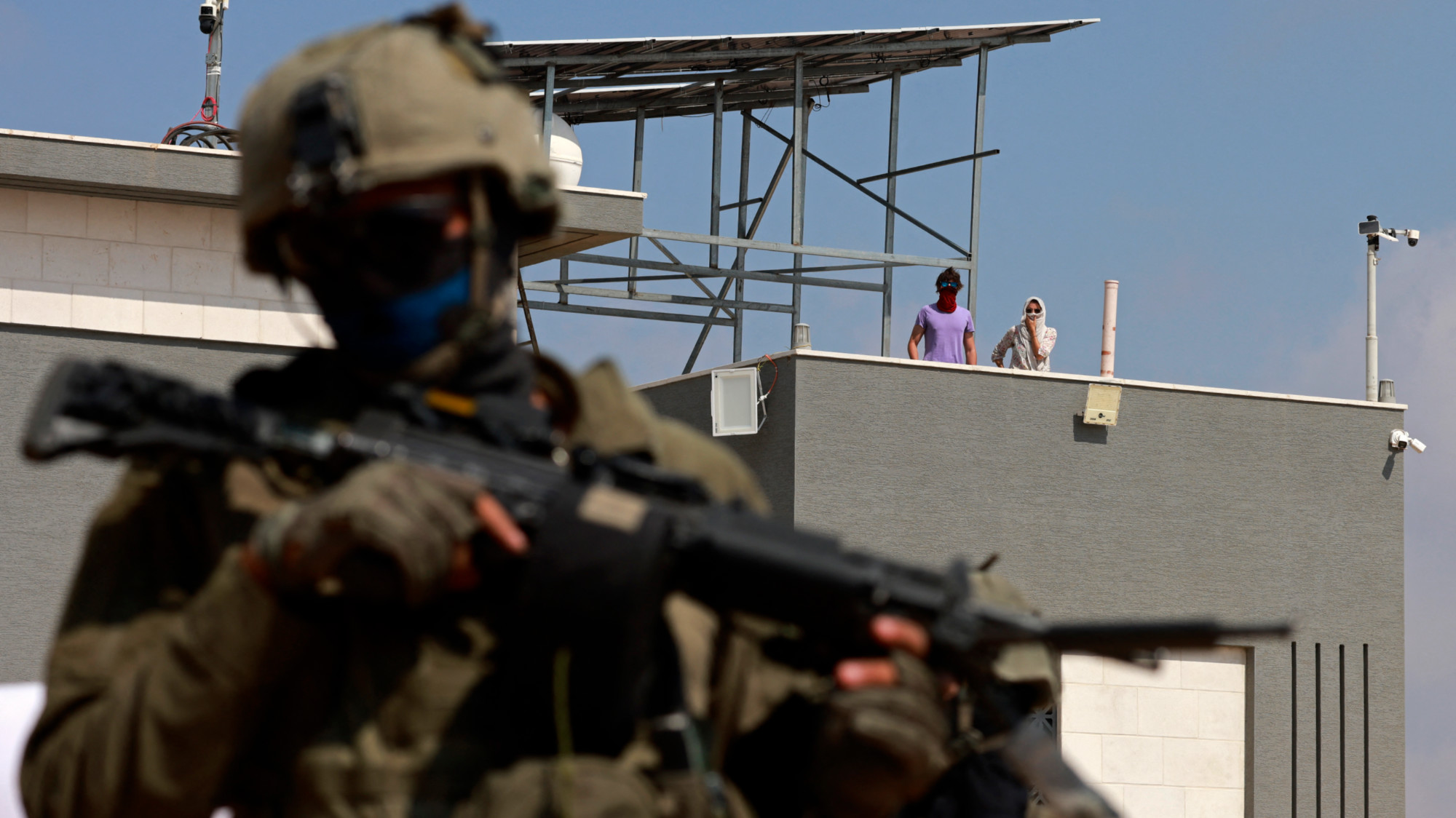
    In a controversial step that analysts and regional observers warn further advances the de facto annexation of Israel’s occupied Palestinian West Bank, Israeli Defense Minister Israel Katz announced Friday he has ordered the country’s military to draft a plan that would transfer all civilian law enforcement powers in the territory from the Israel Defense Forces (IDF) to national civilian police.

    According to a statement from Katz’s office, the proposed restructuring would task civilian police with building a dedicated force to manage all civilian-related matters in the West Bank, while allowing the military to refocus its resources exclusively on counterterrorism operations targeting Palestinian groups and securing national borders and Israeli communities in the region. Katz argued that the shift aligns with Israel’s governing structure, noting that civilian police oversee civilian affairs in every other part of the State of Israel.

    Notably, Friday’s announcement was rolled out without prior coordination with either the IDF or Israel’s national police force. Still, Israeli outlet Israel Hayom reported that military leadership has openly welcomed the proposal and has pushed for the administrative shift for weeks. The push comes in direct response to a request from IDF Chief of Staff Eyal Zamir, who has called for a reduction of the military’s growing non-combat workload in the West Bank amid plans to expand existing Israeli settlements and establish new outposts in the occupied territory.

    Two weeks prior to Katz’s announcement, Zamir told the Israeli cabinet that the IDF’s civilian responsibilities in the West Bank have expanded far beyond the force’s core mission, particularly as new settlements are set to be constructed. He specifically pushed back against the requirement that IDF soldiers intervene to address unrest caused by extremist Israeli settlers accused of intimidating and attacking local Palestinian communities, saying the arrangement is untenable. While Zamir confirmed the military has worked alongside police on these matters, he argued it is past time for the IDF to end its involvement in civilian law enforcement tasks. As of Friday, military spokespersons confirmed the IDF has begun preliminary internal staff work to assess a potential redivision of authority between Israeli security bodies operating in the West Bank.

    The announcement has already exposed internal political rifts within Israel’s governing coalition. National Security Minister Itamar Ben Gvir, who holds oversight authority over the national police force, was not notified of Katz’s planned statement ahead of its public release. As of Saturday, Ben Gvir has not issued any public comment on the proposal. But far-right settler leaders have been quick to praise the announcement, calling for further steps to formalize Israeli control over the entire occupied territory.

    Israel Ganz, head of the Regional Binyamin Council which represents Israeli settlements in the central West Bank, said Katz’s order should be followed by the formal cancellation of the 1993 Oslo Accords and the imposition of full Israeli sovereignty over the West Bank. “The time has come to move from temporary management to the full application of Israeli law,” Ganz stated.

    A critical detail that has amplified international and expert concern is that Katz’s statement applies to the entire West Bank, with no distinction drawn between the territory’s three administrative zones outlined in the Oslo Accords: Areas A and B, where the Palestinian Authority holds formal civilian control, and Area C, which remains under full Israeli civilian and military authority. While Israel has never formally announced a full annexation of the West Bank — a territory it has occupied militarily since the 1967 Six-Day War — regional and international policy experts have noted that the Israeli government has implemented a series of incremental measures over the past year that amount to de facto annexation. These measures include a consistent push to expand the role of Israeli civilian administrative bodies in the occupied territory while gradually rolling back the military’s formal authority over areas it has long controlled. Under both international law and Israeli domestic law, the IDF is recognized as the official occupying authority in the West Bank and holds all enforcement powers, including those covering civilian governance.

    Katz’s announcement also comes against a backdrop of a sharp, well-documented surge in extremist settler violence targeting Palestinian communities across the West Bank. Just days before the defense minister’s statement, dozens of Israeli settlers besieged multiple Palestinian homes in the village of Qusra, located south of the West Bank city of Nablus. Despite public commitments from the IDF that it would remove the settlers from the site, the group remained in place as of Friday.

    Veteran Ynet military correspondent Ron Ben-Yishai, who has covered the Israeli-Palestinian conflict for decades, recently argued that the IDF, national police, and Israel’s internal Shin Bet security service have become unable to enforce rule of law in the West Bank. He wrote last week that a small faction of extremist settlers has effectively become the de facto sovereign in large swathes of the territory, with the IDF limited to securing the settlers’ presence and carrying out their demands. Responding to Katz’s announcement Friday, Ben-Yishai confirmed the plan amounts to a formalization of de facto annexation. He also raised questions about the legality of the proposed shift, and noted that the Israeli national police currently lacks the sufficient number of officers required to effectively take over civilian authority across the entire West Bank.

  • Taliban govt to mark five years ruling Afghanistan

    Taliban govt to mark five years ruling Afghanistan

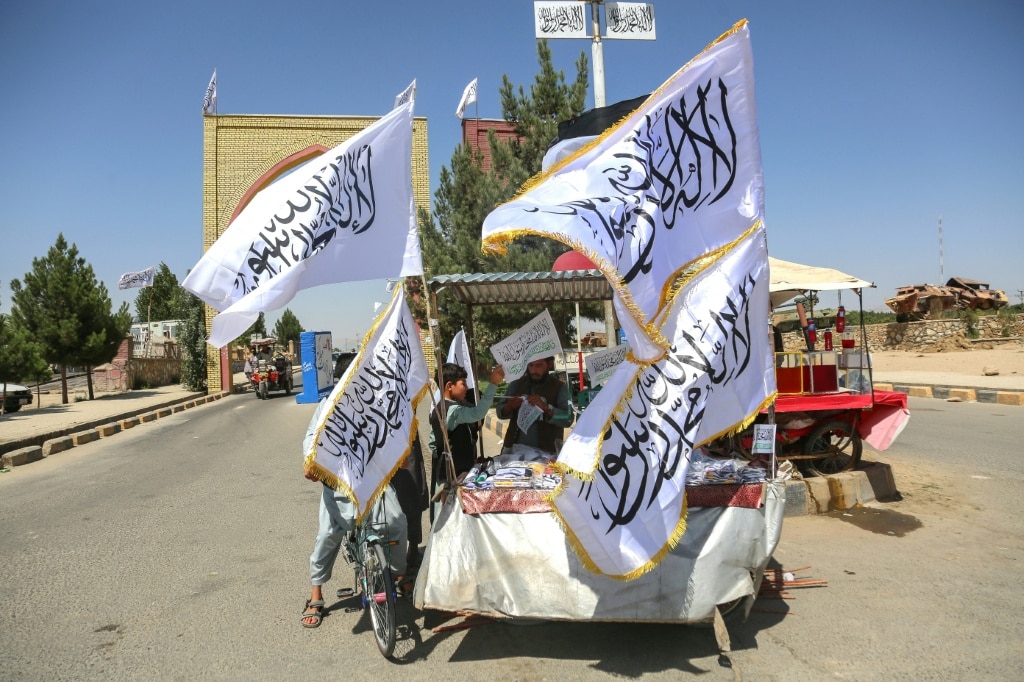
    As the Taliban government of Afghanistan prepares to mark the fifth anniversary of its seizure of power this Saturday, the country is split sharply between the ruling regime’s triumphant rhetoric and the grim reality of widespread human rights restriction, economic instability, and deep public hardship. In the capital Kabul, authorities have spent weeks decking city streets with the bright white flag of the Islamic Emirate of Afghanistan, alongside large new murals that frame the takeover as a historic moment of national self-determination, reading: “Independence is a sign of dignity, pride and identity”.

    The anniversary celebration lineup includes a high-profile cricket match and a series of other sporting events, from which girls and women are completely banned from attending, matching broader gender-based restrictions imposed across the country. Thousands of supporters are expected to gather at key sites across Kabul on the exact date that Taliban insurgents entered the capital in 2021, capping a rapid blitz offensive that toppled the Western-backed government days after the completion of the chaotic withdrawal of US-led international military forces.

    Ahead of the anniversary, the Taliban has put on public display military vehicles abandoned by retreating foreign troops, including a dust-covered Humvee emblazoned with footprints and decorated with string fairy lights, a deliberate showcase of the regime’s claimed victory over foreign occupation. For some Afghans, particularly younger residents who have known only Taliban rule, the regime has delivered on core promises of stability after decades of conflict. Twenty-year-old university student Pirooz Mirzaie, who spoke to AFP among street vendors selling anniversary flags, said the government had improved national security, launched new infrastructure projects, and opened “plenty of opportunities for entrepreneurs”. Still, Mirzaie acknowledged a critical unmet challenge: “The biggest challenge for young people is that there aren’t many jobs.”

    Taliban chief spokesman Zabihullah Mujahid has pushed back against criticism of the country’s economic trajectory, saying earlier this month that authorities are laying the “foundations of the economy” and asking the public for patience. Economic data presents a mixed picture: the World Bank has projected real GDP growth of 4.8 percent for 2025, but per capita GDP has declined sharply in recent years, driven in large part by the arrival of more than six million Afghan refugees returning from neighboring Iran and Pakistan over the past three years.

    Beyond economic struggles, critics and international observers warn that five years of Taliban rule have brought a relentless rollback of civil liberties, with restrictions that touch nearly every sphere of daily life. Though the Taliban has secured diplomatic engagement with governments across Europe and other regions, only Russia has formally recognized the regime. Relations with key neighbor Pakistan have collapsed into open armed conflict this year, worsening an already severe humanitarian crisis that was triggered by deep cuts to international aid following the 2021 takeover.

    Many major world powers have refused to normalize relations with the Taliban until the regime reverses its restrictions on human rights, a move the United Nations says is urgently needed to address “very real harm” being inflicted on the Afghan population. Fiona Frazer, human rights director for the UN Assistance Mission in Afghanistan (UNAMA), told AFP that Afghans have endured the “consolidation of suffocating restrictions that intrude on almost every aspect of their daily lives, and their human rights.”

    Women and girls have borne the brunt of these restrictions: they are banned from most formal employment, barred from entering public recreational spaces including parks, and prohibited from accessing secondary and higher education for girls older than 12. Speaking to AFP on condition of anonymity over fears for her safety, a 23-year-old Afghan woman described the constant oppression of life under Taliban rule: “I felt a profound sense of suffocation. The five years have been so gruelling that I feel like a 500-year-old woman, one who cannot die.”

  • Ex-Cambridge professor at centre of plagiarism scandal found dead

    Ex-Cambridge professor at centre of plagiarism scandal found dead

    A 41-year-old academic who made history as the University of Cambridge’s youngest Black professor, before resigning last week amid a heated plagiarism scandal, has been found dead in south London, the elite British university confirmed.

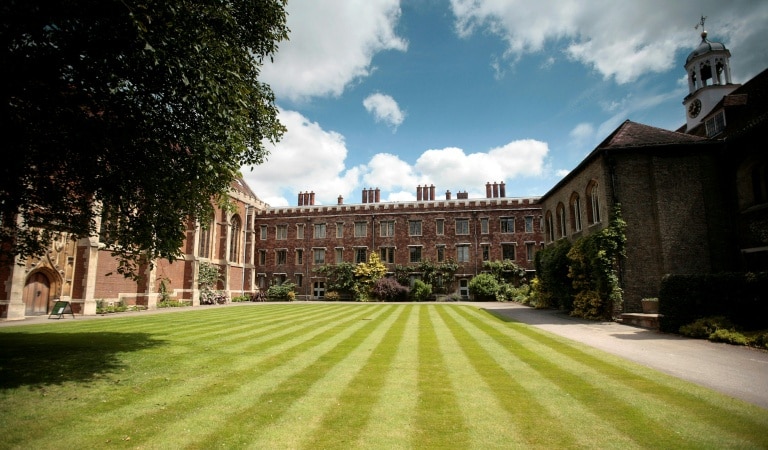
    Jason Arday, who left his post as a professor and his fellowship at Jesus College on 5 August following the eruption of multiple public accusations, was found unresponsive on Friday afternoon at a residential address in the Battersea neighborhood of London. London’s Metropolitan Police Service confirmed that officers were called to the site by the London Ambulance Service, and that the 41-year-old man was pronounced dead at the scene. Next-of-kin have been notified, and police said the death is currently treated as unexpected but not suspicious. A full report will be prepared for the local coroner, with the investigation ongoing under the Met’s Central South Command Unit.

    “We are desperately saddened to hear this tragic news,” University of Cambridge Vice-Chancellor Deborah Prentice said in an official statement. “Our heartfelt sympathies go to Jason Arday’s family and friends at this incredibly difficult time.”

    UK Education Secretary Lucy Powell also released a statement saying she was “deeply shocked and saddened” by the news, calling on the public to respect the family’s privacy during the grieving period, reminding people “there are real people with loved ones involved.”

    The controversy that engulfed Arday began in July, when Nathan Cofnas, a US academic and self-described “race realist” whose research affiliation with Cambridge ended earlier this 2024 over his own allegations of racism, published public claims that Arday had plagiarized multiple sections of his doctoral dissertation from other scholars’ work. Right-wing British newspapers and commentators quickly amplified the allegations, arguing Arday had been given an unfair advantage through the university’s diversity, equality and inclusion (DEI) hiring policies.

    Major UK outlets including The Times and The Telegraph published a series of investigative pieces that also disputed other claims Arday had made about his personal life, including assertions he had run 30 marathons in 35 days and raised millions of pounds for charity.

    Shortly after the university launched formal probes into the allegations, Arday announced his resignation. In a public letter posted online following his exit, he wrote that stepping down was “the only way” to end a “difficult period,” but stressed the decision should not be “mistaken for an acceptance of the narratives that have surrounded me.” In an interview with The Times earlier this August, Arday acknowledged he had made academic “mistakes” in his work, but pushed back against claims he was an “academic fraud,” arguing the campaign to remove him from his post was racially motivated.

    The scandal quickly fractured the Cambridge campus and wider academic community, with two competing factions issuing open letters to university leadership. One group of senior academics called for an independent investigation into Arday’s appointment, while other scholars signed a separate letter in support of Arday, rejecting attempts to use the controversy to generalize about minority academics.

    Earlier this week, Prentice addressed the growing divide, describing the alleged misconduct as “an aberration” and promising a thorough, transparent probe that would include independent academic investigators from outside Cambridge. She also stressed that the controversy should not be used “to cast aspersions” on other ethnic minority academics working at the institution.

    Just one day before Arday’s death, his memoir *Great and Unfortunate Things* was published in the United States, with a UK release scheduled for later this August. The book has also come under public scrutiny amid the ongoing scandal.

  • Dozens injured and thousands evacuated in Croatia wildfire

    Dozens injured and thousands evacuated in Croatia wildfire

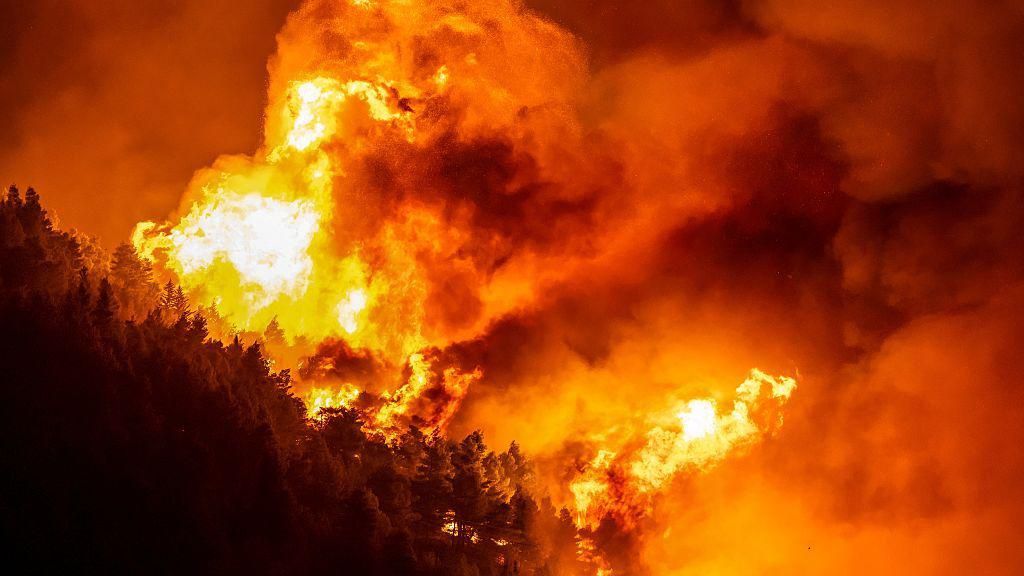
    A catastrophic wildfire that ranks among the most destructive in Croatia’s modern history has carved a deadly path across the country’s Adriatic coastline, leaving at least one person dead and nearly 40 others injured, 10 of them in intensive care, after raging through coastal communities from Thursday night into Friday morning. The inferno ignited late Thursday near the small village of Lokva Rogoznica, and rapidly advanced toward the popular coastal tourist hub of Omis, located just six kilometers away. Fanned by gale-force winds that pushed flames across dry pine-covered hillsides, the blaze spread at an unprecedented rate, consuming 1,000 hectares of land in just four hours, destroying everything in its path, including dozens of homes and parked vehicles.

    Approximately 1,200 people, both local residents and visiting tourists, were forced to flee the advancing fire, with emergency responders opening temporary shelters in multiple nearby coastal towns to house those displaced. Dramatic footage shared across social media captured apocalyptic scenes: thick black smoke choking the sky and turning it bright red, massive flames devouring vegetation, and panicked onlookers trapped as the fire cut off escape routes. Some desperate evacuees were forced to jump from their boats into the Adriatic Sea to escape the intense heat and advancing flames.

    Over 300 firefighters were deployed to contain the blaze overnight, but rapid spread and extreme conditions forced crews to repeatedly retreat to avoid being trapped. Viseslav Pesic, commander of the Omis Volunteer Fire Department, told news outlet Reuters that the intensity of the fire led many fleeing residents to abandon their vehicles directly in active fire zones, blocking access routes and slowing emergency response efforts. On Friday morning, search teams conducting sweep operations of burned-out areas discovered the body of the fire’s first fatality, and search operations continued in affected zones as of Friday afternoon.

    During an official visit to the impacted region on Friday, Croatian Prime Minister Andrej Plenkovic commended the relentless work of emergency crews, noting that the fire spread at “lightning speed” driven by powerful winds. “What the firefighters have managed to save here is truly a miracle,” Plenkovic told reporters on site. Croatia’s national fire chief Slavko Tucakovic echoed that assessment, labeling the event “one of the worst” wildfires in the nation’s recorded history.

    This devastating blaze is far from an isolated event: much of Southern Europe is currently grappling with a wave of extreme wildfire activity, driven by a record-breaking summer of prolonged heatwaves and persistent dry conditions that have left vegetation tinder-dry across the continent. In Greece, more than 200 people were evacuated by sea from a beach resort in Agios Vasileios as wildfires spread across the country. In southwestern France’s Landes region, over 500 residents were displaced by a new blaze near an area already left devastated by earlier wildfires this summer. In western Germany, 2,000 residents of the village of Gey were ordered to evacuate when a forest fire advanced toward the settlement near the Belgian border. In the United Kingdom, authorities issued an emergency “very high risk” wildfire alert to millions of people across England and Wales on Friday, as firefighters battle multiple active blazes in the West Midlands.

  • ‘Mayfair means money’: A walk through the Gulf elite’s favourite part of London

    ‘Mayfair means money’: A walk through the Gulf elite’s favourite part of London

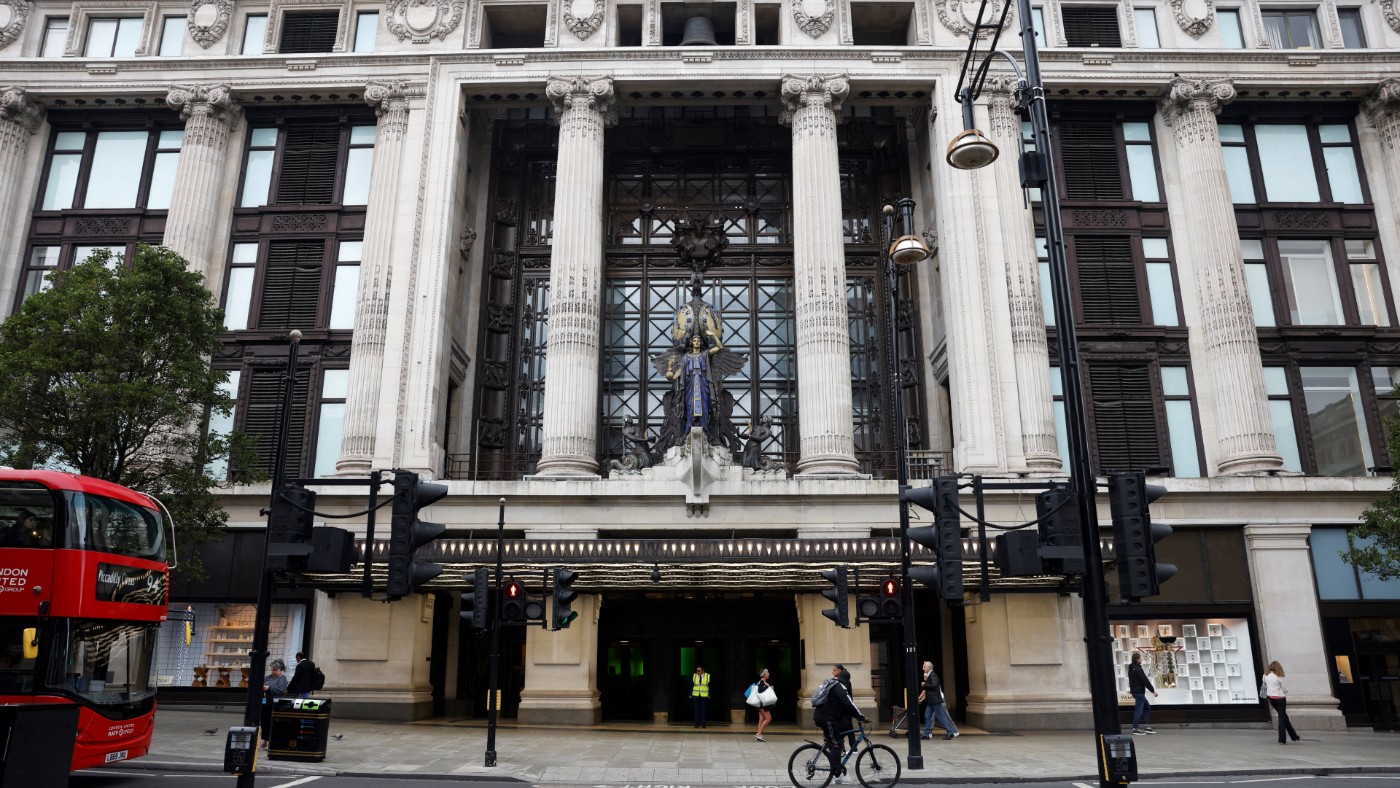
    On a sweltering Thursday morning in mid-August 2026, central London’s streets hit an unprecedented 30 degrees Celsius by 10 a.m., marking what climate officials confirm will be the United Kingdom’s hottest summer ever recorded. Just steps from Oxford Street’s iconic Selfridges department store, discarded newspapers carry headlines of spreading wildfires across the British countryside, while a unhoused man calls out for spare change under the unforgiving sun. Inside the cool, air-conditioned building, a Saudi Arabian coffee stand promotes the kingdom, a nod to the Saudi Public Investment Fund’s 40 percent controlling stake in the century-old luxury retailer.

    It was here just one week earlier that Sheikh Mohammed bin Rashid Al Maktoum, ruler of Dubai and prime minister of the United Arab Emirates, faced a rare public confrontation during a walk through nearby North Audley Street. A Sudanese protester, shouting across the road at the delegation, called out “UAE is killing people in my country, stop killing my people” over the UAE’s widely reported involvement in Sudan’s ongoing civil conflict. A member of the Sheikh’s large entourage responded by hurling a racial slur at the protester, calling him a “Black bitch”.

    As of mid-August, Sheikh Mohammed has remained in London, where he has held closed-door meetings with UAE President Sheikh Mohammed bin Zayed Al Nahyan and been photographed visiting the upscale west London neighborhood of Chelsea. For Gulf’s wealthiest citizens, however, London’s Mayfair district—home to North Audley Street, one of the most expensive addresses in the world, lined with Michelin-starred restaurants, luxury supercar showrooms and five-star hotels—has long functioned as a home away from home.

    For Gulf visitors, the annual August pilgrimage to central London blends business, leisure, and familiarity, shaped by decades of historical and financial ties between Gulf states and the UK. Inside Selfridges, 15-year-old Khaled and his 53-year-old uncle Mohammed, visiting from Dubai, framed their regular trip as a natural extension of Gulf investments in the UK. “We come to London because we have a lot of investments here and we like to help them out,” Khaled told Middle East Eye, when asked about the confrontation with Sheikh Mohammed. Dismissing the Sudanese protester as “ignorant,” he added, “We are helping Sudan. We are sending humanitarian aid. It was disrespectful.”

    His uncle, who grew up in Dubai before the oil boom transformed the emirate into a global luxury hub, echoed the sentiment. “Yes, you can have freedom of speech, but you can’t say that to a leader; it’s not respectful,” he said, noting that today’s Emirates offer instant access to any service imaginable: “you can get whatever you want within minutes. Someone will bring it to you. You don’t even have to get up.”

    The pair are part of a decades-long pattern of Gulf leadership and elite families sending young people to the UK for education, with Sheikh Mohammed bin Rashid, Sheikh Mohammed bin Zayed, and many other senior Gulf leaders all having attended British universities or received military training in the country. Khaled, who plans to enroll at a London university, says he prefers the British capital’s relatively cool summer temperatures to Dubai’s habitual 40-degree August heat, where even daily life is confined to air-conditioned spaces. Like many young Gulf visitors, he keeps his time in London limited almost exclusively to the capital’s most affluent central neighborhoods, avoiding working-class and migrant-heavy outer areas. “We don’t go to the areas where there are roadmen and lots of migrants and stabbings,” he explained, pulling up a phone map marked with what he calls “prime khaleeji hangouts”—all clustered within Mayfair, including high-end restaurants Cipriani, Ivy Asia, Sexy Fish, Supernova and Nobu.

    Khaled’s wariness of London outside its elite core is shared by many other young Gulf visitors. A Saudi woman, speaking on condition of anonymity, recalled the reaction of a 15-year-old Saudi student attending a residential summer school in the capital: the teen insists on hiring a personal bodyguard, claiming “people here are so poor they will try to stab me for my Hermes” bag. Even for middle-class Gulf families, London’s central luxury districts function as a self-contained enclave where visitors can easily encounter fellow Gulf citizens. Two teenage sisters from Bahrain, shopping in Selfridges, said they had unexpectedly run into multiple school friends during their trip, a common occurrence in Mayfair. “When we go to Harrods we see people from the Gulf, we see friends and family… It’s not hot, it’s nothing compared to back home where we spend all the time with the AC on,” the 17-year-old sister explained. Still, some aspects of London life remain unfamiliar: “We don’t really have or use public transport in Bahrain. The underground here is very crowded and chaotic. The architecture is different here too.”

    Across North Audley Street from Selfridges, at the historic Marlborough pub, temperatures continue to climb through the afternoon. Apart from a small group of regulars drinking pints, the street is dominated by Gulf visitors. Two Kuwaiti fashion and lifestyle influencers, Sarra and Elaf, pose for photos against the street’s Georgian townhouse facades, as a Bugatti supercar roars past. “We mainly spend our time here in Mayfair,” Sarra said. “We come for the weather, the people, the shopping. In our country we can’t find a lot of the brands you have here… For us, it’s good weather. We also come in November because we love the cold, and we love the Christmas vibes.”

    For local Mayfair businesses, the annual August influx of wealthy Gulf visitors is not just a seasonal trend—it is the backbone of their annual revenue. At Grays Antique Market, a historic covered market housing more than 80 independent luxury dealers, one senior jeweller says he never takes holiday in August, relying on Gulf shoppers to make his year. “They are an integral part of the business, especially in August; I can’t go away now,” he explained, noting that members of the royal families of Saudi Arabia, Bahrain, and the UAE are all regular customers. “Mayfair is the mecca of the Arab world in a way. They love fine things. The men come here to buy silver jewellery, the women come here because they know they can get brands like Cartier, Tiffany and Bulgari at a steep discount.” He added that young Gulf shoppers regularly spend four-figure sums on small luxury items, and one customer recently purchased an £18,500 piece without hesitation—half the price she would have paid back home.

    The jeweller also noted a dramatic shift in the source of luxury capital in London over the past four years. Before Russia’s full-scale invasion of Ukraine, the city was widely nicknamed “Londongrad” for the massive flow of Russian oligarch money into its luxury sector. “I used to deal with a lot of Russians, but they’ve all left like rats from a sinking ship,” he said. “The Russians still here don’t have any money.” Today, that void has been filled by capital from Gulf states, which now own major London landmarks including Selfridges and Harrods, the rival Knightsbridge department store purchased by Qatar’s sovereign wealth fund in 2010.

    At the heart of Mayfair sits Grosvenor Square, which housed the United States’ diplomatic mission to the UK from 1785 until 2018. The former embassy building has since been converted into a luxury hotel, home to the Qatari-owned Qinwan Cafe, another popular gathering spot for Gulf visitors, where three small chicken sandwiches sell for £20 and authentic Palestinian dates—familiar to Gulf visitors—are on offer. On a recent afternoon, women in abayas and men in designer polo shirts sat at outdoor tables, scrolling through social media and posting photos of their coffee to Instagram.

    For London’s working-class residents, however, Mayfair’s wealth is a distant, often stark contrast to their own economic struggles. Sitting in his delivery van outside the square, Hash, a delivery driver from south London, waited for his next job amid the 30-degree heat. “Mayfair means money,” he said, reflecting on how his own earnings have fallen over the past six years. “There was a time six years ago, when he could make £500 a day driving a delivery to Scotland and back. Now he says he is lucky to earn more than £100 a day.”

    A short walk away, long queues of Gulf tourists wait outside Marchesi, the historic 19th-century patisserie, while a Ferrari dealership glints in the midday sun on Berkeley Square. Deep underground at Green Park Underground station, temperatures climb close to 40 degrees Celsius, as station announcements warn passengers of partial line closures and severe delays across the London Underground network—an inconvenience most Gulf visitors never encounter, confined as they are to the air-conditioned comfort of Mayfair’s luxury spaces.

  • Four more belugas arrive at Chicago aquarium from shuttered Canadian theme park

    Four more belugas arrive at Chicago aquarium from shuttered Canadian theme park

    CHICAGO – A landmark cross-border animal rescue effort reached a new milestone this week as four more beluga whales completed their journey from a shuttered Canadian theme park to Chicago’s Shedd Aquarium, bringing the total number of relocated belugas at the facility to eight. This transfer marks the second group of whales moved from Ontario’s Marineland, an amusement park near Niagara Falls that permanently closed to the public in late 2024, following an initial batch of four belugas that arrived at Shedd last July.

    The relocation is part of a broader, internationally coordinated rescue plan approved by the Canadian government that will eventually move all 30 whales and four dolphins remaining at Marineland to accredited aquariums and marine parks across the United States and Spain. Without the approval of this rescue effort, animal welfare experts warn the entire captive population would have faced mass euthanasia.

    Marineland, which first announced it was up for sale in early 2023, has long faced scrutiny over the health and welfare of its marine mammal population. Data obtained through Canadian freedom-of-information laws and official public statements confirms that 20 marine mammals – 19 belugas and one killer whale – have died at the facility since 2019, raising urgent calls for a swift intervention to save the remaining animals.

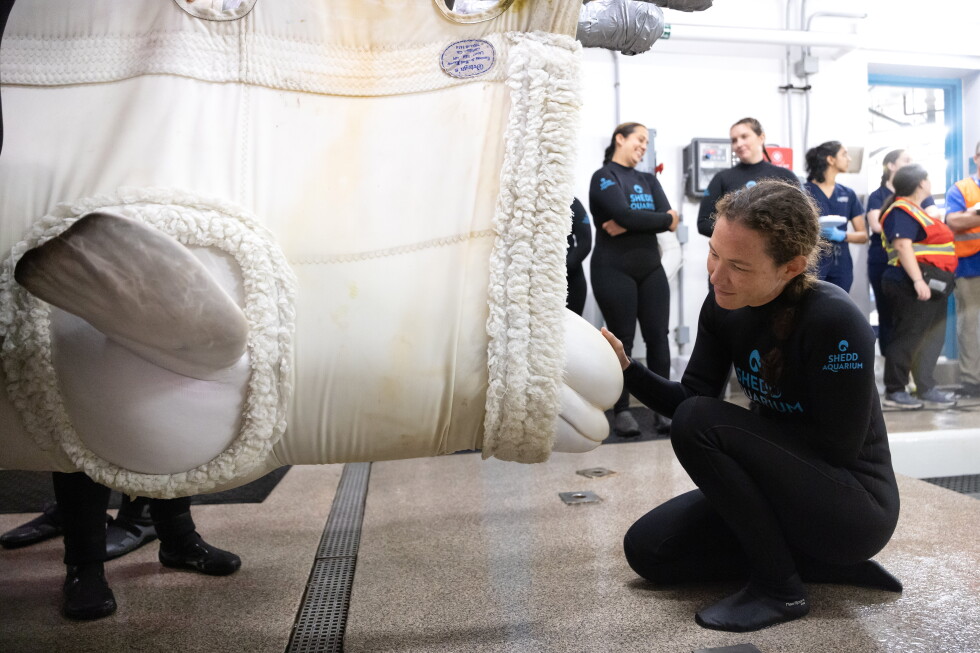
    The international transfer operation is unprecedented in scale and complexity, requiring months of meticulous advance planning to ensure the whales’ safety during travel. Each beluga is transported in custom-built supportive slings housed inside temperature-controlled shipping containers, designed to reduce stress and physical strain during the cross-border journey. Months before the first transfer, a team of veterinary and animal care experts from the receiving facilities traveled to Marineland to collaborate with the park’s former caretakers and review years of detailed health records for every whale, crafting personalized care plans for each animal.

    “This is a very complex and unprecedented rescue effort. This has never been done before,” explained Charlie Jacobsma, Shedd Aquarium’s director of animal behavior and training. To support a smooth social transition for the highly social belugas, Jacobsma noted that the new arrivals were first introduced to the aquarium’s existing resident belugas through controlled gated interactions, allowing the animals to gradually select their own social groups before sharing a full habitat. Currently, the eight relocated belugas share space with three long-term resident belugas at Shedd, and caretakers have already observed positive social engagement, including affiliative behaviors and the iconic vocalizations belugas use to communicate.

    “Belugas are very social animals,” Jacobsma said. “It was really special to be able to see some of our animals pairing up with these new animals.”

    Veterinary staff at Shedd are providing round-the-clock care to help the new arrivals adjust to their new environment, monitoring the whales’ health and behavior constantly throughout the transition period. “All the belugas are taking the adjustment to their new home day by day,” said Dr. Karisa Tang, Shedd’s lead veterinarian. The care team tracks the whales’ food intake, social interactions, and physical comfort minute by minute, checking for signs of stress, soreness, or injury, and looking for indicators of well-being such as calm, relaxed swimming patterns.

    Tang added that belugas’ distinct expressive faces and individual personalities make the work particularly rewarding for the Shedd team. “Every single day it is an absolute joy to work with belugas. There’s something about them that seems magical,” she said.

    Once complete, the full rescue effort will disperse Marineland’s remaining belugas and dolphins across five partner facilities: Chicago’s Shedd Aquarium, Georgia Aquarium in Atlanta, SeaWorld parks in San Antonio and San Diego, and Oceanografic Valencia in Spain, giving each animal a permanent new home in accredited, welfare-focused facilities.