博客

  • Chinese fossil find illuminates Earth’s earliest mass extinction

    Chinese fossil find illuminates Earth’s earliest mass extinction

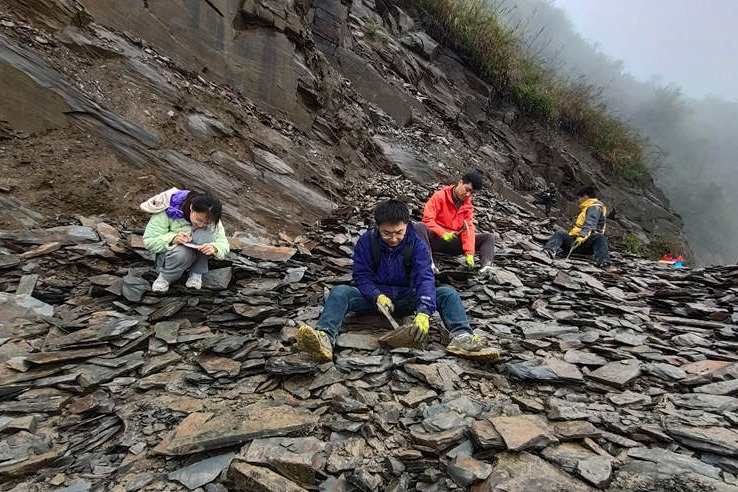
    A groundbreaking fossil discovery in central China is transforming scientific understanding of Earth’s earliest mass extinction event that occurred approximately 513 million years ago. Researchers from the Nanjing Institute of Geology and Palaeontology at the Chinese Academy of Sciences (NIGPAS) have uncovered an extraordinary collection of ancient marine fossils that provides unprecedented insight into how life persisted through the catastrophic Sinsk extinction event.

    The Huayuan Biota, named after its discovery location in Hunan province, represents a treasure trove of exceptionally preserved soft-bodied organisms dating to about 512 million years ago—immediately following the devastating extinction that eliminated 41-49% of marine species. The discovery site, accidentally exposed during road construction in 2020, has yielded over 50,000 fossils to date, with preliminary analysis identifying 153 animal species, 59% of which are previously unknown to science.

    What distinguishes this find is the remarkable preservation quality, capturing delicate anatomical features including digestive systems, neural tissues, and gill structures in organisms ranging from primitive worms and jellyfish to early chordates. This level of detail provides scientists with an unprecedented window into a complete ancient ecosystem that flourished in deep-water environments while shallow marine habitats experienced catastrophic collapse.

    The research, published in Nature, demonstrates that the Sinsk extinction event—triggered by widespread ocean deoxygenation—disproportionately devastated sunlit, nearshore environments while deeper ocean zones served as crucial refuges where biodiversity persisted relatively unscathed. This differential survival pattern explains how marine life eventually rebounded from this planetary crisis.

    Additionally, the Huayuan Biota reveals surprising global connections, sharing numerous species with the renowned Burgess Shale formation in North America despite the vast oceanic separation between these continents during the Cambrian period. This suggests that certain marine organisms possessed unexpected dispersal capabilities across immense distances.

    International paleontologists have hailed the discovery as one of global significance, with the site’s diversity rivaling the world’s most celebrated fossil localities. According to NIGPAS researcher Zhu Maoyan, this finding not only illuminates a pivotal chapter in Earth’s evolutionary history but also provides valuable insights into ecosystem resilience and recovery mechanisms following planetary-scale disturbances.

  • US Senator Amy Klobuchar announces bid for Minnesota governor

    US Senator Amy Klobuchar announces bid for Minnesota governor

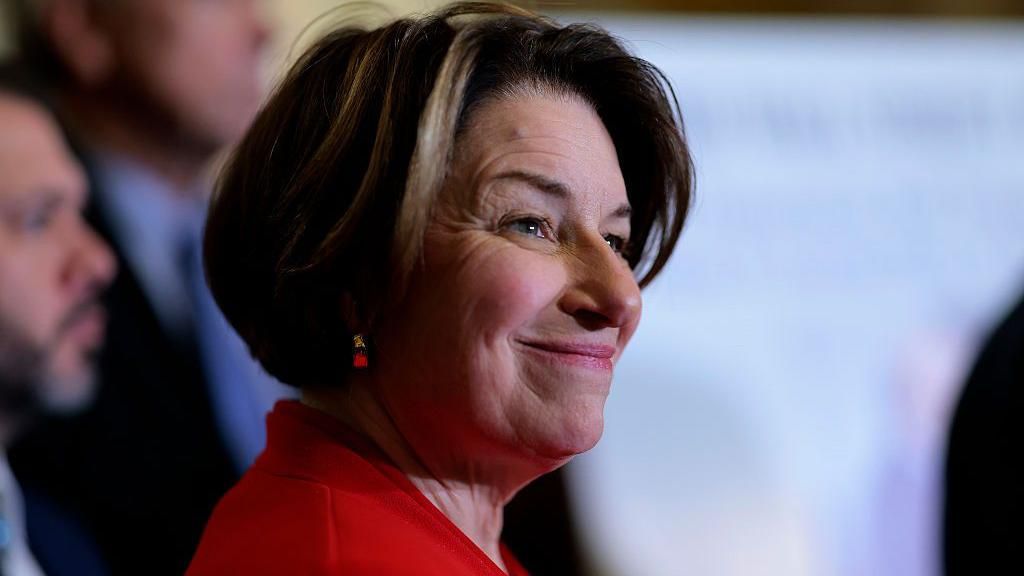
    Amid escalating political tensions and security concerns in Minnesota, Democratic Senator Amy Klobuchar has officially announced her gubernatorial campaign. The four-term senator positioned herself as a unifying force capable of bridging political divides in a state grappling with multiple crises.

    Klobuchar’s Thursday campaign video emphasized bipartisan cooperation and Minnesota values, stating: “We cannot sugarcoat how hard this is. But in these moments of enormous difficulty, we find strength in our Minnesota values of hard work, freedom, and simple decency and goodwill.” Her entry follows Governor Tim Walz’s unexpected decision to terminate his re-election campaign following criticism of his administration’s handling of a fraud scandal.

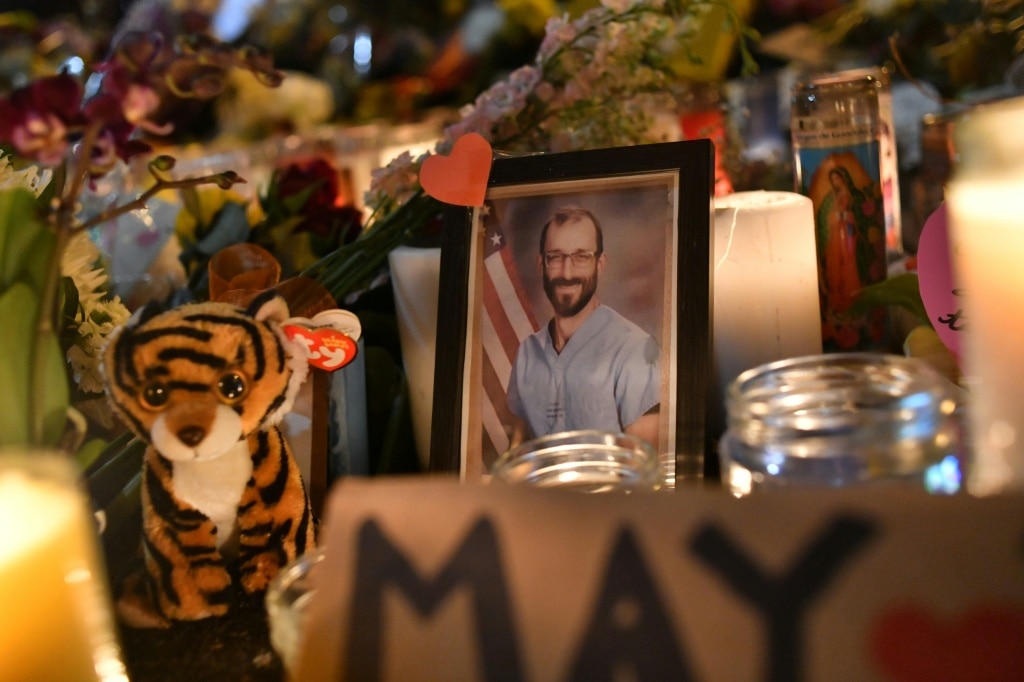
    The political landscape has been further complicated by recent violent incidents involving federal immigration agents. The fatal shooting of Alex Pretti on Saturday, occurring just two weeks after another citizen’s death, has intensified scrutiny of federal force deployment. Approximately 3,000 federal agents have been deployed throughout Minnesota, a move Klobuchar characterized as orchestrated by “an administration that relishes division” without directly naming President Trump.

    Additional tragedies have shaken the state, including the murder of a state legislator and her spouse, along with a church shooting that claimed two children’s lives. Klobuchar addressed these events while positioning herself as a centrist alternative to more combative Democratic contenders.

    The senator pledged rigorous anti-corruption measures, vowing to “make sure the people who steal taxpayer money go to jail and root out the fraud”—a clear reference to the scandal that undermined Walz’s administration. Meanwhile, Governor Walz maintains he is concentrating on governmental duties rather than campaigning.

    Political analysts regard Klobuchar as the immediate frontrunner given her national profile and Minnesota’s Democratic leanings. The Republican field appears weakened following Chris Madel’s withdrawal from the race, who denounced the immigration enforcement operation as an “unmitigated disaster.” Minnesota Republicans haven’t secured a statewide victory since 2006.

    Klobuchar brings substantial legislative experience to her campaign, having chaired the Senate Rules Committee and served on multiple committees since her 2007 swearing-in. Her campaign emphasizes her record of bipartisan collaboration amid heightened political polarization.

  • Serena Williams refuses to rule out return to tennis

    Serena Williams refuses to rule out return to tennis

    Tennis legend Serena Williams has ignited widespread speculation about a potential return to professional tennis after offering ambiguous responses to direct questions about her competitive future. The 44-year-old athlete, holder of 23 Grand Slam singles titles, has been absent from tournament play since her third-round exit at the 2022 US Open.

    During an appearance on NBC’s ‘Today’ show on Wednesday, Williams deftly sidestepped definitive answers regarding comeback rumors. When pressed about her plans, she stated, ‘I’m just having fun and enjoying my life right now.’ Further questioning yielded the elusive response: ‘That’s not a yes or a no. I don’t know, I’m just going to see what happens.’

    The speculation gained substantial credibility when Williams re-entered the tennis anti-doping testing pool in December 2025—a mandatory requirement for professional competitors. Sports commentators immediately recognized the significance of this administrative move, with former world number one Jim Courier asserting that ‘no person that doesn’t have intentions to play professional tennis is going to put themselves in that list.’

    Courier, now an analyst, emphasized the considerable burden of anti-doping protocols, which require athletes to provide detailed availability information for random testing and complete six months of monitoring before competition eligibility. ‘Unless she gets injured there is no doubt she’s going to play somewhere at some point,’ Courier predicted during Australian Open coverage.

    The Williams sisters’ legacy remains formidable, with Serena and Venus having captured 14 Grand Slam doubles titles together along with three Olympic gold medals. Venus herself recently returned to competition at age 45, participating in the Australian Open after nearly two years away from the tour.

    While Williams technically denied comeback intentions in December, the combination of her testing pool re-entry and non-committal television comments has created compelling evidence that the tennis icon may be contemplating at least a partial return to competitive play, potentially in doubles or special event formats.

  • Henan to build comprehensive cultural heritage database

    Henan to build comprehensive cultural heritage database

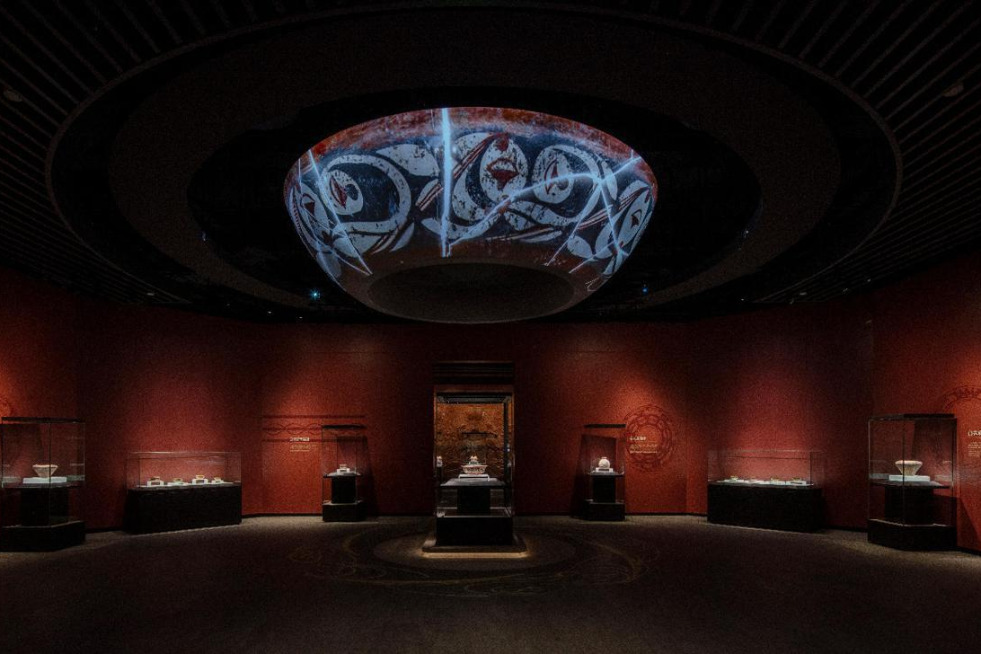
    In a significant move to safeguard its rich historical legacy, Henan province has unveiled plans to create a comprehensive provincial database cataloging its vast cultural heritage resources. The initiative was formally announced during the government work report presented this Monday at the opening ceremony of the fourth session of the 14th Henan Provincial People’s Congress.

    The ambitious project aims to systematically digitize and consolidate information on the region’s archaeological treasures and cultural relics. Beyond establishing the central database, the provincial strategy also includes supporting several cities within Henan in their quest to become national exemplars of cultural relic preservation and management.

    The government report highlighted notable cultural achievements from 2025 that underscore the province’s commitment to its historical legacy. These included the successful public opening of major new institutions such as the Yinxu Museum in Anyang and the Dahecun Site Museum in Zhengzhou, the provincial capital. The Dahecun Archaeological Site itself, located in Zhengzhou, represents a profoundly significant historical timeline, with artifacts dating from approximately 4800 BC to 1500 BC.

    Further demonstrating the economic power of cultural investment, the report celebrated the remarkable success of Henan’s culture-tourism integration initiative. This program proved to be a substantial driver for the local economy, attracting an unprecedented tally of over 1.1 billion tourist visits throughout the year. This massive influx of visitors translated into a staggering tourism revenue exceeding 1 trillion yuan (approximately $144 billion), solidifying the vital link between cultural preservation and economic prosperity.

  • US border chief says not ‘surrendering’ immigration mission

    US border chief says not ‘surrendering’ immigration mission

    In his inaugural press conference in Minneapolis, newly appointed border chief Tom Homan committed to continuing federal immigration operations while implementing significant tactical changes. The event followed weeks of escalating tensions and deadly protests against undocumented migrant roundups in the Minnesota city.

    Homan, appointed by President Donald Trump to oversee immigration enforcement operations, emphasized a recalibrated approach focused on ‘targeted enforcement operations’ rather than mission abandonment. ‘We are not surrendering our mission at all,’ Homan stated. ‘We’re just doing it smarter.’

    The border czar called for reduced hostilities against federal agents, denouncing what he characterized as ‘hateful rhetoric.’ This conciliatory tone marked a distinct departure from previous leadership under Border Patrol commander Greg Bovino, who has since been replaced following public outrage over the shooting deaths of two American protestors.

    Homan acknowledged operational deficiencies, noting that ‘certain improvements could and should be made’ in consultation with President Trump and administration officials. He pledged accountability for agents violating conduct codes, referencing the ongoing investigation into agents involved in the fatal shooting of 37-year-old Veterans Hospital nurse Alex Pretti.

    The political confrontation extends beyond Minneapolis to Congressional chambers, where Democrats threaten to block government funding authorizations without immigration agency reforms. Meanwhile, federal judiciary interventions have complicated enforcement efforts, with one judge halting refugee detentions in Minnesota and another criticizing ICE leadership for allegedly violating court orders.

    The administration’s focus on Minnesota connects to an ongoing probe into alleged corruption among Somali immigrants, which Trump and conservative allies have highlighted as emblematic of broader immigration concerns. The political climate has intensified with repeated targeting of Somali-born Congresswoman Ilhan Omar, including a recent incident where an assailant sprayed her with an unknown substance during a public speech.

  • Saudi security tip leads to major drug bust, dismantling factory in Lebanon

    Saudi security tip leads to major drug bust, dismantling factory in Lebanon

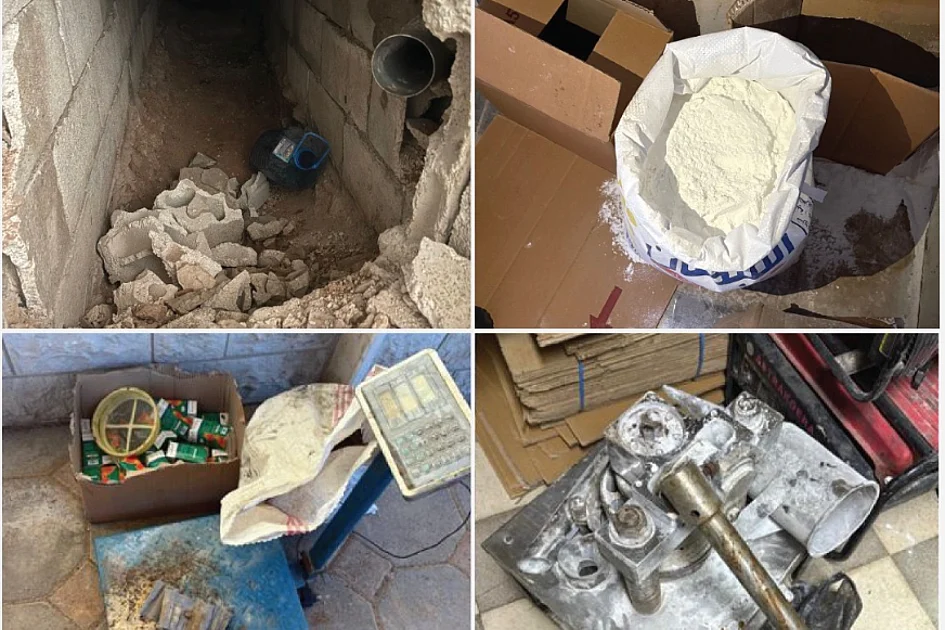
    In a significant demonstration of international security cooperation, Lebanese authorities have successfully dismantled a major drug manufacturing facility following critical intelligence provided by Saudi Arabia’s General Directorate of Narcotics Control. The operation, which represents a substantial blow to regional drug trafficking networks, resulted in the seizure of massive quantities of illicit substances and manufacturing materials.

    The targeted laboratory, located in Lebanon, was actively producing amphetamine and methamphetamine (commonly known as shabu) when authorities conducted their raid. Law enforcement officials confiscated approximately 4,600 kilograms of hashish, 870 regulated pharmaceutical tablets, substantial quantities of precursor chemicals used in drug production, and an assortment of firearms.

    This coordinated effort highlights the growing collaboration between Saudi and Lebanese security agencies in combating transnational criminal organizations. The operation forms part of Saudi Arabia’s comprehensive strategy to combat drug smuggling and trafficking activities both within its borders and throughout the region. Officials from both nations emphasized that this successful intervention demonstrates the effectiveness of shared intelligence and joint security initiatives in addressing cross-border drug crimes that threaten regional stability.

    The bust comes amid increasing regional focus on narcotics enforcement, with several Gulf nations recently reporting major drug interdictions. Security analysts note that such cooperation between Arab nations signals a strengthening of regional security partnerships aimed at dismantling sophisticated drug manufacturing and distribution networks operating across international boundaries.

  • Egypt says it’s ready to send aid, receive wounded once Rafah crossing reopens

    Egypt says it’s ready to send aid, receive wounded once Rafah crossing reopens

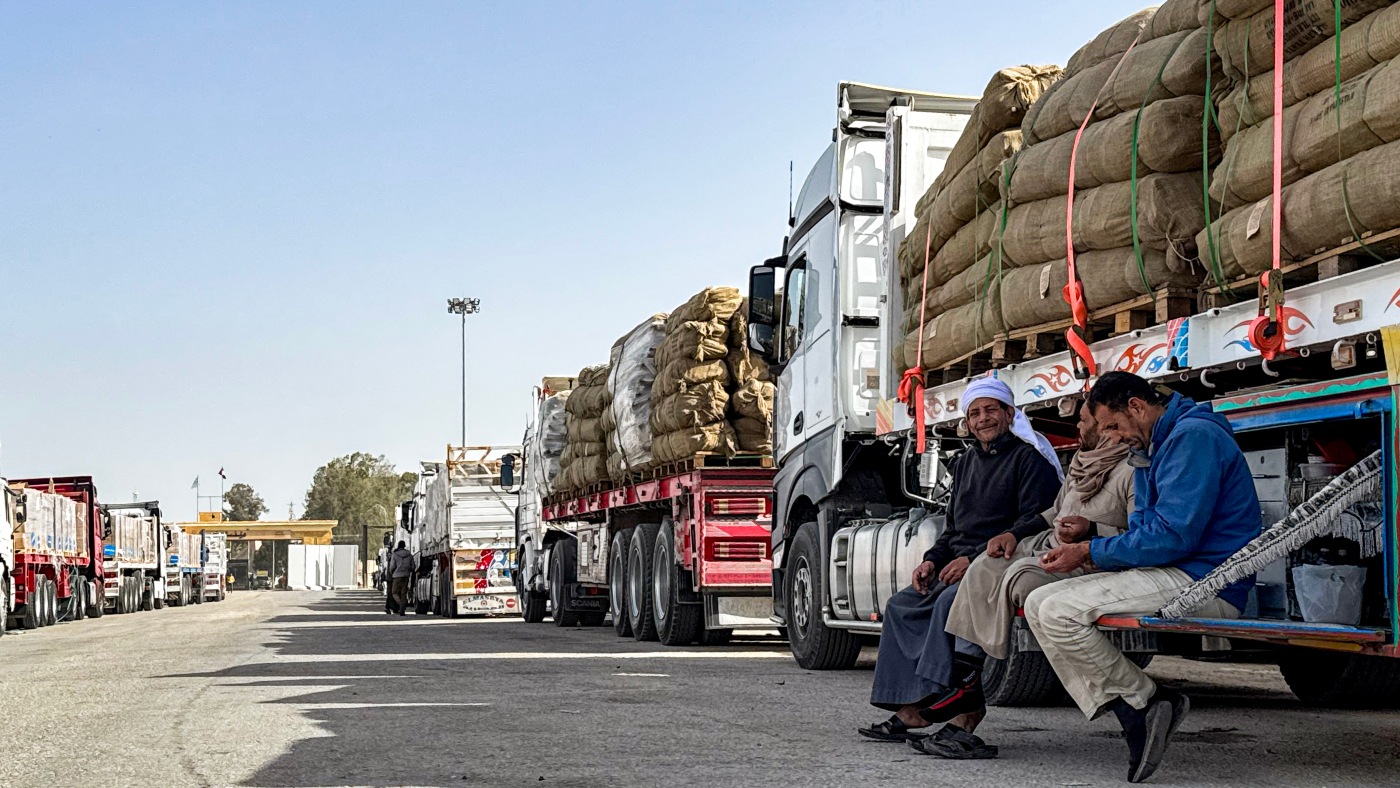
    Egyptian officials have declared complete operational readiness to facilitate humanitarian assistance into Gaza and receive wounded Palestinians, contingent upon Israel’s reopening of the Rafah border crossing. The critical passage has remained sealed since May 2024 despite ceasefire agreements mandating its operation.

    According to reports from Israel’s state broadcaster KAN, the border crossing is anticipated to resume bidirectional operations on February 1st. North Sinai Governor Khaled Mujawir confirmed in a televised statement that Egyptian authorities have maintained full preparedness on their side of the border. “We are 100 percent ready for the entry of aid and for receiving the wounded from the Gaza Strip,” Mujawir stated, emphasizing that crisis management teams are developing multiple contingency plans for aid distribution.

    The current situation stems from an October agreement between Israel and Hamas that outlined a phased approach to ending hostilities and easing humanitarian restrictions. The first phase required the return of all Israeli captives and the reopening of Rafah crossing for aid delivery. While the Palestinian side fulfilled its obligation with the recent recovery and return of the final Israeli captive, Ran Gvili, Israel has maintained the border closure in violation of the accord.

    Compounding the humanitarian crisis, Israeli forces recently demolished the headquarters of UNRWA (United Nations Relief and Works Agency) in occupied East Jerusalem. This agency serves as the primary support system for approximately 5.9 million Palestinian refugees across the region. The demolition followed Israeli legislation passed last year banning the organization’s operations.

    Despite the theoretical progression to a second ceasefire phase, UN aid coordination officials emphasize that Gaza’s humanitarian catastrophe remains severe. Gaza’s Government Media Office has documented over 1,300 ceasefire violations by Israeli forces, including 200 structural demolitions, 430 incidents of gunfire targeting civilians, 66 incursions into residential zones, and more than 600 strikes.

    The Gaza Health Ministry reports that Israeli forces have killed 488 Palestinians since the ceasefire began, with injuries totaling 1,321. Overall casualty figures from the conflict that commenced in October 2023 exceed 71,667 Palestinians killed, including at least 20,179 children, with thousands more missing and presumed dead.

  • Xi calls on China, Britain to jointly advocate, practice true multilateralism

    Xi calls on China, Britain to jointly advocate, practice true multilateralism

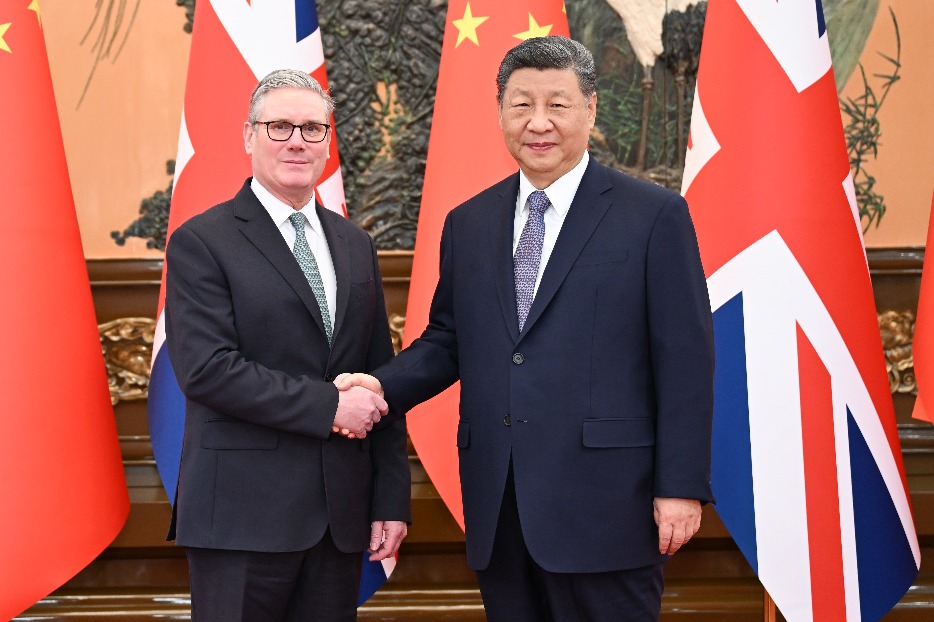
    In a significant diplomatic engagement at Beijing’s Great Hall of the People on January 29, 2026, Chinese President Xi Jinping held substantive talks with visiting British Prime Minister Keir Starmer, emphasizing the critical importance of authentic multilateral cooperation between their nations.

    President Xi articulated that as two major global powers with established commitments to multilateral frameworks and free trade principles, China and Britain bear special responsibility in advancing genuine international collaboration. The Chinese leader underscored that multilateral systems can only maintain effectiveness when all nations, particularly major powers, demonstrate consistent adherence to established international laws and norms.

    ‘The integrity of international law depends entirely on universal compliance,’ President Xi stated during the meeting. ‘When major countries lead by example in respecting these frameworks, we create stability. Without such leadership, we risk reverting to a destructive ‘law of the jungle’ paradigm that benefits no nation.’

    The discussions between the two leaders covered broad aspects of the China-UK relationship, with both expressing commitment to strengthening bilateral ties through constructive dialogue and mutual respect. The meeting marked Prime Minister Starmer’s first official visit to China since assuming office, representing a significant moment in contemporary Sino-British relations.

    Observers noted that the emphasis on ‘true multilateralism’ reflects both nations’ interest in maintaining a rules-based international order amid global challenges. The leadership meeting signals potential for enhanced cooperation between China and Britain on multilateral platforms including trade, climate action, and global security matters.

  • Pakistan becomes latest Asian country to introduce checks for deadly Nipah virus

    Pakistan becomes latest Asian country to introduce checks for deadly Nipah virus

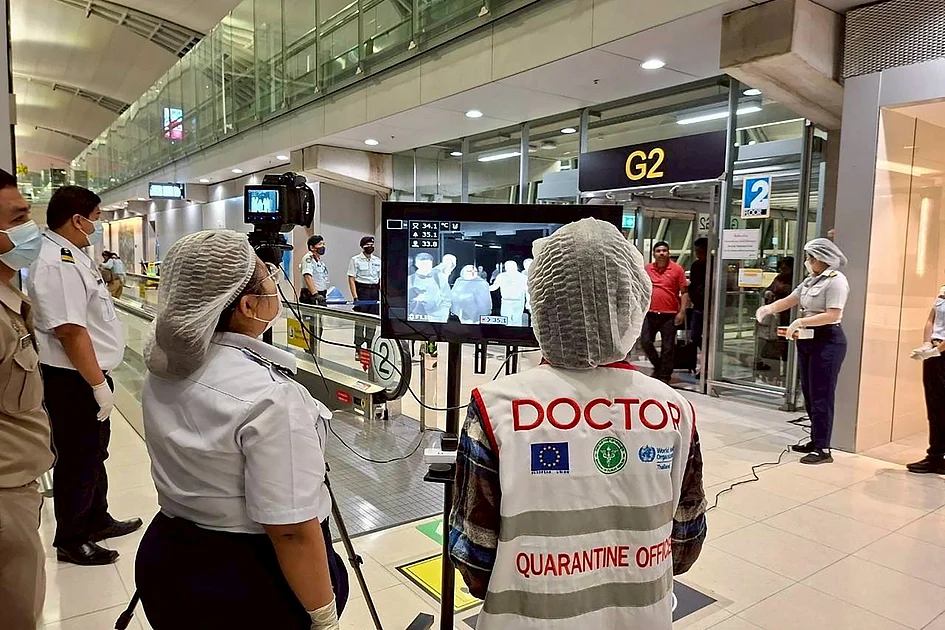
    Pakistan has initiated comprehensive health screening protocols at all entry points following confirmed Nipah virus cases in India, joining multiple Asian nations in implementing enhanced border controls. The Border Health Services department mandated thermal scanning and clinical assessments for all travelers entering through seaports, land borders, and airports, requiring 21-day transit history declarations to identify potential exposure risks.

    The Nipah virus, recognized by the World Health Organization as a priority pathogen, presents significant public health challenges with its high mortality rate ranging from 40% to 75%. The virus primarily transmits from infected fruit bats to humans, causing severe fever and encephalitis, though human-to-human transmission requires prolonged close contact. No vaccine currently exists for the infection.

    This health security measure comes despite limited travel connectivity between Pakistan and India, particularly following recent geopolitical tensions. Vietnam has simultaneously reinforced screening procedures at Noi Bai International Airport in Hanoi, with specific focus on passengers originating from India’s West Bengal region where two healthcare workers tested positive in late December.

    According to global health data, Nipah virus has caused 750 confirmed infections and 415 fatalities worldwide as of December 2025. The virus was first identified during a 1998 outbreak in Malaysia and Singapore among pig farmers, though scientific evidence suggests the pathogen has circulated in fruit bat populations for millennia. India’s Kerala state remains one of the world’s highest-risk regions for Nipah infections, with the country regularly reporting sporadic cases.

  • Discovery through dialogue: Chinese and US students exchange ideas for the future

    Discovery through dialogue: Chinese and US students exchange ideas for the future

    In a groundbreaking cross-cultural exchange, Generation Z scholars from premier academic institutions in China and the United States recently convened for an unprecedented dialogue session. The event, documented on January 29, 2026, revealed remarkable insights into how young leaders from the world’s two largest economies perceive one another and envision collaborative futures.

    The gathering brought together students representing elite universities from both nations, creating a dynamic forum for cultural and intellectual exchange. What began as casual conversations about daily life rapidly evolved into profound discussions about global challenges and opportunities. Participants demonstrated exceptional ability to transcend cultural barriers, finding common ground in their aspirations for technological advancement, environmental sustainability, and global cooperation.

    Surprising commonalities emerged throughout the hours-long dialogue, particularly regarding digital innovation and climate action. The students identified parallel concerns about artificial intelligence ethics, renewable energy transition, and inclusive economic development. Their discussions revealed a shared commitment to building bridges rather than barriers, with many participants expressing frustration with geopolitical tensions that don’t reflect their generation’s desire for collaboration.

    The exchange demonstrated that despite different cultural backgrounds and educational systems, these future leaders maintain remarkably aligned visions for international cooperation. Their conversations progressed from initial cultural observations to substantive policy discussions, ultimately culminating in a collective blueprint for US-China collaboration on youth-led initiatives. The dialogue proved particularly significant given ongoing diplomatic challenges between the two nations, showing that next-generation leaders are already developing the relational foundations for future cooperation.