博客

  • UK and Canadian firms suspend future ties to UAE’s DP World after CEO’s emails with Epstein

    UK and Canadian firms suspend future ties to UAE’s DP World after CEO’s emails with Epstein

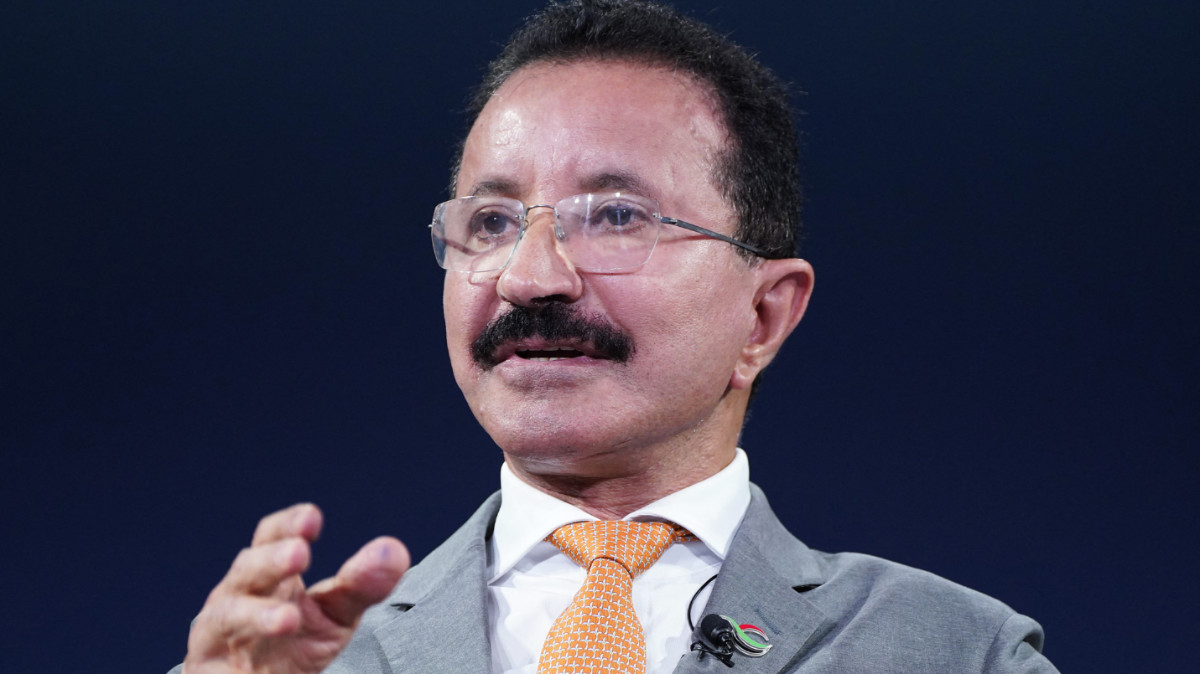
    Significant financial partners have suspended future investments with global ports operator DP World following revelations about CEO Sultan Ahmed bin Sulayem’s connections to convicted sex offender Jeffrey Epstein. Canada’s second-largest pension fund, Caisse de dépôt et placement du Québec (CDPQ), and British International Investment (BII), the UK’s development finance agency, have both paused capital deployment pending further investigation.

    The decisions mark the first major business repercussions from the recently released Epstein documents. CDPQ, which holds a 45% stake in DP World Canada, stated it expects the company to “shed light on the situation and take necessary actions” before considering additional investments. BII expressed being “shocked by the allegations” regarding bin Sulayem and will withhold new investments across their four African port partnerships.

    The suspensions follow the disclosure of extensive communications between bin Sulayem and Epstein spanning over a decade after Epstein’s 2008 conviction for child sex trafficking. Released emails show bin Sulayem discussing sexual exploits with Eastern European women and attempting to solicit a businesswoman for sexual purposes. More disturbingly, US Congressman Thomas Massie revealed bin Sulayem as the sender of a “torture video” to Epstein in 2009, a fact allegedly acknowledged by the Department of Justice.

    DP World, owned by the Dubai government, represents crucial infrastructure investments for pension funds seeking stable long-term returns. CDPQ had committed $3.7 billion to DP World’s global ports since 2016, including a $2.5 billion investment in Dubai’s Jebel Ali facilities in 2022. The current suspensions reflect growing institutional investor sensitivity to governance and ethical considerations beyond financial returns.

    The situation presents particular challenges given DP World’s government ownership and the UAE’s political structure. Unlike publicly traded companies facing shareholder activism, it remains uncertain whether bin Sulayem will face internal consequences within the monarchy’s power structure, despite his prominent international business profile.
  • More than 2,000 miles and 109 days later, monks finish ‘Walk for Peace’

    More than 2,000 miles and 109 days later, monks finish ‘Walk for Peace’

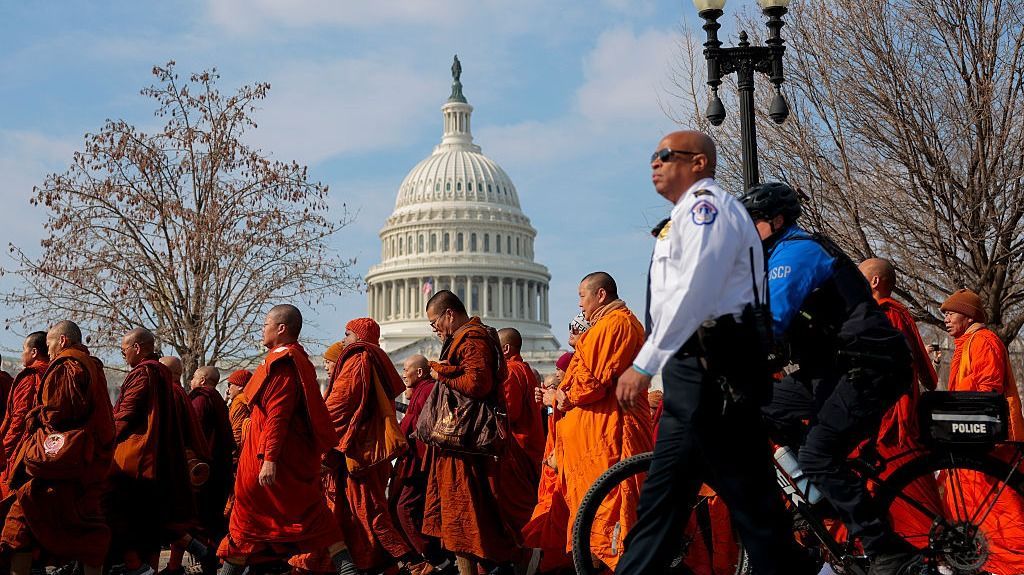
    In a profound demonstration of spiritual dedication, a group of Buddhist monks has successfully completed an extraordinary 2,000-mile pilgrimage across the United States, culminating their 109-day ‘Walk for Peace’ at the Lincoln Memorial in Washington D.C. The remarkable journey, which captivated communities along its route, concluded with a symbolic final leg from Capitol Hill to the nation’s iconic memorial grounds.

    Eyewitnesses and participants described a moving scene as the peace walkers approached their final destination, with numerous spectators joining the procession in a powerful show of solidarity. BBC correspondents documented the climactic moments of this unprecedented peace initiative, capturing emotional interviews with those who walked alongside the monks during the concluding segment of their transcontinental trek.

    The pilgrimage represents one of the most extensive peace walks ever undertaken in modern American history, serving as both a spiritual practice and a public call for greater harmony and non-violence. The monks’ journey through diverse American landscapes and communities has sparked meaningful conversations about peacebuilding and intercultural understanding across the nation.

    This extraordinary undertaking highlights the continuing relevance of ancient spiritual traditions in addressing contemporary social challenges, demonstrating how peaceful activism can bridge cultural divides and inspire collective action toward a more harmonious society.

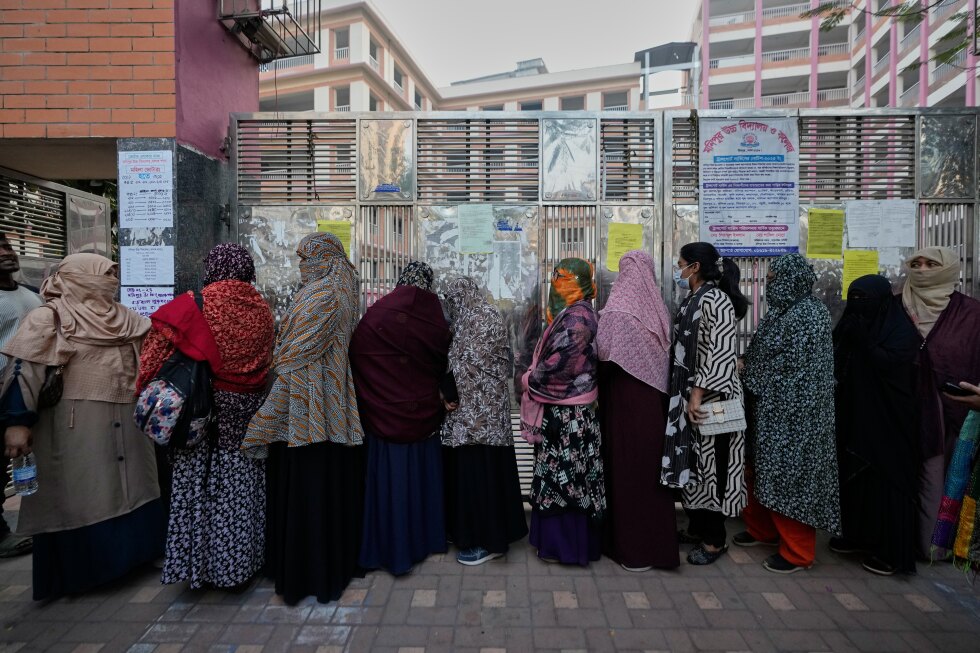
  • Polls open for Bangladesh’s first election since the 2024 uprising that ousted Hasina

    Polls open for Bangladesh’s first election since the 2024 uprising that ousted Hasina

    DHAKA, Bangladesh — Bangladesh commenced a landmark parliamentary election on Thursday, marking the nation’s first electoral test since the dramatic collapse of Sheikh Hasina’s government following widespread protests in 2024. With over 127 million eligible voters, this electoral process represents a critical juncture for South Asia’s eighth-most populous nation.

    The political landscape has undergone significant transformation since Hasina’s departure into exile in India and the subsequent banning of her party from participation. The electoral contest features Tarique Rahman of the Bangladesh Nationalist Party (BNP) as a prominent contender. Having returned from 17 years of self-exile in London, Rahman—son of former Prime Minister Khaleda Zia—has committed to democratic restoration, institutional rebuilding, and economic revitalization.

    A significant development emerges from the resurgence of Jamaat-e-Islami, the country’s largest Islamist party previously banned under Hasina’s administration. Now leading an 11-party alliance, the conservative religious group’s growing influence has raised concerns among women and minority communities about potential restrictions on social freedoms should they achieve power.

    The interim government, headed by Nobel Peace Prize laureate Muhammad Yunus, has emphasized its commitment to electoral transparency. International oversight includes approximately 500 observers and journalists, with delegations from the European Union and Commonwealth monitoring proceedings.

    Notably, this election incorporates a referendum on political reforms addressing prime ministerial term limits, enhanced checks on executive power, and safeguards against parliamentary power consolidation. Young voters, including 5 million first-time participants who played instrumental roles in the 2024 uprising, are positioned to significantly influence the outcome.

    Bangladesh’s complex political history since its 1971 independence from Pakistan—characterized by military coups, entrenched party politics, and electoral integrity questions—provides the backdrop for this democratic test. The 350-seat parliament includes 300 directly elected members and 50 seats reserved for women, with lawmakers serving five-year terms.

  • US FAA lifts temporary closure at El Paso intl airport in Texas

    US FAA lifts temporary closure at El Paso intl airport in Texas

    EL PASO, Texas – The U.S. Federal Aviation Administration (FAA) has reinstated normal flight operations at El Paso International Airport following a temporary airspace closure enacted for special security reasons on Wednesday. The shutdown, which halted all inbound and outbound commercial traffic for several hours, was implemented in response to an unauthorized drone incursion near the U.S.-Mexico border.

    Transportation Secretary Sean Duffy confirmed via social media platform X that the FAA and the U.S. Department of Defense coordinated a rapid response to what was identified as a ‘cartel drone incursion.’ Authorities successfully neutralized the perceived threat, with Duffy assuring the public that ‘there is no danger to commercial travel in the region.’

    The FAA’s official communication on X stated: ‘The temporary closure of airspace over El Paso has been lifted. There is no threat to commercial aviation. All flights will resume as normal.’

    The abrupt closure drew immediate criticism from U.S. Congresswoman Veronica Escobar, who represents Texas’ 16th Congressional District encompassing El Paso. The legislator urged federal authorities to promptly lift the flight restrictions affecting the strategically important border region.

    Aviation security personnel, including K-9 units, were visibly active throughout the incident, conducting enhanced security screenings as operations gradually returned to normal. Photo documentation showed specialized police dogs meticulously inspecting luggage in the terminal following the resolution of the security situation.

  • Trump ‘insisted’ Iran talks continue in meeting with Netanyahu

    Trump ‘insisted’ Iran talks continue in meeting with Netanyahu

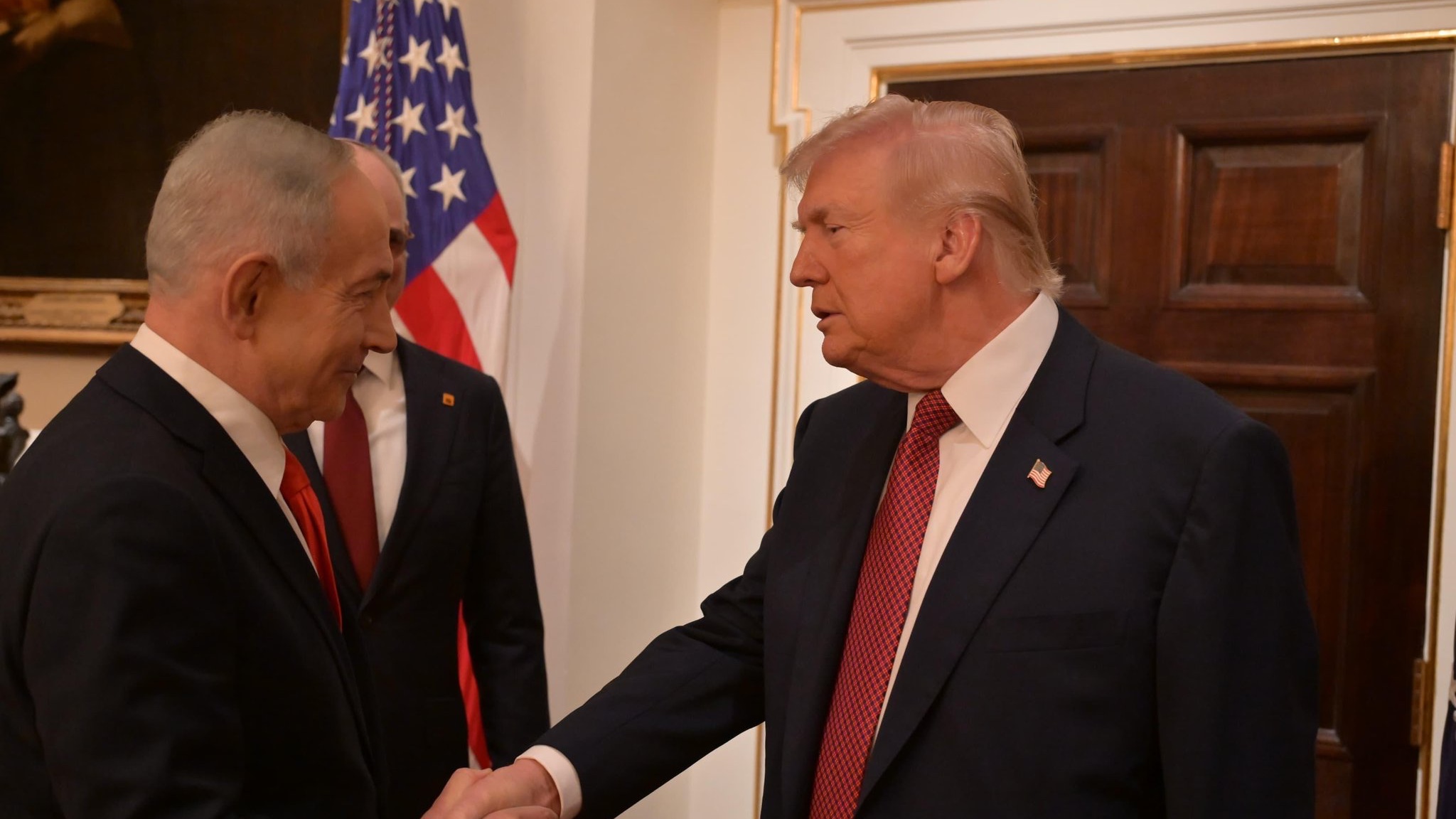
    In a significant White House meeting lasting nearly three hours, U.S. President Donald Trump and Israeli Prime Minister Benjamin Netanyahu convened to address critical regional issues, with Iran’s nuclear program dominating discussions. President Trump explicitly communicated his preference for continued diplomatic engagement with Iran, while simultaneously acknowledging military preparedness through the deployment of a second aircraft carrier strike group to the Middle East.

    The leaders emerged from their extended dialogue with agreements on enhanced coordination mechanisms between their administrations. Netanyahu’s office confirmed via social media that the Prime Minister emphasized Israel’s fundamental security requirements within the context of ongoing negotiations. This meeting occurred against the backdrop of substantial U.S. military reinforcement in the region since protests emerged in Iran from December through mid-January.

    A notable development occurred as Netanyahu formally endorsed Trump’s ‘Board of Peace’ initiative during his Washington visit. The ceremonial signing took place at Blair House with U.S. Secretary of State Marco Rubio, though the document appeared backdated to January 19. This affiliation has drawn sharp criticism from Israeli political experts, including former National Security Council deputy Eran Etzion, who condemned the move as undemocratic and dictatorial without Knesset approval.

    The Board of Peace, established under UN Security Council Resolution 2803, has generated international skepticism. Several NATO members, including Canada, the UK, and Germany, have expressed reservations about joining an entity that includes leaders facing international arrest warrants. Meanwhile, 25 American organizations have petitioned lawmakers to restrain administration war posturing, emphasizing constitutional requirements for military authorization and rejecting military solutions to Iranian challenges.

  • Three issues that matter to voters in the Bangladesh election

    Three issues that matter to voters in the Bangladesh election

    Bangladesh stands at a historic crossroads as it prepares for its first national election following the seismic 2024 Gen Z uprising that precipitated the fall of Prime Minister Sheikh Hasina’s enduring administration. This watershed political moment has fundamentally reshaped the nation’s democratic trajectory, creating an unprecedented opportunity for genuine political transformation.

    The electoral process unfolds against a backdrop of heightened public engagement, with citizens demonstrating remarkable political awareness following the youth-led movement that captured global attention. Three critical issues have emerged as dominant concerns among the electorate that will likely determine the election’s outcome.

    First, economic revitalization dominates voter concerns, with particular emphasis on employment generation for the massive youth demographic and controlling the spiraling inflation that has eroded household purchasing power. The new administration will face immense pressure to deliver immediate economic improvements.

    Second, institutional reform represents a core demand, particularly regarding the restoration of electoral integrity and judicial independence. The protest movement highlighted deep-seated public frustration with perceived systemic corruption and governance deficiencies that characterized the previous era.

    Third, climate resilience and environmental sustainability have emerged as unexpected priority issues in this delta nation increasingly vulnerable to ecological challenges. Coastal communities and agricultural sectors are demanding concrete policy solutions to address environmental degradation and climate-induced displacement.

    This election marks a dramatic departure from Bangladesh’s recent political history, offering the potential for substantial democratic renewal. International observers are monitoring the proceedings closely, recognizing that Bangladesh’s political evolution could significantly influence regional stability and democratic development patterns across South Asia.

  • Five Pakistani police officers killed in militant attack; no claim of responsibility

    Five Pakistani police officers killed in militant attack; no claim of responsibility

    In a devastating security incident in Pakistan’s volatile northwest region, five police officers were fatally attacked by militants on Wednesday. The assault occurred as officers returned from a counter-terrorism operation on the outskirts of Dera Ismail Khan, a city bordering the lawless Waziristan district near Afghanistan.

    According to official police statements, concealed militants stationed within forested terrain initiated sudden gunfire on the returning police patrols. The security forces responded with retaliatory action, resulting in the elimination of four assailants during the exchange. No militant organization has yet claimed responsibility for the coordinated attack.

    This violence occurs against a backdrop of deteriorating security conditions throughout Pakistan, particularly following the Tehreek-e-Taliban Pakistan’s (TTP) termination of its ceasefire agreement with the government in late 2022. The region has long served as a stronghold for Islamist militant groups, including both local Taliban factions and other extremist organizations.

    The recent attack compounds an already grave security situation, coming just days after a separate suicide bombing at an Islamabad mosque claimed over 30 lives last Friday. These consecutive incidents highlight the mounting challenges facing Pakistani security forces as they combat resurgent militant activities across the nation’s border regions.

  • US House votes to overturn Trump’s tariffs on Canada

    US House votes to overturn Trump’s tariffs on Canada

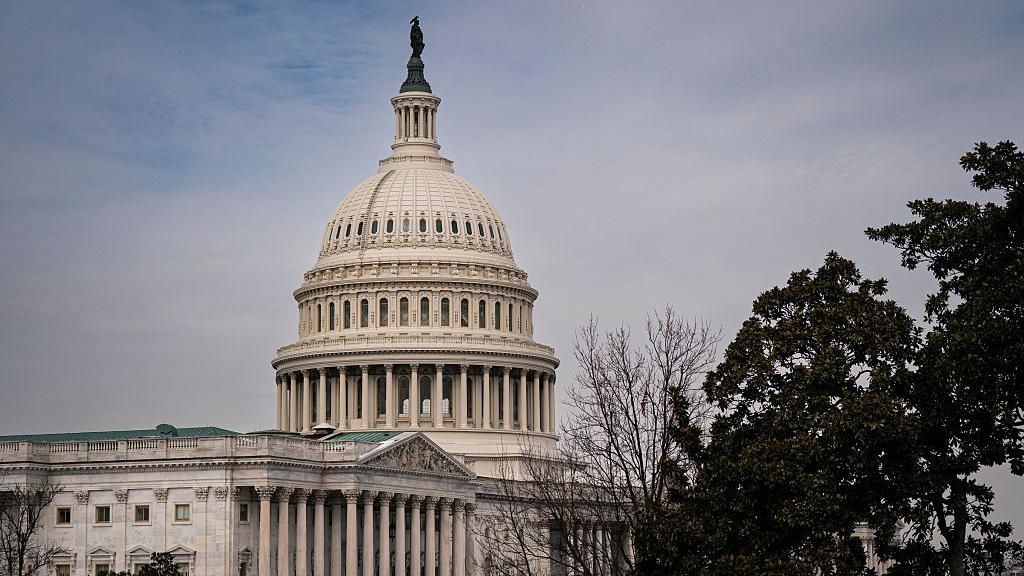
    In a notable bipartisan move, the U.S. House of Representatives has passed a resolution seeking to overturn former President Donald Trump’s tariffs on Canadian goods. The measure passed with a 219-211 vote, with six Republican lawmakers breaking ranks to join a unified Democratic front in supporting the repeal.

    The resolution, introduced by Democratic Representative Gregory Meeks, condemns the tariffs as economically damaging and strategically counterproductive. Meeks argued that these trade barriers have ‘weaponized tariffs against allies,’ strained U.S.-Canada relations, driven up domestic prices, and inadvertently pushed Canada closer to China.

    Despite its passage, the resolution remains largely symbolic. It now moves to the Senate, where Republicans hold a majority. Even if it passes there, President Trump has vowed to veto it, declaring on Truth Social that any Republican supporting the measure would ‘seriously suffer the consequences come Election time.’ He defended tariffs as vital for ‘Economic and National Security.’

    The vote followed an unsuccessful attempt by House Speaker Mike Johnson, a Trump ally, to block debate on the measure. Republican defectors, such as Representative Dan Bacon of Nebraska, called the tariffs a ‘net negative’ and a significant tax burden on American consumers, manufacturers, and farmers.

    Concurrently, the legal foundation of Trump’s tariff authority faces a separate challenge, with the U.S. Supreme Court poised to rule on a case examining the president’s legal power to impose such levies. Meeks has announced that this is the first in a series of resolutions aimed at rolling back Trump’s tariffs on other nations, including Mexico and Brazil.

  • The biggest crypto investing mistakes and how to avoid them

    The biggest crypto investing mistakes and how to avoid them

    In the volatile world of cryptocurrency investing, even experienced traders can fall prey to common pitfalls that undermine financial success. Drawing from hard-earned experience, investment experts reveal nine critical mistakes that plague crypto enthusiasts and strategies to circumvent them.

    The first major error involves seeking guidance from uninformed sources. Well-intentioned but crypto-illiterate acquaintances often dismiss digital assets without understanding blockchain technology or monetary evolution. This lack of mainstream comprehension means investors frequently operate without external validation or support systems.

    Isolation represents another significant barrier to success. Unlike traditional investments, cryptocurrency thrives on community knowledge sharing. Those who engage with informed, forward-thinking groups rather than operating independently position themselves for substantially better outcomes.

    Influencer dependency poses particular dangers in the crypto space. Many content creators promote coins through undisclosed paid partnerships, prioritizing engagement over investor protection. Following such recommendations without understanding underlying utility transforms investment into mere gambling.

    Meme coins present unique psychological challenges beyond their notorious volatility. The extreme price fluctuations associated with these assets can overwhelm investors’ nervous systems, creating stress incompatible with sound financial decision-making.

    Risk management failures manifest in several forms: chasing low-cap cryptocurrencies without strategic planning, investing substantial sums too rapidly, and neglecting to secure profits during market peaks. These behaviors often stem from FOMO (fear of missing out) rather than calculated risk assessment.

    Psychological factors frequently undermine crypto success. Deep-seated financial anxieties—sometimes inherited as generational trauma—require conscious effort to overcome through practices like breathwork, therapy, and financial mindfulness training.

    Finally, establishing clear purposes for cryptocurrency holdings proves essential. Without defined objectives, funds easily dissipate through impulsive spending, poor decisions, or inflation erosion. Viewing money as energy requiring direction helps maintain strategic focus.

    As cryptocurrency continues evolving toward mainstream adoption, avoiding these common mistakes separates successful long-term investors from those who learn through costly experience.

  • Ramadan 2026: UAE announces reduced working hours for public sector employees

    Ramadan 2026: UAE announces reduced working hours for public sector employees

    The United Arab Emirates has formally announced adjusted working schedules for federal government employees in anticipation of Ramadan 2026. According to the Federal Authority for Government Human Resources, standard operational hours from Monday through Thursday will be shortened to 9:00 AM until 2:30 PM. Fridays will feature an even more condensed schedule, running from 9:00 AM until 12:00 PM. These provisions include allowances for personnel whose roles necessitate alternative arrangements.

    Furthermore, federal ministries and entities have been granted optionality in their implementation strategies. They may either adhere to pre-established flexible work regulations throughout the workdays of Ramadan or authorize remote working arrangements for up to 70% of their staff on Fridays, contingent upon compliance with approved regulatory controls.

    Astronomical projections from the Abu Dhabi-based International Astronomical Centre suggest the holy month is anticipated to commence on February 19, 2026. Engineer Muhammad Shawkat Odeh, Director of the Centre, indicated that crescent moon sighting on February 17th is deemed virtually impossible across the Islamic world. Nonetheless, the official commencement date remains subject to confirmation by moon-sighting committees, which will convene on the 29th day of Shaban for a definitive proclamation.

    This announcement aligns with the UAE’s standardized four-and-a-half-day public sector workweek, which was instituted in January 2022, designating Saturday and Sunday as the official weekend. It is noteworthy that the emirate of Sharjah maintains a distinct public sector schedule, operating on a four-day week with a three-day weekend (Friday-Sunday).