博客

  • Lebanese imposter pretends to be Saudi prince, dupes politicians

    Lebanese imposter pretends to be Saudi prince, dupes politicians

    Lebanese judicial authorities have uncovered an audacious deception operation in which a car mechanic successfully impersonated a Saudi prince to extort prominent politicians, including a former prime minister. The elaborate scheme, facilitated by a religious figure, has exposed systemic vulnerabilities within the country’s political landscape.

    According to an official judicial statement released Wednesday, Mustapha Al Hasian—a mechanic with remarkable linguistic abilities—masterfully adopted the persona of “Abu Omar,” a fictitious royal court prince from Saudi Arabia. Speaking in flawless Saudi dialect, Hasian issued political directives to Lebanese officials while promising Riyadh’s support for their ascension to power positions in exchange for financial compensation.

    The operation unraveled when authorities arrested Hasian and his accomplice, Sheikh Khaldun Oraymet, in late 2025. Investigations indicate Oraymet provided the imposter with direct contacts and confidential information about various politicians, enabling the sophisticated extortion plot. The judicial official confirmed the investigation is nearing completion, with no evidence suggesting foreign agency involvement.

    Multiple politicians contacted by the fraudulent prince have provided witness testimonies, though they maintain any financial transactions were framed as charitable contributions to social and health assistance programs rather than explicit payments for political favors. The scandal has highlighted profound corruption issues within Lebanese institutions, demonstrating how easily influential figures can be manipulated through promises of external political support.

  • The Dutch love four-day working weeks, but are they sustainable?

    The Dutch love four-day working weeks, but are they sustainable?

    The Netherlands has emerged as an unlikely laboratory for workplace innovation, having quietly institutionalized the four-day work week across its economy. This radical departure from traditional work structures presents both a remarkable social experiment and an economic paradox that challenges conventional wisdom about productivity and prosperity.

    At Amsterdam-based Positivity Branding, co-founders Gavin Arm and Bert de Wit implemented the 32-hour work week seven years ago without reducing salaries or extending daily hours. Their philosophy centers on working smarter rather than longer. “The work-life balance was at the heart of it,” explains de Wit, rejecting notions that reduced hours equate to diminished output.

    The Dutch approach has yielded impressive macroeconomic results. With an average work week of just 32.1 hours—the lowest in the European Union—the Netherlands maintains among the highest GDP per capita in both Europe and OECD nations. This achievement fundamentally challenges the assumption that economic competitiveness requires extended working hours.

    Marieke Pepers, Chief People Officer at software firm Nmbrs, reports concrete benefits: “Staff sickness is down, and retention is up since switching to four days.” She attributes improved creativity to liberated mental space, noting, “I get the best ideas when I walk my dog.”

    However, OECD economists identify sustainability concerns. While acknowledging Dutch productivity levels, economist Daniela Glocker notes stagnation over 15 years: “If the Dutch want to maintain their quality of life, they must increase productivity or expand labor supply.”

    The Dutch model faces demographic headwinds common to developed nations—aging populations and workforce constraints. With nearly half of employees working part-time (the OECD’s highest rate), the country must address institutional barriers to full participation. Particularly striking are gender disparities: over half of Dutch women work part-time, triple the OECD average, constrained by childcare access, tax structures, and cultural norms.

    FNU union representative Yvette Becker argues the four-day week could help close gender gaps: “You gain productivity with less absenteeism.” Meanwhile, Statistics Office analyst Peter Hein van Mulligen points to “institutionalized conservatism” regarding maternal employment expectations.

    As global workplaces evolve, the Dutch experience offers valuable insights into redefining success—balancing economic output against quality of life, and challenging whether traditional metrics truly measure prosperity.

  • Gaza: Palestinians living along the ‘Yellow Line’ endure daily Israeli attacks

    Gaza: Palestinians living along the ‘Yellow Line’ endure daily Israeli attacks

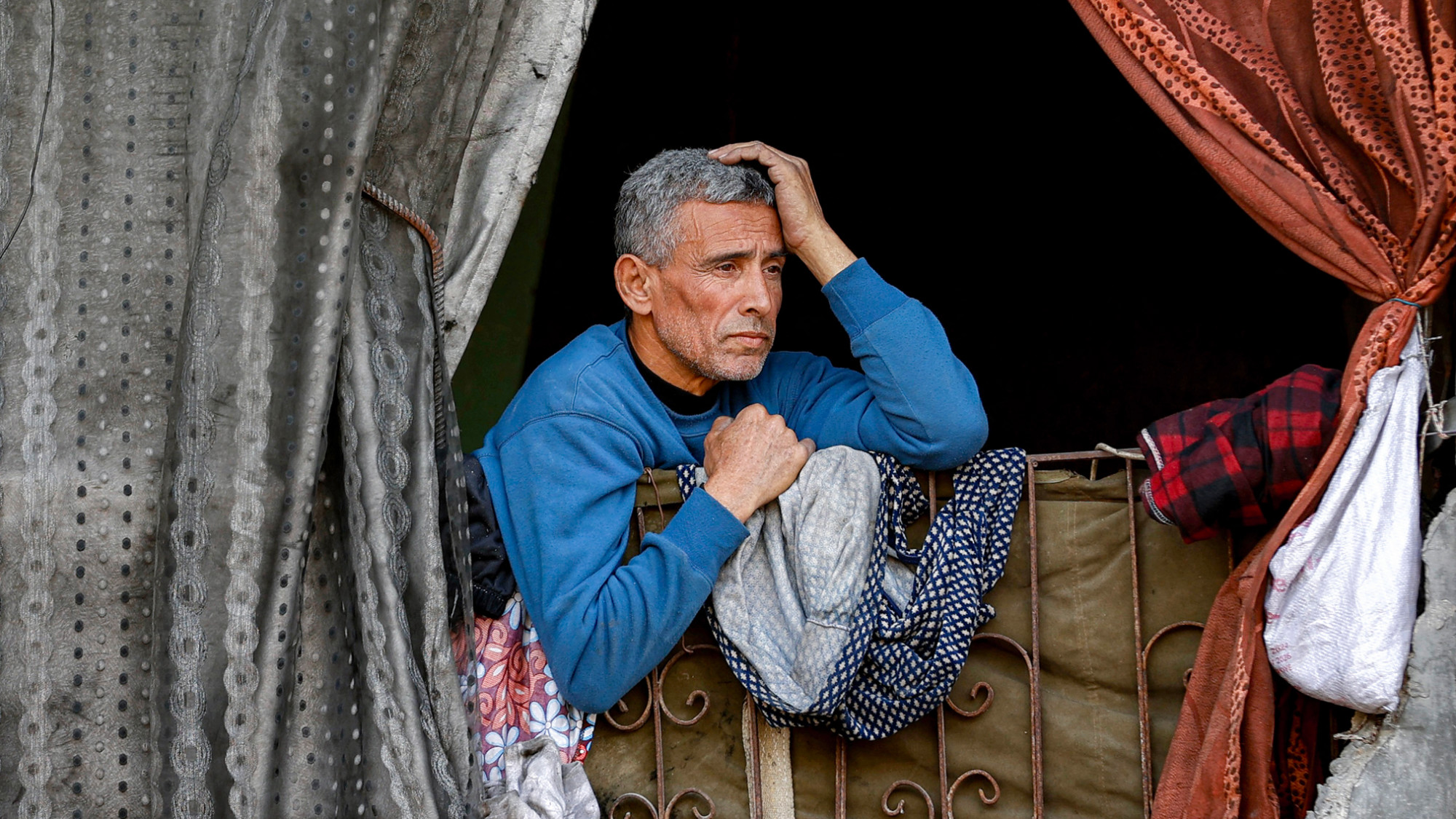
    Along the Israeli-imposed demarcation zone in Gaza known as the ‘Yellow Line,’ nocturnal existence has become a terrifying ordeal for Palestinian residents. Hamed, a 25-year-old from Khan Younis who requested anonymity for security reasons, describes sleeping patterns routinely shattered by explosive detonations and sustained gunfire that commences each evening and continues until dawn.

    The Yellow Line, established as a temporary withdrawal boundary under October’s ceasefire agreement, now represents a constantly shifting frontier where Israeli military presence controls approximately 58% of Gaza territory. What began as a security buffer has progressively encroached deeper into Palestinian domains, shrinking from nearly two kilometers to less than one kilometer from residential areas in recent weeks.

    This geographical compression has been accompanied by escalating military activity. ‘We now visually identify tanks as they approach, open fire, and subsequently retreat. The experience is utterly terrifying,’ Hamed reported to Middle East Eye. The psychological warfare compounds physical dangers, with multiple neighbors having sustained injuries from gunfire while inside their homes.

    The humanitarian impact extends across Gaza’s regions. In al-Bureij, central Gaza, Khaled (also using pseudonym for safety) described indiscriminate shooting forcing his uncles to abandon their property adjacent to the boundary. Meanwhile, in al-Maghazi refugee camp, mother of six Houida Salim articulated the perpetual anxiety: ‘The war never finished. Whenever we hear tank movements, we feel imprisoned within our homes.’

    International human rights organizations have condemned Israel’s operations along the Yellow Line. The Euro-Med Human Rights Monitor characterizes these actions as ‘illegal seizure and systematic plundering of resources’ in occupied territory, violating established international law.

    According to Palestinian health authorities, at least 591 fatalities have occurred since the truce began four months ago, predominantly near the Yellow Line. The shifting boundary has triggered repeated displacements, restricted access to agricultural lands, and created generations traumatized by relentless military presence with no viable refuge remaining for countless families.

  • UAE to impose up to Dh100,000 fine for retailers hiking prices during Ramadan

    UAE to impose up to Dh100,000 fine for retailers hiking prices during Ramadan

    In a landmark initiative to celebrate altruism in healthcare, Mediclinic City Hospital has inaugurated the United Arab Emirates’ first ‘Tree of Life’ sculpture. This permanent artistic installation serves as a profound tribute to individuals who have made the courageous decision to donate their organs, ultimately saving and transforming countless lives.

    The unveiling ceremony represents a significant milestone in the UAE’s ongoing efforts to foster a robust culture of organ donation. The tree symbolizes growth, life, and interconnectedness, acting as a powerful visual metaphor for the enduring impact of a single donor’s gift. By honoring these heroes, the hospital aims to elevate public awareness about the critical importance of organ donation and to inspire more community members to consider registering as donors.

    This initiative is strategically aligned with the UAE’s wider national health objectives and its commitment to advancing medical excellence and compassionate care. Hospital officials emphasized that the Tree of Life will stand as a constant, dignified reminder of the extraordinary generosity that occurs within the healthcare system, often during times of profound grief. It is envisioned not merely as a monument, but as a beacon of hope and a catalyst for conversation, encouraging families to discuss and normalize this life-saving act.

    The project underscores Mediclinic’s dedication to holistic patient care that extends beyond medical treatment to encompass community education and the celebration of humanitarian values. This effort is expected to have a ripple effect, potentially strengthening the national organ donation registry and providing a renewed sense of purpose and recognition for donor families.

  • In Cambodia, thousands flood out of ‘scam compounds’ and find increasingly little help

    In Cambodia, thousands flood out of ‘scam compounds’ and find increasingly little help

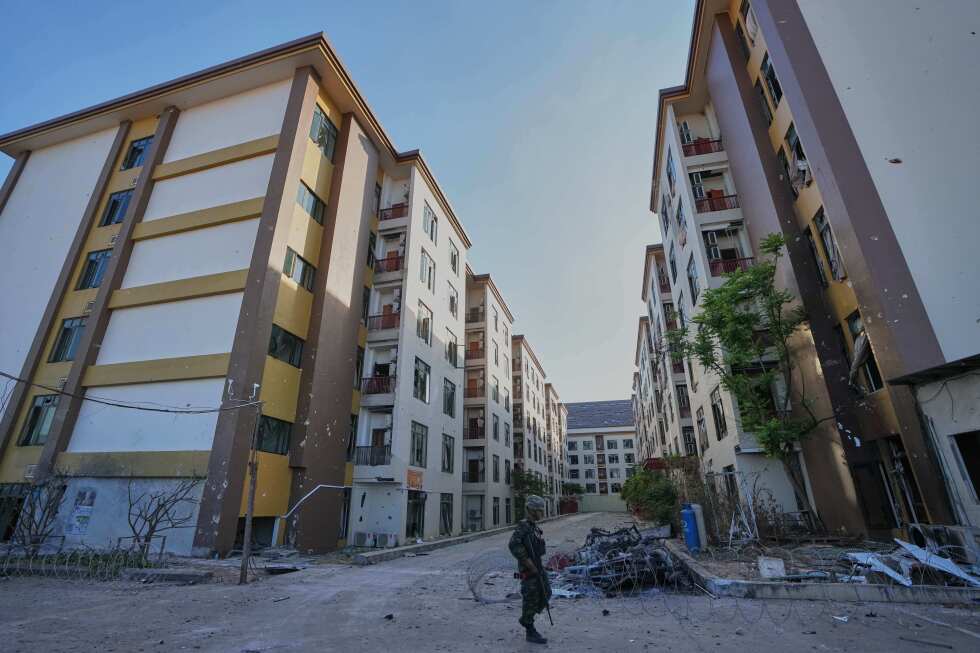
    BANGKOK — A humanitarian crisis is unfolding in Cambodia as the nation’s only dedicated shelter for victims escaping fraudulent scam compounds faces catastrophic resource shortages amid an unprecedented exodus of workers. The Caritas shelter, previously funded by the United States, now operates with merely one-third of its original staff and a fraction of its previous budget while confronting a surge of desperate survivors.

    The facility has been compelled to reject over 300 individuals requiring immediate assistance, forcing many to sleep on streets or return to their exploitative workplaces. Currently housing approximately 150 people, the shelter struggles to provide basic necessities, with many occupants lacking pillows, blankets, or any possessions beyond the clothes they wear.

    This crisis follows Cambodia’s extradition of a suspected scam kingpin to China in January, which triggered mass releases from compounds housing an estimated 100,000 workers in 2023 alone. These facilities operated sophisticated fraudulent operations featuring soundproofed phone booths, multilingual scripts, and even replica police stations of various countries.

    Despite Prime Minister Hun Manet’s declaration that combating cyberfraud constitutes a ‘deliberate political priority,’ activists accuse the government of ignoring the resulting humanitarian emergency. Amnesty International’s regional research director Montse Ferrer described ‘thousands of traumatized survivors being left to fend for themselves with no state support’ amid ‘chaotic and dangerous’ departure conditions.

    The Cambodian government maintains it screens all individuals to separate victims from perpetrators, providing protection, shelter, and assistance for safe return. However, rescue workers report systemic failures, with embassies and international organizations engaging in responsibility-shifting that creates ‘a closed loop with no exit.’

    Compounding the crisis, U.S. funding suspension led to the dismantling of USAID in early 2025, eliminating the shelter’s anticipated $1.4 million funding through 2026. The International Organization for Migration, another key funder primarily supported by U.S. contributions, has also faced significant budget reductions.

    In Cambodia’s increasingly repressive environment—where independent media has shuttered and journalists reporting on scam compounds face arrest—Caritas remains the only organization willing to accept these victims. Many who cannot secure shelter space risk immigration detention, extortion attempts, or returning to the compounds simply to avoid homelessness.

    For victims like Youga, an African man from the persecuted Banyamulenge ethnic group, options are severely limited. Having escaped beatings and exploitation, he now represents countless survivors seeking merely ‘to rebuild my life with dignity’ amid systemic breakdown and international indifference.

  • Six dead in suspected murder-suicides in Bulgarian mountains, officials say

    Six dead in suspected murder-suicides in Bulgarian mountains, officials say

    Bulgarian authorities are investigating one of the nation’s most perplexing criminal cases after six individuals were discovered dead in the Stara Planina mountain range under circumstances that prosecutors describe as more shocking than fictional crime dramas.

    The grim sequence began on February 2nd when emergency services located three male victims—aged 45, 49, and 51—near the charred remains of a mountain hut near the Petrohan pass, approximately one hour from Sofia. Forensic examination revealed all three had sustained close-range gunshot wounds without evidence of defensive injuries or struggle. Law enforcement recovered two handguns and a rifle at the scene.

    Six days later on February 8th, investigators made a second discovery: a parked camper van containing three additional victims—two adult males and a 15-year-old boy—in a remote area near Mount Okolchista. All exhibited gunshot wounds consistent with shots fired inside the vehicle.

    Critical evidence emerged from recovered CCTV footage showing both groups bidding farewell at the mountain hut before the three individuals who remained were recorded setting the structure ablaze. According to National Police Chief Zahari Vaskov, the two incidents are definitively connected.

    Acting Prosecutor General Borislav Sarafov stunned media representatives by comparing the case’s disturbing elements to the fictional murder investigation portrayed in ‘Twin Peaks,’ noting the actual events contained even more shocking details.

    While preliminary autopsy results suggest a combination of murders and suicides, the investigation has sparked intense national speculation and criticism regarding its handling. Most victims were reportedly members of a nature protection NGO, adding another layer of mystery to the tragedy.

    The national police chief has characterized the incident as an ‘unprecedented crime’ without parallel in Bulgaria’s criminal history, leaving investigators and the public alike searching for explanations behind this mountain range tragedy.

  • BBC in Nancy Guthrie’s hometown as sniffer dogs help search for clues

    BBC in Nancy Guthrie’s hometown as sniffer dogs help search for clues

    An intensive search operation is underway in Arizona following the alarming abduction of 84-year-old Nancy Guthrie from her residence near Tucson. The incident has mobilized law enforcement agencies and community members in a concerted effort to locate the missing octogenarian.

    Authorities have deployed specialized K-9 units equipped with advanced scent detection capabilities to scour the area for potential clues. The search teams are methodically examining the vicinity of Guthrie’s home and surrounding neighborhoods, hoping the trained canines might uncover critical evidence that could break the case.

    The victim’s family has made emotional public appeals for information regarding Nancy’s whereabouts, describing her as a beloved community member whose disappearance has left them devastated. Local residents have joined the effort, distributing flyers and coordinating volunteer search parties to complement official investigation activities.

    Law enforcement officials have established a dedicated tip line and are reviewing surveillance footage from nearby properties while urging anyone with potentially relevant information to come forward immediately. The case has drawn significant media attention, with national outlets like the BBC reporting from the scene as developments unfold in this concerning missing persons investigation.

  • Police identify 18-year-old as suspect in Tumbler Ridge shooting

    Police identify 18-year-old as suspect in Tumbler Ridge shooting

    A tragic mass shooting in the remote Canadian community of Tumbler Ridge, British Columbia, has left eight people dead and dozens injured, with authorities identifying 18-year-old Jesse Van Rootselaar as the sole perpetrator. The suspect was found deceased at the secondary school scene from an apparent self-inflicted gunshot wound, according to Royal Canadian Mounted Police (RCMP) Deputy Commissioner Dwayne McDonald.

    The violence unfolded in two locations on Tuesday afternoon. The initial attack occurred at a nearby residential property where Van Rootselaar’s 39-year-old mother and 11-year-old stepbrother were fatally shot. The suspect then proceeded to Tumbler Ridge Secondary School, where six additional victims lost their lives: a 39-year-old female educator, three 12-year-old female students, and two male students aged 12 and 13. At least 25 individuals sustained injuries during the school shooting.

    Authorities revealed significant details about the suspect’s background, noting that Van Rootselaar was born biologically male but had begun transitioning to female approximately six years prior. The suspect had dropped out of the same secondary school four years earlier and previously held a valid firearms license that had since expired.

    RCMP officials confirmed responding to multiple calls at the suspect’s family residence over recent years, with some incidents related to mental health concerns. Despite this history, the precise motive behind Tuesday’s violence remains undetermined.

    Law enforcement responded to active shooter reports at approximately 13:30 local time (20:20 GMT), arriving on scene within two minutes. Officers encountered ongoing gunfire before locating the deceased suspect. Two firearms—a long gun and a modified handgun—were recovered from the scene, though their specific roles in the shooting remain under investigation.

    The small community of Tumbler Ridge, with approximately 2,400 residents, has been profoundly impacted by the tragedy. The secondary school serves just 160 students in grades 7 through 12. Canadian Prime Minister Mark Carney described how students and educators “bore witness to unheard of cruelty” during the attack, noting that some victims continue fighting for their lives in hospital.

    Tumbler Ridge Mayor Darryl Krakowka characterized the community as “small and tight-knit,” anticipating he would personally know all victims. “I’ve been here 19 years, and we’re a small community,” he told CBC. “I don’t call them residents. I call them family.”

  • In rebuke of Trump, US House opens the door to votes against tariffs

    In rebuke of Trump, US House opens the door to votes against tariffs

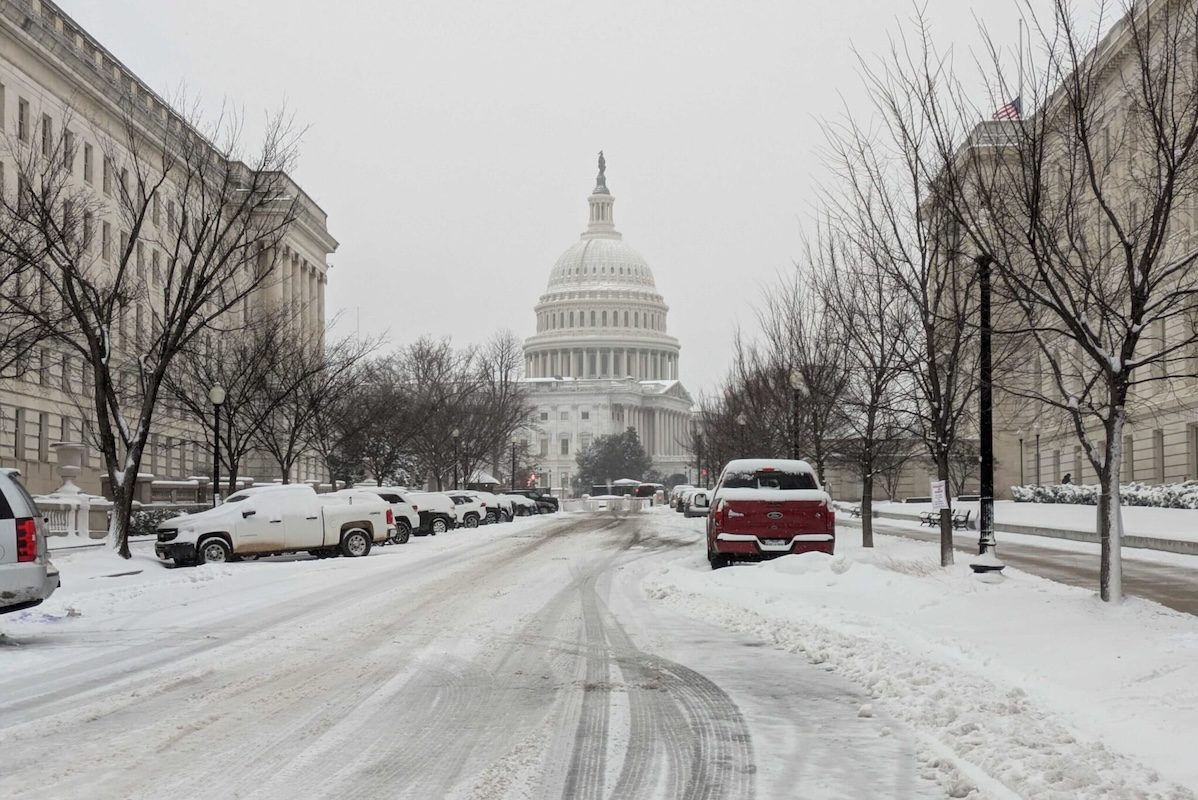
    In a significant legislative maneuver, a small faction of House Republicans joined Democratic colleagues on Tuesday to block a procedural measure that would have preserved restrictions on congressional challenges to former President Donald Trump’s emergency tariffs. The 214-217 vote marked a pivotal moment in the ongoing power struggle between the legislative and executive branches over trade policy authority.

    The rebellion was led by Representatives Don Bacon (R-Nebraska), Thomas Massie (R-Kentucky), and Kevin Kiley (R-California), who crossed party lines to prevent the extension of a prohibition on House votes contesting Trump’s unprecedented use of emergency powers to impose import taxes. Representative Gregory Murphy (R-North Carolina) abstained from the vote.

    Congressman Bacon justified his decisive action in a post-vote statement on social media platform X, asserting that ‘tariffs have been a net negative for the economy’ and represent ‘a significant tax burden on American consumers, manufacturers, and farmers.’ He emphasized constitutional principles, noting that ‘Article I of the Constitution deliberately assigns authority over taxes and tariffs to Congress, yet we have progressively relinquished this power to the executive branch. The time has come for Congress to reclaim its rightful responsibilities.’

    The defeated provision, embedded within a procedural vote advancing three unrelated bills, would have maintained the ban on congressional action against Trump’s tariffs until July 31. These emergency tariffs, declared throughout 2025 under the International Economic Emergency Powers Act (IEEPA), targeted imports from multiple trading partners including Canada, Mexico, China, Brazil, and India.

    The legal foundation of Trump’s novel application of IEEPA to immediately implement global tariffs is currently under scrutiny at the U.S. Supreme Court. The justices heard oral arguments in November in a case brought by a coalition of small businesses challenging the presidential authority, with a decision anticipated imminently.

    This development signals growing congressional resistance to executive overreach in trade policy and sets the stage for potential legislative challenges to the controversial tariff measures that have reshaped international trade relationships.

  • Hainan’s 1st batch of daily consumer goods duty-free shops for island residents opens

    Hainan’s 1st batch of daily consumer goods duty-free shops for island residents opens

    In a significant expansion of its free trade port policies, Hainan province inaugurated its first dedicated duty-free shops for local residents on February 11, 2026. The pioneering retail establishments mark a new chapter in China’s consumer economy development, offering island dwellers unprecedented access to tax-free daily necessities.

    The initial rollout comprises five strategically located stores across the province: three in the capital city of Haikou, one in the tourist hub of Sanya, and one in Danzhou. This geographical distribution ensures accessibility for residents across different regions of the tropical island.

    Under the groundbreaking policy, each eligible Hainan resident receives an annual duty-free shopping allowance of 10,000 yuan (approximately $1,437), with no restrictions on purchase frequency. The comprehensive product catalog encompasses essential daily items across multiple categories, including specified food and beverages, daily chemical products, household goods, and maternal and child supplies.

    The initiative represents a strategic component of Hainan’s transformation into a globally significant free trade port, offering dual benefits of stimulating local economic activity while providing tangible financial relief to residents through tax savings. The shops opened during the Spring Festival period, strategically timing the launch to maximize consumer engagement during China’s most important holiday season.

    Consumer response has been notably positive, with initial visitors expressing enthusiasm for the convenience and economic advantages offered by the new shopping venues. The policy demonstrates China’s continuing commitment to innovative retail reforms and regional economic development strategies.