博客

  • Ten photos from across China: Feb 27 – March 5

    Ten photos from across China: Feb 27 – March 5

    China Daily Information Co (CDIC) maintains strict copyright protection over all digital content published through its platforms. The comprehensive notice explicitly prohibits any form of republication or usage of materials—including text, photographs, and multimedia information—without obtaining prior written authorization from the company.

    The publication operates under formal registration and licensing frameworks, including Multimedia Online Publishing License 0108263 and Registration Number 130349. The notice additionally provides technical recommendations for optimal user experience, suggesting browsers with 1024*768 or higher resolution for proper site functionality.

    Beyond copyright information, the platform offers various stakeholder engagement channels including advertising opportunities, general contact information, and employment sections specifically catering to expatriate professionals. The notice concludes by encouraging visitors to follow the organization’s digital channels for ongoing updates.

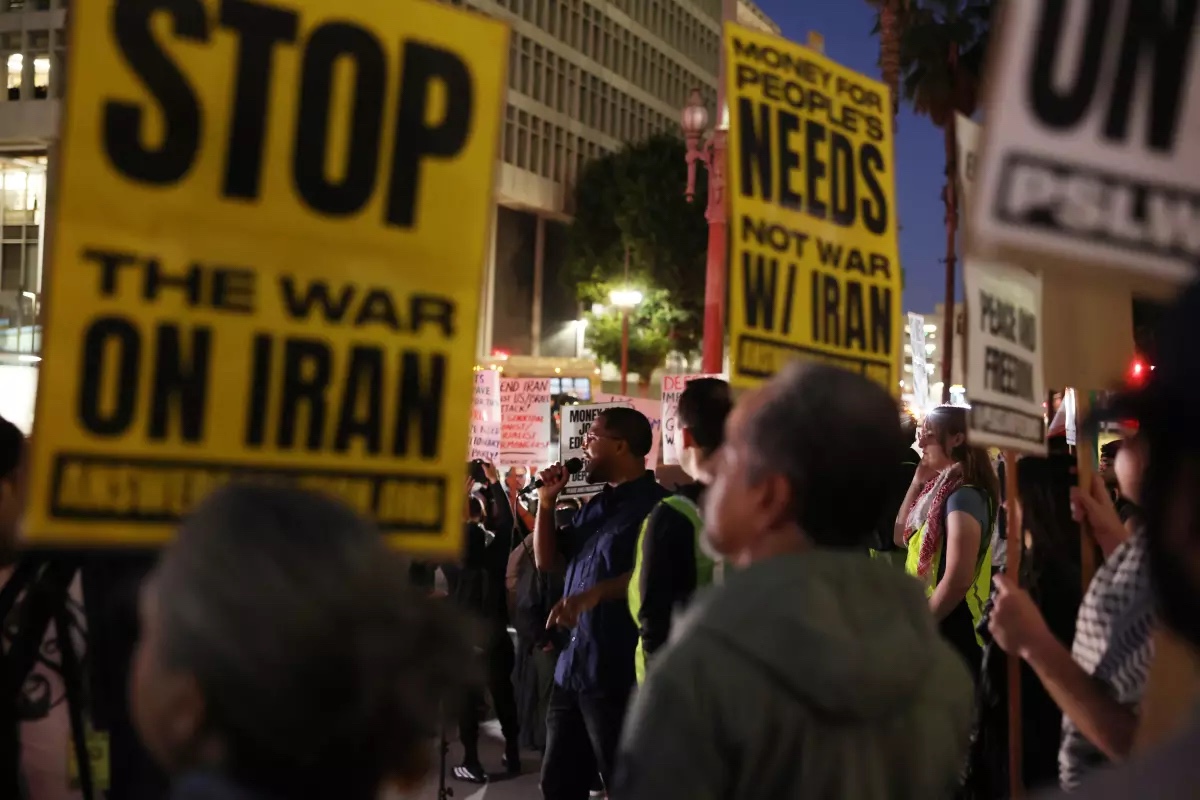
  • US must probe Iran school strike ‘very quickly’, UN says

    US must probe Iran school strike ‘very quickly’, UN says

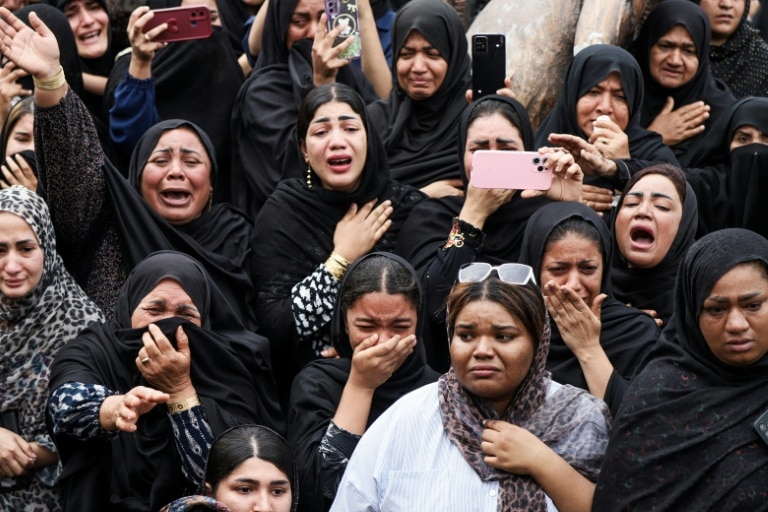
    The United Nations has issued an urgent call for immediate investigation and accountability following a devastating airstrike that struck an elementary school in southern Iran, killing at least 150 people including numerous children. UN Human Rights Chief Volker Turk condemned what he described as “this absolutely tragic incident” during a Geneva press conference on Friday.

    The strike occurred in the town of Minab on the first day of recent hostilities, hitting the Shajare Tayyebeh elementary school during its morning session when approximately 170 students were present. The Norway-based rights organization Hengaw confirmed the timing coincided with peak school hours, raising serious concerns about international humanitarian law violations.

    Multiple investigations by major media outlets, including The New York Times and Reuters, have concluded that US forces were most likely responsible for the deadly strike. The Times analysis revealed that US military statements about attacking naval targets near the strategically vital Strait of Hormuz—where an Islamic Revolutionary Guards Corps (IRGC) base is located—strongly suggests American involvement. Social media evidence and witness accounts indicate the school was struck simultaneously with nearby IRGC facilities.

    General Dan Caine, the top US military officer, acknowledged Wednesday that American forces had been conducting strikes in southern Iran during the initial 100 hours of military operations, presenting maps that included Minab within targeted areas. This contrasts with Israel’s operations, which have primarily been concentrated further north.

    Turk emphasized the particular tragedy of striking “a civilian institution that should never be attacked,” noting the morning timing ensured maximum child casualties. He called for transparent investigations into the weapons used, timing decisions, and adherence to principles of distinction and proportionality in military engagements.

    The US Department of Defense has confirmed it is investigating the incident, though neither American nor Israeli authorities have officially claimed responsibility. Turk stressed that the investigating parties must “conduct this type of investigation very quickly” and ensure “accountability to be served, because obviously mistakes were clearly made.” He further emphasized the need for victim redress and comprehensive review of military operating procedures to prevent future tragedies.

  • Iceland seeks vote in August on whether to restart EU membership talks

    Iceland seeks vote in August on whether to restart EU membership talks

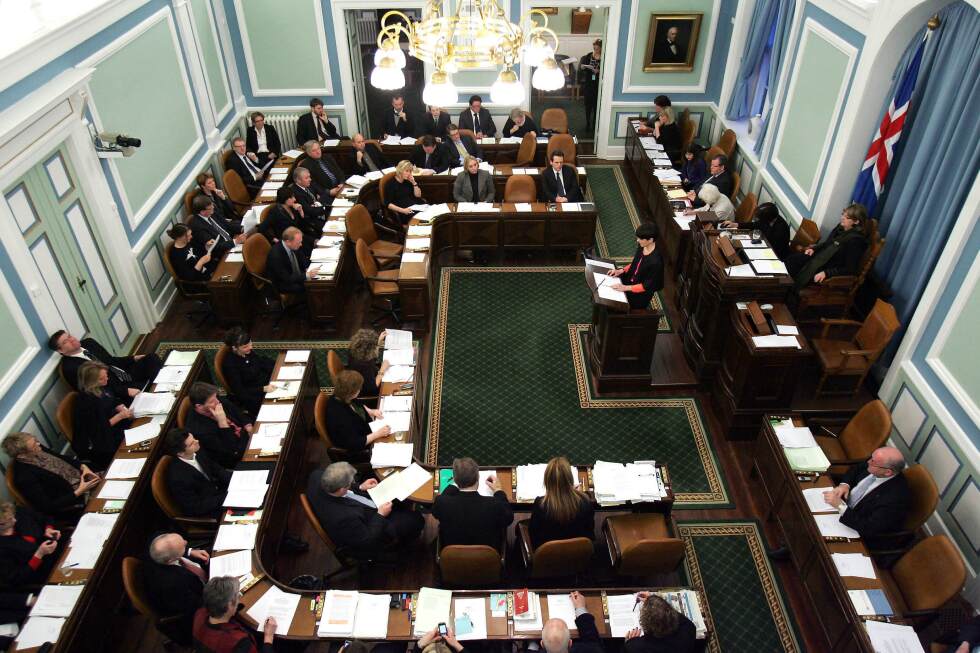
    REYKJAVIK, Iceland — Iceland’s government has formally proposed an August referendum to determine whether the nation should resume European Union membership negotiations, marking a significant potential shift in its foreign policy stance over a decade after initially abandoning accession talks. The Cabinet approved a resolution on Friday calling for an August 29 vote, though the proposal still requires parliamentary approval from the Althingi before proceeding. This development comes as the Arctic nation of 400,000 people confronts growing concerns about regional security and economic stability. Prime Minister Kristrun Frostadottir’s center-left coalition government, elected in 2024, had originally planned a referendum by 2027 but accelerated the timetable following provocative statements from former U.S. President Donald Trump regarding neighboring Greenland. The geopolitical landscape has been further complicated by Russia’s war in Ukraine, trans-Atlantic tensions, and rising living costs, prompting this fiercely independent nation to reconsider its strategic positioning. Iceland maintains a unique security position as a nation without a standing army, relying instead on NATO membership and a bilateral defense agreement with the United States. Historically, Iceland resisted EU membership primarily due to concerns about protecting its rich North Atlantic fishing grounds from European fishing fleets. The country initially applied for EU membership in 2009 following the catastrophic collapse of its banking sector during the global financial crisis, but negotiations were suspended in 2013 and formally terminated in 2015 under a center-right government. Currently, Iceland participates in the EU’s single market through the European Economic Area agreement and is part of the Schengen free-travel zone. The EU accession process typically involves a rigorous, multi-year evaluation of 35 policy areas including financial systems, fisheries management, agricultural regulations, and fundamental freedoms. Any successful accession requires unanimous approval from all existing EU member states, a requirement that has recently proven challenging as demonstrated by Hungary’s threat to veto Ukraine’s membership bid.

  • Pakistan and Afghanistan claim killing dozens of the other side’s troops in relentless fighting

    Pakistan and Afghanistan claim killing dozens of the other side’s troops in relentless fighting

    The volatile border between Pakistan and Afghanistan has descended into what Islamabad terms an ‘open war,’ with both nations engaging in intense cross-border military exchanges. The clashes, now entering their ninth consecutive day, represent the most severe escalation of hostilities between the neighboring countries in recent history.

    Afghanistan’s Taliban-led government asserted that its forces successfully targeted multiple Pakistani military installations across several provinces, including Nangarhar, Kandahar, and Khost. The Defense Ministry in Kabul reported inflicting significant casualties on Pakistani troops, though specific numbers remain unverified.

    Conversely, Pakistan’s state media detailed comprehensive counter-strikes involving both air force and ground units. These operations reportedly targeted not only Afghan military positions but also bases belonging to the Tehrik-e-Taliban Pakistan (TTP), a militant organization that Islamabad claims operates with sanctuary in Afghanistan.

    The conflict stems from Pakistan’s longstanding accusations that the Afghan Taliban government provides safe haven to TTP militants—charges that Kabul consistently denies. Since the Taliban’s return to power in August 2021, TTP has dramatically increased its offensive operations within Pakistani territory.

    Civilian casualties are mounting amid the fighting. The United Nations Assistance Mission in Afghanistan (UNAMA) confirmed at least 56 civilian fatalities on the Afghan side, while Pakistani officials reported injuries from mortar shells landing in border villages.

    The international community faces challenges in mediating the conflict despite intervention attempts. Turkish President Recep Tayyip Erdogan has offered mediation services following discussions with Pakistani leadership, while Malaysian Prime Minister Anwar Ibrahim has engaged with Taliban officials. These diplomatic efforts seek to restore a ceasefire previously brokered by Qatar and Turkey in October, which has now completely collapsed.

    The remote and militarily restricted nature of the border region makes independent verification of casualty claims—which vary dramatically between the two sides—virtually impossible. Pakistan maintains its military operations will continue until Afghanistan demonstrates verifiable action against militant groups operating from its territory.

  • Iran won’t compete at Milan Cortina Paralympics as its only athlete can’t travel safely to Italy

    Iran won’t compete at Milan Cortina Paralympics as its only athlete can’t travel safely to Italy

    CORTINA D’AMPEZZO, Italy — The escalating geopolitical tensions in the Middle East have directly impacted the Milan Cortina Paralympic Games, resulting in Iran’s complete withdrawal from the international sporting event. The International Paralympic Committee (IPC) confirmed Friday that Iran’s sole representative, cross-country skier Aboulfazl Khatibi, would be unable to participate due to safety concerns regarding travel to Italy.

    The announcement came mere hours before the opening ceremony in Verona, following recent military actions involving the United States, Israel, and Iran. IPC President Andrew Parsons revealed that extensive efforts had been undertaken to secure alternative travel arrangements for the Iranian delegation amid deteriorating regional security conditions.

    “Despite relentless behind-the-scenes coordination with the Iranian National Paralympic Committee, the persistent conflict across the Middle East presents unacceptable risks to human life,” Parsons stated. Communication challenges further complicated planning, as infrastructure outages hampered dialogue with Iranian officials.

    The IPC ultimately received formal notification from Iran’s Paralympic Committee that safe passage to the Games could not be guaranteed. Parsons expressed profound disappointment for Khatibi, a veteran of both the Pyeongchang 2018 and Beijing 2022 Paralympics: “To miss competition after years of dedicated training due to circumstances beyond his control is truly heartbreaking.”

    Khatibi had been scheduled to compete in two Para cross-country events and was designated as Iran’s flagbearer, though logistical constraints would have prevented his actual participation in the flag procession. The IPC confirmed Iran’s flag has been removed from the nations’ parade during Friday’s opening ceremony.

  • China urges global stability of energy and mineral supply chains amid Middle East tensions

    China urges global stability of energy and mineral supply chains amid Middle East tensions

    China’s top diplomat at the United Nations has issued a compelling appeal for international collaboration to safeguard global energy and critical mineral supply chains against escalating Middle Eastern tensions. Ambassador Fu Cong, China’s Permanent Representative to the UN, addressed the Security Council on Thursday, emphasizing the urgent need to maintain stability in vital maritime corridors and resource distribution systems.

    The diplomatic intervention comes as the strategic Strait of Hormuz, a crucial artery for global energy transportation, faces significant disruptions following recent military developments. According to reports, Iran’s armed forces have threatened to block oil shipments through this critical waterway, resulting in damaged commercial vessels and suspended transit operations by shipping companies. These developments have created ripple effects across international energy markets, raising concerns about broader economic implications.

    Ambassador Fu articulated China’s position that geopolitical conflicts in resource-rich regions like the Middle East and Africa directly impact the normal production and transportation of essential resources. He urged all parties to adhere to UN Charter principles, resolve disputes through diplomatic dialogue, and protect non-military infrastructure. The Chinese representative emphasized that approximately 40% of global oil shipments traditionally pass through the Hormuz Strait, making its security paramount to international economic stability.

    The ambassador presented a comprehensive framework for addressing these challenges, advocating for a fair and transparent global economic order that avoids politicization of resource issues. He specifically warned against Cold War mentalities and the formation of exclusive blocs with geopolitical motivations. Fu emphasized that supply chain dynamics should remain governed by market mechanisms rather than political manipulation, which he stated would ultimately prove counterproductive to instigators.

    China also highlighted its own role as the world’s largest mineral producer, consumer, and trader, introducing the Green Minerals International Economic and Trade Cooperation Initiative launched during the G20 Leaders’ Summit. This initiative aims to promote sustainable development within the global mineral sector while maintaining stable and mutually beneficial supply chains. The Chinese position maintains that developing nations should exercise full sovereign rights over their natural resources while avoiding confinement to lower-value segments of global industrial chains.

  • Youth ambassadors carry music forward with Lang Lang

    Youth ambassadors carry music forward with Lang Lang

    NEW YORK – The Lang Lang International Music Foundation celebrated its enduring mission to shape future musical talents during a prestigious gala at the Metropolitan Club on Wednesday. The event showcased both the artistic excellence and philanthropic vision that has defined the organization since its 2008 inception.

    Internationally acclaimed pianist Lang Lang emphasized music’s dual role as both artistic discipline and cultural connector. “Music functions similarly to language acquisition,” he explained. “Early immersion fosters natural connection, while simultaneously serving as a powerful bridge between diverse cultures and backgrounds.” This philosophy underpins the foundation’s comprehensive approach to musical education and outreach.

    The foundation’s impact spans multiple continents through specialized initiatives. Its Keys of Joy program in China has established a nationwide network encompassing 25 provinces, 71 cities, and 102 county-level regions. Simultaneously, the Keys of Inspiration international initiative has funded 127 music classrooms, donated over 1,800 smart pianos, and directly benefited more than 180,000 children across the United States and Europe.

    Young Scholars from the foundation – including Sencheng Zhang, Taige Wang, Anna Kesselman, Ryan Wang, Alexander Liu, and Ryan Huang – demonstrated their artistic development through collaborative performances. These emerging musicians have gained international exposure through the program, performing in renowned concert halls while also bringing music to underserved communities, hospitals, and rural areas.

    Anna Kesselman, one of the participating scholars, described Lang as both musical inspiration and humanitarian role model. “He has pioneered extraordinary efforts to make classical music accessible through diverse platforms,” she noted. “I aspire to emulate his work in bringing beautiful music to widespread audiences as a cultural ambassador.”

    Fourteen-year-old scholar Alexander Liu recounted his transformative experience performing with the foundation on China’s Great Wall. “Everything presented new perspectives – from performance techniques to cultural nuances in communication and even how musicians approach the piano,” he reflected.

    Foundation CEO Lukas Barwinski-Brown highlighted the organization’s unique capacity to “reach students across communities and open doors through music.” Board Chairman David Hsieh reinforced this vision, stating: “We aim not only to cultivate the next generation of virtuosos but also to bring musical education to schools and underprivileged neighborhoods worldwide.”

  • What Americans think of Trump’s war on Iran

    What Americans think of Trump’s war on Iran

    A profound national division has surfaced among Americans regarding the escalating military engagement with Iran, revealing stark contrasts along demographic and political lines. The conflict, initiated through joint US-Israel airstrikes on February 28th, has rapidly expanded regionally, testing President Donald Trump’s 2024 campaign pledge of “no new wars.

    Recent polling data from Economist/YouGov conducted March 2nd indicates significant public ambivalence toward military objectives. With administration messaging oscillating between preventing nuclear proliferation, destroying missile capabilities, and advocating regime change, public consensus remains elusive. The survey reveals only 32% of Americans support using military force to overthrow Iran’s government, while 45% explicitly oppose such action.

    The demographic breakdown reveals striking patterns: racial disparities show 37% white support versus merely 7% among Black respondents. Gender divides are equally pronounced with 37% of men supporting compared to 26% of women. Generational gaps are particularly dramatic—only 21% of 18-29 year-olds endorse military action while 40% of those over 65 support it. Educational attainment further influences perspectives, with 34% support among non-college graduates versus 27% among degree holders.

    Political affiliation reveals the most extreme polarization. A mere 8% of Democrats support military action compared to 64% of Republicans. The MAGA constituency demonstrates the strongest war support at 75%, while liberal respondents oppose at near-total levels. Moderates occupy middle ground with 25% support and 50% opposition.

    This polarization carries significant implications for the upcoming midterm elections. While the president maintains strong loyalty within his base—particularly valuable given his policy reversals—electoral mathematics favor opposition forces. With Democrats and Independents constituting approximately 60% of the electorate, and widespread concern about presidential conduct, Republicans face substantial challenges in maintaining congressional control.

    Political analysts suggest that regardless of conflict outcomes, the administration’s popularity appears insufficient to prevent potential losses in both House and Senate chambers come November.

  • Equipment makers eye US data centers

    Equipment makers eye US data centers

    LAS VEGAS – The explosive growth in US data center construction is generating substantial opportunities for China’s premier heavy machinery manufacturers, who showcased their specialized capabilities at North America’s largest construction equipment exhibition this week.

    At CONEXPO-CON/AGG, the premier industry trade show running through March 7 in Las Vegas, companies including SANY America and XCMG Group demonstrated how their expanding equipment portfolios align with the unprecedented demand driven by artificial intelligence infrastructure development.

    David Nicoll, CEO of SANY America, revealed that the company recently supplied multiple SY500H excavators – among their largest models – to a major data center project. “We see data center demand as exceptionally strong in the US,” Nicoll stated. “These are substantial capital projects requiring larger equipment, and SANY offers a comprehensive range from compact machinery to 330-ton cranes.”

    The market expansion is supported by significant industry projections. According to construction consultancy MOCA Systems, the US data center construction sector is anticipated to reach $86 billion in 2026, representing an eightfold increase from 2022 levels. A separate Fortune Business Insights report identified data center construction as a primary catalyst for broader construction equipment demand, fueled by accelerated digitalization and AI adoption.

    Nicoll explained that data center projects typically involve multiple contractors and diverse machinery requirements, creating opportunities across SANY’s product lines including large excavators, wheel loaders, motor graders, and cranes. The temporary nature of these projects – typically spanning six to twelve months – also generates robust rental sector demand as contractors often prefer leasing equipment rather than making capital purchases.

    Meanwhile, XCMG Group unveiled its new PRO series at the exhibition – premium construction machines featuring advanced human-machine interaction capabilities including fault self-diagnosis and intelligent control systems. Feng Ruoyu, XCMG’s senior brand manager, reported immediate market interest with several major North American dealers submitting preliminary orders.

    “The rapid expansion of AI in the United States has created substantial infrastructure demand,” Feng noted. “Whether constructing large server centers or expanding power capacity, both require significant construction machinery. While domestic brands currently dominate this market, we identify considerable opportunities.”

    The exhibition coincides with SANY’s 20th anniversary in the North American market, during which the company has established a 230-acre manufacturing and distribution campus in Georgia and expanded its dealer network to 72 dealers operating across 191 locations. Industry outlook for 2026 remains constructive according to Nicoll, who cited ongoing infrastructure, data center, and renewable energy projects as sustaining historically high equipment demand.

  • Iceland proposes August 29 referendum on resuming EU membership talks

    Iceland proposes August 29 referendum on resuming EU membership talks

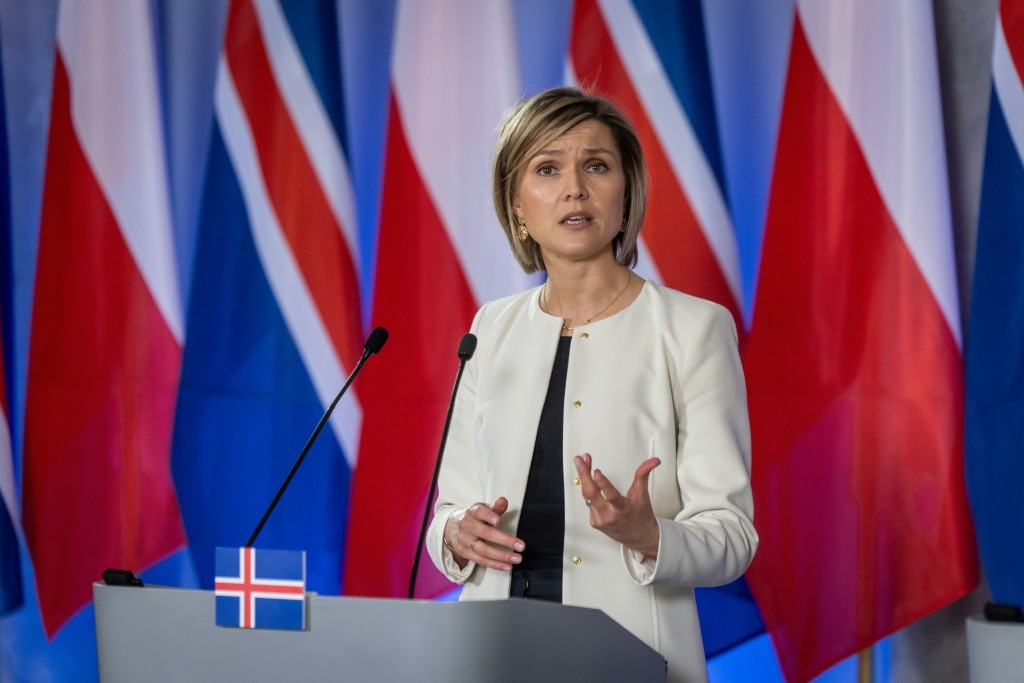
    Iceland’s government has announced plans for a national referendum on August 29 to determine whether to resume European Union membership negotiations that were formally terminated in 2015. Foreign Minister Thorgerður Katrín Gunnarsdóttir confirmed she will present the formal proposal to parliament early next week, though government support remains uncertain.

    The Nordic nation initially applied for EU membership in 2009 following the catastrophic collapse of its financial sector. Negotiations commenced in 2010 but were suspended after parliamentary elections in 2013, with the subsequent conservative government completely terminating the process two years later.

    The proposed referendum will pose a direct question to Icelandic citizens: ‘Should negotiations on Iceland’s accession to the European Union continue?’ Voters will have binary options—either endorsing or rejecting the resumption of talks.

    Prime Minister Kristrún Frostadóttir asserted that Iceland’s current economic strength and national self-confidence create an ideal environment for this consequential decision. The center-left coalition government had previously committed to holding such a vote before the end of 2027.

    Notably, 27 of the required 33 negotiation chapters had been opened before talks stalled, with 11 already concluded. The critically important fisheries chapter—particularly sensitive given Iceland’s determination to maintain control over its marine resources—remains unaddressed.

    Minister Gunnarsdóttir emphatically stated she would ‘never sign an agreement that entails ceding Iceland’s control over its resources,’ particularly fishing grounds. She emphasized that renewed negotiations would immediately tackle the most challenging aspects while reviewing previously completed chapters for necessary updates.

    Both leaders highlighted how geopolitical realities have transformed since initial negotiations. Prime Minister Frostadóttir noted increased focus on Arctic and North Atlantic cooperation, while referencing concerns sparked by former US President Trump’s interest in acquiring Greenland. The minister also expressed apprehension about potential Russian interference in the referendum process, citing pattern of meddling in other nations considering EU alignment.

    EU Enlargement Commissioner Marta Kos acknowledged Iceland’s upcoming ‘significant decision,’ describing the country as ‘already a strong and strategic partner’ that could benefit from the EU’s ‘values, prosperity and security’ in an increasingly competitive global landscape.