博客

  • Study paves the way for growing perennial rice

    Study paves the way for growing perennial rice

    Chinese researchers have achieved a groundbreaking advancement in agricultural science by identifying and cloning a crucial “longevity gene” from wild rice varieties. This discovery, published on the cover of the journal Science, represents a significant step toward transforming rice from an annual crop into a perennial plant capable of regrowing year after year without replanting.

    The research team from the Chinese Academy of Sciences’ Center for Excellence in Molecular Plant Sciences spent eight years investigating the genetic mechanisms that distinguish perennial wild rice from domesticated annual varieties. Their research revealed that a mutation in the EBT1 gene during early domestication caused rice to lose its perennial characteristics as humans selectively bred for higher grain production and faster growth cycles.

    Lead scientist Han Bin explained that by reintroducing the EBT1 gene into high-yield cultivated rice, researchers have successfully created a perennial “wild-like rice” that has survived in field conditions for over two years in Hainan province. The plant demonstrates a unique biological capability to reverse its developmental program, transitioning back from the reproductive stage to vegetative growth every three to four months, effectively resetting its physiological age.

    This biological mechanism enables “one planting, multiple harvests”—a feature that could revolutionize rice farming practices. The bred perennial rice shows remarkable productivity, generating approximately 70 secondary tillers compared to the dozen typically produced by wild-type parent plants.

    The development holds profound implications for sustainable agriculture, potentially reducing labor requirements, minimizing soil erosion through eliminated tilling, and contributing to carbon sequestration efforts. Science journal highlighted the environmental benefits, noting that perennial rice could significantly slow soil erosion while ensuring food security through reduced planting cycles.

    Field observations continue as scientists monitor the long-term viability and agricultural performance of this genetically enhanced rice variety, which could fundamentally transform global rice production methods.


  • UN chief urges US, Israel to end war, warns of global consequences

    UN chief urges US, Israel to end war, warns of global consequences

    UNITED NATIONS, March 19, 2026 – In a stark address delivered during the European Council meeting in Brussels, UN Secretary-General Antonio Guterres issued an urgent plea for the immediate cessation of hostilities between the United States, Israel, and Iran, warning of catastrophic global repercussions if diplomatic solutions aren’t prioritized.

    Guterres emphasized that the ongoing military confrontation, initiated on February 28th, has created a dangerous escalation that risks spiraling ‘completely out of control’ while inflicting ‘immense suffering to civilian populations.’ The Secretary-General’s statement came as EU leaders convened to address the Middle East crisis and its profound implications for European energy security and regional stability.

    The conflict has already triggered severe disruptions across global markets, with energy prices experiencing unprecedented volatility. European benchmark gas prices witnessed a dramatic surge of over 30 percent during Thursday’s trading session, reaching €70.7 per megawatt-hour before moderating slightly. This represents a more than doubling of pre-conflict prices that previously stood at approximately €32 per megawatt-hour.

    Simultaneously, international oil markets experienced significant pressure, with Brent crude futures climbing above $116 per barrel – a price level not seen in recent years. Guterres specifically highlighted the disproportionate impact on developing nations, noting that the economic shockwaves ‘threaten to create particularly tragic consequences for the world’s least developed countries.’

    The UN leader’s intervention underscores growing international concern that the military action could evolve into a broader regional conflict with far-reaching implications beyond immediate security concerns. European leaders are now faced with addressing both the humanitarian aspects of the crisis and its destabilizing effect on global economic frameworks.

    Guterres concluded with a powerful appeal for diplomatic resolution: ‘The time has come for dialogue and negotiation to supersede military action. We must choose the path of peace before this conflict generates irreversible damage to global stability.’

  • Henan facility trains robots to excel in different scenarios

    Henan facility trains robots to excel in different scenarios

    Central China’s Henan province has emerged as a groundbreaking hub for advanced robotics development with the establishment of the region’s first heterogeneous humanoid robot training facility in Zhengzhou. This state-of-the-art center positions Henan as China’s third major robotics training region alongside Beijing and Shanghai, marking a significant milestone in the nation’s artificial intelligence infrastructure.

    The facility currently deploys 140 cutting-edge robots across six critical sectors including modern agriculture, industrial manufacturing, and healthcare. These machines undergo intensive training in 27 real-world scenarios where they practice complex tasks such as navigation, object manipulation, obstacle avoidance, and human interaction. Each failure becomes a learning opportunity, with robots continuously adjusting their approaches through iterative improvement cycles.

    A team of nearly 70 data specialists works alongside the robots, collecting and labeling approximately 50,000 high-quality data entries daily. This massive data generation fuels the continuous improvement of AI models, creating an unprecedented repository for embodied intelligence development.

    Developed through a collaboration between Henan Investment Group and the National and Local Co-Built Humanoid Robotics Innovation Center, the facility represents a strategic investment in China’s technological future. It employs a unique ‘front store, back factory’ operational model that combines training operations with a commercial robot 4S store, allowing direct customer interaction and feedback integration.

    The training methodology represents a significant advancement over traditional approaches. Rather than relying on image annotation, trainers use hands-on instruction in simulated environments to teach robots perception, decision-making, and execution skills. Each robot receives personalized training from dedicated human instructors, with motion data uploaded to cloud systems in real-time to support model iteration.

    Chen Yang, business manager at Henan Embodied Intelligence Industry Development Company, describes the facility as both a ‘data factory’ and ‘robot training school’ designed to accelerate robots’ transition from novice operators to skilled workers. The center specifically tailors its programs to support Henan’s 12 pillar industries, with plans to expand to over 100 real-world scenarios.

    The training process proves remarkably time-intensive even for simple tasks. Basic flower arrangement requires dozens of hours of data collection, while teaching robots to distinguish between flowers, vases, and positions can take weeks of continuous training. The facility primarily employs Generation Z trainers, who bring innovative thinking and patience to the complex training process.

    According to Wang Hao, a 24-year-old trainer with three years of experience, the current focus has evolved from basic command recognition to precise execution. Robots must accumulate vast amounts of data to perfect even simple actions like holding a glass of water without spillage or breakage.

    The applications extend beyond conventional uses to include high-risk scenarios such as high-temperature welding and hazardous river environments where human safety would be compromised. This expansion demonstrates the facility’s commitment to developing practical solutions for challenging real-world conditions.

    Looking toward the future, Yan Chen, Director of Henan’s Department of Industry and Information Technology, revealed the province’s ambitious goal to develop embodied intelligence-related industries worth over 100 billion yuan ($14.5 billion) by 2030. This investment positions Henan at the forefront of China’s rapidly growing robotics and artificial intelligence sector.

  • China approves Meishan as national historical and cultural city

    China approves Meishan as national historical and cultural city

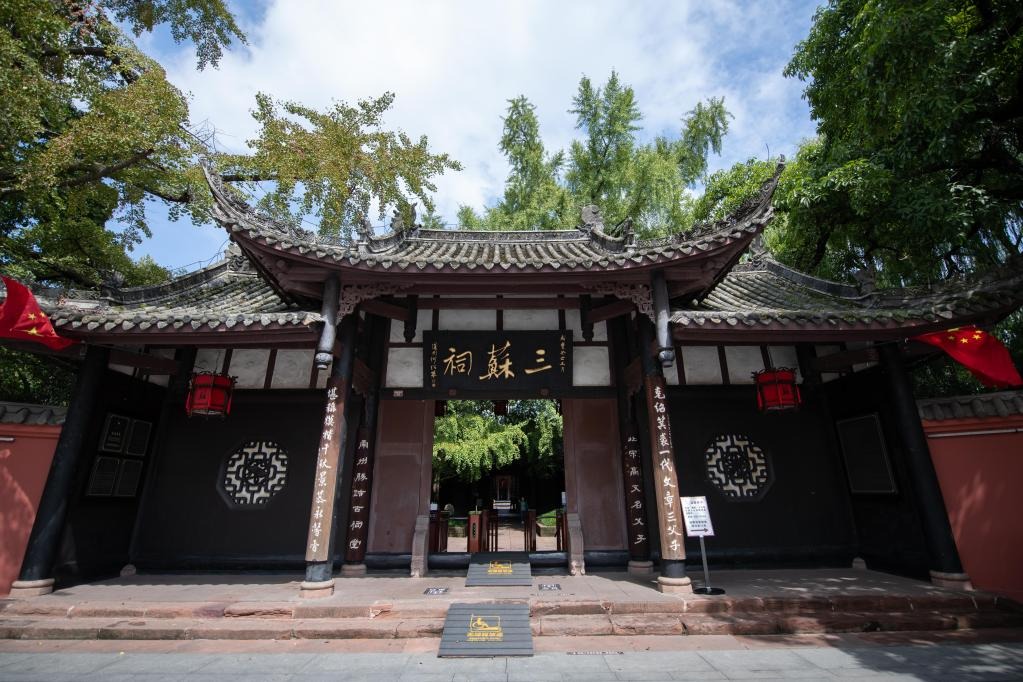
    BEIJING, March 20, 2026 – The Chinese State Council has formally designated Meishan, a culturally significant city in Sichuan Province, as a National Historical and Cultural City. This prestigious recognition was announced through an official government notice published on Thursday, elevating Meishan’s status for its exceptional preservation of historical heritage.

    The government communiqué emphasized Meishan’s profound historical legacy, rich cultural traditions, and distinctive regional characteristics that have been meticulously maintained through centuries. The city’s outstanding conservation of ancient architecture and cultural artifacts played a pivotal role in securing this national designation.

    According to the official directive, both Sichuan provincial and Meishan municipal authorities are now mandated to strengthen implementation of cultural relic protection legislation. The notice specifically calls for enhanced exploration of heritage value, comprehensive documentation of ancient Meizhou’s urban layout, and improved conservation measures alongside sustainable utilization of historical sites.

    The recognition further requires local governments to actively promote traditional Chinese culture through Meishan’s historical resources. Notably, Meishan – historically known as Meizhou – holds special significance as the birthplace of Su Shi (also known as Su Dongpo), one of China’s most celebrated poets and literary figures from the Song Dynasty (960-1279). This cultural connection to one of China’s greatest literary minds adds substantial historical weight to Meishan’s new designation.

    The National Historical and Cultural City program represents China’s highest level of recognition for urban centers that preserve extraordinary cultural and historical heritage, ensuring these treasures receive maximum protection and promotion for future generations.

  • India to tackle global obesity with cheap fat-loss jabs

    India to tackle global obesity with cheap fat-loss jabs

    A seismic shift is underway in global obesity treatment as India’s pharmaceutical industry prepares to launch affordable generic versions of breakthrough weight-loss injections following the expiration of key patents. The expiration of semaglutide patents—the active component in medications like Ozempic and Wegovy—on Friday has unlocked unprecedented opportunities for mass production of cost-effective alternatives.

    Medical facilities across Mumbai are already anticipating a substantial surge in patient demand. Endocrinologist Nadeem Rais reports approximately 50 weekly inquiries for weight-loss injections at his clinic alone, with current patient numbers ranging between 70-80. “With generic availability and subsequent price reductions, this figure could easily escalate to 200,” Dr. Rais projected.

    The timing coincides with India’s evolving health crisis where traditional undernutrition challenges now compete with rapidly rising obesity rates. Recent government data reveals 24% of women and 23% of men are classified as overweight or obese—a paradoxical development in a nation that still accounts for one-third of global undernutrition cases.

    India’s pharmaceutical giants have positioned themselves at the forefront of this transformation. Regulatory documents confirm at least four major manufacturers have prepared generic semaglutide formulations, with Zydus Lifesciences announcing immediate “Day 1” launches. Market research firm Pharmarack anticipates an influx of more than 50 brands from over 40 manufacturers entering the market shortly.

    The economic implications are substantial. India’s weight-loss medication market has experienced tenfold growth over five years, reaching $153 million in 2026 with projections exceeding $500 million by 2030. Current premium treatments costing 15,000-22,000 rupees ($161–$236) monthly have limited accessibility, but generics are expected to reduce costs to approximately 5,000 rupees ($60) monthly.

    This development carries significant global ramifications, particularly for middle-income nations where obesity rates are climbing but treatment remains cost-prohibitive. As the supplier of over half of Africa’s generic medications, India’s affordable semaglutide could become a vital resource for developing regions.

    Medical professionals acknowledge both the promise and challenges. While these medications demonstrate remarkable efficacy, they can produce side effects including nausea and gastrointestinal discomfort. Nonetheless, as bariatric surgeon Sanjay Borude observes, the treatment addresses a growing health crisis fueled by sedentary urban lifestyles and changing economic patterns.

  • Finely balanced tea captures the flavor of chun fen

    Finely balanced tea captures the flavor of chun fen

    As the Spring Equinox arrives, marking one of China’s 24 solar terms with perfect balance between day and night, a parallel equilibrium is found in the season’s most prized agricultural product: first-flush spring tea. The chun fen period has ushered in peak harvest season across eastern China’s misty mountains, where tea growers are gathering leaves that embody the essence of seasonal transition.

    Professional tea taster Weng Huiqiong explains that these early buds, harvested after winter dormancy, contain significantly higher concentrations of amino acids and theanine, creating a distinctive flavor profile characterized by crisp briskness followed by subtle sweetness. “Spring tea is the ultimate flavor of the season,” Weng notes, describing the tender single buds as “nature’s most concentrated energy pods.”

    While traditional varieties like West Lake Longjing remain celebrated, Weng recommends exploring regional specialties including Jiangnan’s fruity Biluochun and Sichuan varieties such as Mengding Ganlu, Emei Xueya, and Zhuyeqing. Jasmine tea also serves as an ideal transitional choice for early spring, with its fresh floral aroma helping to clear the senses.

    The ancient tea culture is undergoing contemporary transformation through the emergence of “tea mixologists” who blend traditional ingredients with modern techniques. At Hangzhou’s Four Seasons Hotel, this innovation manifests in the Osmanthus Longjing Latte—part of their Grand Canal Cultural Tea Series—which replaces espresso with carefully brewed Longjing tea, textured microfoam, and dried osmanthus flowers.

    Using low-temperature extraction methods to preserve delicate aromas, these modern creations allow vegetal and floral notes to emerge through creaminess without overpowering the drink. Yet the season remains fleeting: as Spring Equinox passes, the window for the freshest spring tea narrows rapidly, making each cup a temporary moment of balance before the year progresses.

  • Relaxing ColorWalk takes social media by storm

    Relaxing ColorWalk takes social media by storm

    A novel social media movement dubbed ‘ColorWalk’ is captivating millions of young Chinese users, offering a therapeutic escape from daily pressures through the simple act of color-themed exploration. The trend has exploded across platforms including Douyin and Xiaohongshu, generating massive engagement as participants seek beauty in their immediate surroundings.

    The practice involves selecting a specific color theme before venturing outdoors, then documenting all matching hues encountered during leisurely walks or daily commutes. This intentional focus transforms ordinary environments into vibrant canvases, encouraging participants to rediscover overlooked details in their urban landscapes.

    Yang Zheng, a 29-year-old publishing professional from Qingdao, exemplifies the trend’s appeal. After discovering ColorWalk on Douyin, she established a WeChat sharing group that rapidly attracted approximately 45 predominantly Gen-Z members. The collective now designates daily color themes and exchanges photographic discoveries, creating a supportive community around mindful observation.

    According to psychological experts, ColorWalk represents a practical application of grounding techniques—a therapeutic method with dual objectives: actively redirecting attention and establishing manageable goals. Xu Gaoyang, a psychotherapist at Beijing Anding Hospital of Capital Medical University, compares the approach to stabilizing an aircraft during turbulence. ‘By anchoring attention to external environmental elements—in this case specific colors—we rapidly reconnect with the present moment, fostering stability and calm,’ he explains.

    The activity produces measurable physiological effects, with different colors triggering distinct nervous system responses. Cool tones like blue and green activate the parasympathetic nervous system, reducing heart rate and promoting relaxation, while warmer hues like red and orange stimulate the sympathetic nervous system, enhancing energy and alertness.

    University student Hu, 19, from Anhui province, finds ColorWalk naturally complements his passion for life documentation. ‘It enables me to record my days more meaningfully,’ he notes, emphasizing how the practice reveals previously unnoticed elements—a red fire hydrant suddenly becomes significant during a ‘red’-themed walk, transforming mundane surroundings into sources of wonder.

    Academics interpret ColorWalk’s popularity as a response to contemporary ‘purpose fatigue,’ where young people overwhelmed by achievement-oriented pressures create undemanding yet purposeful activities. Wang Wenda, Director of Psychological Health Education at Xinhua College of Ningxia University, observes that these minor accomplishments activate the brain’s reward system, alleviating feelings of powerlessness while enhancing self-efficacy through achievable positive experiences.

    This low-cost, accessible trend represents a broader cultural shift among Chinese youth seeking agency within competitive environments. As Wang concludes: ‘You needn’t await perfect circumstances to feel good. Small actions can generate pleasure, relaxation, and control—allowing people to carve personal sanctuaries amid uncertainty.’

  • Somaliland centre saves cheetahs from trafficking to Gulf palaces

    Somaliland centre saves cheetahs from trafficking to Gulf palaces

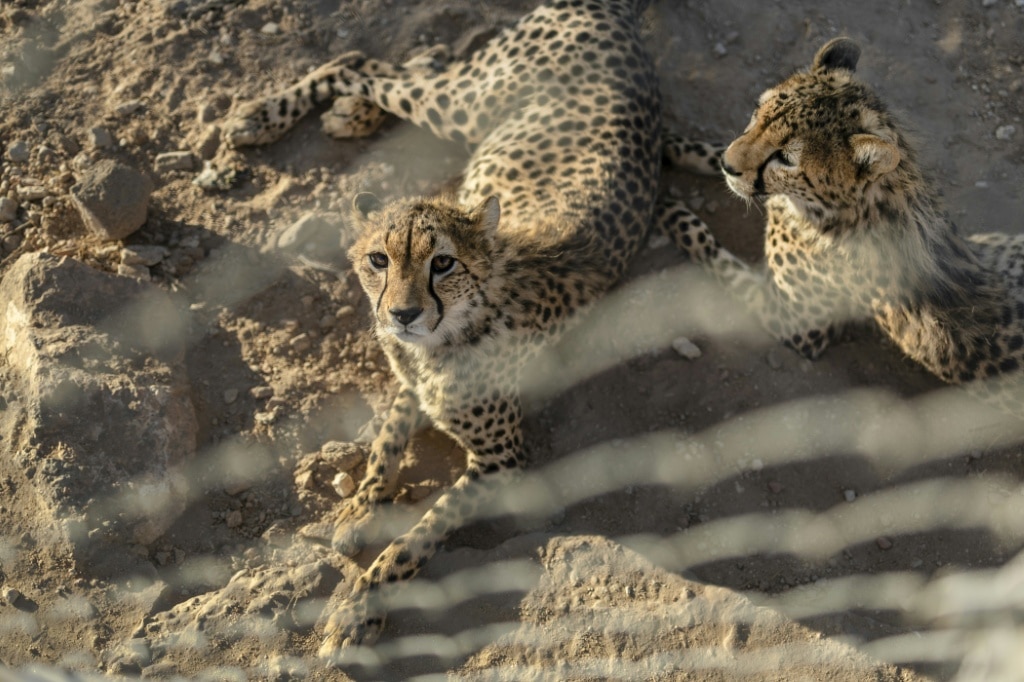
    In the Geed-Deeble savannah of Somaliland, a breakaway region of Somalia, 127 rescued cheetahs now reside in a specialized sanctuary operated by the Cheetah Conservation Fund (CCF). These magnificent felines represent survivors of a devastating wildlife trafficking network that supplies exotic pets to wealthy buyers in Gulf nations.

    The cheetahs, all forcibly separated from their mothers as cubs, were destined for luxurious palaces across the Arabian Peninsula before intervention by Somaliland authorities. The CCF facility provides critical care for these traumatized animals, many arriving in dire condition after brutal smuggling attempts.

    According to conservation experts, the illicit trade poses an existential threat to the species. With only approximately 600 cheetahs remaining in the Horn of Africa region—and merely 7,000 surviving globally in the wild—the sanctuary supports a significant portion of the endangered population. The International Union for Conservation of Nature classifies African cheetahs as ‘critically endangered’ outside southern Africa.

    Chris Wade, director of the facility, describes the heartbreaking reality of rescue operations. Eight recently arrived cubs, part of a group of 11 intercepted by Somaliland’s coastguard, required intensive medical care after being discovered severely dehydrated and parasite-ridden aboard a smuggling vessel. Tragically, three succumbed within days of arrival.

    The trafficking pipeline typically begins with villagers in Somaliland or Ethiopia capturing cubs for meager payments of $50-$100. These animals then undergo perilous journeys across the Gulf of Aden to Yemen before reaching final destinations in Saudi Arabia and the United Arab Emirates, where they command prices reaching $20,000.

    Despite both UAE (2016) and Saudi Arabia (2022) implementing laws criminalizing possession and trade of dangerous animals, enforcement remains challenging. Animal trafficking expert Daniel Stiles reports continuing sightings of new cheetahs appearing on social media platforms, indicating persistent demand.

    The survival statistics are grim: for every cub successfully delivered, four to five perish during transportation. Those reaching their destinations typically survive only one to two years due to improper care, malnutrition, and disease, according to CCF founder Laurie Marker.

    A 2021 report by the Global Initiative Against Transnational Crime estimated approximately 300 cheetahs are smuggled annually from East Africa and the Horn of Africa, primarily destined for palatial residences. At this rate, experts warn the species faces ‘virtual extinction.’

    While most sanctuary residents have become too habituated to humans for wild release—missing crucial hunting development that enables their legendary 120 km/h speeds—the center is developing a 1,500-hectare rewilding area to rehabilitate younger arrivals for potential return to nature, offering hope for future rescues.

  • Ten photos from across China: March 13 – 19

    Ten photos from across China: March 13 – 19

    China Daily Information Co (CDIC) has issued a formal copyright declaration regarding all content published across its digital platforms. The comprehensive notice explicitly states that all materials, including textual content, photographs, and multimedia information published since 1994, remain the exclusive intellectual property of CDIC.

    The company emphasizes that any republication or utilization of this protected content in any form requires prior written authorization from CDIC. This copyright protection extends to all content types and applies regardless of how the material might be repurposed or distributed.

    Additionally, the notice includes technical recommendations for optimal user experience, suggesting that visitors utilize browsers with 1024*768 resolution or higher when accessing their digital properties. The publication also displays its official publishing license (0108263) and registration number (130349), reinforcing its legitimate operational status.

    The footer section provides navigation to important organizational information, including corporate background details, advertising opportunities, contact information, and employment sections specifically catering to expatriate job seekers. The notice concludes with social media engagement prompts, encouraging visitors to follow the organization’s various channels for updates.

  • The Datong Code EP.3 | Intangible cultural heritage micro-drama series | PKU presents

    The Datong Code EP.3 | Intangible cultural heritage micro-drama series | PKU presents

    Peking University has released the third installment of its groundbreaking micro-drama series ‘The Datong Code,’ showcasing China’s intangible cultural heritage through an immersive narrative experience. The latest episode transports viewers to the breathtaking Hanging Temple, an architectural marvel clinging precariously to cliff faces where wooden beams defy gravity and prayer bells resonate through the mountain voids.

    The narrative intensifies as protagonist Kai discovers a crucial clue carved into porous volcanic rock—a silent, watchful representation of the mythical Monkey King Wukong. This discovery occurs just as hunters close in, forcing Kai and his protector Yuwen through a tense chase across the temple’s shifting stairways and shadowed corridors. The cinematic sequence masterfully builds suspense while highlighting the temple’s intricate architecture.

    This innovative series represents a significant advancement in cultural preservation, blending entertainment with educational elements to bring China’s rich heritage to global audiences. The production demonstrates Peking University’s commitment to using contemporary storytelling techniques to safeguard traditional culture, making ancient wonders accessible to modern viewers through dramatic narrative and stunning visual representation.

    The episode concludes with a compelling question about the next elemental discovery, maintaining viewer engagement while promising further exploration of China’s cultural treasures in subsequent installments.