
Nearly two months after Lionel Messi announced his retirement from international football with Argentina, the Argentine Football Association (AFA) has granted the legendary captain the send-off he deserves, scheduling a special October friendly against Benin to celebrate his historic career with La Albiceleste. The 39-year-old Inter Miami star, who already cemented his legacy as one of the greatest footballers of all time by leading Argentina to victory in the 2022 World Cup, first stepped away from national team duty in August. His retirement came on the heels of Argentina’s narrow final defeat to Spain at the 2026 World Cup, and followed a period of uncertainty about his future in the sport triggered by the passing of his father, Jorge Messi. In the emotional announcement of his departure, Messi shared that stepping away from the national side hurt him deeply, but he felt he had given everything he had to the team and had nothing left to contribute at the international level. Over the course of his iconic 18-year run with Argentina, Messi broke every major offensive record: he leaves the program as the nation’s all-time leading goal scorer with 125 goals across 207 senior appearances, and holds the title of the most capped player in Argentine history, along with an unprecedented eight Ballon d’Or awards to his name. AFA president Claudio Tapia confirmed the organization’s decision to invite Messi for one final match, calling the forward the best player in the world, a permanent symbol of Argentine football, and the nation’s beloved captain. The historic farewell fixture will take place on October 6 at Buenos Aires’ Estadio Monumental, the home ground of River Plate, which can hold up to 85,000 fans eager to honor Messi. Tapia also shared that every member of Argentina’s 2022 World Cup-winning squad has been invited to take part in the occasion, which he promises will be an unforgettable experience for players and fans alike. Beyond the celebration of Messi’s career, the match will come after Argentina has served out a disciplinary punishment handed down by FIFA. The global governing body ordered Argentina to play its next two home matches at half capacity following multiple infractions of FIFA’s disciplinary code during the 2026 World Cup, including the use of a sports event for non-sporting political demonstrations, team misconduct, and discriminatory behavior by spectators. The sanctions stemmed from an incident after Argentina’s 2-1 semi-final victory over England, when multiple Argentine players displayed a banner asserting Argentine sovereignty over the Falkland Islands, a British Overseas Territory. One match of the two-match capacity suspension was already suspended by FIFA, and Argentina will complete the remaining penalty during two pre-farewell friendlies: a September 30 match against Bolivia in Cordoba, and an October 3 meeting with Burkina Faso in Buenos Aires, clearing the way for a full-capacity crowd for Messi’s farewell. Two key Argentina midfielders, Leandro Paredes and Nahuel Molina, will not be available for the friendly against Benin, however. Both players received lengthy suspensions for their roles in on-field altercations that broke out after Argentina’s 2026 World Cup final loss to Spain, with Paredes handed a 10-match ban and Molina a seven-match suspension that will rule them out of the October fixture.
博客
-
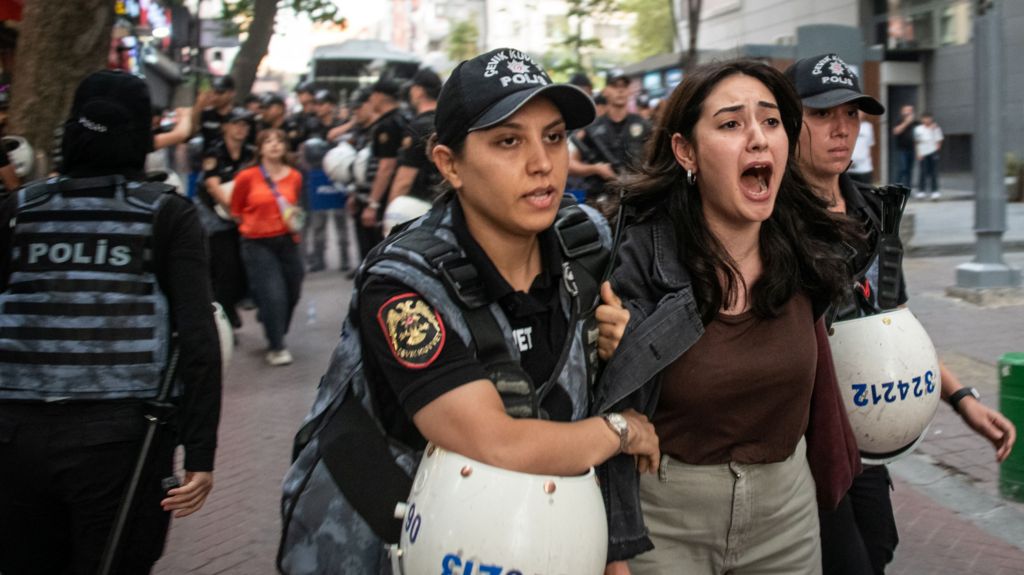
Turkey arrests dozens in crackdown on LGBTQ+ activists
A sweeping government crackdown on LGBTQ+ communities and rights organizers across Turkey has led to dozens of additional arrests this week, escalating a growing campaign that has drawn widespread condemnation from international human rights bodies. The latest detentions came Tuesday, when hundreds of demonstrators gathered outside Istanbul’s main central courthouse to demand the release of activists arrested just days earlier in a coordinated series of raids targeting gay bars and private homes of queer organizers.
According to reporting from Agence France-Presse, protestors at the Tuesday demonstration chanted calls for freedom and immediate release of all detained community members, with tensions flaring after a group of activists unfurled a banner declaring “Being LGBTQ is not a crime.” In response, police moved in to detain dozens of attendees, extending the dragnet that had already swept up dozens of community members over the preceding weekend.
This broad operation, which the Turkish government has branded the “My Family is Safe” campaign, is officially framed as an effort to protect traditional national family values. But rights monitors say the initiative is the latest escalation in a years-long push to marginalize Turkey’s LGBTQ+ community, which has faced growing legal and social hostility under the administration of President Recep Tayyip Erdogan. Over the past seven days alone, authorities have carried out raids on LGBTQ+ association offices, blocked dozens of official websites and social media accounts linked to queer and human rights groups, and made arrests across 15 different Turkish provinces.
Human Rights Watch, a leading global non-governmental rights organization, confirmed this week that the government has blocked or restricted digital access to more than 50 organizations spanning LGBTQ+ advocacy, independent media, and human rights work. While same-sex romantic relations have never been criminalized under Turkish law, systemic and cultural homophobia remains deeply entrenched in public life. Erdogan has repeatedly used inflammatory rhetoric against the community, most recently describing LGBTQ+ people as “perverts” and falsely blaming them for the country’s declining birth rate.
International oversight bodies have swiftly raised alarm over the expanding crackdown. Michael O’Flaherty, Commissioner for Human Rights at the Council of Europe, issued a public statement this week expressing deep concern over the pattern of arrests, raids, and digital censorship targeting queer civil society and human rights defenders across the country. O’Flaherty’s statement confirmed details shared by Turkey’s Ministry of Justice, noting the current operation targets 162 individuals, nine LGBTQ+ and rights associations, and 13 independent businesses across the 15 provinces, coordinated by multiple regional Chief Public Prosecutors’ Offices. As of Wednesday, detentions are ongoing, and advocates warn the campaign is creating a climate of fear that threatens basic civil liberties for all queer people in Turkey.
One protestor who spoke to AFP captured the widespread anxiety within the community, saying, “What we are seeing now is deeply disturbing.” Rights groups warn the crackdown represents one of the most systematic pushes to erode LGBTQ+ rights in Turkey in recent history, raising new questions about the country’s commitment to international human rights standards. -
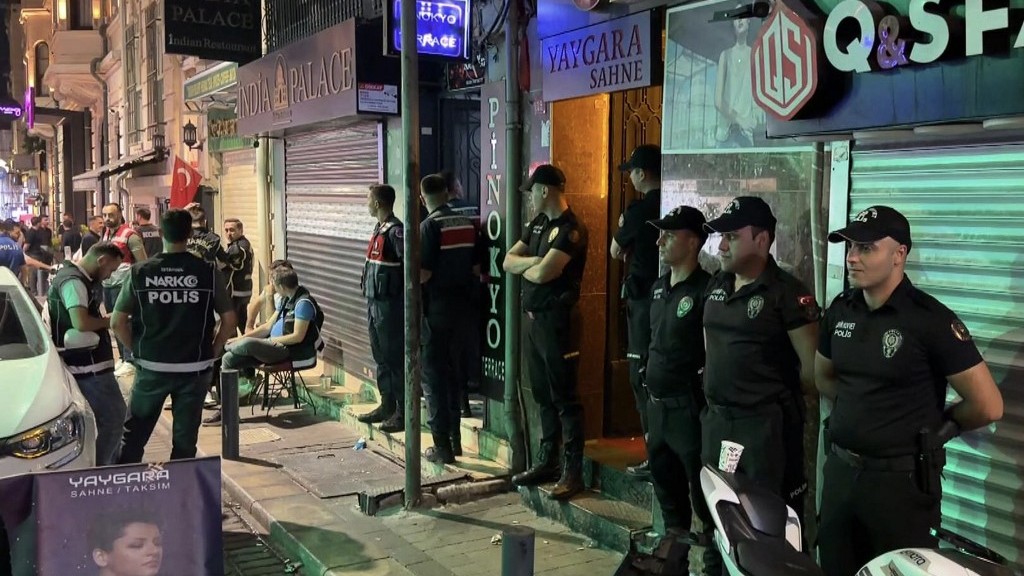
Turkish authorities launch sweeping crackdown on LGBTQ+ community
Turkish authorities have launched the broadest crackdown on the LGBTQ+ community in the country’s modern history, arresting hundreds of people ranging from grassroots activists and journalists to HIV service providers and ordinary members of the public across at least 15 provinces. The operation, branded the “My Family is Safe” initiative by the government, follows a years-long trend of escalating targeting of queer groups under the ruling Justice and Development Party (AKP), and frames the action as an effort to defend traditional Turkish family structures. Those detained face a range of sweeping charges, including accusations of obscenity, facilitating prostitution, and maintaining improper financial ties with international entities.
-
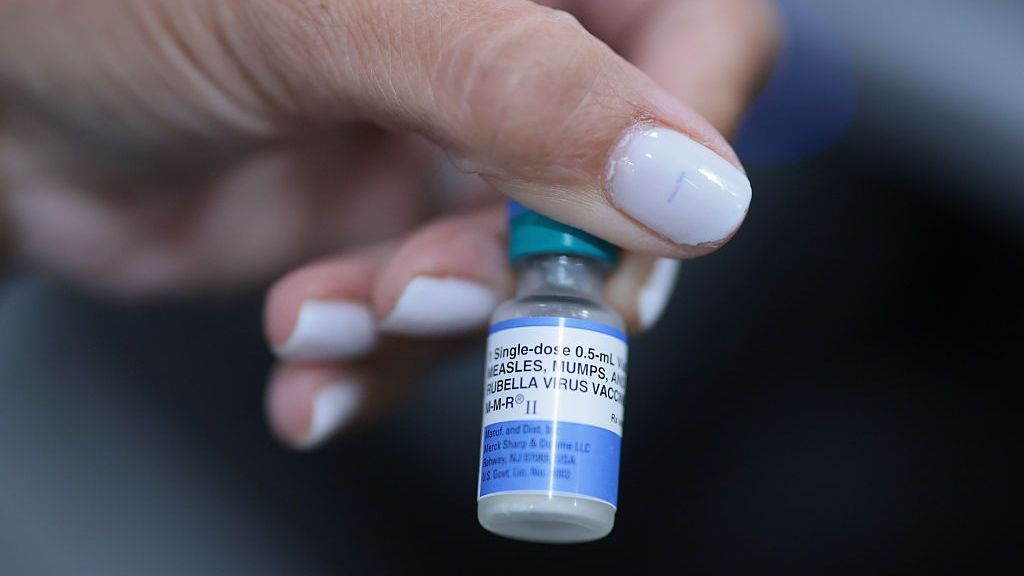
Pennsylvania officials report fourth measles-associated death in ‘surge’ of cases
The United States is facing its most severe measles outbreak in decades, with a fourth death now confirmed in Pennsylvania, according to state public health officials. The latest fatality, an 18-year-old from Mifflin County, died from acute encephalomyelitis, a rare and life-threatening neurological complication triggered by the highly contagious measles virus, local coroner officials confirmed.
So far in 2025, Pennsylvania has recorded more than 600 confirmed measles cases, with the vast majority concentrated in Lancaster County. All four recent deaths in the state are tied to the ongoing outbreak: two unvaccinated adults — the 18-year-old and a 40-year-old woman who died of measles-induced respiratory failure last week — and two infants. Public health protocols recommend children receive their first dose of the combined measles, mumps, and rubella (MMR) vaccine at 12 months of age, meaning young infants are not yet eligible for protection. Local coroners and state health officials have verified that both infant deaths were directly linked to measles complications: one six-week-old child, born with the rare genetic condition Amish lethal microcephaly, died from measles infection in mid-August, while a second infant died after a measles-caused enlarged spleen ruptured, leading to fatal internal bleeding.
Once declared eliminated in the U.S. in 2000 through widespread successful vaccination programs, measles has made a devastating comeback in recent years. This year alone, the country has seen the highest number of measles deaths since the 1990s. In 2024, an outbreak centered in Texas’ Mennonite community claimed three lives, including two children. Public health experts universally attribute this resurgence to rising vaccine hesitancy across the country, which has driven immunization rates below the 95% threshold required to maintain herd immunity — the level of vaccination needed to stop sustained community spread of the virus.
The rising death toll has sparked open political tension between Pennsylvania’s Democratic Governor Josh Shapiro and U.S. Health Secretary Robert F. Kennedy Jr., a prominent vaccine skeptic. Shapiro has publicly accused Kennedy of spreading dangerous misinformation about MMR vaccines, and confirmed he would withhold personal details about the deceased from the top federal health official to protect victim families’ privacy. Kennedy has cast doubt on official findings that the two infant deaths were caused by measles, claiming the deaths were due to unrelated preexisting conditions and accusing Shapiro of political grandstanding.
Following the public dispute, Pennsylvania’s Department of Health released a statement defending its death investigations, noting that it had conducted rigorous joint reviews with local coroner offices to confirm each death was measles-related. “These investigations included confirming clinical evidence of a measles infection, a positive laboratory test, and that the death was not due to an unrelated cause,” the department said. The U.S. Centers for Disease Control and Prevention has so far declined to update its national death count pending completion of formal reviews, a position Kennedy has cited to back his questioning of the state’s findings.
A November review by global health bodies will decide whether the U.S. will officially lose its measles elimination status, a designation Canada lost in 2024. Kennedy, who has led a major overhaul of U.S. vaccine policy since taking office, has faced widespread condemnation from public health experts who argue his ambiguous and often critical messaging around the safe, effective MMR vaccine has undermined national efforts to contain the growing outbreak. While Kennedy has acknowledged that the worsening measles crisis is a global issue, telling a Senate committee last month that “the whole world had their worst measles year,” critics say his policy changes and anti-vaccine rhetoric have accelerated the outbreak in the U.S.
-
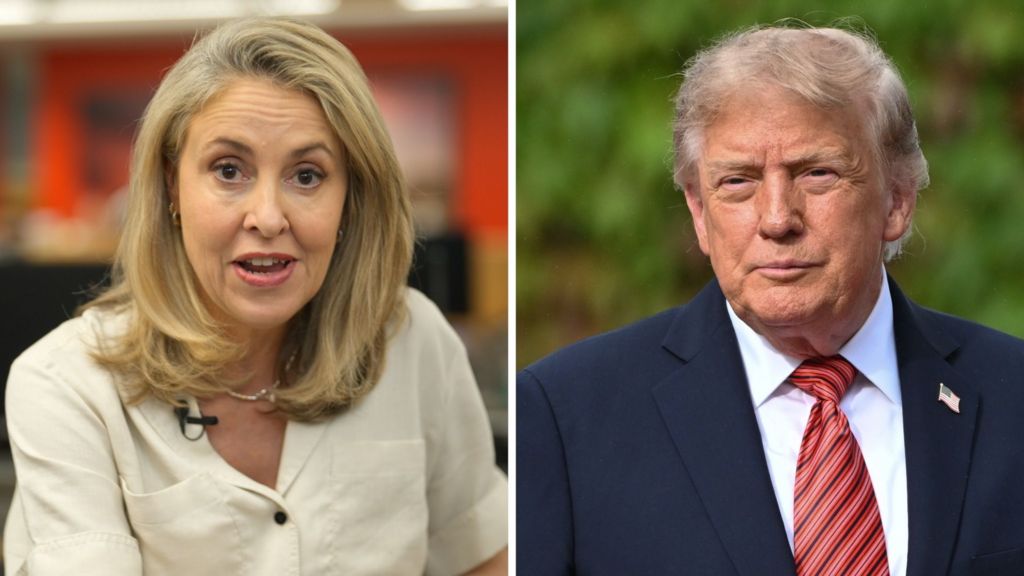
Why is Donald Trump so opposed to regulating AI?
A sharp divide has emerged in American discourse around artificial intelligence development, with former US president Donald Trump taking a public stance opposing new regulations on the rapidly evolving technology – a position that directly clashes with calls from top AI sector leaders to slow development pacing to address global risks.
BBC North America editor Sarah Smith has centered analysis on unpacking the roots of this contradiction, exploring the political and strategic calculations that have shaped Trump’s unexpected position. For months, a growing cohort of the technology’s most prominent pioneers – including executives and researchers behind the world’s most advanced AI systems – have pushed for targeted policy guardrails, warning that unconstrained advancement could pose severe existential and economic risks to global populations if not managed carefully.
Against that backdrop, Trump’s rejection of new regulation has raised questions among political and tech observers alike. Political analysts point to two core potential drivers for the stance: first, a long-standing Republican priority of limiting federal government overreach into private sector innovation, a core campaign and governing plank that aligns with the party’s traditional pro-business, deregulatory platform. Second, observers note that Trump has positioned himself as a supporter of American technological competitiveness, arguing that heavy regulation would put the US at a disadvantage against global rivals like China, which has rapidly expanded its own AI research and development capabilities in recent years.
Smith’s reporting highlights that the split underscores deeper tensions competing priorities in the AI policy space: between the need to mitigate growing risks associated with advancing AI capabilities, and the desire to maintain American leadership in what is widely expected to be the defining technology of the 21st century. The rift also illustrates how AI policy has quickly become a new fault line in US partisan politics, with competing visions for how the government should engage with the rapidly evolving sector.
-
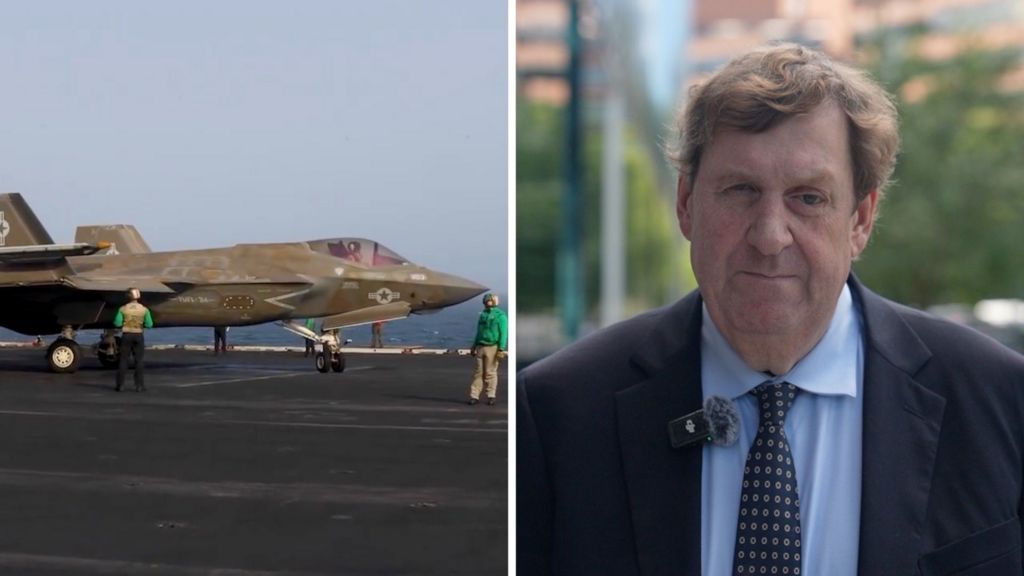
Watch: What does the munitions shortage mean for the US?
A growing gap between munitions consumption and stockpiles has emerged as a critical point of concern for U.S. national defense planners, following the sustained operational tempo of the Pentagon’s Operation Epic Fury. In a detailed on-the-ground analysis, BBC senior diplomatic correspondent Gary O’Donoghue has investigated how ongoing combat operations under this initiative are draining existing weapons stockpiles, and what cascading effects this depletion could have on the United States’ ability to respond to new global security threats.
For months, Operation Epic Fury has demanded a steady, high-volume output of artillery rounds, precision-guided missiles, and small-arms ammunition to support frontline operations. This sustained rate of use has outpaced current U.S. defense manufacturing capacity, leading to a measurable drawdown of stockpiles that were previously maintained as a strategic reserve for potential conflict contingencies. O’Donoghue’s reporting explores the bottlenecks that have slowed domestic production: ranging from stretched supply chains for critical raw materials to longstanding underinvestment in munitions manufacturing infrastructure that was scaled back in the years following the end of large-scale counterinsurgency operations in Afghanistan and Iraq.
The core question driving this analysis centers on military readiness: if the U.S. were to face an unexpected large-scale conflict in another region while current operations continue, would the depleted munition reserves leave American forces at a critical disadvantage? Defense analysts interviewed in the reporting note that the current shortage is not an immediate crisis, but it highlights long-term structural vulnerabilities in how the U.S. plans and sustains its defense industrial base. The issue has also sparked growing debate in Congress over whether additional funding is needed to expand production capacity and rebuild strategic stockpiles to match evolving global security demands.
-
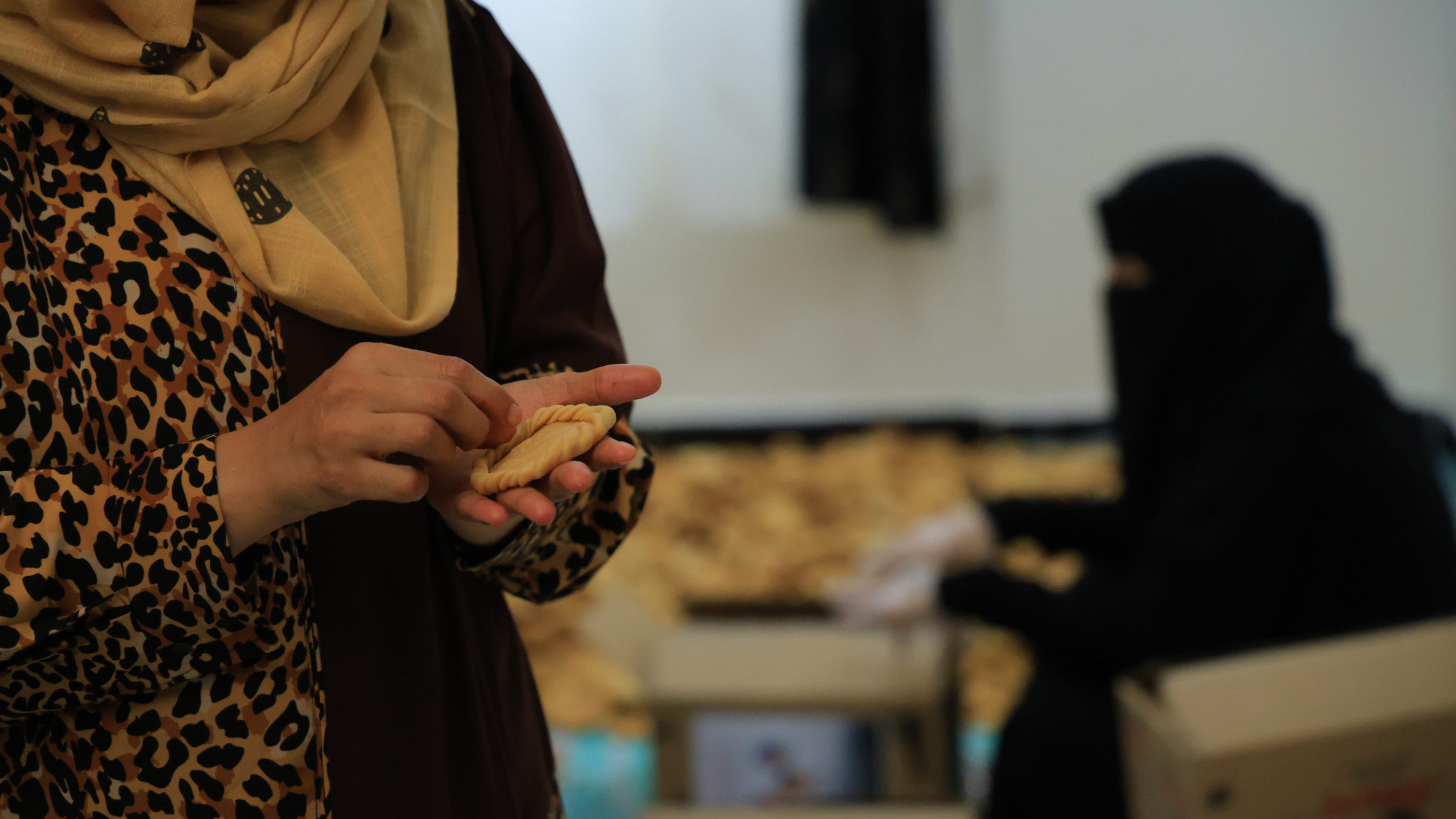
Baking for the front lines: Yemeni women revive wartime support for fighters
Before dawn breaks over the war-torn Yemeni city of Taiz, Naseem al-Odaini and a group of fellow women already stand gathered in a small kitchen, their hands deep in flour as they knead dough for date-filled pastries and sweet biscuits. Nearby, an oven hums to temperature, and a large mixing bowl waits for the next batch. Every warm, fragrant treat they pull from the heat is bound for the front lines, carrying a quiet, unshakable message of solidarity stitched into every ingredient: “Women stand beside you.”
This grassroots act of support is no new impulse for Yemeni women. For years, through cycles of intense conflict, they have gathered in home and community kitchens to back government forces fighting on the front lines. The initiative that Odaini now leads first launched in 2015, when large-scale conflict erupted across the country, but it went dormant for more than four years as fighting cooled. Now, after a major new military escalation across Taiz governorate, Odaini and her fellow volunteers have brought the mission back to life.
The resurgence of violence began on September 3, when Houthi forces launched a sweeping offensive against government-held positions in both Hodeidah and Taiz governorates. The offensive succeeded in seizing control of the remaining districts of Hodeidah city, the coastal port of Mocha, the strategic Bab al-Mandab Strait, and Mayyun Island. Today, fierce clashes continue to rage across western Taiz governorate, where Houthi forces have clawed out small territorial gains, while sporadic skirmishes persist along the eastern edges of Taiz city.
For Odaini, the renewed violence makes the work of civilian support non-negotiable. She says women in Taiz carry a clear duty to stand with frontline fighters, not just by providing food and critical medical supplies, but by lifting morale through every possible means. She oversees the production of hundreds of pastries each week, funding the operation through a mix of her own personal savings, small donations from friends and acquaintances, and contributions from supporters who found the initiative through social media.
To Odaini’s surprise, the level of public support for the revived initiative has far outstripped what the group saw a decade ago. “The support base has grown significantly compared to previous years, with many women from both inside and outside Taiz eager to participate,” she explained. “I did not expect this level of engagement, especially after being inactive for more than four years. I was truly surprised.” To protect the safety of fighters, the group has strict protocols: they do not accept pre-prepared food from unvetted sources, instead asking donors to buy key ingredients like flour and cooking oil from pre-approved trusted vendors, and submit proof of purchase.
Unlike many volunteers who send supplies through intermediaries, Odaini insists on delivering the baked goods to the front lines personally – a practice she has maintained since 2015, even after tragedy struck the group. “Three of my colleagues were killed on the front lines while delivering supplies, but I continued delivering the food myself,” she said. The fallen members – Moamen, Osama, and Reham – were core contributors to the initiative, and their loss has only deepened Odaini’s commitment to carrying on their work. “When I reach the front lines and see the fighters enduring the scorching sun and freezing cold, I feel that baking these biscuits and preparing preserved food is the least I can do for them,” she added.
Fighters say Odaini’s presence means more than any amount of supplies. When she visited frontline positions last week, she recalled, the troops greeted her with overwhelming joy. “They told me, ‘We don’t care as much about the biscuits as we do about your presence among us – it gives us immense psychological support, ‘” she said. Beyond baking and frontline delivery, Odaini is keen to emphasize that women’s contributions to the conflict stretch far beyond this initiative: many have lost their husbands, fathers, or sons – their families’ primary breadwinners – and have been forced to enter the workforce to keep their children fed and housed, taking on roles they never expected to hold amid the chaos of war.
Odaini is not alone in reviving this work. Israa al-Tayeb, another Taiz-based activist whose mother was killed during the 2011 revolution against former president Ali Abdullah Saleh in Taiz’s Freedom Square, also launched her own baking initiative in 2015, paused operations in 2022 as fighting calmed, and has now restarted her work at a larger scale than ever before. For six straight days, Tayeb and her team have worked almost non-stop to turn out thousands of biscuits and package other essential supplies including fresh milk, bottled water, and non-perishable snacks for fighters. “We do not feel tired because we know this food is reaching those who deserve it,” she said.
Tayeb’s team operates with a structured division of labor, adapted to meet the sharp increase in demand for supplies. Some members collect cash donations and source ingredients from local markets, others handle baking and packaging, and a separate trusted team handles frontline delivery – meaning Tayeb herself does not travel to the combat zone. Women who do not have the time or ability to bake often contribute cash instead, allowing the team to rent a small commercial kitchen and scale up their output. “We didn’t realise we could provide this much support, but with the steady stream of donations coming in, we have managed to grow our operation dramatically,” Tayeb explained. Encouraged by messages from fighters, she says the group has no plans to slow down: “These supplies make the fighters feel that the entire city stands behind them, so we will continue.”
This tradition of baking for frontline fighters is not unique to government-held Taiz: it is widespread across Yemen, with women in Houthi-controlled areas also preparing home-cooked food for their fighters, especially during major religious holidays. Men across the country also contribute, delivering everything from medical supplies and warm blankets to water and milk to frontline units as an act of solidarity.
For fighters on the front lines of western Taiz, this civilian support is transformative. Ahmed, a frontline fighter who spoke on condition of anonymity, said lightweight, non-perishable food and other supplies are not just critical for physical survival – they provide a huge boost to troop morale. “When I see a car loaded with food arrive at the front line, I feel as though the entire governorate is fighting alongside us and that we are not alone,” he told Middle East Eye. He noted that while most civilians flee combat zones to seek safety, many Taiz residents choose to stay behind to support the troops. “We all belong to this governorate, and everyone has a role to play,” Ahmed said. “While we fight on the front, others contribute financially, and women refuse to sit idly by – they bake for us.”
Psychological expert Hail al-Fakeeh explains that home-baked goods carry a unique emotional weight that generic ready-made food or direct financial aid cannot match. Unlike outside donations, these treats are prepared in the very homes that fighters are defending, creating an immediate emotional connection. “These biscuits connect the fighter on the front line emotionally to home, sending a powerful message that the people back in the city stand with them,” Fakeeh said. “It goes far beyond basic material support.” He added that this practice is a generations-old Yemeni tradition, with women across the country preparing homemade baked goods for fighters to lift morale during wartime dating back decades.
This report is part of independent, on-the-ground coverage of the Yemeni conflict by Middle East Eye, a publication focused on independent reporting from the Middle East and North Africa region.
-
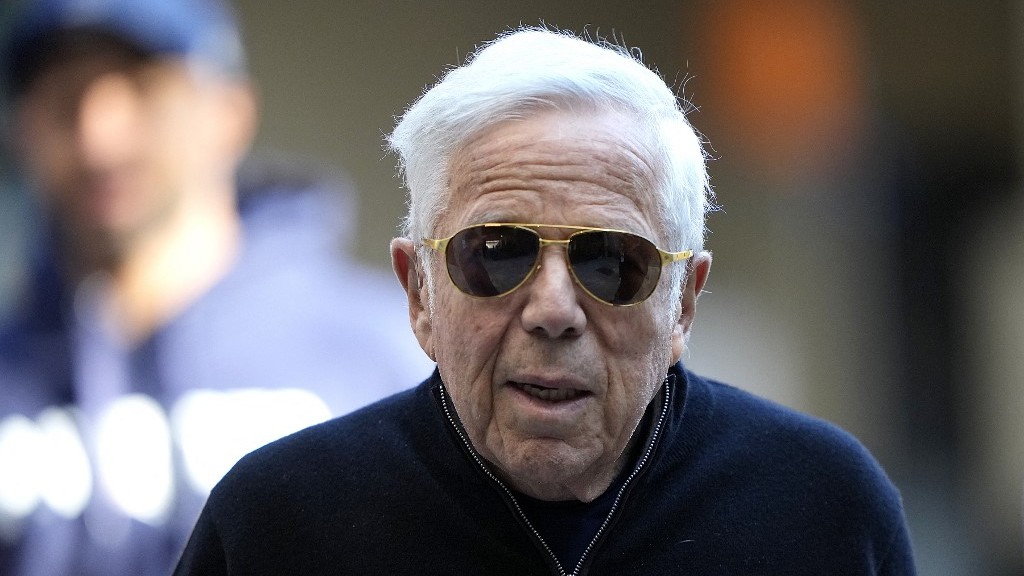
Pro-Israel billionaire Robert Kraft led campaign to drop Macklemore from Ed Sheeran tour
The ongoing debate over artistic freedom and the Israel-Gaza conflict has entered the mainstream music industry, after US rapper Macklemore confirmed via an Instagram statement that he was removed from Ed Sheeran’s North American tour, following aggressive pressure from American billionaire and New England Patriots owner Robert Kraft.
The controversy traces back to Macklemore’s guest appearances at Sheeran’s sold-out shows at New Jersey’s MetLife Stadium last week, where the rapper made public remarks calling for freedom for Palestine and condemning Israel’s military campaign in Gaza and the apartheid system in the occupied West Bank. He told the crowd that the plight of Palestinians living under violence and occupation had not been forgotten, drawing cheers from large portions of the audience – but also sparked fierce backlash from pro-Israel right-wing groups, who targeted tour host Sheeran.
According to Macklemore’s account of the situation, the pressure campaign was spearheaded by Kraft, a prominent Jewish-American and long-time outspoken advocate for Israel who used his influence over major US stadiums to force Sheeran’s hand. Kraft, who owns Gillette Stadium, one of the venues on Sheeran’s planned tour, threatened to block Sheeran and his production team from accessing the venue if Macklemore remained on the lineup. He also rallied other major stadium owners across the country to issue a collective ultimatum: either remove Macklemore from the tour, or the entire tour would be blocked from using their facilities.
Macklemore also noted that Sheeran told him he chooses to remain neutral on the issue of Israel’s military actions in Gaza and its decades-long occupation of Palestinian territories, a stance consistent with Sheeran’s public image as an artist who avoids political engagement.
Kraft’s long-standing pro-Israel advocacy is well-documented. In 2019, during a group tour of Israel for American football hall of famers that he led, Kraft met with Israeli Prime Minister Benjamin Netanyahu and told an audience that after his own family, nothing matters more to him than the state of Israel and his Jewish identity. Just this year, Kraft withdrew all financial and public support from Columbia University after the institution allowed pro-Palestine student demonstrations protesting Israel’s actions in Gaza, saying the university was “no longer an institution I recognise”.
In the wake of his removal from the tour, Macklemore emphasized that artists like himself and Sheeran do not qualify as victims of this incident, as both hold positions of privilege that insulate them from far worse harm. “We have careers, money, opportunities, safety and audiences around the world. Whatever consequences any of us face for what we say, we get to go home to our families,” he wrote. The true victims, he stressed, remain the Palestinian people, more than 20,000 of whom – the majority children – have been killed in Gaza alone, with violence continuing daily. “I want to make sure that as I tell this story, we don’t lose sight of that,” he added.
These claims have been backed by international bodies: a United Nations commission of inquiry has joined dozens of major humanitarian organizations in concluding that Israel is carrying out a genocide in Gaza. The state of Israel currently faces a genocide case at the International Court of Justice, and the International Criminal Court has issued arrest warrants for Netanyahu and former Israeli defense minister Yoav Gallant on charges of war crimes and crimes against humanity committed in Gaza.
Kraft has not denied organizing the pressure campaign to silence Macklemore. In his public response, he stated that his actions were prompted by what he called Macklemore’s “deeply offensive and hurtful” comments made from the stage in New Jersey, which he claimed harmed the Jewish community. “I would welcome the opportunity to sit down with Macklemore and discuss the facts,” Kraft added, noting that his ultimate goal is “peace for all people, an end to suffering and an end to all hate.”
News of Macklemore’s removal sparked immediate widespread backlash against Sheeran, while the rapper has drawn overwhelming public support from high-profile artists, journalists and activists across the world. Award-winning journalist Glenn Greenwald pointed out the contradiction in global narratives around the Israel issue on the social platform X, writing: “It seems difficult to insist that Israelis and Jews are the world’s most hated, marginalized and oppressed group – suffering a global epidemic of exploding anti-Semitism – while the surest way to get fired, punished and cancelled is uttering even mild criticisms of Israel.”
British singer Paloma Faith also issued a public statement of support on Instagram, arguing that “It is not controversial to affirm that cancelling human rights advocates for saying Free Palestine doesn’t protect Jewish people. It protects Israel from accountability.” Oscar-winning actor Javier Bardem went a step further, backing Macklemore and calling for a public boycott of Sheeran’s tour, writing simply: “Boycott activated.” Prominent climate and Palestinian rights activist Greta Thunberg also voiced her solidarity, saying: “Total solidarity and a free Palestine. The ‘active’ silence of artists in the face of injustice and genocide will not be forgotten.”
-
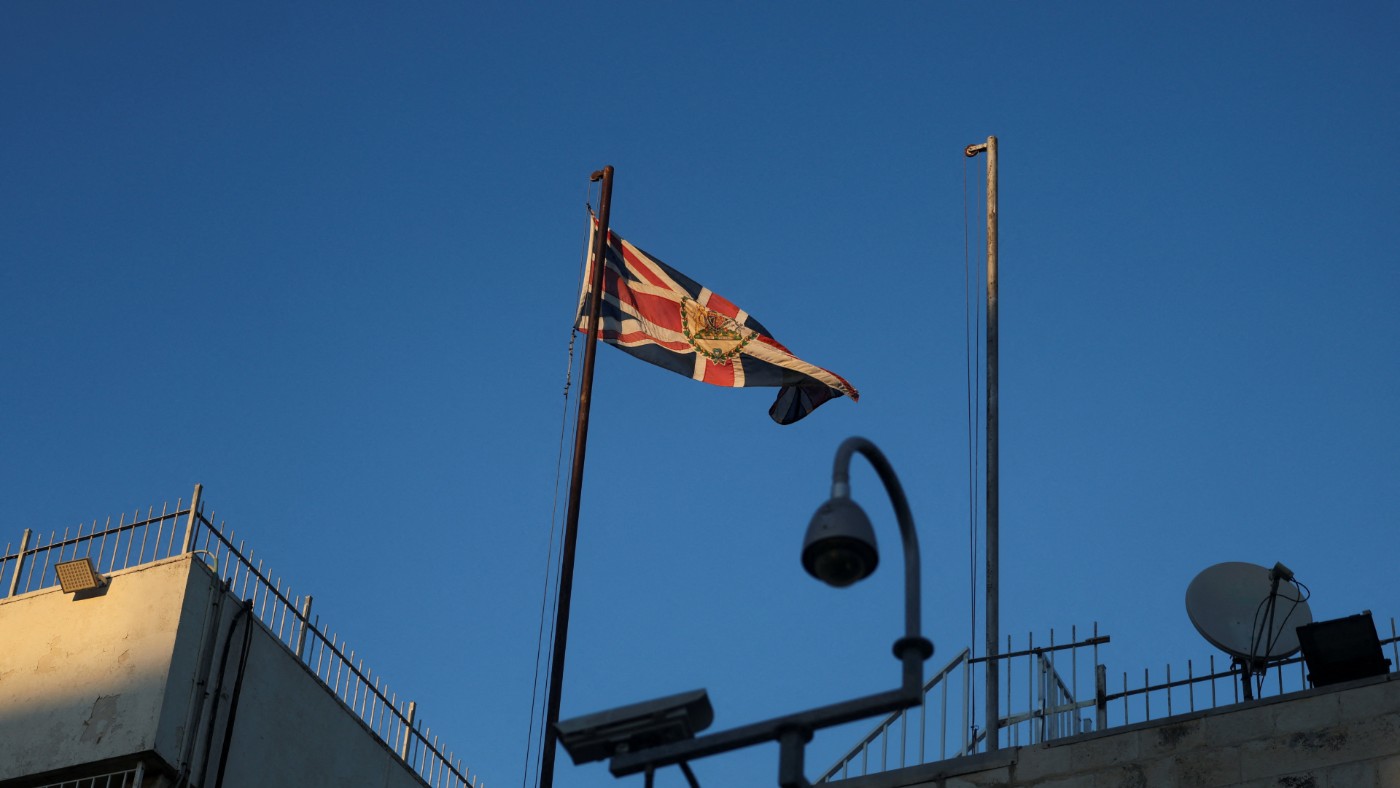
Over 130 lawyers warn UK sanctions on Israeli settlements don’t go far enough
More than 130 prominent British legal figures—including senior barristers, retired judges, and leading international law academics—have publicly challenged Prime Minister Andy Burnham’s administration, arguing that the new Israeli settlement sanctions unveiled last week by Foreign Secretary Ed Miliband do not fulfill the United Kingdom’s binding duties under international law.
In a detailed six-page open letter delivered to Downing Street on Tuesday, the legal signatories first acknowledged the government’s step to coordinate its action alongside Canada and France, a rare unified international response to Israel’s long-standing settlement expansion. But the letter makes clear that the limited targeted trade measures announced are nowhere near the comprehensive action required by the 2024 binding ruling from the International Court of Justice (ICJ), which ordered all states to actively end their complicity in Israel’s occupation of Palestinian territory.
Last week’s policy shift marked a historic turning point for British foreign policy: the UK officially formally recognized that Israel’s decades-long occupation of Palestinian territory violates international law. In his address to parliament announcing the new rules, Miliband also went further than any prior British foreign secretary, confirming that he believes a campaign of ethnic cleansing against Palestinian communities is currently underway in the occupied West Bank.
Off-the-record government briefings to Middle East Eye (MEE) confirmed that the new sanctions will cover Israeli settlements across all occupied Palestinian territories, including not just the West Bank, but also the illegally annexed Golan Heights and East Jerusalem. The UK is not acting alone: eleven additional nations—Canada, Denmark, Finland, France, Iceland, Ireland, Norway, Poland, Portugal, Spain and Sweden—have already joined the UK in either implementing similar restrictions or actively considering their own sanctions on goods produced in Israeli settlements.
The list of signatories backing the criticism of the UK’s limited measures includes some of the country’s most respected legal voices: high-profile human rights barrister Michael Mansfield, former Lord Justice of Appeal Alan Moses, SOAS University of London law professor Nimer Sultany, and University College London international law professor Ralph Wilde, among many others.
The letter lays out a clear roadmap for what comprehensive compliance with international law would look like for the UK. It calls on the government to expand the scope of sanctions beyond just trade in physical goods to include critical service sectors that enable settlement growth: insurance, accountancy services, and digital infrastructure that supports Israeli settlement expansion. The legal experts also demand that the government issue a public, binding confirmation that no UK public body, public sector pension scheme, or national sovereign fund maintains any investments linked to Israeli settlements. Most notably, the letter calls for the imposition of a full, complete arms embargo on Israel, a step that would mark a dramatic break from decades of close UK-Israeli military cooperation.
Ralph Wilde, the UCL international law professor, emphasized that while the government’s recent formal recognition of the occupation’s illegality is a welcome shift after years of British diplomatic inaction, the limited response does not match the scale of the legal duty the ICJ imposed on all UN member states. “The government’s decision to finally acknowledge that Israel’s occupation of the Palestinian Gaza Strip and West Bank is illegal is welcome,” Wilde said. “But the consequences of this illegality for the UK and other states—special legal duties to take comprehensive action to bring this and other illegal actions by Israel, including its genocide in Gaza, to an end—are far more wide-ranging than the important but limited actions against settlements and settlers announced.”
Nimer Sultany, the SOAS law professor, framed the core issue at the heart of the UK’s half-measures, noting that Israel’s occupation is not an unintended side effect of regional conflict, but a core, intentional policy. “The elephant in the room is that the occupation is not a bug, it’s a feature,” Sultany said. “Israel’s political consensus uniformly opposes the creation of a sovereign Palestinian state. Thus, ending Israel’s occupation of the Palestinian territories, as determined by the International Court of Justice, requires immediate, effective and comprehensive actions by the UK government, not a piecemeal approach that leaves the foundations of the occupation intact.”
The letter anchors its call for a full arms embargo in the UK’s existing obligations under the Arms Trade Treaty, specifically Article 6(3), which strictly prohibits any arms transfers when a state knows the weapons will be used to commit genocide, crimes against humanity, or grave breaches of the Geneva Conventions. “Having made that finding [that ethnic cleansing is occurring and the occupation is illegal], the UK Government cannot treat that knowledge as absent,” the letter argues. The legal experts also draw a sharp contrast between the UK’s robust, sweeping sanctions on Russia following its 2022 full-scale invasion of Ukraine, and the half-measures applied to Israel’s decades-long occupation. The Russian sanctions covered all major sectors of the Russian economy: major banks, energy firms, shipping networks, all arms exports, private investment activity, and cross-border financial services—all on the explicit grounds that these sectors enable and finance illegal occupation. That same logic, the letter points out, has not been extended to Israel’s occupation of Palestinian territory, despite matching the same legal threshold.
The letter also adds one more demand: the UK government must implement strict oversight to ensure that funds raised by UK-registered charities are not diverted to support illegal settlement activities. This call comes after a June statement from Labour MP Melanie Ward revealing that Israeli settlements have received at least £28 million in donations from 32 charities registered in England and Wales. In response to that disclosure, the UK Charity Commission launched a fact-finding inquiry into charities operating in Israeli-occupied settlement territories in August.
This report was published by Middle East Eye, a media organization that produces independent, on-the-ground coverage and analysis of the Middle East, North Africa and surrounding regions.
-

US borrowing costs hit highest level since 2007
U.S. government borrowing costs have surged to their highest peak since 2007, as a sharp spike in global crude prices amplifies widespread market anxiety over persistent inflation. The benchmark 10-year Treasury yield, a key metric that determines interest rates for consumer and business loans across the economy, briefly climbed to 5.04% this week before pulling back to slightly lower levels.
This upward momentum in government bond yields is not isolated to the United States; markets across the globe have seen yields climb for months. The root of the trend traces back to escalating geopolitical instability in the Middle East, which ignited after the outbreak of conflict between Israel and Iran-linked groups. The unrest has stoked fears that oil supply chains could be disrupted, pushing crude prices sharply higher and creating new upward pressure on inflation. In response to the rapid yield growth, the U.S. Treasury Department conducted bond buyback operations designed to cool the market and pull borrowing costs down. Treasury Secretary Scott Bessent has characterized the regulatory intervention as successful so far.
Oil market volatility has been particularly pronounced: the global Brent crude benchmark, the worldwide standard for wholesale oil pricing, jumped from roughly $86 per barrel at the end of August to over $109 per barrel on Tuesday. The sharp increase comes as heightened regional tensions raise questions about Saudi Arabia’s capacity to maintain consistent export volumes, adding a fresh layer of uncertainty to energy markets.
Market participants widely expect the U.S. Federal Reserve to respond to oil-fueled inflation by implementing another interest rate hike in the coming months. Economic logic holds that higher inflation and higher benchmark interest rates both push up the yields that bond investors require to compensate for the increased risk of holding government debt. Beyond inflation and interest rate expectations, rising yields also signal weakening investor confidence in government fiscal stability, as higher yields are demanded to offset perceived risk. A new, underreported factor is also contributing to the trend: growing competition for capital from cash-hungry artificial intelligence firms is drawing investment away from government bonds, pushing the yields that issuers must offer even higher.
Carol Schleif, chief market strategist at BMO Wealth Management, noted that bond markets have been signaling for weeks that sustained higher interest rates will likely be necessary to bring inflation under control. While she acknowledged that the rise in borrowing costs has proceeded in an orderly fashion this year, rather than spiking in a chaotic sudden shift, she warned that interest rates and borrowing costs are likely to stay elevated if geopolitical tensions and high energy prices remain top of mind for investors.