博客

  • Large parts of Dresden to be evacuated after 250kg WW2 bomb found

    Large parts of Dresden to be evacuated after 250kg WW2 bomb found

    Authorities in the historic German city of Dresden have ordered one of its largest peacetime evacuations following the discovery of a 250kg (551lb) unexploded British bomb from World War II. The aerial ordnance was uncovered near the site of the former Carola Bridge, which collapsed into the Elbe River in 2024 and is currently undergoing reconstruction.

    Approximately 18,000 residents, tourists, and daily commuters will be displaced from the city center as bomb disposal experts prepare to neutralize the device. The extensive security perimeter, established by 09:00 local time (08:00 GMT), encompasses much of Dresden’s celebrated Altstadt (Old Town) district. This evacuation zone includes several iconic landmarks: the reconstructed Frauenkirche Lutheran church, the Residenzschloss Royal Palace, and the renowned Semper Opera House.

    Additional critical facilities within the restricted area include police headquarters, the Saxony state parliament building, multiple government ministries, retirement communities, nursing homes, and childcare centers. Municipal authorities have established emergency accommodations at the Dresden Exhibition Center, operational from 07:00, with supplemental public transit services deployed to facilitate access.

    The precise duration of the bomb disposal operation remains undetermined. This incident marks the fifth such discovery during demolition work on the Carola Bridge, following four similar findings last year.

    Historical context underscores the gravity of the situation: between February 13-15, 1945, British and American forces dropped approximately 4,000 tons of bombs on Dresden. The resulting firestorm killed an estimated 25,000 people and obliterated the city center, previously celebrated for its magnificent Baroque and Rococo architecture. The Allied bombing campaign remains among the most contentious military actions of World War II, with ongoing debates between its strategic justification and ethical implications.

    Cultural repercussions continue to resonate, as noted by British tenor Stephen Chaundy, currently employed at the Semper Opera, who observed that ‘the past casts a long shadow’ while confirming Wednesday’s performance cancellations.
  • ‘I don’t know why we’re doing it’ – Americans divided on Iran war

    ‘I don’t know why we’re doing it’ – Americans divided on Iran war

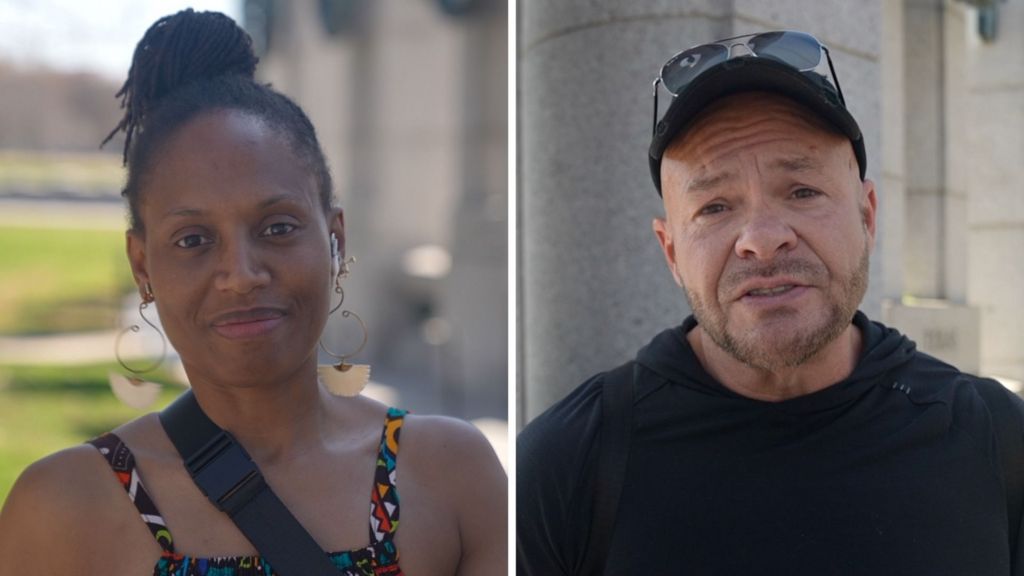
    A profound national division has emerged among American citizens regarding the military engagement with Iran, with many expressing confusion and skepticism about the strategic objectives. A broad spectrum of opinions has been captured in a series of interviews conducted by the BBC, highlighting the uncertain public sentiment a decade after the initial authorization of force by the Trump administration.

    The national discourse reveals a fractured perspective on foreign policy, with respondents from diverse geographic and demographic backgrounds presenting starkly contrasting viewpoints. While a segment of the population defends the military action as a necessary demonstration of strength and deterrence, a significant portion of the citizenry openly questions the wisdom and long-term consequences of the operation. Core points of contention include the ambiguity of the mission’s end goal, the potential for regional escalation into a broader conflict, and the overarching question of national interest.

    The background to this public deliberation is a complex geopolitical landscape that has evolved significantly since the initial strike. The ongoing analysis of the conflict’s impact underscores deep concerns about economic stability, given global oil market fluctuations, and the safety of military personnel deployed overseas. The national conversation, therefore, extends beyond mere tactical support to encompass a deeper evaluation of American diplomacy and strategic leadership on the world stage.

  • Meta urged to boost oversight of fake AI videos

    Meta urged to boost oversight of fake AI videos

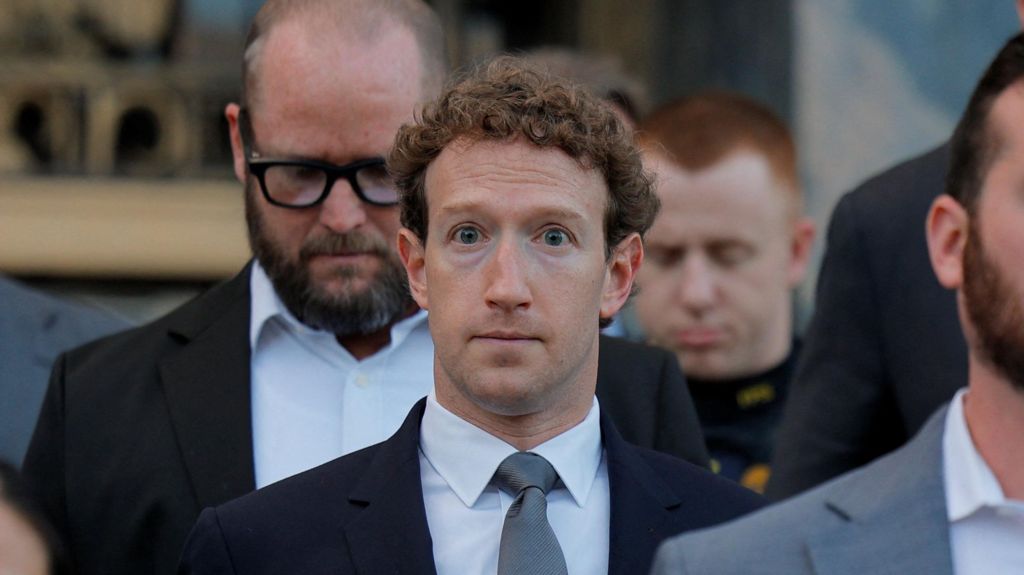
    Meta’s internal Oversight Board has issued a stern rebuke to the social media conglomerate, demanding comprehensive reforms to address the rampant spread of AI-generated deceptive content across its platforms. The 21-member supervisory body specifically criticized Meta’s inadequate handling of a fabricated video depicting extensive damage in Haifa, Israel, allegedly caused by Iranian forces—content created entirely through artificial intelligence tools.

    The board emphasized that Meta’s current reliance on user self-disclosure for AI-generated content identification has proven fundamentally insufficient, particularly during military conflicts when misinformation spreads rapidly. This systemic failure has severely undermined public capacity to distinguish factual reporting from fabrication, potentially eroding trust in all digital information sources.

    Established in 2020 as a semi-independent content moderation oversight mechanism, the board noted that despite frequent disagreements with Meta’s rulings, the company has continued relaxing its content policing approaches. The Haifa video case exemplifies persistent inefficiencies in Meta’s conflict response protocols, where content remains unlabeled until user complaints trigger review processes.

    The controversial video originated from a Philippines-based Facebook account posing as a news source in June, among numerous AI-fabricated videos that accumulated over 100 million views during recent Middle East tensions. Despite clear artificial creation and multiple user reports, Meta initially refused labeling or removal, claiming the content didn’t directly risk imminent physical harm—a standard the board deemed unacceptably high for conflict-related material.

    Only after direct appeal to the Oversight Board did Meta engage with the concerns, ultimately agreeing to label the specific video within seven days while committing to apply similar treatment to identical content in equivalent contexts. The board insists Meta must proactively label deceptive AI content more frequently through robust systems capable of addressing the scale and velocity of synthetic media proliferation, especially during crises.

  • Paraguay lawmakers approve a defense agreement that allows an increased US military presence

    Paraguay lawmakers approve a defense agreement that allows an increased US military presence

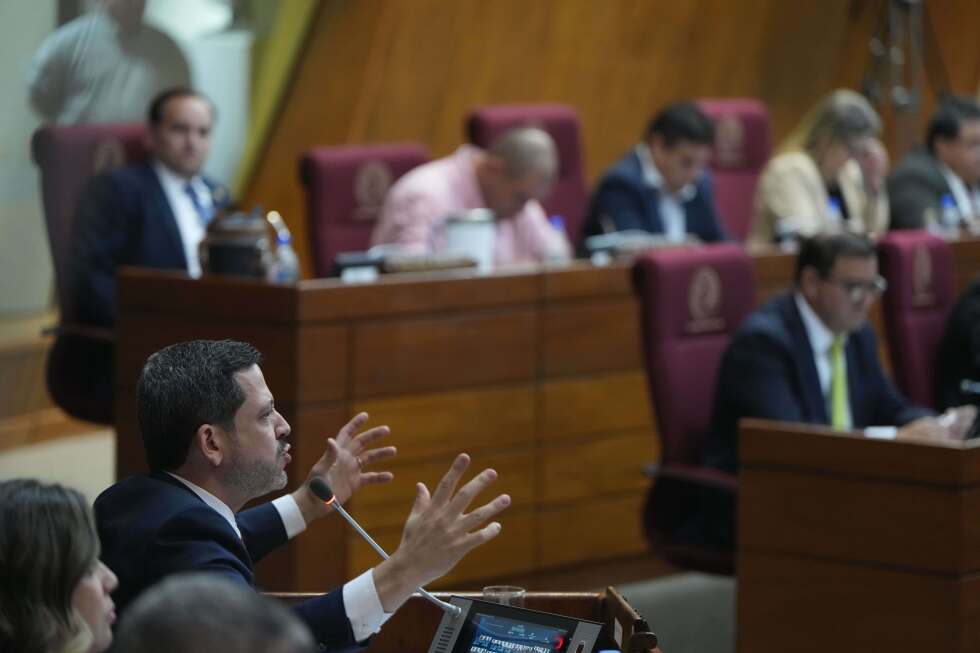
    ASUNCIÓN, Paraguay — In a decisive move that strengthens hemispheric security ties, Paraguay’s Chamber of Deputies has overwhelmingly endorsed a defense agreement permitting temporary deployment of United States military and civilian personnel within its territory. The Tuesday ratification marks a significant diplomatic achievement for the Trump administration, which has actively pursued expanded engagement throughout Latin America.

    The Status of Forces Agreement (SOFA), previously signed by both nations in Washington during December, received legislative approval with 53 votes in favor versus eight opposing votes. Four ballots were returned blank while fifteen lawmakers abstained from participation. Having already cleared the Paraguayan Senate, the agreement now awaits final endorsement from President Santiago Peña—a recognized regional ally of the Trump administration—who is anticipated to formalize the pact imminently.

    This bilateral framework establishes legal parameters for U.S. security forces conducting training operations, joint military exercises, and humanitarian missions within Paraguay. Notably, it extends criminal jurisdiction over American personnel to U.S. authorities, a provision that has ignited substantive debate regarding national sovereignty.

    Both U.S. Secretary of State Marco Rubio and Paraguayan Foreign Minister Rubén Ramírez Lezcano have characterized the agreement as “historic,” emphasizing its role in enhancing collaborative efforts against transnational organized crime and terrorism. The Paraguayan government has explicitly clarified that the pact does not authorize establishment of permanent U.S. military bases.

    Despite official assurances, opposition legislators and civil society organizations have expressed reservations. Critics highlight concerns over granting foreign troops immunity comparable to diplomatic personnel, arguing that such provisions might undermine judicial sovereignty. Independent congressman Raúl Benítez articulated this perspective, stating: “We believe in international cooperation, but we also believe in strong states, respected institutions and real democratic sovereignty.”

    The non-governmental organization Peace and Justice Service, which operates across Latin America, issued a pre-vote statement contending that the agreement “does not represent progress in security, but rather the formalization of a geopolitics of impunity that undermines the pillars of our national dignity.”

    This development occurs against the backdrop of increased U.S. diplomatic engagement in Latin America under the Trump administration’s national security priorities, signaling a reorientation of regional defense partnerships.

  • China’s draft law on ethnic unity aims to serve as global model, political adviser

    China’s draft law on ethnic unity aims to serve as global model, political adviser

    China’s legislative body is currently deliberating a groundbreaking draft law on ethnic unity advancement that political advisors characterize as a potential international paradigm for managing interethnic relations. The proposed legislation, presented during the fourth session of the 14th National People’s Congress running through March 12, 2026, represents China’s comprehensive approach to fostering national cohesion while preserving cultural diversity.

    Chen Xiaoyan, a National Committee member of the Chinese People’s Political Consultative Conference and official with the All-China Federation of Taiwan Compatriots, emphasized the draft law’s dual significance. “This legislative framework demonstrates China’s institutional confidence in its governance model and developmental trajectory,” Chen stated during the ongoing Two Sessions political gatherings. “At a time when ethnic tensions continue to trigger global conflicts and humanitarian crises, this initiative establishes foundational principles for unity and collective wellbeing among China’s diverse ethnic communities.”

    The proposed legislation specifically addresses cultural preservation mandates, ensuring the protection of unique linguistic, educational, and traditional practices across ethnic groups while synchronizing these protections with national unity objectives. Chen highlighted the draft’s particular relevance to cross-strait relations, noting that ethnic communities from Taiwan have expressed admiration for mainland China’s ethnic policies and support systems.

    Chen further projected that the law’s implementation would extend comparable rights and benefits to Taiwan’s ethnic populations, facilitating their integration within the broader Chinese national community. The legislation emerges as a structured response to global ethnic challenges, positioning China’s approach as both domestically beneficial and internationally instructive for nations navigating complex multicultural dynamics.

  • Borthwick defends England tactics as Six Nations struggles deepen

    Borthwick defends England tactics as Six Nations struggles deepen

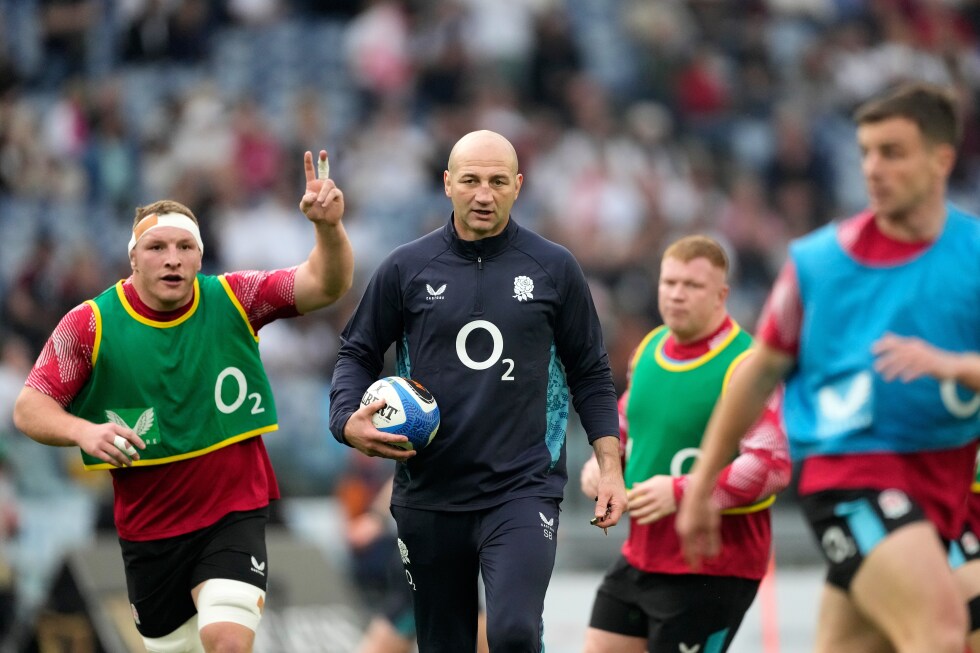
    VERONA, Italy — England’s head coach Steve Borthwick has mounted a vigorous defense of his tactical approach despite his team’s dramatic downturn in the Six Nations Championship. With England plummeting to fifth place after three consecutive defeats against Scotland, Ireland, and historically first-time victors Italy, Borthwick contends that player performance anxiety—not flawed strategy—lies at the heart of their struggles.

    The Rugby Football Union’s chief executive Bill Sweeney extended a conditional vote of confidence to Borthwick, acknowledging the ‘hugely disappointing’ results while confirming his position through July’s touring schedule. This comes amid mounting criticism of England’s kick-heavy gameplay, perceived lack of creativity, and poor on-field discipline following an initial 12-test winning streak.

    Borthwick refuted claims that he suppresses offensive creativity, instead attributing the team’s failures to an inability to translate training ground preparations into match-day execution. ‘The England jersey can sometimes feel burdensome,’ he stated. ‘We’ve been working intensely to liberate the players—encouraging fast, courageous rugby with swift ball movement.’

    Statistical analysis reveals a paradoxical performance: England ranks second for attacking entries into the opposition’s 22-meter zone but second-worst in converting those opportunities into points. Defensively, they’ve conceded the fewest entries into their own 22 yet allowed the highest points per entry. Turnover problems persist, with Opta data showing England as the tournament’s worst performer for both forced and unforced turnovers in opposing territory.

    Borthwick acknowledged disciplinary crises—accumulating 32 penalties across three losses alongside seven yellow cards and one red card—but framed on-field disagreements as signs of healthy engagement rather than dysfunction. He referenced captain Maro Itoje’s heated exchange with fly-half Fin Smith during the Italy match as evidence of passionate leadership.

    For Saturday’s finale against title-contenders France in Paris, Borthwick made a single lineup change: moving lock Ollie Chessum to blindside flanker while benching Sam Underhill to prioritize ball-carrying strength over breakdown specialist skills. This decision continues Borthwick’s pattern of selective loyalty—after making 12 changes following the Ireland defeat, he now retains most of the squad that fell to Italy.

    The coach emphasized that improvement requires ‘sheer dogged determination and fire’ alongside composure, asserting that no major tactical overhaul is needed beyond enhancing attacking precision and maintaining full squads on the pitch.

  • Two more connected to Iranian football team stay in Australia, BBC understands

    Two more connected to Iranian football team stay in Australia, BBC understands

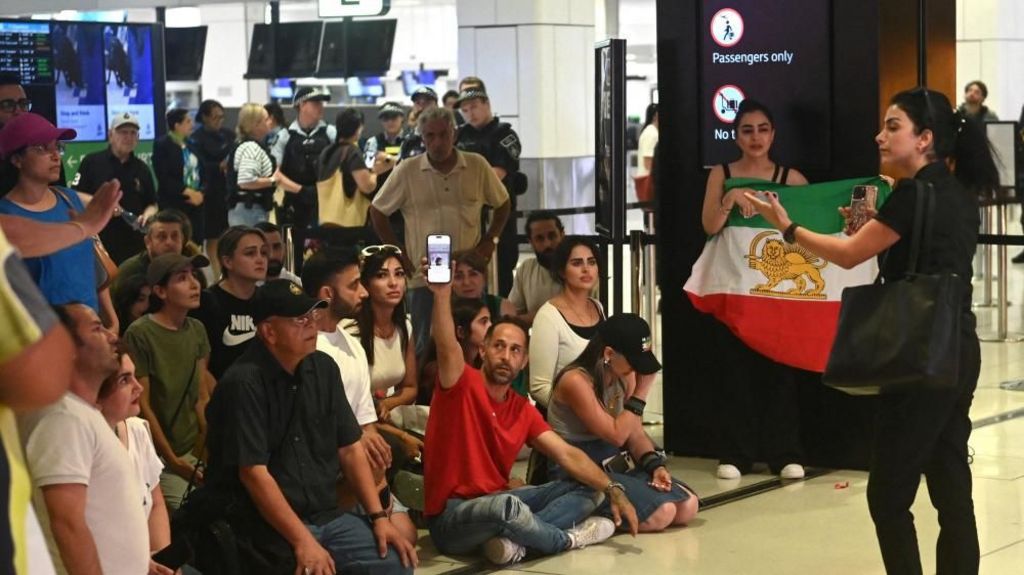
    In a dramatic development at Sydney Airport, two additional members of Iran’s women’s football team have remained in Australia after refusing to board their departure flight, according to BBC reports. The individuals—believed to be one player and one technical staff member—join five teammates previously granted humanitarian visas by the Australian government.

    The situation unfolded as the team prepared to return home following their elimination from the Asian Cup tournament held on the Gold Coast. Australian-Iranian community activists gathered at the airport to support team members seeking refuge, claiming some players had signaled for help during the tournament.

    Australian Home Affairs Minister Tony Burke confirmed through ABC that Border Force officials had conducted ‘multiple representations to the team, including private meetings’ before their scheduled departure. The humanitarian visa program offers permanent protection, allowing recipients to live, work and study in Australia.

    The political context became apparent when players initially refused to sing Iran’s national anthem before their match against South Korea, prompting safety concerns. Although the team subsequently sang the anthem in their final two games, critics believe government officials within the delegation forced their participation.

    Iranian state media commentators have labeled the players ‘wartime traitors,’ raising concerns about potential repercussions for them and their families upon returning to Iran. The situation attracted international attention when former US President Donald Trump intervened via Truth Social, offering US asylum if Australia declined protection.

    Australian Prime Minister Anthony Albanese expressed national solidarity, stating ‘Australians have been moved by the plight of these brave women. They’re safe here, and they should feel at home here.’

    The five players already granted protection—Fatemeh Pasandideh, Zahra Ghanbari, Zahra Sarbali, Atefeh Ramazanzadeh, and Mona Hamoudi—have been relocated to secure locations under police supervision. Minister Burke emphasized these athletes ‘want to be clear they are not political activists. They are athletes who want to be safe.’

  • Shots fired at US consulate in Toronto, police say

    Shots fired at US consulate in Toronto, police say

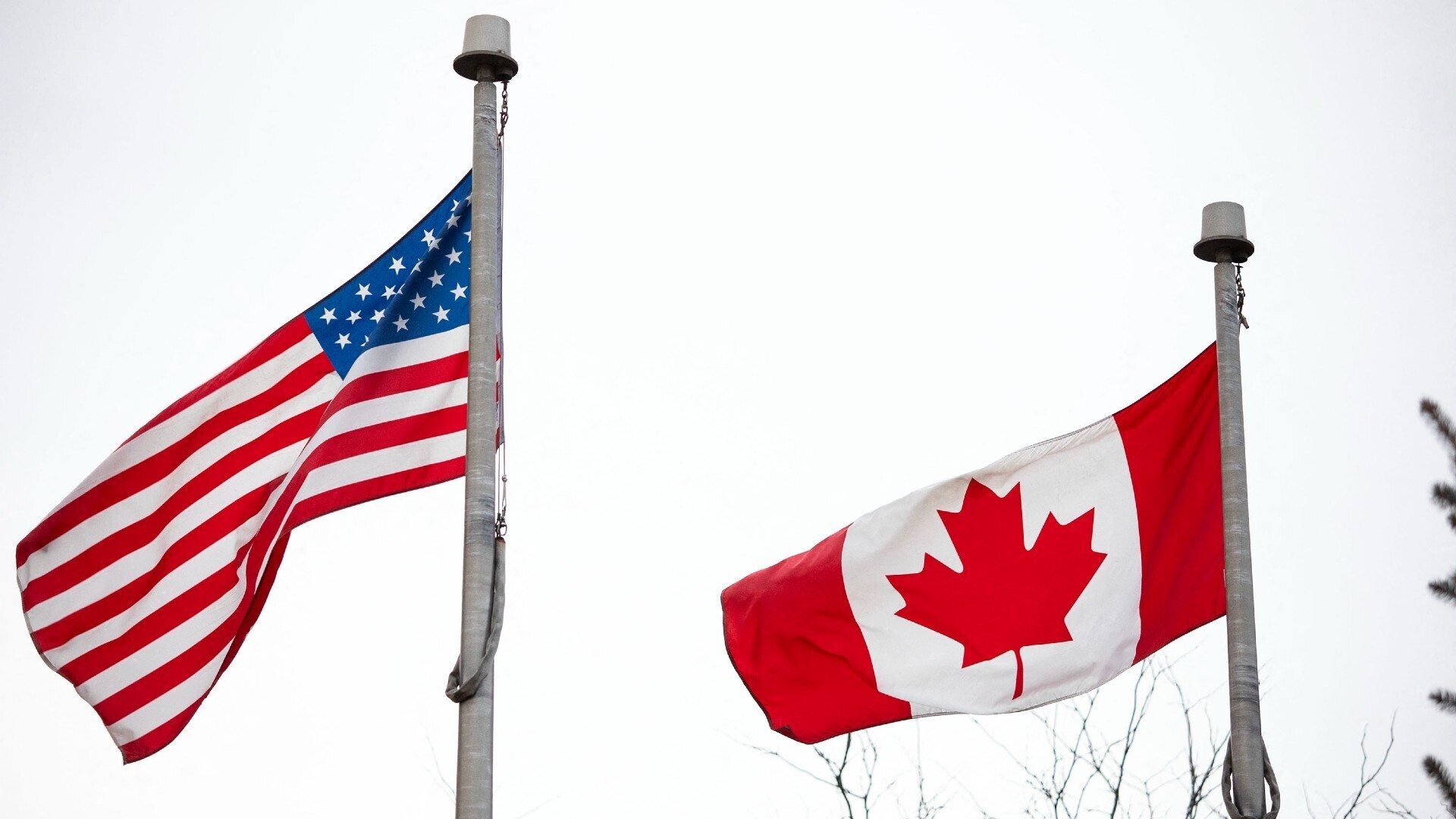
    Toronto police confirmed an armed attack targeting the United States consulate in the early hours of Tuesday, marking the second assault on American diplomatic property within 48 hours across different continents.

    According to official statements released via social media platform X, law enforcement units responded to emergency calls reporting gunfire directed at the consular building approximately at 5:30 AM local time. Responding officers documented physical evidence confirming weapons discharge at the scene, though fortunately no casualties were reported among diplomatic staff or civilians.

    Television broadcast footage revealed at least two visible projectile impacts on the consulate’s reinforced glass entrance doors, with subsequent imagery circulating online showing considerable glass fragmentation around the main entry points. Toronto Police Service emphasized their ongoing investigation currently lacks definitive information regarding potential suspects or underlying motivations for the attack.

    This incident follows Sunday’s explosive device detonation outside the US Embassy in Oslo, Norway, where local authorities continue searching for an unidentified individual captured in surveillance footage. Norwegian police officials acknowledged they are investigating potential connections to geopolitical tensions, specifically referencing the ongoing US-Israeli military operations against Iranian interests as one possible motive.

    The consecutive attacks on American diplomatic installations across Western nations have raised concerns about coordinated targeting patterns, though authorities stress no formal connection has been established between the two incidents. Both investigations remain active with heightened security measures implemented at US diplomatic posts globally.

  • Half of UK news articles about Muslims are biased, landmark study finds

    Half of UK news articles about Muslims are biased, landmark study finds

    A landmark analysis of British media coverage has exposed systemic biases in the portrayal of Muslims, with nearly half of all published articles containing significant prejudice. The comprehensive study by the Centre for Media Monitoring (CfMM), which examined 40,000 articles across 30 major UK media outlets, found that 70% of coverage explicitly associated Islam or Muslims with negative behaviors and aspects while frequently omitting crucial contextual information.

    The report, published Monday, identifies a disturbing pattern where Muslim communities are consistently framed through lenses of conflict and controversy. According to the findings, 44% of articles failed to provide essential context, 17% contained sweeping generalizations about Muslims, and 13% featured outright misrepresentation of facts. The CfMM warns that this coverage pattern contributes to a ‘crisis of public understanding’ regarding British Muslim communities.

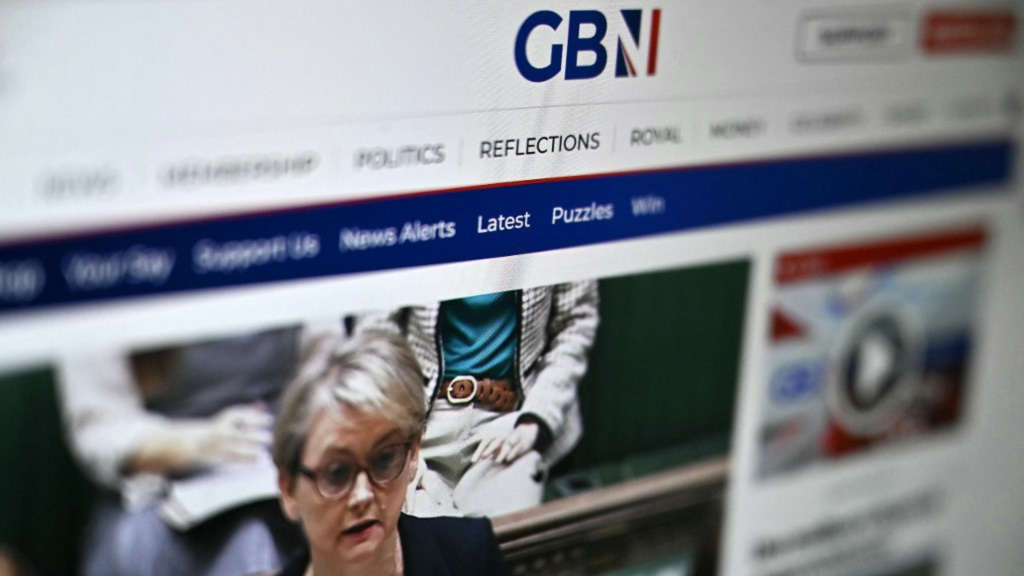
    The analysis reveals significant disparities in editorial standards across media organizations. Right-leaning publications demonstrated particularly problematic patterns, with The Spectator showing the highest proportion of ‘very biased’ coverage at 26%, followed by GB News at 15.6% and The Telegraph at 12.3%. The report specifically accuses GB News of embedding ‘a systematic pattern of hostile coverage towards Islam and Muslims as a core feature of its editorial identity.’

    In contrast, the BBC consistently recorded the lowest rates of biased coverage across all metrics examined. The CfMM emphasizes that harmful coverage cannot be attributed to industry-wide tendencies alone but represents deliberate editorial decisions. The report highlights specific egregious examples, including a GB News article headlined ‘Let me be impolite: Muslims are racist against Jews’ which attributed antisemitism to Muslims as a collective group.

    Another case involved The Sun newspaper publishing a headline linking an honor killing to Islam without evidence. Following a complaint from CfMM, the publication amended the headline to remove the religious reference. CfMM Director Rizwana Hamid stated that the report presents ‘deeply concerning evidence of structural bias’ that inevitably shapes public attitudes and political debate.

    The research emerges against a troubling backdrop of rising anti-Muslim incidents, with think tank Equi documenting a 43% increase between 2023 and 2024. However, Equi’s parallel research revealed that public attitudes toward British Muslims are significantly more positive than media discourse suggests, with most Britons holding favorable or neutral views that improve when exposed to examples of Muslim contributions to society.

    The report’s release coincided with the government unveiling a new non-statutory definition of anti-Muslim hostility, which Communities Secretary Steve Reed connected to record levels of religious hate crimes targeting Muslim communities. The official definition now includes criminal acts directed at Muslims because of their religion, prejudicial stereotyping, and unlawful discrimination intended to disadvantage Muslims in public and economic life.

  • Sudan’s RSF waged starvation campaign in siege of el-Fasher

    Sudan’s RSF waged starvation campaign in siege of el-Fasher

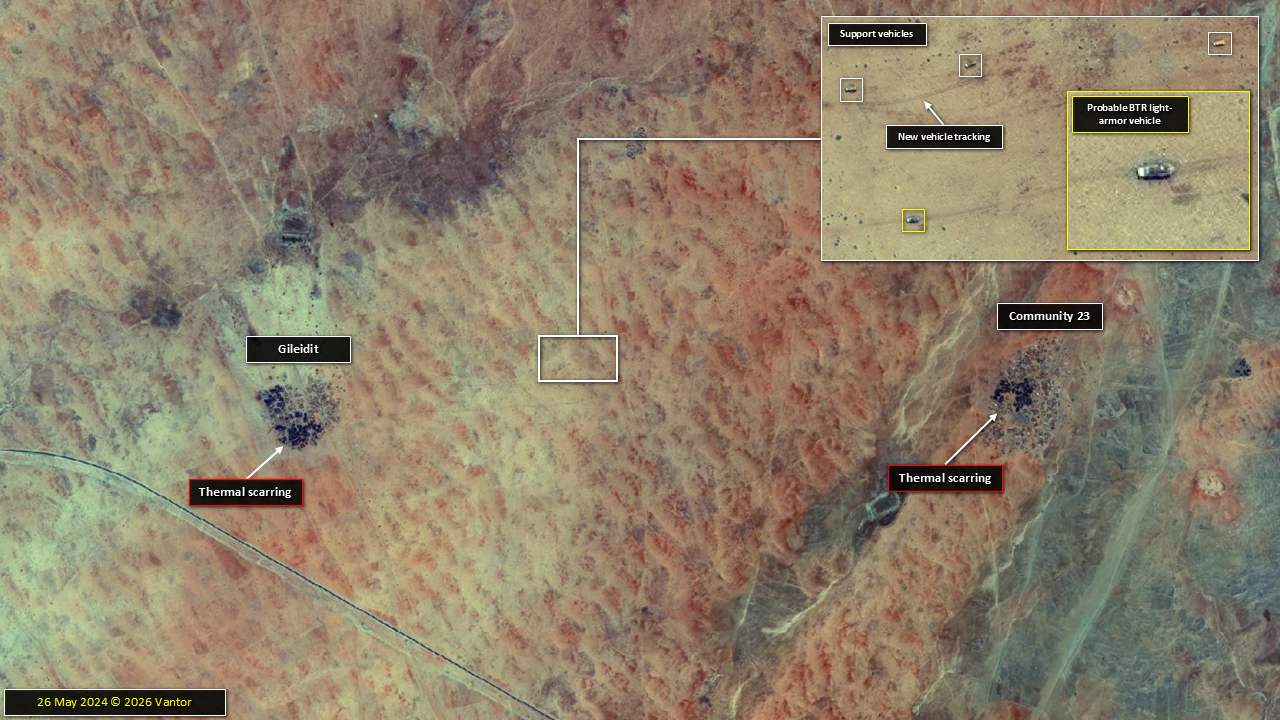
    A groundbreaking collaborative study from Yale’s Humanitarian Research Lab and NASA’s Harvest program has presented conclusive satellite evidence confirming the Rapid Support Forces (RSF) conducted a systematic campaign of agricultural destruction around el-Fasher, Sudan. The report documents the deliberate razing of 41 farming communities between March and June 2024 during the initial phase of a siege that would persist for over 500 days.

    The forensic analysis of remote sensing data reveals a pattern of intentional destruction, with ten communities attacked multiple times and one village completely leveled on at least seven separate occasions. The research shows that following these attacks, 28 communities displayed no visible patterns of life, indicating either mass displacement or extermination of residents. Concurrently, agricultural activity in the region plummeted by more than 80%, creating deliberately engineered famine conditions.

    These findings directly corroborate last month’s UN Fact-Finding Mission report which determined the RSF’s takeover of el-Fasher exhibited all the hallmarks of genocide. The UN investigation found the paramilitary group intentionally created conditions calculated to bring about the physical destruction of non-Arab communities, particularly targeting the Zaghawa and Fur ethnic groups.

    The conflict context reveals complex international dimensions, with the United Arab Emirates facing persistent allegations of supporting the RSF despite official denials. Conversely, the Sudanese Armed Forces receive backing from Egypt, Turkey, and increasingly Saudi Arabia, which finds itself embroiled in a regional dispute with its former ally the UAE.

    This systematic destruction of agricultural infrastructure and food production capabilities represents the first documented case of using remotely sensed data to forensically analyze and confirm a campaign of intentional starvation in conflict settings. The war, which began in April 2023, has already displaced over 11 million people and created one of the world’s most severe humanitarian crises.