博客

  • Sudan’s RSF waged starvation campaign in siege of el-Fasher

    Sudan’s RSF waged starvation campaign in siege of el-Fasher

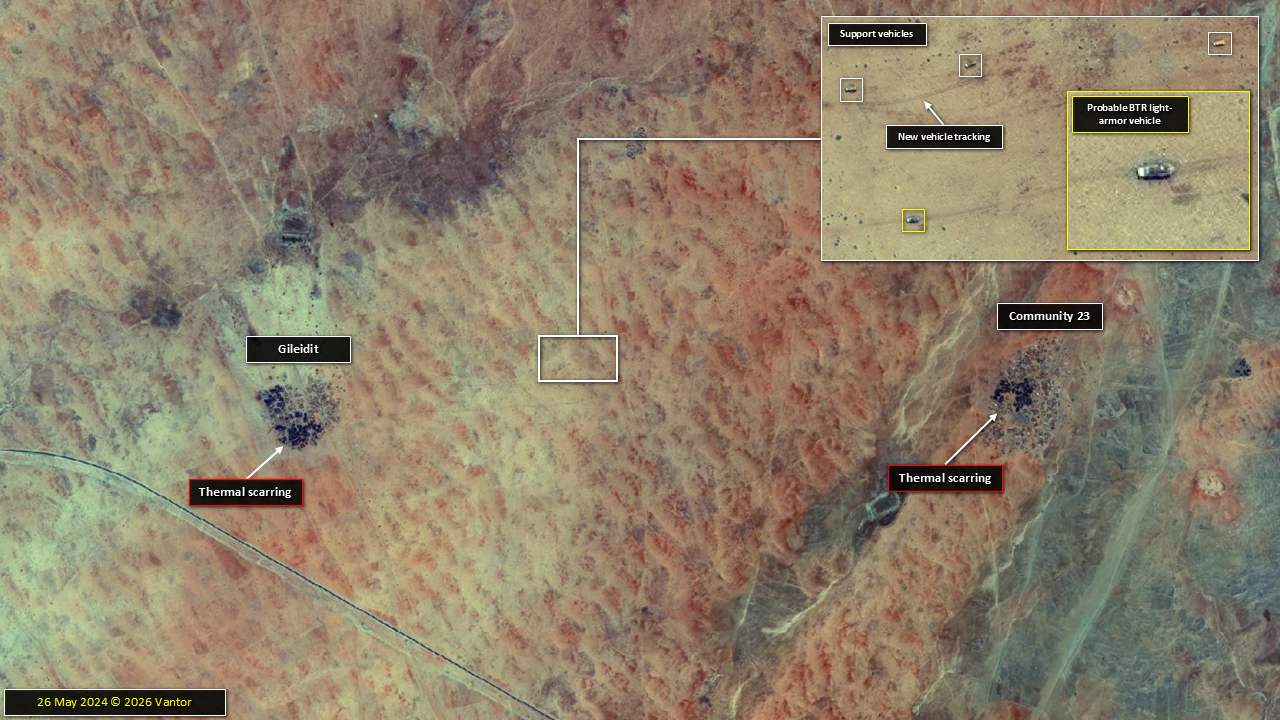
    A groundbreaking collaborative study from Yale’s Humanitarian Research Lab and NASA’s Harvest program has presented conclusive satellite evidence confirming the Rapid Support Forces (RSF) conducted a systematic campaign of agricultural destruction around el-Fasher, Sudan. The report documents the deliberate razing of 41 farming communities between March and June 2024 during the initial phase of a siege that would persist for over 500 days.

    The forensic analysis of remote sensing data reveals a pattern of intentional destruction, with ten communities attacked multiple times and one village completely leveled on at least seven separate occasions. The research shows that following these attacks, 28 communities displayed no visible patterns of life, indicating either mass displacement or extermination of residents. Concurrently, agricultural activity in the region plummeted by more than 80%, creating deliberately engineered famine conditions.

    These findings directly corroborate last month’s UN Fact-Finding Mission report which determined the RSF’s takeover of el-Fasher exhibited all the hallmarks of genocide. The UN investigation found the paramilitary group intentionally created conditions calculated to bring about the physical destruction of non-Arab communities, particularly targeting the Zaghawa and Fur ethnic groups.

    The conflict context reveals complex international dimensions, with the United Arab Emirates facing persistent allegations of supporting the RSF despite official denials. Conversely, the Sudanese Armed Forces receive backing from Egypt, Turkey, and increasingly Saudi Arabia, which finds itself embroiled in a regional dispute with its former ally the UAE.

    This systematic destruction of agricultural infrastructure and food production capabilities represents the first documented case of using remotely sensed data to forensically analyze and confirm a campaign of intentional starvation in conflict settings. The war, which began in April 2023, has already displaced over 11 million people and created one of the world’s most severe humanitarian crises.

  • Spring blossoms complement the Honghe Hani Rice Terraces in Yunnan

    Spring blossoms complement the Honghe Hani Rice Terraces in Yunnan

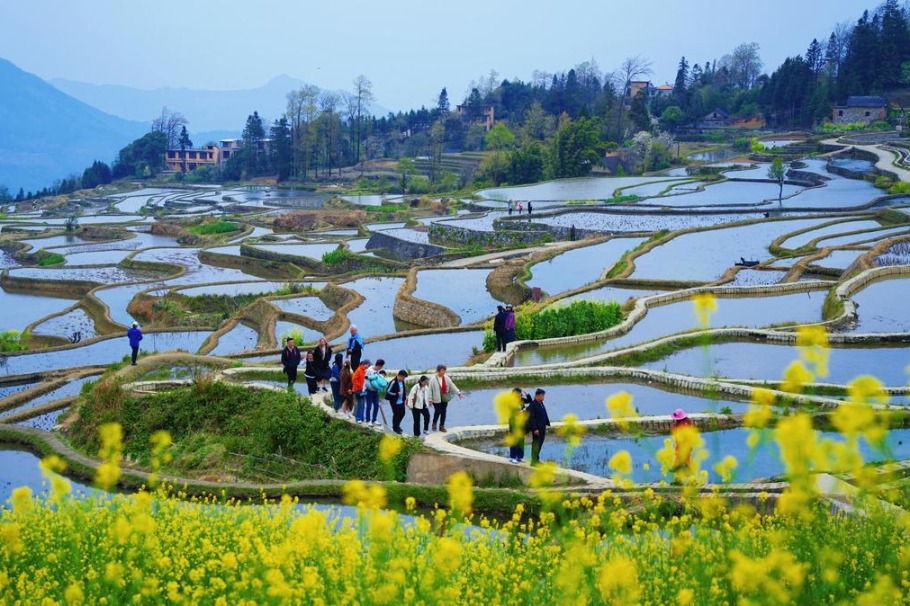
    The Honghe Hani Rice Terraces in Yuanyang county, Yunnan province, have emerged as a stunning spring destination as warmer weather transforms the landscape into a breathtaking mosaic of water-filled paddies and vibrant blossoms. This UNESCO World Heritage site now offers visitors a unique opportunity to witness the harmonious interplay between agricultural tradition and natural beauty during the peak spring season.

    Early morning mists delicately shroud the terraced fields, creating an ethereal atmosphere across the mountainous terrain. The surrounding areas burst with colorful displays of peach blossoms, pear flowers resembling fresh snow, and brilliant yellow rapeseed blooms that collectively paint the valleys with nature’s vibrant palette. This seasonal transformation represents both an agricultural milestone and a visual masterpiece that attracts photographers and nature enthusiasts from across China and beyond.

    Beyond the visual spectacle, visitors can engage with local culture through seasonal culinary experiences featuring fresh, locally grown vegetables and participate in traditional spring plowing activities. The terraces, cultivated for over 1,300 years by the Hani people, demonstrate an extraordinary example of sustainable land use that continues to evolve with the seasons while maintaining ancient farming traditions. The spring period particularly highlights the sophisticated water management system that distributes water from forested mountaintops to the terraces below.

    The convergence of natural beauty and cultural heritage creates a multidimensional tourism experience that showcases China’s diverse ecological and ethnic traditions. Local authorities have developed viewing platforms and guided tours to help visitors fully appreciate both the agricultural significance and aesthetic wonder of the spring transformation, positioning the terraces as a premier destination for sustainable cultural tourism.

  • Acclaimed Peruvian writer Alfredo Bryce Echenique dies aged 87

    Acclaimed Peruvian writer Alfredo Bryce Echenique dies aged 87

    The literary world mourns the passing of Alfredo Bryce Echenique, the acclaimed Peruvian novelist who died at age 87. Celebrated as one of the most significant voices in Hispanic literature, Bryce Echenique leaves behind a profound literary legacy marked by sharp social commentary and psychological depth.

    Born into Lima’s aristocracy in 1939, the author leveraged his privileged upbringing to craft devastating critiques of Peru’s elite. His breakthrough 1970 novel ‘A World for Julius’ revolutionized Peruvian literature by examining class divisions through the perspective of an orphaned boy navigating Lima’s high society. The work earned Peru’s National Prize for Literature and resonated powerfully during a period of left-wing military reform.

    Bryce Echenique’s distinctive style blended irony, melancholy, and acute social observation across subsequent works including ‘So Many Times Pedro’ and ‘The Exaggerated Life of Martín Romaña’. His writing consistently exposed the human condition beneath superficial social structures, establishing him as a master of psychological narrative.

    The author spent nearly four decades in what he termed ‘voluntary exile,’ primarily in France and Spain, where he continued writing and teaching before returning permanently to Peru in 1999. In the landscape of Peruvian literature, he is widely regarded as second only to Nobel laureate Mario Vargas Llosa, who passed last year.

    Peru’s presidency officially honored Bryce Echenique on social media, noting his ‘immense void but eternal legacy.’ Alvaro Vargas Llosa, son of the late Nobel winner, praised him as ‘one of the great Peruvian writers, and of the Spanish language.’

  • ‘Beware lest you be the ones to vanish’: Iran’s Larijani hits back after Trump threat

    ‘Beware lest you be the ones to vanish’: Iran’s Larijani hits back after Trump threat

    A senior Iranian security official has delivered a formidable counter-warning to former U.S. President Donald Trump following his explicit threat of military action against Tehran. The exchange marks a significant escalation in rhetoric between the two nations concerning the strategic Strait of Hormuz.

    Trump utilized his Truth Social platform late Monday to issue a stark ultimatum, vowing to strike Iran with unprecedented force if it persists in blocking the critical maritime passage. His post threatened targets that would render national reconstruction “virtually impossible” for Iran, promising “Death, Fire, and Fury” while simultaneously characterizing such action as a potential “gift to China” and other nations reliant on the strait.

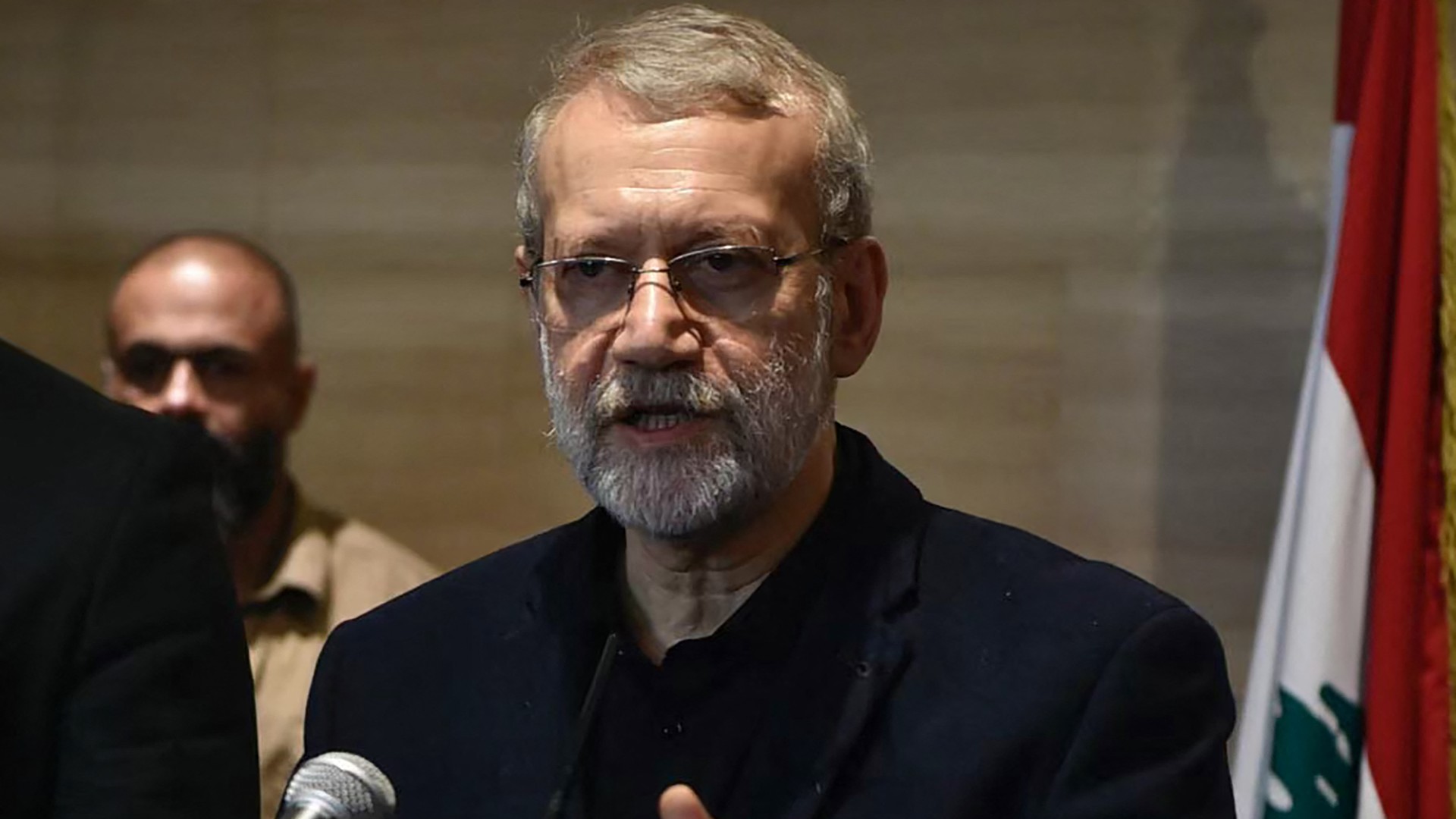
    Ali Larijani, head of Iran’s Supreme National Security Council, responded via social media platform X in both Persian and Arabic. Defying the warnings, Larijani asserted that “the Ashura-loving Iranian people do not fear your hollow threats,” invoking historical resilience against greater powers. He concluded with a ominous caution: “So beware lest you be the ones to vanish.”

    The geopolitical standoff centers on the Strait of Hormuz, a narrow 33-kilometer channel separating Oman and Iran that serves as the world’s most vital oil transit corridor. Approximately 20 million barrels of oil navigate these waters daily, representing about 20% of global petroleum output and one-third of liquefied natural gas shipments. Asian economies demonstrate particular vulnerability, with South Korea importing 70% of its crude, Japan 90%, and India 50% from Middle Eastern suppliers traversing the strait.

    Financial markets already reflect the tension, as Asian indices tumbled Monday following Iran’s closure of the waterway. Larijani reinforced Iran’s position, stating the strait would remain closed while U.S. and Israeli attacks continue. Responding to reports of France deploying frigates to reopen the route, the security chief dismissed such efforts as futile while “fires ignited by the United States and Israel” rage in the region.

  • China warns of security risks in popular AI agent OpenClaw

    China warns of security risks in popular AI agent OpenClaw

    China’s National Computer Network Emergency Response Technical Team has issued a formal security alert regarding OpenClaw, an increasingly popular autonomous AI agent, citing critical vulnerabilities in its default configuration framework. The government cybersecurity body characterized the software’s inherent security settings as “extremely fragile,” creating substantial risks for both institutional and individual users across digital ecosystems.

    The open-source AI agent, distinguished by its distinctive red lobster logo that has earned it the nickname “AI lobster” among Chinese users, has experienced explosive growth in domestic adoption. Major cloud service platforms throughout China now offer simplified, one-click deployment options, further accelerating its market penetration. OpenClaw’s core functionality enables it to execute computer operations through natural language commands, requiring elevated system privileges to perform automated tasks effectively.

    According to the technical assessment, these extensive permissions—which include direct access to local file systems, authority to install extensions, and capability to interface with external service APIs—create a substantial attack surface when coupled with the software’s security deficiencies. Cybersecurity experts warn that malicious actors can exploit multiple publicly disclosed medium and high-risk vulnerabilities to achieve complete system control.

    Beyond identified vulnerabilities, the emergency response team highlighted sophisticated attack methodologies emerging in the wild. Attackers can embed concealed malicious instructions within seemingly benign webpages, which when processed by OpenClaw could deceive the AI into exposing system authentication keys and sensitive data from user devices.

    The agency has issued comprehensive security guidelines recommending enhanced network controls, rigorous management of plugin sources, and immediate implementation of all security patches and updates. This advisory represents one of the first major governmental interventions regarding security protocols for autonomous AI agent systems with widespread consumer adoption.

  • Alabama death row inmate who didn’t kill anyone is spared execution

    Alabama death row inmate who didn’t kill anyone is spared execution

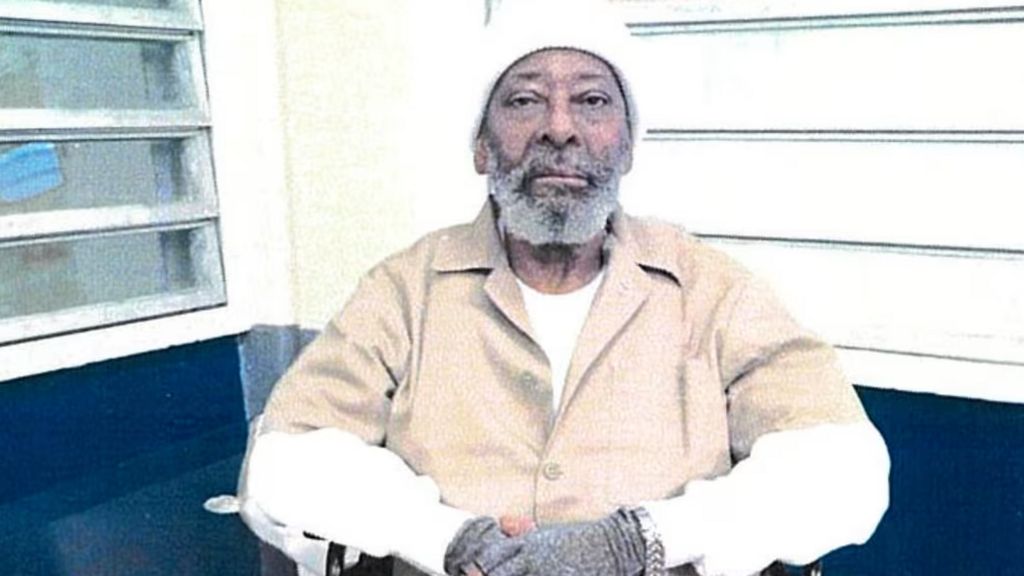
    In an extraordinary intervention, Alabama Governor Kay Ivey has commuted the death sentence of 75-year-old Charles “Sonny” Burton, who was scheduled for execution by nitrogen gas despite not personally carrying out the 1991 murder that placed him on death row.

    The case stems from an August 16, 1991 AutoZone robbery in Talladega where Burton participated with five accomplices. While Burton had already exited the establishment, co-felon Derrick DeBruce remained inside and shot customer Doug Battle during a confrontation. Alabama’s felony murder rule permitted Burton’s capital conviction despite his physical absence during the killing.

    Governor Ivey, a Republican who has overseen 25 executions, issued a statement explaining her unprecedented decision: “I cannot proceed in good conscience with the execution of Mr. Burton under such disparate circumstances. I believe it would be unjust for one participant in this crime to be executed while the participant who pulled the trigger was not.” DeBruce, the actual shooter, died in prison while serving a life sentence without parole after his death penalty was reduced due to inadequate legal representation.

    The victim’s daughter, Tori Battle, who was nine when her father was killed, publicly advocated for Burton’s clemency. In a Montgomery Advertiser op-ed, she wrote: “My love for my father does not require another death, especially one that defies reason.”

    Burton, now wheelchair-bound due to health complications, expressed remorse in recent interviews: “I didn’t kill no one, true enough, but I made a mistake by being part of the crime.”

    Alabama Attorney General Steve Marshall expressed disappointment with the governor’s decision, stating: “There has never been any doubt that Sonny Burton has Douglas Battle’s blood on his hands. Burton does not deserve special treatment because he is old.”

    Burton will now serve life imprisonment without possibility of parole, marking a significant exception in Alabama’s strict capital punishment framework.

  • Documentary on ‘Delivery Poet’ resonates in Italy

    Documentary on ‘Delivery Poet’ resonates in Italy

    The Italian literary community has warmly received a documentary celebrating an extraordinary Chinese delivery worker whose poetic talents have transcended occupational and national boundaries. “Three in the Afternoon: The Global Echo of a Delivery Poet,” which profiles the remarkable journey of Wang Jibing, recently enjoyed a special screening at the prestigious Italian Writers Association in early March.

    Wang, who delivers food in Kunshan, Jiangsu province, has developed an unconventional creative process: transforming his daily experiences and observations into poetry during brief pauses in his demanding delivery schedule. His verses, often initially scribbled on scrap paper or even his own palm, capture the essence of ordinary Chinese life with striking clarity and emotional depth.

    The documentary chronicles how Wang has composed over 6,000 poems throughout his career, with many appearing in poetry journals and literary publications across China and internationally. His growing global recognition is evidenced by translations of his work into multiple languages and publication in five countries.

    This screening marked the second European showcase for the documentary, following its successful premiere last December at the Sino-Italian Economic and Cultural Exchange Center in Rome. Both events have demonstrated the universal appeal of Wang’s story and creative output.

    Adding to his international literary presence, Wang’s poetry collection “Flying Low” is scheduled for publication in English and French translations later this year, further expanding the global reach of his unique artistic voice.

  • Steve Rosenberg: Russia seeks diplomatic and economic gains from Iran war

    Steve Rosenberg: Russia seeks diplomatic and economic gains from Iran war

    Russian President Vladimir Putin has engaged in his second telephone conversation with Iranian leadership within a week, strategically positioning Moscow as an international peace broker amid escalating Middle East tensions. This diplomatic maneuvering occurs as the United States and Israel continue military operations against Iranian targets.

    The Kremlin’s peacemaking posture presents a complex geopolitical paradox. While publicly advocating for “swift de-escalation and political resolution” of the Iran conflict, Russia simultaneously maintains its prolonged military campaign in Ukraine—a contradiction that undermines Moscow’s credibility as an impartial mediator.

    Russia’s relationship with Iran operates under a “Comprehensive Strategic Partnership” agreement, with Putin recently reaffirming Moscow’s “unwavering support” for Tehran. However, this alliance stops short of mutual defense obligations, allowing Russia flexibility in its diplomatic approach.

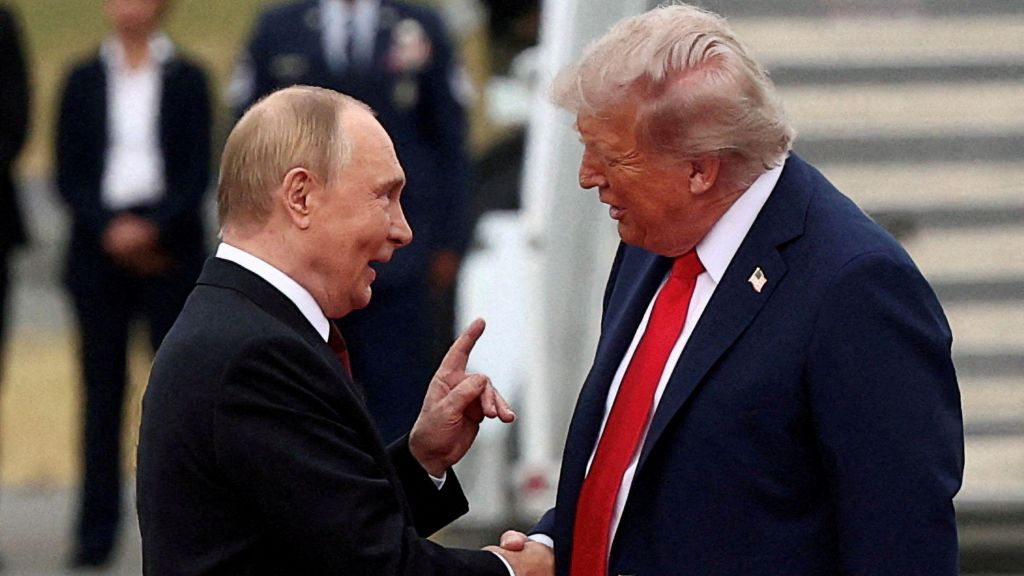
    During Monday’s discussion with US President Donald Trump, Putin proposed several diplomatic initiatives for resolving the Iran crisis, drawing on his communications with Gulf state leaders and other regional stakeholders. This engagement provides Russia with dual advantages: enhanced influence throughout the Middle East and opportunities to strengthen ties with Washington.

    The Kremlin perceives its relationship with the Trump administration as strategically beneficial for Russian objectives in Ukraine. This calculation explains Putin’s deliberate avoidance of personal criticism toward Trump regarding the Iran conflict—a diplomatic restraint noted by Trump himself during post-call remarks.

    Beyond diplomatic gains, Russia stands to benefit economically from Middle East instability. The recent oil price surge to nearly $120 per barrel—well above Russia’s budget benchmark of $59—delivers substantial financial relief to Moscow’s war economy. Potential easing of oil-related sanctions, as suggested by Trump, could provide additional revenue streams for Russia’s military operations in Ukraine.

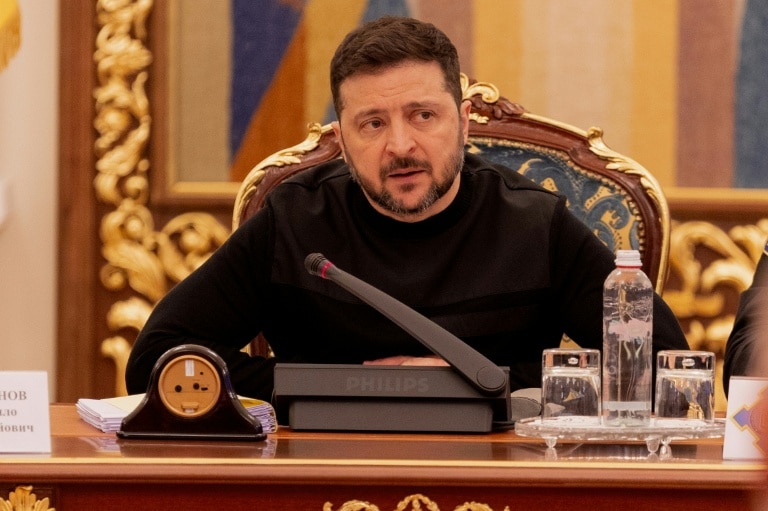
    Ukrainian President Volodymyr Zelensky has warned that sanction relief would deal a “serious blow” to Kyiv’s defense efforts, creating tension between Western allies regarding appropriate responses to both conflicts.

  • Ukraine says hit ‘key’ Russian military factory in missile strike

    Ukraine says hit ‘key’ Russian military factory in missile strike

    In a significant escalation of cross-border strikes, Ukrainian forces targeted a critical Russian military manufacturing facility in the western city of Bryansk on Tuesday. President Volodymyr Zelensky confirmed the operation, characterizing it as a justified retaliatory measure against Russia’s sustained assault campaign.

    The targeted facility, identified as the Kremniy El microelectronics plant, specializes in producing sophisticated semiconductor components and integrated microchips that serve as essential guidance systems for Russian missile arsenals, including Iskander ballistic missiles. Ukrainian military officials disclosed that the strike was executed using British-supplied Storm Shadow air-launched cruise missiles, which reportedly inflicted substantial damage to production infrastructure.

    Russian authorities reported contrasting casualty figures, asserting the attack resulted in six civilian fatalities and at least thirty-seven injuries—claims that Ukraine has not formally addressed. Regional Governor Aleksandr Bogomaz confirmed the wounded were receiving medical treatment at Bryansk Regional Hospital.

    This strategic operation occurs against the backdrop of intensified military engagements in eastern Ukraine’s Donbas region, where Russian strikes recently killed four individuals in the town of Sloviansk. Simultaneously, diplomatic efforts continue as the United States proposes renewed trilateral negotiations between Russia and Ukraine, potentially scheduled for next week in Switzerland or Turkey according to President Zelensky’s statements.

  • Iranian missiles might be testing Nato air defences in Turkey to target crucial radar base

    Iranian missiles might be testing Nato air defences in Turkey to target crucial radar base

    NATO air defense systems have successfully intercepted multiple Iranian ballistic missiles entering Turkish airspace over the past week, according to Middle East Eye analysis. The incidents have raised serious concerns about potential targeting of critical NATO infrastructure in the region.

    The first interception occurred near Hatay, approximately 100 kilometers east of Incirlik Air Base, a facility previously hosting U.S. military personnel. A second missile launched toward Turkey on Tuesday was neutralized by U.S. destroyers using RIM-161 Standard Missile-3 (SM-3) interceptors. NATO analysis indicates the missiles originated from east of Tehran, with open-source reports suggesting possible launches from the Revolutionary Guard’s Damghan missile base in Semnan province.

    Turkish Foreign Minister Hakan Fidan conveyed strong objections to Iranian counterpart Abbas Araghchi, declaring ballistic missile incursions into Turkish territory ‘unacceptable.’ While Iranian leadership denied responsibility and suggested possible Israeli false-flag operations, Turkish experts point to Iran’s decentralized command structure following recent high-ranking official casualties as a potential factor in these unauthorized launches.

    Strategic analysts believe the missiles may have been testing NATO’s air defense capabilities to assess vulnerabilities in the Kurecik radar base in Malatya. This facility hosts a TPY-2 X-band radar critical to NATO’s European Phased Adaptive Approach (EPAA) missile defense system. According to Center for Strategic and International Studies (CSIS) analysis, this radar represents the cornerstone of NATO’s air defense architecture, providing essential tracking data for Iranian missiles bound for Europe.

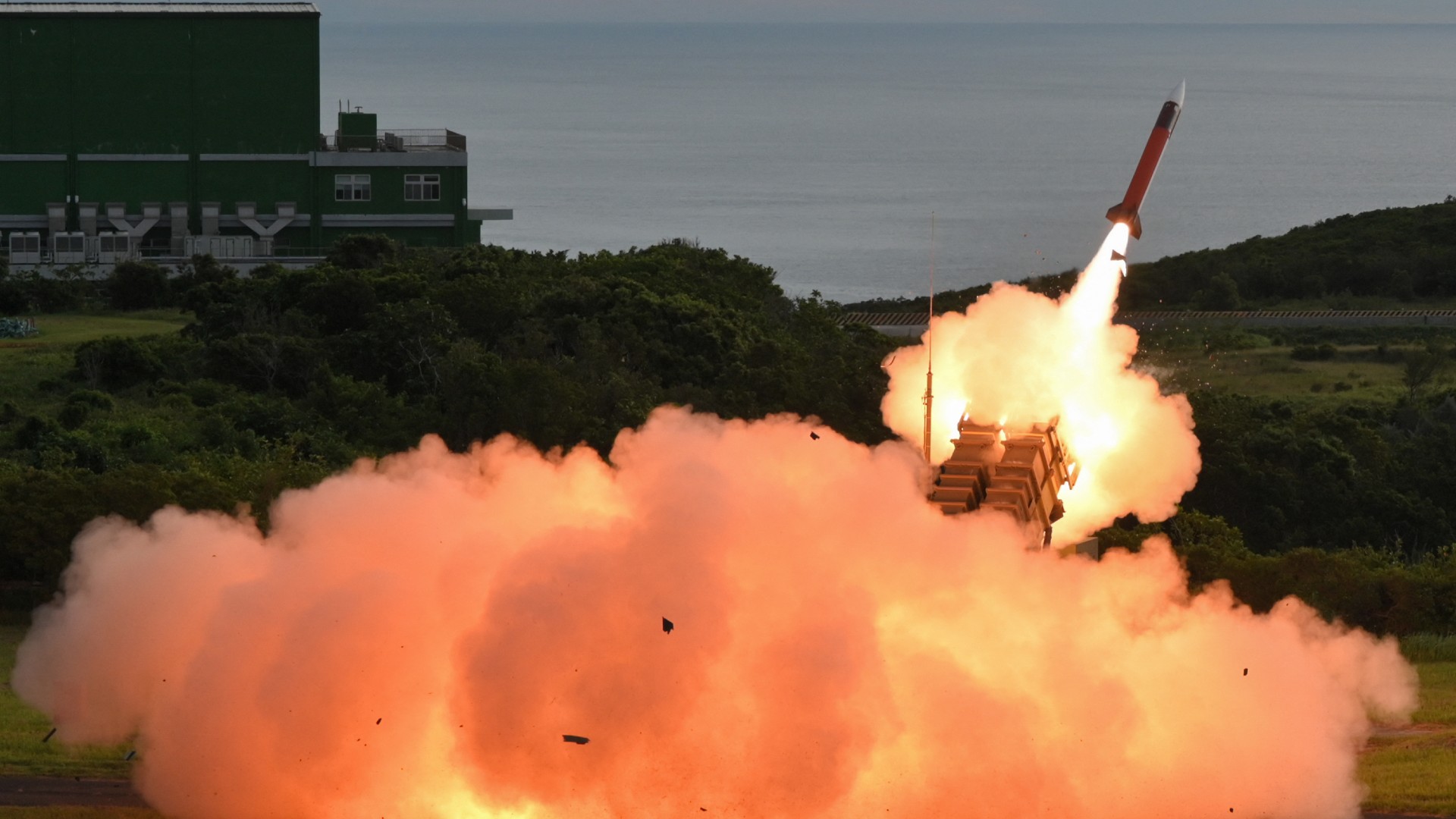
    In response to these developments, NATO has deployed advanced PAC-3 Patriot missile systems from Germany’s Ramstein base to Malatya, upgrading from the insufficient PAC-2 models previously stationed in southern Turkey since 2015. These new systems will provide comprehensive coverage for eastern Turkey and the eastern Mediterranean, integrating with regional NATO assets for autonomous interception capabilities.

    Defense experts note that Iran has previously targeted radar systems across the Gulf region, including facilities in Qatar, UAE, Jordan, Bahrain, Kuwait, and Saudi Arabia. The strategic positioning of Turkey’s TPY-2 radar makes it particularly vulnerable, as its failure would critically degrade NATO’s early warning capabilities against Iranian missile threats to Europe.