博客

  • From Marx to mosque: how Iran reshaped global extremism

    From Marx to mosque: how Iran reshaped global extremism

    The seismic 1979 Iranian Revolution fundamentally altered the Middle Eastern political landscape, overthrowing a Western-supported monarchy to establish the world’s first modern theocratic Islamic Republic. This watershed moment not only transformed regional dynamics but also catalyzed a new era of political extremism that continues to reverberate decades later.

    In his groundbreaking work “The Revolutionists,” Guardian international security correspondent Jason Burke presents the Iranian Revolution as the ignition point for a powerful new energy that swept across the Muslim world. The revolution’s aftermath witnessed the dramatic acceleration of religious extremism throughout Islamic societies, simultaneously marginalizing older leftist revolutionary movements that had previously dominated anti-establishment discourse.

    The book meticulously traces two distinct but interconnected waves of extremism that emerged from this transformative period. The first originated from secular, predominantly left-wing revolutionary movements that proliferated during the late 1960s and early 1970s, particularly those centered on the Palestinian cause. The second gained momentum toward the decade’s end, spilling into the 1980s as violent Islamist militancy directed against Western political influence and secular modernity.

    Burke provides penetrating profiles of the era’s most notorious figures, including Leila Khaled of the Popular Front for the Liberation of Palestine (PFLP), who participated in landmark aircraft hijackings that pioneered a new form of political theater. Similarly, he examines Hamid Ashraf of the Organization of Iranian People’s Fedai Guerrillas, whose remarkable survival skills under intense persecution made him an obsession for Iranian authorities.

    The narrative expands beyond individual actors to reconstruct the vast transnational ecosystem that sustained these movements. Despite divergent ideologies—one secular and anti-imperialist, the other religious and theocratic—both streams shared a fundamental conviction that established power structures could be overthrown through violent means.

    Burke’s research demonstrates how these revolutionaries operated within broader global transformations, from media expansion to superpower rivalry infrastructures. The book documents how extremists, weapons, and funding circulated across borders, with groups like West Germany’s Red Army Faction training alongside Palestinian guerrillas in Jordan.

    The 1979 Iranian Revolution demonstrated that militant religious mobilization could successfully topple a major regional power and defy global superpowers. This seismic event prompted a dramatic evolution in extremist tactics, shifting from the largely theatrical violence of the early 1970s—designed primarily to attract attention—to the mass-casualty atrocities that became familiar in subsequent decades.

    Burke concludes with a crucial warning: while we may vehemently disagree with the changes these violent actors sought, dismissing their motivations as mere fanaticism prevents us from understanding the complex forces that drive political extremism—an oversight we make at our peril.


  • Deputies highlight Yunnan’s dynamic culture-tourism interplay

    Deputies highlight Yunnan’s dynamic culture-tourism interplay

    During the 2026 National People’s Congress sessions, representatives showcased Yunnan Province’s innovative approach to tourism development through cultural preservation. The discussion emerged as travelers increasingly seek authentic experiences beyond generic internet travel clichés.

    China Daily reporter Yan An, drawing from personal experience in Yunnan, engaged with multiple NPC deputies about the province’s groundbreaking strategies. The conversations revealed how Yunnan is redefining sustainable tourism by deeply integrating cultural elements into visitor experiences.

    NPC deputy Bamo, an expert in intangible cultural heritage protection, emphasized that meaningful tourism cannot exist independently from its cultural foundations. This perspective aligns with China’s 15th Five-Year Plan draft outline, which explicitly advocates for ‘shaping tourism with culture and showcasing culture through tourism.’

    The provincial model demonstrates how cultural assets—from ethnic traditions to historical practices—can enhance tourist engagement while simultaneously preserving indigenous heritage. This dual approach addresses both economic development needs and cultural conservation imperatives, creating a symbiotic relationship between visitors and local communities.

    Yunnan’s methodology represents a significant shift from conventional tourism models, focusing instead on creating memorable, culturally immersive experiences that benefit both travelers and heritage bearers. The province’s success offers a replicable framework for other regions seeking to develop sustainable, culturally-grounded tourism economies.

  • Severe weather batters US including this tornado in Illinois

    Severe weather batters US including this tornado in Illinois

    A devastating wave of severe weather tore through the American Midwest on Tuesday, leaving a trail of destruction and claiming multiple lives. The powerful storm system generated numerous tornadoes, with one particularly destructive twister causing significant damage in Illinois. The extreme conditions extended beyond Illinois, with the neighboring state of Indiana reporting two fatalities as a direct result of the violent weather.

    The outbreak serves as a stark reminder of the region’s vulnerability to spring tornado activity. Emergency response teams across affected states were immediately mobilized to conduct search and rescue operations, assess structural damage to buildings and infrastructure, and provide assistance to displaced residents. Meteorologists had issued advanced warnings for the severe weather event, though the intensity and precise locations of the tornado touchdowns highlighted the persistent challenges in predicting such extreme meteorological phenomena with absolute precision. The event is part of a larger pattern of severe spring storms affecting central United States.

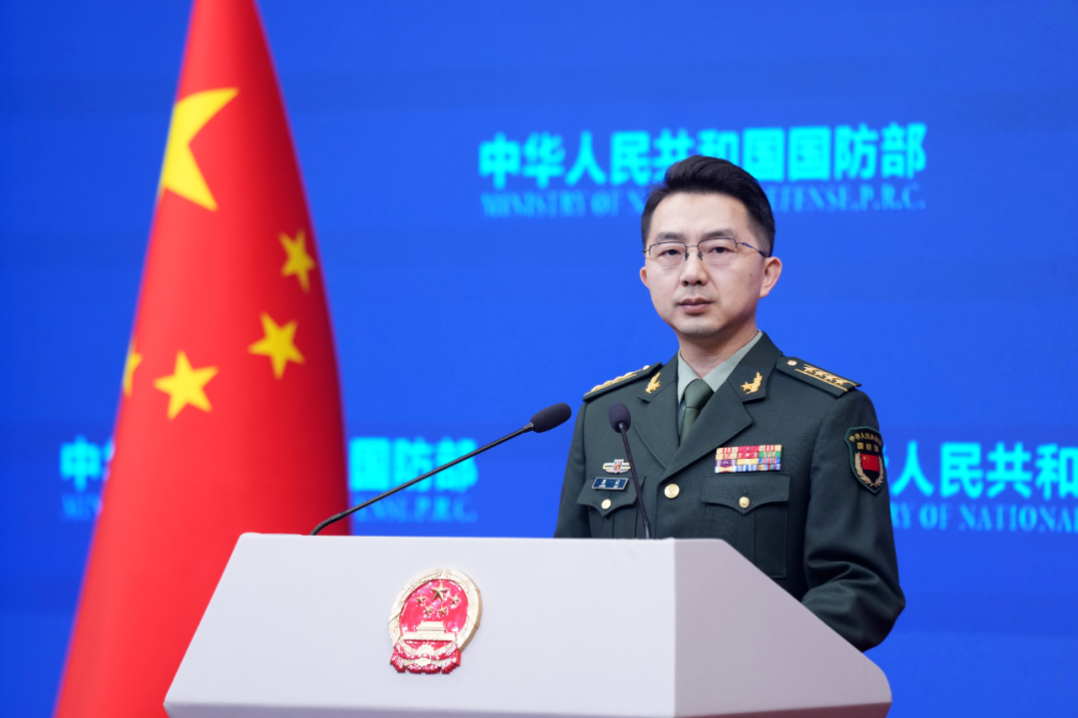
  • Escalating conflict would produce no winners, only push the Middle East into a ‘dangerous abyss’: China’s Defense Ministry

    Escalating conflict would produce no winners, only push the Middle East into a ‘dangerous abyss’: China’s Defense Ministry

    China’s Defense Ministry has issued a stark warning regarding the escalating tensions in the Middle East, asserting that intensified conflict would yield no victorious parties while potentially plunging the region into what it describes as a ‘dangerous abyss.’ The statement emerged as part of China’s ongoing diplomatic efforts to promote stability in conflict zones.

    The ministry emphasized that military escalation fundamentally undermines regional security and threatens global economic stability. Chinese officials highlighted their nation’s consistent position advocating for peaceful resolution mechanisms through diplomatic channels and multilateral engagement.

    This declaration aligns with China’s broader foreign policy approach emphasizing non-interference, conflict de-escalation, and sustainable political solutions. The Defense Ministry’s statement specifically cautioned against the proliferation of advanced weapon systems and emerging technologies in conflict areas without proper safeguards.

    Analysts interpret this positioning as reflecting China’s growing role as a strategic stakeholder in Middle Eastern stability, particularly given its significant energy imports and Belt and Road Initiative investments throughout the region. The statement stopped short of prescribing specific solutions but reiterated China’s commitment to supporting United Nations-led peace initiatives.

    The warning comes amid increasing global concerns about potential regional escalation patterns and their implications for international security architectures. China’s defense establishment appears to be positioning itself as a voice for restraint amid complex geopolitical maneuvering by various international actors in the Middle East.

  • Military use of AI should remain human-led to prevent it from spiraling out of control: China’s Defense Ministry

    Military use of AI should remain human-led to prevent it from spiraling out of control: China’s Defense Ministry

    China’s Defense Ministry has articulated a firm position on the military application of artificial intelligence, emphasizing that human oversight must remain paramount in combat systems. This stance was formally communicated during a recent press briefing, where defense officials warned against the potential dangers of autonomous weapons operating without human control.

    The ministry’s statement represents a significant contribution to the ongoing global dialogue regarding ethical frameworks for AI in warfare. Chinese defense authorities contend that maintaining human command authority is essential for preventing catastrophic escalations and ensuring international security stability. This perspective aligns with growing international concerns about autonomous weapons systems potentially making life-or-death decisions without meaningful human intervention.

    China’s position emerges amid rapid technological advancements in military applications of artificial intelligence worldwide. The defense ministry’s statement suggests Beijing seeks to position itself as a responsible stakeholder in the development of international norms governing lethal autonomous weapons systems. This approach contrasts with some nations’ more aggressive pursuit of fully autonomous combat capabilities.

    The Chinese perspective emphasizes that while AI can enhance military efficiency and decision-making processes, ultimate authority must remain with human operators. This balanced approach acknowledges AI’s potential benefits while advocating for safeguards against uncontrolled escalation in conflict scenarios. The statement comes as United Nations discussions continue regarding potential regulatory frameworks for autonomous weapons systems.

  • A drone strike hits school and medical center in southern Sudan, killing 17, mostly schoolgirls

    A drone strike hits school and medical center in southern Sudan, killing 17, mostly schoolgirls

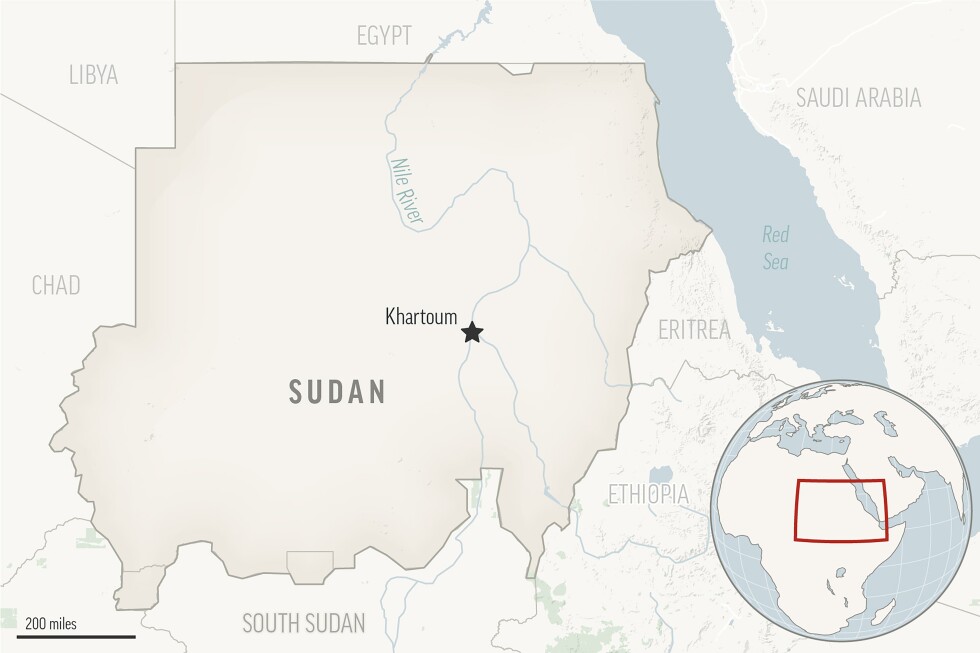
    A deadly drone attack attributed to Sudanese paramilitary forces struck a secondary school and healthcare facility in southern Sudan on Wednesday, resulting in significant civilian casualties. Hospital authorities and medical organizations confirmed at least 17 fatalities, predominantly female students, with 10 additional individuals sustaining injuries.

    The assault occurred in the village of Shukeiri within White Nile province, where medical professionals reported three critically injured girls requiring urgent surgical intervention. Dr. Musa al-Majeri, director of Douiem Hospital, detailed that two victims underwent emergency procedures locally while the third was transferred to Khartoum for specialized care.

    Both the Sudan Doctors Network and hospital officials identified the Rapid Support Forces (RSF) as responsible for the strike, emphasizing the complete absence of military targets in the affected area. The paramilitary organization has not responded to allegations regarding the attack.

    Dr. Razan Al-Mahdi, spokeswoman for the medical group, characterized the incident as part of a systematic pattern of RSF violations in White Nile province, noting recent attacks on civilian infrastructure including student dormitories and power installations.

    This event represents the latest escalation in Sudan’s protracted conflict, which began in April 2023 following the collapse of power-sharing arrangements between the military and RSF. The ongoing violence has primarily concentrated in the Kordofan region, where drone strikes have become increasingly frequent.

    United Nations data indicates over 40,000 conflict-related deaths, though humanitarian organizations suggest actual figures may be substantially higher. The war has been marked by extensive atrocities including mass killings and sexual violence, currently under investigation by the International Criminal Court for potential war crimes and crimes against humanity.

    The October 2023 RSF offensive in el-Fasher, Darfur, resulted in approximately 6,000 fatalities within 72 hours, with UN-commissioned experts describing the assault as bearing ‘hallmarks of genocide.’

  • National political adviser proposes to enhance talent cultivation for elite engineers in China

    National political adviser proposes to enhance talent cultivation for elite engineers in China

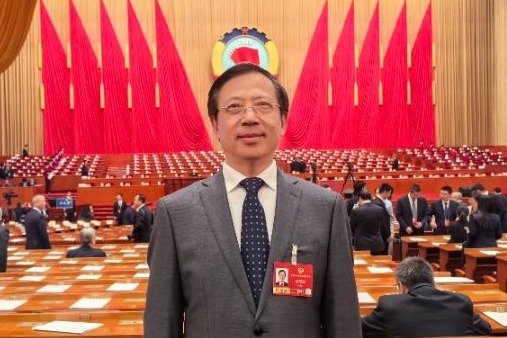
    A prominent Chinese political adviser has called for comprehensive reforms to strengthen the cultivation of elite engineering talent, highlighting critical gaps between academic training and industrial requirements. Xin Sijin, Chairman of the University Council at Wuhan University of Technology and a national political adviser, presented a detailed proposal during the ongoing political advisory session emphasizing the urgent need for deeper industry-education integration.

    Xin identified several systemic challenges currently hindering the development of top-tier engineers, including insufficient collaborative training bases, limited access to real-world engineering practice opportunities, and inadequate industry participation in educational programs. Despite initiatives launched since 2010 to enhance practical training through specialized undergraduate disciplines for elite engineers, significant obstacles remain in achieving genuine industry immersion.

    The adviser specifically advocated for stronger partnerships between universities and leading enterprises, urging corporations to open their research and development environments to students. “We should regularly publish lists of actual engineering challenges and encourage academic teams to address these practical issues,” Xin stated, emphasizing that this approach would significantly enhance students’ problem-solving capabilities.

    Xin also highlighted the transformative potential of digital tools in bridging practical training gaps and called for improved management and quality monitoring of joint training programs. “Strengthening the ability to solve complex engineering problems through alternating work and study cycles is absolutely essential,” he added.

    Noting that few engineering postgraduates currently experience long-term integration within corporate research environments, Xin proposed national-level incentives to encourage more active enterprise participation. He framed talent cultivation as a societal responsibility rather than merely an academic task, stating that “training engineers impacts the future development of our entire nation.”

    Wuhan University of Technology has already implemented innovative collaboration models with industries spanning construction, automotive, and transportation sectors. Through joint R&D centers, students conduct primary research and select thesis topics directly from industrial applications, providing valuable practical experience that bridges theoretical knowledge with real-world challenges.

  • US had blueprint to cut civilian war casualties – Trump killed it

    US had blueprint to cut civilian war casualties – Trump killed it

    A devastating missile strike on an elementary school in Minab, southern Iran, has become the tragic focal point of a major policy reversal in US military operations. Horrific images from the February 28 attack show grieving parents, blood-stained backpacks, and rows of small coffins – with Iranian health officials reporting over 165 fatalities, predominantly children under 12, and nearly 100 wounded.

    The tragedy coincides with the systematic dismantling of the Pentagon’s Civilian Harm Mitigation and Response (CHMR) program, an initiative established during the Biden administration to reduce noncombatant casualties. According to defense analysts, the Trump administration has reorganized national security around principles of increased aggression and reduced accountability, gutting the fledgling protection framework.

    Wes Bryant, a former special operations targeting specialist and senior CHMR adviser, witnessed the program’s abrupt termination after Defense Secretary Pete Hegseth prioritized ‘lethality’ over civilian safeguards. ‘We’re departing from the rules and norms that we’ve tried to establish as a global community since at least World War II,’ Bryant stated. ‘There’s zero accountability.’

    Open-source investigations by Bellingcat have authenticated video evidence showing a US-made Tomahawk missile striking adjacent to the school, with fragments recovered from the site. As the sole conflict party possessing Tomahawks, the United States faces mounting international scrutiny, with UN human rights experts calling for an investigation into potential violations of international law.

    The CHMR program, developed through painful lessons from past conflicts including the Kunduz hospital bombing and Mosul civilian casualties, employed approximately 200 personnel with a $7 million budget. It established standardized protocols for pre-strike civilian mapping, no-strike list maintenance, and post-operation investigations to incorporate lessons learned.

    Despite initial support from Trump-appointed defense officials during confirmation hearings, the program suffered approximately 90% reduction in staffing. Current operations in Iran have reportedly resulted in over 1,200 civilian casualties according to Human Rights Activists News Agency, echoing the very ‘forever war’ scenarios that originally prompted reforms.

    Military professionals warn that the administration’s approach risks creating what retired General Stanley McChrystal termed ‘insurgent math’ – where every innocent killed generates at least ten new enemies. With harm-reduction capabilities largely eliminated, analysts fear the Minab tragedy may represent just the beginning of a dangerous new chapter in US military operations.

  • Trump’s ‘racist hate speech’ fuelling rights abuses: UN watchdog

    Trump’s ‘racist hate speech’ fuelling rights abuses: UN watchdog

    A United Nations human rights monitoring body has issued a stark warning regarding escalating racial discrimination and rights violations within the United States, directly linking the crisis to rhetoric from the highest levels of government. The UN Committee on the Elimination of Racial Discrimination (CERD) published an urgent report on Wednesday, asserting that racist hate speech from President Donald Trump and other political figures, combined with intensified immigration enforcement, is instigating serious human rights abuses.

    The committee’s analysis highlighted a disturbing rise in derogatory and dehumanizing language targeting migrants, refugees, and asylum seekers. It noted that influential public figures, including the president, have persistently portrayed these groups as criminals or societal burdens. This narrative, CERD warned, fosters widespread intolerance and has the potential to incite both racial discrimination and hate crimes.

    Beyond rhetoric, the report expressed grave concern over the systematic application of racial profiling by US Immigration and Customs Enforcement (ICE) officers. These practices, which disproportionately target individuals of Hispanic/Latino, African, or Asian origin through arbitrary identity checks, have resulted in the widespread detention of refugees, asylum seekers, and even persons merely perceived to be migrants. The committee cited a staggering figure of at least 675,000 deportations since President Trump resumed office in January 2025.

    The findings were precipitated by an urgent submission from the American Civil Liberties Union in February, requesting an investigation into rights violations during extensive immigration crackdowns, notably in Minnesota. These operations, involving thousands of federal agents, were characterized by the administration as targeted missions against criminals but culminated in public outrage following the deaths of two US citizens and the arrest of a young child.

    CERD’s report also condemned the excessive use of force during enforcement operations, noting at least eight fatalities occurring during ICE activities or while in agency custody since January. A drastic surge in detainee populations was highlighted, with immigration detention facilities seeing numbers balloon from 40,000 in late 2024 to approximately 73,000 at the start of this year. The committee raised alarms over ensuing ‘inhuman conditions and inadequate medical care,’ citing the deaths of at least 29 migrants in detention during 2025, with six occurring in January of this year alone.

    Further criticism was directed at the rescission of longstanding policies that limited immigration enforcement operations near sensitive locations such as schools, hospitals, and places of worship. In its concluding recommendations, the committee of 18 independent experts urged the US government to immediately suspend such operations, conduct a comprehensive rights-based review of all legislative measures enacted since January 2025, and publicly condemn racial discrimination and racist hate speech to ensure accountability.

  • Major Thai industrial estate developer announces plans to boost growth in ASEAN

    Major Thai industrial estate developer announces plans to boost growth in ASEAN

    Amata Corporation, Thailand’s premier industrial estate developer, has announced a comprehensive organizational restructuring designed to harness its strong financial position for accelerated expansion across Southeast Asia. The strategic move comes as the company positions itself to capitalize on the growing influx of foreign direct investment into ASEAN nations.

    Founder and Chairman Vikrom Kromadit revealed that the restructuring includes high-level executive appointments and strategic recruitment initiatives. The reorganization aims to strengthen Amata’s operations across Thailand, Vietnam, and Laos, where the company currently manages industrial cities hosting over 1,600 factories and commercial establishments.

    The company has set an ambitious target of 2,800 rai (approximately 1,100 hectares) in land sales for the current year, driven by increasing demand from Asian investors and the broader trend of manufacturing diversification into ASEAN markets. “ASEAN is rapidly emerging as a preferred investment destination, particularly for high-technology, digital innovation, and future-oriented industries that require sophisticated infrastructure and comprehensive business ecosystems,” Kromadit stated during a press briefing in Bangkok.

    Key appointments include Yasuo Tsutsui as Chief Executive Officer of Industrial Estate Thailand and Acting Chief Marketing Officer of Amata Corp, effective March 1. Osamu Sudo has been named Deputy Chief Executive Officer of affiliate company Amata Vietnam, signaling the company’s commitment to strengthening its regional leadership.

    The restructuring follows a remarkably successful financial year, with Amata reporting a consolidated net profit of 3.15 billion baht ($100 million) for the previous year—a substantial 28 percent year-on-year increase. Chief Financial Officer Dendao Komolmas attributed this performance to enhanced profitability from Vietnam operations and improved efficiency margins across all business segments.

    Geographically, Thailand is expected to contribute 1,650 rai of the sales target, primarily attracting advanced technology investors within the Eastern Economic Corridor. Vietnam is projected to account for 550 rai, supporting manufacturing relocations across diverse sectors including electronics and environmentally sustainable businesses. The newly established Laos operations target 600 rai for agricultural processing and logistics development.

    Despite the optimistic outlook, Kromadit acknowledged the need for vigilance regarding geopolitical uncertainties, particularly the ongoing crisis in the Middle East, which requires close monitoring in the coming weeks.