博客

  • Toddler dies after being struck by car in underground car park

    Toddler dies after being struck by car in underground car park

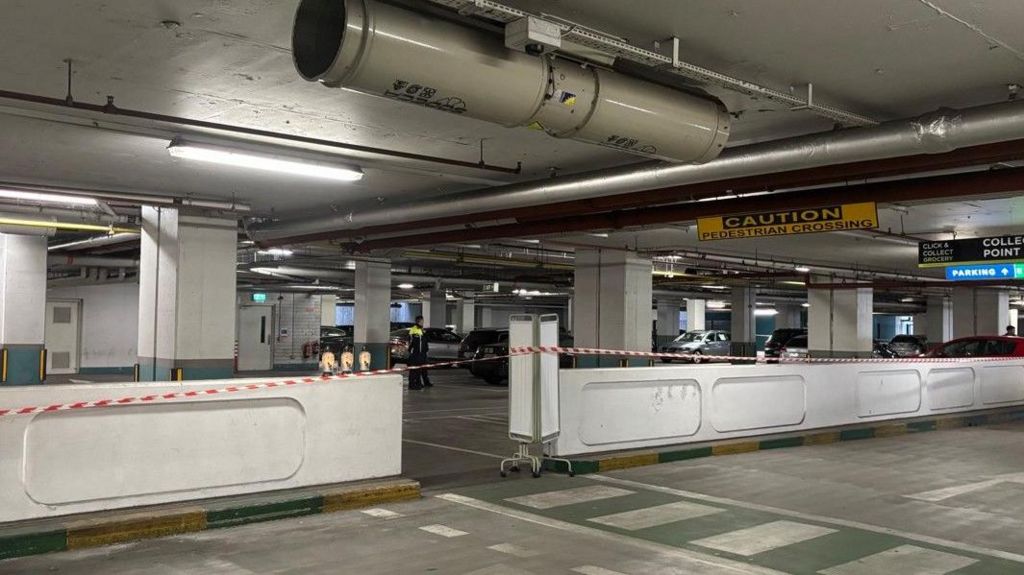
    A devastating incident unfolded in north Dublin on Wednesday morning when a three-year-old boy succumbed to injuries sustained after being struck by a vehicle within an underground parking facility. The tragedy occurred at Charlestown Shopping Centre in Finglas, prompting immediate emergency response.

    Irish law enforcement authorities (Gardaí) confirmed they were alerted to the scene approximately at 08:40 local time. Despite rapid transportation via ambulance to Children’s Health Ireland at Temple Street hospital, the child—described as a toddler—succumbed to serious injuries during Wednesday afternoon.

    The investigation remains active with Gardaí preserving the crash site for forensic analysis. In a statement, law enforcement officials revealed they have designated a family liaison officer to provide dedicated support to the grieving family during this profound tragedy.

    Authorities have issued a public appeal for witnesses who might have observed the collision or possess relevant visual evidence. They specifically seek individuals who were present in the Charlestown vicinity between 08:20 and 09:00, particularly those with dash-cam footage or other recording devices that might aid the ongoing investigation.

    The community of Finglas and greater Dublin area has been shaken by this incident, highlighting ongoing concerns about pedestrian safety in shared vehicle spaces. Gardaí continue to examine the circumstances surrounding this fatal collision.

  • Three brothers arrested after explosion at US embassy in Oslo

    Three brothers arrested after explosion at US embassy in Oslo

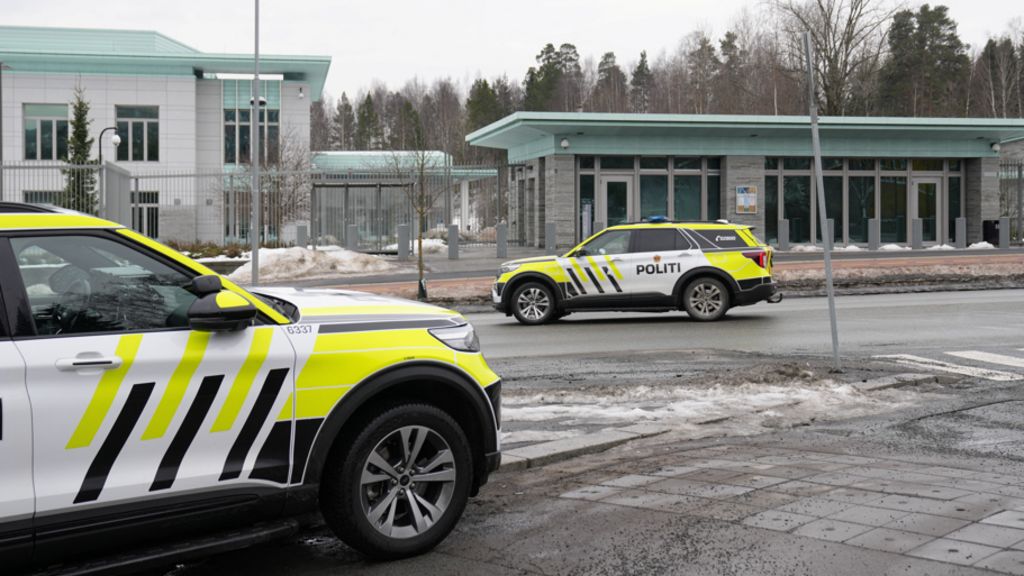
    Norwegian authorities have apprehended three brothers in connection with Sunday’s explosion outside the U.S. embassy in Oslo, revealing new details about the suspected terrorist bombing. The individuals, all Norwegian citizens in their twenties with connections to Iraq, were previously unknown to law enforcement before the incident.

    According to police attorney Christian Hatlo, the explosion resulted from an improvised explosive device strategically placed at the embassy entrance. The early morning blast at approximately 02:00 local time caused minor structural damage but fortunately resulted in no casualties. Emergency responders documented shattered glass, damaged doors, and scorch marks at the consular section entrance following the incident.

    The investigation has taken multiple directions, with authorities examining potential foreign state involvement and reviewing digital evidence including surveillance footage and a since-deleted Google Maps video featuring Iran’s late Supreme Leader Ayatollah Ali Khamenei. This development gains significance given Khamenei’s recent death during joint U.S.-Israeli operations in Tehran last month.

    Norwegian officials have deployed extensive resources including canine units, drones, and helicopters in what they classify as a high-priority investigation. Foreign Minister Espen Barth Eide condemned the attack as ‘unacceptable,’ emphasizing Norway’s commitment to diplomatic security. The U.S. State Department has concurrently launched its own investigation into the security breach.

    The suspects await interrogation as authorities work to determine motivations behind the attack, with terrorism charges already filed against the individuals whose identities remain protected under Norwegian law.

  • Trump’s Iran war and the dollar damage done

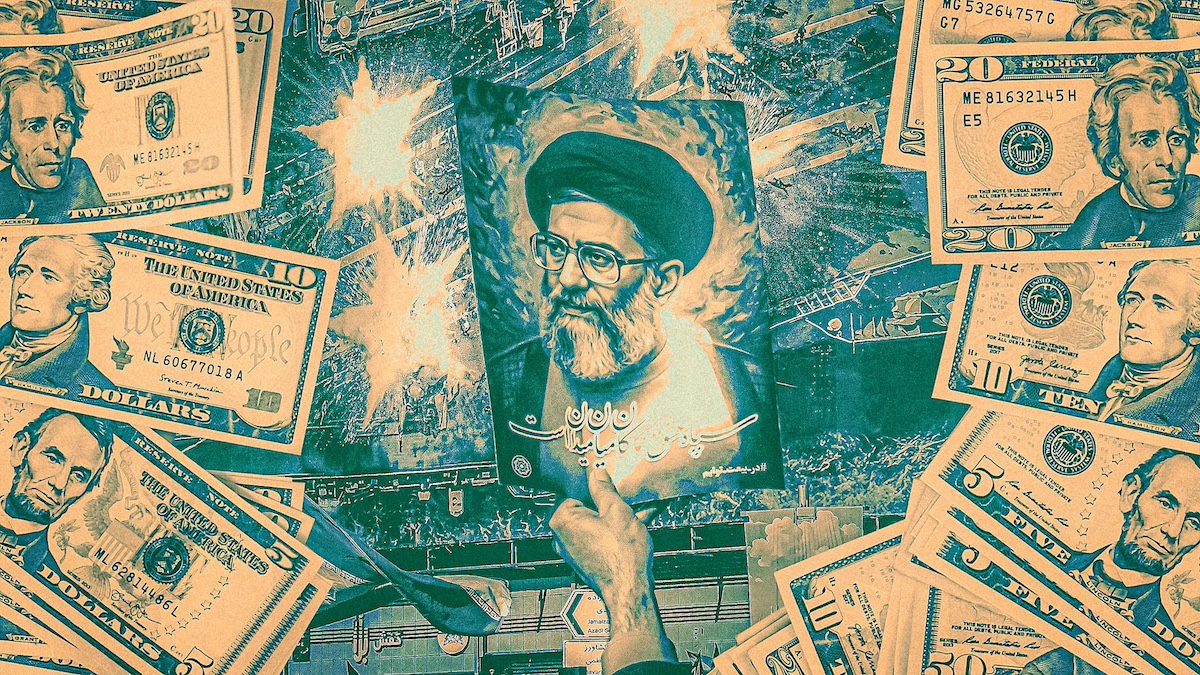
    Trump’s Iran war and the dollar damage done

    TOKYO – The escalating geopolitical tensions between the United States and Iran under President Donald Trump’s administration have triggered profound economic repercussions that extend far beyond immediate conflict zones. Regardless of whether diplomatic resolutions emerge swiftly, analysts confirm that substantial damage to global economic confidence has already been cemented.

    The current administration has dramatically shifted the Overton window of acceptable geopolitical shocks, introducing unprecedented uncertainty into international markets. Financial institutions worldwide now grapple with incorporating potential “Black Swan” events that might originate from presidential social media channels into their risk assessments.

    This paradigm shift compounds existing economic disruptions stemming from Trump’s aggressive tariff policies and immigration reforms. According to former Federal Reserve Bank of San Francisco economist Tim Mahedy, “This administration represents a sequence of supply shocks—the Iran conflict layers upon two other significant disruptions through tariffs and immigration policy.”

    The potential protracted nature of the Iran confrontation poses particular threats to business confidence. Nationwide Financial economist Kathy Bostjancic warns that prolonged uncertainty could significantly reduce corporate investment and household spending, creating a tangible drag on economic growth.

    Simultaneously, the administration’s confrontational approach toward Federal Reserve independence has raised alarms within financial circles. Attempts to remove Chair Jerome Powell, replace Governor Lisa Cook, and install political loyalists to the Fed board suggest a deliberate effort to politicize monetary policy institutions.

    Perhaps most significantly, Trump’s combination of massive fiscal expansion—pushing national debt beyond $38 trillion—and unconventional monetary policy proposals has triggered concerns about the dollar’s long-term status as the global reserve currency. Despite Moody’s recent downgrade of U.S. credit ratings, the dollar maintains its dominant position, though analysts note increasing nervousness among foreign holders of U.S. debt, particularly China and Japan, which collectively hold approximately $1.9 trillion in Treasury securities.

    UBS economist Paul Donovan observes that while outright dumping of dollar holdings remains unlikely, “reduced future appetite for U.S. Treasuries among international investors is gaining market attention.”

    The administration’s pursuit of a weaker dollar through potential “Mar-a-Lago Accord” style agreements reflects a misunderstanding of contemporary global economic dynamics, particularly the rising influence of BRICS nations and oil-rich Gulf states.

    Meanwhile, China perceives strategic opportunity in U.S. geopolitical isolation and fiscal uncertainty. Despite the yuan comprising only 2% of global foreign exchange reserves compared to the dollar’s 57%, Trump’s alienation of traditional allies and unconventional economic policies have created openings for Chinese currency internationalization efforts.

    Enodo Economics Chief Economist Diana Choyleva emphasizes that conventional analytical approaches separating economics, geopolitics, and military risk have become dangerously inadequate. “The Iran conflict is altering strategic balances between the U.S. and China, strengthening Iran-China-Russia alignment, and forcing nations from Saudi Arabia to Taiwan to reconsider positions,” she notes. “These structural shifts will ultimately matter more than immediate oil price spikes.”
  • Ecuador readies a major offensive on criminal groups with US logistical support

    Ecuador readies a major offensive on criminal groups with US logistical support

    QUITO, Ecuador — The Ecuadorian government has announced a comprehensive security operation targeting criminal organizations across three western provinces, with substantial logistical assistance from United States forces. Interior Minister John Reimberg disclosed the planned offensive during a radio interview on Wednesday, revealing that coordinated strikes would commence this weekend.

    The operation will focus on Guayas, Los Ríos, and Santo Domingo de los Tsáchilas provinces—regions experiencing some of the highest violence rates in the South American nation. To facilitate military movements and ensure civilian safety, authorities will implement an overnight curfew from 11 p.m. to 5 a.m. between March 15-30 in these areas.

    Minister Reimberg emphasized the necessity of the curfew, stating, “We must keep roads clear for troop and equipment deployment to prevent collateral casualties during our operations.” He confirmed significant U.S. military support for the mission but declined to provide specific operational details due to security considerations.

    The announcement follows earlier joint military actions between Ecuador and the U.S. against organized crime syndicates, though previous operations lacked detailed public disclosure regarding their scope and locations.

    Ecuador has faced escalating violence since early 2021, with criminal organizations maintaining established connections to international drug cartels based in Colombia and Mexico. The country serves as a critical logistical hub for narcotics trafficking, processing shipments primarily from Colombia and Peru before distribution to global markets including Central America, the United States, and Europe.

    The U.S. Embassy in Ecuador had not responded to media inquiries at the time of reporting. However, the U.S. Southern Command reiterated previous commendations for Ecuadorian armed forces, with Marine Gen. Francis L. Donovan praising their “unwavering commitment and courage in combating narco-terrorists.”

  • UK’s Shabana Mahmood approves police request to ban pro-Palestine march

    UK’s Shabana Mahmood approves police request to ban pro-Palestine march

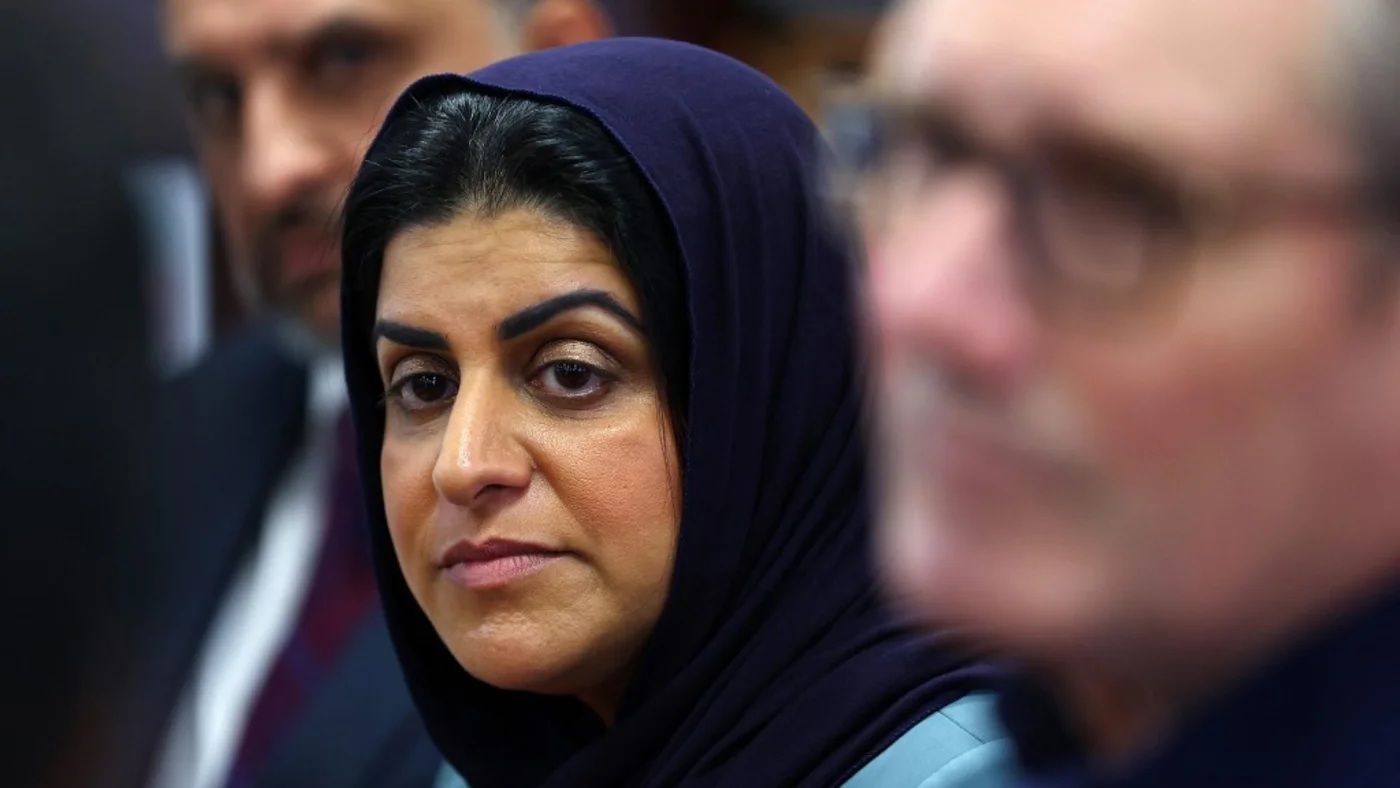
    The United Kingdom’s Home Secretary, Shabana Mahmood, has officially sanctioned a Metropolitan Police request to prohibit this year’s Al-Quds Day demonstration in London. The decision, announced via social media platform X on Wednesday, stems from mounting concerns regarding potential public disorder amidst heightened Middle Eastern tensions.

    The Al-Quds Day observance, originating in post-revolution Iran in 1979, traditionally serves as an international day of solidarity with Palestine. This year’s scheduled event coincides with escalating military engagements between the US-Israeli alliance and Iran, triggering both pro-war and anti-war demonstrations across Western capitals.

    In her official justification, Minister Mahmood stated: ‘I am satisfied this prohibition is necessary to prevent serious public disorder, considering the protest scale and multiple planned counter-protests within the context of the ongoing Middle East conflict.’ The Home Secretary clarified that stationary demonstrations would remain subject to stringent police conditions, adding: ‘I expect to see the full force of the law applied to anyone spreading hatred and division instead of exercising their right to peaceful protest.’

    The Islamic Human Rights Commission (IHRC), primary organizer of UK Al-Quds events, vehemently condemned the policing decision. The organization accused the Metropolitan Police of abandoning their ‘sworn principle of policing without fear or favour’ while allegedly capitulating to ‘Zionist lobby pressure.’ The IHRC confirmed seeking legal counsel while proceeding with a sanctioned static protest on March 15th.

    This year’s demonstration coincides with recent military actions against Iran, including the assassination of Supreme Leader Ayatollah Ali Khamenei and a school bombing in Minab that claimed approximately 180 lives, predominantly children. Cabinet colleague Courts Minister Sarah Sackman declined to characterize the attack as a war crime, describing it instead as the ‘realities of war’ during a Sky News interview.

  • Koala named ‘Koko’ symbolizes China-Australia university friendship

    Koala named ‘Koko’ symbolizes China-Australia university friendship

    In a distinctive display of international academic camaraderie, Griffith University of Australia has formally presented an adopted koala named ‘Koko’ to the University of Chinese Academy of Sciences (UCAS). This symbolic gesture, far exceeding conventional academic exchanges, embodies fifteen years of collaborative partnership between the two institutions.

    The naming of the marsupial represents a thoughtful linguistic and cultural fusion. ‘Koko’ is derived creatively from the English word ‘Koala’ and the Chinese phonetic expression for ‘science’ (Kēxué). This nomenclature was deliberately chosen to reflect the shared scientific ethos and a mutual dedication to pioneering research and innovation that characterizes both universities.

    Official records indicate that the symbolic gift was conferred during a significant diplomatic visit by Griffith University’s Vice Chancellor and President, Carolyn Evans, to UCAS in 2024. The event served to commemorate a decade and a half of sustained bilateral cooperation in education and research.

    While Koko will continue to reside in its natural habitat at the Currumbin Wildlife Sanctuary in Australia, the adoption is formally recognized and managed by Griffith University on behalf of its Chinese partner. This arrangement not only underscores a profound commitment to transnational wildlife conservation efforts but also stands as an enduring testament to the strengthening ties and lasting friendship between the academic communities of China and Australia.

  • Iran says will hit economic targets in the region

    Iran says will hit economic targets in the region

    Iran’s military command has issued a stark warning to American and Israeli financial institutions following overnight attacks on a major Tehran bank. The Islamic Revolutionary Guard Corps (IRGC) declared imminent missile strikes that would represent the most intense bombardment since the conflict’s inception on February 27.

    Military spokesperson for the Khatam al-Anbiya central operational command stated: ‘The American and Zionist terrorist forces, having failed in their military objectives, targeted one of our national banks. Regional populations must maintain at least one kilometer distance from banking facilities.’

    The semi-official Mehr news agency reported strikes on an administrative building connected to Bank Sepah, one of Iran’s largest financial institutions, resulting in unspecified casualties among staff members.

    Regional escalation continued with significant incidents across multiple fronts. Israeli emergency services reported 29 citizens wounded in stampedes during Iranian strikes, while Dubai authorities confirmed four injuries from intercepted drones near the international airport. Maritime security agencies documented an attack on a commercial vessel northwest of Dubai, though crew members remained unharmed.

    Air defense systems across the region saw intense activity with Kuwait intercepting eight drones, Saudi Arabia neutralizing two drones approaching the Shaybah oil field, and Qatar successfully blocking a missile attack. Iraq witnessed a direct drone strike on a major American diplomatic facility near Baghdad airport, with five additional drones intercepted before reaching their target.

    Al Jazeera reported devastating strikes on historical sites in Isfahan, described by local authorities as a ‘bloody night’ of cultural destruction. Meanwhile, Lebanese health officials reported 570 fatalities since the conflict expanded into their territory on March 2, including 86 children and 14 healthcare workers.

  • Yangzhou: Where lanterns glow and spring blooms

    Yangzhou: Where lanterns glow and spring blooms

    Yangzhou, Jiangsu Province – Last week witnessed China Daily’s foreign specialist Samar Kerkeni embarking on an immersive two-day cultural odyssey through the historic city of Yangzhou. The journey offered a profound exploration of traditional Chinese heritage against the backdrop of seasonal transformation.

    The inaugural day coincided with Lantern Festival celebrations at Songjiacheng Sports and Leisure Park, where Kerkeni engaged directly with multiple intangible cultural heritage practices. She participated in hands-on workshops demonstrating Yangzhou’s renowned lantern craftsmanship, an artistic tradition dating back centuries that combines intricate paper-cutting techniques with sophisticated lighting designs. The experience provided unique insights into how traditional festivals serve as living repositories of cultural knowledge.

    On the subsequent day, the exploration continued through Slender West Lake’s classical gardens, where early spring blossoms created a breathtaking natural panorama. Kerkeni documented the harmonious integration of horticultural artistry with landscape architecture, characteristic of Yangzhou’s UNESCO-recognized garden design philosophy. The sensory experience highlighted how Chinese cities maintain ecological consciousness alongside urban development.

    This ethnographic account reveals Yangzhou’s dual identity as both cultural conservator and natural sanctuary, demonstrating how regional Chinese cities preserve ancient traditions while remaining dynamically engaged with contemporary society. The documentation provides international audiences with accessible pathways to understanding China’s diverse regional cultural landscapes beyond metropolitan centers.

  • Q&A: Shakira says she feels like she’s just getting started. A Rock Hall nomination begs to differ

    Q&A: Shakira says she feels like she’s just getting started. A Rock Hall nomination begs to differ

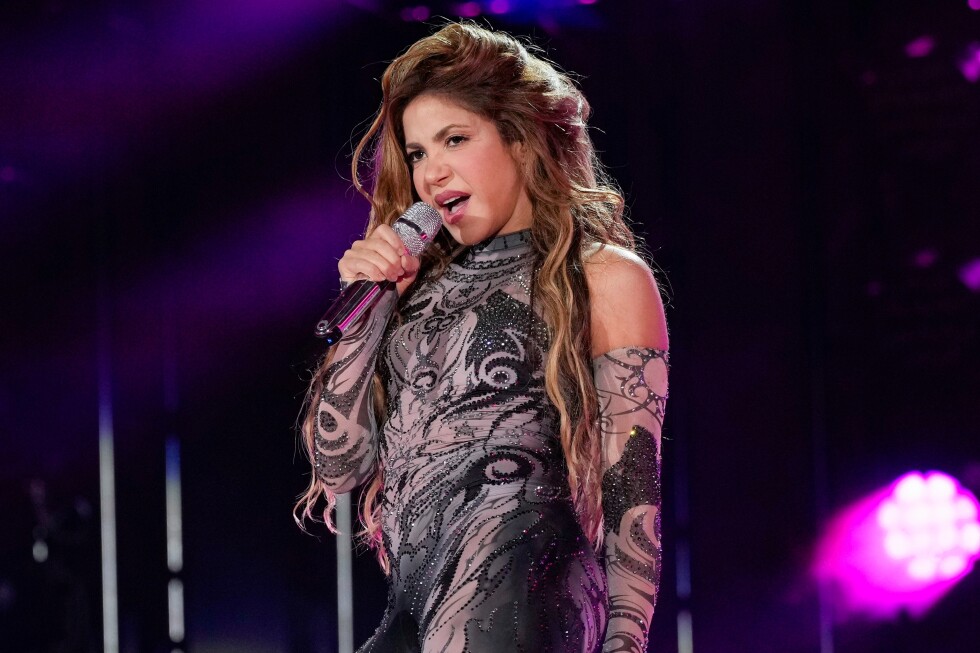
    In an extraordinary career resurgence, Colombian superstar Shakira is redefining artistic longevity while balancing motherhood and monumental musical achievements. The boundary-breaking performer recently made history in Mexico City’s Zócalo square, where approximately 400,000 fans gathered for her concert—shattering the venue’s attendance record two decades after her first performance there.

    This landmark event forms part of her first global tour since 2018, which the artist describes as the realization of lifelong dreams. ‘I’m being able to make so many of my dreams, as an artist, come true on this tour,’ Shakira revealed in an exclusive interview with The Associated Press. ‘It’s everything I ever dreamt about.’

    The accolades continue with her groundbreaking nomination for the 2026 Rock & Roll Hall of Fame class—a recognition that underscores her unique fusion of Latin music with rock and pop genres. Should she be inducted, Shakira would become the first Colombian artist and first Latina born and raised in Latin America to receive this honor.

    Reflecting on her Mexico City performance, the emotional artist shared: ‘That was just absolutely incredible. One of those experiences that are unforgettable. The love and friendship story that I have with Mexico is just uncanny.’ She notably performed ‘Dónde Estás Corazón,’ her first song ever played on Mexican radio, creating a profound full-circle moment.

    The tour continues with historic upcoming performances, including a return to Egypt’s Pyramids of Giza after nearly 20 years and an anticipated concert at Rio de Janeiro’s Copacabana Beach that may attract up to two million attendees.

    Despite her three-decade career, Shakira maintains she feels ‘at the threshold of a new beginning,’ crediting her audience’s emotional support and loyalty. Her rock music roots remain fundamental to her artistic identity, with recent album ‘Las Mujeres Ya No Lloran’ continuing her tradition of incorporating rock elements.

    The Rock Hall nomination holds particular significance for Latino representation. ‘I feel very proud as a Latina,’ Shakira expressed. ‘I’m happy to feel that I’m representing a part of my community there.’

    Looking forward, the artist dreams of performing at Paris’s Eiffel Tower or Champs-Élysées, but currently feels ‘so accomplished as an artist this year.’ She concludes: ‘I really am in love with making music and performing that music, and it’s brought so much joy to my life again, after the difficulties that I’ve been through.’

  • Chile’s Kast, most right-wing president since Pinochet, takes office

    Chile’s Kast, most right-wing president since Pinochet, takes office

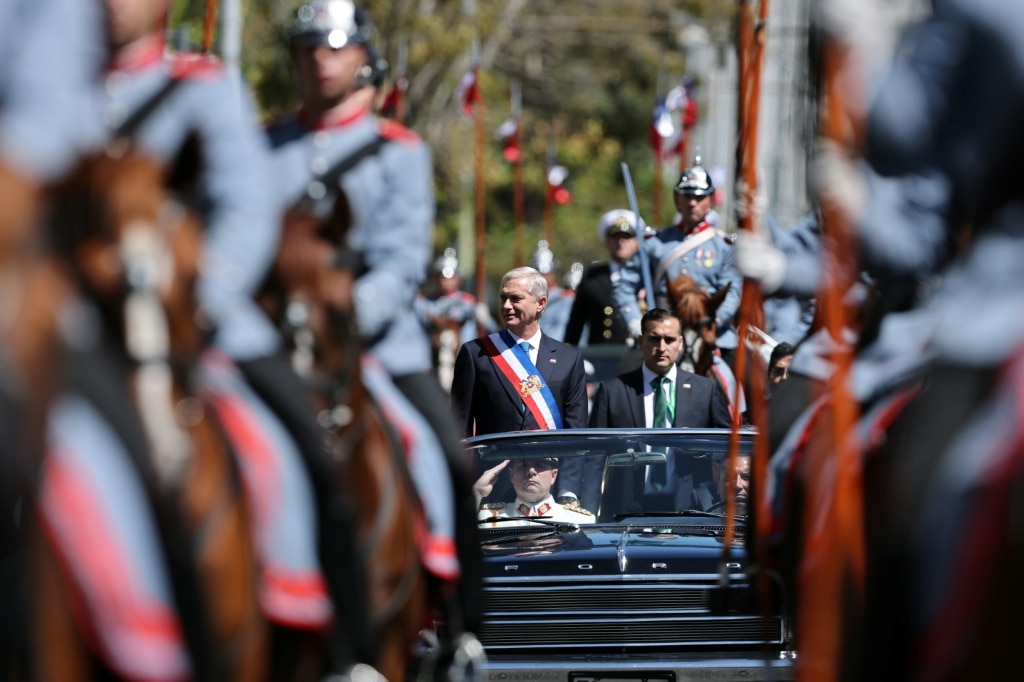
    Chile has inaugurated its most right-wing president since the military dictatorship of Augusto Pinochet, with José Antonio Kast assuming office Wednesday amid promises to combat escalating violent crime and implement extensive migrant deportations. The 60-year-old ultraconservative leader took his oath before Congress in Valparaíso, marking a significant political shift in a nation that has maintained center-left governance for much of its post-dictatorship era.

    Kast’s inauguration signals Chile’s alignment with a growing regional trend toward law-and-order conservatism, joining neighboring nations like Argentina and Ecuador in embracing right-wing leadership. The ceremony was attended by several prominent regional figures including Argentina’s libertarian President Javier Milei, Ecuador’s crime-fighting leader Daniel Noboa, and exiled Venezuelan opposition figure María Corina Machado.

    The new administration immediately faces complex geopolitical considerations, particularly regarding a controversial submarine fiber optic cable project linking Chile with Hong Kong—a initiative that has drawn security concerns from Washington and created tension during the transition from outgoing leftist President Gabriel Boric.

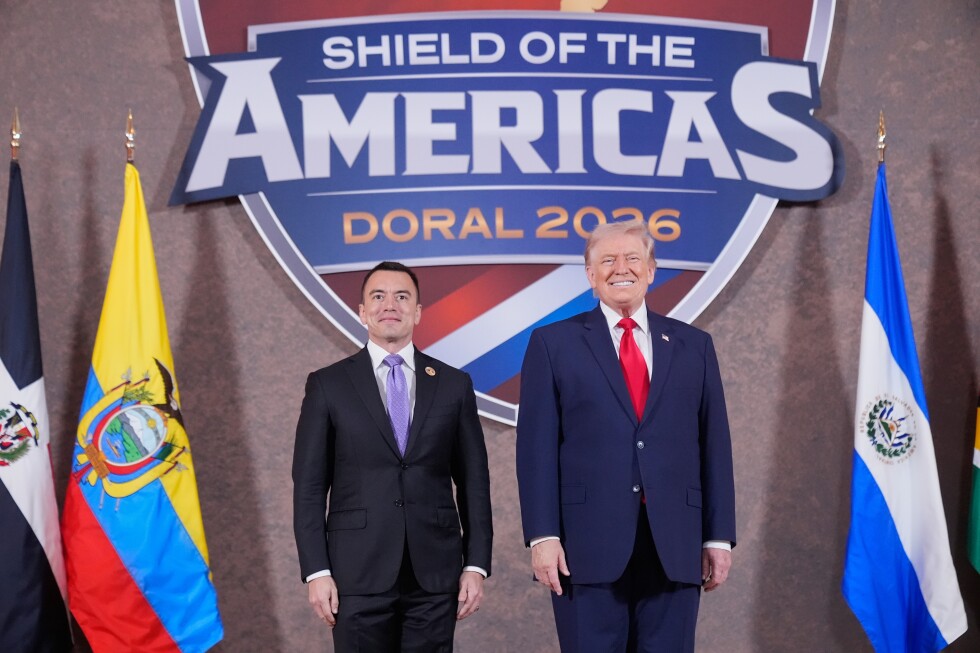
    Kast’s political platform draws notable inspiration from former U.S. President Donald Trump’s policies, particularly regarding immigration enforcement and border security. His participation in Trump’s recent Shield of the Americas summit in Florida positions Chile as another American ally in a region where Washington is reasserting influence. The president has vowed to deport hundreds of thousands of undocumented migrants, predominantly Venezuelans, and strengthen border controls in northern Chile.

    The cabinet appointments have generated controversy, with Kast selecting two lawyers who previously defended Pinochet’s regime for key justice and defense portfolios. His choice for women’s affairs minister—an evangelical anti-abortion activist—has further alarmed opposition groups and human rights organizations. Political analysts note that Kast represents a conservative ideology unprecedented since Chile’s return to democracy in 1990, with his administration likely to test the resilience of the country’s democratic institutions.

    Despite these concerns, many Chileans express optimism about Kast’s tough-on-crime agenda in a nation that has recently experienced rising rates of murder, kidnapping, and extortion—though Chile remains one of Latin America’s safest countries. The new government has promised enhanced police capabilities, military deployment to high-crime areas, and streamlined deportation procedures for undocumented immigrants.